How To Get Orchids To Bloom Indoors In Atlanta, Georgia During Winter
Why do orchids look perfectly healthy indoors yet refuse to bloom during winter in Atlanta? Leaves stay green, roots seem fine, and still, flowers never show up.
Indoor winter conditions in Georgia often feel comfortable to people but confusing to orchids.
Light shifts, heating dries the air, and temperature patterns flatten out, removing the cues orchids rely on to bloom.
Small adjustments made at the right time can signal the plant that it’s safe to flower, even while winter is still dragging on outside. Getting orchids to bloom indoors isn’t about constant care or complicated routines.
It’s about recreating the subtle changes they expect during the season. Once those signals are in place, orchids often respond on their own, producing blooms that last well beyond winter.
1. The Reason Orchids Don’t Bloom Indoors In Atlanta Winters
Orchids don’t bloom indoors during Atlanta winters because heating systems, stable indoor temperatures, and reduced winter light remove the seasonal signals they rely on to produce flowers. Without those natural cues, orchids stay healthy and green but never receive the message that it’s time to bloom.
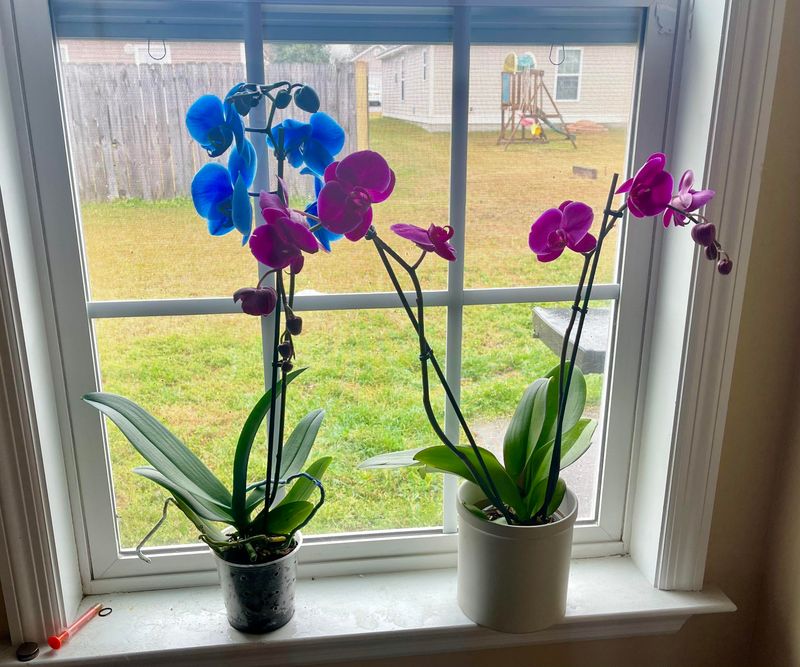
Your orchids require roughly the same amount of light in winter as they do during summer, but the sun’s lower angle and fewer daylight hours make this challenging. Placing plants near windows helps them capture maximum available light, yet cold glass surfaces can create temperature drops that stress tropical orchids.
A simple sheer curtain acts as an insulating barrier between your orchid and the cold window pane while still allowing plenty of bright, filtered light to reach the leaves.
You can also move plants slightly back from windows during particularly cold Atlanta nights when temperatures drop below freezing outside.
South-facing windows work wonderfully too, especially for orchids that prefer brighter conditions, but watch for any signs of leaf burn during sunny winter afternoons.
Rotating your orchids every few days ensures all sides of the plant receive equal light exposure, promoting balanced growth and bud development.
If your Atlanta home lacks sufficient natural light during winter months, consider supplementing with LED grow lights positioned about twelve inches above the orchid canopy. The combination of natural morning light and protection from cold drafts creates the perfect balance for encouraging winter blooms indoors.
2. Maintain Consistent Indoor Temperatures At Night
Orchids from tropical regions prefer stable temperatures that rarely fluctuate more than ten to fifteen degrees between day and night. Most homes in Atlanta maintain comfortable indoor temperatures during winter, typically ranging from sixty-eight to seventy-five degrees Fahrenheit during daytime hours.
The challenge comes when heating systems cycle off at night or when thermostats get lowered to save energy, creating temperature swings that can prevent bud formation.
Phalaenopsis orchids, the most popular variety for indoor growing, thrive when nighttime temperatures stay consistently above sixty degrees.
Placing a small thermometer near your orchids helps you monitor the actual temperatures in their specific location, which might differ from your general thermostat reading.
Avoid positioning orchids near heating vents where blasts of hot air alternate with cooler periods, creating an unstable environment that stresses the plants.
Your Georgia Garden Changes Every Week. Your Plan Should Too.
Gardening in Georgia changes quickly throughout the season. Every Friday you’ll receive a simple weekly plan showing exactly what to plant, prune, fertilize, harvest, and protect so you never miss the right timing.
Similarly, keep them away from exterior doors that open frequently, letting in cold Atlanta winter air that drops temperatures suddenly. Interior rooms away from outside walls tend to maintain more consistent temperatures throughout the night, making them ideal spots for orchids during winter months.
Consistency matters more than hitting exact temperature targets, so finding a stable location in your Atlanta home will encourage your orchids to develop and open their spectacular flower spikes.
3. Increase Humidity To Offset Dry Heated Air
Winter heating systems in Atlanta homes can drop indoor humidity levels to thirty percent or lower, far below the fifty to seventy percent that orchids prefer. Dry air causes orchid buds to blast, which means they shrivel and fall off before opening into flowers, leaving you disappointed after weeks of waiting.
Creating a humidity tray takes just minutes and provides localized moisture around your orchids without affecting your entire home. Fill a shallow tray with pebbles or decorative stones, add water until it reaches just below the top of the stones, then place your potted orchids on top.
As the water evaporates, it creates a humid microclimate around the leaves and developing buds, mimicking the orchid’s natural tropical habitat.
Grouping several orchids together also increases humidity since plants naturally release moisture through their leaves in a process called transpiration.
Small humidifiers designed for desktop or room use work wonderfully for orchid collections, maintaining consistent moisture levels throughout Atlanta’s dry winter months. Misting orchid leaves might seem helpful, but it provides only temporary humidity relief and can encourage fungal problems if water sits in leaf crevices overnight.
Monitoring humidity with an inexpensive hygrometer lets you know whether your efforts are working and helps you adjust your strategy for keeping those precious buds healthy until they open.
4. Water Thoroughly But Less Often During Winter
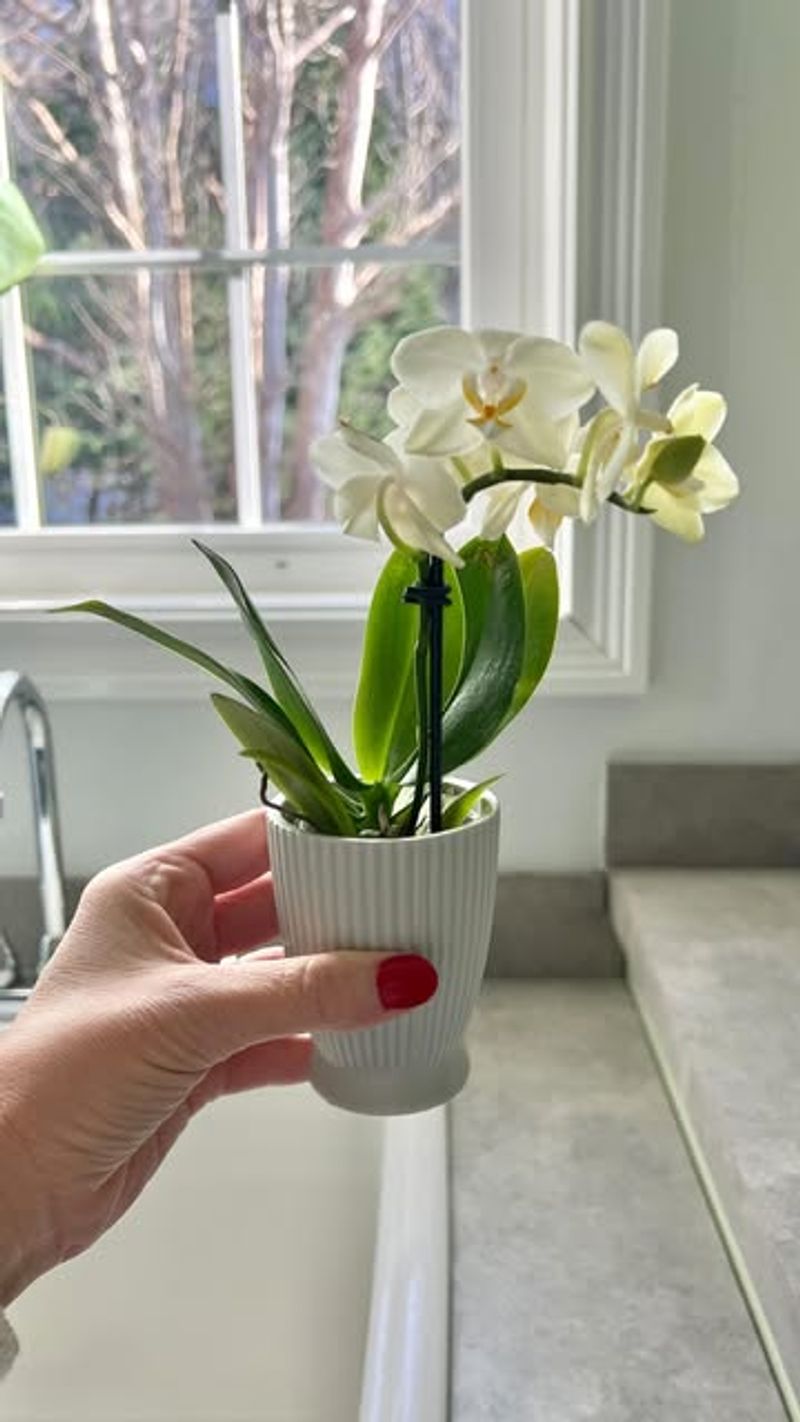
Cooler temperatures and reduced light during Atlanta winters slow orchid growth, which means plants use less water than during active growing seasons. Many orchid owners continue their summer watering schedule through winter, accidentally keeping roots too wet, which can cause root rot and prevent flowering.
Checking the potting medium before watering tells you exactly when your orchid needs moisture rather than following a rigid calendar schedule. Stick your finger about an inch into the bark or moss, and if it feels dry, your orchid is ready for a thorough watering.
When you do water, be generous and let water flow completely through the pot until it drains from the bottom holes, ensuring all roots get moistened.
Empty any water that collects in decorative cache pots or saucers within thirty minutes to prevent roots from sitting in standing water.
During Atlanta’s winter months, most orchids need watering only once every ten to fourteen days, though this varies based on your home’s temperature and humidity levels. Clear plastic pots make monitoring root health easy since healthy roots appear silvery-green when dry and turn bright green after watering.
Reducing watering frequency while maintaining thorough soaking when you do water mimics the natural wet-dry cycles orchids experience in their native environments, encouraging robust bloom development even during winter.
5. Avoid Fertilizing Until Buds Or New Growth Appear
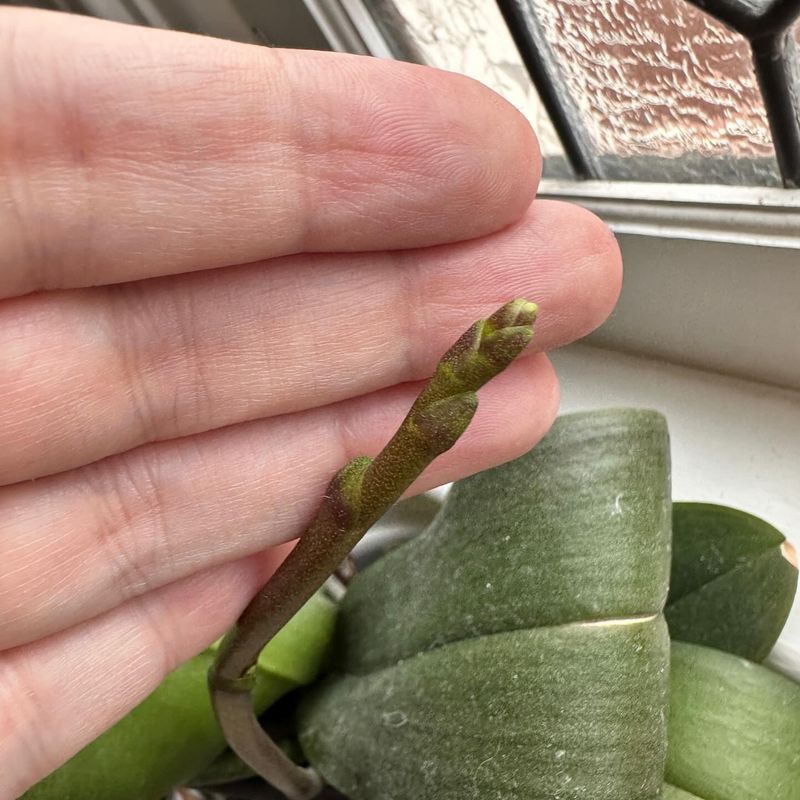
Orchids enter a semi-dormant phase during winter when growth slows significantly, and their nutritional needs decrease accordingly. Continuing to fertilize on your regular schedule can actually harm your orchids during this rest period, causing salt buildup in the potting medium that damages tender roots.
Atlanta’s winter season provides an excellent opportunity to give your orchids a break from feeding, allowing them to rest and prepare for their next growth cycle.
Once you notice a flower spike emerging from between the leaves or new leaf growth beginning, that signals your orchid is ready to resume active growth and benefit from nutrients.
Diluted orchid fertilizer applied at half the recommended strength works perfectly for plants showing signs of new growth or bud development.
The popular fertilizing motto of “weakly, weekly” shifts to “weakly, monthly” during winter dormancy, then resumes more frequent applications when growth restarts.
Flushing pots with plain water between fertilizer applications prevents salt accumulation that appears as white crusty deposits on bark chips or pot edges. Some orchid growers in Atlanta prefer bloom-booster formulas with higher phosphorus content once flower spikes appear, supporting bud development and flower quality.
Patience with fertilizing during winter rest periods actually promotes better blooming because orchids that rest properly tend to produce more flowers and stronger spikes when they resume active growth.
6. Provide Gentle Air Circulation Without Chilling Plants
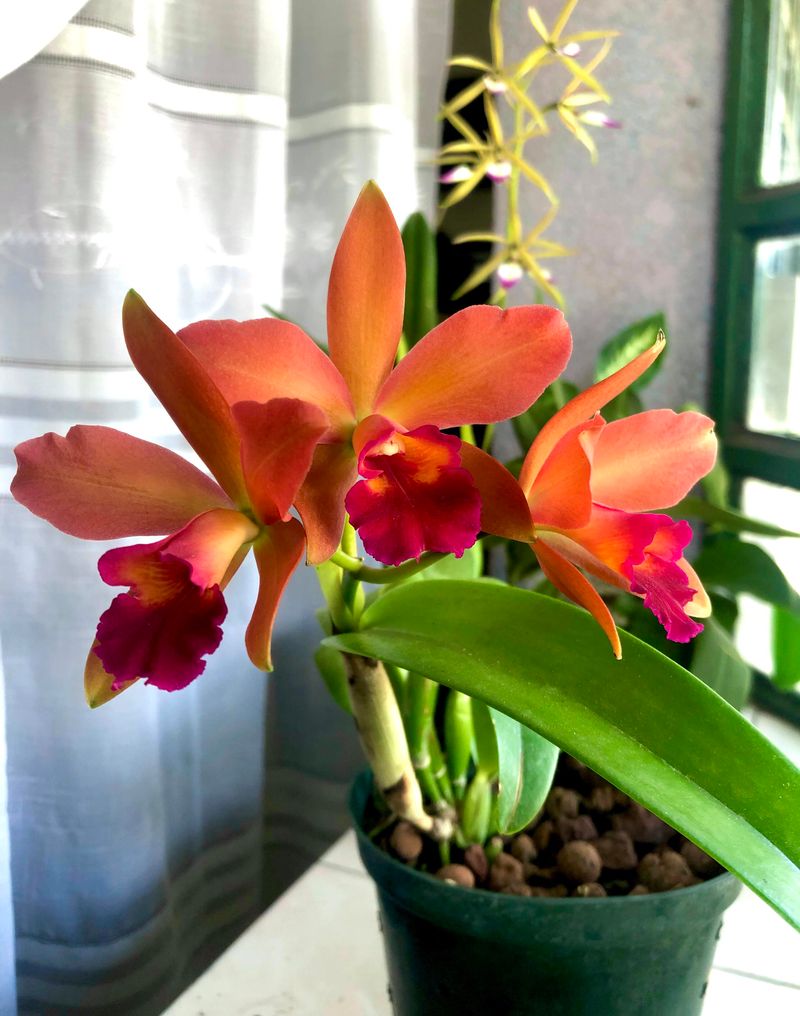
Stagnant air around orchids creates conditions where fungal diseases and pests thrive, particularly problematic during Atlanta’s humid winter months when homes stay closed up tight. Gentle air movement strengthens orchid stems, helps leaves dry quickly after watering, and prevents moisture from settling in leaf joints where rot can develop.
A small oscillating fan set on low speed and positioned several feet from your orchids provides ideal air circulation without creating cold drafts that stress plants.
The fan should create barely noticeable leaf movement, just enough to keep air fresh without causing leaves to flutter dramatically or dry out too quickly.
Running the fan during daytime hours when temperatures are warmest works better than continuous operation that might chill plants during cooler Atlanta nights. Avoid placing orchids directly in the path of ceiling fans, which can create strong downdrafts that dry plants excessively and cool them below their preferred temperature range.
Opening interior doors between rooms helps air circulate naturally throughout your home without exposing orchids to cold exterior drafts from windows or outside doors.
Bathrooms with orchids benefit from leaving the door open after showers, allowing moisture to dissipate rather than creating constantly damp conditions that encourage problems.
Proper air circulation combined with appropriate humidity creates the balanced environment orchids need to develop healthy buds and open gorgeous flowers throughout Atlanta’s winter season.
7. Allow A Small Nighttime Temperature Drop To Trigger Blooms
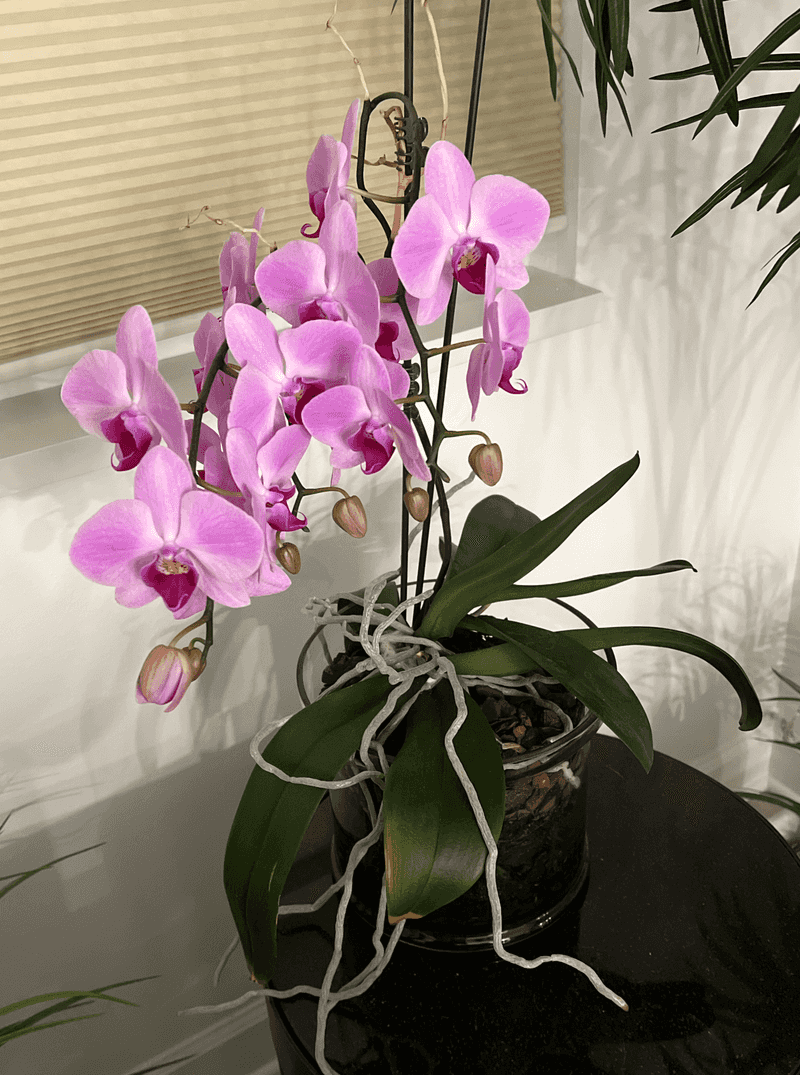
Many orchid varieties actually require a temperature difference between day and night to initiate flower spike development, making this winter tip crucial for blooming success.
A ten to fifteen degree drop in nighttime temperatures signals orchids that conditions are right for flowering, mimicking the natural temperature patterns they experience in their native habitats.
Atlanta homes naturally experience some temperature variation between day and night during winter, especially in rooms farther from heating sources or near exterior walls. You can enhance this natural variation by slightly lowering your thermostat at bedtime or moving orchids to a cooler room that maintains temperatures between fifty-five and sixty-five degrees at night.
Avoid extreme temperature drops below fifty degrees, which can damage orchids rather than encourage blooming, particularly for warm-growing varieties like Phalaenopsis.
Spare bedrooms, enclosed porches with some climate control, or cooler areas of your Atlanta home often provide the perfect temperature differential without special equipment.
This temperature trigger works best when maintained consistently for several weeks, giving orchids the sustained signal they need to commit energy to flower production. Once flower spikes appear and buds begin developing, you can return orchids to more stable temperatures since the blooming process has already been initiated.
Understanding and providing this natural temperature variation often makes the difference between orchids that bloom reliably every winter and those that produce only leaves year after year in Atlanta homes.