The Simple Secret Behind Successful Raised Beds In Arizona
Raised beds in Arizona can either make gardening easier or turn into a constant struggle. The difference usually comes down to one overlooked detail.
Arizona’s heat, soil conditions, and rapid moisture loss put raised beds under more pressure than in cooler climates. When the basics aren’t right, plants dry out too fast, roots overheat, and growth stays uneven.
When that one key element is handled correctly, raised beds suddenly feel far more forgiving and productive. Successful raised beds aren’t about expensive materials or complicated setups.
They work because the foundation matches Arizona’s conditions instead of fighting them.
Once that balance is in place, watering becomes more predictable, plants establish faster, and the entire bed becomes easier to manage through the season.
1. It Starts With Fast-Draining Soil That Never Stays Soggy
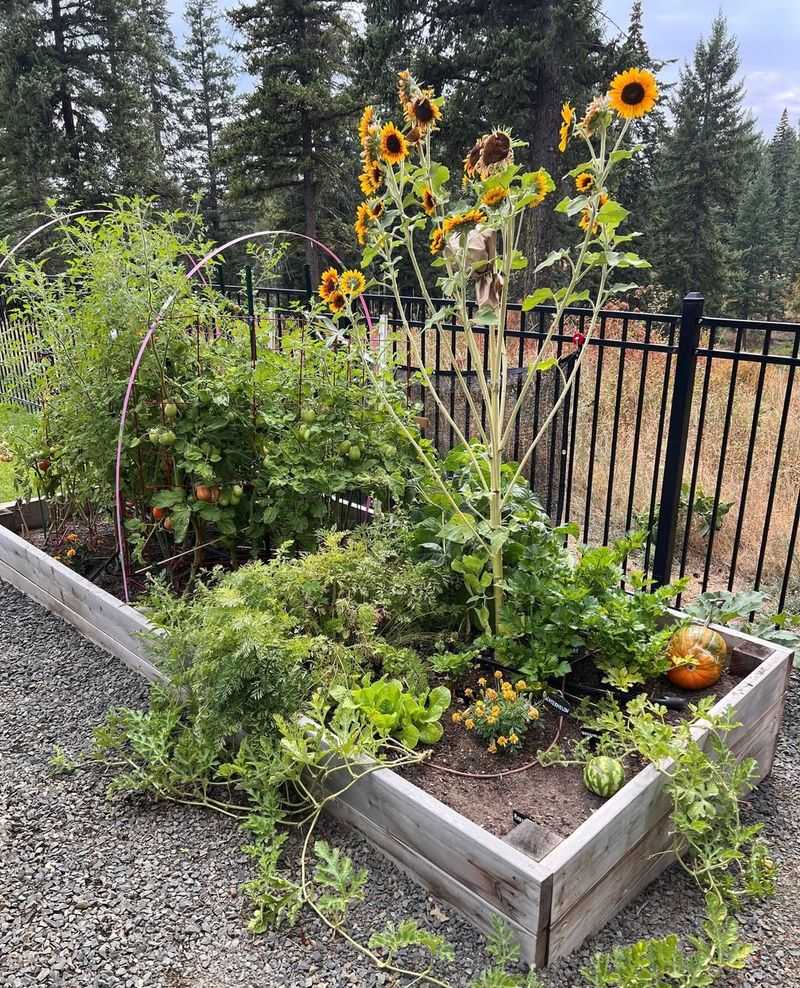
Building the right soil mix makes the biggest difference between raised beds that thrive and those that struggle in Arizona’s challenging conditions.
Desert soil naturally contains heavy clay that turns rock-hard when dry and stays waterlogged when wet, creating an impossible situation for vegetable roots.
Your raised bed soil needs to drain water quickly while still holding enough moisture to support plant growth during scorching afternoons. A proven Arizona mix combines equal parts quality compost, coconut coir, and perlite or pumice for drainage.
The compost provides nutrients and beneficial microbes that vegetables need. Coconut coir holds moisture better than peat moss while resisting the compaction that happens under intense Arizona sun.
Perlite or pumice creates air pockets that prevent waterlogging even during monsoon season. Skip regular garden soil or topsoil entirely, as these compact quickly in raised beds and defeat the purpose of building them in the first place.
Many Arizona gardeners make the mistake of using soil that drains too slowly, thinking moisture retention matters most. Water should move through your bed within minutes, not hours.
Test your mix by watering thoroughly and checking how quickly water drains through the bottom. If puddles form on the surface or water takes more than a few minutes to soak in, add more perlite.
Proper drainage prevents root rot during summer monsoons while allowing you to water frequently without creating swampy conditions that vegetables hate in Arizona heat.
2. Raised Beds Warm Earlier Without Overheating Roots
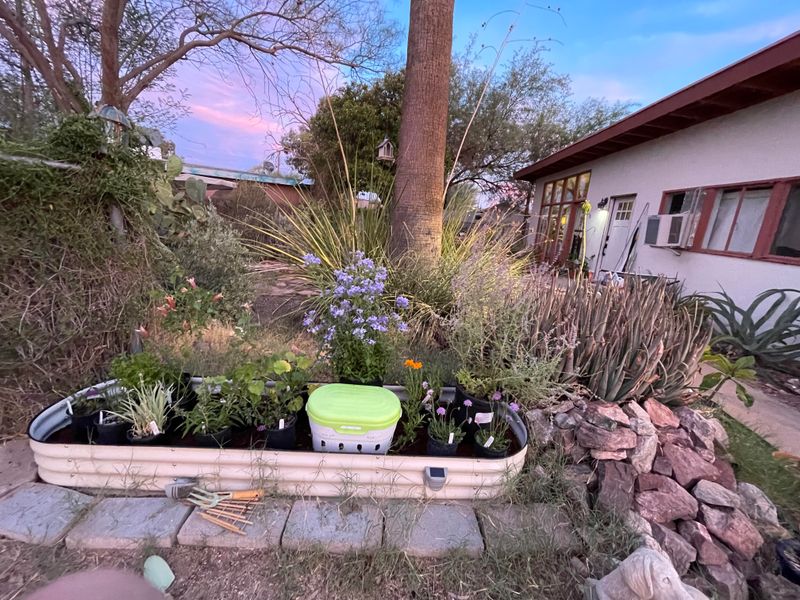
Temperature control becomes your secret weapon when growing vegetables in Arizona’s extreme climate zones. Raised beds naturally warm up faster than ground-level gardens because they sit above the cold desert floor, giving you a head start on spring planting.
This advantage matters tremendously in higher elevation areas like Flagstaff where late frosts threaten tender seedlings well into April. The elevated design allows sunlight to warm soil from multiple angles instead of just from above.
Air circulates around the entire bed structure, preventing the cold pockets that form in traditional gardens. You can plant cool-season crops like lettuce and broccoli two to three weeks earlier than neighbors gardening at ground level.
However, this same warming effect becomes a liability during Phoenix summers when soil temperatures can reach dangerous levels.
Your Arizona Garden Changes Every Week. Your Plan Should Too.
Gardening in Arizona changes quickly throughout the season. Every Friday you’ll receive a simple weekly plan showing exactly what to plant, prune, fertilize, harvest, and protect so you never miss the right timing.
Roots suffer damage when soil exceeds 95 degrees, and raised beds in full sun easily hit 110 degrees or higher.
Paint the outside of beds white or light tan to reflect heat instead of absorbing it. Consider bed orientation carefully based on your Arizona location.
In northern areas, orient beds east-west to maximize sun exposure during cooler months. In low desert regions like Yuma or Casa Grande, position beds to receive morning sun but afternoon shade during brutal summer months.
Adding shade cloth from May through September protects beds from the most intense heat while still allowing enough light for summer vegetables like Armenian cucumbers and desert-adapted peppers to produce.
3. Consistent Watering Matters More Than Daily Watering
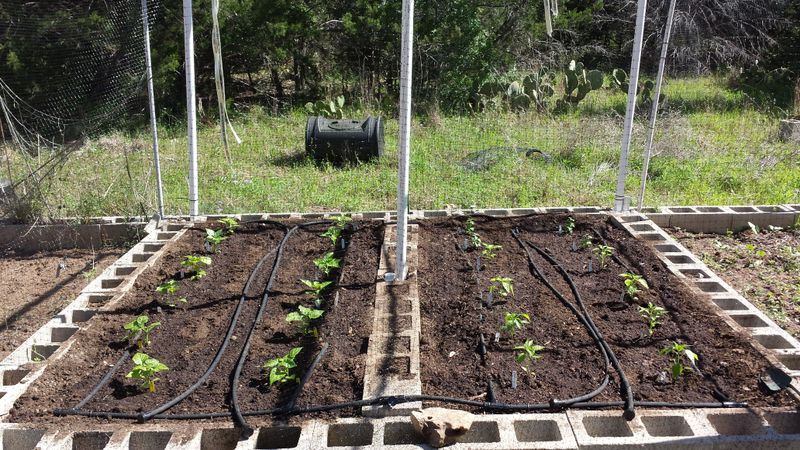
Watering strategy separates successful Arizona raised beds from struggling ones, yet many gardeners focus on frequency instead of consistency. Plants need reliable moisture levels rather than the feast-or-famine cycle that happens when you water heavily one day and skip the next three.
Raised beds dry out faster than ground gardens because they’re exposed to air on all sides, making erratic watering especially damaging. Install drip irrigation or soaker hoses before planting anything in your beds.
Hand watering seems manageable at first, but Arizona’s heat makes daily watering necessary during summer, and missing even one day stresses plants severely.
Drip systems deliver water directly to root zones without wasting moisture to evaporation, which matters enormously when temperatures soar above 105 degrees.
Set timers to water in early morning before sunrise, giving plants moisture reserves to handle afternoon heat. Evening watering in Arizona invites fungal problems and attracts pests seeking wet soil.
Morning watering also means less water lost to evaporation compared to midday applications. Monitor soil moisture two inches below the surface rather than judging by the dry top layer that Arizona sun bakes crusty within hours.
Stick your finger deep into the bed to check actual moisture levels. During Tucson’s intense May and June heat, beds may need watering twice daily, while winter beds in Prescott might only need water every three or four days.
Adjust your irrigation timer seasonally rather than leaving it on the same schedule year-round.
4. Bed Height Protects Roots From Compacted Desert Soil
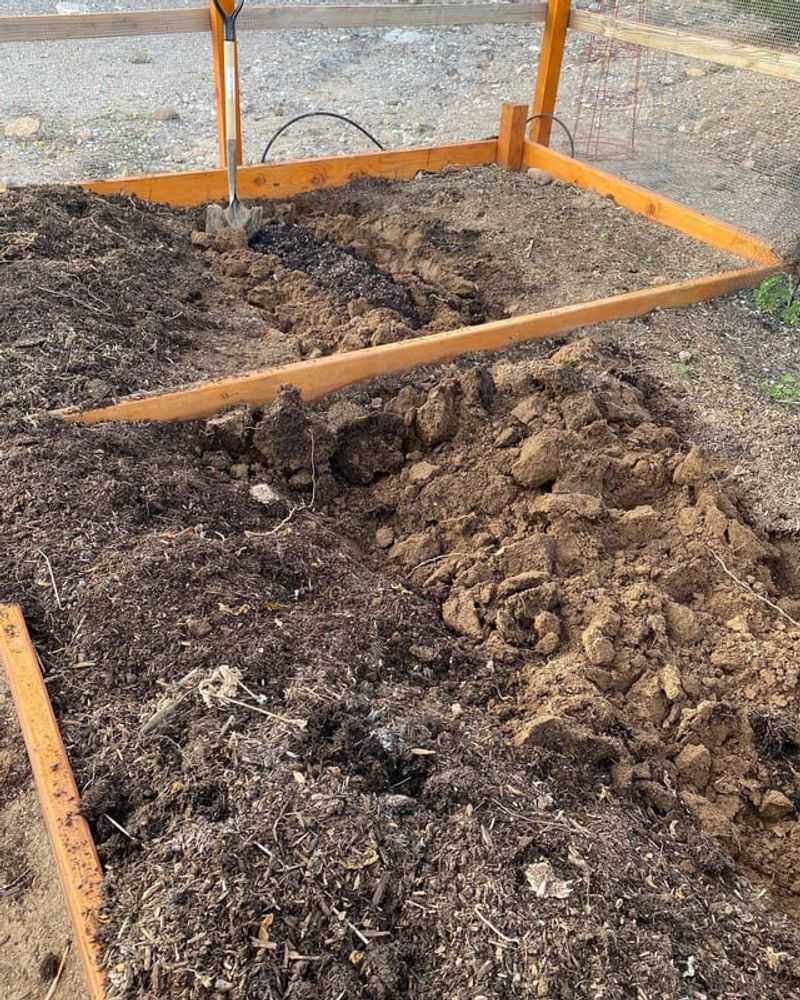
Depth matters far more than most Arizona gardeners realize when building raised beds for desert conditions. Shallow beds force roots to push into the compacted caliche layer that lies beneath most Arizona properties, limiting plant growth and causing chronic nutrient deficiencies.
Building beds at least twelve inches deep, preferably eighteen, gives vegetables room to develop healthy root systems entirely within your improved soil mix. Caliche, that cement-hard layer of calcium carbonate, sits just inches below the surface across much of Phoenix, Tempe, and surrounding areas.
Tomato and squash roots naturally grow deep when conditions allow, but they stop abruptly when hitting this impenetrable barrier. Shallow beds force plants to spread roots horizontally instead, creating crowding and competition that reduces yields.
Taller beds also reduce bending and kneeling, which matters during long Arizona growing seasons when you’re harvesting, weeding, and maintaining beds regularly.
Many gardeners in Sun City and other retirement communities build beds thirty inches high specifically for accessibility, though this height requires more soil and dries out faster.
Consider your bed material’s insulation properties when choosing height. Metal beds conduct heat rapidly, making twelve-inch depths the minimum to prevent roots from cooking against hot sidewalls.
Wood beds insulate better, allowing you to use shallower designs if needed. Never go below eight inches deep regardless of material, as this provides insufficient root space for most vegetables in Arizona’s challenging conditions.
The investment in deeper beds pays off through stronger plants and better harvests throughout multiple growing seasons.
5. Mulch Is Used Lightly To Control Heat And Moisture
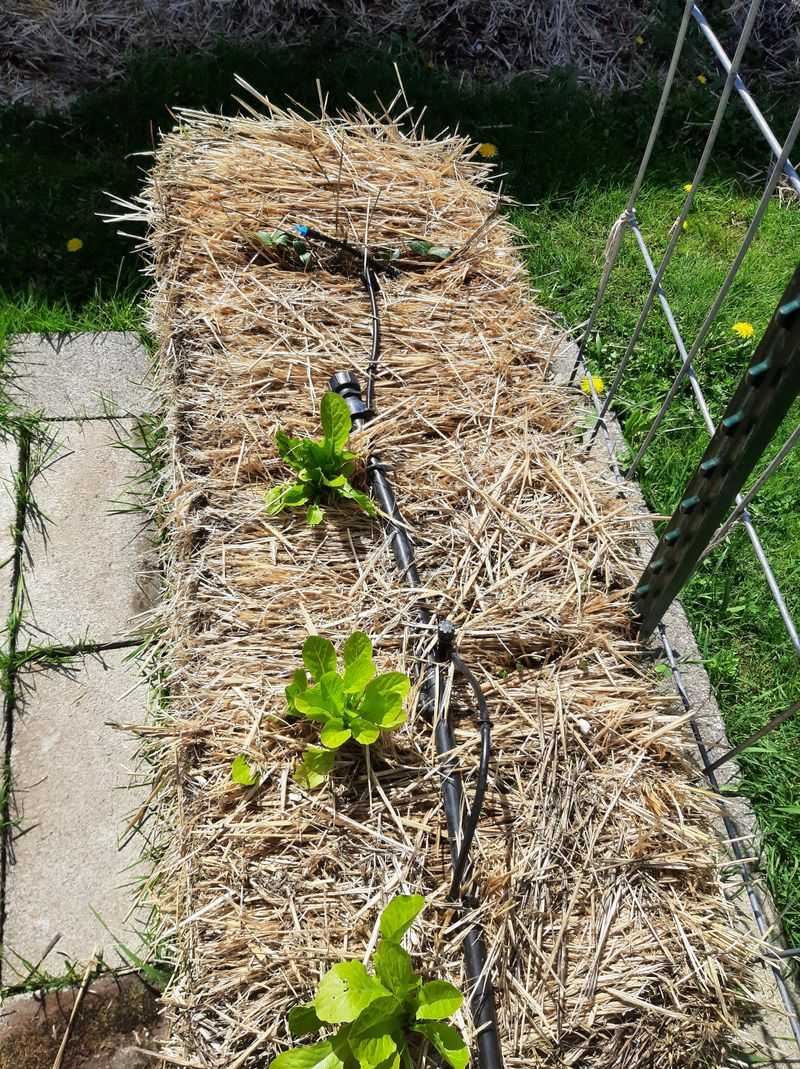
Mulching strategy in Arizona requires completely different thinking than recommendations you’ll find in gardening books written for humid climates. Heavy mulch layers that work beautifully in Georgia or North Carolina create problems in desert conditions by trapping excess heat and harboring pests that thrive in the protected environment.
Light mulch application gives you benefits without the drawbacks that thick layers cause. Apply just one to two inches of straw or shredded leaves around plants rather than the four to six inches commonly recommended elsewhere.
This thin layer still reduces surface evaporation and moderates soil temperature swings without creating the super-heated zone that develops under thick mulch in Arizona sun.
Straw works better than wood chips because it doesn’t tie up nitrogen as it decomposes and reflects light rather than absorbing heat.
Skip mulch entirely during cool months in raised beds growing winter vegetables around Mesa or Gilbert. The soil needs to absorb maximum sunlight to stay warm enough for good growth during short winter days.
Add mulch back in late March as temperatures climb, protecting beds before the intense April and May heat arrives. Pull mulch back from plant stems by several inches to prevent moisture accumulation that encourages stem rot and provides hiding spots for pill bugs.
These pests cause significant damage in Arizona raised beds when mulch touches plant stems directly. Check mulch depth monthly and remove any that’s matted down or decomposed significantly, as compacted mulch blocks water penetration instead of helping it.
Refresh mulch in early summer to maintain that light protective layer through the most challenging growing months.
6. Plant Timing Is Matched To Arizona’s Short Windows
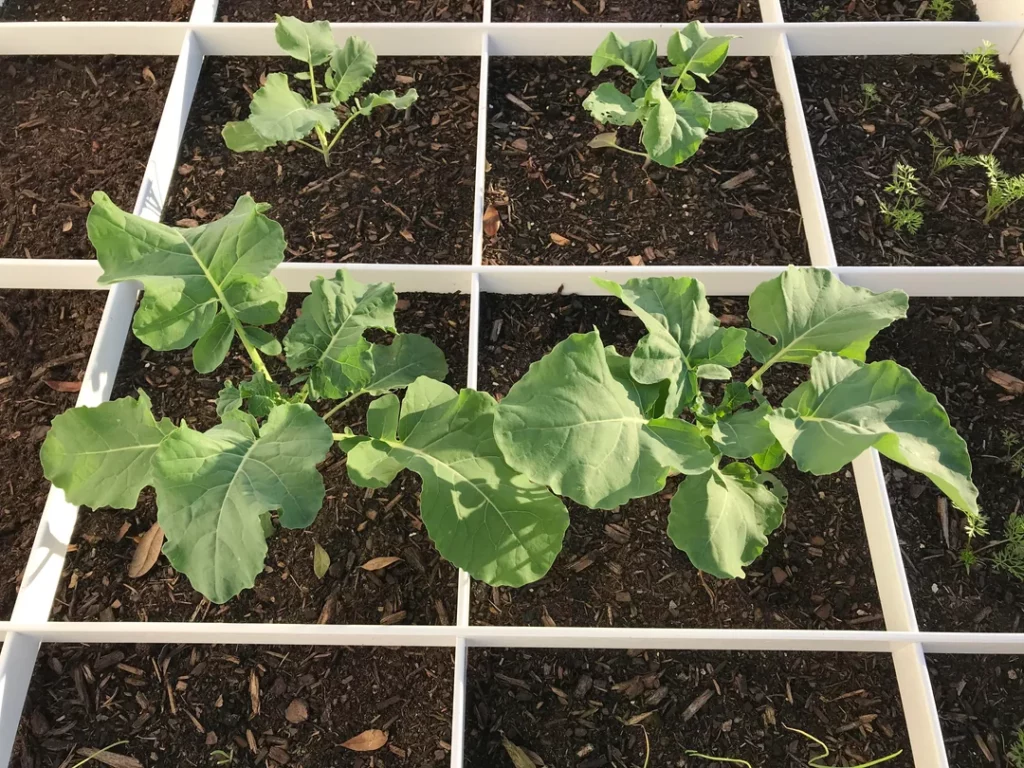
Planting schedules make or break raised bed success in Arizona because the state’s extreme temperatures create narrow windows when specific vegetables actually grow well.
Tomatoes planted in May face immediate heat stress and produce poorly, while those planted in March thrive and produce heavily before summer heat shuts them down.
Understanding these timing windows transforms your results completely. Arizona essentially offers two main growing seasons that don’t align with traditional spring and fall calendars.
The cool season runs from October through April in low desert areas like Phoenix and Scottsdale, perfect for lettuce, broccoli, carrots, and peas. Plant these crops in September or early October for winter harvests.
The warm season spans March through May and then September through October for heat-lovers like tomatoes, peppers, and squash. Skip June, July, and August planting in Phoenix-area raised beds unless you’re growing specialized desert-adapted varieties.
Most vegetables simply won’t set fruit or develop properly when nighttime temperatures stay above 85 degrees. Focus these brutal months on soil rebuilding and bed preparation instead of fighting impossible conditions.
Higher elevation areas like Prescott and Flagstaff follow different schedules with later spring planting and earlier fall frosts. Research your specific Arizona climate zone rather than following general Southwest advice.
The University of Arizona Cooperative Extension publishes detailed planting calendars for different regions that account for elevation and microclimate variations.
Following these research-based schedules instead of seed packet instructions written for other climates prevents the frustration of watching plants struggle because they’re fighting seasonal conditions instead of working with them.
7. Soil Is Rebuilt Each Season Instead Of Reused As-Is
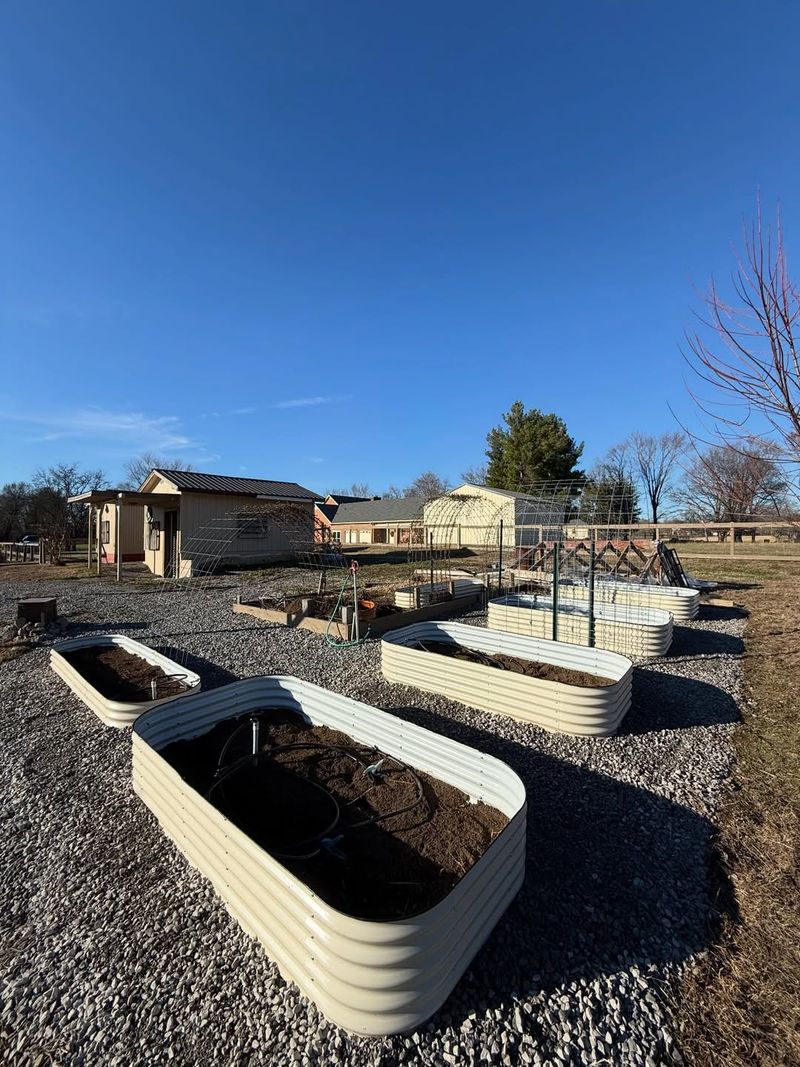
Soil maintenance separates productive long-term raised beds from those that decline after the first successful season in Arizona conditions. The intense heat and frequent watering required here depletes nutrients and breaks down organic matter far faster than in milder climates.
Treating your raised bed soil as a renewable resource rather than a permanent installation keeps beds productive year after year. Remove the top four to six inches of soil between major growing seasons, typically in June and again in October for Phoenix-area gardens.
This depleted material goes into compost bins rather than trash, as it still contains value once renewed. Replace removed soil with fresh compost and add amendments based on soil test results from the University of Arizona testing lab.
Arizona’s alkaline water and soil naturally push pH higher over time, making many nutrients unavailable to plants even when present in the soil.
Adding sulfur or acidifying amendments twice yearly counteracts this drift and keeps your beds in the slightly acidic to neutral range that vegetables prefer.
Test pH every six months rather than assuming it stays stable. Mix in fresh perlite or pumice annually to maintain drainage structure as the original material breaks down and compacts.
Many Chandler and Glendale gardeners notice their beds draining more slowly after a year or two, signaling the need for drainage material renewal. Turn and fluff the remaining soil thoroughly before adding fresh material on top.
This seasonal renewal process costs less than completely replacing soil while maintaining the ideal growing conditions that made your raised beds successful initially. Investing time in soil rebuilding prevents the gradual decline that leaves gardeners wondering why their once-productive beds stopped performing well.