Easy-Care Flowers That Thrive In Your Arizona Garden During Late Winter
Some flowers in Arizona look perfectly fine in late winter, while others struggle even when they’re planted at the same time. That difference usually isn’t luck, it’s about choosing plants that actually enjoy this season.
Late winter in Arizona creates a sweet spot where temperatures are mild, sunlight is steady, and stress stays low for the right flowers.
While many gardeners wait for spring warmth, easy-care varieties use this window to settle in and build strength.
They grow without pressure and often outperform plants added later. These flowers don’t demand constant attention or special treatment.
They simply match Arizona’s late-winter conditions. Choosing them now can mean fewer problems, earlier color, and a garden that feels more manageable before spring growth ramps up.
1. Cyclamen
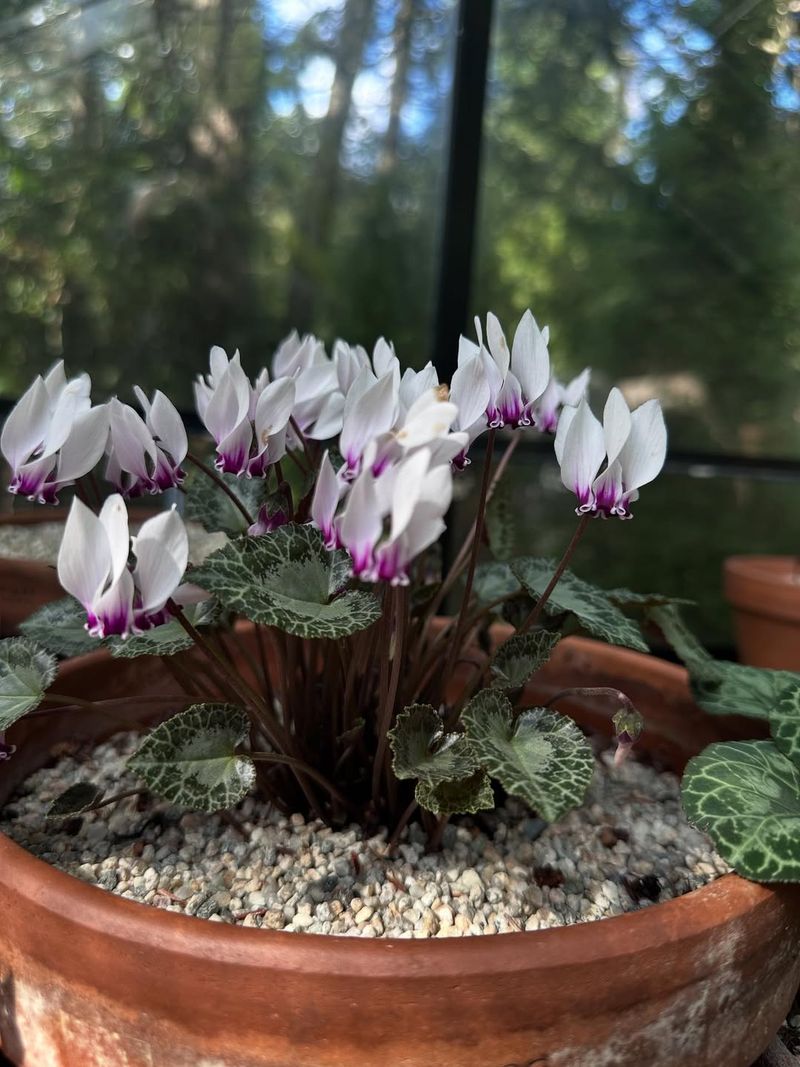
Cyclamen brings an almost magical quality to Arizona gardens with its butterfly-like blooms that seem to dance above marbled foliage. These charming plants produce flowers in shades of pink, red, white, and purple that appear to float on delicate stems.
The heart-shaped leaves add visual interest even when blooms fade, creating a layered texture that enhances any garden bed or container arrangement.
Growing cyclamen in Arizona during late winter proves surprisingly simple because these plants actually prefer the cooler temperatures this season provides.
They flourish in partially shaded areas where they receive morning sun but stay protected during the warmest part of the day. The naturally lower humidity levels in Arizona suit cyclamen perfectly, reducing common fungal issues that plague these plants in more humid regions.
Watering cyclamen requires a gentle approach that desert gardeners typically master quickly.
These plants prefer their soil to dry slightly between waterings, making them ideal for Arizona’s conservation-minded gardeners.
Always water at the soil level rather than overhead to keep the crown dry and healthy. Container gardening with cyclamen offers Arizona residents exceptional flexibility in placement and design.
Move pots to showcase blooms near entryways or group them on patios for dramatic color displays. Their compact growth habit makes them perfect companions for other shade-loving plants.
Cyclamen typically blooms for several months, providing extended enjoyment throughout late winter and into early spring across Arizona landscapes.
2. Geraniums
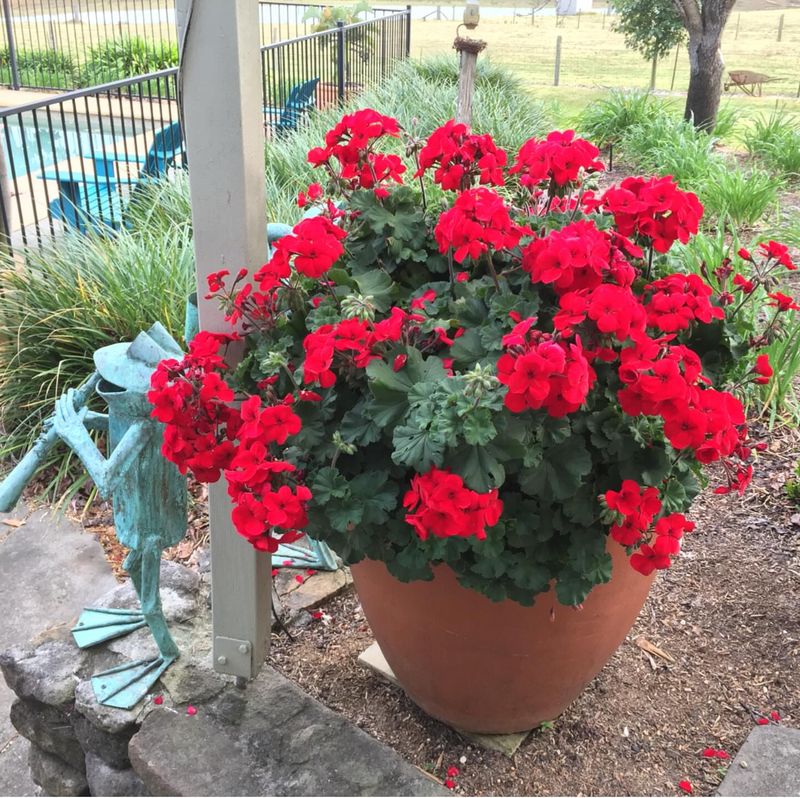
Geraniums rank among the most reliable performers in Arizona late winter gardens, delivering bold color with remarkably little fuss. Their clustered blooms create impressive spheres of red, pink, salmon, white, or burgundy that stand out beautifully against the desert landscape.
These plants develop bushy growth habits that fill spaces quickly, creating lush displays that belie their drought-tolerant nature. Arizona’s late winter sunshine provides exactly what geraniums need to produce abundant flowers without the stress of extreme heat.
They adapt remarkably well to the state’s alkaline soils, though adding some compost at planting time encourages even better performance.
Geraniums handle Arizona’s occasional late winter cold snaps without damage, bouncing back quickly when temperatures rise.
Maintenance requirements for geraniums remain minimal, making them perfect for gardeners who want maximum impact with limited time investment.
Removing spent flower clusters encourages continuous blooming, though even without deadheading, these plants keep producing new flowers.
Your Arizona Garden Changes Every Week. Your Plan Should Too.
Gardening in Arizona changes quickly throughout the season. Every Friday you’ll receive a simple weekly plan showing exactly what to plant, prune, fertilize, harvest, and protect so you never miss the right timing.
Their thick, somewhat succulent stems store moisture efficiently, allowing them to tolerate periods between waterings that would stress more delicate plants. Planting geraniums in Arizona gardens offers versatility that few other flowers match during late winter.
Use them as bedding plants for mass color, tuck them into mixed borders, or showcase them in containers on sunny patios. They combine beautifully with trailing plants and provide excellent focal points.
Geraniums continue blooming well into Arizona’s spring season, extending your garden’s color palette for months of enjoyment.
3. Primrose
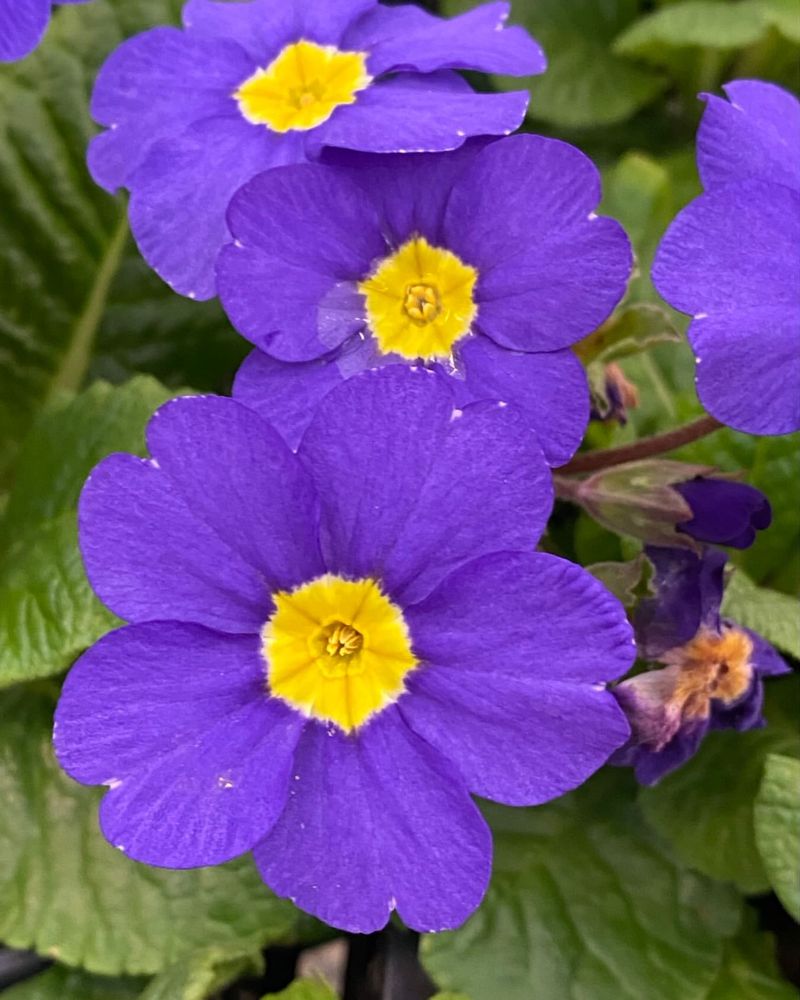
Primrose flowers carpet Arizona gardens with cheerful colors that signal winter’s gradual retreat toward spring.
These low-growing plants produce rosettes of blooms in virtually every color imaginable, from sunny yellows and bright oranges to deep purples and soft pastels.
Each plant generates multiple flower stalks, creating dense displays that transform garden beds into vibrant tapestries of color. The cooler temperatures of Arizona’s late winter season suit primroses perfectly, allowing them to establish robust root systems and produce prolific blooms.
They appreciate partial shade during the warmest part of the day, making them excellent choices for planting beneath deciduous trees or on eastern exposures. Arizona gardeners find primroses particularly rewarding because they bloom most heavily during this pleasant season when outdoor living becomes enjoyable again.
Watering primroses requires consistency but not excess, a balance that works well with Arizona’s late winter rainfall patterns. These plants prefer evenly moist soil that drains well, conditions easily achieved with proper bed preparation.
Adding organic matter to planting areas improves both moisture retention and drainage, creating ideal growing conditions. Combining primroses with other late winter bloomers creates stunning garden displays throughout Arizona landscapes.
Their low growth habit makes them perfect for edging pathways or filling gaps between larger plants.
Container combinations featuring primroses bring cheerful color to patios and entryways.
These flowers continue performing beautifully until Arizona’s heat intensifies, providing several months of reliable color that brightens even the smallest garden spaces.
4. Stock
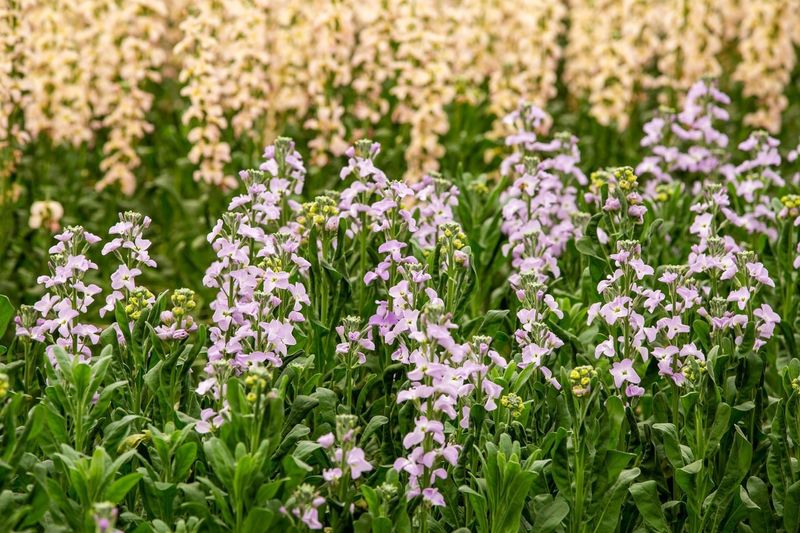
Stock flowers transform Arizona late winter gardens into fragrant havens with their towering spikes of densely packed blooms. The intoxicating clove-like scent these flowers produce becomes especially noticeable during cool evenings, filling outdoor spaces with perfume that rivals any commercial fragrance.
Colors range from pure white and soft pastels to rich purples and vibrant pinks, offering options for every garden color scheme. Cool season conditions in Arizona create the perfect environment for stock to reach its full potential.
These plants actually perform best when nighttime temperatures remain cool, making late winter the ideal planting window across the state.
Stock develops strong stems that support heavy flower spikes without staking, standing tall against Arizona’s occasional winter breezes.
Growing stock successfully in Arizona requires well-draining soil and regular moisture during the establishment period. Once roots develop, these plants tolerate brief dry spells better than many gardeners expect.
Their upright growth habit makes them excellent choices for adding vertical interest to garden beds that might otherwise feel flat or one-dimensional.
Planting stock near outdoor living areas maximizes enjoyment of their remarkable fragrance throughout Arizona properties.
Position them along walkways where brushing past releases their scent, or cluster them near patios and seating areas. Stock makes exceptional cut flowers that bring both color and fragrance indoors, lasting up to two weeks in arrangements.
These flowers continue blooming for extended periods during Arizona’s late winter and spring, providing lasting value and beauty that makes them garden favorites year after year.
5. Ranunculus
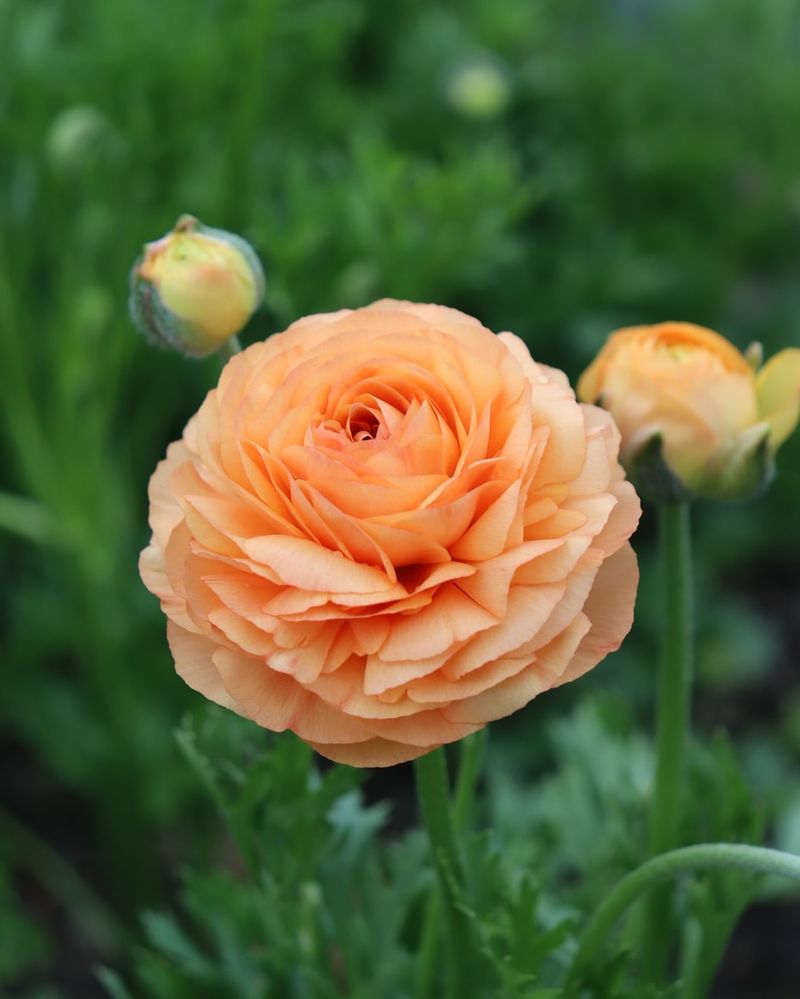
Ranunculus blooms resemble elaborately crafted roses made from tissue paper, with layer upon layer of delicate petals creating flowers of extraordinary beauty.
These stunning plants produce blooms in an artist’s palette of colors including coral, yellow, pink, red, white, and even bi-colors that seem almost too perfect to be real.
Each stem typically produces multiple flowers, providing abundant cutting material or garden display from relatively few plants. Arizona’s late winter climate offers ranunculus exactly what they need to develop the strong root systems that support their extravagant blooms.
Planting small claw-like tubers in January allows them to establish before flowering begins in late winter and continues into spring. The moderate temperatures during this period prevent the tubers from rotting, a common problem in warmer or wetter climates.
Soil preparation makes a significant difference in ranunculus performance across Arizona gardens. These plants demand excellent drainage, so amending heavy soils with sand and compost creates ideal growing conditions.
They appreciate consistent moisture but never tolerate soggy conditions, making Arizona’s typically dry late winter weather advantageous.
Showcasing ranunculus in Arizona landscapes provides opportunities for breathtaking displays that rival any botanical garden.
Plant them in masses for dramatic impact, or tuck groups into mixed borders where their blooms create focal points. Container plantings allow close-up appreciation of their intricate petal arrangements.
Ranunculus makes superb cut flowers that last up to two weeks indoors, encouraging Arizona gardeners to plant extras specifically for arrangements that brighten homes throughout the blooming season.
6. Anemone
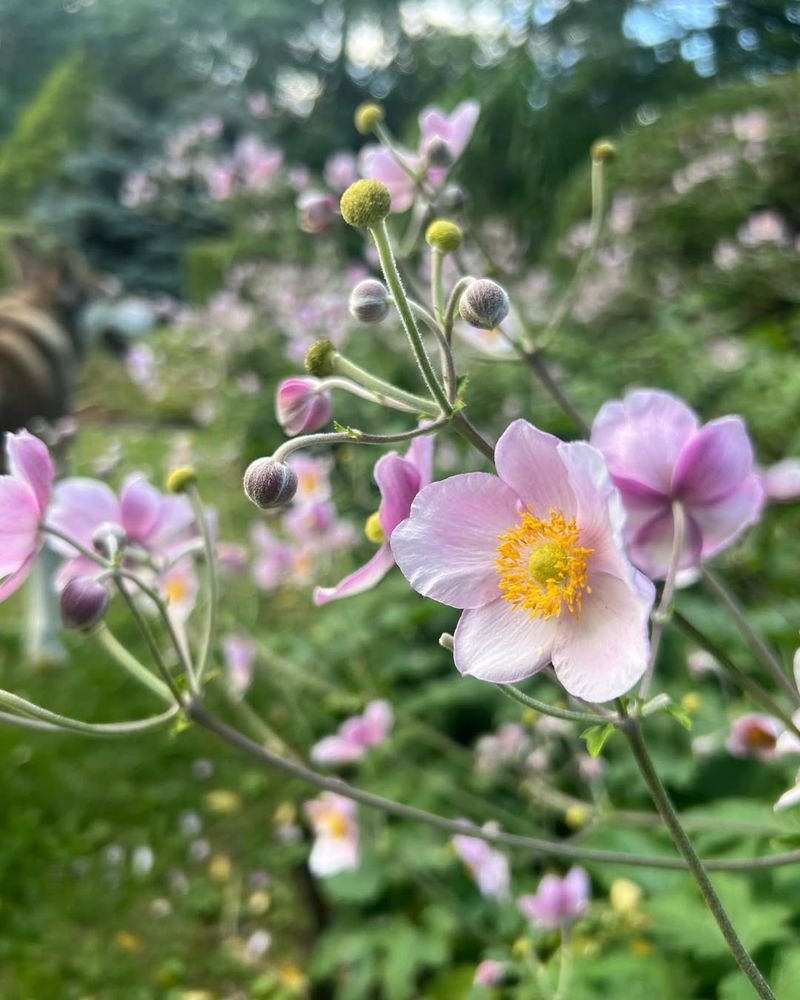
Anemone flowers bring an ethereal quality to Arizona gardens with their poppy-like blooms that seem to glow in late winter sunshine. Dark centers create dramatic contrast against petals in jewel tones of ruby red, deep purple, hot pink, and pure white.
These flowers sway gracefully on slender stems, adding movement and life to garden beds even on calm days.
Late winter planting in Arizona gives anemones the cool conditions they crave for optimal growth and flowering.
Small tubers planted in December or early January establish quickly in Arizona’s moderate winter temperatures. Unlike many bulb-type plants, anemones actually prefer the drier conditions Arizona provides, reducing concerns about rot that plague gardeners in wetter regions.
Caring for anemones in Arizona gardens proves refreshingly straightforward once plants establish themselves. They need regular water during active growth but tolerate dry periods better than their delicate appearance suggests.
Anemones appreciate afternoon shade in warmer Arizona microclimates, though they handle full sun beautifully in cooler areas.
Designing with anemones offers Arizona gardeners numerous creative possibilities for stunning displays.
Their height makes them perfect for mid-border positions where flowers rise above lower-growing companions. Planting anemones in drifts creates naturalistic displays that look effortlessly beautiful.
These flowers excel in cutting gardens, providing stems that last over a week in arrangements. Anemones continue blooming prolifically throughout Arizona’s late winter and spring seasons, delivering exceptional value and beauty that makes them worthy additions to any garden seeking easy-care color during the cooler months.
7. Dusty Miller
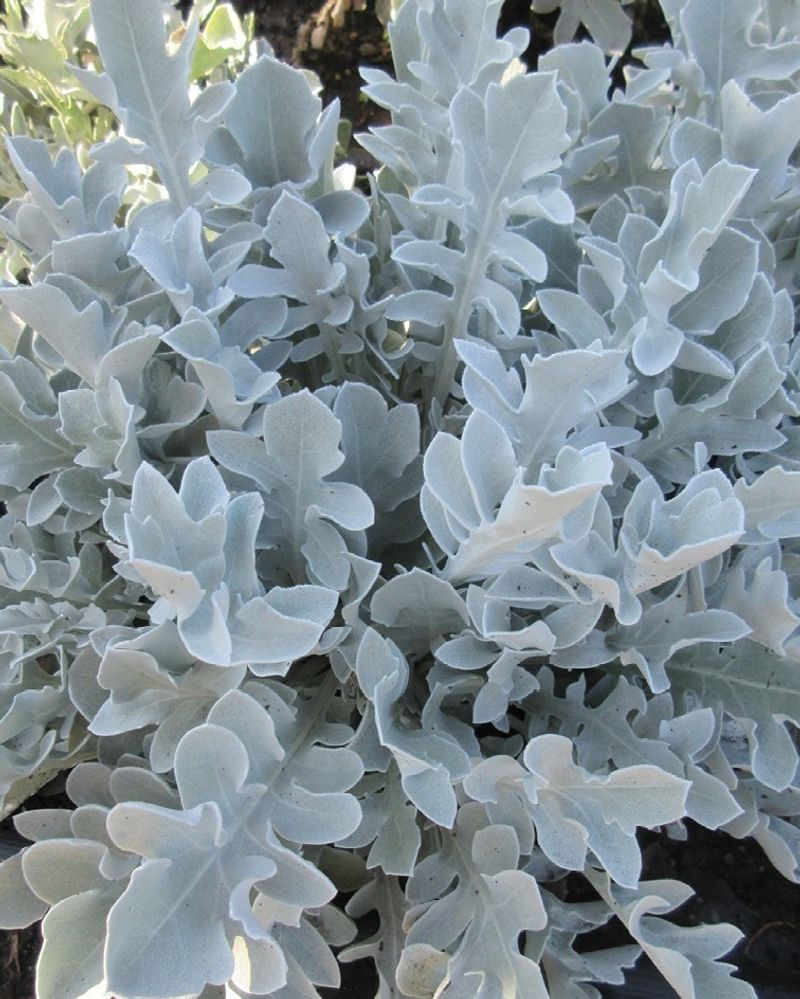
Dusty miller earns its place in Arizona late winter gardens not through flowers but through stunning silver-gray foliage that illuminates landscapes like captured moonlight. The deeply lobed leaves appear frosted with fine white hairs, creating a soft, velvety texture that contrasts beautifully with darker greens and bright flower colors.
This silvery plant brings sophistication and elegance to garden designs while requiring minimal care. Arizona’s late winter conditions suit dusty miller perfectly, allowing it to develop the robust growth that makes it such a valuable landscape addition.
Cool temperatures encourage compact, bushy growth rather than the legginess that sometimes occurs in warmer weather. The plant’s naturally drought-tolerant nature aligns perfectly with Arizona’s water conservation goals, thriving with less irrigation than many flowering alternatives.
Growing dusty miller successfully in Arizona requires well-draining soil and positioning that provides some afternoon shade in hotter microclimates.
These plants tolerate Arizona’s alkaline soils without complaint, rarely showing the nutrient deficiencies that affect more finicky species.
Their low water needs once established make them ideal companions for other drought-adapted plants. Using dusty miller in Arizona garden designs provides textural contrast that enhances every planting scheme.
The silver foliage makes bright flower colors appear even more vibrant while softening bold combinations that might otherwise seem harsh. Plant dusty miller along pathways for a formal look, or weave it through mixed borders for subtle sophistication.
Container combinations gain instant elegance when dusty miller’s silvery leaves spill over pot edges. This versatile plant continues looking attractive throughout Arizona’s late winter, spring, and often well into summer.
8. Annual Sweet Pea (Lathyrus Odoratus)
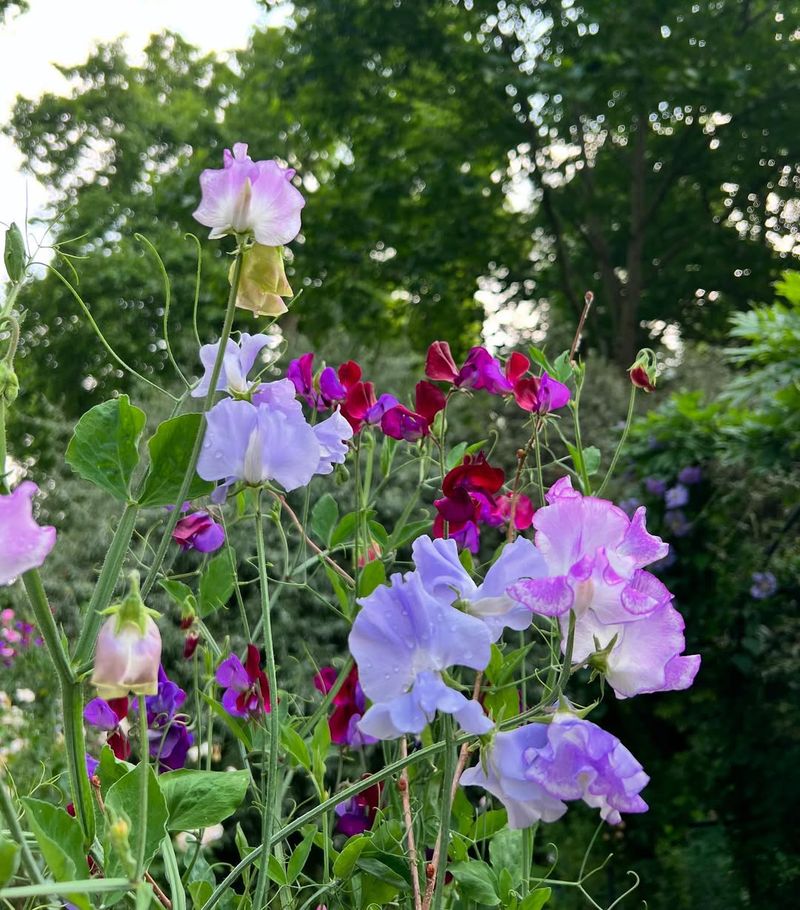
Annual sweet peas deliver old-fashioned charm and heavenly fragrance to Arizona gardens during late winter months. These climbing plants produce ruffled flowers that look like colorful butterflies perched along their stems, available in nearly every color except true yellow.
The intoxicating perfume rivals any flower in the garden, making sweet peas favorites for planting near outdoor gathering spaces where their scent can be fully appreciated.
Arizona’s cool late winter temperatures provide ideal conditions for sweet peas to flourish and produce abundant blooms.
These plants actually struggle in heat, making the January through March planting window perfect for Arizona gardeners. Sweet peas develop quickly in cool weather, often blooming within eight weeks of planting seeds directly in garden beds.
Supporting sweet peas requires providing structures for their climbing tendrils to grasp as they grow upward. Simple bamboo tepees, wire fencing, or decorative trellises all work beautifully in Arizona gardens.
Regular harvesting of flowers for bouquets encourages more blooms, creating a beneficial cycle where cutting flowers actually improves garden performance. Incorporating sweet peas into Arizona landscapes adds vertical interest and romantic appeal that few other late winter flowers provide.
Plant them along fences or walls where they can climb freely, creating living screens of color and fragrance. Container growing works well with appropriate support structures, bringing sweet peas onto patios and balconies.
These flowers continue blooming throughout Arizona’s spring season if temperatures remain moderate, providing months of cutting flowers and garden beauty that make them absolutely worth the small effort required to grow them successfully.