11 Groundcovers That Stop Weeds Naturally For North Carolina Homeowners
Weeds have a way of showing up right when you finally think your yard is under control. If you live in North Carolina, the good news is that your climate makes it easier than you think to fight back naturally.
Instead of spending weekends pulling stubborn invaders or spraying chemicals, you can let the right groundcovers do the work for you. These low-growing plants spread out, block sunlight from weeds, and create a thick, attractive carpet across your landscape.
Even better, many of them thrive in heat, humidity, and mixed soil conditions that are common across the state. Whether you have shady spots under trees, sunny slopes that dry out fast, or awkward patches that never look quite right, there is a solution.
In this list, you will discover groundcovers that look great, grow strong, and help you reclaim your yard with less effort and more satisfaction.
1. Creeping Jenny (Lysimachia nummularia)
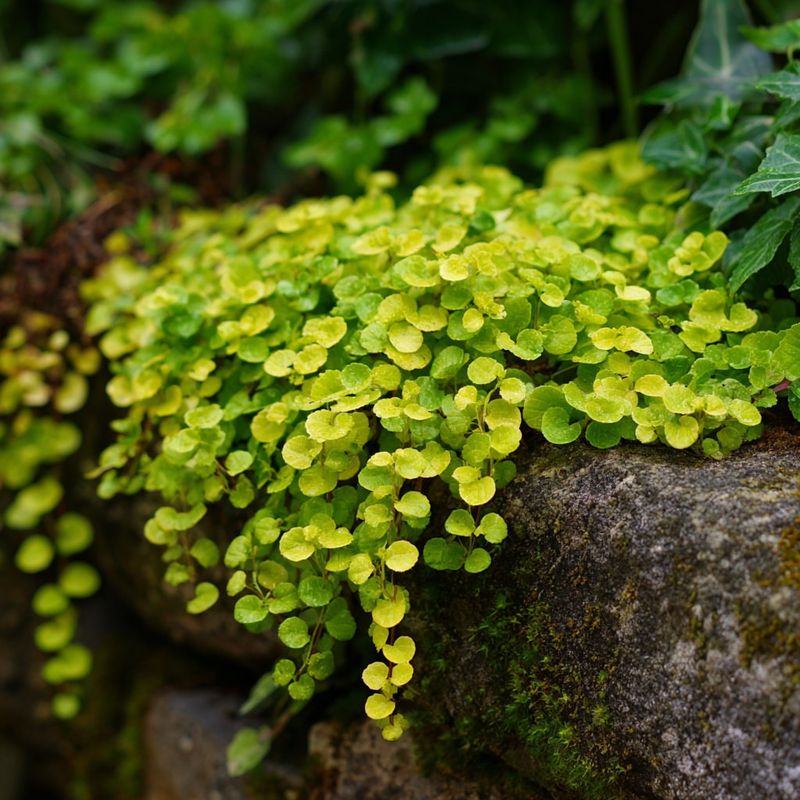
Bright chartreuse foliage makes this groundcover impossible to miss in your garden. The coin-shaped leaves create a cheerful cascade wherever they grow.
This plant moves fast once established, filling gaps quickly. North Carolina’s moderate climate suits creeping jenny perfectly for most of the year.
It handles both sunny spots and shaded areas with equal enthusiasm. Moisture-loving roots mean it thrives near downspouts or low-lying areas.
Dense growth leaves no room for weed seeds to sprout underneath. The mat becomes so thick that light cannot penetrate to the soil.
Weeds simply cannot compete with this vigorous spreader. Yellow flowers appear in summer as a bonus feature. The blooms add extra color without requiring deadheading or maintenance. Foot traffic tolerates well in moderate amounts.
Plant plugs about six inches apart for faster coverage across bare soil. Water regularly during the first growing season to establish strong roots.
Once settled, this groundcover practically takes care of itself. Containers benefit from trailing stems that spill over edges beautifully.
Combine with upright plants for textural contrast in mixed planters. The cascading habit softens hard edges around patios and walkways.
2. Sweet Woodruff (Galium odoratum)
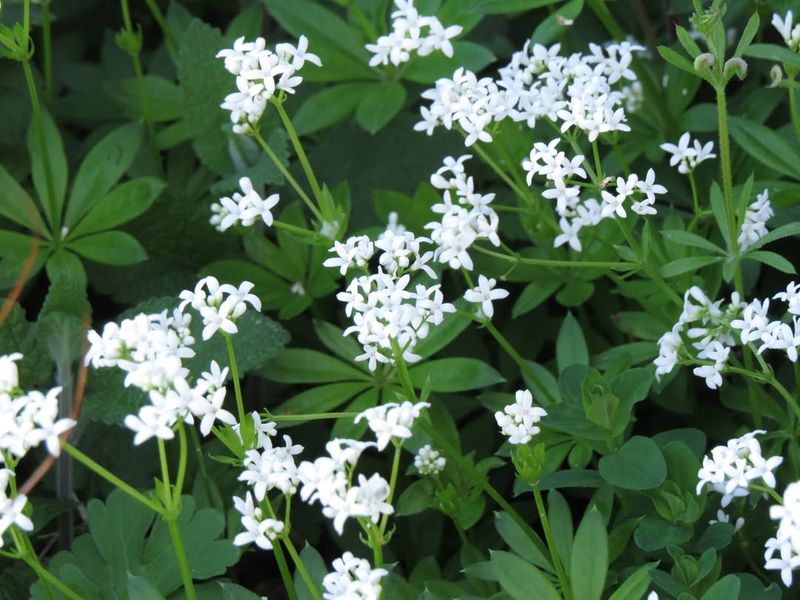
Delicate white blooms float above emerald foliage each spring like tiny stars. The fragrance resembles fresh-cut hay with hints of vanilla when leaves are crushed.
Shade gardens transform into enchanting spaces with this European native. Whorled leaf patterns create interesting texture that catches the eye throughout seasons.
Each stem displays leaves arranged in neat circles around the stalk. This architectural quality adds dimension to otherwise flat garden beds.
North Carolina’s shaded areas often struggle with persistent weed problems under trees. Sweet woodruff solves this challenge by forming impenetrable mats in dim conditions.
Root systems knit together so tightly that invaders find no entry points. The plant spreads steadily without becoming aggressive or invasive in most situations.
Growth remains manageable while still providing excellent coverage over time. Established patches require minimal intervention from gardeners.
Dried leaves retain their sweet scent for months in sachets or potpourri. Historical uses included flavoring May wine and freshening linens in closets.
Modern gardeners appreciate both ornamental and aromatic qualities. Pair with hostas and ferns for a classic woodland combination.
Your North Carolina Garden Changes Every Week. Your Plan Should Too.
Gardening in North Carolina changes quickly throughout the season. Every Friday you’ll receive a simple weekly plan showing exactly what to plant, prune, fertilize, harvest, and protect so you never miss the right timing.
The fine texture contrasts beautifully with bolder foliage plants nearby. Spring bulbs push through easily before the groundcover fills in completely.
3. Ajuga (Ajuga reptans)
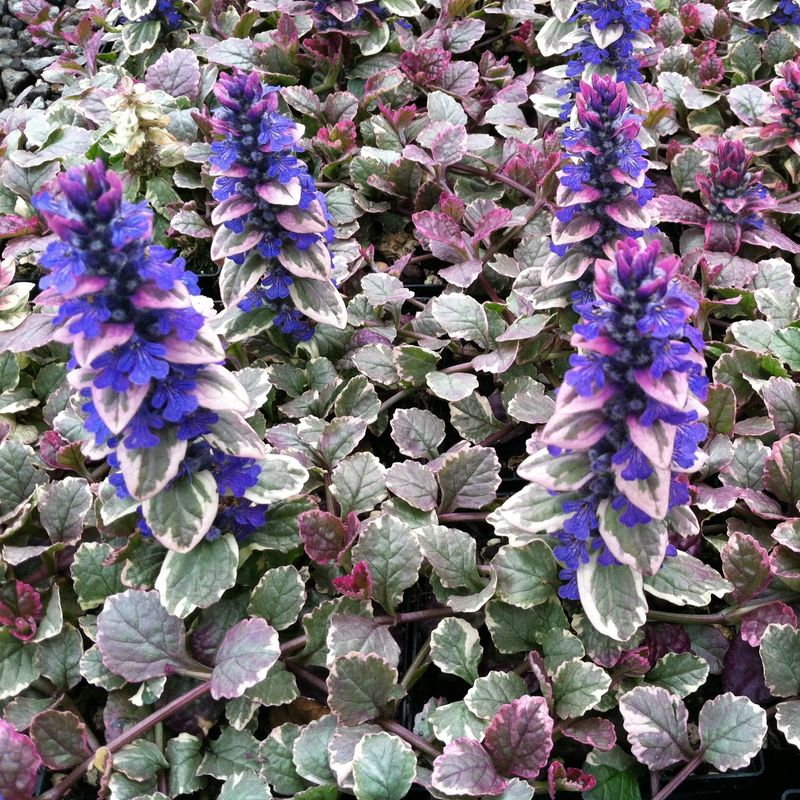
Glossy leaves in shades ranging from deep burgundy to bronze create year-round interest. This evergreen performer never takes a season off from looking good.
Spring brings vertical flower spikes in shades of blue and purple. Adaptability makes ajuga a gardener’s dream for problem areas around the yard.
Sun or shade, dry or moist, this plant adjusts to conditions. North Carolina’s variable weather patterns rarely faze established plantings.
Runners spread horizontally across the ground, rooting at nodes along the way. New plants form quickly from these contact points with soil.
Within two seasons, bare patches disappear under the expanding carpet. Weeds attempting to grow through ajuga face an uphill battle they rarely win.
The dense rosettes block sunlight while roots occupy available soil space. Chemical weed controls become unnecessary once coverage reaches maturity.
Pollinators flock to the nectar-rich flowers during their spring bloom period. Bees and butterflies appreciate this early-season food source in the garden.
Wildlife value adds another benefit beyond weed suppression. Variegated cultivars offer additional color options with cream or pink leaf markings.
Chocolate Chip variety stays compact for smaller spaces and edging needs. Black Scallop features scalloped leaves in nearly black tones for dramatic effect.
4. Creeping Thyme (Thymus serpyllum)
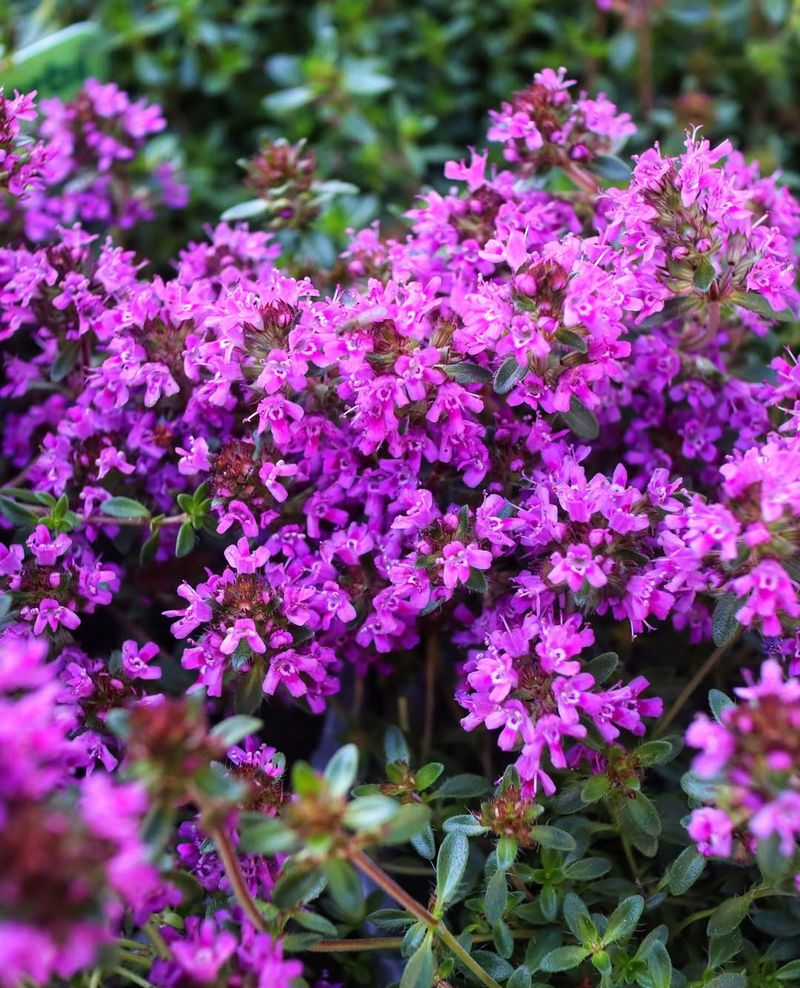
Tiny leaves release heavenly fragrance when brushed by passing feet or hands. The scent transports you to Mediterranean hillsides on warm summer days.
This aromatic carpet turns walkways into sensory experiences. Full sun brings out the best performance in creeping thyme plantings.
North Carolina’s hot summers suit this drought-tolerant groundcover perfectly once established. Water requirements drop significantly after the first year.
Flowers blanket the foliage in pink, purple, or white depending on variety. Blooms attract beneficial insects that help control garden pests naturally.
The floral display lasts several weeks in late spring and early summer. Between pavers and stepping stones, creeping thyme softens hardscape edges beautifully.
The low profile tolerates foot traffic better than most flowering groundcovers. Paths become living tapestries instead of bare gaps between stones.
Weed seeds find little opportunity to germinate under the dense mat. The combination of shade and competition from thyme roots prevents establishment.
Maintenance drops to nearly zero once plants fill in completely. Culinary uses make this groundcover doubly valuable for herb enthusiasts.
Snip fresh sprigs for cooking without guilt since pruning encourages bushier growth. The flavor matches common thyme but with slightly milder notes.
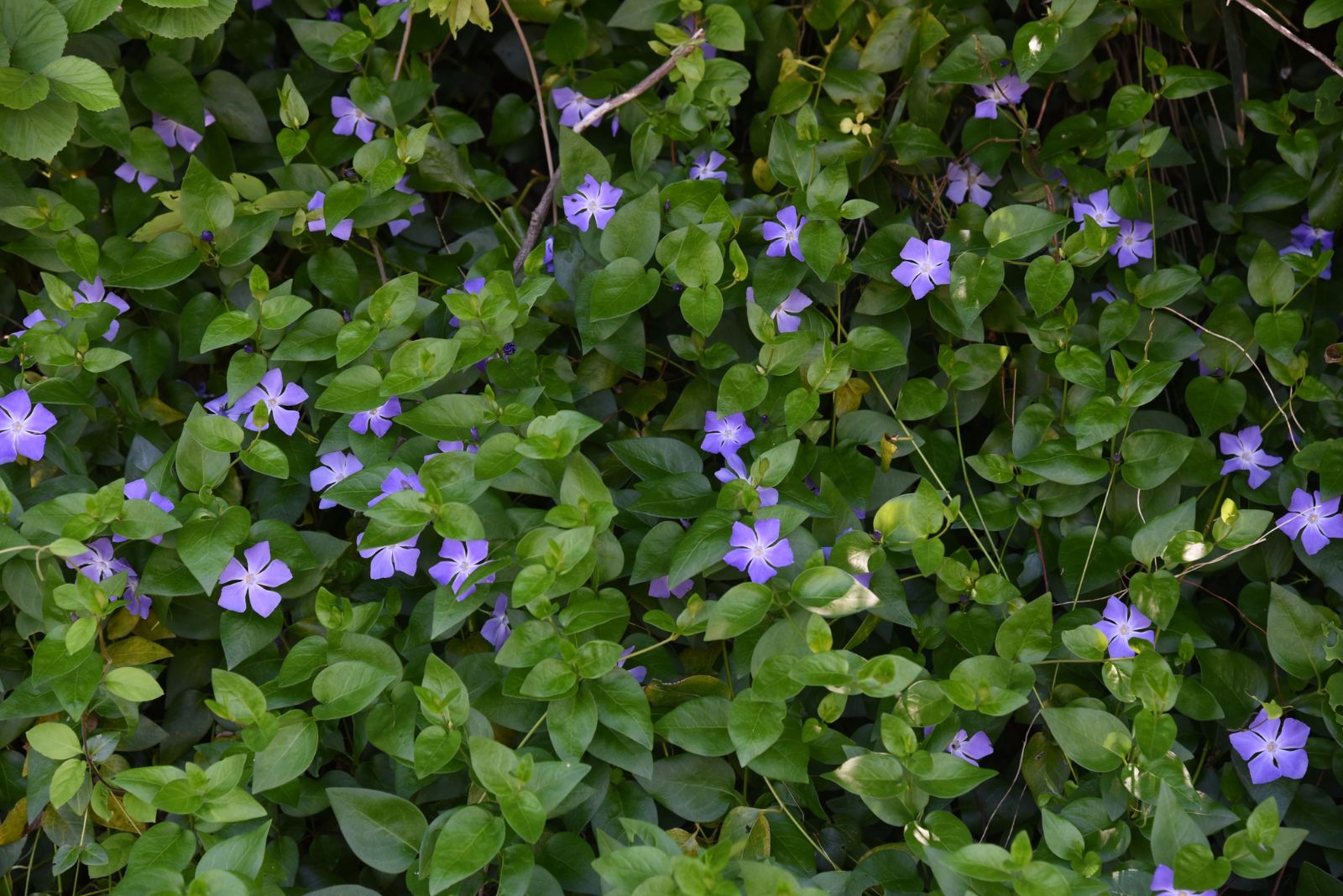
5. Periwinkle (Vinca minor)
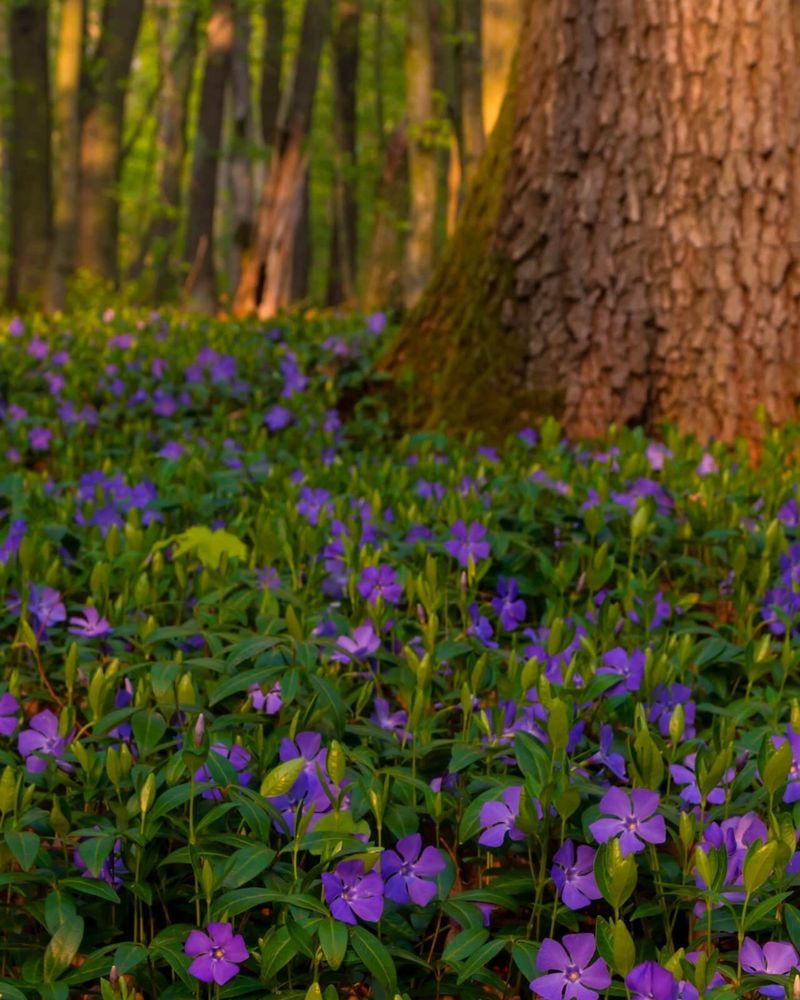
Glossy evergreen leaves shine throughout the year in woodland settings. The plant maintains its good looks even during winter months when others fade.
Periwinkle blue flowers appear sporadically from spring through fall. Trailing stems root wherever they touch soil, creating self-sustaining colonies over time.
This growth habit makes establishment easy with minimal initial investment. A few starter plants expand to cover large areas within seasons.
Shade beneath mature trees often becomes a weedy nightmare for homeowners. Periwinkle thrives in these challenging spots where grass refuses to grow.
The solution transforms problem areas into attractive landscape features. Dense foliage layers prevent light from reaching the soil surface below.
Seeds lying dormant find no opportunity to sprout and grow successfully. Existing weeds struggle to penetrate the established mat from below.
North Carolina’s mild winters allow periwinkle to remain green and active. Growth slows during cold snaps but never completely stops like deciduous plants.
This continuous coverage maintains weed suppression year-round. Variegated forms offer white or yellow leaf margins for brighter appearance.
These cultivars illuminate dark corners with their lighter coloring. Mix solid and variegated types for added visual interest in plantings.
6. Bugleweed (Ajuga genevensis)
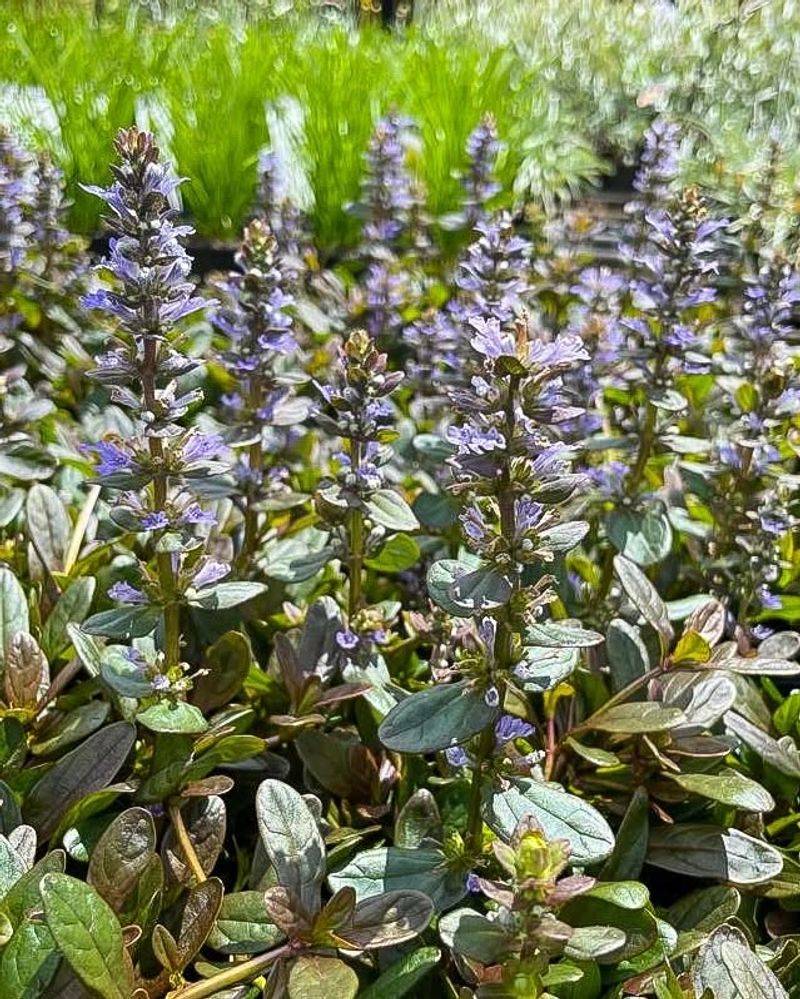
Upright flower spikes stand taller than the common ajuga cousin. The blooms create more dramatic vertical interest in spring displays.
Bees work the flowers enthusiastically during peak bloom periods. Textured foliage has a slightly different appearance than standard ajuga varieties.
Leaves show more pronounced veining and a somewhat crinkled surface. This subtle difference adds textural diversity to mixed groundcover plantings.
Semi-shaded locations suit bugleweed better than full sun in our region. Morning sun with afternoon shade provides ideal conditions for vigorous growth.
North Carolina’s hot afternoon sun can stress plants in exposed sites. The spreading habit moves quickly to colonize available space in beds.
Bare soil disappears under the expanding mat within a single growing season. Weeds attempting to invade find the territory already occupied.
Root systems form dense networks that outcompete unwanted plants for resources. Water and nutrients go to the bugleweed instead of weeds.
This competitive advantage maintains itself once established without ongoing intervention. Combine with spring bulbs for a succession of bloom in the same space.
Daffodils and tulips emerge before bugleweed reaches full size each year. The groundcover conceals fading bulb foliage after flowers finish.
7. Wintercreeper (Euonymus fortunei)
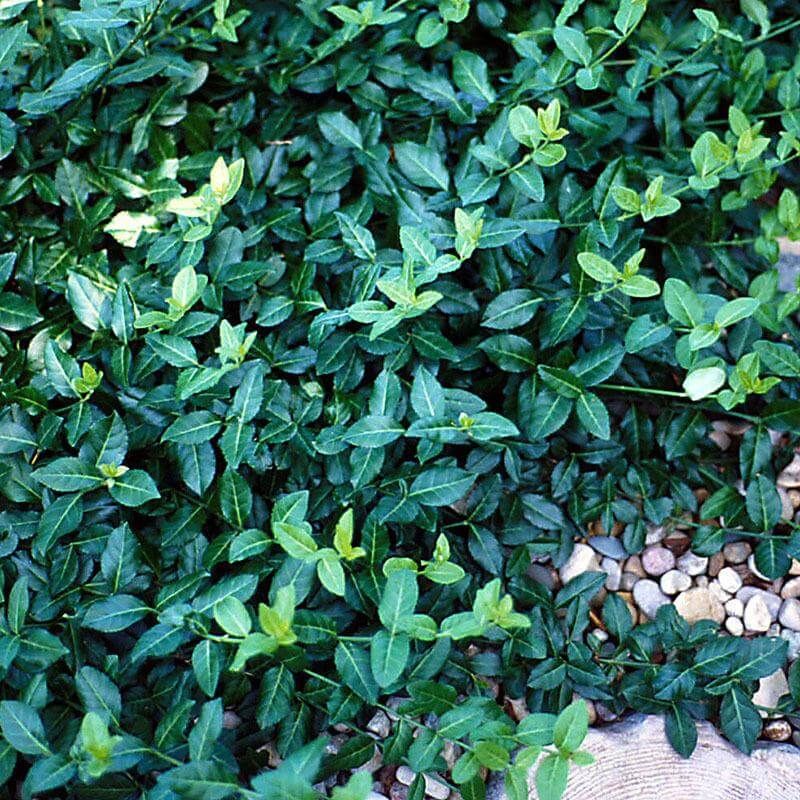
Evergreen foliage provides structure and color throughout all four seasons. Variegated forms brighten shaded areas with cream and green leaf patterns.
This versatile plant adapts to sun or shade equally well. Low-growing cultivars stay under six inches tall while spreading horizontally.
The prostrate habit creates uniform coverage across uneven terrain naturally. Slopes and banks stabilize under the mat of stems and roots.
North Carolina gardens benefit from the extreme cold tolerance this plant possesses. Winter temperatures rarely challenge wintercreeper’s hardiness in our climate zone.
Snow and ice leave no lasting damage on the foliage. Dense branching leaves no gaps for opportunistic weeds to exploit successfully.
The evergreen nature means coverage continues during dormant seasons too. Year-round weed suppression beats seasonal groundcovers that disappear in winter.
Established plants tolerate drought once roots grow deep into the soil. Water needs decrease dramatically after the first full year of growth.
This low-maintenance quality appeals to busy homeowners seeking easy solutions. Some varieties develop pinkish-red tints on leaves during cold weather months.
This color change adds unexpected interest to winter landscapes. The transformation reverses when warm weather returns in spring.
8. Sedum (Sedum spp.)
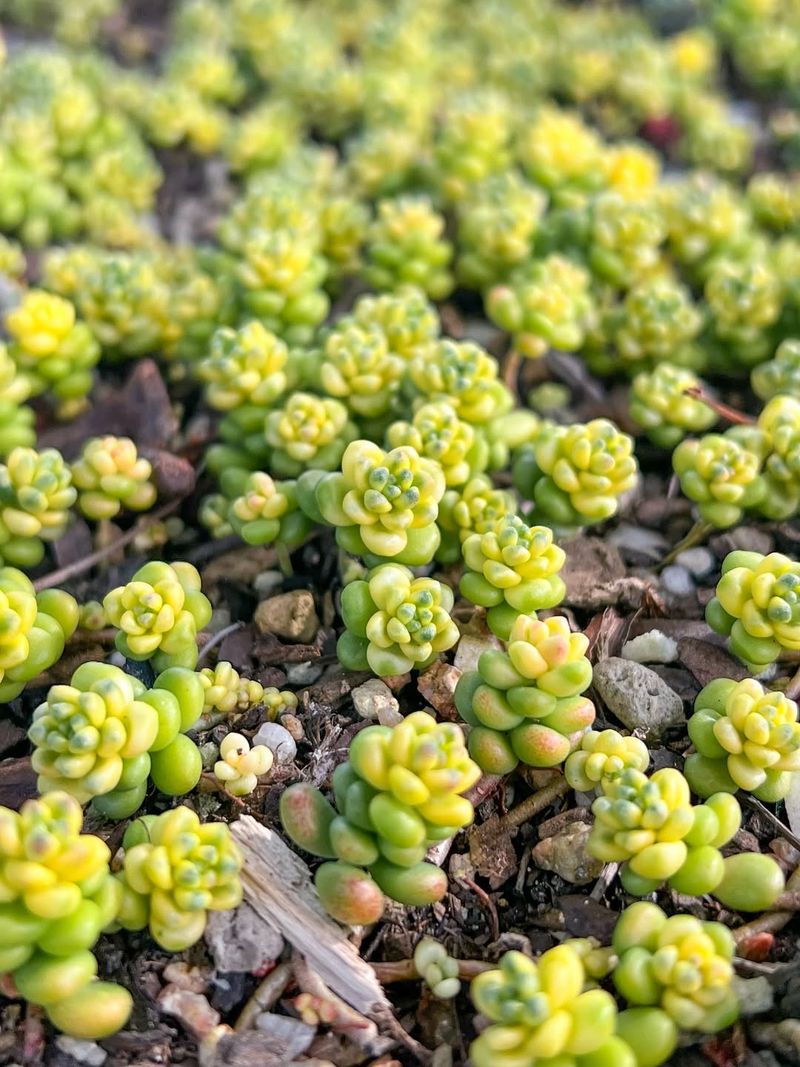
Succulent leaves store water for survival during dry spells common in summer. The fleshy foliage comes in shades of green, blue-gray, and burgundy.
Texture differs completely from typical groundcovers for unique visual appeal. Rocky or sandy soil that challenges other plants suits sedum perfectly.
Poor drainage and low fertility actually benefit these tough performers. North Carolina’s clay can be amended with gravel for ideal conditions.
Star-shaped flowers in yellow, pink, or white blanket plants in summer. The blooms attract butterflies and other pollinators to the garden reliably.
Spent flowers fade gracefully without requiring removal for neatness. Spreading types like Sedum acre and Sedum album colonize quickly in sunny spots.
The low mat of growth shades out weed seeds effectively. Heat and drought tolerance mean less watering than lawn grass requires.
Established sedum plantings need almost no supplemental irrigation once roots settle. Natural rainfall provides sufficient moisture for healthy growth in most years.
This water-wise quality reduces maintenance time and utility costs. Green roofs and living walls incorporate sedum for its lightweight properties.
The shallow root system requires minimal soil depth to thrive. Homeowners can create similar features on shed roofs or retaining walls.
9. Hosta (Hosta spp.)
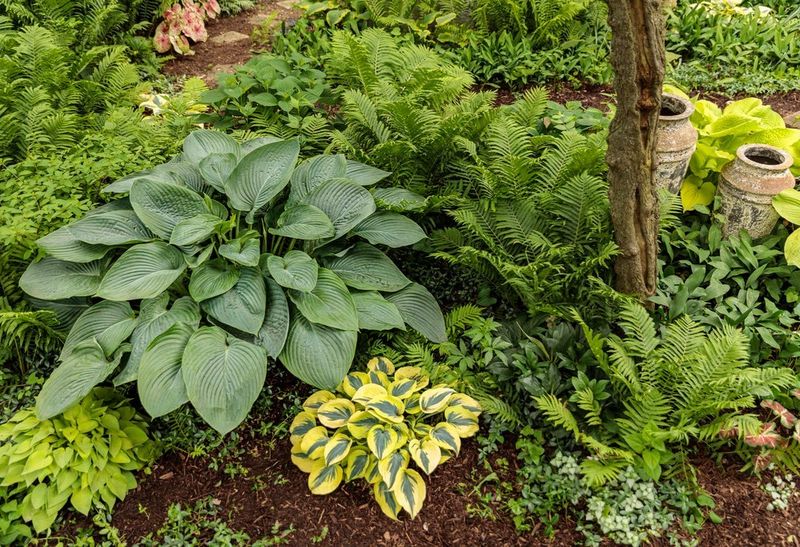
Bold foliage makes a statement in shaded garden beds where options seem limited. Leaves range from tiny to enormous depending on variety selection.
Colors include solid green, blue-green, chartreuse, and variegated combinations. North Carolina’s shade gardens often suffer from persistent weed problems under trees.
Hostas solve this issue with their large leaves that block sunlight. The canopy created by mature plants prevents weed seed germination below.
Clump-forming growth habit differs from spreading groundcovers but works equally well. Plant hostas close together for a mass effect that eliminates gaps.
The overlapping foliage creates continuous coverage once plants mature. Seasonal interest includes fragrant flowers on tall scapes in summer months.
Blooms attract hummingbirds and add vertical elements to the planting. Some varieties feature especially showy or scented flowers worth highlighting.
Slugs can pose challenges in very moist, shaded locations with heavy mulch. Choose thick-leaved varieties that resist damage better than thin-leaved types.
Proper spacing for air circulation reduces pest pressure naturally. Fall color develops as leaves turn golden before going dormant for winter.
The transformation signals seasonal change in the garden beautifully. Spring emergence of new shoots creates anticipation as tight spears unfurl.
10. Lamium (Lamium maculatum)
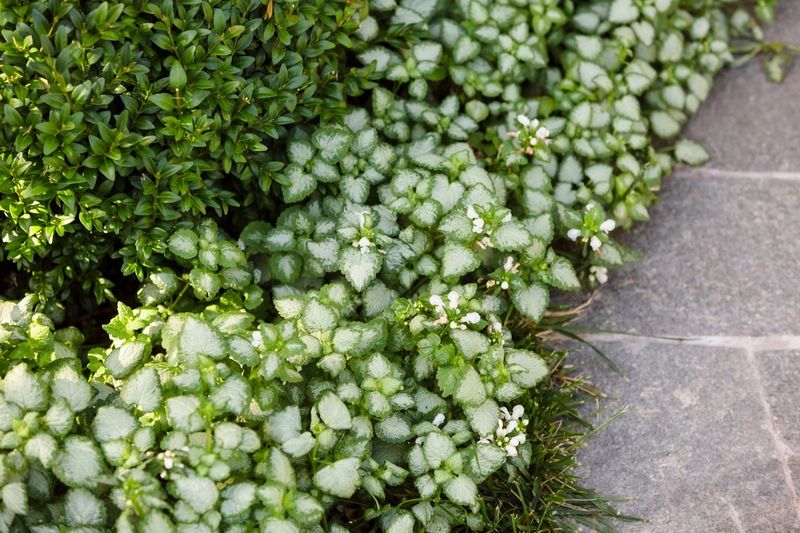
Silver-splashed leaves illuminate dark corners with their reflective coloring year-round. The variegation brightens shaded spaces more effectively than solid green plants.
Evergreen foliage maintains its ornamental value through winter months. Hooded flowers in pink, white, or purple appear from spring through summer.
The blooms rise above foliage on short stems for a layered effect. Pollinators visit regularly to collect nectar from the tubular flowers.
Partial shade suits lamium best in North Carolina’s climate conditions overall. Too much sun bleaches the silver markings and stresses plants unnecessarily.
Morning sun with afternoon shade provides the sweet spot for growth. Spreading stems root at nodes to expand coverage across bare ground.
The growth rate stays moderate, making lamium easier to control than aggressive spreaders. Boundaries remain more manageable with this well-behaved groundcover.
Weed suppression comes from the dense mat of stems and leaves. Light cannot penetrate to the soil where weed seeds wait.
Established plantings require virtually no weeding once full coverage develops. Combine with spring bulbs and shade perennials for a layered garden bed.
The silver foliage complements darker greens and provides contrast in compositions. Textural variety increases when mixing different leaf shapes and sizes together.
11. Sweet Alyssum (Lobularia maritima)
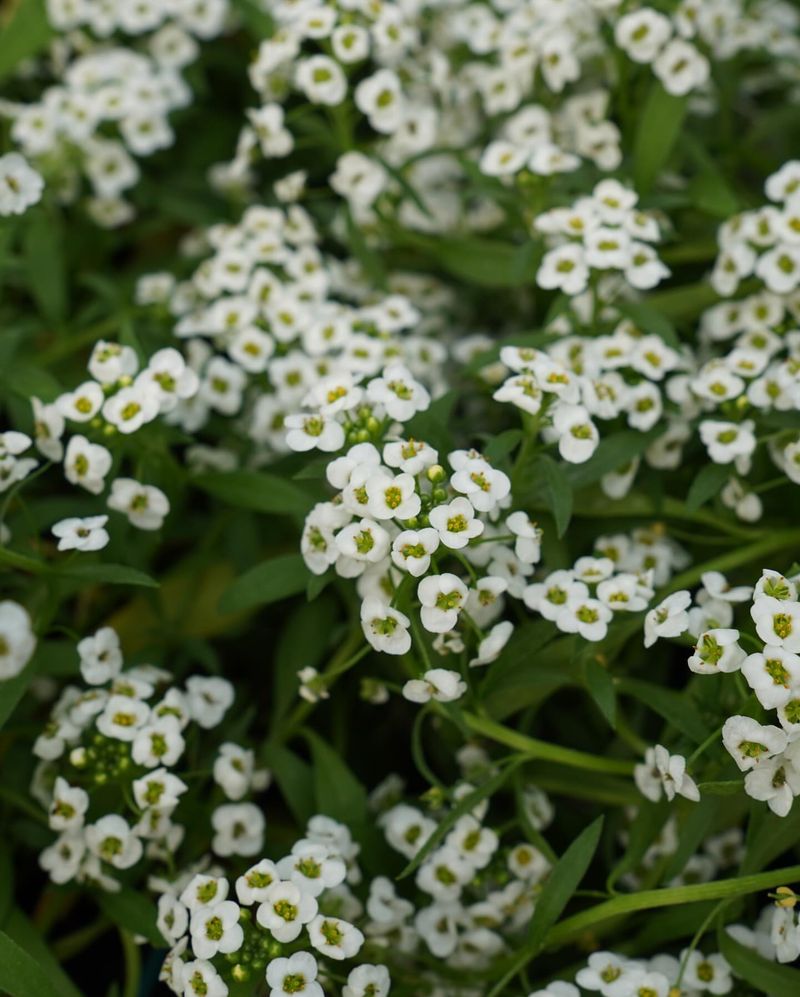
Honey-scented flowers perfume the garden from spring until frost arrives. The fragrance attracts beneficial insects that help control pest populations naturally.
Blooms cover plants so completely that foliage nearly disappears underneath. Fast growth from seed makes sweet alyssum perfect for quick coverage.
Bare soil between new perennials fills in within weeks of planting. This temporary solution prevents weeds while permanent plants establish slowly.
North Carolina’s long growing season allows multiple bloom cycles with light shearing. Cut back spent flowers by one-third to encourage fresh growth and blooms.
The plants rebound quickly and flower again within weeks. Self-sowing habit means new plants appear each spring from previous seasons.
Volunteers fill gaps automatically without replanting effort from gardeners. The natural reseeding maintains coverage year after year reliably.
White, pink, and purple color options coordinate with any garden palette. Mix colors for a confetti effect or plant single colors for impact.
The low mounding habit works along edges and in container combinations. Cool-season preference means best performance in spring and fall months here.
Summer heat can slow flowering somewhat in our hottest weeks. Fall resurgence brings another flush of blooms as temperatures moderate again.