Low Maintenance Border Plants That Grow Well In North Carolina Yards
Creating a beautiful yard border in North Carolina does not have to mean endless watering, pruning, and weekend yard work. In fact, the smartest gardeners choose plants that thrive in our heat, handle humidity like champs, and still look great with minimal effort.
Whether you are lining a driveway, framing a walkway, or adding definition to flower beds, the right border plants can instantly boost curb appeal without turning into a full-time job.
Think hardy, reliable, and tough enough to bounce back from summer sun and surprise cold snaps. The best part? Many of these plants practically take care of themselves once they are established.
If you want a polished landscape that stays attractive season after season without constant babysitting, you are in the right place. Let’s explore low maintenance border plants that make North Carolina yards look amazing with way less work.
1. Boxwood (Buxus sempervirens)
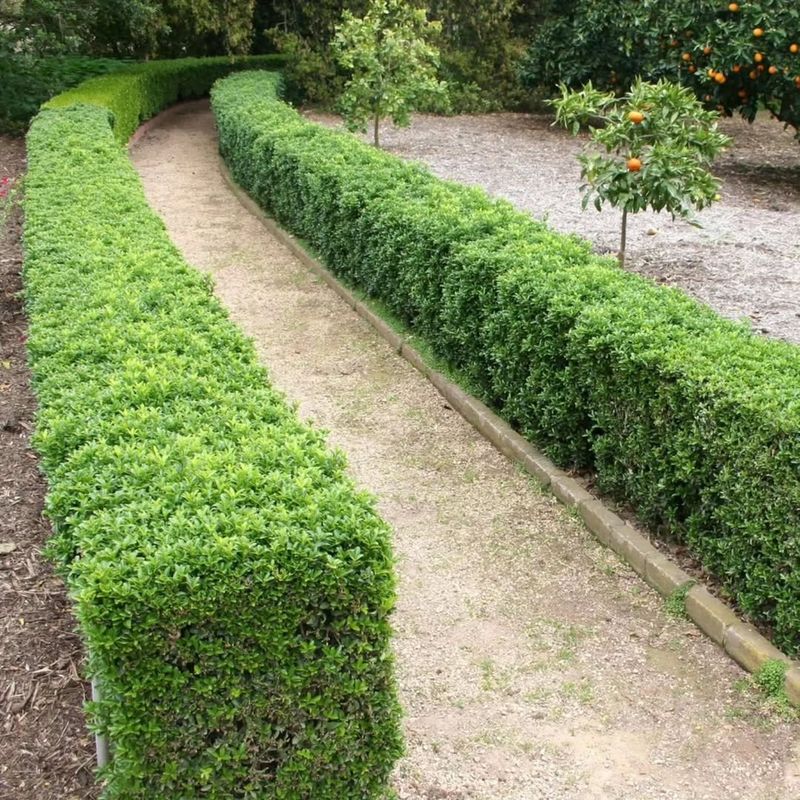
Boxwood has been the gold standard for formal garden borders for centuries. Its dense, evergreen foliage creates living walls that look sophisticated year-round.
North Carolina’s climate suits this classic shrub perfectly, making it a reliable choice for homeowners. Once established, boxwood tolerates partial shade beautifully.
This flexibility lets you plant it in various yard locations. The shrub responds wonderfully to pruning, allowing you to shape it however you prefer.
Watering needs decrease significantly after the first growing season. Boxwood develops a strong root system that handles our summer heat well.
Its slow, steady growth means you won’t spend every month with pruning shears. The glossy leaves stay attractive through all four seasons.
Winter doesn’t strip this plant of its beauty like it does with deciduous options. Boxwood provides structure when other plants go dormant.
Planting boxwood along walkways creates instant elegance. The shrub’s compact nature makes it ideal for smaller yards too.
Its timeless appeal means your landscape design won’t look outdated in five years. Pests rarely bother well-placed boxwood in North Carolina gardens.
Good air circulation prevents most common problems. This resilient plant rewards minimal effort with maximum visual impact.
2. Dwarf Yaupon Holly (Ilex vomitoria ‘Nana’)
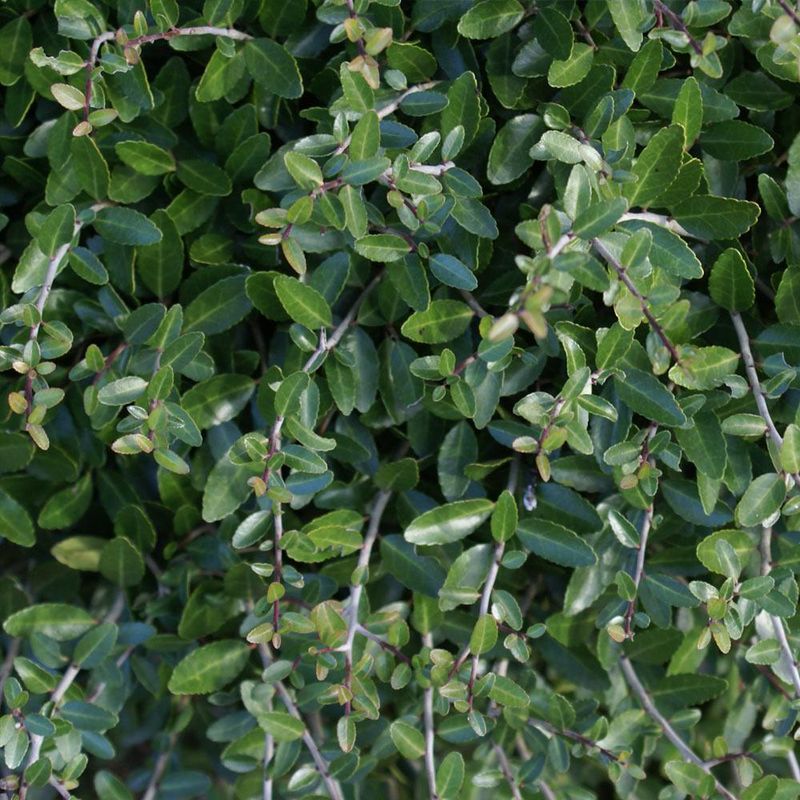
Native to the southeastern United States, dwarf yaupon holly feels right at home in North Carolina. Its glossy leaves catch sunlight beautifully throughout the year.
This compact evergreen rarely exceeds three feet in height, making it perfect for defining spaces. Drought tolerance ranks among this plant’s best features.
Once roots establish themselves, you can practically forget about watering. Our state’s occasional dry spells won’t faze this tough little shrub.
The dense growth habit naturally creates neat borders without constant trimming. Dwarf yaupon holly maintains its rounded shape with minimal intervention.
This saves you countless hours compared to plants that require frequent shaping. Walkways bordered with this holly look professionally landscaped year-round.
The plant’s fine texture contrasts nicely with larger-leafed neighbors. Its dark green color provides a perfect backdrop for flowering plants.
Wildlife appreciates this native plant’s presence in your yard. Birds find shelter in its dense branches during harsh weather.
Your North Carolina Garden Changes Every Week. Your Plan Should Too.
Gardening in North Carolina changes quickly throughout the season. Every Friday you’ll receive a simple weekly plan showing exactly what to plant, prune, fertilize, harvest, and protect so you never miss the right timing.
Pollinators visit the tiny spring flowers, though they’re barely noticeable to humans. Salt tolerance makes this holly suitable for coastal North Carolina properties.
It handles our clay soils better than many other shrubs. Pest problems rarely occur, giving you one less gardening headache to manage.
3. Daylilies (Hemerocallis spp.)
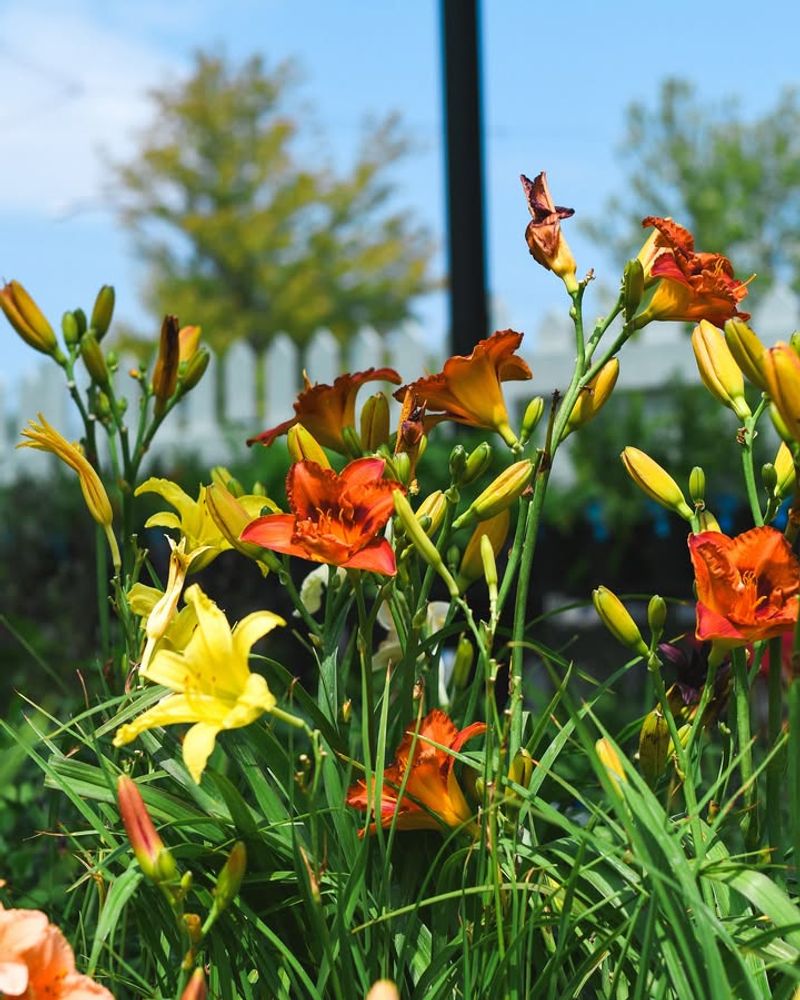
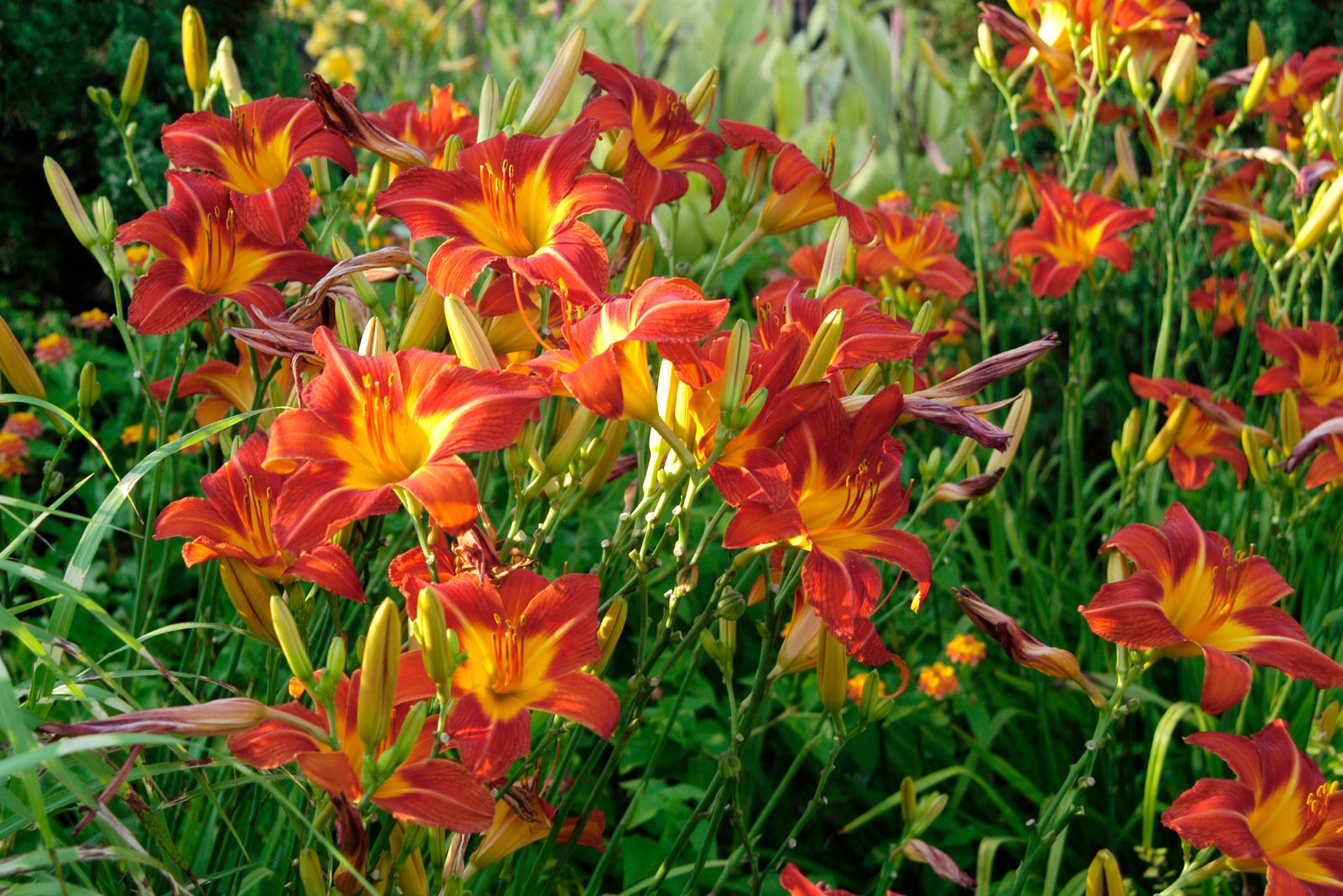
Few perennials match daylilies for sheer toughness and beauty combined. These cheerful bloomers produce flowers in nearly every color imaginable.
North Carolina’s growing season gives them plenty of time to put on spectacular shows. Adaptability makes daylilies incredibly forgiving for busy gardeners.
They flourish in full sun but tolerate partial shade gracefully. Clay soil, sandy soil, or anything in between works fine for these hardy plants.
Each flower lasts just one day, but plants produce dozens of buds. Blooming periods stretch for weeks, providing continuous color along your borders.
Different varieties bloom at different times, extending the seasonal interest even further. Clumps expand steadily but not aggressively like some perennials.
Dividing them every few years takes minimal effort and gives you more plants. This multiplication factor makes daylilies economical for long borders.
Maintenance requirements stay remarkably low once plants establish themselves. Occasional watering during extreme drought keeps them happy.
Removing spent flower stalks improves appearance but isn’t absolutely necessary. The grass-like foliage provides texture even when flowers aren’t blooming.
Winter dormancy means the leaves disappear, but they return reliably each spring. Deer occasionally browse daylilies, though many varieties resist their attention better than other perennials.
4. Lavender (Lavandula angustifolia)
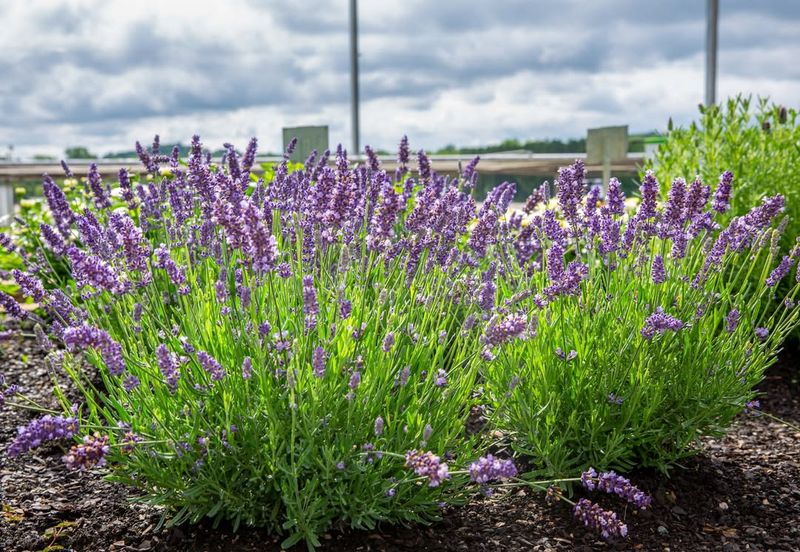
Imagine brushing past a border that releases waves of soothing fragrance. Lavender makes this dream reality in North Carolina gardens.
Its purple flower spikes and silvery foliage create stunning visual combinations with neighboring plants. Full sun brings out lavender’s best qualities in our state.
The plant absolutely loves heat and tolerates drought remarkably well. Once established, it thrives on neglect better than constant attention.
Water requirements drop to almost nothing after the first season. Lavender actually prefers our occasional dry spells to constant moisture.
Overwatering causes more problems than underwatering with this Mediterranean native. The tidy, mounding growth habit keeps borders looking intentional and designed.
Lavender naturally stays compact without requiring frequent pruning. A light trim after flowering maintains shape and encourages bushiness.
Pollinators absolutely adore lavender’s nectar-rich flowers. Bees, butterflies, and hummingbirds visit constantly during blooming periods.
Your border becomes a hub of beneficial insect activity. Harvesting flowers for dried arrangements or sachets adds practical value.
The fragrance repels certain pests naturally, protecting nearby plants. Lavender’s essential oils have made it valuable to humans for thousands of years, and that usefulness continues in modern gardens.
5. Society Garlic (Tulbaghia violacea)
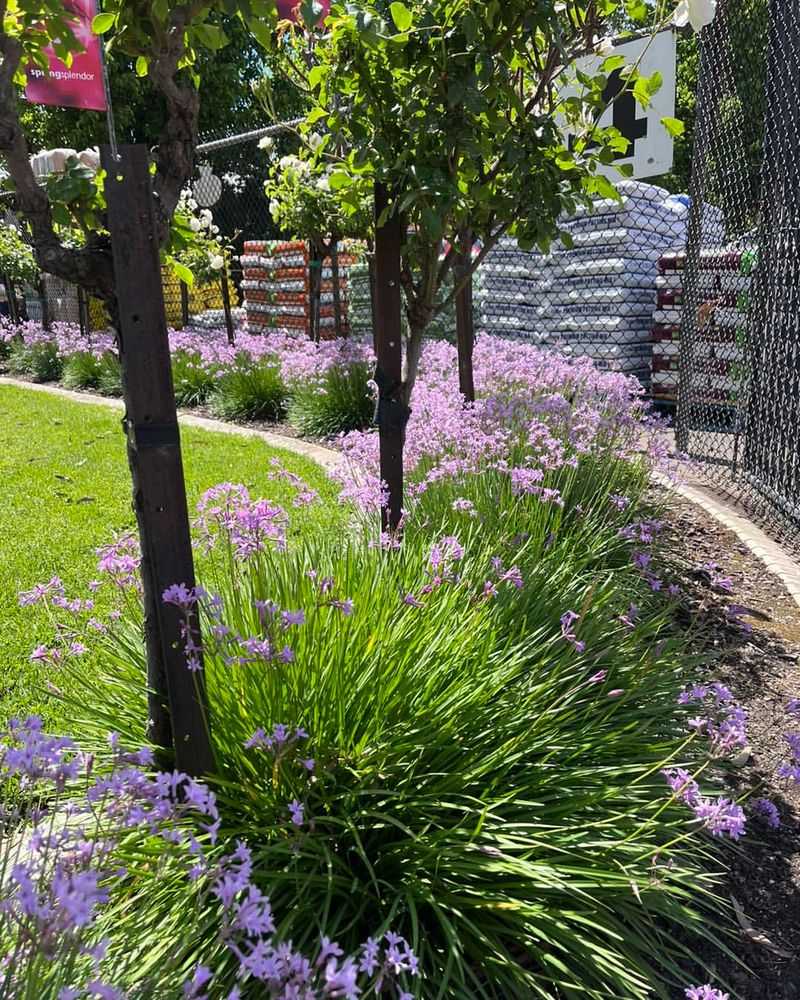
Society garlic brings unexpected charm to North Carolina borders. This South African native adapted surprisingly well to our climate.
Purple flowers appear on tall, slender stems above neat clumps of foliage. The common name comes from its mild garlic scent when leaves are crushed.
Regular garden visitors won’t notice any odor at all. Only direct contact with the foliage releases the subtle fragrance.
Drought tolerance rivals some of our toughest native plants. Society garlic keeps blooming even when rainfall disappears for weeks.
This resilience makes it perfect for gardeners who travel frequently during summer. Clumping growth habit means the plant stays where you put it.
Unlike aggressive spreaders, society garlic respects its boundaries beautifully. Each clump slowly expands but never becomes invasive.
Blooming continues from late spring through fall in North Carolina. The purple flowers attract butterflies and other beneficial pollinators consistently.
Spent blooms don’t require removal, though cutting them back encourages more flowers. Deer typically avoid society garlic, making it valuable in rural areas.
The plant handles our summer humidity without developing fungal problems. Its evergreen foliage provides year-round interest, staying attractive even during mild winters.
6. Creeping Jenny (Lysimachia nummularia)
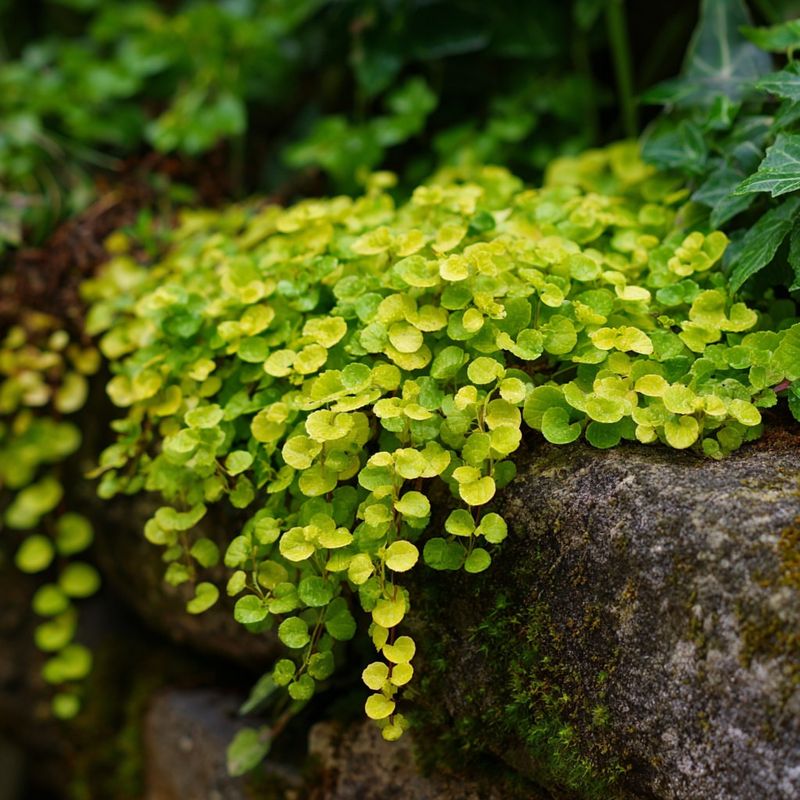
Creeping Jenny earns its name through enthusiastic spreading habits. This groundcover fills spaces quickly with cheerful, coin-shaped leaves.
The bright chartreuse color illuminates shady border areas that other plants find challenging. Adaptability to sun or shade makes creeping Jenny incredibly versatile.
It thrives in full sun but also tolerates considerable shade. This flexibility lets you use it throughout your yard consistently.
Weed suppression happens naturally as the plant spreads. Dense growth prevents unwanted plants from establishing themselves in borders.
You’ll spend far less time pulling weeds where creeping Jenny grows. Moist soil suits this plant best, though it tolerates some drought.
North Carolina’s typical rainfall usually provides adequate moisture without supplemental watering. The plant can even handle wet areas that other border plants refuse.
Small yellow flowers appear in summer, adding subtle color. The foliage remains the main attraction throughout the growing season.
Golden varieties shine especially bright in darker garden corners. Containing creeping Jenny requires occasional vigilance since it spreads readily.
Pulling back excess growth takes minimal effort and gives you starts for other areas. This aggressive nature actually becomes an asset when you need quick coverage along long borders.
7. Blue Fescue (Festuca glauca)
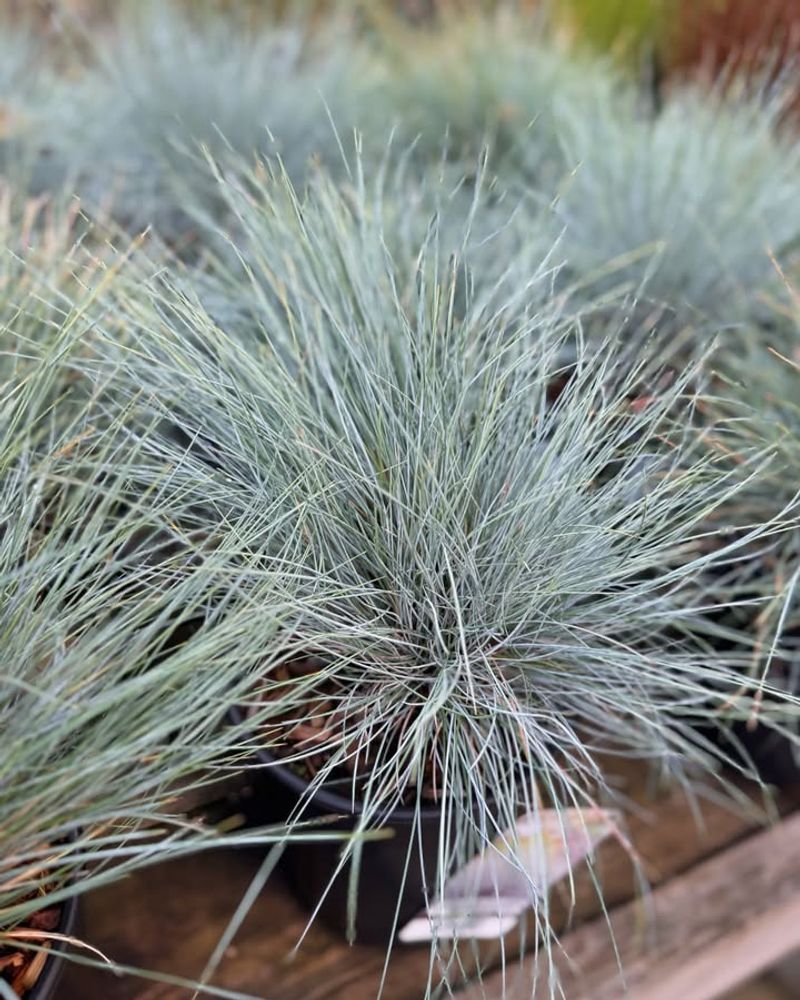
Blue fescue brings cool-toned elegance to warm North Carolina landscapes. The silvery-blue foliage creates striking contrasts against green plants.
This ornamental grass forms perfect little mounds that look intentionally placed. Full sun locations bring out the most intense blue coloration.
The plant tolerates our summer heat remarkably well for a cool-season grass. Drought resistance improves significantly after the first growing season.
Growth stays compact and manageable throughout the year. Blue fescue rarely exceeds twelve inches in height or width.
This predictable size makes spacing calculations easy when planning borders. Year-round interest comes from the evergreen foliage in North Carolina.
Even winter doesn’t diminish this grass’s beauty significantly. The color provides welcome relief from dormant brown landscapes.
Maintenance requirements stay minimal compared to lawn grasses. Annual trimming in early spring removes any winter-damaged foliage.
This single yearly task keeps plants looking fresh and tidy. Texture contrast makes blue fescue valuable in mixed borders.
The fine, needle-like leaves complement broader-leafed plants beautifully. Repeating this grass at intervals creates rhythm and unity in longer borders.
Deer typically leave blue fescue alone, protecting your border investment. The plant handles our clay soils adequately with proper drainage.
Its toughness belies its delicate, refined appearance.
8. Coral Bells (Heuchera spp.)
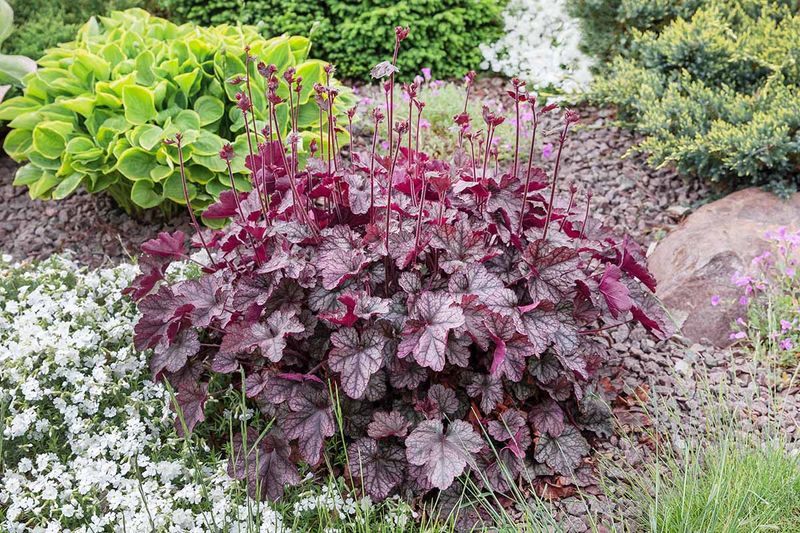
Coral bells revolutionized shade gardening with their incredible foliage colors. North Carolina gardeners can choose from dozens of varieties in purples, oranges, and silvers.
These perennials thrive in partial shade where many flowering plants struggle. Foliage remains attractive from spring through fall in our climate.
The rounded, lobed leaves create textural interest along shaded borders. Colors intensify during cooler months, providing autumn interest beyond typical fall foliage.
Delicate flower spikes appear in late spring or early summer. While not dramatically showy, they add vertical interest above the mounding foliage.
Hummingbirds visit these flowers regularly, adding movement to your borders. Minimal care keeps coral bells looking their best year after year.
Removing tattered leaves occasionally maintains appearance but isn’t strictly necessary. The plant tolerates our summer humidity better than many shade perennials.
Dividing clumps every few years rejuvenates older plants. This simple task provides extras for expanding borders or sharing with friends.
Coral bells multiply reasonably without becoming invasive nuisances. Combining different colored varieties creates stunning tapestries along border edges.
The plant’s compact size suits smaller spaces perfectly. Deer occasionally browse coral bells, though many newer varieties show improved resistance to browsing damage.
9. Nandina (Nandina domestica)
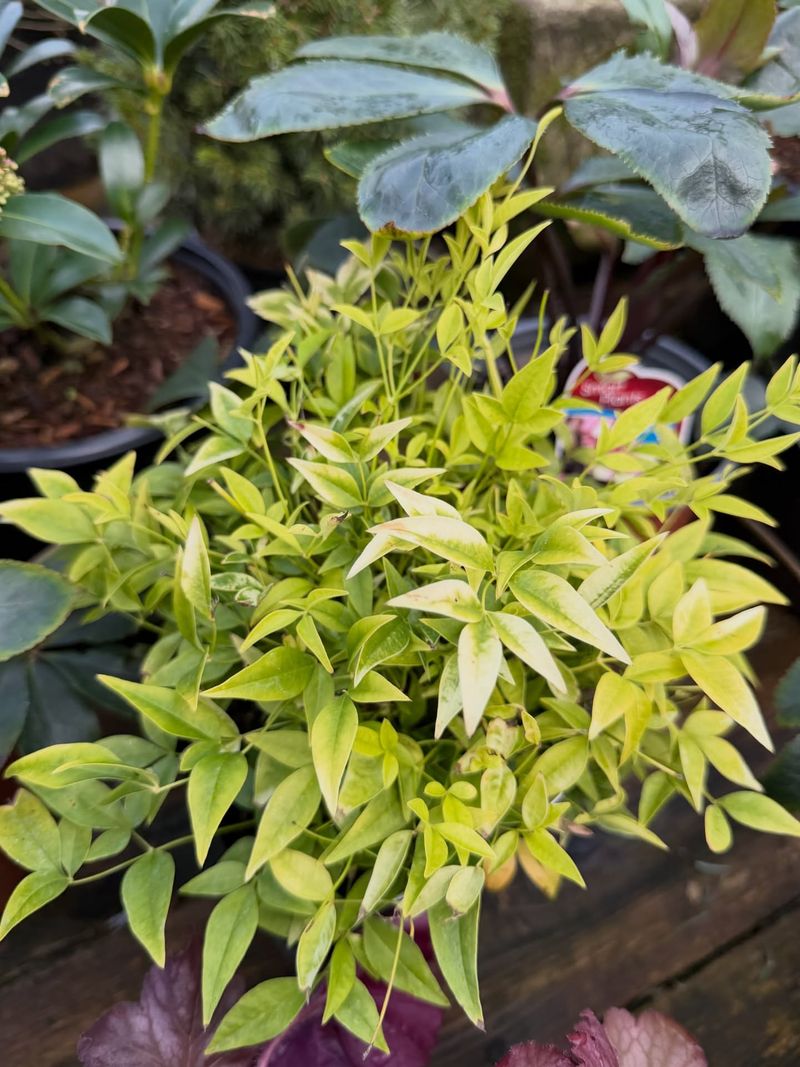
Nandina offers year-round beauty that changes with North Carolina’s seasons. Spring brings bronzy new growth that matures to deep green.
Fall transforms the foliage into brilliant reds and purples that rival any deciduous shrub. Bright red berries appear in winter, providing food for birds.
The clusters persist for months, adding color when little else blooms. This seasonal progression gives your borders constant visual interest.
Upright growth habit makes nandina perfect for defining spaces. The plant naturally stays narrow without requiring constant pruning.
This vertical form contrasts nicely with mounding or spreading border companions. Adaptability to sun or shade increases nandina’s usefulness.
It flourishes in full sun but tolerates considerable shade gracefully. This flexibility lets you create continuous borders through varying light conditions.
Drought tolerance develops quickly once roots establish themselves. Nandina handles our clay soils better than many ornamental shrubs.
Pest problems rarely occur, making this a truly carefree landscape plant. Different varieties offer varying heights from compact dwarfs to tall specimens.
Choosing appropriate sizes for your border’s scale prevents future maintenance headaches. The bamboo-like foliage adds an Asian-inspired elegance to any landscape style.
10. Japanese Forest Grass (Hakonechloa macra)
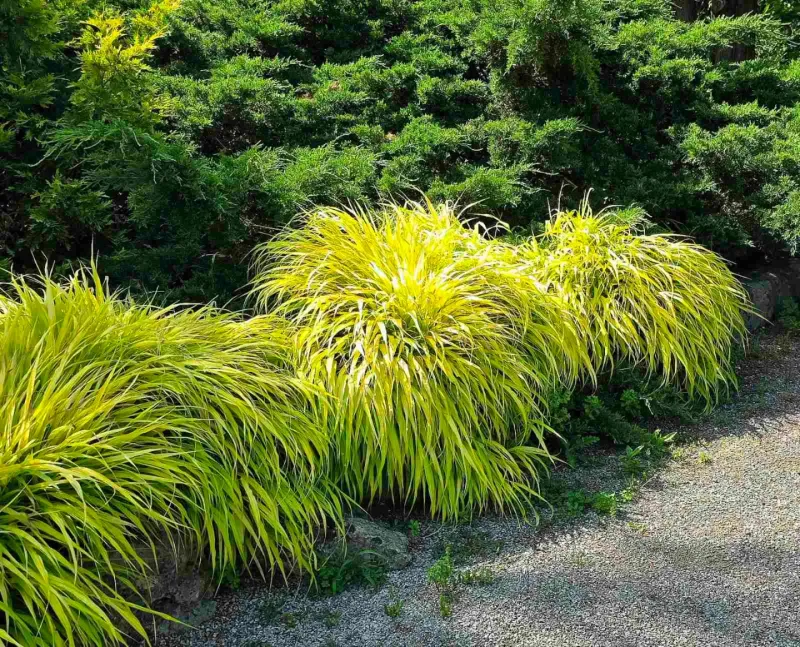
Japanese forest grass brings graceful movement to shaded North Carolina borders. The cascading leaves sway with the slightest breeze, creating living waterfalls of foliage.
Golden varieties illuminate dark corners that desperately need brightening. Partial shade brings out this grass’s best qualities.
Morning sun with afternoon shade suits it perfectly in our climate. Too much direct sun can scorch leaves during our hottest summer months.
Clumping growth keeps Japanese forest grass well-behaved in borders. It expands slowly and predictably without aggressive spreading.
This civilized nature makes it suitable for smaller gardens and formal designs. Texture adds incredible value to mixed shade borders.
The fine, arching leaves contrast beautifully with hostas and ferns. Repeating this grass creates rhythm that guides eyes along border lengths.
Fall color transitions from green or gold to peachy-bronze tones. This seasonal change extends interest beyond the primary growing season.
Winter dormancy means the plant disappears, returning reliably each spring. Maintenance requirements stay minimal throughout the growing season.
Annual trimming in late winter removes old foliage before new growth emerges. This single task keeps plants looking fresh and attractive.
Deer generally avoid Japanese forest grass, protecting your shade border investment. The plant tolerates our typical rainfall patterns without requiring supplemental watering once established.