9 Brilliant Ways North Carolina Gardeners Make Spider Plants Bushier Fast
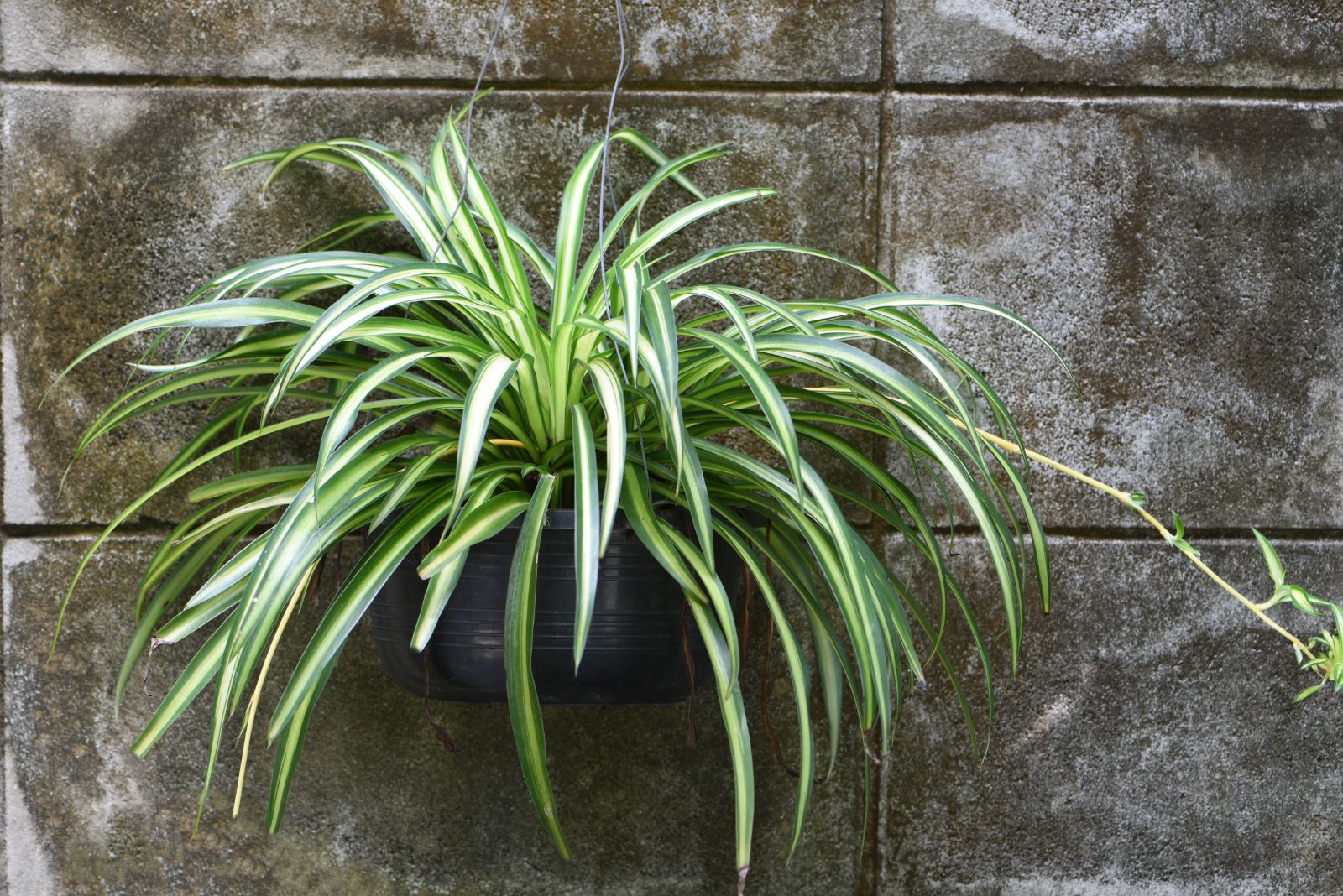
Spider plants are already one of the easiest houseplants to grow, but let’s be honest, everyone wants that full, overflowing look that makes them stand out.
If you garden in North Carolina, you also deal with changing indoor humidity, strong summer light, and winter dryness that can slow down growth.
The good news is you do not have to wait forever for your spider plant to fill out. With a few smart adjustments and simple care tricks, you can encourage thicker leaves, more offshoots, and faster overall growth.
Whether your plant looks a little sparse, leggy, or just not as lush as you hoped, there are easy fixes that actually work. Get ready to turn your spider plant into a bushy showstopper that looks healthy, vibrant, and ready to impress anyone who walks into your home.
1. Provide Bright, Indirect Light
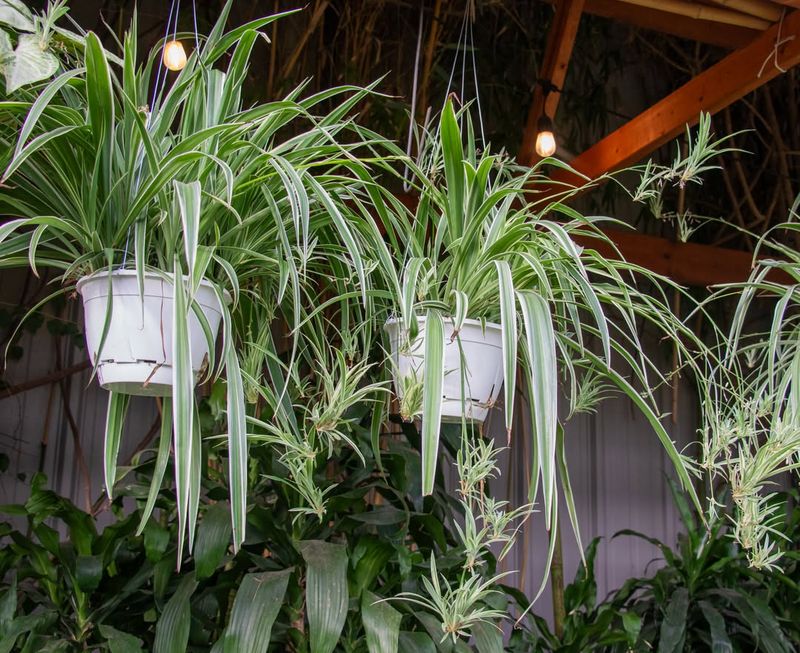
Finding the right lighting spot transforms spider plants dramatically. These tropical natives thrive when they receive plenty of bright light without harsh direct rays.
A window location works perfectly for most North Carolina homes year-round. East-facing windows offer gentle morning sunshine that energizes without scorching.
South-facing spots work wonderfully too, especially with sheer curtains filtering intense afternoon rays. Your spider plant will respond by producing thicker, more abundant leaves.
Notice how the foliage color deepens when light levels improve. Variegated varieties show more pronounced white or cream stripes.
Growth accelerates noticeably, with new leaves unfurling every few days during active seasons. Grow lights provide excellent alternatives when natural light falls short.
Position LED or fluorescent fixtures about twelve inches above your plant. Run them for twelve to fourteen hours daily to mimic optimal conditions.
Watch your spider plant closely during the first week after repositioning. Leaves should stand more upright and appear perkier.
Within three weeks, you’ll spot fresh growth emerging from the center crown, signaling your lighting adjustment succeeded beautifully.
2. Rotate The Pot Regularly
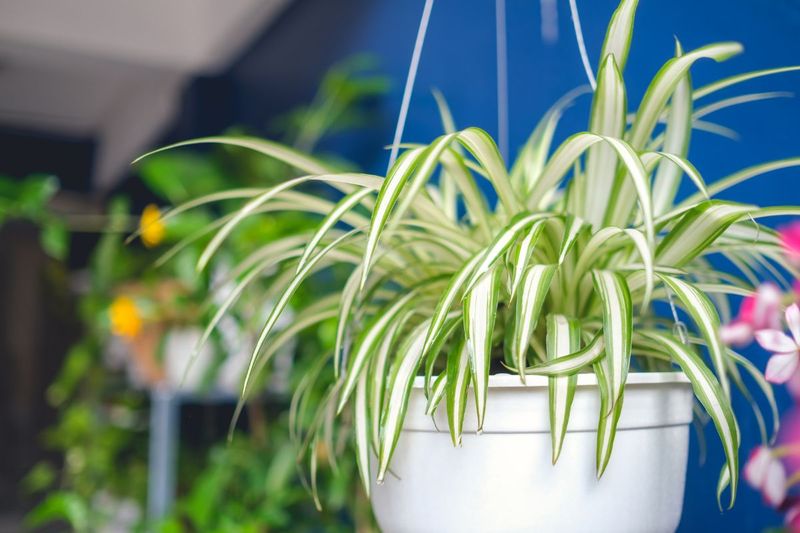
Rotation seems simple, yet many gardeners overlook this powerful technique. Spider plants naturally lean toward their light source, creating unbalanced growth patterns.
Turning your pot every week or two promotes symmetrical development on all sides. Set a phone reminder for rotation day each weekend.
Give your pot a quarter turn clockwise during each session. This ensures every section receives equal light exposure over the month.
The difference becomes obvious within three weeks of consistent rotation. Previously sparse sides fill out with fresh leaves.
The overall silhouette becomes rounder and more attractive from every viewing angle. Rotation also prevents the plant from becoming top-heavy on one side.
Balanced weight distribution means better stability in the pot. Your spider plant develops a stronger root system supporting all that gorgeous foliage.
North Carolina gardeners swear by this method because it requires zero special equipment. Just your hands and thirty seconds of effort weekly.
The payoff in plant appearance makes this tiny time investment absolutely worthwhile for bushier results.
3. Water Consistently
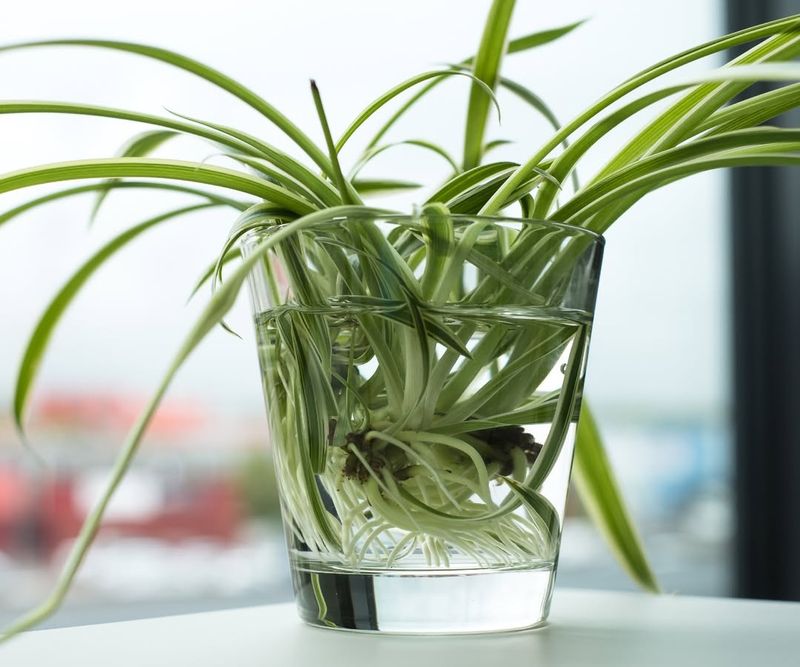
Establishing a reliable watering rhythm makes all the difference for spider plants. These plants appreciate soil that stays lightly moist but never waterlogged.
Your North Carolina Garden Changes Every Week. Your Plan Should Too.
Gardening in North Carolina changes quickly throughout the season. Every Friday you’ll receive a simple weekly plan showing exactly what to plant, prune, fertilize, harvest, and protect so you never miss the right timing.
Consistency helps roots stay healthy and supports continuous leaf production throughout growing seasons. Check soil moisture by inserting your finger about two inches deep.
When the top layer feels dry, it’s watering time. During North Carolina’s humid summers, this might mean watering every five to seven days.
Winter months require less frequent watering as growth naturally slows. Reduce your schedule to every ten to fourteen days.
Always adjust based on your home’s specific conditions rather than following rigid calendars. Use room-temperature water to avoid shocking sensitive roots.
Pour slowly until liquid drains from bottom holes, ensuring thorough saturation. Discard excess water from saucers within thirty minutes to prevent root problems.
Consistent moisture encourages spider plants to produce those adorable plantlets faster. Well-hydrated specimens develop thicker leaves with better color intensity.
Your plant rewards your attention with vigorous growth and impressive fullness that impresses every visitor to your home.
4. Fertilize During Active Growth
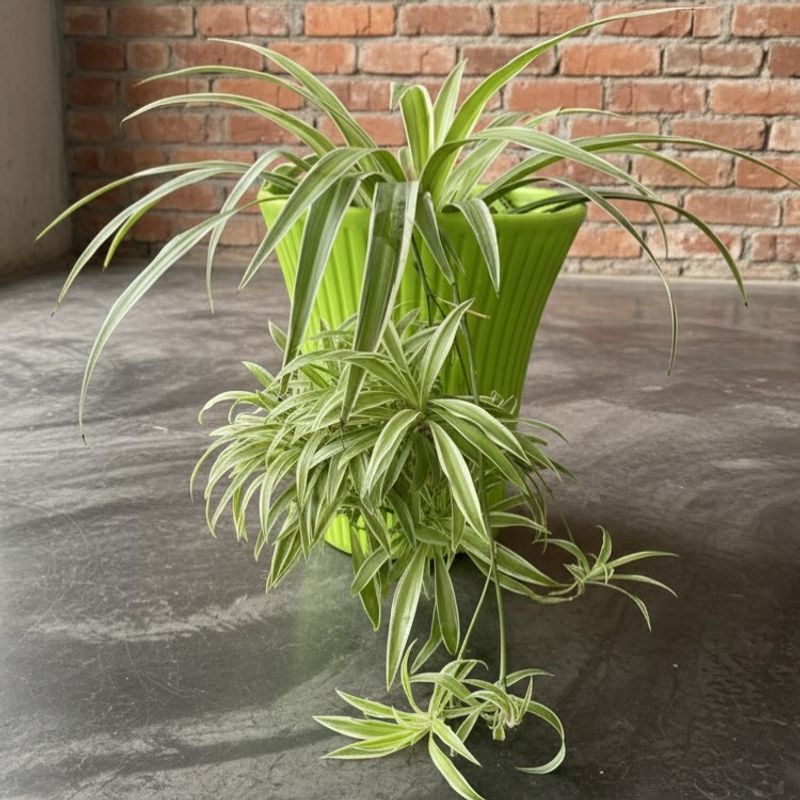
Nutrition plays a crucial role in achieving maximum bushiness. Spider plants aren’t heavy feeders, but strategic fertilizing during spring and summer produces remarkable results.
The right nutrients fuel rapid leaf development and offset production. Choose a balanced liquid fertilizer with equal nitrogen, phosphorus, and potassium numbers.
Mix it at half the recommended strength to avoid overwhelming your plant. North Carolina’s long growing season means fertilizing every four to six weeks from March through September.
Apply fertilizer only to moist soil, never dry. Water your plant first, then add diluted fertilizer solution.
This prevents root burn and ensures nutrients distribute evenly throughout the root zone. Watch for signs your feeding schedule works perfectly.
New leaves emerge brighter and larger than before. Growth rates accelerate noticeably, with multiple new leaves appearing weekly during peak season.
Stop fertilizing completely from October through February when growth naturally slows. Your spider plant uses this rest period to strengthen existing foliage.
Resume feeding when you notice fresh growth beginning again in early spring for another season of spectacular bushiness.
5. Trim Damaged Or Yellow Leaves
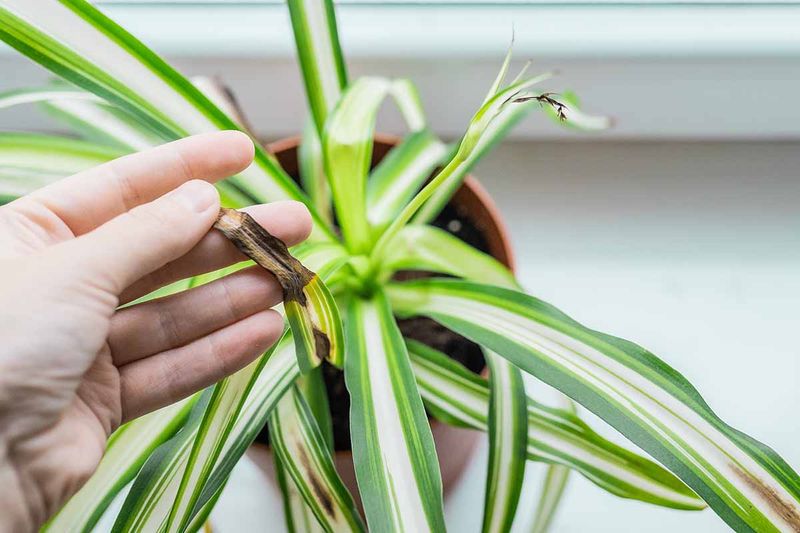
Pruning might seem counterintuitive when seeking bushier plants, but it actually accelerates growth. Removing damaged or yellowing foliage redirects your plant’s energy toward producing fresh, healthy leaves.
This simple maintenance step keeps spider plants looking their absolute best. Grab clean, sharp scissors or pruning shears for the job.
Wipe blades with rubbing alcohol before starting to prevent spreading any issues. Cut brown or yellow leaves at their base where they emerge from the crown.
Brown leaf tips are common and easily addressed. Trim just the damaged portion at an angle for a natural appearance.
Leave healthy green tissue intact to continue photosynthesizing and supporting overall plant health. Many North Carolina gardeners schedule monthly pruning sessions.
This regular attention prevents buildup of unsightly foliage and maintains an attractive appearance. Your plant responds by channeling resources into vibrant new growth instead of struggling leaves.
Within two weeks of pruning, you’ll notice increased activity at the plant’s center. Fresh leaves emerge faster and stronger.
The overall appearance becomes tidier and fuller as healthy foliage takes center stage without competition from damaged sections.
6. Repot When Root-Bound
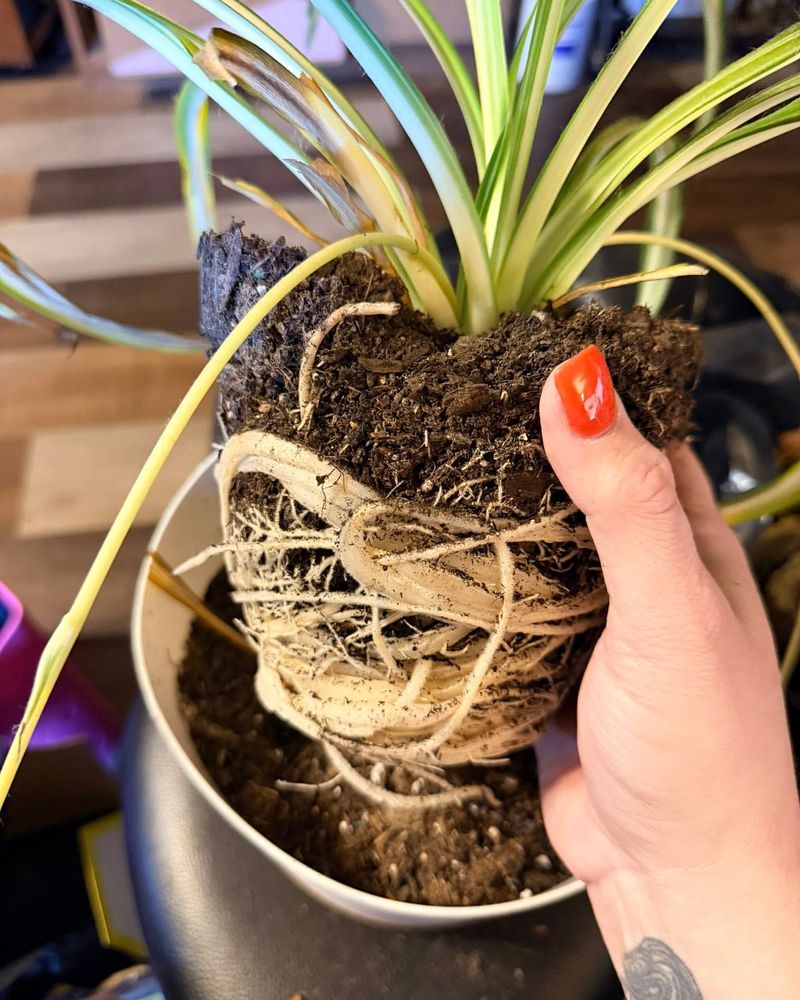
Root-bound conditions severely limit your spider plant’s potential for bushiness. When roots circle tightly inside their container, growth stalls dramatically.
Repotting into fresh soil with slightly more room triggers explosive new leaf production. Check your plant’s root situation annually by gently sliding it from its pot.
Roots circling the outside or poking through drainage holes signal repotting time. Spring offers the ideal timing for this task in North Carolina gardens.
Select a new container just two inches larger in diameter. Going too big encourages root growth over leaf production.
Use quality potting mix formulated for houseplants with excellent drainage properties. Place fresh soil in the bottom, position your plant at the same depth, then fill around sides.
Water thoroughly after repotting to settle soil and eliminate air pockets. Your spider plant might look slightly stressed initially but recovers quickly.
The transformation after repotting amazes most gardeners. Within three weeks, new leaves emerge at remarkable rates.
Root systems expand into fresh soil, accessing nutrients that fuel impressive foliage development for months ahead.
7. Propagate Offsets For Fuller Displays
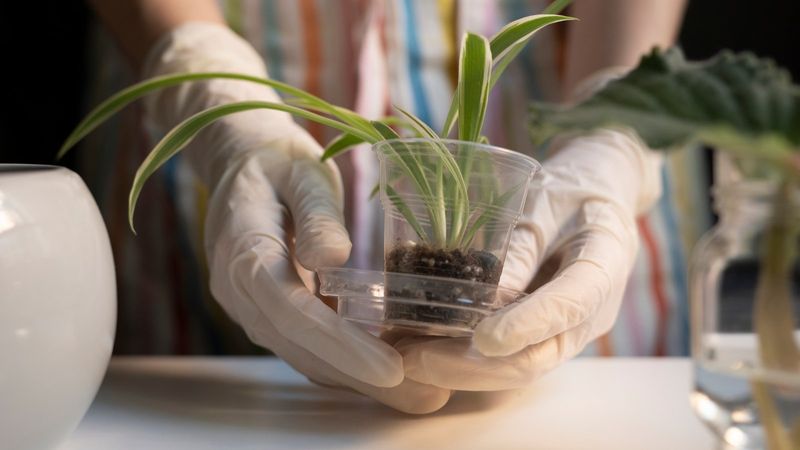
Spider plant babies, called spiderettes or offsets, offer a brilliant bushiness hack. Instead of removing these miniature plants, tuck them into the same pot as the mother plant.
This creates an incredibly full, layered appearance that looks professionally designed. Wait until offsets develop small root nubs before planting.
These tiny roots appear as white bumps along the base. Gently press each offset into soil around the parent plant’s perimeter without disturbing main roots.
Some North Carolina gardeners plant offsets in separate small pots arranged around the mother. This grouped display creates stunning visual impact on plant stands or tables.
The effect mimics a lush garden rather than a single specimen. Keep newly planted offsets slightly more moist than usual for two weeks.
This helps roots establish in their new positions. Soon they’ll grow independently while contributing to the overall fullness.
Within six weeks, propagated offsets produce their own leaves and even more babies. Your original single plant transforms into a spectacular cascading display.
This method costs nothing but delivers professional-looking results that impress everyone who sees your thriving spider plant collection.
8. Maintain Proper Humidity
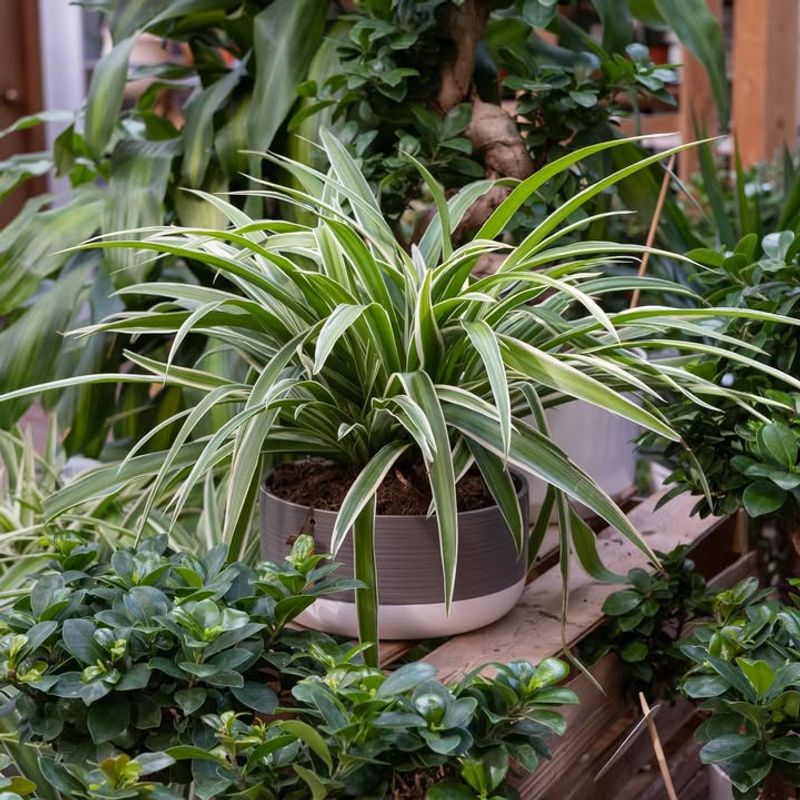
Humidity levels significantly impact spider plant foliage development and appearance. These tropical natives prefer moisture in the air around fifty to sixty percent.
North Carolina’s winter heating systems often drop humidity below thirty percent, stressing plants and slowing growth. Create a simple pebble tray by filling a shallow dish with stones.
Add water just below the stone tops, then place your pot on top. Evaporating water increases local humidity without wetting roots directly.
Grouping multiple plants together also raises humidity through collective transpiration. Position your spider plant near other houseplants for mutual benefit.
They create their own favorable microclimate that promotes lush growth. Small room humidifiers work wonderfully for larger plant collections.
Run them during heating season to maintain ideal moisture levels. Your spider plant responds with faster growth and fewer brown leaf tips.
Bathroom and kitchen locations naturally offer higher humidity from daily activities. These spots often prove perfect for spider plants in North Carolina homes.
The extra moisture encourages those gorgeous arching leaves to grow longer, greener, and more abundant than plants in drier rooms.
9. Use Slightly Smaller Pots For Compact Growth
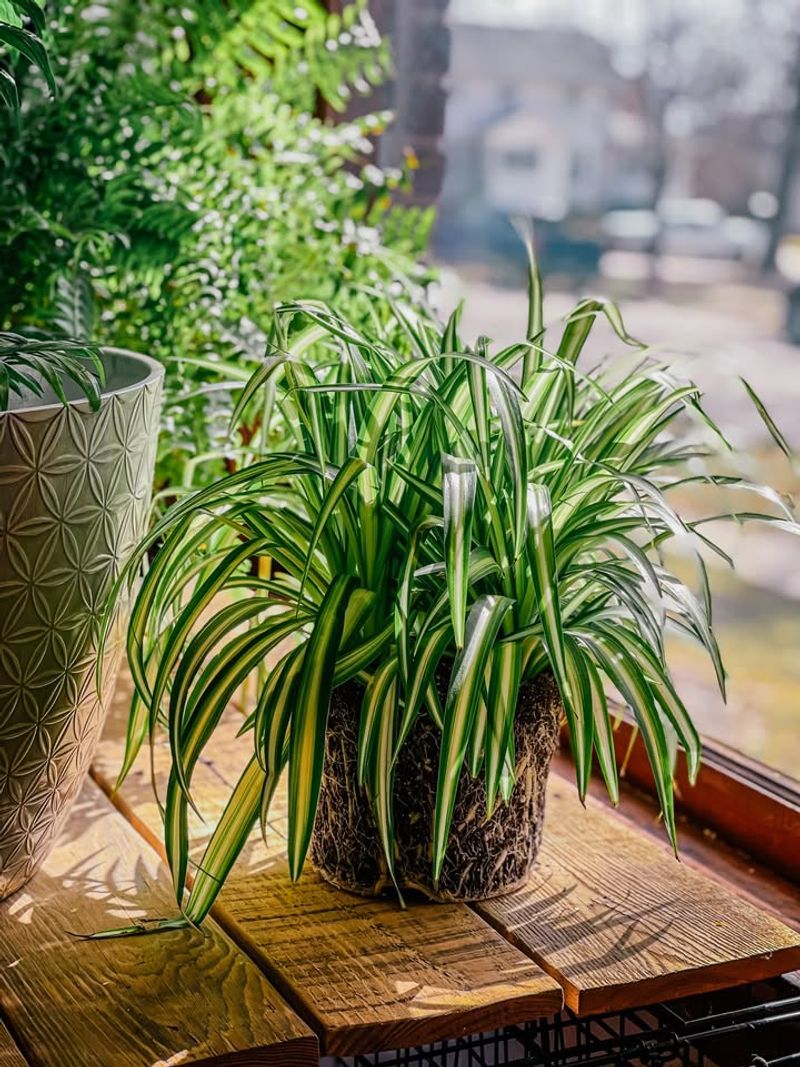
Pot size strategy might surprise you when pursuing bushier spider plants. While conventional wisdom suggests larger pots, keeping your plant slightly snug actually encourages more leaf and offset production.
This technique works because mildly root-bound conditions trigger reproductive responses. Spider plants naturally produce more babies when they sense limited root space.
This survival mechanism ensures species continuation. North Carolina gardeners exploit this tendency by choosing pots that fit comfortably without excessive extra room.
Select containers allowing just one inch of space around the root ball. This provides enough room for some growth without encouraging excessive root expansion.
Your plant focuses energy on foliage and offset production instead. Monitor soil moisture more carefully in smaller pots since they dry faster.
Check every few days during active growth periods. Adjust your watering schedule accordingly to maintain consistent moisture levels.
The results speak for themselves within about six weeks. Plants in appropriately sized pots develop noticeably denser foliage.
They produce more offsets on longer stems, creating that coveted cascading fountain effect. This simple container choice makes a dramatic difference in achieving the full, bushy appearance every spider plant lover desires.