These 7 Plants Grow Better Than Hydrangeas In Oregon
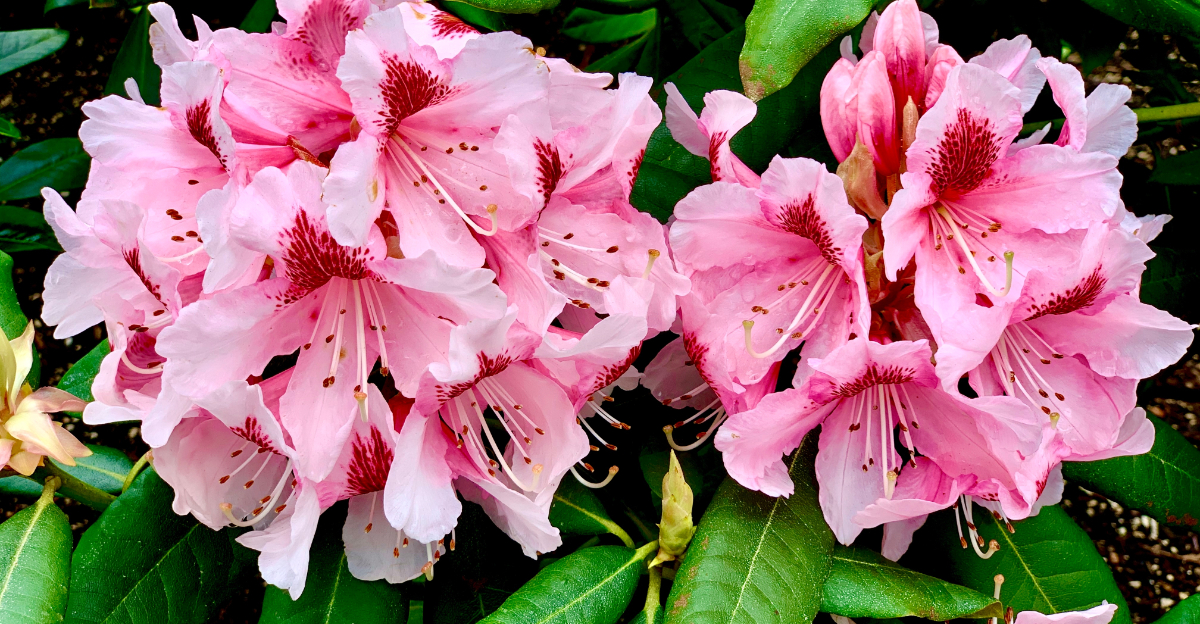
Oregon gardeners love hydrangeas for their stunning blooms and reliable performance, but plenty of other plants actually thrive even better in our Pacific Northwest climate.
These alternatives bring bold color, lush foliage, and reliable performance without constant babysitting.
Some handle cool springs better. Others laugh at summer dry spells.
Many attract pollinators and add year-round interest. Swapping out hydrangeas doesn’t mean giving up beauty.
It means upgrading to plants that actually work with Oregon’s climate instead of fighting it. Gardens across the state are already making the switch, and the results speak for themselves.
Get ready to meet the plants that are outperforming hydrangeas and changing how Oregon landscapes look and grow.
1. Azalea (Deciduous Varieties)
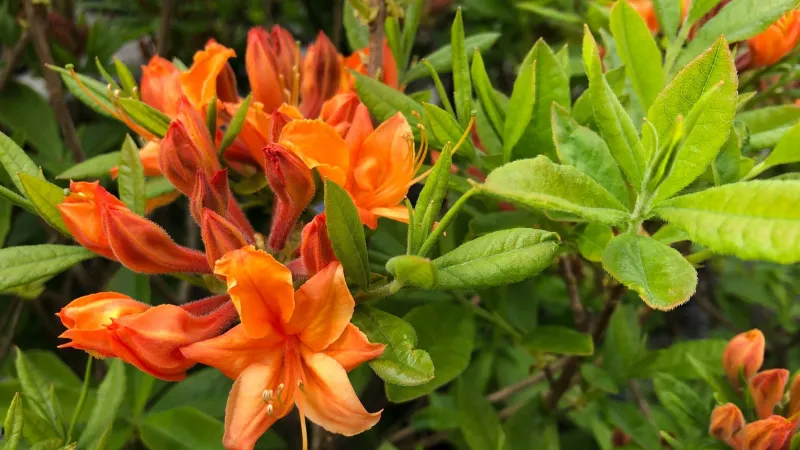
Deciduous azaleas explode with fiery colors each spring that put hydrangeas to shame, painting Oregon gardens in shades of orange, yellow, coral, and crimson.
Unlike their evergreen cousins, these azaleas drop their leaves in fall but reward you with spectacular autumn color before they do.
The flowers appear before the leaves emerge, creating an absolutely breathtaking display that stops traffic in neighborhoods across Portland, Eugene, and Salem.
Oregon gardeners find deciduous azaleas remarkably tough and adaptable to various conditions throughout the Willamette Valley and coastal regions.
They tolerate more sun than rhododendrons and actually bloom more profusely with a few hours of direct morning light. The fragrance from many varieties fills your entire yard with sweet perfume that hydrangeas never provide.
These shrubs stay compact and manageable, typically reaching only 4 to 6 feet tall, making them perfect for smaller Oregon yards where space comes at a premium.
They require minimal pruning and rarely suffer from the powdery mildew that plagues many hydrangea varieties during our humid springs.
Root systems adapt well to Oregon’s clay soils with just a bit of compost mixed in at planting time. Many deciduous azaleas show excellent cold hardiness, easily surviving those occasional hard freezes we get in the Gorge and higher elevations.
2. Rhododendron (Native Pacific Rhododendron)
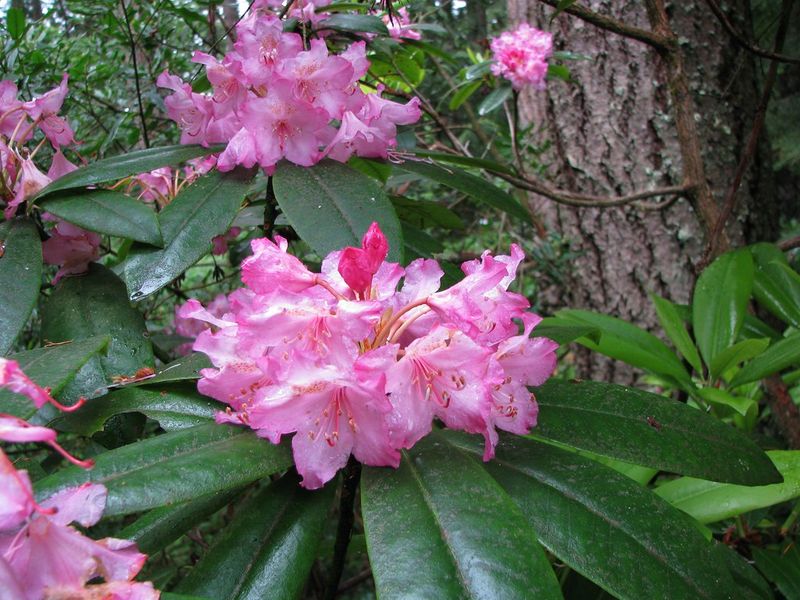
Nothing says Oregon quite like our state flower blooming in the wild forests and mountain slopes throughout spring. Pacific rhododendrons burst into magnificent displays of pink and purple flowers that make hydrangeas look downright plain by comparison.
These evergreen shrubs keep their glossy green leaves all winter long, providing year-round structure and beauty that deciduous hydrangeas simply cannot match.
Oregon’s naturally acidic soil and cool, moist climate create ideal conditions for rhododendrons to flourish without any special amendments or fussing.
They handle our wet winters beautifully and actually prefer the filtered shade under tall conifers where many hydrangeas would struggle.
Once established, these tough natives need very little supplemental water during summer, making them perfect for water-wise Oregon gardens.
The flowers arrive earlier than most hydrangea varieties, bringing color to your garden when you need it most after a long gray winter. Mature plants can reach impressive sizes of 15 feet or more, creating stunning focal points that dwarf typical hydrangea shrubs.
Local wildlife, including hummingbirds and native bees, absolutely adore the nectar-rich blooms. Choose from dozens of cultivated varieties bred right here in Oregon nurseries, offering colors from pure white to deep crimson.
Your Oregon Garden Changes Every Week. Your Plan Should Too.
Gardening in Oregon changes quickly throughout the season. Every Friday you’ll receive a simple weekly plan showing exactly what to plant, prune, fertilize, harvest, and protect so you never miss the right timing.
3. Camellia
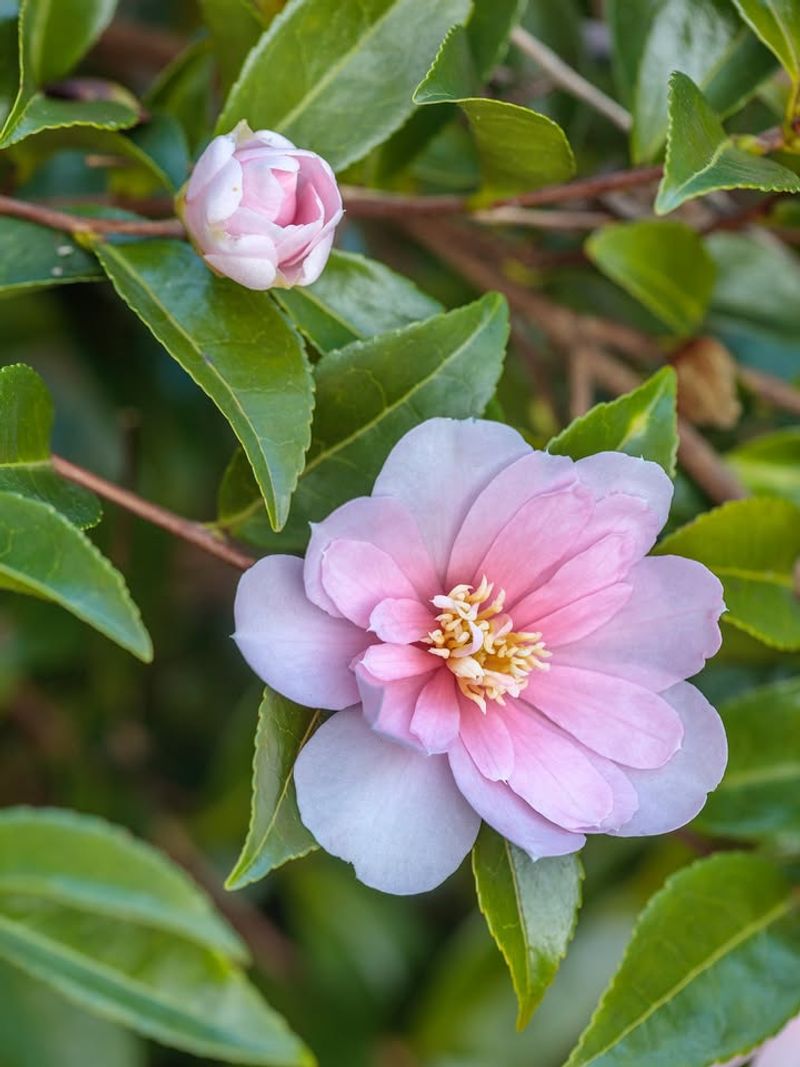
Those gorgeous rose-like flowers in shades of pink, red, white, and even yellow create stunning displays while rain pours down and temperatures hover in the 40s.
The thick, glossy evergreen leaves look fantastic all year, providing handsome structure and privacy screening that hydrangeas never achieve.
Oregon’s mild winters without extreme cold snaps create perfect conditions for camellias to thrive and bloom reliably year after year.
They appreciate our naturally acidic soil and actually prefer the shade and shelter of tall trees where summer sun would scorch hydrangea leaves.
Established camellias need remarkably little care, requiring no deadheading, minimal pruning, and very little fertilizer to perform beautifully.
Many varieties grow slowly and stay compact, making them ideal for foundation plantings and smaller spaces throughout Oregon neighborhoods.
They handle our wet springs without developing the leaf spot and powdery mildew that constantly plague hydrangeas. Camellias live for decades, becoming cherished family heirlooms that increase in beauty and flower production as they mature.
Deer generally leave them alone, unlike hydrangeas which often become deer salad bars in rural Oregon areas.
4. Japanese Maple
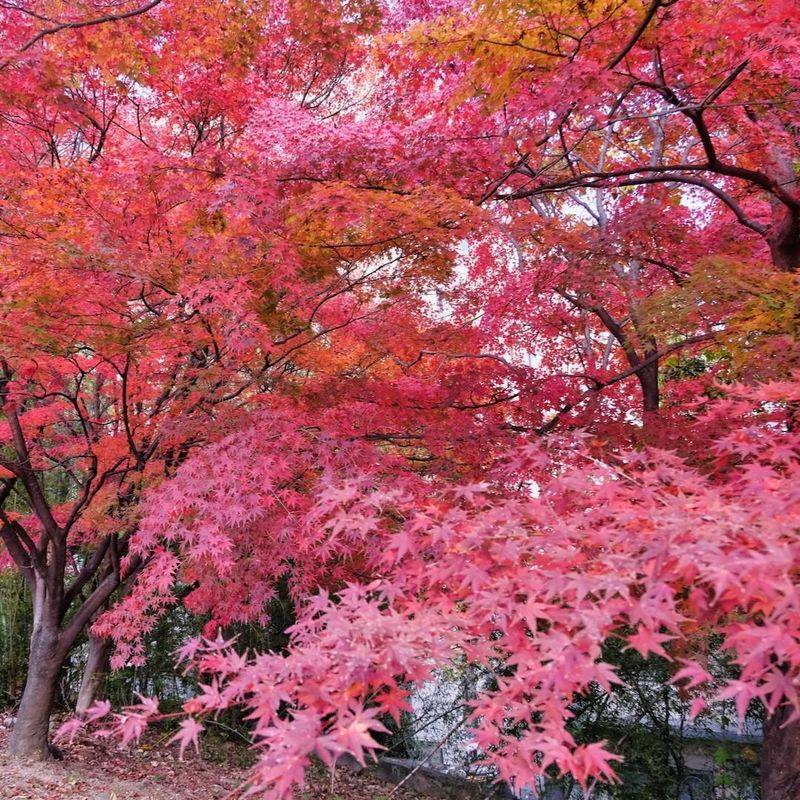
Few plants create more dramatic impact in Oregon gardens than Japanese maples with their stunning foliage colors and elegant branching structure.
These small trees or large shrubs offer incredible variety, from delicate lace-leaf varieties to bold upright forms with leaves in shades of red, purple, orange, and green.
While hydrangeas provide flowers for just a few months, Japanese maples deliver breathtaking beauty from spring through fall, with many varieties showing spectacular autumn color that lights up the entire yard.
Portland and other Oregon cities have become famous for their spectacular Japanese maple collections, thriving in our cool, moist climate with minimal care.
They handle our acidic soil beautifully and actually prefer the filtered shade and protection from hot afternoon sun that our tall conifers provide. Oregon’s moderate temperatures prevent the leaf scorch that plagues Japanese maples in hotter, drier regions.
These trees work perfectly as focal points, providing year-round interest with their attractive bark and graceful winter silhouettes after leaves drop.
They rarely need pruning and suffer from few pest or disease problems when grown in appropriate Oregon conditions.
Dwarf varieties stay small enough for containers or tiny urban gardens, while larger cultivars can reach 20 feet tall. Japanese maples live for many decades, appreciating in value and beauty far beyond what any hydrangea could offer.
5. Red Flowering Currant
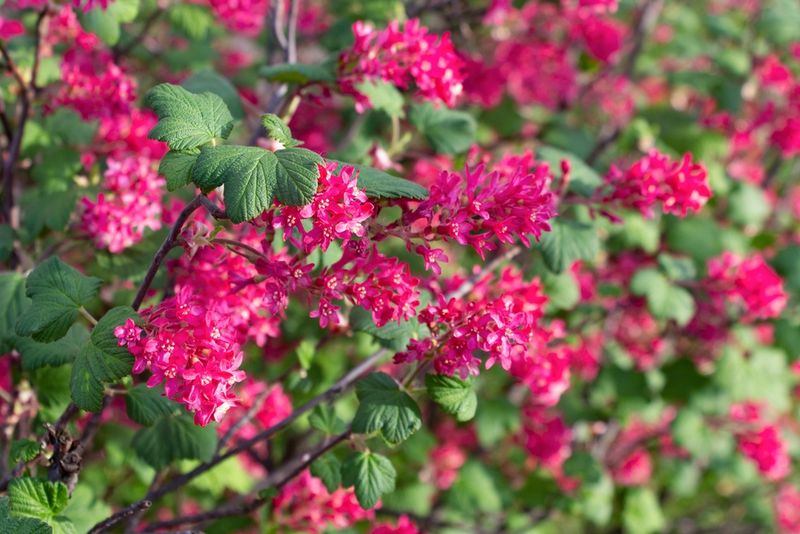
This Pacific Northwest native shrub blooms earlier than hydrangeas, often showing color in March when winter still grips much of the region. The flowers dangle in gorgeous drooping racemes that create a waterfall effect far more interesting than typical hydrangea blooms.
Gardeners throughout Oregon appreciate how tough and adaptable this native proves in various conditions from coastal areas to the Cascade foothills.
It tolerates our summer drought beautifully once established, needing zero supplemental water during those dry months when hydrangeas wilt and demand constant irrigation.
The shrub handles full sun to partial shade and even grows well in those difficult spots with poor, rocky soil where hydrangeas would never survive. After flowers fade, attractive blue-black berries appear that birds devour eagerly, bringing wildlife entertainment right to your windows.
The deciduous leaves emerge with a lovely fragrance and turn nice colors in fall before dropping. Red flowering currant grows quickly to fill in new landscapes, reaching 6 to 10 feet tall and wide with an attractive rounded shape.
Oregon native plant enthusiasts particularly love using this shrub because it supports local ecosystems while requiring virtually no maintenance or care beyond occasional shaping.
6. Pieris (Andromeda)
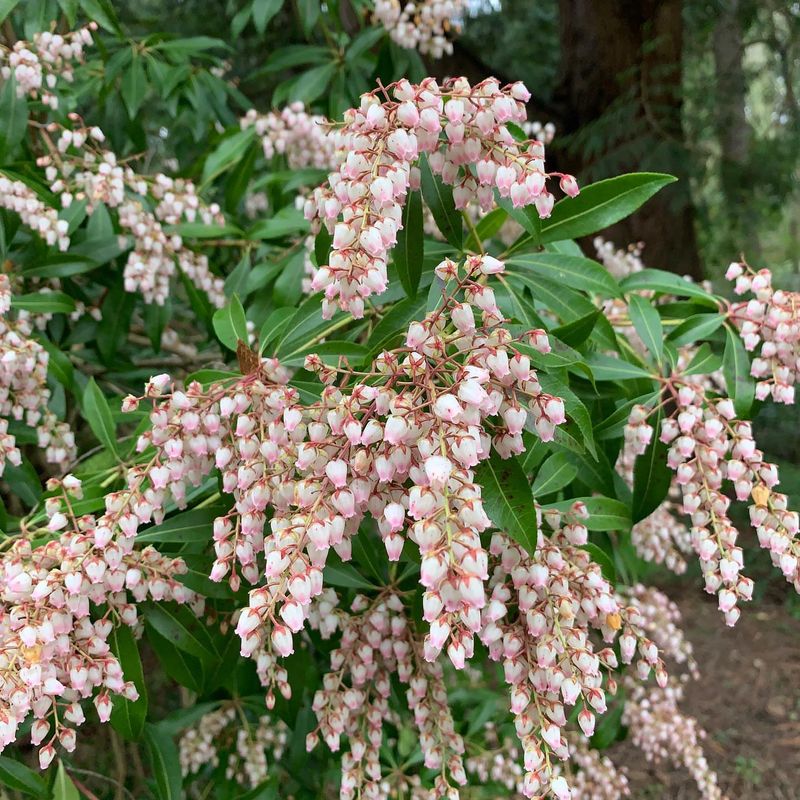
Andromeda delivers a spectacular spring show that hydrangeas simply cannot match, combining cascading clusters of white or pink bell-shaped flowers with brilliant red new foliage growth.
The evergreen leaves stay attractive all year, providing constant structure and winter interest that deciduous hydrangeas lack completely.
Those chains of flowers dangle elegantly like tiny lily-of-the-valley blooms, creating a refined, sophisticated look in Oregon landscapes.
Oregon’s cool, moist climate and acidic soil create ideal growing conditions for pieris to flourish with minimal effort or amendments.
The shrub handles our wet winters perfectly and actually prefers the light shade and shelter that many Oregon gardens naturally provide under tall trees.
Established plants need very little summer water compared to thirsty hydrangeas that demand constant irrigation during dry months.
The bright red or bronze new growth in spring adds an extra layer of color and interest that continues long after flowers fade.
Pieris stays compact and manageable, typically reaching only 4 to 8 feet tall depending on variety, making it perfect for foundation plantings and smaller Oregon yards.
Deer generally avoid browsing on pieris, unlike hydrangeas which often suffer severe damage in areas with deer populations.
The plant requires virtually no pruning or maintenance beyond removing any winter-damaged tips, and it rarely suffers from diseases or pest problems in Oregon gardens.
7. Viburnum
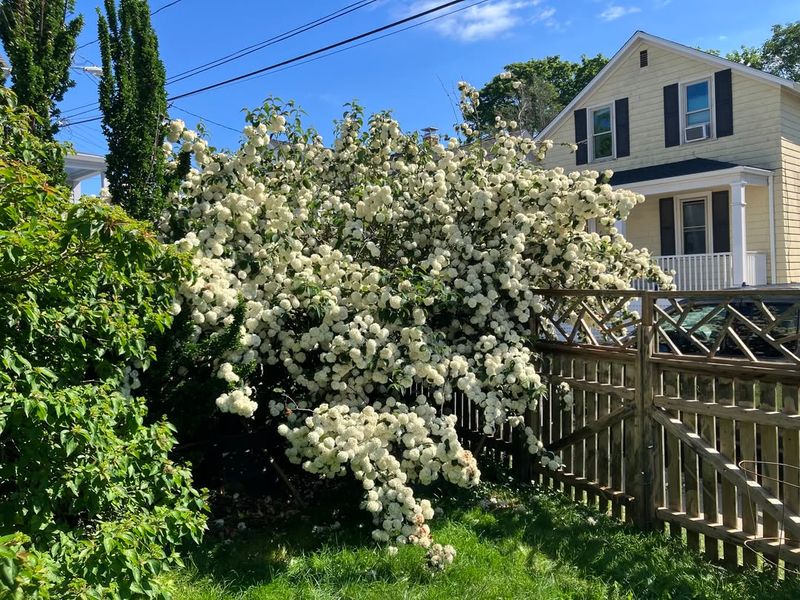
These shrubs offer Oregon gardeners an incredible range of choices, from compact varieties perfect for small spaces to large specimens that create privacy screens and hedges.
The spring flowers fill your entire yard with sweet fragrance that carries on the breeze, something hydrangeas never provide.
Many varieties produce beautiful berries in fall that birds adore, followed by stunning autumn foliage colors in shades of red, orange, and burgundy.
These tough shrubs handle Oregon’s climate beautifully, tolerating our wet winters and adapting well to various soil types throughout the region.
They grow successfully in more sun than most hydrangeas can tolerate and actually bloom more profusely with good light exposure. Established viburnums need far less water during summer than hydrangeas, making them excellent choices for water-conscious Oregon gardeners.
The evergreen varieties provide year-round screening and structure, while deciduous types offer multiple seasons of interest with flowers, fruit, and fall color. Viburnums rarely suffer from the powdery mildew and leaf spot that constantly plague hydrangeas in our humid spring weather.
They live for many decades with virtually no care beyond occasional shaping, becoming valuable permanent fixtures in Oregon landscapes.
Many native viburnum species grow wild in Oregon forests, proving how perfectly adapted these shrubs are to our regional conditions and making them excellent choices for natural, low-maintenance gardens.