These 13 Low-Maintenance California Plants Thrive With Neglect
Not every beautiful garden needs constant attention. In fact, some of the best-performing California plants thrive when you step back and let them do their thing.
These tough, low-maintenance favorites handle heat, dry spells, poor soil, and missed watering days without losing their good looks. While other plants demand daily care, these ones keep growing, blooming, and filling out with minimal effort.
They’re perfect for busy homeowners, new gardeners, and anyone tired of high-maintenance landscapes. Less pruning.
Less watering. Fewer problems.
More time to actually enjoy your yard. These plants prove that neglect, in the right way, can be a secret weapon for a healthier garden.
Get ready to meet the California plants that look better when you stop fussing over them.
1. California Buckwheat (Eriogonum fasciculatum)
Front yards baking in full sun often become maintenance nightmares requiring constant watering and replacement plantings. California buckwheat solves this problem by thriving in the hottest, driest spots where most plants fail miserably.
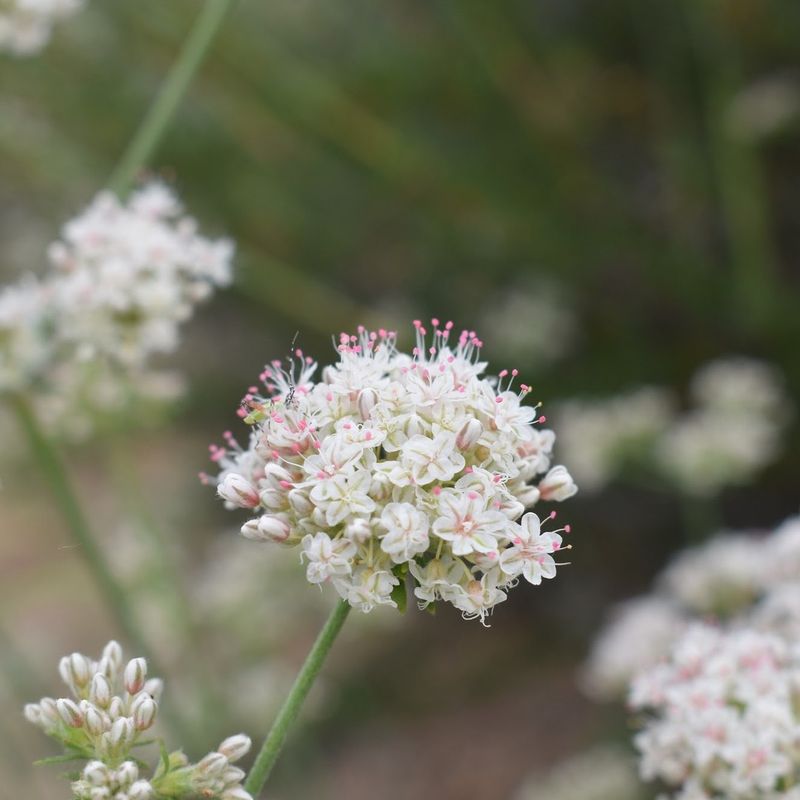
This compact native shrub reaches two to three feet tall and wide, producing abundant clusters of white to pink flowers from spring through fall. The flowers age to rusty red, creating a beautiful color progression that butterflies and native bees can’t resist.
Gray-green evergreen foliage provides subtle texture even when plants aren’t blooming. California buckwheat performs best in full sun with fast-draining soil, making it ideal for slopes, parking strips, and neglected yard corners.
Once established, it requires absolutely zero supplemental water, even during prolonged drought. Overwatering causes stem rot and plant decline, so true neglect produces the healthiest specimens.
Skip the fertilizer completely, buckwheat thrives in lean, unamended soil. Pruning needs are minimal, though you can lightly trim plants after flowering to maintain compact shape.
Coastal and inland gardens both support this workhorse beautifully. Different varieties offer varied flower colors and growth habits for design flexibility.
2. Manzanita (Arctostaphylos spp.)
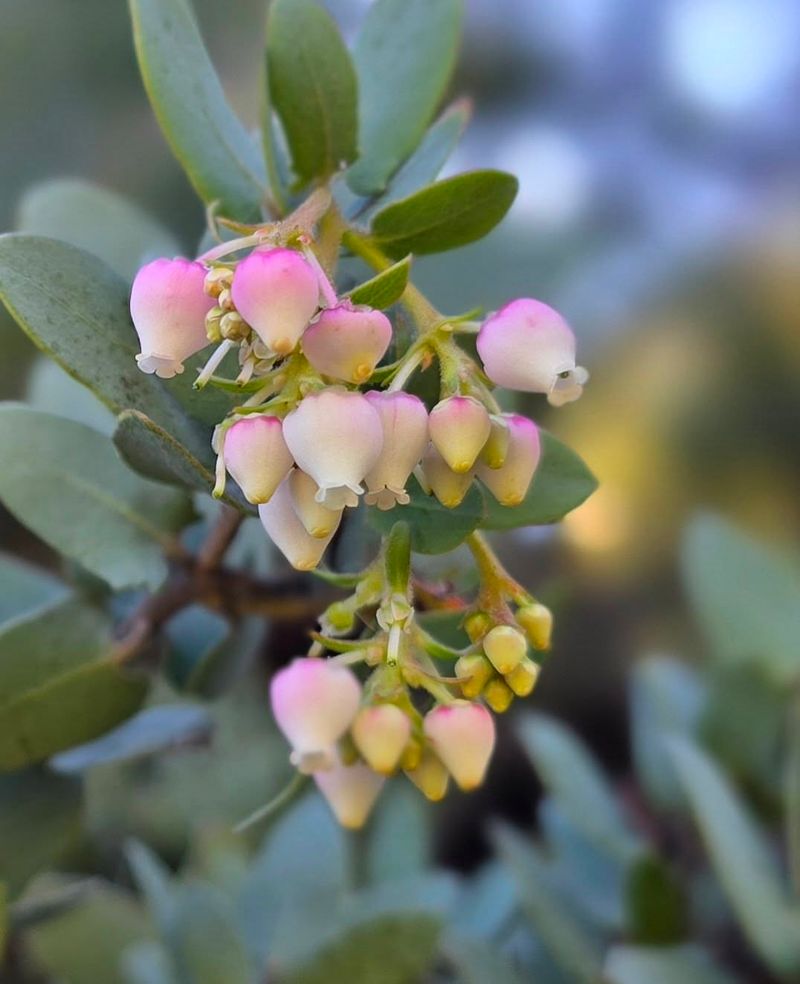
Tired of plants that look scraggly without regular care? Manzanita stands out as one of California’s most architecturally beautiful natives, offering stunning structure with virtually no maintenance required.
The smooth, mahogany-red bark catches sunlight beautifully throughout the year, while delicate pink or white urn-shaped flowers appear in winter and early spring.
This evergreen shrub ranges from low groundcovers to large specimens reaching fifteen feet, depending on species selection.
Birds feast on the small berries that follow flowering, adding wildlife value to your low-maintenance landscape. Manzanita performs best in full sun with excellent drainage, thriving in sandy or rocky soils where other plants struggle.
Once established, it needs zero summer water and actively dislikes irrigation during warm months. Overwatering causes root disease, so neglect truly equals success with this plant.
You’ll never need to fertilize or amend soil for manzanita. Pruning should be avoided entirely, this shrub develops its characteristic sculptural form naturally.
Coastal and inland gardens both support manzanita beautifully, though species selection matters for your specific climate zone and available space.
3. Toyon (Heteromeles arbutifolia)
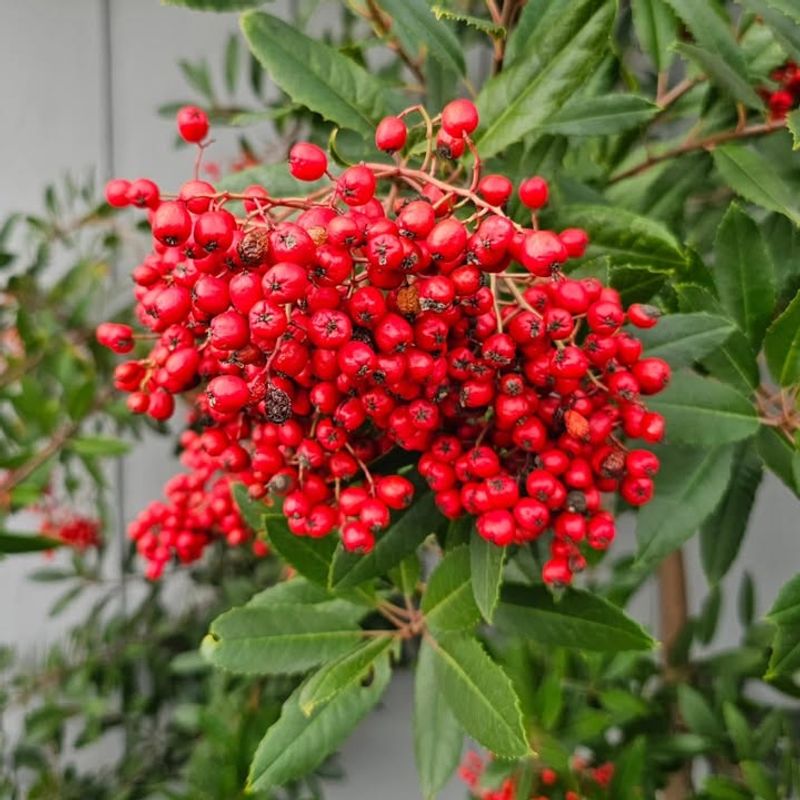
Holiday decorations inspire envy for those vibrant red berries, yet most berry-producing shrubs demand constant watering and pest management.
Your California Garden Changes Every Week. Your Plan Should Too.
Gardening in California changes quickly throughout the season. Every Friday you’ll receive a simple weekly plan showing exactly what to plant, prune, fertilize, harvest, and protect so you never miss the right timing.
Toyon delivers that same festive look naturally, producing brilliant red berry clusters from November through January without any special care.
This California native shrub grows six to fifteen feet tall with glossy evergreen leaves that stay attractive year-round. White flower clusters appear in summer, transforming into those spectacular red berries that give toyon its nickname, California holly.
Birds flock to the berries, making your yard a wildlife haven during winter months. Toyon adapts to full sun or partial shade and tolerates various soil types, from clay to sand.
After establishment, it survives entirely on rainfall in most California regions. The plant actually performs better with occasional deep watering rather than frequent irrigation, making it perfect for busy homeowners.
You won’t need pruning shears unless you want to control size or shape, toyon develops an attractive natural form. It resists deer browsing and rarely suffers pest problems.
Both coastal and inland gardens support toyon successfully, though inland plants may appreciate occasional summer water during extreme heat waves.
4. California Lilac (Ceanothus spp.)
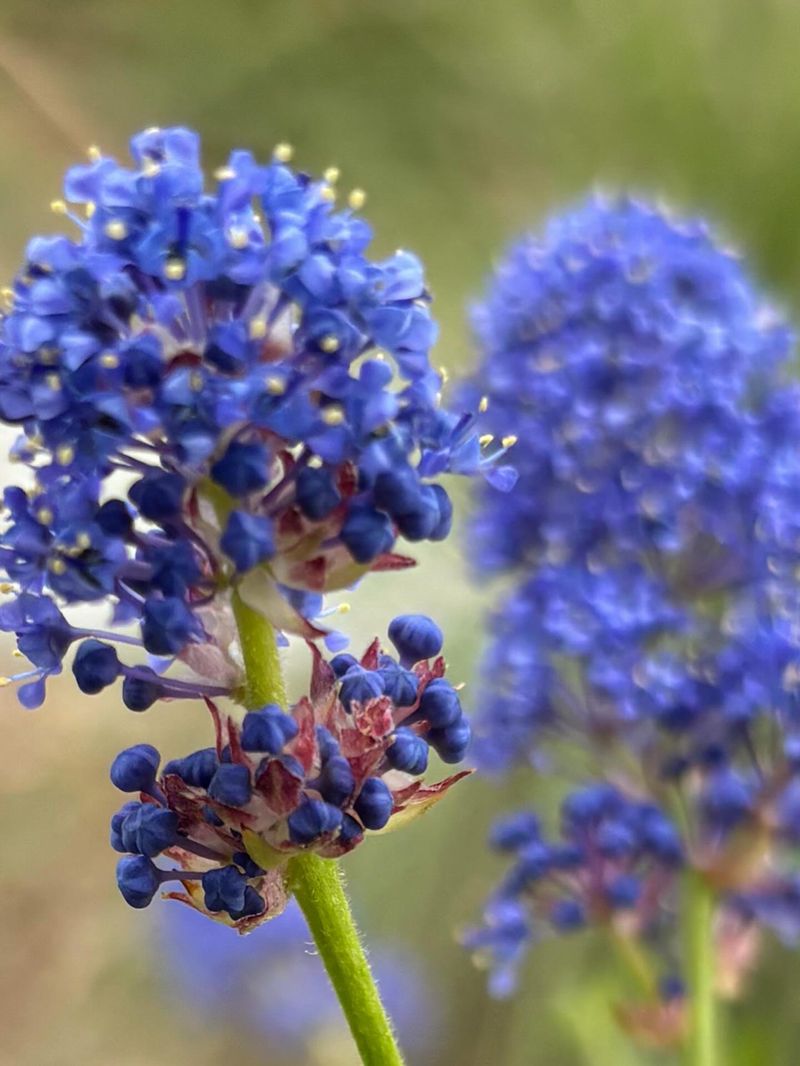
Water bills climbing every summer? Many homeowners struggle with thirsty ornamental shrubs that wilt without constant irrigation.
California lilac offers a better solution for sunny slopes and dry yard areas where traditional landscaping fails. This native shrub produces stunning blue, purple, or white flower clusters in spring without any summer watering once established.
Most varieties reach three to six feet tall and wide, creating impressive visual impact with zero fertilizer needs. The dense evergreen foliage provides year-round structure while attracting butterflies and native bees.
California lilac thrives in full sun with well-draining soil, making it perfect for coastal and inland gardens alike. After the first year, you can completely turn off irrigation during summer months.
The plant actually suffers when overwatered or fertilized, developing root rot in overly moist conditions. Pruning needs are minimal, just remove spent flowers if desired and lightly shape after blooming ends.
Different species offer varied heights and flower colors, letting you customize your landscape while maintaining that hands-off approach. This shrub proves that California yards can look spectacular without constant attention or resources.
5. Cleveland Sage (Salvia clevelandii)
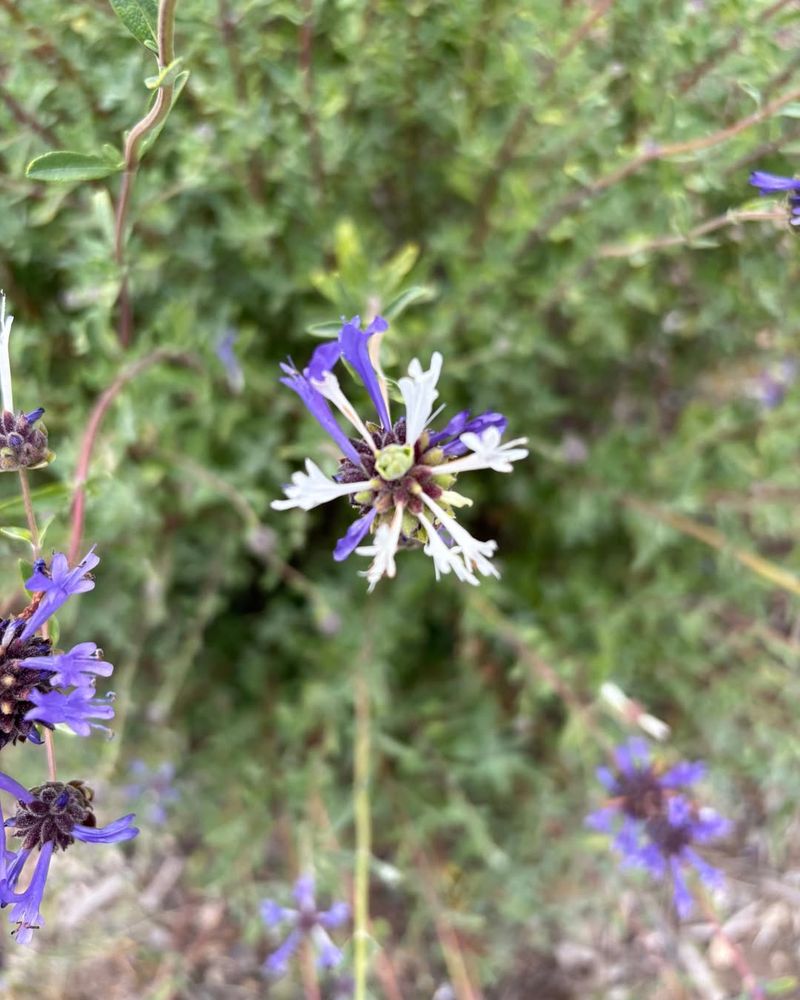
Fragrant gardens typically demand regular deadheading, fertilizing, and careful watering schedules. Cleveland sage breaks that pattern, delivering intense aromatic foliage and vibrant blue-purple flowers while thriving on complete neglect.
This California native sage grows three to five feet tall and wide, producing spectacular flower spikes in late spring and summer. The gray-green leaves release a powerful, pleasant fragrance when brushed or heated by sun, filling your yard with scent without any effort.
Hummingbirds and butterflies visit constantly during bloom periods. Cleveland sage demands full sun and excellent drainage, performing beautifully in rocky or sandy soils.
After the first year, eliminate all summer watering, this plant actually declines with regular irrigation. It evolved in Southern California’s driest regions and treats drought as normal growing conditions.
You’ll never need fertilizer for Cleveland sage, which grows vigorously in poor, unamended soil. Light pruning after flowering helps maintain shape, but plants develop attractive natural forms without intervention.
Inland gardens are ideal, though coastal areas work if drainage is perfect. This sage proves that low-maintenance landscapes can stimulate multiple senses while requiring minimal resources.
6. Yarrow (Achillea millefolium)
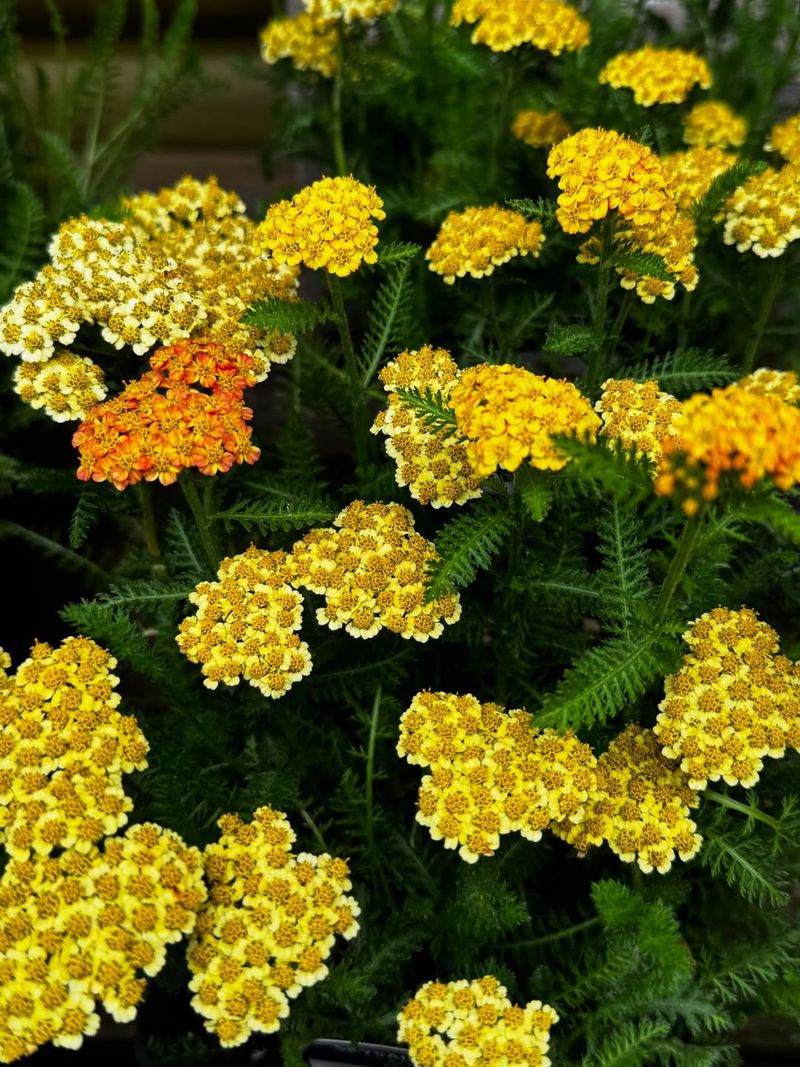
Perennial flower beds often become high-maintenance projects requiring deadheading, dividing, and constant attention.
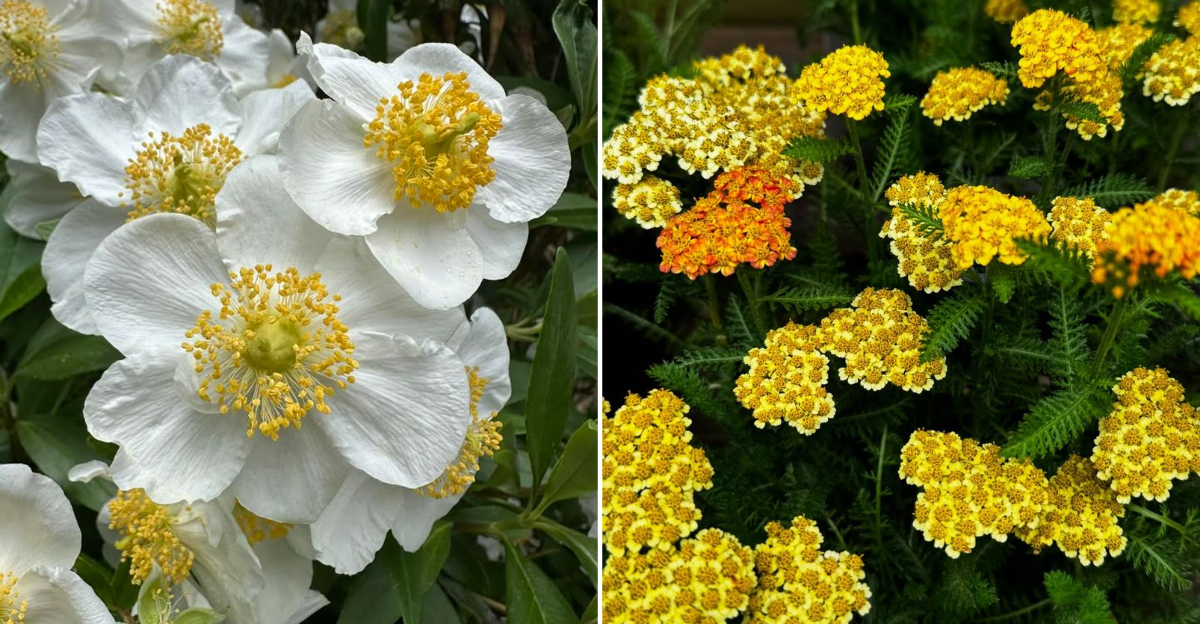
Yarrow offers a refreshing alternative, producing months of colorful flowers while spreading to fill bare spots without becoming invasive.
This California native perennial grows one to three feet tall with fern-like foliage and flat-topped flower clusters in white, yellow, or pink shades. Blooming occurs from late spring through fall, providing extended color without any deadheading required.
The flowers attract beneficial insects while the foliage stays attractive even when plants aren’t blooming. Yarrow adapts to full sun or light shade and tolerates various soil types, including heavy clay that challenges other perennials.
Once established, it survives entirely on rainfall in most California regions. Overwatering causes floppy growth and reduces flowering, so less truly means more.
Skip fertilizer completely, yarrow spreads vigorously in rich soil but stays compact and floriferous in lean conditions. Cut plants back by half in late fall or early spring to refresh foliage.
Both coastal and inland gardens support yarrow beautifully. This perennial fills gaps naturally, creating that lush garden look without the typical maintenance burden.
7. Sticky Monkeyflower (Diplacus aurantiacus)
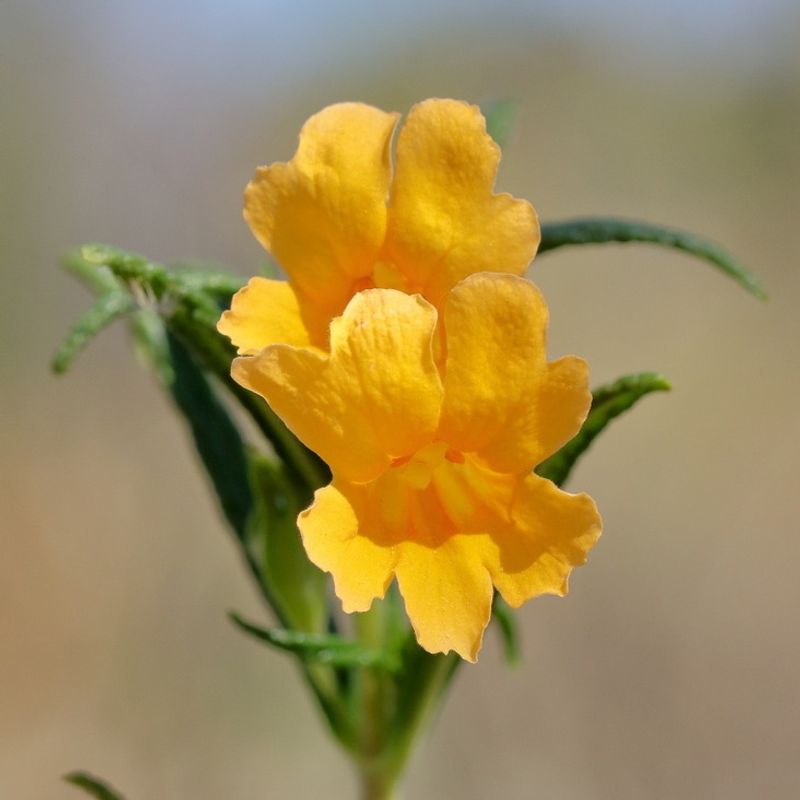
Hummingbird gardens usually require planting multiple species and maintaining consistent watering schedules.
Sticky monkeyflower simplifies everything by attracting hummingbirds constantly while thriving in conditions that would kill typical flowering shrubs.
This California native produces brilliant orange tubular flowers nearly year-round in mild climates, with peak blooming from spring through fall. Plants reach three to four feet tall and wide with dark green, sticky foliage that releases a pleasant resinous scent.
Hummingbirds visit throughout the day, providing endless entertainment from your window. Sticky monkeyflower performs best in full sun to partial shade with well-draining soil.
After establishment, it needs only occasional deep watering during extended dry periods, monthly at most. Regular irrigation causes rapid, weak growth and shortened plant lifespan.
You won’t need fertilizer for healthy growth and abundant flowering. Light pruning after major bloom cycles encourages fresh growth and continued flowering, though plants bloom well without intervention.
Coastal gardens are ideal, but inland areas work if plants receive afternoon shade during extreme heat. This shrub proves that wildlife-friendly yards don’t require constant resources or attention to thrive beautifully.
8. Bush Anemone (Carpenteria californica)
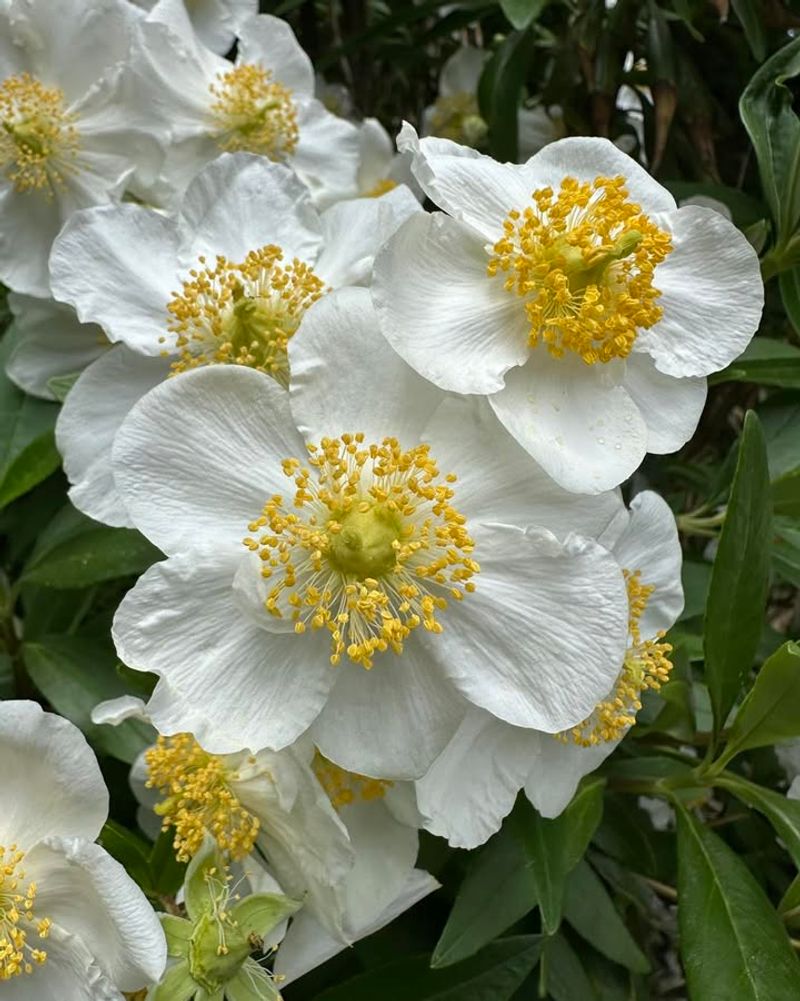
Showy flowering shrubs typically demand regular feeding, careful watering, and protection from pests.
Bush anemone delivers spectacular white flowers resembling single roses while requiring virtually no care once established in the right location.
This rare California native grows four to six feet tall and wide, producing fragrant white flowers with prominent yellow centers in late spring and early summer. The glossy evergreen foliage provides year-round structure and beauty.
Each flower measures two to three inches across, creating dramatic visual impact without any fertilizer applications. Bush anemone prefers partial shade to full sun with well-draining soil, performing beautifully under oak trees or on north-facing slopes.
After the first year, it survives on rainfall alone in most regions. Occasional deep watering during extreme drought helps maintain appearance, but frequent irrigation causes root problems.
Skip fertilizer entirely, bush anemone evolved in nutrient-poor forest soils and thrives in lean conditions. Minimal pruning maintains shape, though plants develop attractive natural forms.
Coastal and inland gardens both support this stunning native, though some afternoon shade benefits inland plantings. This shrub proves that rare beauty doesn’t require intensive maintenance or special expertise.
9. Lemonade Berry (Rhus integrifolia)
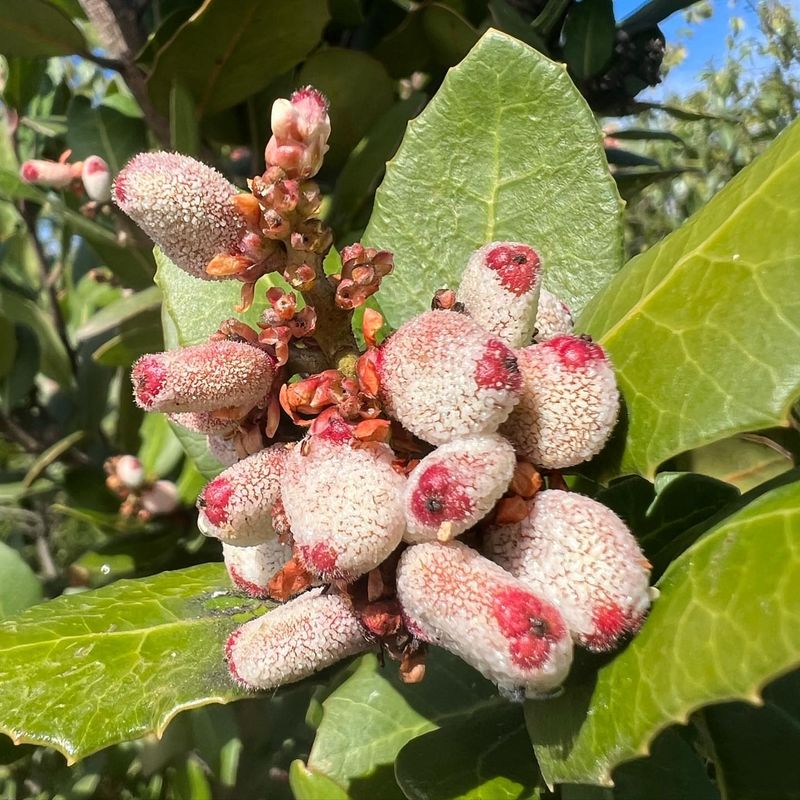
Coastal gardens face salt spray, wind, and sandy soil that challenge most ornamental plants. Lemonade berry evolved specifically for these harsh conditions, creating dense evergreen screening while thriving on absolute neglect.
This California native shrub grows six to fifteen feet tall and wide with glossy, leathery leaves that resist wind damage and salt spray. Small pink-white flowers appear in winter and spring, followed by sticky red berries that taste tart and lemony.
The dense growth provides excellent privacy screening and erosion control on slopes. Lemonade berry performs best in full sun to light shade with any well-draining soil, including pure sand.
Once established, it needs zero supplemental water, even during multi-year droughts. The plant actually declines with regular irrigation, developing root rot in consistently moist conditions.
You’ll never fertilize lemonade berry, it thrives in poor, salty soils where other plants struggle. Pruning needs are minimal unless you want to control size or create formal hedges.
Coastal gardens are ideal, though inland areas work if drainage is excellent. This tough shrub proves that challenging sites can support beautiful, functional landscaping without constant intervention or resources.
10. Blue Elderberry (Sambucus nigra ssp. caerulea)
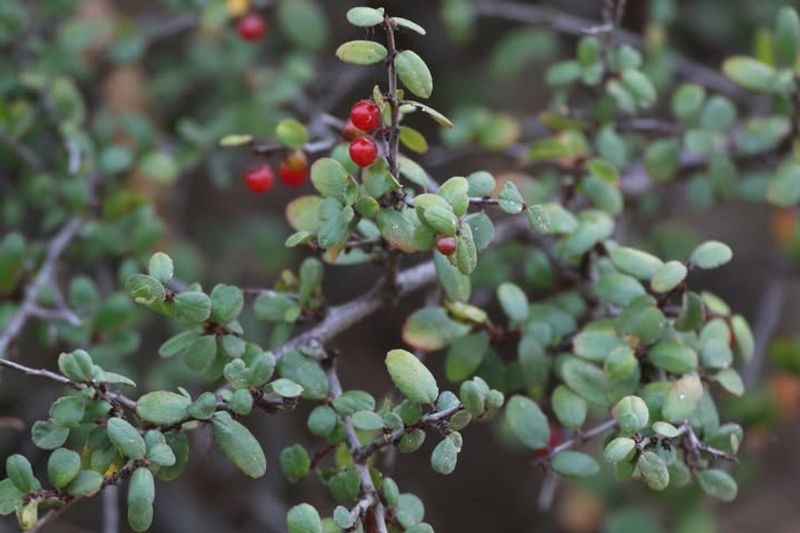
Wildlife-friendly yards often require planting multiple species and maintaining diverse habitats. Blue elderberry simplifies everything by providing food for dozens of bird species while growing rapidly without fertilizer or regular watering.
This California native grows as a large shrub or small tree reaching twelve to twenty feet tall, producing flat-topped clusters of creamy white flowers in spring. The flowers transform into abundant blue-black berries that birds devour throughout summer.
Compound leaves provide light, airy texture and turn golden in fall before dropping. Blue elderberry adapts to full sun or partial shade and tolerates various soil types, including heavy clay.
After establishment, it survives on rainfall alone in most regions, though occasional summer watering maintains lusher appearance. The plant grows vigorously without irrigation in areas with year-round moisture.
Skip fertilizer completely, blue elderberry grows fast enough naturally and produces abundant fruit without amendments. Prune in late winter to control size or remove dead wood.
Both coastal and inland gardens support this native beautifully. The berries are edible for humans when cooked, adding functional value beyond wildlife support and low-maintenance beauty.
11. Western Redbud (Cercis occidentalis)
Spring color typically comes from bulbs requiring annual planting or flowering trees demanding constant care.
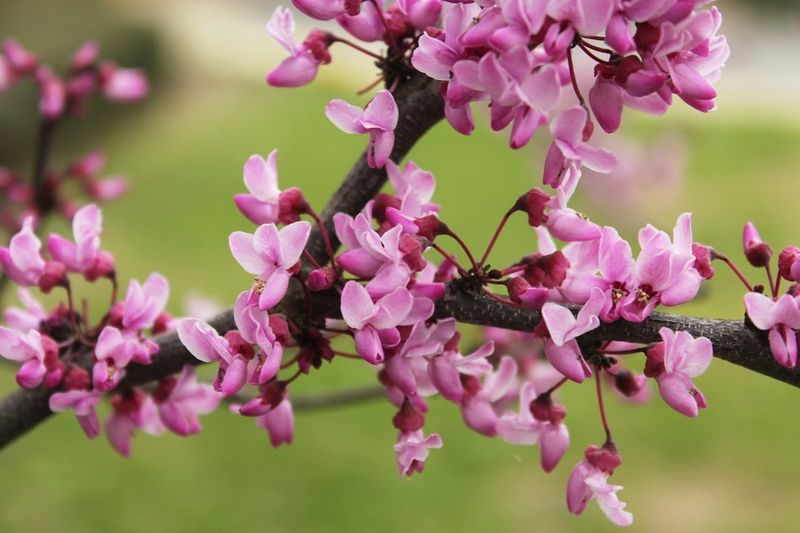
Western redbud delivers breathtaking magenta blooms covering bare branches in early spring while thriving as a truly low-maintenance specimen.
This California native grows as a large shrub or small multi-trunked tree reaching ten to eighteen feet tall. Brilliant magenta-pink flowers emerge directly from branches in February through April, creating stunning visual impact before leaves appear.
Heart-shaped leaves follow, turning golden or reddish in fall before dropping. Western redbud adapts to full sun or partial shade and tolerates various soil types, from clay to rocky slopes.
After establishment, it survives entirely on rainfall in most California regions. Occasional deep watering during extreme drought helps maintain appearance, but regular irrigation isn’t necessary.
You won’t need fertilizer for vigorous growth and abundant flowering. Pruning should be minimal, redbud develops beautiful natural form and flowers on old wood.
Both coastal and inland gardens support this native, though inland areas provide ideal conditions. This tree proves that spectacular seasonal displays don’t require intensive maintenance or resources throughout the year.
12. Island Snapdragon (Gambelia speciosa)
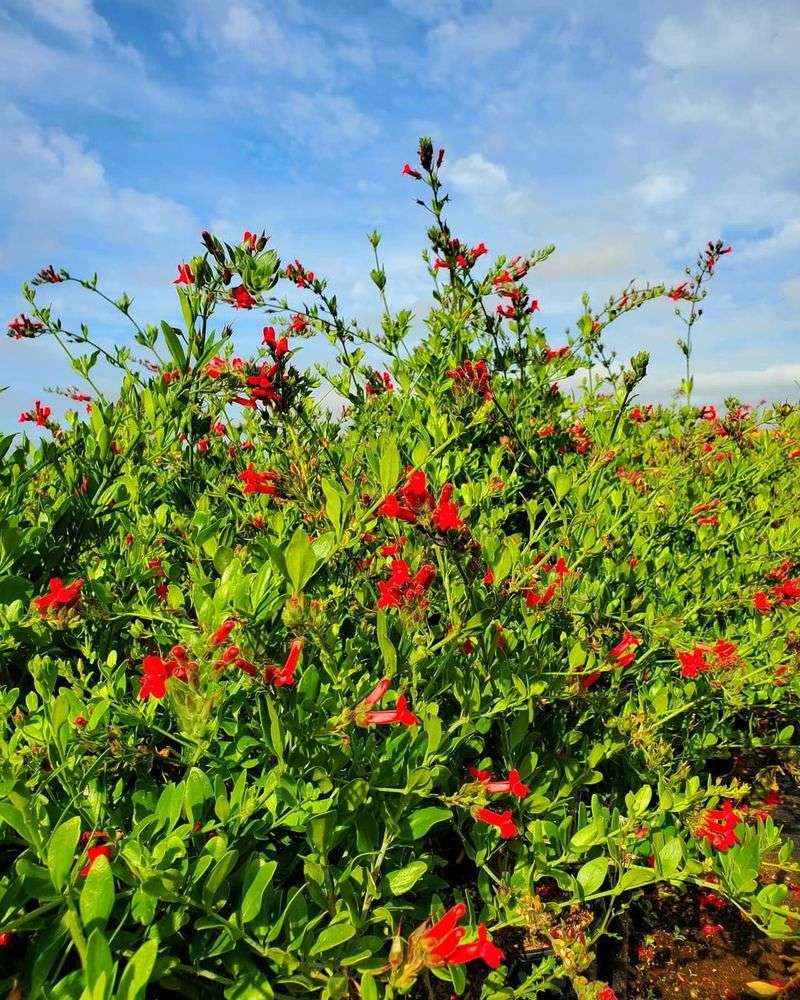
Flowering groundcovers usually need regular deadheading and consistent moisture to bloom continuously. Island snapdragon breaks that pattern, producing vibrant red flowers for months while cascading beautifully over walls and slopes with minimal intervention.
This California native grows one to three feet tall and spreads four to six feet wide, creating excellent groundcover or spilling attractively from containers.
Tubular red flowers with yellow throats appear from spring through fall, attracting hummingbirds constantly.
The sprawling growth habit provides erosion control on slopes while requiring no staking or support. Island snapdragon performs best in full sun to light shade with well-draining soil, thriving in coastal conditions with salt spray tolerance.
After establishment, it needs only occasional deep watering during extended dry periods. Overwatering causes stem rot and reduces flowering intensity.
Skip fertilizer entirely, island snapdragon blooms abundantly in poor, unamended soil. Light trimming after major bloom cycles encourages fresh growth and continued flowering, though plants perform well without pruning.
Coastal gardens are ideal, though inland areas work with some afternoon shade. This sprawling beauty proves that continuous color doesn’t require continuous maintenance or attention.
13. California Fuchsia (Epilobium canum)
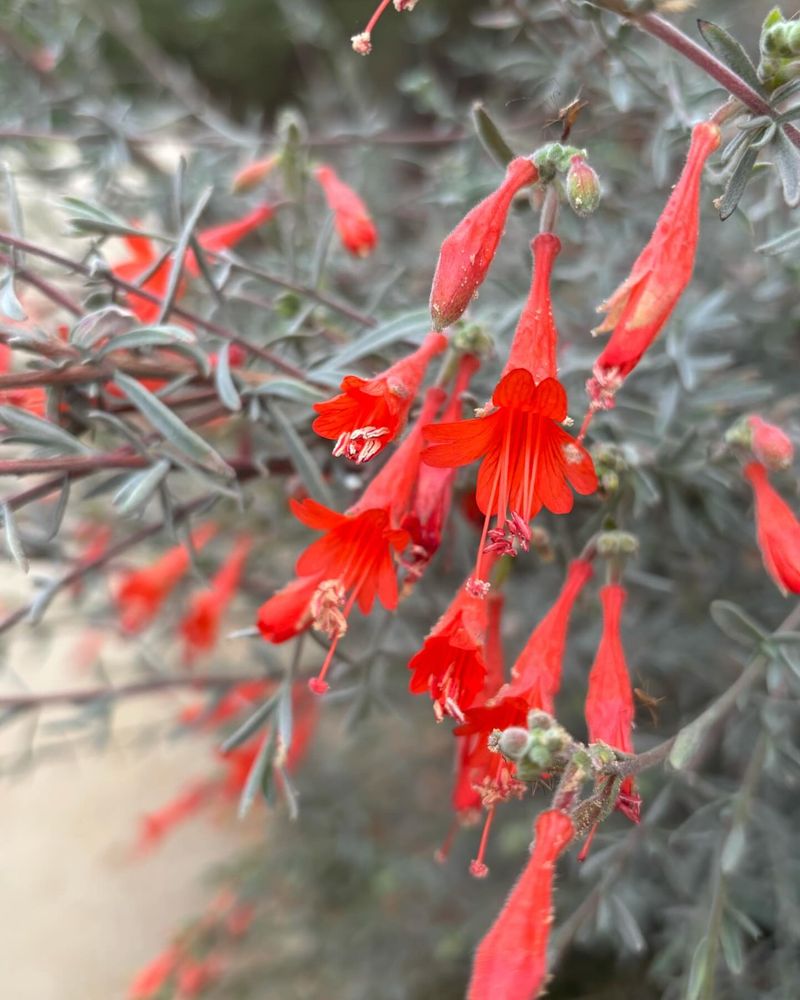
Late summer gardens often look tired and brown without constant watering and deadheading. California fuchsia solves this problem by producing brilliant orange-red flowers from July through October when most plants have stopped blooming.
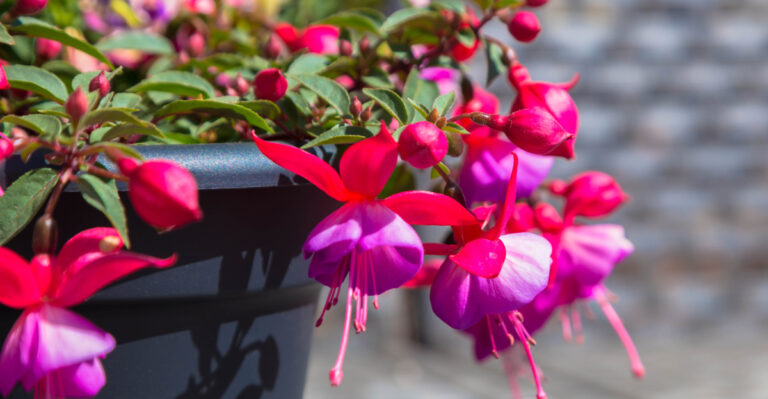
This California native perennial grows one to three feet tall and spreads to create attractive drifts of gray-green foliage. Tubular flowers in shades of orange, red, or salmon attract hummingbirds that ignore other late-season blooms.
The plant spreads by underground runners, filling bare spots naturally without becoming invasive. California fuchsia thrives in full sun with well-draining soil, performing beautifully in hot, dry locations where other perennials fail.
After establishment, it needs absolutely no summer water, blooming actually increases during drought. Overwatering causes floppy growth and reduced flowering.
You’ll never fertilize California fuchsia, which grows vigorously and blooms abundantly in poor soil. Cut plants back to ground level in late fall or early spring to refresh growth.
Both coastal and inland gardens support this native, though inland heat produces the most spectacular blooms. This perennial proves that year-end color doesn’t require year-round maintenance or resources.