What To Prune Right Now In California (And What To Leave Alone)
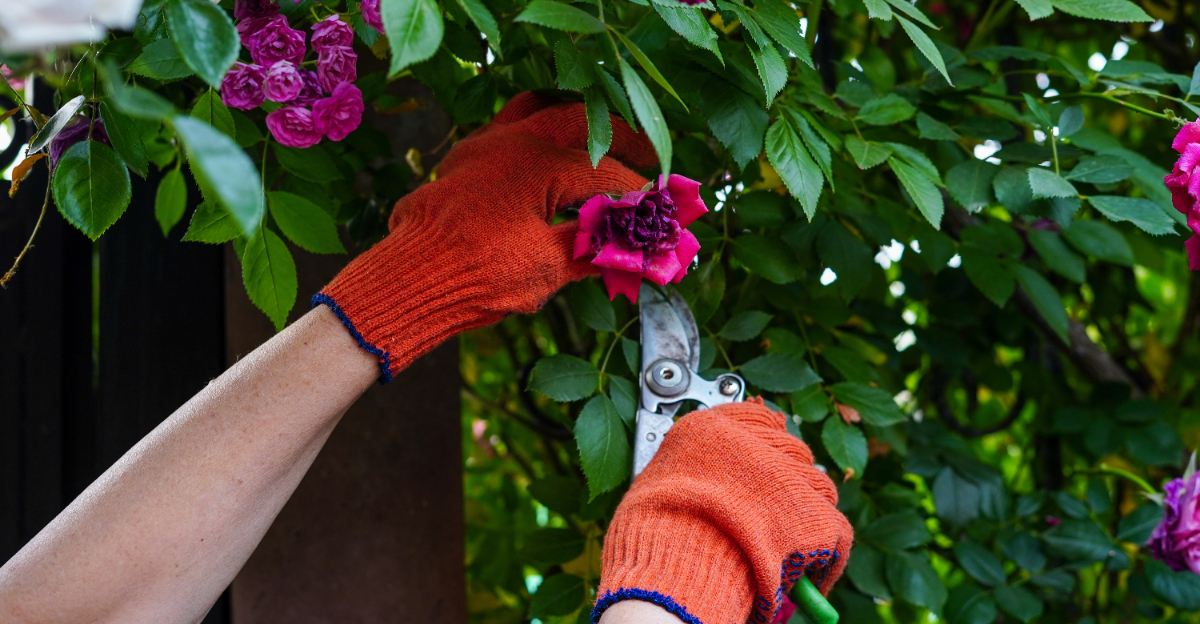
California gardeners, grab your pruners but not so fast. Winter might feel like open season on every branch in sight, yet a few smart cuts now can set your garden up for a superstar spring, while the wrong snip can invite disease, stunt blooms, or stress your plants.
The Golden State’s mild climate makes pruning timing a little tricky because what works in Tahoe can flop in San Diego. That is why knowing what to prune right now and what to leave alone is the real secret sauce.
In this guide, we will break it down in plain English, no confusing jargon, no guesswork. You will learn which plants love a winter haircut, which ones need to keep their cozy layers a bit longer, and how to avoid the most common pruning mistakes.
Ready to prune with confidence and grow happier, healthier plants? Let’s get cutting, the right way.
1. Apple Trees (Malus domestica)
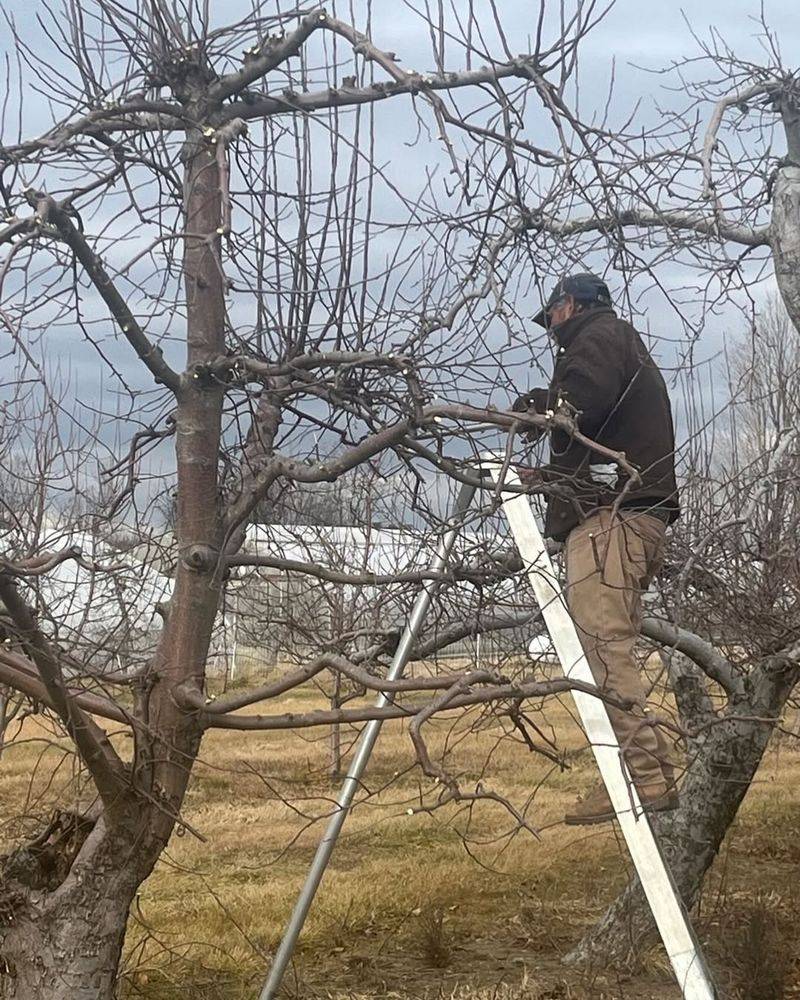
Many California homeowners wait too long to prune their backyard apple trees, missing the ideal dormant window when trees are leafless and structure is easy to see.
Right now, while your apple tree stands bare and winter chill hours are winding down, is the perfect time to shape, thin, and remove problem branches.
Dormant pruning encourages vigorous spring growth and helps you manage tree size, improve air circulation, and direct energy toward fruit production rather than excess foliage.
Remove any crossing branches, water sprouts shooting straight up from main limbs, and withered or diseased wood first.
In coastal areas with mild winters, you can prune anytime from late December through February. Inland gardeners dealing with frost pockets should wait until the worst cold has passed but finish before buds begin to swell and green up.
Avoid heavy pruning after growth starts, cutting actively growing wood wastes the tree’s stored energy and reduces fruit set.
Never remove more than one-third of the canopy in a single season, as over-pruning stresses trees and invites sunburn on suddenly exposed bark.
Take your time, step back frequently, and focus on creating an open center or modified leader shape that allows sunlight to reach interior branches where fruit develops best.
2. Pear Trees (Pyrus communis)
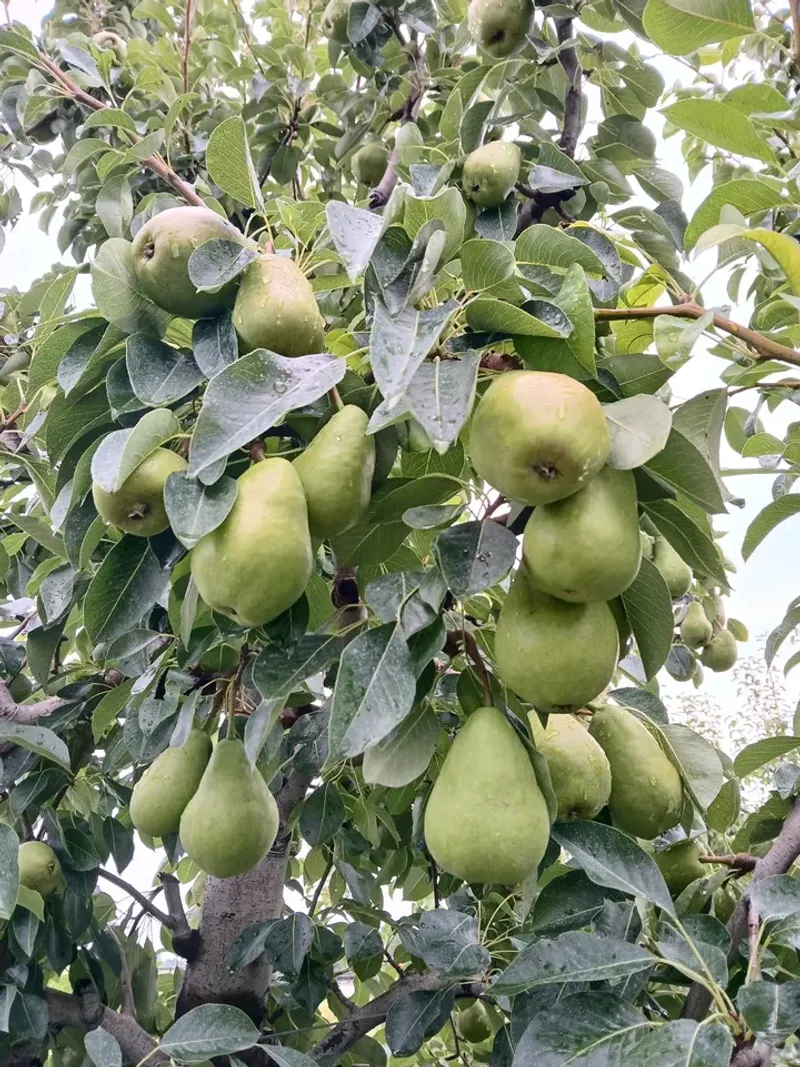
One of the biggest mistakes California gardeners make is treating pear trees exactly like apples when it comes to pruning intensity.
While both are pome fruits pruned during dormancy, pears are far more sensitive to heavy cutting and respond with excessive water sprout growth and increased fire blight risk.
Now is the right time to prune your pear tree, but approach it with restraint. Focus on removing damaged wood, thinning crowded areas to improve airflow, and shortening overly vigorous shoots rather than making dramatic structural changes all at once.
Pears naturally grow upright with narrow crotch angles that can split under fruit load, so spreading branches when young and removing competing leaders helps long-term structure.
Make clean cuts just outside the branch collar and avoid leaving stubs that invite disease.
In fire blight-prone areas across California, sterilize your pruning tools between cuts with rubbing alcohol or bleach solution, especially if you see any blackened, shepherd’s-crook branch tips.
Your California Garden Changes Every Week. Your Plan Should Too.
Gardening in California changes quickly throughout the season. Every Friday you’ll receive a simple weekly plan showing exactly what to plant, prune, fertilize, harvest, and protect so you never miss the right timing.
Prune those infected sections back into healthy white wood and dispose of them far from your garden.
Finish pruning before buds break in early spring, and resist the urge to prune again in summer unless removing blight, as late-season cutting stimulates tender growth vulnerable to early fall frosts.
3. Peach Trees (Prunus persica)
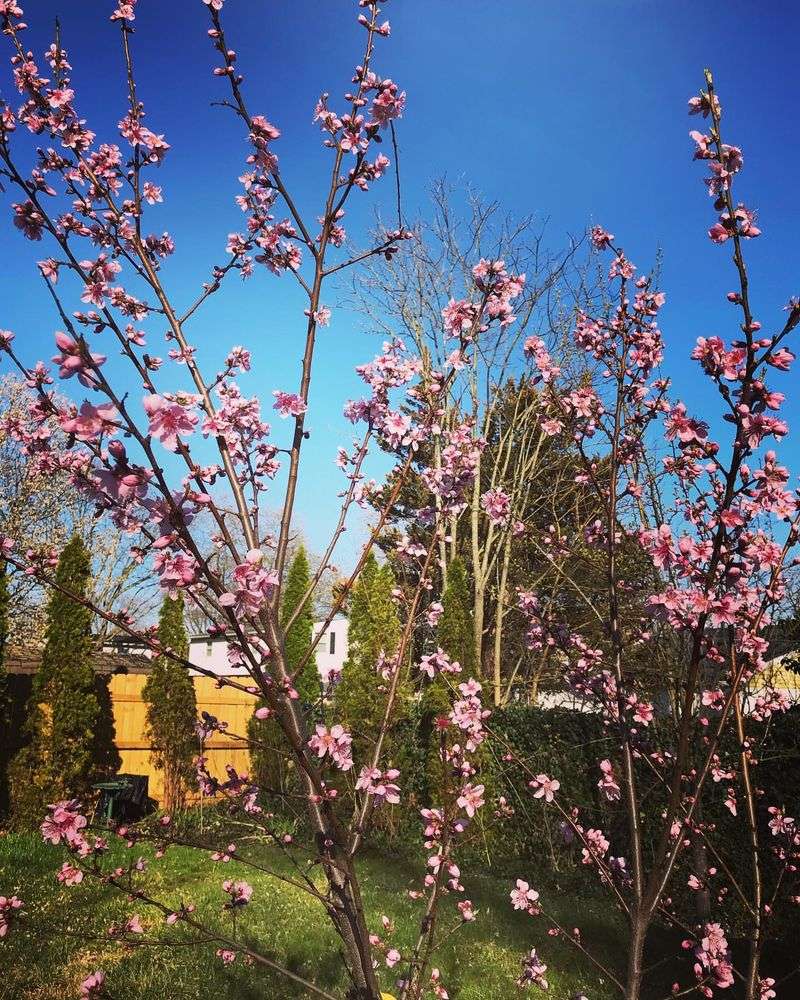
Peach trees grown in California backyards produce their best fruit on wood that grew the previous season, which means annual pruning right now is absolutely essential for a good crop.
Unlike apples that fruit on older spurs, peaches need aggressive thinning and heading cuts to stimulate fresh, productive growth every single year.
Prune your peach tree while it’s still dormant but just as flower buds begin to show color, this timing helps you distinguish fat flower buds from slender leaf buds and avoid removing too much fruiting wood.
Remove about half of last year’s growth to keep the tree at a manageable height and encourage strong new shoots.
Create an open vase shape with three or four main scaffold branches angled outward, removing anything growing toward the center or crossing other limbs.
This open structure improves sunlight penetration and air movement, reducing disease pressure from peach leaf curl and brown rot.
In inland valleys where late frosts threaten early bloom, you can delay pruning slightly to slow bud development, but don’t wait too long or you’ll be cutting into active growth. Coastal gardeners can prune earlier since frost risk is lower.
Peaches tolerate heavy pruning better than most fruit trees, so don’t be timid, your reward will be larger, sweeter fruit and easier harvest from a compact, well-shaped tree.
4. Grape Vines (Vitis vinifera)
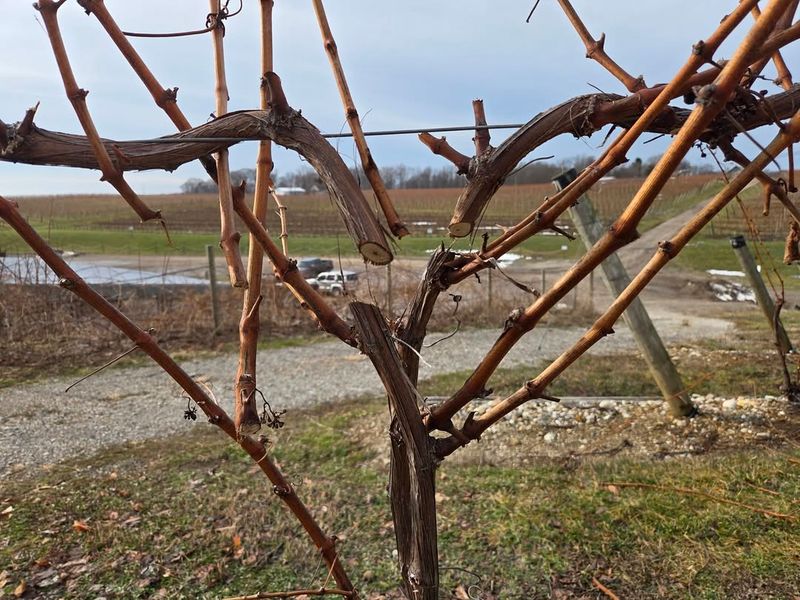
Walk past any California backyard in late winter and you’ll often see overgrown, unpruned grape vines tangled across arbors and fences, loaded with old wood that produces tiny, sparse fruit.
Grapes require dramatic annual pruning during dormancy, and right now is your last chance to cut back before sap starts flowing and vines begin to bleed.
Depending on your training system, cane pruning or spur pruning, you’ll remove anywhere from 80 to 90 percent of last year’s growth, leaving only a few carefully selected canes or spurs on the main trunk and cordons.
This sounds extreme, but grapes fruit on current-season shoots growing from one-year-old wood, so aggressive pruning is necessary.
For table grapes on arbors, select two to four strong canes from last year, cut them back to 10 to 15 buds each, and remove everything else down to the main framework. For wine grapes on wire trellises, leave short two-bud spurs spaced along the cordon arms.
In coastal regions, prune anytime from January through early March. Inland areas with harder frosts should wait until the coldest weather passes but finish before buds swell noticeably in spring.
Don’t worry about cutting too much, neglected vines produce shade and leaves instead of quality fruit, while properly pruned vines channel energy into fewer, better clusters with concentrated flavor and sugar.
5. Roses (Hybrid Tea, Floribunda, Shrub Roses)
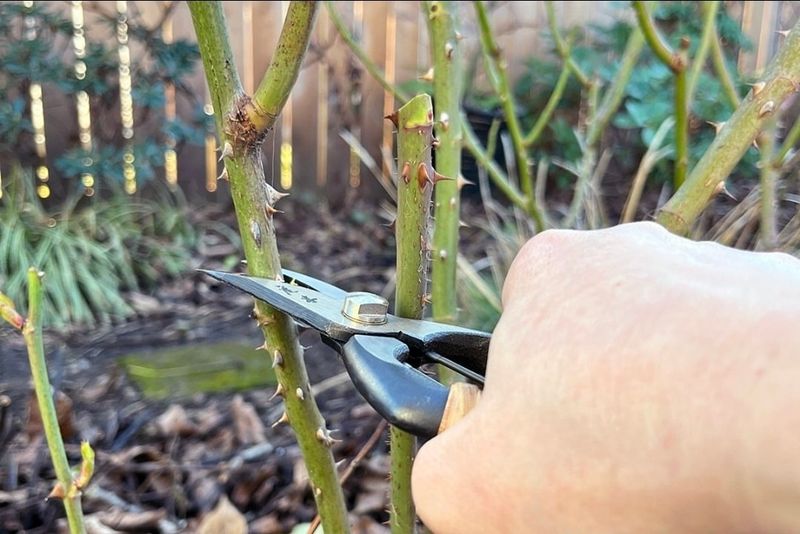
Roses are one of the most commonly mispruned plants in California gardens, with homeowners either cutting them back too timidly or waiting too late and missing the ideal dormant window.
Right now, while roses are leafless or nearly so, is the perfect time to prune hybrid teas, floribundas, and many shrub roses for vigorous spring growth and abundant blooms.
Start by removing all damaged or diseased canes completely at the base, then take out any spindly growth thinner than a pencil.
Cut remaining healthy canes back by about one-half to two-thirds, making angled cuts just above outward-facing buds to encourage open, vase-shaped growth.
In coastal California where winters are mild, you can prune anytime from late December through February. Inland gardeners should wait until after the last hard frost, usually late January through early February, to avoid cold damage to fresh cuts.
Remove old leaves still clinging to canes and rake up fallen foliage around the base to reduce overwintering fungal spores that cause black spot and rust.
Avoid pruning climbing roses now, they bloom on old wood and should be pruned lightly after their main spring flush instead.
Finish with a layer of fresh mulch and consider applying dormant spray if disease was a problem last season, giving your roses a clean start for the growing year ahead.
6. Fig Trees (Ficus carica)
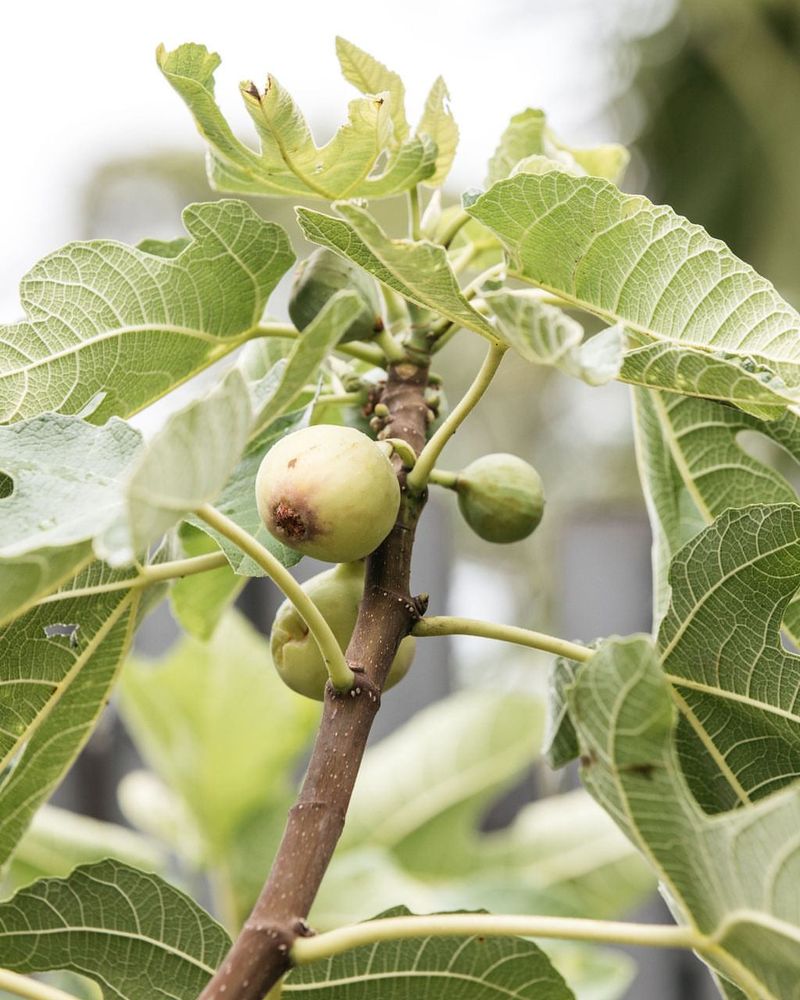
Fig trees are incredibly forgiving and can handle a range of pruning approaches, but late winter dormancy offers the best opportunity to shape your tree, control size, and remove winter-damaged wood without stressing the plant.
Right now, before new leaves emerge, you can see the tree’s structure clearly and make thoughtful decisions about what to keep and what to remove.
Most California gardeners grow figs as small multi-trunked trees or large shrubs, and light annual pruning keeps them productive and manageable.
Remove any withered or frost-damaged branches first, these often show blackened, dried tips from winter cold snaps common in inland valleys.
Thin out crowded interior branches to improve airflow and sunlight penetration, and head back overly long shoots to encourage branching and keep fruit within easy reach. Figs fruit on new wood, so moderate pruning now actually stimulates better production rather than reducing it.
In coastal areas where figs rarely experience frost damage, you can prune anytime from late December onward. Inland gardeners should wait until after the last frost to assess damage and avoid cutting healthy wood that might still leaf out.
Avoid heavy pruning unless you’re renovating an old, neglected tree, figs respond to severe cutting with vigorous sucker growth and delayed fruiting, so take a light hand and spread major reshaping over several seasons instead.
7. California Lilac (Ceanothus spp.)
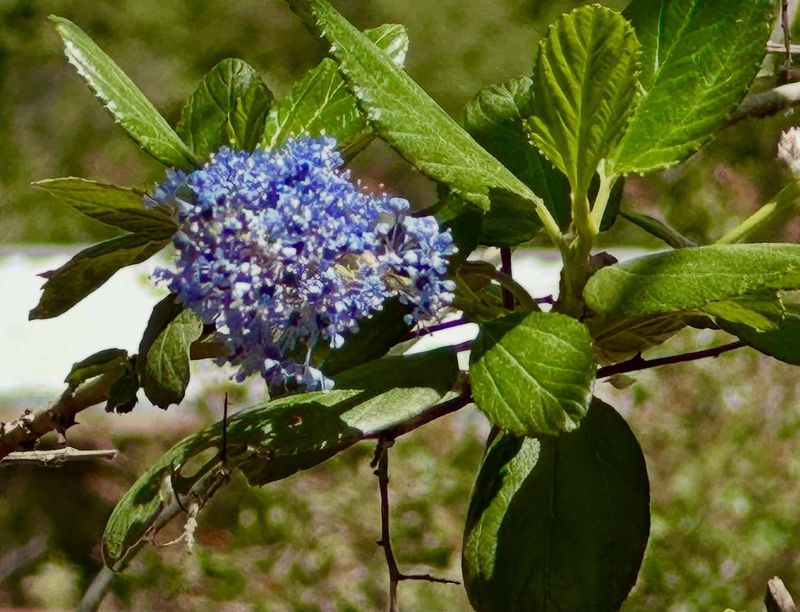
California lilac is one of the state’s most beloved native shrubs, covered in clouds of blue, white, or purple flowers each spring, but only if you resist the urge to prune it right now.
Many gardeners mistakenly treat ceanothus like a rose or fruit tree, cutting it back during winter dormancy and then wondering why it fails to bloom.
Ceanothus sets its flower buds in late summer and fall on wood grown earlier in the season, which means those buds are already formed and waiting on your shrub right now.
Pruning now removes this year’s entire bloom display, leaving you with green foliage and deep disappointment in April and May.
If your California lilac needs shaping or size control, wait until immediately after flowering finishes in late spring. Light trimming at that point allows the plant all summer to grow new wood and set buds for next year’s show.
Native ceanothus species are adapted to California’s dry summers and rarely need pruning beyond occasional removal of damaged branches or frost-damaged tips.
Over-pruning or shearing stimulates excessive growth that makes plants leggy and reduces their natural graceful form.
Step back, leave your pruners in the shed, and let your California lilac do what it does best, bloom beautifully without interference, rewarding your patience with one of the most spectacular native flower displays in the California garden.
8. Manzanita (Arctostaphylos spp.)
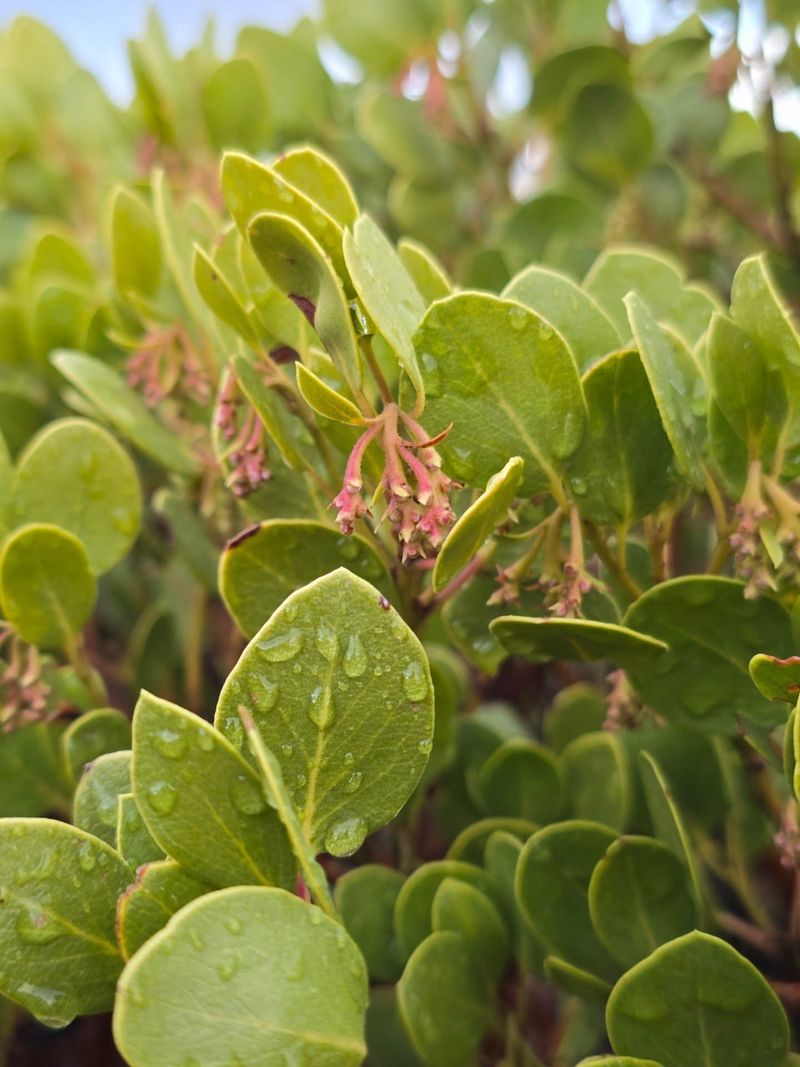
Manzanita’s sculptural branching, smooth red bark, and delicate urn-shaped flowers make it a California garden treasure, but pruning it now during late winter will cost you this season’s blooms and potentially harm the plant.
Like California lilac, manzanita blooms on old wood and has already set flower buds that are beginning to develop right now.
These native shrubs evolved in California’s Mediterranean climate with dry summers and winter rains, developing a growth pattern that doesn’t respond well to traditional pruning schedules.
Cutting back branches during dormancy removes flower buds and stresses plants adapted to minimal interference.
If you absolutely must prune manzanita for clearance or to remove withered wood, wait until after flowering ends in late spring, and even then, prune minimally.
Manzanitas are notoriously sensitive to hard pruning, often responding by dying back or failing to resprout from older wood.
Many species and cultivars have naturally beautiful, irregular forms that look best when left unpruned, with their twisting branches and peeling bark on full display. Over-pruning destroys this character and creates unnatural shapes that never quite recover.
Instead of reaching for pruners, consider whether your manzanita really needs.
Cutting at all, often the answer is no, and the plant will reward your restraint with healthy growth, stunning flowers, and the low-maintenance beauty that makes California natives so valuable in water-wise landscapes.
9. Azalea (Rhododendron spp.)
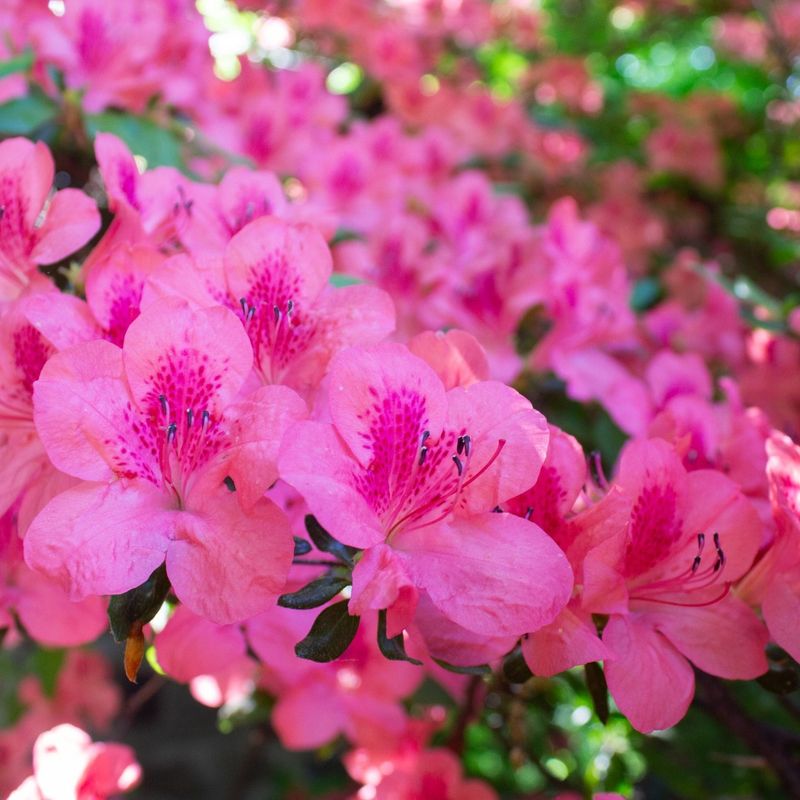
Azaleas are shade garden favorites across California, especially in coastal and northern regions where they thrive in cool, moist conditions, but pruning them now during late winter is a mistake that will eliminate this spring’s spectacular flower show.
Azaleas bloom on old wood formed last season, and those flower buds are already set and swelling on branch tips right now.
Many gardeners assume all shrubs should be pruned during winter dormancy, but azaleas follow a different schedule entirely. Cutting branches back now removes every single flower bud, leaving you with a green shrub and no blooms when spring arrives.
The correct time to prune azaleas is immediately after flowering finishes, usually in late spring or early summer depending on your variety and location. Light shaping then gives plants the entire growing season to develop new wood and set buds for next year’s display.
Even during the proper pruning window, azaleas rarely need heavy cutting, they naturally form compact, rounded shapes and maintain good size without constant intervention.
Remove only damaged branches, lightly shape for symmetry, and avoid shearing into formal shapes that destroy their natural grace.
If your azalea has become overgrown or leggy, renovation pruning is possible but should be done gradually over two or three years rather than all at once, always right after bloom.
For now, step away and let those flower buds develop into the brilliant spring color you planted them for in the first place.