These 9 Vegetables Are Ready To Go In Your Arizona Garden Right Now
Timing matters more than enthusiasm in an Arizona vegetable garden, and this moment often slips by unnoticed. Beds look ready, weather feels decent, yet many gardeners hesitate longer than they should.
That pause can cost momentum, so which vegetables are actually prepared to go in the ground right now? Arizona’s mild stretch creates conditions where certain crops establish quickly without battling heat or stress.
Soil warmth, daylight, and cooler nights work together to support early root growth before temperatures climb. Plants started during this window tend to settle faster and grow more evenly.
Planting now isn’t about filling every bed at once. It’s about choosing vegetables that match current conditions and respond well to an early start.
With the right picks in place, the garden moves forward smoothly, stays productive longer, and feels far easier to manage as the season unfolds.
1. Leaf Lettuce
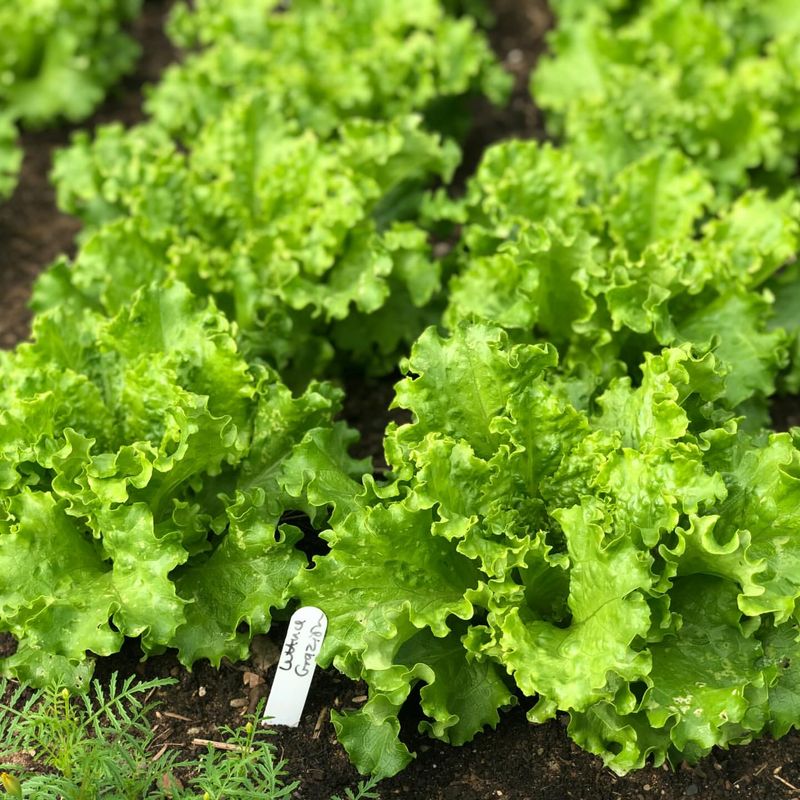
Crispy, fresh lettuce from your own garden tastes nothing like the store-bought stuff that’s been sitting in plastic for who knows how long. Leaf lettuce grows quickly in Arizona’s cooler months and gives you multiple harvests from the same plants.
You can start picking leaves in as little as 30 days after planting seeds.
Arizona’s fall and winter temperatures create ideal conditions for lettuce to develop sweet, tender leaves without turning bitter. Plant your lettuce in a spot that gets morning sun but some afternoon shade, especially if you’re in the lower desert areas.
The soil should drain well and stay consistently moist but not waterlogged.
You can harvest leaf lettuce by picking outer leaves while letting the center continue growing, which means you’ll have fresh salad greens for weeks. Space your plantings every two weeks to keep a steady supply coming.
Lettuce grows well in containers too, making it perfect for small spaces or patio gardens.
Watch for signs of bolting when temperatures start warming up in spring. This vegetable thrives in Arizona’s mild winter climate and provides one of the easiest and most rewarding crops for both new and experienced gardeners throughout the state.
2. Spinach
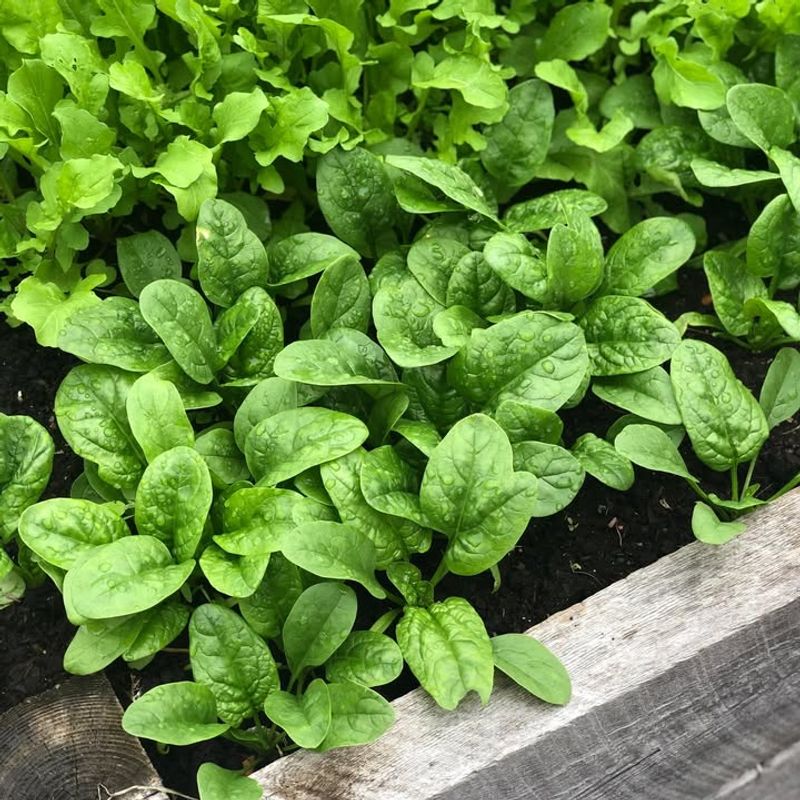
Packed with vitamins and minerals, spinach becomes a powerhouse crop when grown in Arizona’s cooler seasons. This leafy green actually prefers the mild temperatures that Arizona winters offer, producing thick, flavorful leaves that outshine anything you’ll find at the grocery store.
Spinach grows relatively quickly and can be ready to harvest in about 40 to 50 days.
The key to success with spinach in Arizona is timing your planting right. Get seeds in the ground during fall or early winter when nighttime temperatures have cooled down.
Spinach handles light frosts just fine, making it reliable even during Arizona’s occasional cold snaps.
Rich, well-amended soil helps spinach develop those dark green leaves that are loaded with nutrients. Water regularly to keep the soil evenly moist, as spinach has shallow roots that dry out quickly in Arizona’s low humidity.
Mulching around plants helps retain moisture and keeps roots cool.
Harvest spinach by cutting outer leaves or pulling entire plants when they reach the size you want. Baby spinach leaves are tender and perfect for salads, while larger leaves work great for cooking.
Your Arizona Garden Changes Every Week. Your Plan Should Too.
Gardening in Arizona changes quickly throughout the season. Every Friday you’ll receive a simple weekly plan showing exactly what to plant, prune, fertilize, harvest, and protect so you never miss the right timing.
Arizona gardeners can grow multiple crops throughout the cooler months by succession planting every few weeks.
Spinach bolts quickly once temperatures climb, so plan to finish harvesting before late spring heat arrives. Providing afternoon shade as days warm can help extend the harvest window just a bit longer in Arizona gardens.
3. Kale
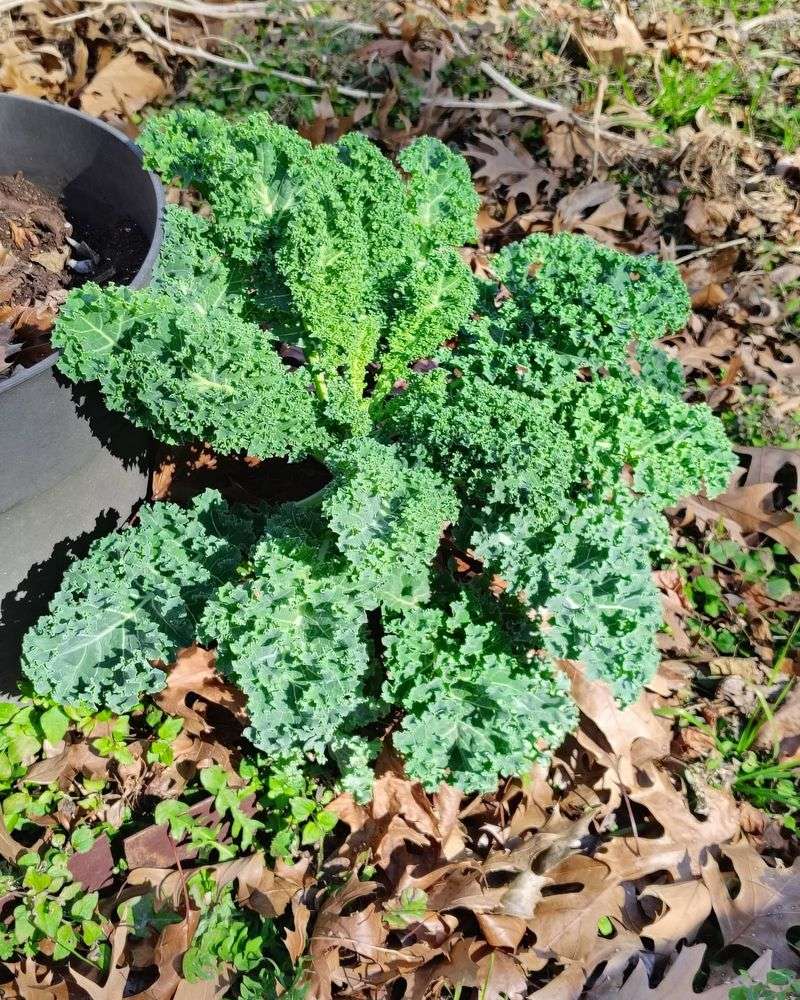
Tough and nutritious, kale stands up to Arizona’s variable winter weather better than most vegetables. This superfood has become incredibly popular, and growing your own means you’ll have the freshest kale possible for smoothies, salads, and cooked dishes.
Kale actually tastes sweeter after exposure to cool temperatures, making Arizona’s winter nights perfect for developing great flavor.
Several kale varieties do well in Arizona gardens, from curly types to flat-leafed dinosaur kale. Plants grow into substantial bushes that keep producing for months when you harvest leaves correctly.
Start with transplants if you want a head start, or sow seeds directly in the garden.
Kale needs full sun in Arizona’s cooler months and appreciates soil that’s been enriched with compost. Water deeply but less frequently once plants are established, as kale develops a stronger root system than lettuce or spinach.
The plants can handle some heat as spring approaches, giving you a longer harvest window than many other greens.
Pick outer leaves regularly to encourage new growth from the center of the plant. Young, tender leaves work best for raw eating, while larger, older leaves are perfect for cooking.
Arizona’s climate allows kale to thrive from fall planting all the way into spring.
4. Swiss Chard
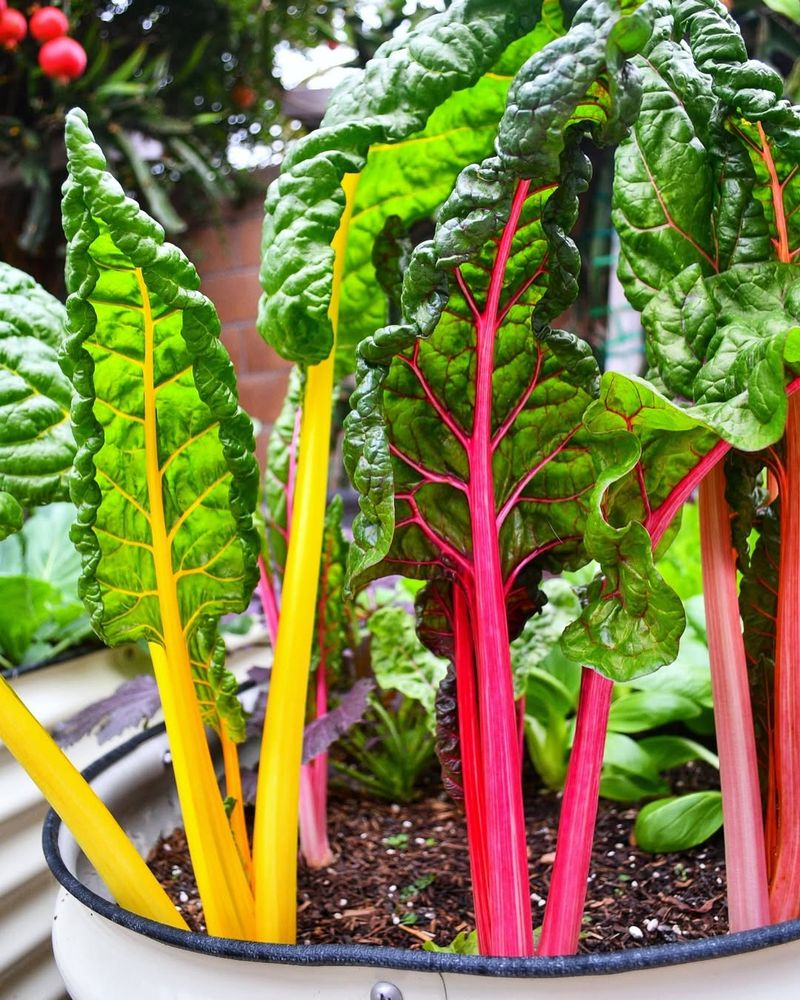
Colorful stems in shades of red, yellow, orange, and white make Swiss chard as beautiful as it is delicious. This vegetable deserves more attention from Arizona gardeners because it produces abundantly and handles heat better than many other leafy greens.
Swiss chard keeps growing even as temperatures start warming up in spring, extending your harvest season significantly.
Both the leaves and stems are edible, giving you two vegetables in one plant. The mild, slightly earthy flavor works in everything from sautés to soups.
Swiss chard grows quickly from seed and doesn’t mind Arizona’s alkaline soil as much as some vegetables do.
Plant chard in full sun during Arizona’s cooler months, spacing plants about 12 inches apart to allow for their substantial growth. These plants can get quite large, with leaves reaching over a foot long.
Water regularly and feed occasionally with a balanced fertilizer to keep production strong.
Harvest chard by cutting outer leaves at the base, leaving the inner leaves to continue growing. The plants will keep producing new leaves for several months.
Rainbow chard adds stunning color to your garden beds while providing nutritious greens. This reliable vegetable thrives throughout Arizona’s winter and early spring growing season.
Swiss chard also tolerates light frosts, making it a dependable choice during Arizona’s unpredictable winter nights. With regular harvesting, a single planting can supply fresh greens for weeks without slowing down.
5. Arugula
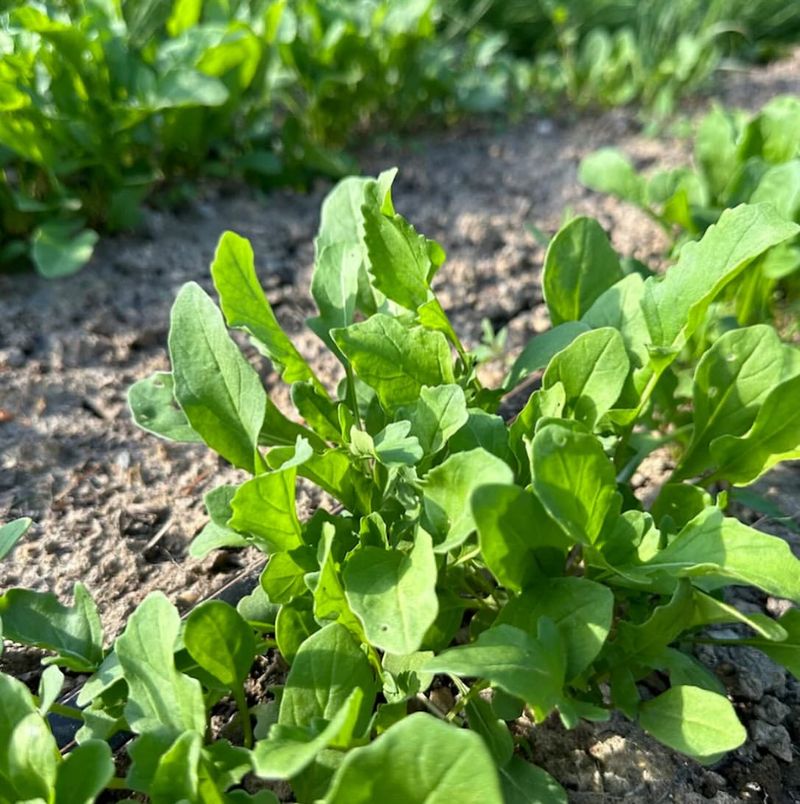
Peppery and distinctive, arugula adds a gourmet touch to salads and sandwiches that you just can’t get from mild lettuce. This fast-growing green thrives in Arizona’s cooler months and can be ready to harvest in as little as 3 weeks after planting.
Arugula’s spicy flavor becomes more pronounced as leaves mature, so you can harvest young for mild greens or wait longer for more intense taste.
Arizona’s fall and winter temperatures are absolutely perfect for arugula, which tends to bolt quickly in heat. The plants stay compact and bushy when grown in cool weather, producing tender leaves continuously.
Arugula grows well in garden beds or containers, making it accessible for gardeners with limited space.
Sow seeds directly in the garden every couple of weeks for a continuous supply of fresh arugula. The plants prefer full sun but can tolerate some light shade in Arizona.
Keep soil consistently moist, as drought stress makes leaves tougher and more bitter.
Cut whole plants at soil level or harvest individual leaves as needed. Arugula flowers are edible too and attract beneficial insects to your Arizona garden.
This vegetable works wonderfully in mixed salad greens and adds sophisticated flavor to homegrown meals throughout the cooler season.
6. Radishes
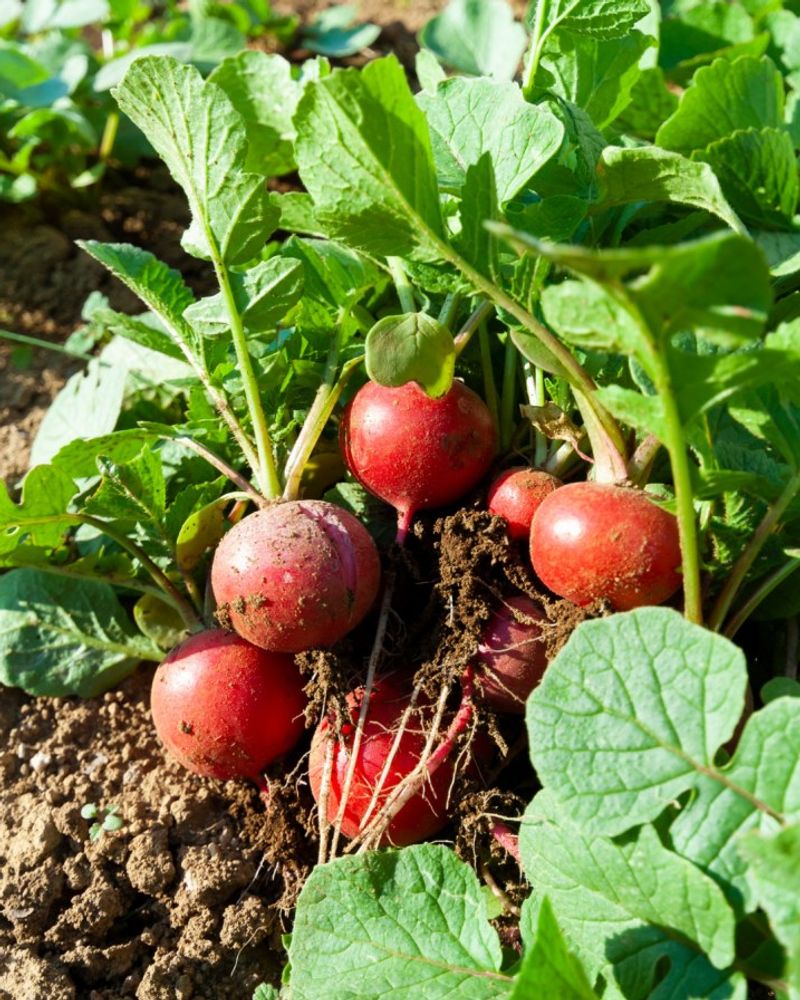
Fast results make radishes perfect for impatient gardeners or anyone wanting to introduce kids to vegetable gardening. These crunchy roots can be ready to pull in as little as 3 to 4 weeks, giving you nearly instant gratification.
Radishes grow exceptionally well in Arizona’s cooler months when the mild temperatures help them develop crisp texture without becoming woody or overly spicy.
Beyond the common red globe radishes, Arizona gardeners can try colorful varieties including white, purple, and even watermelon radishes with their striking pink interiors. Radishes need loose, well-draining soil to form properly shaped roots.
Rocky or compacted soil leads to misshapen radishes that are still edible but not as pretty.
Plant radish seeds directly in the garden, spacing them about an inch apart. Thin seedlings if they come up too crowded, as radishes need room to form their roots.
Water consistently to keep soil evenly moist, as irregular watering causes roots to split or become pithy.
Harvest radishes as soon as they reach a usable size, usually when roots are about an inch in diameter. Leaving them in the ground too long results in tough, overly spicy radishes.
Arizona’s climate allows for multiple radish plantings throughout fall, winter, and early spring for continuous harvests.
7. Carrots
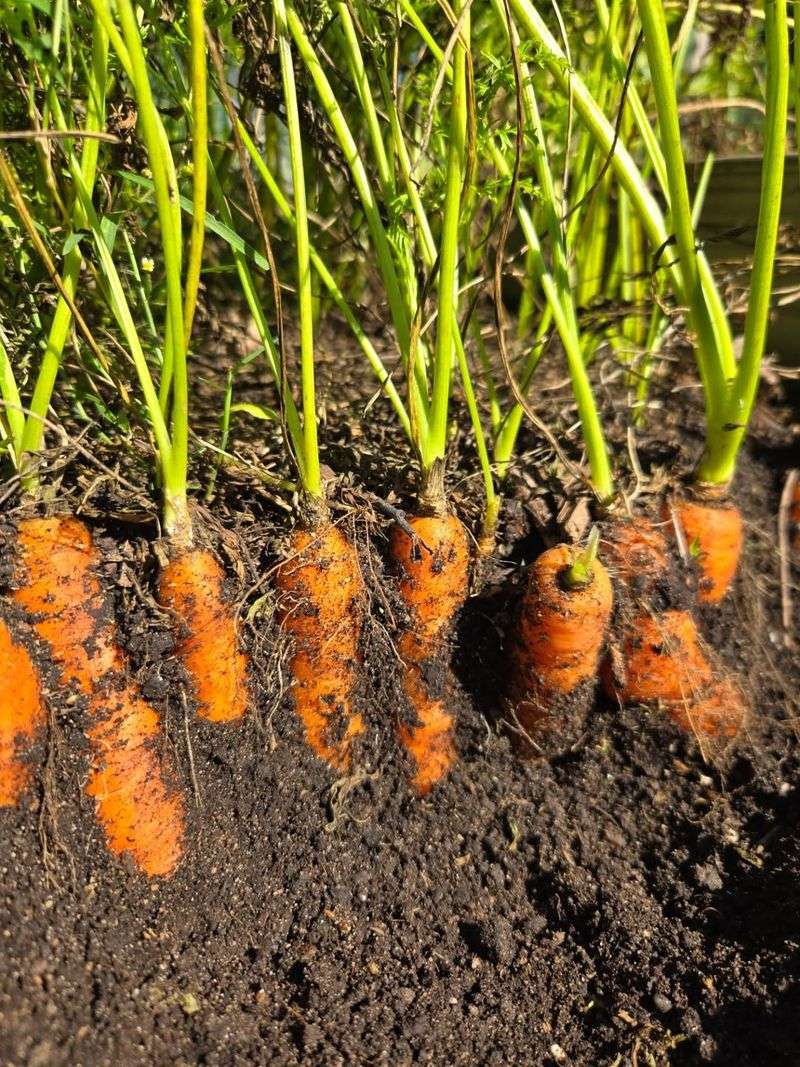
Sweet and crunchy, homegrown carrots taste remarkably different from store-bought ones that have traveled hundreds of miles. Arizona’s cooler months provide excellent growing conditions for carrots, which need time to slowly develop their sugars and crisp texture.
These root vegetables take longer than radishes, usually 60 to 80 days, but the wait is absolutely worth it.
Carrots need deep, loose soil free of rocks and clumps that can cause forked or twisted roots. Sandy loam soil, common in many Arizona areas, works perfectly for growing straight, beautiful carrots.
If your soil is heavy clay, consider growing shorter carrot varieties or planting in raised beds with amended soil.
Sow carrot seeds directly where you want them to grow, as they don’t transplant well. Keep the soil surface consistently moist until seeds germinate, which can take up to two weeks.
Thin seedlings to about 2 inches apart once they’re a few inches tall to give roots room to develop.
Arizona’s mild winter temperatures help carrots develop excellent flavor without the bitterness that can occur in summer heat. Harvest carrots when they reach the size you prefer, testing by gently pulling one up to check.
Fresh carrots from your Arizona garden will spoil you for any other kind.
8. Beets
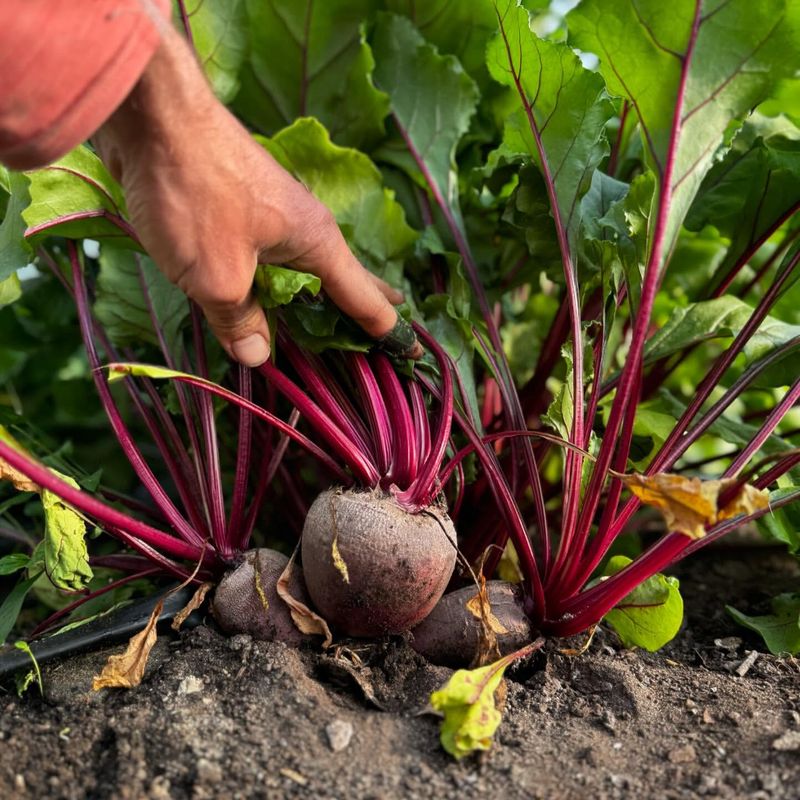
Earthy and sweet, beets give you two crops in one since both roots and greens are delicious and nutritious. Arizona’s cooler months create ideal conditions for beets to develop their characteristic sweet flavor and tender texture.
These vegetables take about 50 to 70 days to mature, and watching them grow adds beautiful color to your garden with their red-veined leaves.
Beets tolerate Arizona’s alkaline soil better than many vegetables, though they still appreciate soil enriched with compost. Plant seeds directly in the garden, knowing that each seed is actually a cluster that will produce multiple seedlings.
Thin these seedlings to about 3 inches apart, and use the thinned baby plants in salads.
Consistent moisture helps beets develop smooth, tender roots rather than tough, woody ones. Mulch around plants to conserve water and keep soil temperatures stable.
Arizona gardeners can choose from red, golden, or striped varieties for visual interest and slightly different flavors.
Harvest beet greens anytime by cutting outer leaves, being careful not to take too many from each plant. Pull beet roots when they’re 2 to 3 inches in diameter for best texture and flavor.
Larger beets can become tough and fibrous. Arizona’s climate supports beet growing from fall through early spring for extended harvests.
9. Green Onions (Scallions)
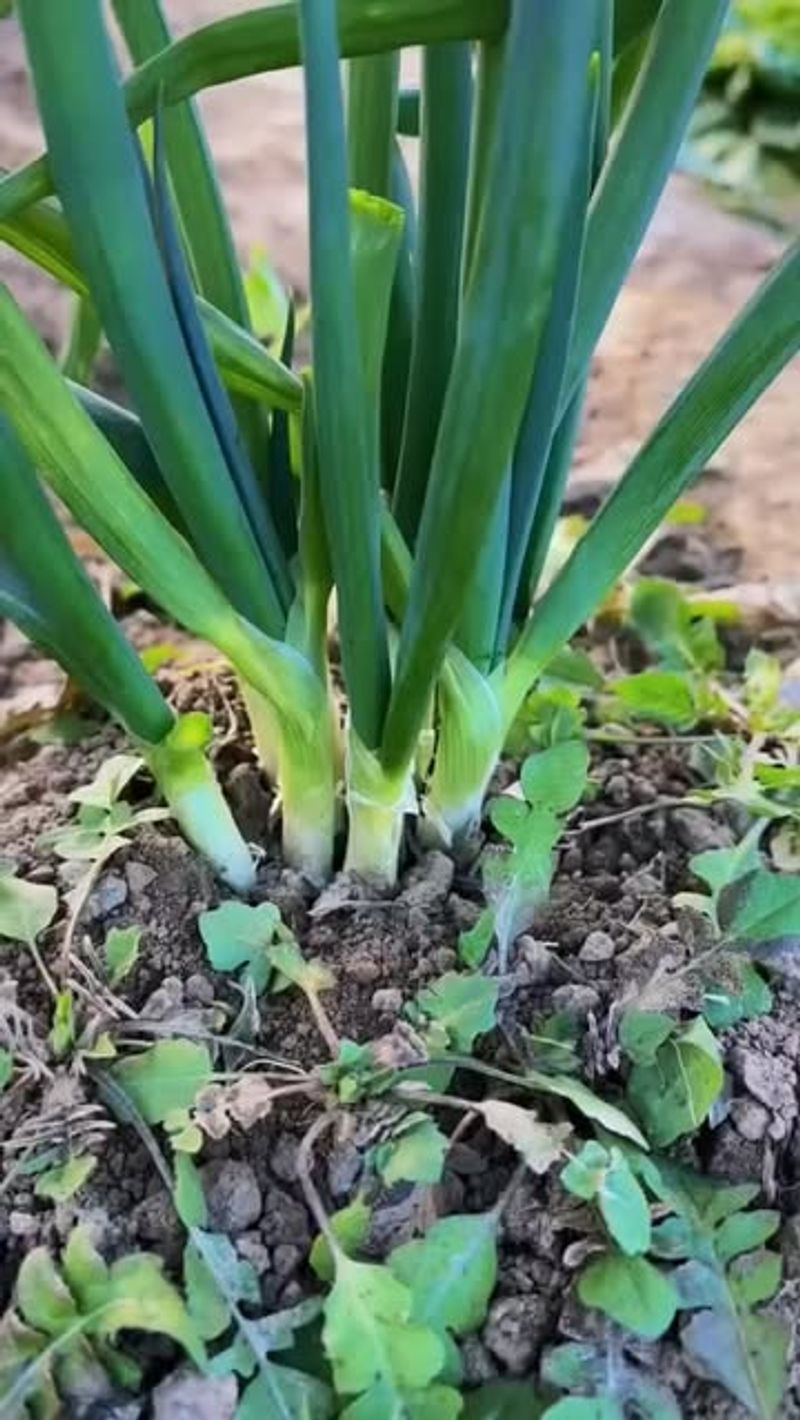
Mild and versatile, green onions add fresh flavor to countless dishes and grow remarkably well in Arizona’s cooler seasons. These quick-growing vegetables can be ready to harvest in as little as 60 days, and you can keep them producing by harvesting carefully.
Green onions take up minimal space, making them perfect for tucking into corners of garden beds or growing in containers.
Plant green onion sets or seeds in well-draining soil with plenty of organic matter mixed in. They need consistent moisture but will rot if soil stays waterlogged.
Arizona’s low humidity actually works in your favor with green onions, as fungal diseases are less common than in humid climates.
Space plants about 2 inches apart in rows or scatter them throughout your garden. Green onions grow well alongside other vegetables and can help maximize your garden space.
They prefer full sun but tolerate some shade, especially afternoon shade in warmer areas of Arizona.
Harvest green onions by pulling entire plants when they reach the size you want, or cut tops and leave roots to regrow. The white bulb and green tops are both edible and flavorful.
Arizona gardeners can plant green onions multiple times throughout the cooler months for a steady supply. These reliable vegetables rarely have problems and produce abundantly in Arizona’s winter climate.