This Is The Best Way To Save Your Overwintered Potted Plants In Ohio
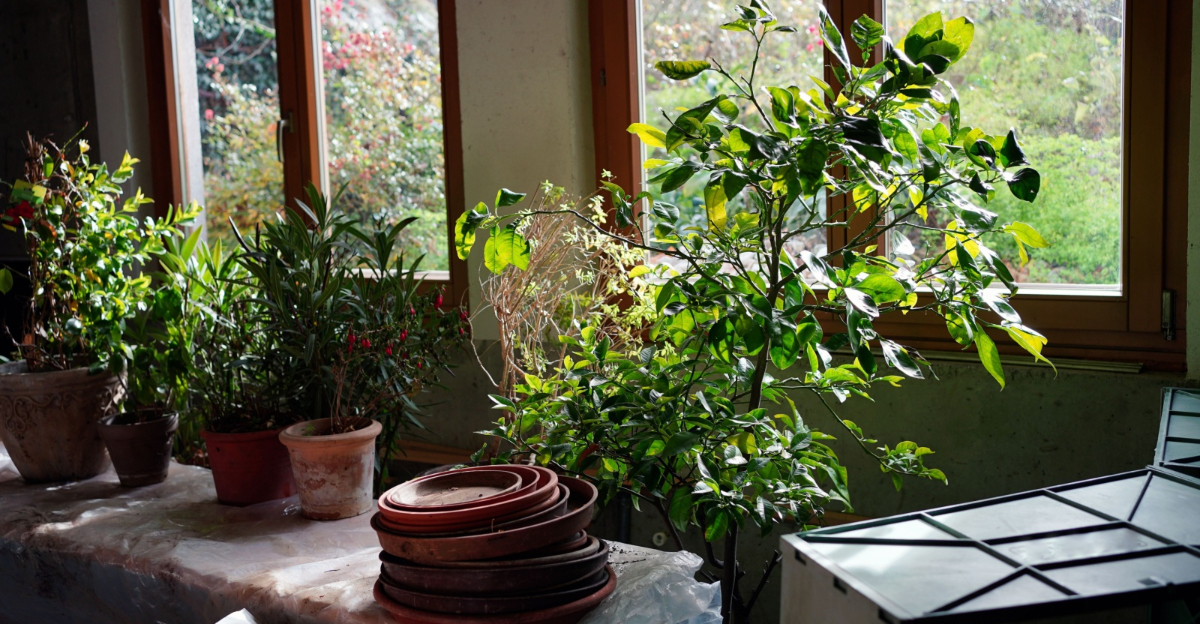
Have you brought potted plants indoors this winter? Good news, they survived.
Bad news, they may still be in danger.
For many Ohio gardeners, the hardest part is not getting plants through winter, it is bringing them back out safely.
Pots that look fine indoors can struggle the moment spring weather starts playing games. One warm day followed by a cold night can undo months of effort fast.
Leaf drop, stalled growth, and sudden collapse often happen during this transition. Ohio’s unpredictable spring conditions make this stage especially risky.
Protecting overwintered potted plants takes more than waiting for nicer weather.
But don’t worry, my fellow Ohio gardeners, there’s a simple way to guide overwintered pots safely back outside!
1. Spot Hidden Winter Damage Before It Wrecks Your Plants
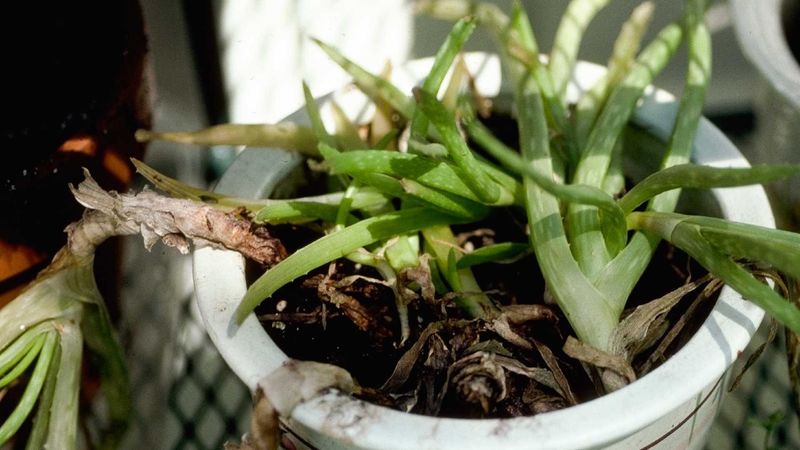
Before you even think about moving your pots outside, take time to really look at what winter did to your plants. Sometimes damage hides under seemingly healthy foliage, waiting to cause bigger problems once growth kicks in.
Pull back leaves and check stems for soft spots, discoloration, or areas that feel mushy when you gently squeeze them.
Ohio winters can be brutal even indoors if your home got too cold or too dry. Plants often develop issues that don’t show up right away but become obvious once you start watering more or the plant tries to push new growth.
Brown leaf tips might just be cosmetic, but blackened stems or a sour smell from the soil signals trouble that needs immediate attention.
Catching problems early means you can prune away damaged sections before they spread or attract pests. Use clean, sharp scissors or pruning shears to remove any parts that look questionable.
If you spot mold on the soil surface, scrape it off and let the top layer dry out completely before your next watering.
Check the base of each plant where it meets the soil because this area often harbors hidden rot. Gently wiggle the main stem to make sure it feels firmly anchored.
A wobbly plant might have root damage that needs addressing before you move forward with outdoor transition plans in Ohio’s variable spring weather.
2. Ease Plants Back Into Sun Without Burning Leaves
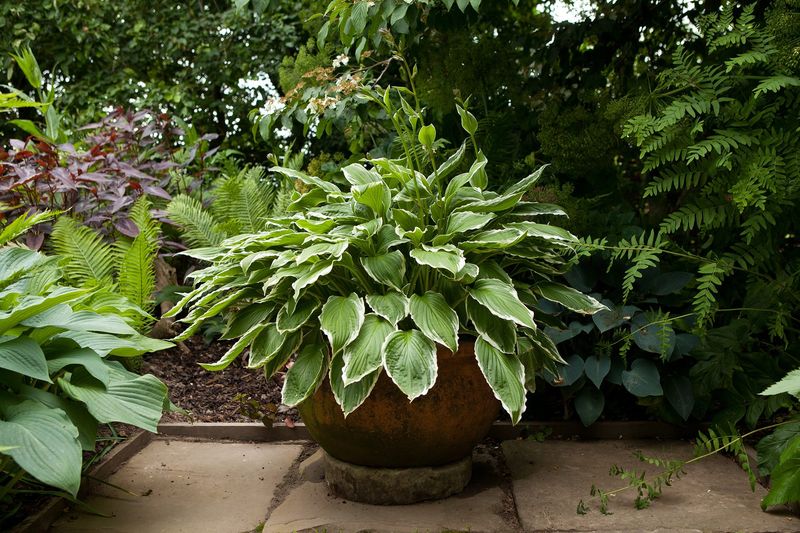
Your plants have been living under lower light conditions for months, so their leaves aren’t prepared for Ohio’s bright spring sunshine. Throwing them directly into full sun is like getting a sunburn on the first beach day of summer.
Leaves will develop brown, crispy patches that never recover, and the plant wastes energy trying to replace damaged foliage instead of growing strong.
Start by placing pots in a shaded or partially shaded spot outdoors for just a few hours each day. A location under a tree canopy or on a covered porch works perfectly for this initial phase.
Gradually increase their sun exposure over the course of ten days to two weeks, moving them into brighter conditions little by little.
Watch how your plants respond during this adjustment period. If leaves start looking pale or developing brown edges, you’re moving too fast and need to dial back the sun exposure.
Your Ohio Garden Changes Every Week. Your Plan Should Too.
Gardening in Ohio changes quickly throughout the season. Every Friday you’ll receive a simple weekly plan showing exactly what to plant, prune, fertilize, harvest, and protect so you never miss the right timing.
Different plants have different tolerance levels, so pay attention to each one individually rather than treating your entire collection the same way.
Even sun-loving plants like geraniums and petunias need this gradual introduction after spending winter indoors. Their leaf structure actually changes in low light, becoming thinner and more vulnerable to intense rays.
Taking the slow approach might feel tedious, but it prevents setbacks that could cost you weeks of growing time as Ohio’s gardening season gets underway.
3. Catch Indoor Pests Before They Take Over
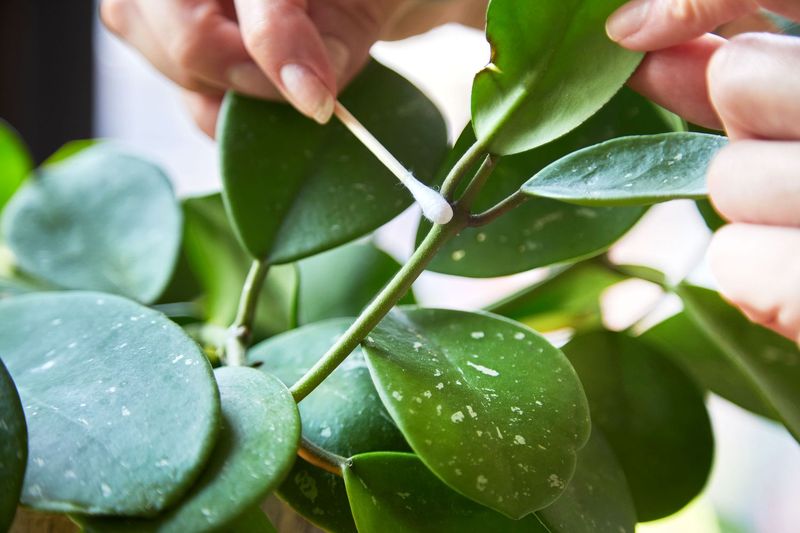
Spending months indoors creates perfect conditions for certain pests to multiply without natural predators around to keep them in check. Spider mites, aphids, and whiteflies love the warm, dry environment inside Ohio homes during winter.
By spring, what started as a few bugs can become a full-blown infestation that spreads to your other plants once you move everything outside.
Flip leaves over and look closely at the undersides where pests typically hide and feed. Spider mites leave fine webbing and cause stippled, pale spots on leaves.
Aphids cluster on new growth and leave sticky residue behind. Whiteflies flutter up in clouds when you disturb the plant, and their nymphs look like tiny white scales stuck to leaf undersides.
If you spot any pests, treat them now before outdoor transition begins. A strong spray of water knocks many insects off, or you can use insecticidal soap for tougher cases.
Neem oil works well as a natural treatment that also helps prevent future outbreaks. Make sure to spray thoroughly, hitting all leaf surfaces and stems.
Repeat treatments every five to seven days for at least two weeks to break the pest life cycle. Moving infested plants outside without dealing with the problem first just spreads pests to your outdoor garden and makes everything harder to manage throughout the growing season in Ohio.
4. Cut Weak Growth To Trigger Strong New Shoots
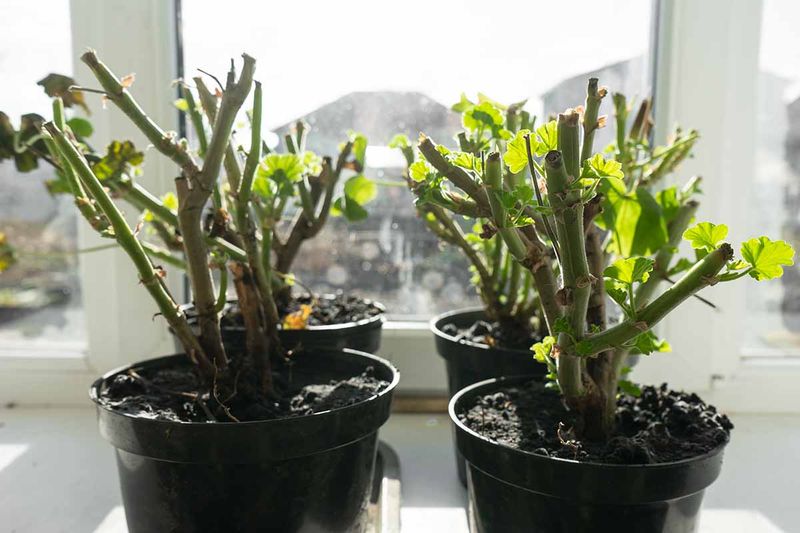
Plants often develop long, spindly growth during winter months because they’re stretching toward whatever light they can find. This leggy growth looks weak and floppy, and it won’t magically become sturdy once you move plants outside.
Instead, it drains energy that could go toward producing strong, compact new shoots better suited for outdoor conditions.
Grab your pruning shears and cut back this weak growth by about one-third to one-half, depending on how leggy your plant became. Don’t worry about being too aggressive because most plants respond to spring pruning by pushing out multiple new stems from below the cuts.
This creates a fuller, bushier shape that looks better and performs better throughout the growing season.
Make your cuts just above a leaf node or bud, angling the cut slightly to encourage water to run off rather than pooling. Remove any stems that cross over each other or grow toward the center of the plant, since good air circulation helps prevent disease problems once you’re back outside in Ohio’s humid summer weather.
This is also the perfect time to shape your plants the way you want them to grow. Step back periodically while pruning to assess the overall form.
Some plants like herbs actually benefit from being cut back quite hard, which encourages bushy, productive growth that gives you more to harvest later in the season.
5. Refresh Soil Without Shocking Roots
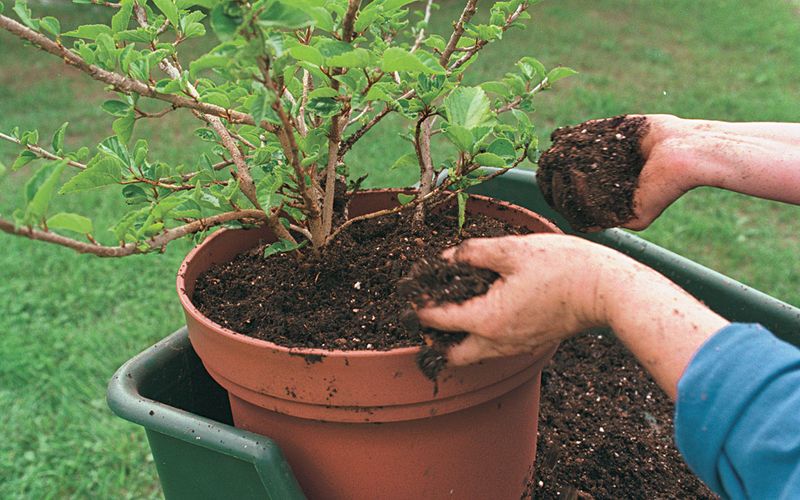
Potting soil breaks down over time, becoming compacted and losing its ability to drain properly or hold nutrients. After months of indoor life, the soil in your containers probably looks crusty on top and might even pull away from the pot edges.
Refreshing it gives roots access to better growing conditions without the stress of complete repotting.
Gently scrape away the top inch or two of old soil, being careful not to damage surface roots. Replace it with fresh potting mix that matches what the plant prefers.
This simple refresh improves drainage, adds nutrients, and helps prevent fungus gnats and other issues that develop in tired, old soil.
For plants that have been in the same pot for more than a year, consider whether they need moving up to a larger container. Check if roots are circling the bottom or poking through drainage holes.
If so, choose a pot just one size larger and use quality potting soil rather than garden dirt, which compacts too much for container growing.
When refreshing or repotting, water the plant thoroughly a day before you start so the root ball holds together better during handling. After refreshing the soil, wait a few days before starting the outdoor transition process.
This gives roots time to adjust and begin growing into the fresh soil before facing the additional stress of changing light and temperature conditions outside in Ohio.
6. Wait Out Late Frosts Before Moving Pots Outside
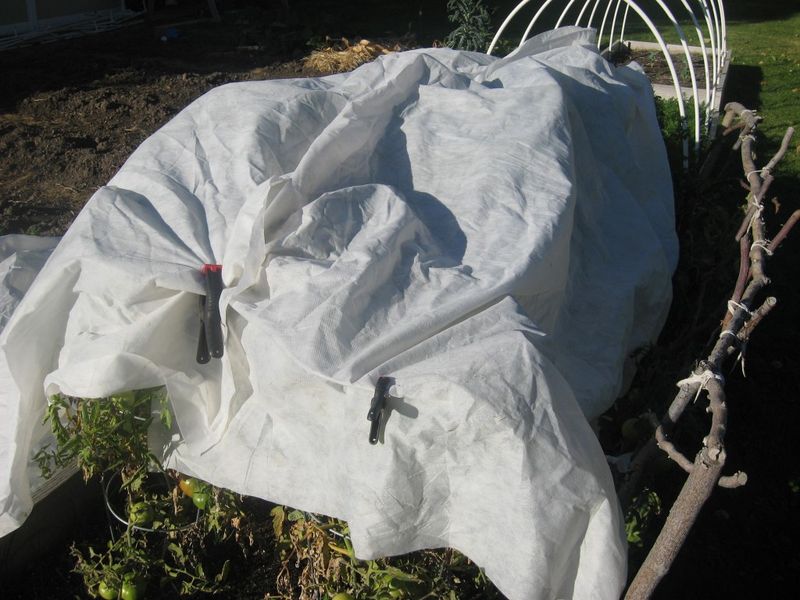
Ohio’s spring weather loves to play tricks, delivering warm, sunny days that make you want to rush everything outside, followed by surprise frost that damages tender plants overnight. Even though your plants might seem ready and you’re eager to reclaim indoor space, patience during this waiting period protects all the work you’ve already invested in keeping them alive through winter.
Pay attention to your local frost dates, which vary across Ohio depending on whether you’re in the northern or southern part of the state. Most areas see their last frost risk disappear sometime between mid-April and mid-May.
Check extended weather forecasts regularly and watch for warnings about cold snaps that could drop temperatures below freezing.
Even after the official last frost date passes, keep an eye on overnight temperature predictions for at least another week or two. Tender tropical plants suffer damage when temperatures dip below 50 degrees, even if there’s no actual frost.
Plants like hibiscus, citrus, and many herbs need consistently warm nights before they’ll thrive outdoors.
If you absolutely must move plants outside early, be prepared to cover them or bring them back in when cold nights threaten. This back-and-forth creates extra stress, so it’s usually better to just wait.
Use this time to continue the hardening-off process in protected areas and get your outdoor containers cleaned and ready for the season ahead.
7. Water Smart After Dormancy To Avoid Root Rot
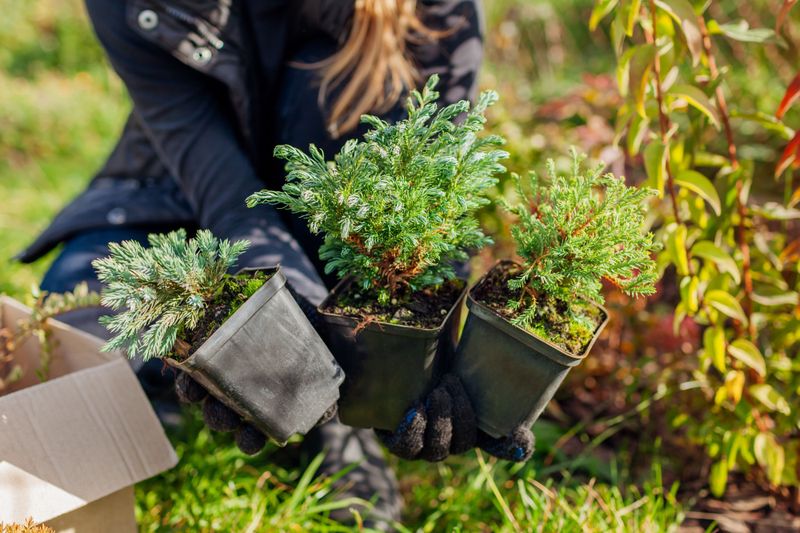
One of the biggest mistakes gardeners make with overwintered plants is jumping straight back into heavy watering once spring arrives. During dormancy, plants use very little water because they’re not actively growing.
Their roots can’t handle sudden increases in moisture, and overwatering at this stage leads to root rot faster than almost anything else.
Start by checking soil moisture before every watering by sticking your finger down about two inches into the soil. If it feels even slightly damp, wait another day or two before watering.
As plants begin actively growing and temperatures warm up in Ohio, they’ll naturally need more frequent watering, but let them tell you when rather than assuming they’re thirsty.
When you do water, do it thoroughly so water runs out the drainage holes, then let the soil dry somewhat before watering again. This encourages roots to grow deeper and stronger rather than staying shallow and weak.
Avoid leaving pots sitting in saucers of water for extended periods because this keeps soil too wet and invites problems.
Watch your plants for signs they need adjusting. Wilting despite moist soil suggests root problems from overwatering, while crispy leaf edges with dry soil means you need to water more often.
As outdoor temperatures climb and plants push new growth, gradually increase watering frequency to match their changing needs throughout the spring season.
8. Harden Plants Off To Prevent Spring Shock
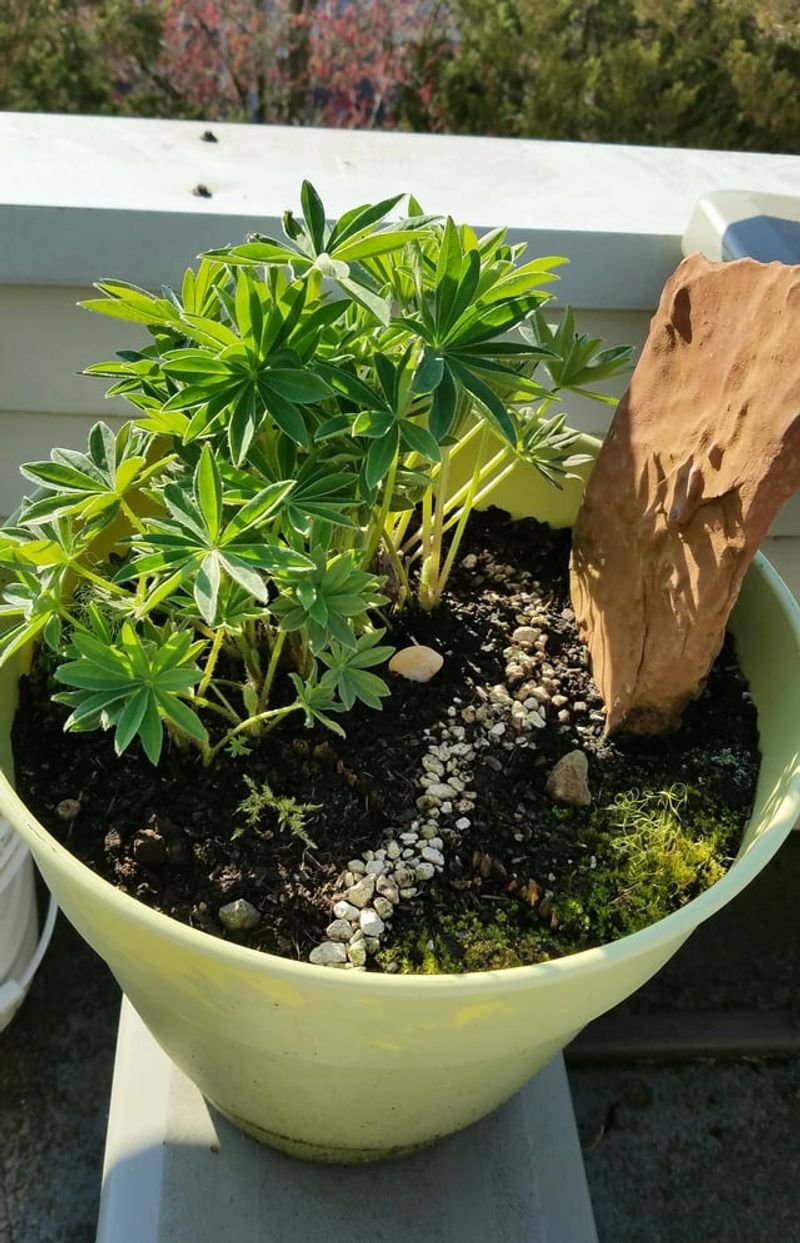
Hardening off sounds complicated, but it simply means gradually getting your plants used to outdoor conditions over a period of time. This process prevents shock that happens when plants face sudden changes in temperature, wind, humidity, and light intensity all at once.
Skipping this step is the number one reason overwintered plants struggle or fail once they’re moved outside permanently in Ohio.
Begin the hardening-off process about two weeks before you plan to leave plants outside full time. Start by placing them in a protected outdoor spot for just two to three hours during the mildest part of the day.
Bring them back inside before temperatures drop in the evening. Each day, increase outdoor time by an hour or two and gradually expose them to more direct conditions.
By the end of the first week, plants should stay outside most of the day as long as temperatures remain reasonable. During the second week, start leaving them out overnight if temperatures stay above 50 degrees.
Continue monitoring weather forecasts and be ready to bring plants back inside if unexpected cold threatens.
This gradual transition gives plants time to adjust their leaf structure, strengthen stems against wind, and adapt to natural temperature swings. Yes, it requires effort and attention, but the payoff is healthy, vigorous plants that hit the ground running once Ohio’s growing season fully arrives.
Plants that skip hardening off often sit and sulk for weeks, wasting precious growing time.