These 9 Plants Thrive In Ohio Clay (No Amendments Needed)
If you garden in Ohio, you already know the heartbreak. You dig a hole and hit brick hard clay.
You water faithfully, plant something labeled “easy,” and still watch it struggle, rot, or sulk all summer. After a few seasons of failed plants and wasted money, it starts to feel like your soil is the problem and you are just stuck with it.
The truth is Ohio clay is not bad soil. It is misunderstood soil.
It holds nutrients, keeps moisture during heat waves, and can support incredible plants when you stop trying to fight it. The real issue is choosing plants that were never meant for dense, heavy ground in the first place.
Some plants actually love clay. They sink strong roots, shrug off wet springs, survive dry Augusts, and come back bigger every year with almost no effort.
No compost hauling. No fancy mixes.
No endless fixing. If you want a garden that works with your soil instead of against it, these plants are about to change everything.
1. Black Eyed Susan Is Built For Tough Clay Soil
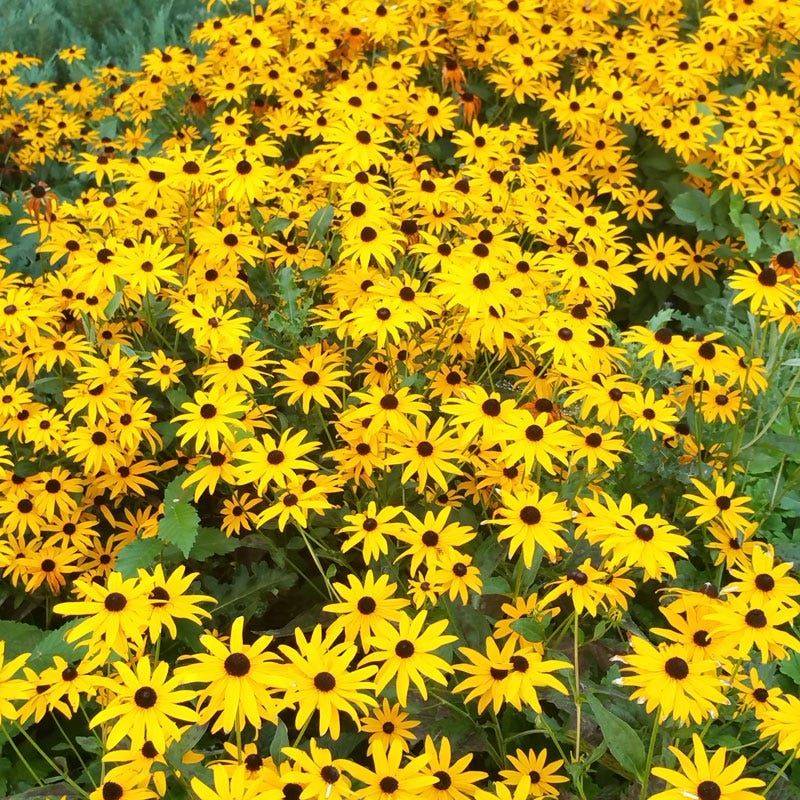
Gardeners across Ohio celebrate this cheerful wildflower for its ability to push through the toughest clay without batting an eye. Rudbeckia hirta sends down strong taproots that actually break up compacted soil over time instead of struggling against it.
Those sunny yellow petals with chocolate-brown centers light up gardens from midsummer through fall, attracting butterflies and bees by the dozen.
Native to prairies and open woodlands throughout the Midwest, black-eyed Susans evolved to handle whatever the ground throws at them. Clay soil holds moisture longer than sandy types, which suits these plants perfectly during hot Ohio summers.
They grow two to three feet tall and spread cheerfully without becoming aggressive invaders in your beds.
Planting is ridiculously simple in Ohio clay. Just dig a hole the same depth as the root ball, pop the plant in, and water well for the first few weeks.
After that, they practically take care of themselves. They even self-seed modestly, filling in bare spots naturally.
Deer usually leave them alone, which is a bonus for rural gardeners. These golden beauties prove that working with your soil instead of against it makes gardening so much easier and more rewarding.
2. Purple Coneflower Thrives In Heavy Ohio Dirt
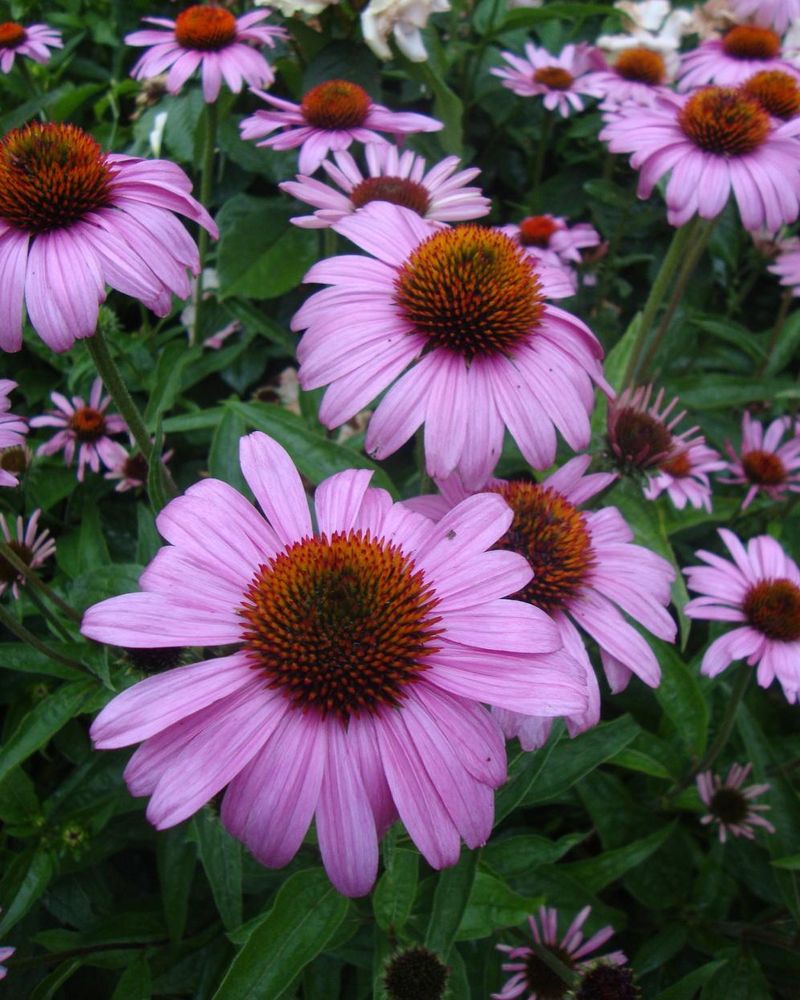
Walk through any established Ohio garden and you will likely spot Echinacea purpurea standing tall and proud in clay-heavy beds. This Midwest native actually prefers the dense, moisture-retentive qualities of clay over loose sandy soils that dry out too quickly.
Those distinctive pink-purple petals droop gracefully around spiky orange cones that goldfinches adore in late summer and fall.
Purple coneflowers develop deep taproots that anchor them firmly in compacted ground while accessing water far below the surface. Once established in Ohio clay, they laugh at drought and heat waves that stress out fussier perennials.
Plants reach three to four feet tall with sturdy stems that rarely need staking, even in windy locations. They bloom from June through September, providing months of color.
Your Ohio Garden Changes Every Week. Your Plan Should Too.
Gardening in Ohio changes quickly throughout the season. Every Friday you’ll receive a simple weekly plan showing exactly what to plant, prune, fertilize, harvest, and protect so you never miss the right timing.
These tough perennials ask for almost nothing after planting. Stick them in full sun, water during the first growing season, and then step back.
They handle wet clay in spring and baked-hard clay in August with equal grace. Dividing clumps every four or five years keeps them vigorous, but even neglected plants keep blooming year after year.
Pollinators flock to the nectar-rich flowers, making your Ohio garden a haven for beneficial insects while you enjoy low-maintenance beauty.
3. Switchgrass Grows Strong In Poor Clay Conditions
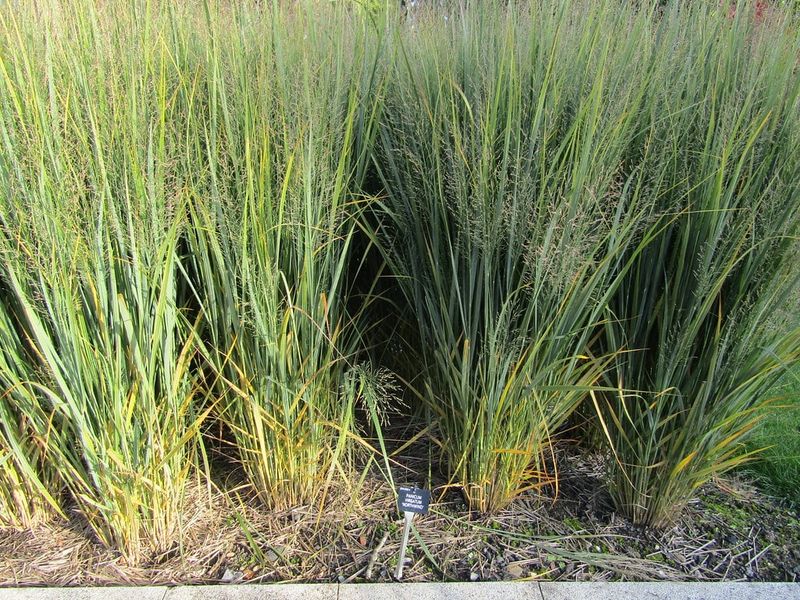
Panicum virgatum stands as one of Ohio’s most adaptable native grasses, perfectly suited to heavy clay that defeats lesser plants. This prairie powerhouse sends roots deep into compacted soil, creating channels that improve drainage and soil structure over time.
The upright clumps of blue-green or reddish foliage add vertical interest and graceful movement to gardens from spring through winter.
Switchgrass evolved on Midwestern prairies where clay soils dominate the landscape. It handles waterlogged spring conditions and bone-dry summer stretches without missing a beat.
Plants grow anywhere from three to six feet tall depending on variety, creating living privacy screens or dramatic focal points. Airy seed heads emerge in late summer, turning golden or burgundy as fall arrives and persisting through snow for winter interest.
Establishing switchgrass in Ohio clay requires minimal effort compared to amending soil for pickier ornamentals. Plant in spring or fall, water occasionally the first year, and watch it take off.
It needs no fertilizer, rarely suffers from pests or diseases, and tolerates both full sun and partial shade. Cut back old growth in early spring before new shoots emerge.
This native grass provides habitat for beneficial insects and songbirds while anchoring soil on slopes where clay erosion causes problems.
4. Bee Balm Loves Moist Clay Gardens
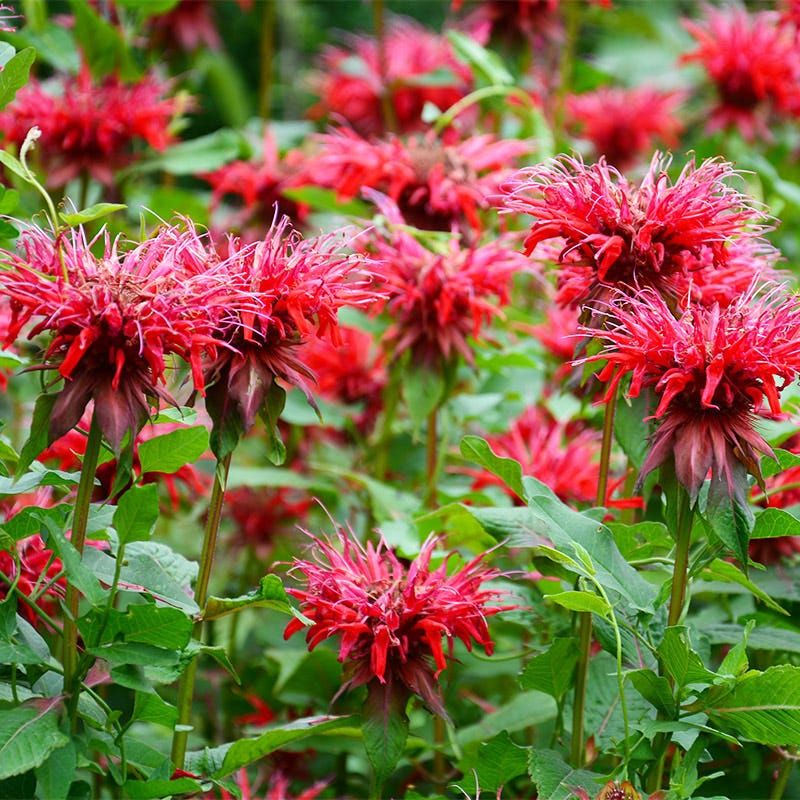
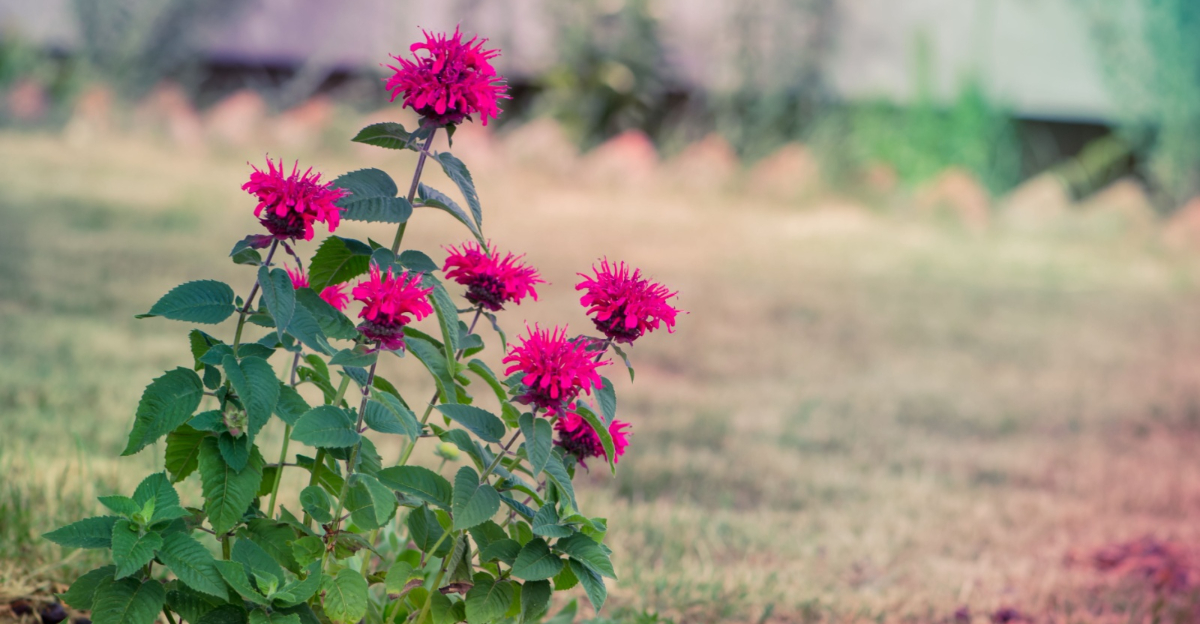
Monarda didyma brings hummingbirds and butterflies rushing to Ohio gardens planted in moisture-holding clay soil. Those wild, shaggy blooms in red, pink, purple, or white appear in midsummer when gardens need fresh color.
The square stems and aromatic leaves release a minty fragrance when brushed, adding sensory appeal beyond the spectacular flowers that practically vibrate with pollinator activity.
Clay soil that stays consistently moist suits bee balm perfectly, especially in Ohio where summer rains keep the ground from drying out completely. This native wildflower naturally grows along stream banks and in damp meadows throughout the eastern United States.
It spreads by rhizomes to form attractive colonies without becoming a nuisance, filling space with color and wildlife appeal. Plants reach two to four feet tall with flowers clustered at the stem tops.
Growing bee balm in Ohio clay could not be simpler for gardeners who embrace their heavy soil instead of fighting it. Plant in full sun to partial shade where moisture lingers.
Space plants about two feet apart and water well until established. Good air circulation helps prevent powdery mildew on leaves, though newer varieties resist this issue.
Deadheading encourages more blooms, but even without fussing, bee balm puts on a reliable show every summer while attracting beneficial pollinators to your Ohio landscape.
5. Joe Pye Weed Dominates Heavy Soil Areas
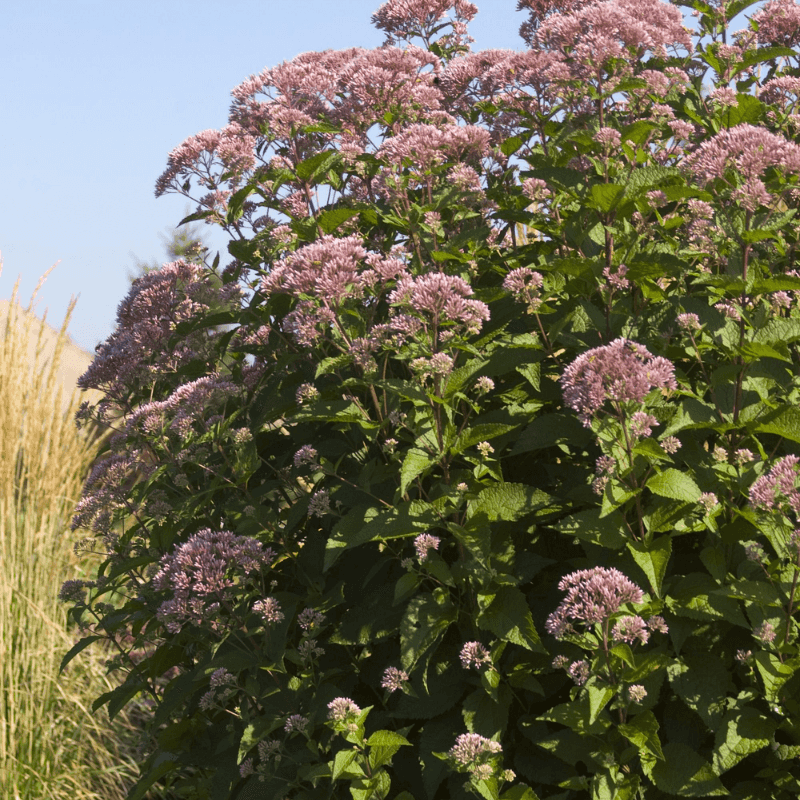
Eutrychium purpureum towers over other perennials in Ohio gardens blessed with clay soil that holds moisture. This native giant reaches five to seven feet tall, creating dramatic backdrops or living screens that block unsightly views.
Huge domed clusters of dusty mauve-pink flowers crown the stems in late summer, attracting clouds of butterflies and bees when many other plants finish blooming.
Named after a Native American healer who used the plant medicinally, Joe Pye weed thrives naturally in wet meadows and along ditches throughout Ohio. Heavy clay that stays damp in spring and holds some moisture through summer creates ideal conditions.
The sturdy hollow stems and whorled leaves create architectural interest even before flowers appear. Plants form substantial clumps that fill space without aggressive spreading, unlike some moisture-loving perennials that take over.
Planting Joe Pye weed in Ohio clay eliminates the need for soil amendments that cost money and take effort. Choose a spot in full sun to light shade where the soil stays reasonably moist.
Dig a hole, plant at the same depth it grew in the container, and water well. After establishment, these tough natives handle wet springs and drier summers with equal ease.
They rarely need staking despite their height, and deer generally avoid the foliage, making them perfect for rural Ohio properties.
6. Daylily Powers Through Compacted Clay
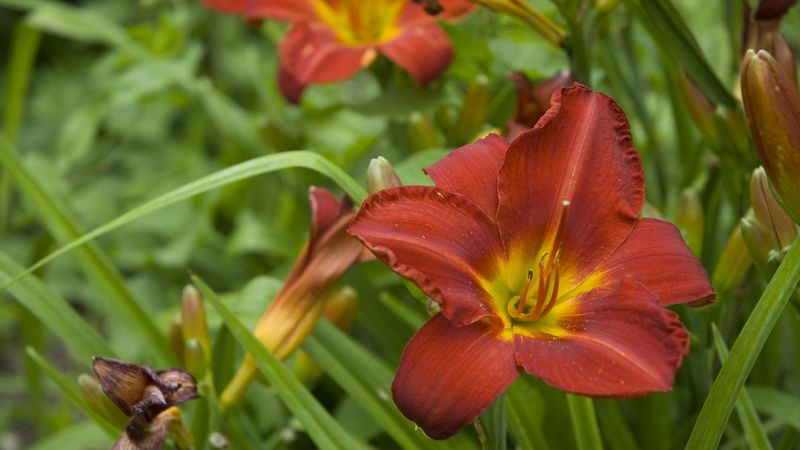
Hemerocallis varieties prove themselves as champions of Ohio clay gardens year after year. These reliable perennials push through compacted soil that defeats more delicate plants, sending up fountains of arching foliage topped with trumpet-shaped blooms in every color imaginable.
Each flower lasts just one day, but established clumps produce so many buds that the show continues for weeks during summer.
Originally from Asia, daylilies adapted to a wide range of soil conditions including the heavy clay common throughout Ohio. Their fleshy roots store water and nutrients, helping plants survive both soggy spring conditions and occasional dry spells.
Modern varieties offer bloom times from early summer through fall, with some reblooming types producing multiple flushes of flowers. Plants range from compact one-foot varieties to towering three-foot specimens that make bold statements.
Getting daylilies started in Ohio clay requires zero soil improvement. Plant the crown at soil level, firm the clay around roots, and water until established.
They grow in full sun to partial shade, though more sun means more blooms. Once settled in, daylilies tolerate neglect better than almost any other perennial.
They resist pests and diseases, survive without fertilizer, and handle Ohio winters without protection. Divide overcrowded clumps every few years to maintain vigor and share extras with neighbors who appreciate tough, beautiful plants.
7. New England Aster Handles Dense Clay With Ease
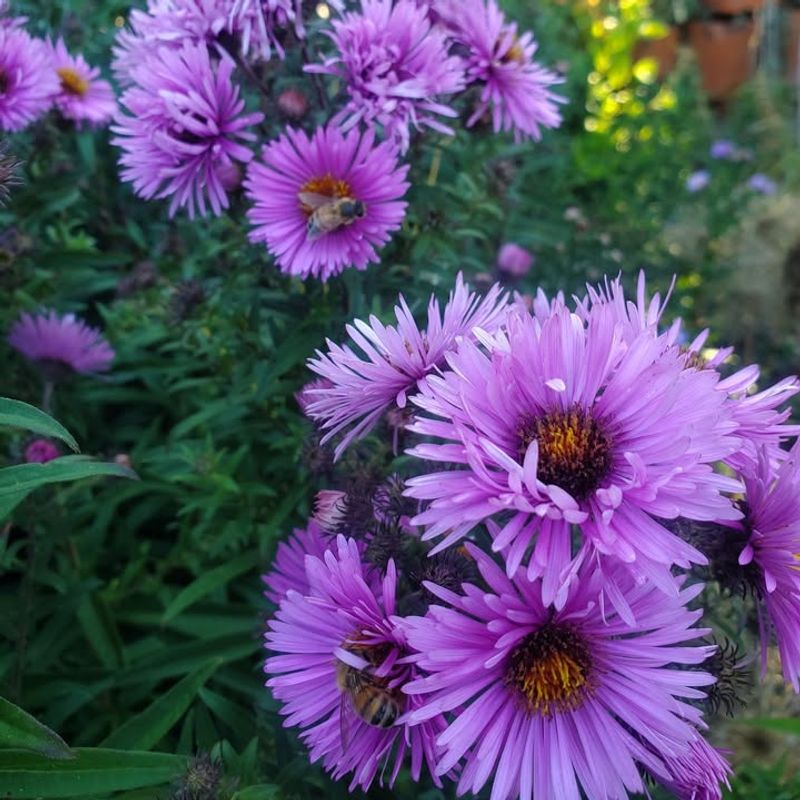
Symphyotrichum novae-angliae lights up Ohio gardens in late summer and fall when most other perennials call it quits. This native wildflower produces masses of purple, pink, or white daisy-like flowers that cover plants from top to bottom.
The blooms arrive just when monarchs and other butterflies need nectar for migration, turning your clay-soil garden into a vital refueling station for these important pollinators.
Dense clay soil that holds spring moisture suits New England asters perfectly, mimicking their natural habitat in Midwestern prairies and meadows. Plants grow three to six feet tall with strong stems that handle wind and rain without flopping, unlike some fall bloomers that need constant staking.
The narrow leaves cover stems densely, creating attractive foliage from spring through the first hard frost when flowers finally fade.
Establishing these asters in Ohio clay takes minimal work compared to fussier perennials that demand amended soil. Plant in full sun where they receive at least six hours of direct light daily.
Space them two feet apart and water regularly the first season. After that, they practically grow themselves.
Pinching stems back in early June creates bushier plants with more flowers, though even unpinched asters bloom reliably. They resist deer browsing and tolerate occasional drought once established, making them perfect for low-maintenance Ohio landscapes that celebrate native plants and clay soil.
8. Sedum Survives Heavy Soil With Low Effort
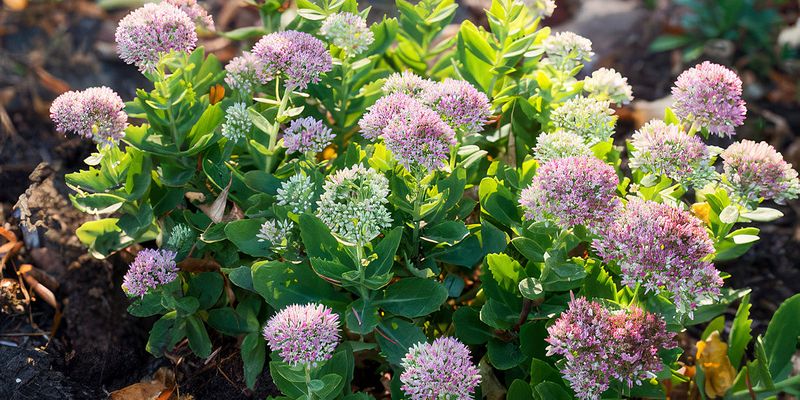
Stonecrop varieties laugh at Ohio clay that defeats less adaptable plants. These succulent perennials store water in thick fleshy leaves, making them remarkably drought-tolerant even in soil that bakes hard during summer heat.
Low-growing types form attractive mats just inches tall, while upright varieties like Autumn Joy reach two feet with flat flower clusters that transition from pink to rusty red as fall progresses.
Sedum species evolved in rocky, poor soils across the Northern Hemisphere, so Ohio clay presents no challenge to their tough constitutions. The shallow, fibrous roots spread across the soil surface rather than fighting deep into compacted ground.
This growth habit makes them perfect for areas where clay lies close to the surface or where tree roots make digging difficult. Flowers attract late-season pollinators, and the seed heads provide winter interest while feeding small birds.
Planting sedum in Ohio clay could not be easier for time-pressed gardeners. Choose a sunny spot with decent drainage, dig a shallow hole, and plant.
Water sparingly even during establishment since too much moisture causes more problems than too little. These tough perennials need no fertilizer, rarely suffer from pests, and tolerate neglect that would terminate less hardy plants.
Divide clumps every few years or leave them alone indefinitely. Either way, sedum keeps performing year after year with virtually zero maintenance in heavy clay soil.
9. Red Twig Dogwood Thrives In Wet Clay Sites
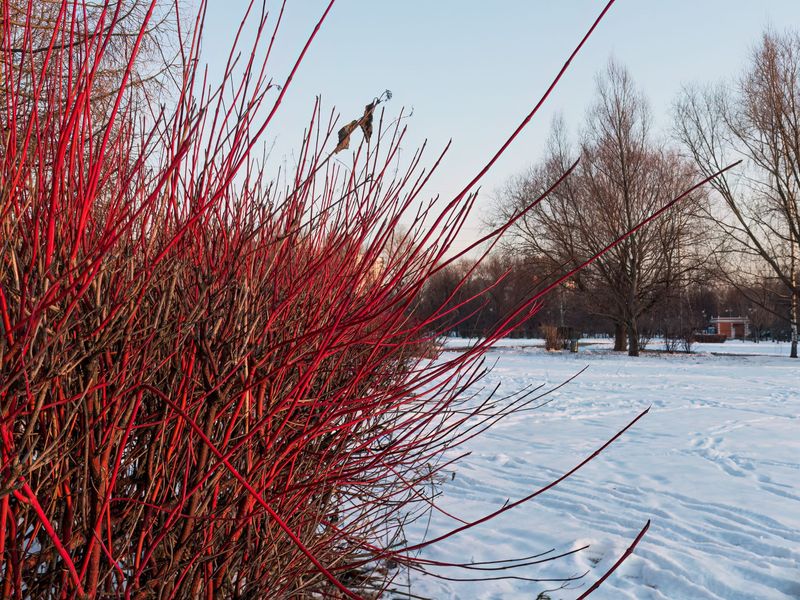
Cornus sericea transforms wet, heavy clay areas into landscape assets with brilliant red or yellow stems that glow during Ohio winters. This native shrub actually prefers the soggy clay conditions that plague many properties, especially low spots where water collects after rain or snowmelt.
White flower clusters appear in late spring, followed by white berries that birds devour in fall, but the real show happens after leaves drop and colorful bark takes center stage.
Growing naturally along streams and wetlands throughout Ohio and the broader Midwest, red twig dogwood evolved to handle waterlogged clay that suffocates other shrubs. It spreads by underground stems to form attractive thickets that stabilize soil on slopes where erosion causes problems.
Plants grow six to nine feet tall and equally wide, creating effective screens or mass plantings. The stems show brightest color on young growth, with intensity fading as branches age.
Establishing red twig dogwood in wet Ohio clay requires no soil amendments whatsoever. Plant in full sun to partial shade wherever the ground stays consistently moist.
Dig a hole, plant at the same depth it grew in the nursery, and water well. After that, nature handles the rest.
Cutting back older stems to the ground every few years encourages fresh red growth and keeps plants compact. These tough shrubs tolerate flooding, resist deer browsing, and provide year-round interest in challenging clay sites where few other woody plants survive.