10 Deer-Resistant Plants That Actually Work In Ohio Gardens
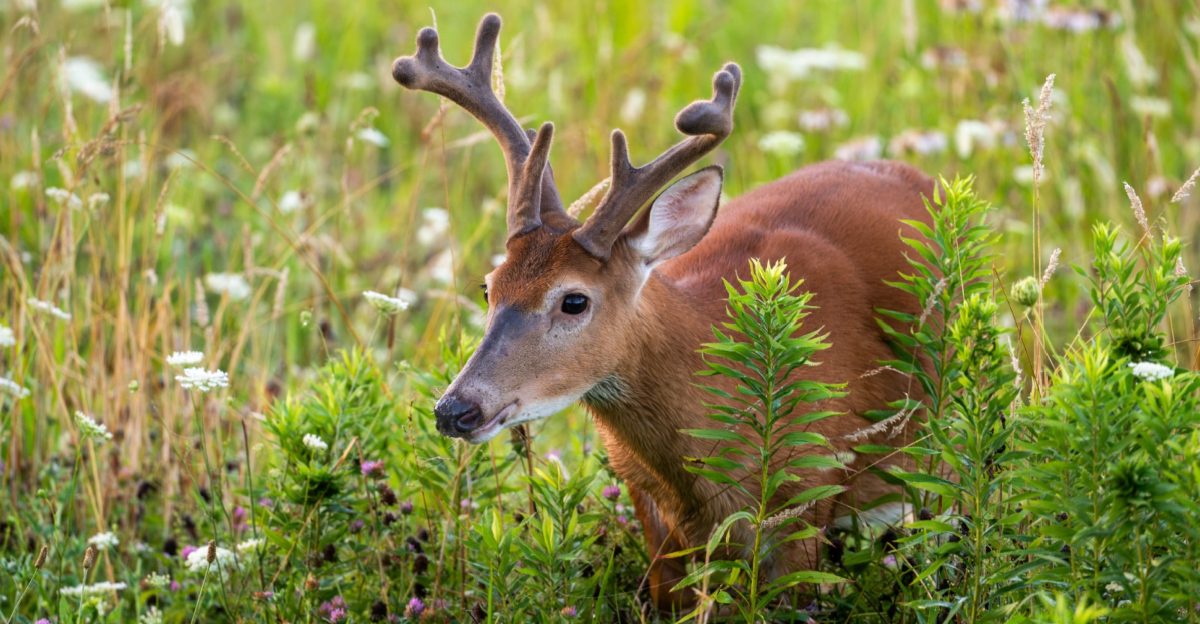
You plant everything just right. You water. You mulch. You picture morning coffee next to a perfect garden.
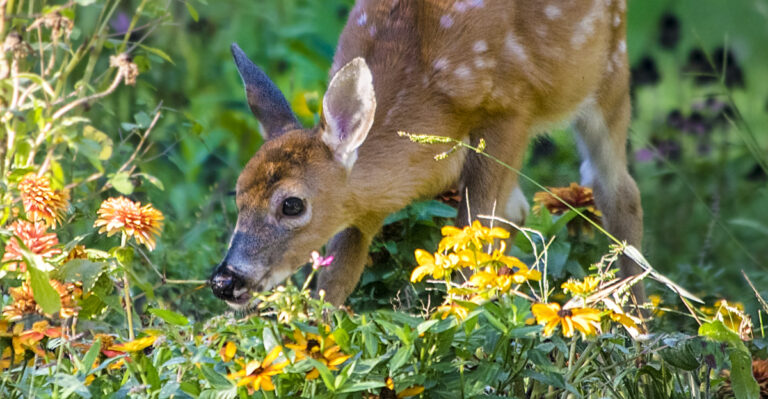
Then you step outside and see snapped stems, shredded leaves, and hoof prints like a crime scene. Ohio deer do not nibble. They demolish.
If you garden anywhere near woods, fields, or even a quiet subdivision, you already know the feeling.
One night is all it takes for months of planning to disappear.
Hostas vanish. Flowers turn into green stubs. The frustration hits hard, especially when it keeps happening year after year.
The good news is this problem is not hopeless. Some plants really do get ignored, even when deer pressure is heavy and food is scarce.
These are plants Ohio gardeners rely on because deer consistently pass them by. This list focuses on tough, proven choices that handle Ohio weather and stay standing when deer come through.
Fewer surprises, less damage, and more time enjoying your yard instead of replanting it!
1. Boxwood Shrubs Stay Deer Free
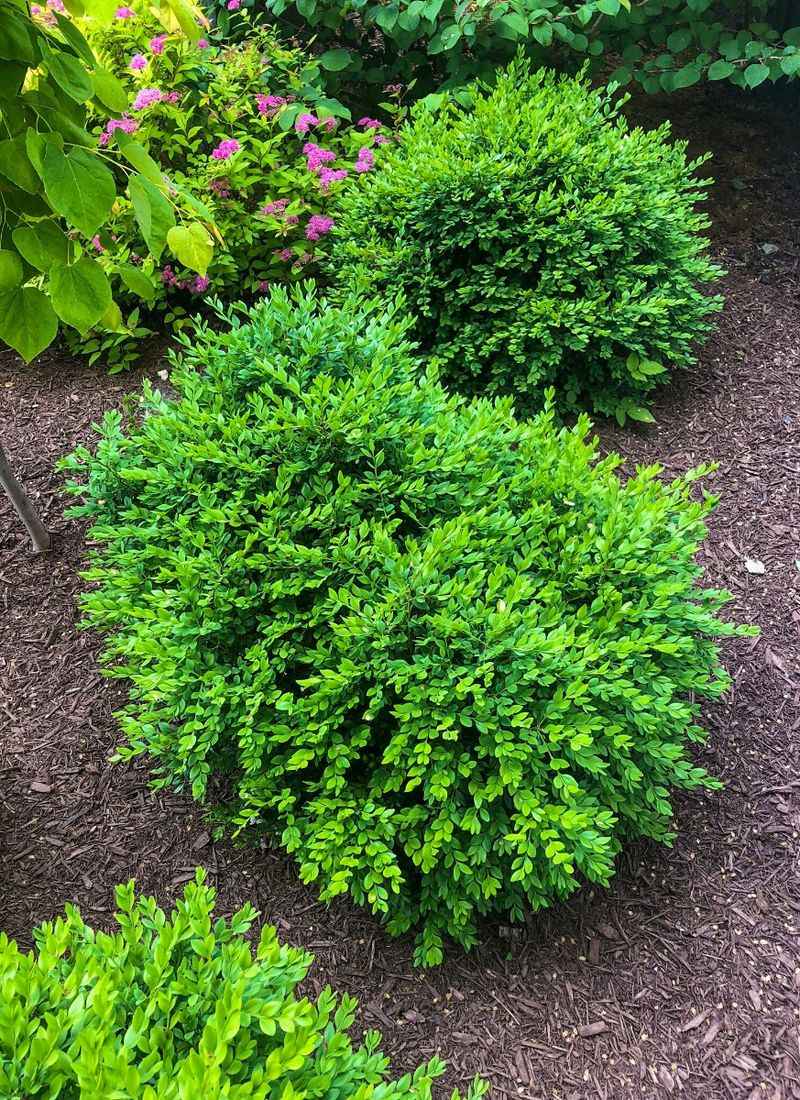
Boxwood shrubs have earned their reputation as one of the most reliable deer-resistant plants for Ohio landscapes. Their dense evergreen foliage contains compounds that deer find unappetizing, making them an excellent choice for gardeners dealing with browsing wildlife.
These versatile plants work beautifully as foundation plantings, hedges, or accent shrubs throughout the growing season.
Ohio winters don’t phase these tough evergreens, as they maintain their rich green color year-round. They grow slowly but steadily, reaching heights between two and eight feet depending on the variety you choose.
This slow growth means less maintenance and fewer trips outside with the pruning shears.
Planting boxwoods in Ohio gardens requires well-drained soil and partial shade to full sun exposure. They tolerate various soil types but perform best when the ground doesn’t stay waterlogged.
Space them according to the mature size of your chosen variety to ensure proper air circulation.
Regular watering during the first growing season helps establish strong root systems. Once established, boxwoods handle drought conditions reasonably well.
Their low-maintenance nature and deer resistance make them perfect for busy homeowners who want attractive landscaping without constant upkeep or wildlife damage worries.
2. Russian Sage Has Built In Deer Resistance
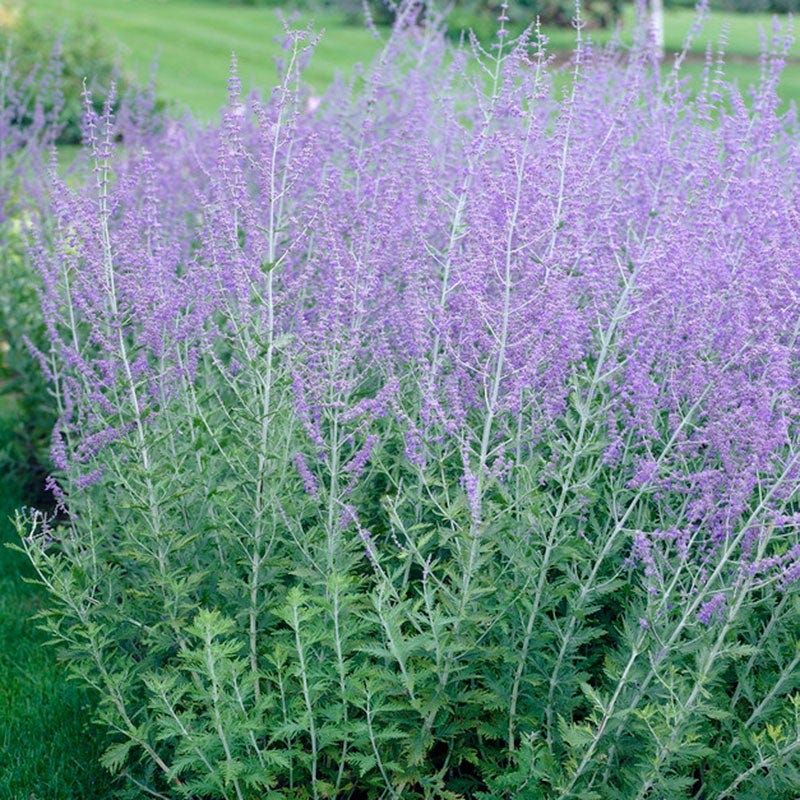
Aromatic oils in Russian sage create a natural barrier against hungry deer wandering through Ohio gardens. The silvery-gray foliage releases a strong scent when brushed against, which deer find particularly offensive.
This perennial grows three to five feet tall, creating dramatic vertical interest with its purple-blue flower spikes that bloom from mid-summer through fall.
Drought tolerance makes Russian sage incredibly practical for Ohio’s variable weather patterns. Once established, these plants need minimal watering even during hot, dry spells.
They thrive in full sun and actually prefer lean soil, meaning you won’t need to fertilize them regularly.
Cutting back Russian sage in early spring encourages bushier growth and more abundant flowering. Simply trim the woody stems down to about six inches from the ground before new growth emerges.
This annual pruning keeps plants looking tidy and promotes vigorous blooming.
Your Ohio Garden Changes Every Week. Your Plan Should Too.
Gardening in Ohio changes quickly throughout the season. Every Friday you’ll receive a simple weekly plan showing exactly what to plant, prune, fertilize, harvest, and protect so you never miss the right timing.
Butterflies and bees love visiting Russian sage flowers, adding beneficial pollinators to your Ohio landscape. The long-lasting blooms provide nectar well into autumn when other food sources become scarce.
Deer stay away while helpful insects thrive, creating a balanced garden ecosystem that supports local wildlife without sacrificing your carefully chosen plants.
3. Catmint Keeps Browsing Deer Away
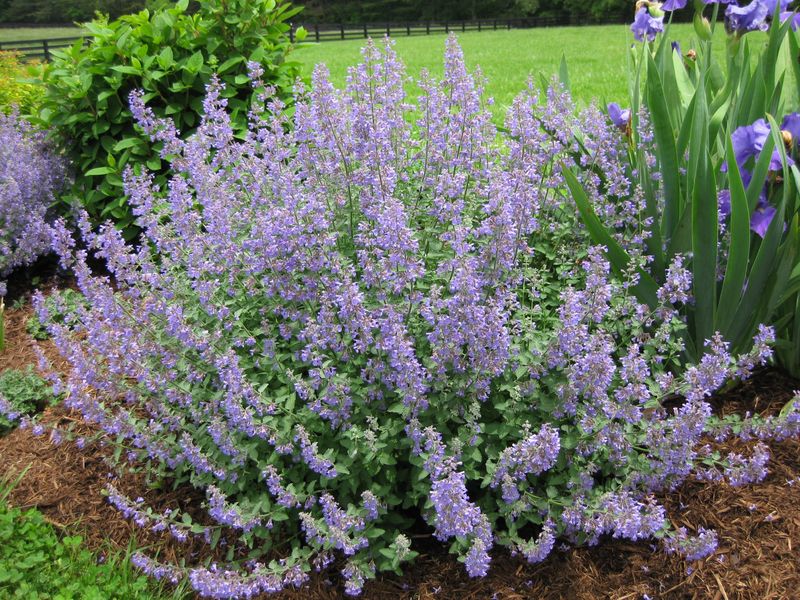
Strong aromatic compounds in catmint foliage make deer turn away and look for tastier options elsewhere. This hardy perennial produces clouds of lavender-blue flowers from late spring through summer, creating soft mounds of color in Ohio gardens.
The gray-green leaves release a minty scent when touched, which explains why deer avoid them but cats sometimes enjoy rolling in them.
Growing catmint successfully in Ohio requires full sun and well-drained soil. These tough plants handle heat, humidity, and occasional drought without complaint.
They spread slowly to form attractive clumps about two feet wide and eighteen inches tall, filling spaces without becoming invasive nuisances.
Deadheading spent flowers encourages a second bloom flush in late summer. Simply shear back the entire plant by one-third after the first flowering finishes.
This quick trim takes just minutes but rewards you with fresh growth and renewed blooming that lasts until frost.
Pollinators absolutely adore catmint flowers, visiting them constantly throughout the day. Bees, butterflies, and hummingbirds all benefit from the abundant nectar these blooms provide.
Meanwhile, deer walk right past without taking a single bite, allowing you to enjoy beautiful flowers and beneficial insects without worrying about overnight damage to your Ohio landscape.
4. Lavender Naturally Repels Deer
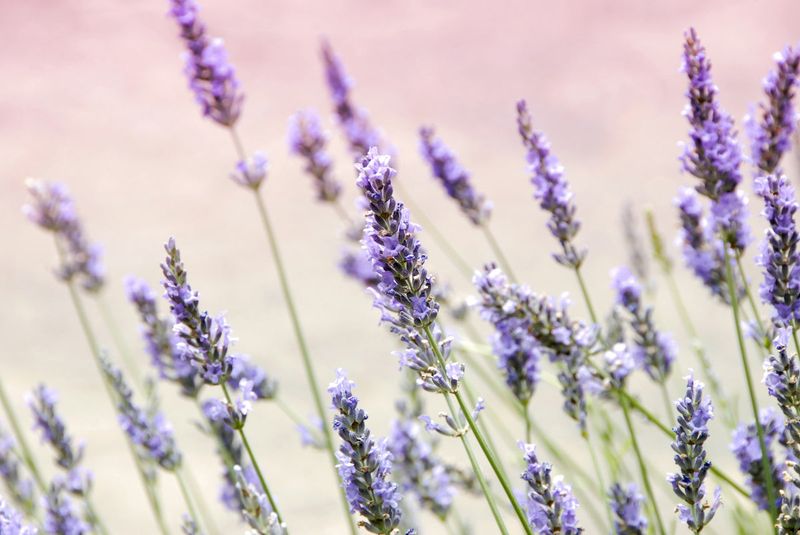
Highly fragrant essential oils make lavender one of the most effective deer deterrents available to Ohio gardeners. The powerful scent that humans find relaxing actually overwhelms deer’s sensitive noses, keeping them at a distance.
Purple flower spikes bloom in early summer, attracting bees and butterflies while repelling unwanted four-legged visitors from your carefully planned landscape.
English lavender varieties handle Ohio’s climate best, tolerating cold winters better than their Mediterranean cousins. Plant them in full sun with excellent drainage, as soggy soil causes root problems quickly.
Sandy or gravelly soil works perfectly, though amending heavier clay with compost and sand improves drainage enough for success.
Pruning lavender correctly ensures healthy plants and abundant blooms year after year. Trim back one-third of the plant after flowering finishes, removing spent flower stalks and shaping the overall form.
Avoid cutting into old woody stems, which struggle to produce new growth.
Harvesting lavender flowers for sachets and crafts happens when blooms first open fully. Cut stems in the morning after dew dries but before afternoon heat.
Bundle stems with rubber bands and hang upside down in a dark, dry location for two weeks. Your Ohio garden provides beautiful, fragrant flowers while deer browse elsewhere.
5. Yarrow Handles Heavy Deer Pressure
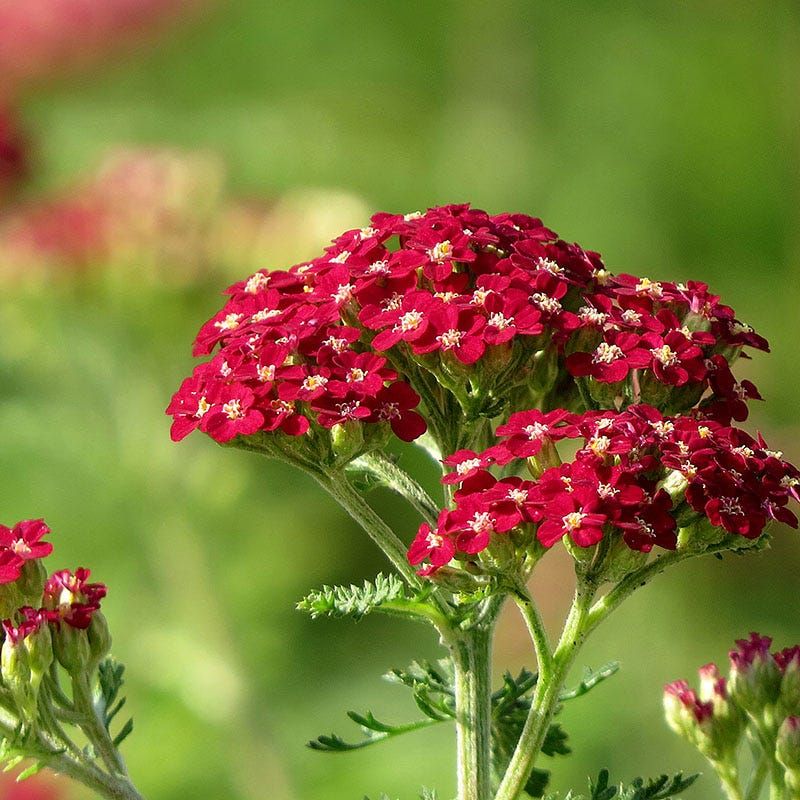
Bitter-tasting foliage keeps deer away from yarrow even when food sources become scarce during harsh Ohio winters. This tough perennial produces flat-topped flower clusters in shades of yellow, white, pink, or red from June through September.
The fern-like leaves create attractive texture even when plants aren’t blooming, adding visual interest throughout the growing season.
Yarrow tolerates poor soil, drought, and neglect better than most garden plants. It actually performs best in lean soil without amendments or fertilizer, making it incredibly low-maintenance.
Full sun exposure produces the most flowers, though plants tolerate partial shade reasonably well in Ohio gardens.
Dividing yarrow clumps every three to four years keeps plants vigorous and blooming abundantly. Simply dig up established clumps in early spring, separate them into smaller sections, and replant at the same depth.
This easy propagation method provides extra plants for expanding your deer-resistant landscape or sharing with gardening friends.
Beneficial insects flock to yarrow flowers throughout summer, making these plants valuable for ecological gardening. Ladybugs, lacewings, and parasitic wasps all feed on yarrow nectar, then help control garden pests naturally.
Deer avoid the plants completely while helpful insects thrive, creating a balanced Ohio landscape that requires minimal intervention from you while supporting local ecosystems.
6. Peonies Stay Safe From Deer Damage
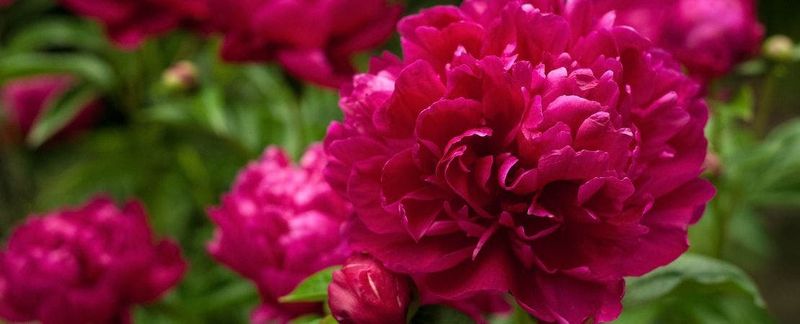
Peonies have been growing in Ohio gardens for generations without deer damage, thanks to compounds in their foliage that taste unpleasant to browsing wildlife. These long-lived perennials produce spectacular flowers in late spring, with blooms ranging from simple singles to fully double forms that resemble roses.
Once established, peony plants can thrive for fifty years or more in the same location.
Planting peonies correctly ensures decades of beautiful blooms without replanting. Set the roots so eyes (growth buds) sit no more than two inches below the soil surface.
Deeper planting prevents flowering, a common mistake that frustrates many gardeners. Choose a sunny location with well-drained soil for best results in Ohio landscapes.
Supporting peony stems prevents rain-heavy flowers from flopping onto the ground. Install peony rings or grow-through supports in early spring before stems grow tall.
The foliage grows through the support structure, hiding it completely while keeping flowers upright and visible.
Cutting back peony foliage in fall removes potential disease issues for the following year. Wait until frost blackens the leaves, then cut stems to ground level and dispose of the debris.
This simple maintenance task takes just minutes per plant but promotes healthier growth when spring arrives in your Ohio garden.
7. Foxglove Grows Without Deer Trouble
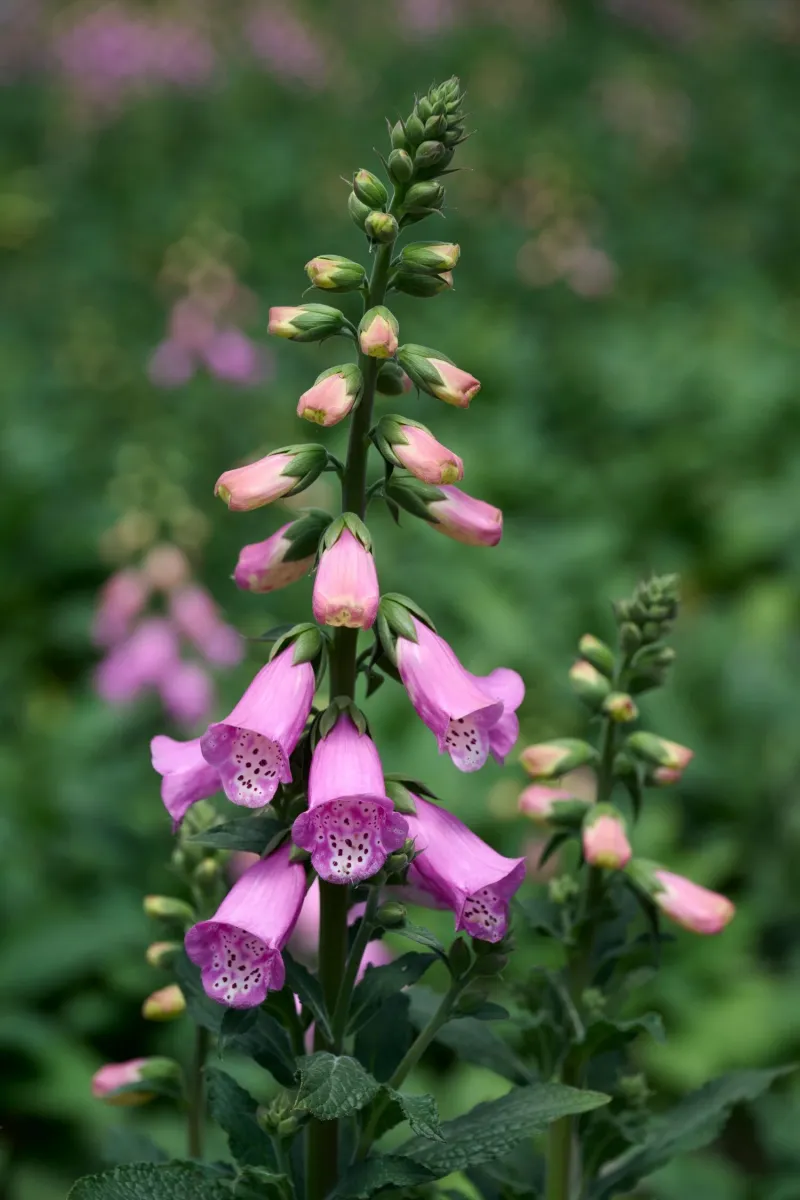
Toxic compounds throughout foxglove plants make deer instinctively avoid them, protecting these dramatic flowers from browsing damage. Tall spikes of tubular blooms rise three to five feet high in early summer, creating vertical accents that draw the eye upward through Ohio gardens.
Colors range from classic pink and white to apricot, cream, and deep purple depending on the variety you choose.
Foxgloves grow as biennials, forming leafy rosettes the first year and flowering the second season. They self-seed readily, ensuring new plants appear each year without replanting.
Allowing some flowers to set seed maintains the population naturally, though removing spent stalks before seed formation prevents unwanted spreading if desired.
Partial shade suits foxgloves perfectly, especially in Ohio where afternoon sun can be intense during summer. Morning sun with afternoon shade produces the healthiest plants and longest-lasting blooms.
Consistent moisture keeps foliage looking fresh, though established plants tolerate brief dry periods reasonably well.
Remember that all parts of foxglove plants are poisonous to humans and pets if ingested. Plant them away from areas where children play and supervise curious pets around them.
Their toxicity protects them from deer while requiring responsible placement in your Ohio landscape design for family safety.
8. Ornamental Allium Deters Deer Naturally
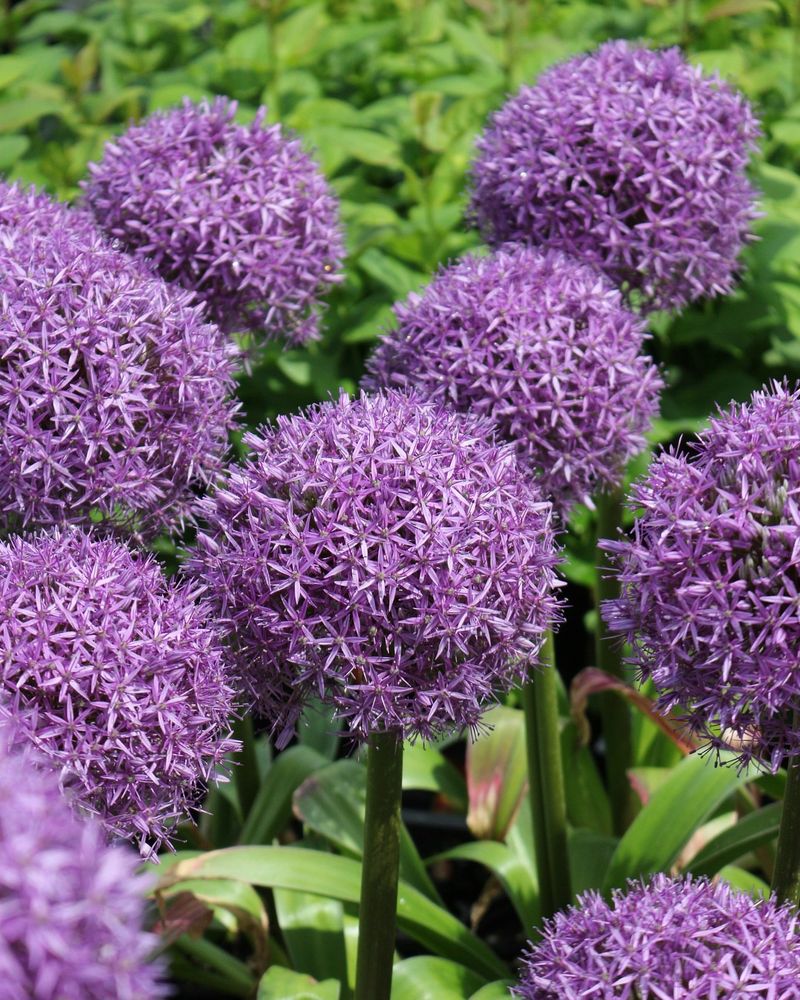
Onion family members like ornamental alliums contain sulfur compounds that deer find deeply unappealing. These spring-flowering bulbs produce dramatic globe-shaped flower clusters atop tall, sturdy stems that rise above surrounding plants.
Purple spheres ranging from golf ball to softball size create architectural interest that photographs beautifully in Ohio gardens.
Planting allium bulbs in fall ensures spectacular spring blooms the following year. Set bulbs three times deeper than their height in well-drained soil with full sun exposure.
Group multiple bulbs together rather than spacing them individually for greater visual impact when flowers open.
Allium foliage begins yellowing and withering as flowers bloom, which some gardeners find unsightly. Planting them among later-emerging perennials like hostas or daylilies camouflages the fading leaves naturally.
The surrounding plants grow up and hide the yellowing allium foliage while the dramatic flowers remain visible above.
Dried allium seed heads provide winter interest long after fresh flowers fade in Ohio gardens. Leave the stalks standing rather than cutting them back, allowing the architectural forms to catch frost and snow.
Birds sometimes perch on the sturdy stems, adding movement and life to winter landscapes while deer continue avoiding the area completely.
9. Japanese Spirea Resists Deer Browsing
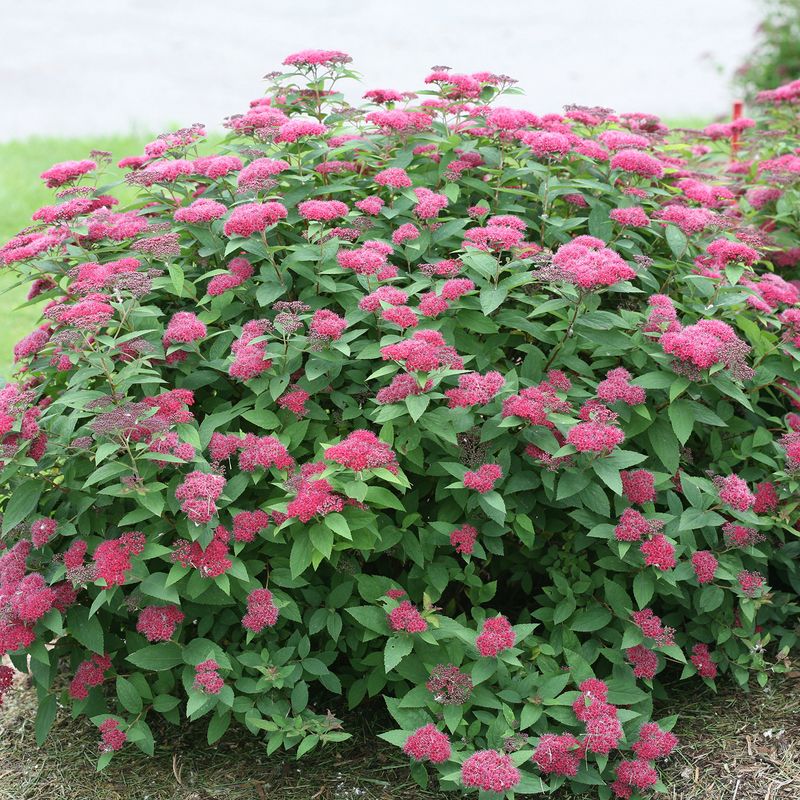
Japanese spirea grows reliably in Ohio gardens without attracting deer attention, making it perfect for areas with heavy wildlife pressure. These deciduous shrubs produce clusters of pink or white flowers in late spring, covering branches in colorful blooms that last several weeks.
Compact varieties stay under three feet tall while larger types reach five feet, offering options for various landscape situations.
Colorful foliage adds interest beyond the flowering period on many Japanese spirea varieties. Gold, lime, or burgundy leaves provide season-long color that changes with the seasons.
Some selections show brilliant orange or red fall color before leaves drop, extending the ornamental value through multiple seasons in Ohio landscapes.
Pruning Japanese spirea right after flowering preserves next year’s blooms while controlling plant size. Japanese spirea blooms on new growth, which means it can be safely pruned in late winter or early spring without sacrificing flowers.
Late-season pruning removes flower buds, reducing the following spring’s display significantly.
Japanese spirea tolerates various soil types and grows in full sun to partial shade throughout Ohio. These adaptable shrubs handle urban pollution, road salt, and other challenging conditions that bother more finicky plants.
Their toughness combined with deer resistance makes them workhorses for low-maintenance landscapes that need reliable color without constant wildlife damage or intensive care requirements.
10. Ferns Thrive In Deer Heavy Areas
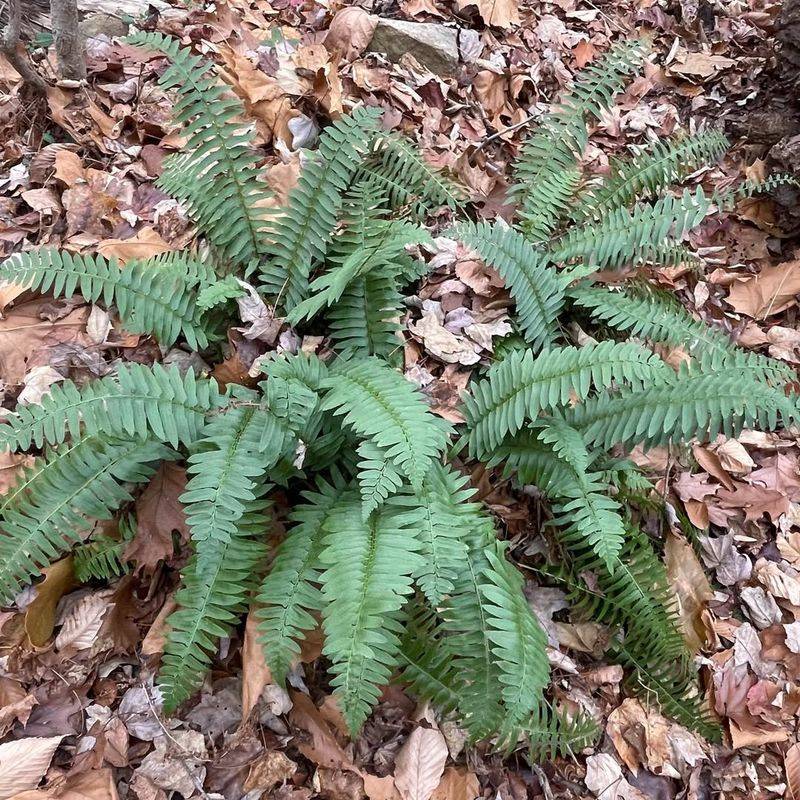
Most fern species contain compounds that taste bitter to deer, making them excellent choices for shaded areas in Ohio gardens where deer frequently browse. Delicate fronds create soft texture that contrasts beautifully with bolder-leaved shade plants like hostas.
Native Ohio ferns like Christmas fern and lady fern adapt easily to garden conditions, requiring minimal care once established.
Shade and consistent moisture produce the healthiest, most attractive ferns in Ohio landscapes. Morning sun with afternoon shade works well, though dense shade under trees suits many species perfectly.
Amending soil with compost before planting provides the rich, organic conditions ferns prefer in their natural woodland habitats.
Established ferns need little maintenance beyond occasional watering during extended dry periods. Leave old fronds standing through winter to protect the crown, then remove them in early spring before new growth emerges.
This simple cleanup takes minutes but keeps plants looking tidy as fresh fronds unfurl.
Combining different fern species creates varied textures and heights in shaded Ohio gardens. Mix upright varieties with spreading types for visual interest throughout the growing season.
Deer walk through these fern-filled areas without nibbling, allowing you to create lush, green landscapes in challenging shady spots where many flowering plants struggle to perform well.