What Your Birth Flower Means And How To Grow It In California
Your birth flower is more than just a pretty symbol on a birthday card. Each one comes with its own meaning, personality, and a surprisingly good story.
Even better, many birth flowers happen to thrive in California’s climate if you know how to grow them the right way. Your flower represents loyalty, love, strength, or a little bit of sass, it can become a living part of your garden instead of just a fun fact.
The trick is understanding what it actually needs to grow well here, because California sunshine, soil, and seasons play by their own rules.
We will explore what your birth flower says about you and how to grow it successfully in California, from coastal fog to inland heat.
Think of it as part personality test, part gardening cheat sheet, and all about growing something that feels personal and meaningful right at home.
1. January — Carnation
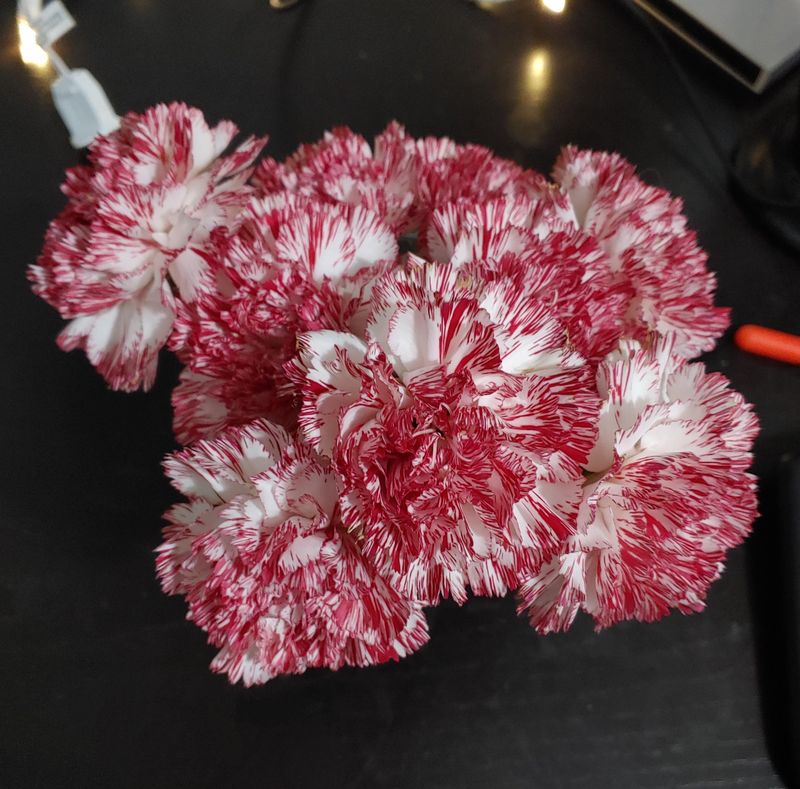
When winter chill settles over most of the country, California gardeners can still enjoy fresh blooms. Carnations symbolize love, fascination, and distinction, making them perfect for January babies who often exhibit strong character and determination.
Different colors carry specific meanings too, pink represents a mother’s love, while white signifies pure affection.
Plant carnations in fall or early spring for best results in California gardens. They prefer full sun along the coast but appreciate afternoon shade in hotter inland valleys.
Well-draining soil is essential since carnations hate wet feet and will quickly develop root rot in heavy clay.
Space plants about twelve inches apart and water deeply but infrequently once established. Deadhead spent blooms regularly to encourage continuous flowering throughout spring and early summer.
Container growing works beautifully on patios where you can control soil quality and drainage.
Coastal gardeners will see longer bloom periods thanks to cooler temperatures, while inland growers should provide extra mulch to keep roots cool. Feed monthly with balanced fertilizer during active growth for the most prolific blooms and strongest stems perfect for cutting.
2. February — Violet
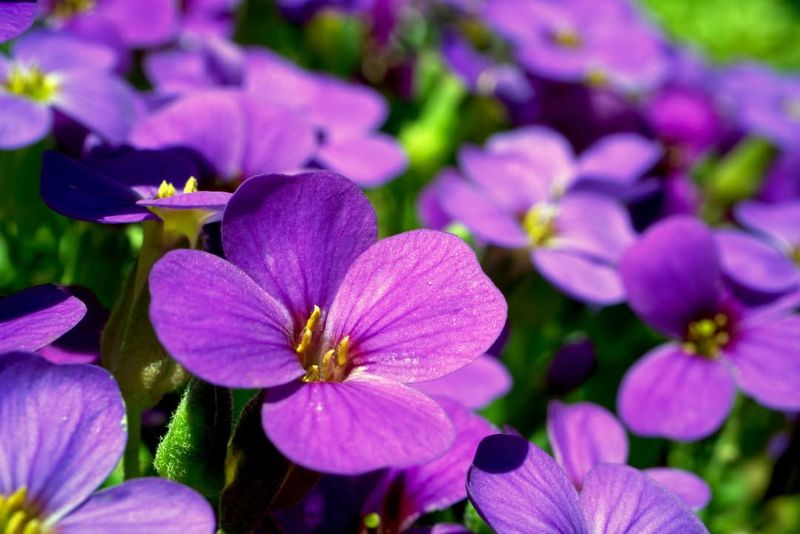
Shade-loving violets bring charm to February gardens with their delicate heart-shaped leaves and nodding blooms. These humble flowers represent faithfulness, modesty, and spiritual wisdom, qualities often found in those born during the shortest month.
Ancient Greeks considered violets symbols of fertility and used them in love potions.
California’s mild winters create ideal conditions for growing violets as cool-season groundcovers. Plant them in fall for winter and spring blooms, choosing spots with morning sun and afternoon shade.
They thrive under deciduous trees where dappled light filters through bare branches.
Violets prefer rich, moist soil amended with plenty of compost or leaf mold. Water regularly to keep soil consistently damp but never soggy, especially during our dry California winters.
They spread readily through runners and self-seeding, creating lovely natural carpets over time.
In coastal areas, violets may bloom nearly year-round in protected spots. Inland gardeners should plant them on the north side of buildings or under tree canopies for coolest conditions.
These low-maintenance beauties rarely need fertilizer and actually prefer lean soil that encourages blooms over excessive leaf growth.
Your California Garden Changes Every Week. Your Plan Should Too.
Gardening in California changes quickly throughout the season. Every Friday you’ll receive a simple weekly plan showing exactly what to plant, prune, fertilize, harvest, and protect so you never miss the right timing.
3. March — Daffodil
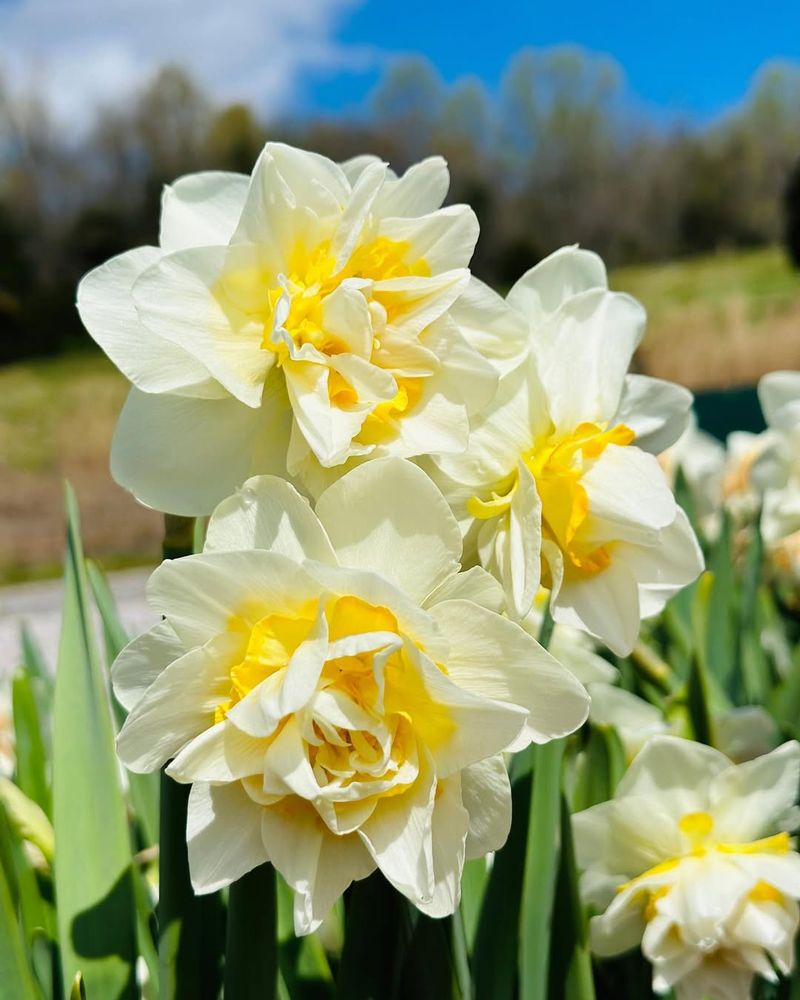
Cheerful trumpets announce spring’s arrival even in California where seasons blend together. Daffodils symbolize new beginnings, rebirth, and unrequited love, perfectly capturing March’s transitional energy as winter fades.
Their bright faces bring instant happiness to any garden space and signal warmer days ahead.
Plant daffodil bulbs in late fall or early winter for spectacular March blooms. California gardeners need to choose varieties bred for mild winters since many traditional daffodils require extended cold periods.
Look for early-blooming cultivars that perform well in zones 8-10.
Full sun locations work best, though daffodils tolerate light afternoon shade in hotter inland regions. Plant bulbs four to six inches deep in well-draining soil, pointed end up.
Space them three to four inches apart for natural-looking clusters that multiply over years.
Water regularly during active growth but allow foliage to yellow naturally after blooming—this feeds next year’s flowers. Coastal gardeners enjoy the longest bloom periods and easiest naturalization.
Inland areas may need supplemental water during our dry springs to support healthy bulb development for future seasons.
4. April — Daisy
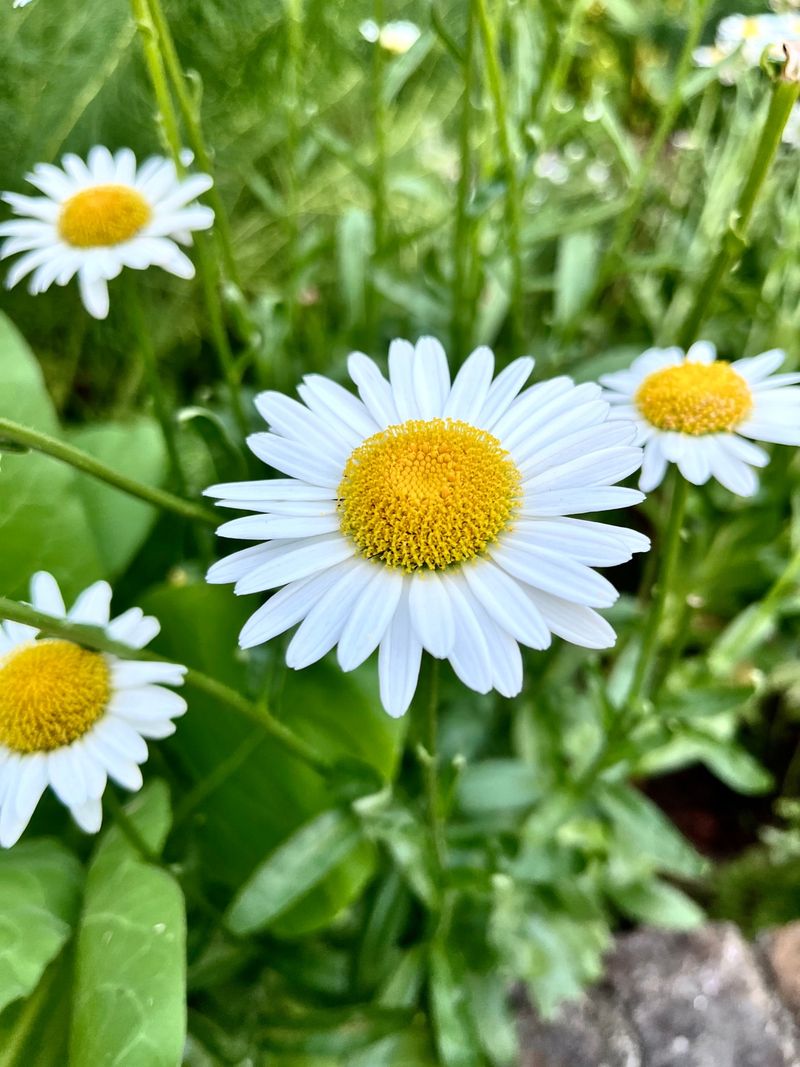
Simple beauty defines the classic daisy with its white petals radiating from golden centers. April’s birth flower represents innocence, purity, and true love, the kind of straightforward joy that comes with spring’s full arrival.
Daisies have appeared in gardens for centuries because they ask so little yet give so much.
California gardeners can grow daisies almost effortlessly in most regions. Shasta daisies perform beautifully statewide, blooming from late spring through summer with proper care.
Plant them in fall or early spring in full sun locations with good air circulation to prevent mildew.
These tough perennials tolerate various soil types but prefer moderate drainage and consistent moisture during blooming season. Space plants eighteen to twenty-four inches apart since they form substantial clumps over time.
Deadhead regularly to extend flowering and prevent excessive self-seeding.
Divide clumps every two to three years in fall to maintain vigor and bloom quality. Coastal gardens rarely need supplemental water once established, while inland areas benefit from weekly deep watering during hot months.
Cut back stems after flowering finishes to encourage fresh basal growth and potential fall rebloom in milder areas.
5. May — Lily Of The Valley
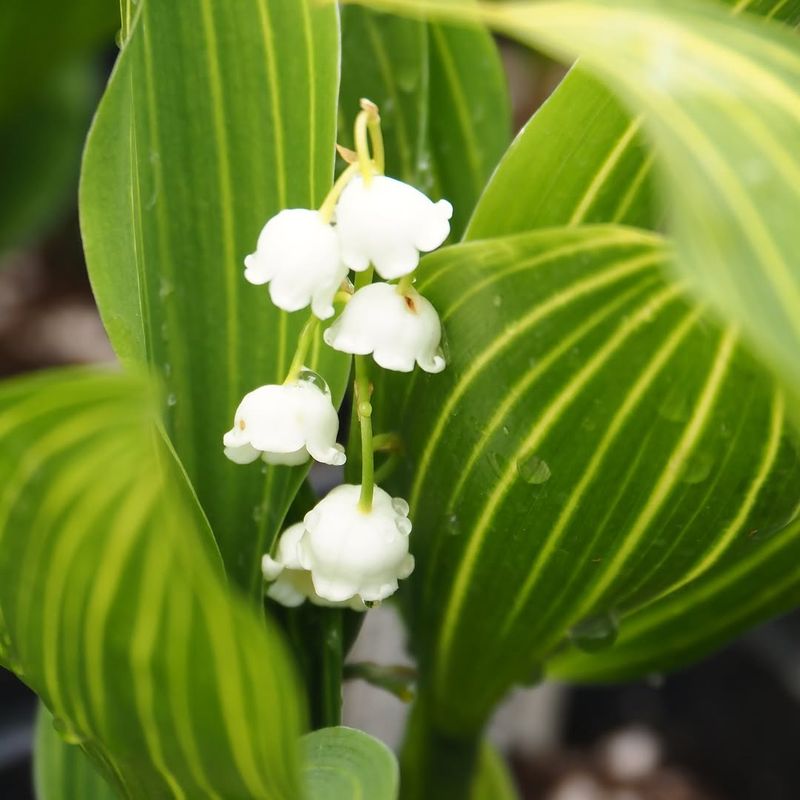
Fragrant bells nod gracefully from arching stems, filling shady corners with sweet perfume. Lily of the valley symbolizes sweetness, humility, and the return of happiness—fitting for May when gardens reach peak abundance.
Despite its delicate appearance, this groundcover spreads vigorously once established in favorable conditions.
Growing lily of the valley in California requires careful site selection since our climate challenges this traditionally cold-loving plant. Choose the coolest, shadiest spots in your garden, preferably on north-facing slopes or under dense tree canopies.
Coastal gardeners have better success than those inland where summer heat stresses plants.
Plant rhizomes in fall, spacing them four inches apart in rich, moisture-retentive soil amended heavily with compost. These plants need consistent moisture and cool root zones to thrive.
Mulch deeply with organic matter to moderate soil temperature and retain precious water.
In Southern California and hot inland valleys, lily of the valley may struggle despite best efforts. Consider growing them in containers you can move to the coolest spots or even refrigerate roots during extreme heat.
Northern California gardeners enjoy easier cultivation with naturally cooler temperatures and higher humidity levels throughout the year.
6. June — Rose
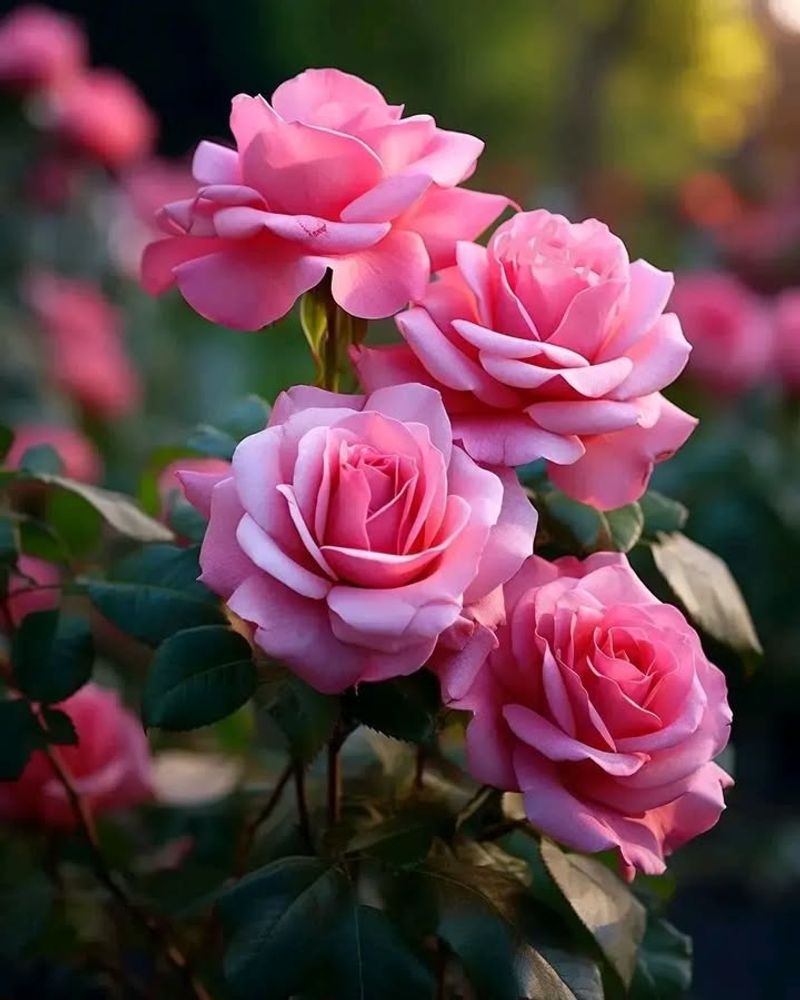
No flower carries more symbolic weight than the rose, representing love, beauty, and passion across cultures. June babies share their birth month with the queen of flowers, enjoying associations with romance and deep emotion.
Different rose colors convey specific messages, from red’s passionate love to yellow’s friendship and white’s purity.
California’s Mediterranean climate creates near-perfect rose-growing conditions statewide. Plant bare-root roses in winter or container roses anytime, choosing locations with at least six hours of direct sun daily.
Good air circulation prevents fungal diseases that plague roses in humid climates but rarely trouble California gardens.
Amend heavy clay or sandy soil with compost before planting, creating well-draining beds that retain some moisture. Water deeply at the base rather than overhead to keep foliage dry and discourage pests.
Established roses need weekly watering during active growth, more frequently in containers or extreme heat.
Feed roses monthly during the growing season with balanced organic fertilizer or rose-specific formulas. Deadhead spent blooms to encourage continuous flowering through fall.
Coastal gardeners battle fewer pests while inland growers should watch for spider mites during hot, dry periods and adjust watering accordingly.
7. July — Larkspur
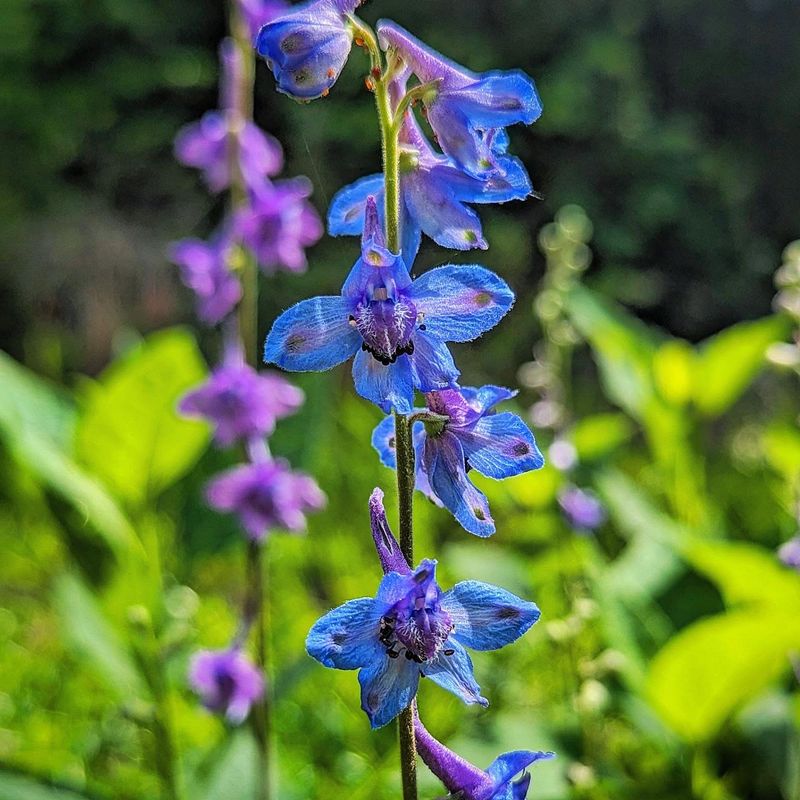
Vertical spires of delicate blooms reach skyward during summer’s peak heat. Larkspur symbolizes levity, lightness, and an open heart, appropriate for July babies born during carefree summer days.
These cottage garden favorites add height and old-fashioned charm to flower borders, attracting hummingbirds and beneficial insects.
California gardeners should plant larkspur seeds in fall for best results since they need cool soil to germinate properly. Scatter seeds directly where you want them to bloom because larkspur resents transplanting.
Choose sites with full sun along the coast or light afternoon shade in hotter inland valleys.
These annuals prefer rich, well-draining soil and consistent moisture during active growth. Thin seedlings to eight inches apart for strong stems and good air circulation.
Stake taller varieties to prevent flopping, especially in windy coastal gardens or areas with heavy blooms.
Larkspur blooms in late spring and early summer in most California regions, then fades as temperatures soar. Allow some flowers to set seed for next year’s display since they self-sow readily.
Coastal gardeners enjoy longer bloom periods while inland growers should plant in fall for spring flowers before summer heat arrives.
8. August — Gladiolus
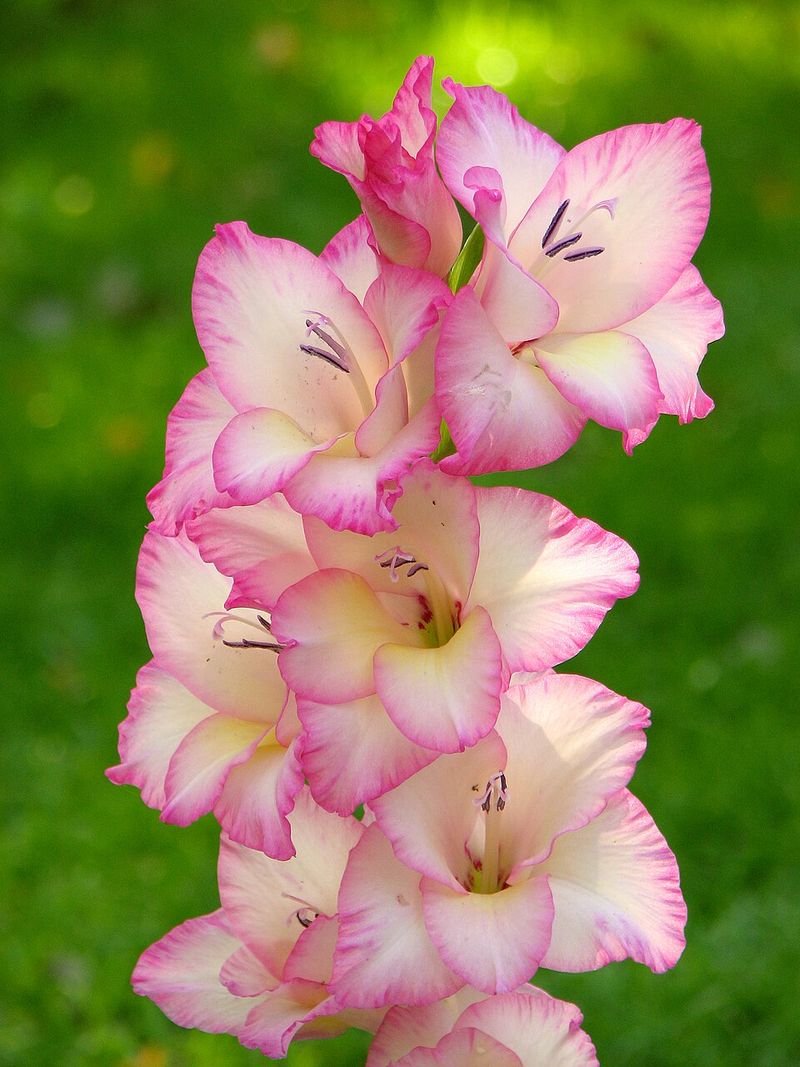
Bold sword-shaped leaves give rise to dramatic flower spikes that command attention. Gladiolus represents strength of character, moral integrity, and remembrance, fitting qualities for August babies born during summer’s most intense month.
These showy flowers make spectacular cut arrangements that last over a week in vases.
Plant gladiolus corms in spring after soil warms, spacing them four to six inches apart in full sun locations. Stagger plantings every two weeks through early summer for continuous blooms into fall.
California’s long growing season allows multiple plantings that traditional cold-climate gardens cannot achieve.
These heavy feeders need rich, well-draining soil and regular fertilization during active growth. Water consistently to support tall stems and large flowers, increasing frequency during bloom time.
Stake plants in windy areas since top-heavy flower spikes can snap without support.
Gladiolus corms multiply readily in California’s mild climate. Dig and divide them every few years or leave them in the ground in frost-free areas.
Coastal gardeners rarely need to lift corms while inland growers in colder microclimates should dig after foliage yellows and store in a cool, dry place until spring replanting time arrives.
9. September — Aster
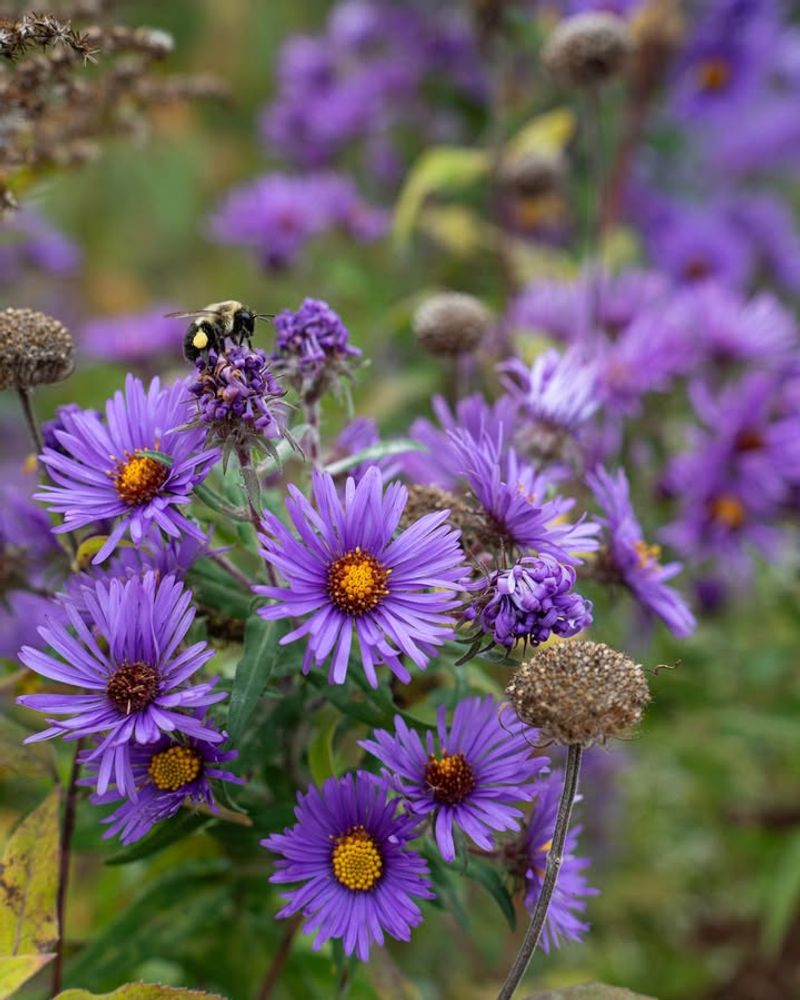
Late-season color arrives just when gardens need refreshing after summer’s heat. Asters symbolize wisdom, faith, and valor, characteristics often attributed to September babies.
These daisy-like flowers provide crucial nectar for migrating butterflies and late-season pollinators preparing for winter.
California gardeners should plant asters in spring for fall blooms, choosing varieties suited to our climate zones. Full sun produces the most flowers, though plants tolerate light shade in hottest inland areas.
Space plants eighteen to twenty-four inches apart since they form bushy clumps over time.
These perennials prefer consistent moisture during active growth but tolerate some drought once established. Pinch stems back by half in early summer to encourage bushier growth and more flower buds.
This technique also prevents tall varieties from flopping when laden with blooms.
Asters rarely suffer pest problems in California gardens and resist deer browsing better than many perennials. Divide clumps every three years in spring to maintain vigor and prevent woody centers.
Coastal gardeners enjoy naturally compact growth while inland growers may need to provide afternoon shade and extra water during September heat waves for best performance.
10. October — Marigold
© smithsoniangardens
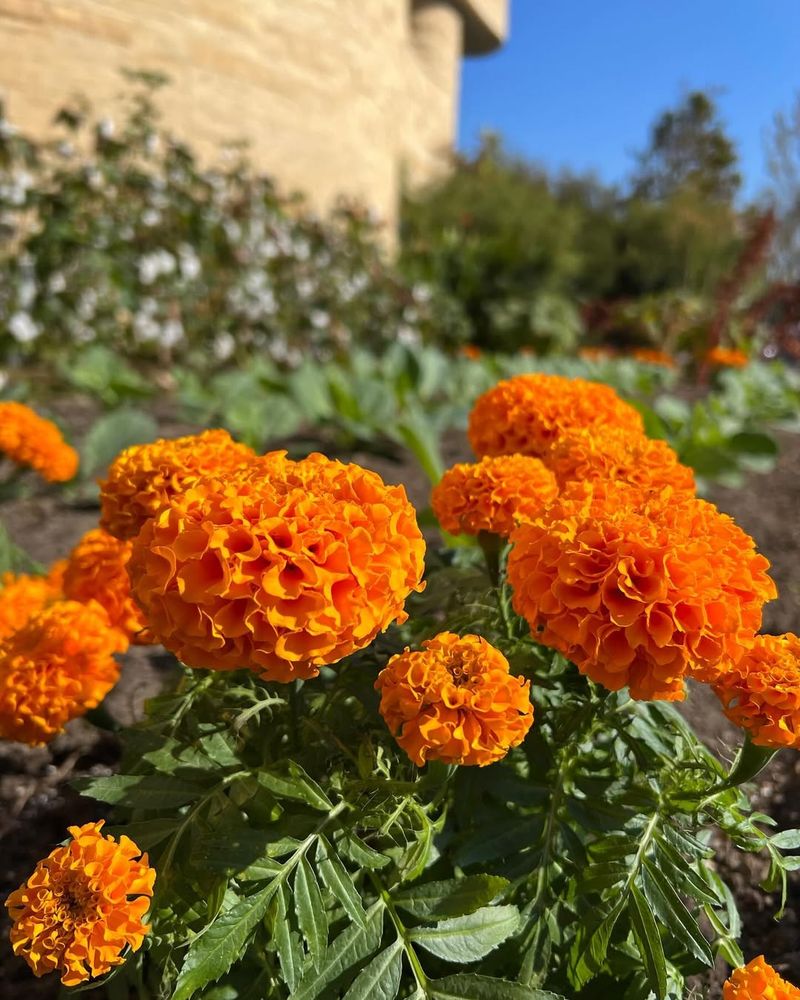
Warm golden hues and spicy fragrance define October gardens across California. Marigolds symbolize passion, creativity, and the drive to succeed, traits common in October-born individuals.
These cheerful annuals also hold cultural significance in Mexican Day of the Dead celebrations, representing the sun’s life-giving energy.
Plant marigolds anytime from spring through early fall in California since our mild climate extends their season considerably. They thrive in full sun and tolerate poor soil better than most flowers, making them perfect for beginning gardeners.
Space plants eight to twelve inches apart depending on variety size.
Marigolds need minimal care once established but perform best with occasional deep watering during extended dry periods. Deadhead spent blooms regularly to encourage continuous flowering until first frost, which may not arrive until December in mild coastal areas.
Their pungent foliage naturally repels some garden pests.
These versatile annuals excel in containers, borders, and vegetable gardens where companion planting traditions suggest they deter harmful insects. French marigolds stay compact while African varieties grow tall with larger blooms.
Both types reseed readily, providing volunteers next season. Inland gardeners can plant in fall for winter color that coastal growers enjoy year-round.
11. November — Chrysanthemum
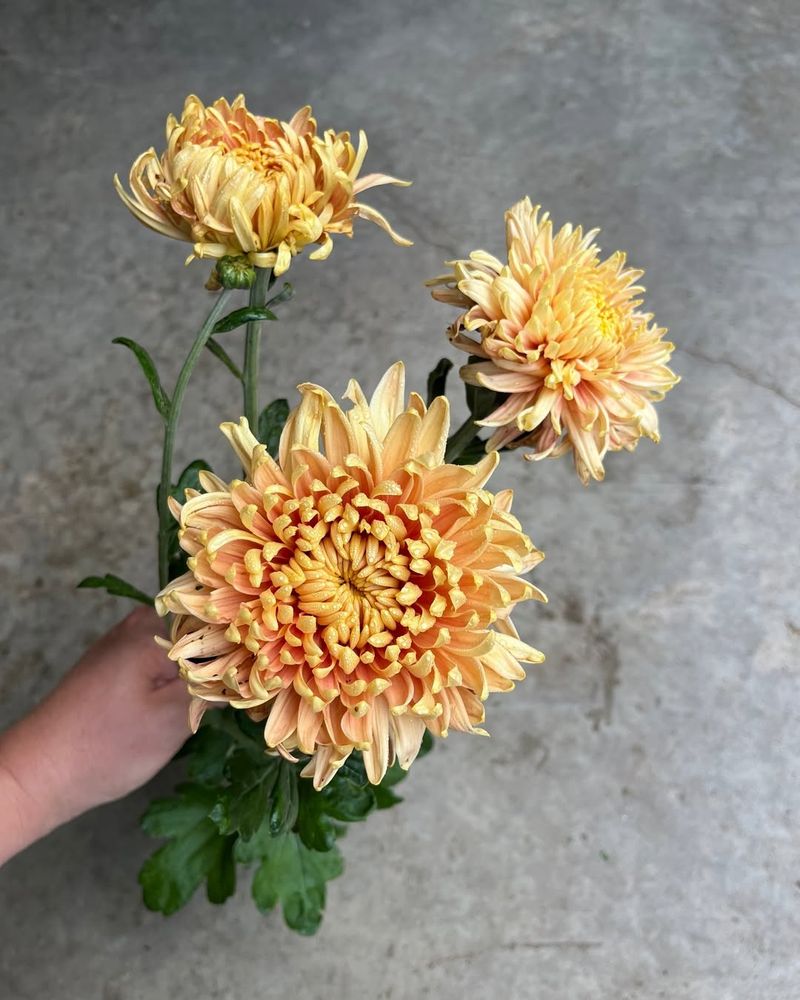
Fall’s finale arrives in a burst of bronze, burgundy, and gold. Chrysanthemums represent joy, optimism, and long life in many cultures, making them meaningful for November birthdays.
These autumn classics have been cultivated for over three thousand years, with hundreds of varieties now available in every color except true blue.
California gardeners can plant mums in spring for fall blooms or purchase already-budded plants in autumn for instant color. They need full sun and well-draining soil to prevent root rot during winter rains.
Space plants eighteen to twenty-four inches apart for good air circulation and room to spread.
Pinch growing tips monthly from spring through July to encourage bushy growth and abundant flower buds. Stop pinching by early August to allow buds to form for fall display.
Water consistently during active growth, reducing frequency after blooming finishes.
Mums can be grown as perennials in California with proper care. Cut back stems after flowering and mulch lightly for winter protection in colder inland areas.
Coastal gardeners often see mums rebloom in spring from old plants. Divide clumps every two years in spring to maintain vigor and prevent overcrowding that reduces bloom quality.
12. December — Poinsettia
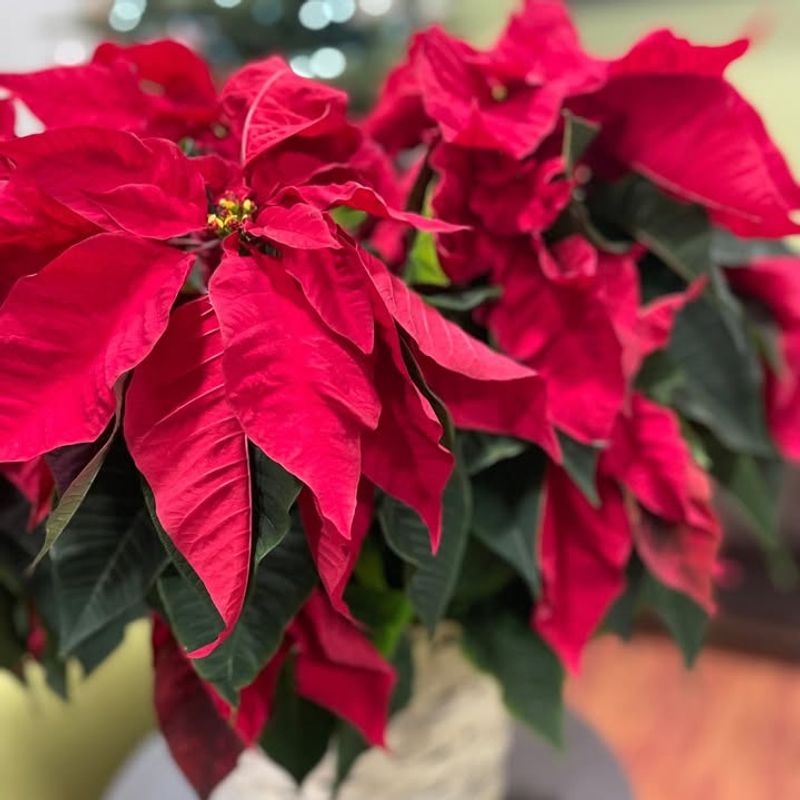
Festive red and green leaves brighten the darkest days of the year. Poinsettias symbolize celebration, success, and good cheer, perfectly matching December’s holiday spirit.
These Mexican natives thrive in California’s mild winters, growing as perennial shrubs in frost-free areas rather than temporary houseplants like northern climates require.
Plant poinsettias outdoors in spring after frost danger passes, choosing locations with morning sun and afternoon shade. They prefer rich, well-draining soil and consistent moisture during active growth.
Space plants three feet apart since they can reach six feet tall and wide in ideal California conditions.
Poinsettias need short days and long nights to develop colored bracts, naturally occurring in fall as daylight decreases. Outdoor plants recolor automatically while indoor plants require careful light management.
Feed monthly during summer with balanced fertilizer, stopping in fall when bracts begin changing color.
Prune plants back by half in early spring to encourage bushy growth and more colorful bracts next winter. Coastal gardeners in frost-free zones can grow poinsettias as permanent landscape plants.
Inland growers should protect plants during cold snaps or grow them in containers that can be moved to sheltered locations when temperatures threaten to drop below freezing.