The 6 Lucky Shrubs Ohio Gardeners Always Come Back To
Ohio gardening can feel like tempting fate. One wrong plant choice and a late frost, brutal winter, or swampy summer decides your shrub never stood a chance.
Many gardeners have watched promising plants disappear after one rough season, leaving behind bare spots and broken confidence. Over time, Ohio gardeners learn to trust plants that seem blessed with good luck.
The shrubs that survive icy winters, laugh off surprise heat waves, and come back every spring like nothing happened. These are the plants people replant, recommend, and quietly credit for a garden that finally feels like it is working instead of fighting back.
Some shrubs just have the odds stacked in their favor. They bloom reliably, grow steadily, and refuse to give up even when Ohio weather does its worst.
Planting them feels less like a gamble and more like making a smart bet.
If you want a garden that feels lucky year after year, these shrubs have already proven they know how to win.
1. Lilac Brings Sweet Spring Luck
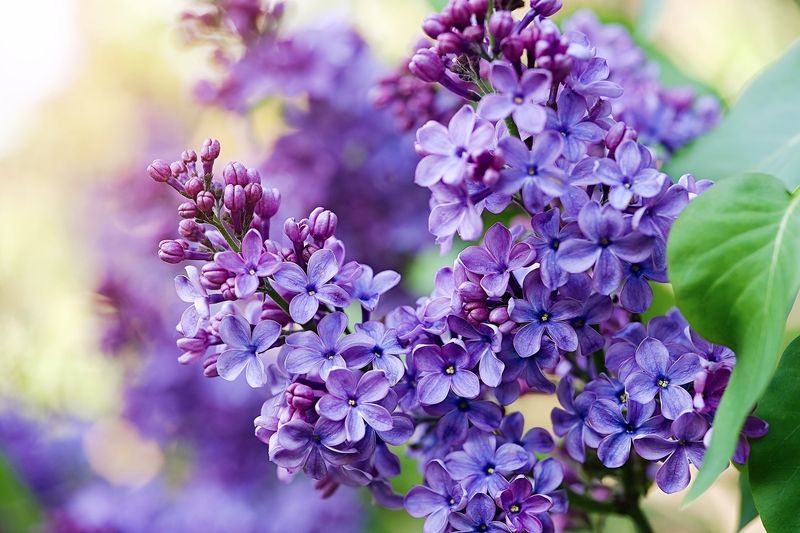
Walking past a blooming lilac in May feels like catching a whiff of pure springtime magic—and many Ohio gardeners swear it’s a sign of good luck for the season ahead. These shrubs have been gracing Ohio gardens for generations, and their legendary fragrance alone explains why so many people consider them a lucky staple that never lets them down.
Lilacs adapt beautifully to Ohio’s climate, handling our cold winters without complaint and rewarding patient gardeners with spectacular flower displays when warm weather finally arrives.
The blooms appear in shades ranging from classic purple to white, pink, and even yellow depending on the variety you choose. Each cluster packs dozens of tiny flowers that release their signature scent strongest during morning hours.
Bees and butterflies flock to these blossoms, adding to the feeling that a blooming lilac brings life and good fortune back into Ohio neighborhoods.
Ohio’s soil works well for lilacs as long as drainage stays reasonable. These shrubs prefer slightly alkaline conditions, which many areas around the state naturally provide.
A spot with full sun exposure gives you the most abundant flowering, though lilacs tolerate partial shade if that’s what your yard offers.
Pruning happens right after flowers fade, giving the plant time to set buds for next year’s show. Old wood produces the best blooms, so avoid cutting back too aggressively.
Established lilacs in Ohio can reach eight to fifteen feet tall, creating substantial privacy screens that smell amazing every spring—and feel like a yearly reward for sticking with a proven favorite.
Powdery mildew sometimes appears on leaves during humid Ohio summers, but this cosmetic issue rarely affects overall plant health. Choosing resistant varieties helps minimize this concern.
From Toledo to Cincinnati, lilacs remain one of the most beloved flowering shrubs, returning year after year as a reliable symbol of spring, good fortune, and the promise of warmer days ahead.
2. Hydrangea Attracts Bloom Filled Good Fortune
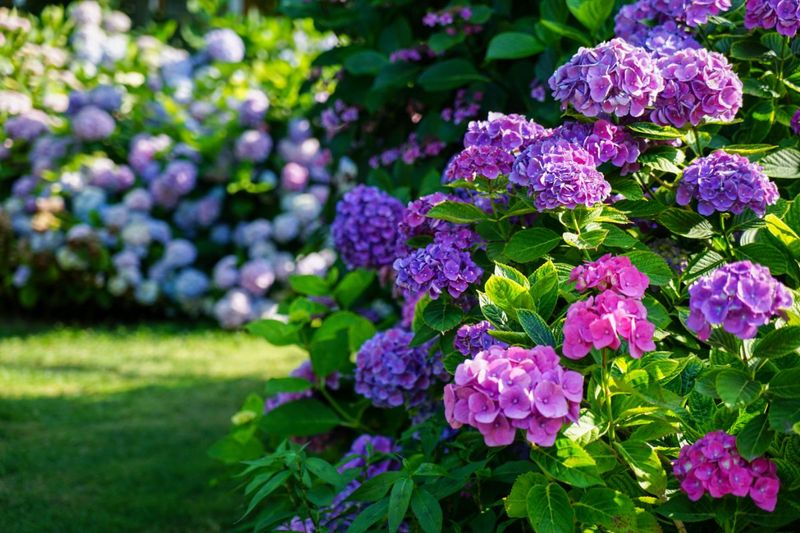
Hydrangeas feel like a lucky break in Ohio gardens because they bloom generously when many other shrubs take a break. From midsummer into fall, their oversized flower heads show up reliably, and long-time gardeners often say a hydrangea that blooms well is a sign the garden is in good shape for the season.
Your Ohio Garden Changes Every Week. Your Plan Should Too.
Gardening in Ohio changes quickly throughout the season. Every Friday you’ll receive a simple weekly plan showing exactly what to plant, prune, fertilize, harvest, and protect so you never miss the right timing.
That kind of dependable performance is exactly why so many Ohio gardeners keep planting them again and again.
These shrubs earn their “good luck” reputation by adapting easily to Ohio conditions. They thrive in morning sun with afternoon shade and handle the state’s humidity better than many flowering plants.
When given consistent moisture, hydrangeas reward gardeners with months of bold color instead of a short-lived show.
One of the fun surprises hydrangeas bring is their color-changing blooms. Depending on soil conditions, flowers may turn blue or pink from year to year, which some gardeners jokingly take as a lucky sign that the garden is doing its own thing just right.
White varieties keep their color no matter the soil, offering a more predictable kind of good fortune.
Certain types stack the odds even more in your favor. Panicle and smooth hydrangeas handle Ohio winters especially well, bouncing back even after cold snaps and producing flowers on new growth.
That means fewer worries about winter damage and more confidence that blooms will return.
With minimal fuss, regular watering, and a bit of mulch to keep roots cool in summer, hydrangeas continue delivering season after season. For Ohio gardeners, that kind of reliability feels a lot like luck, and it’s why hydrangeas remain a trusted favorite across the state.
3. Boxwood Delivers Year Round Garden Luck
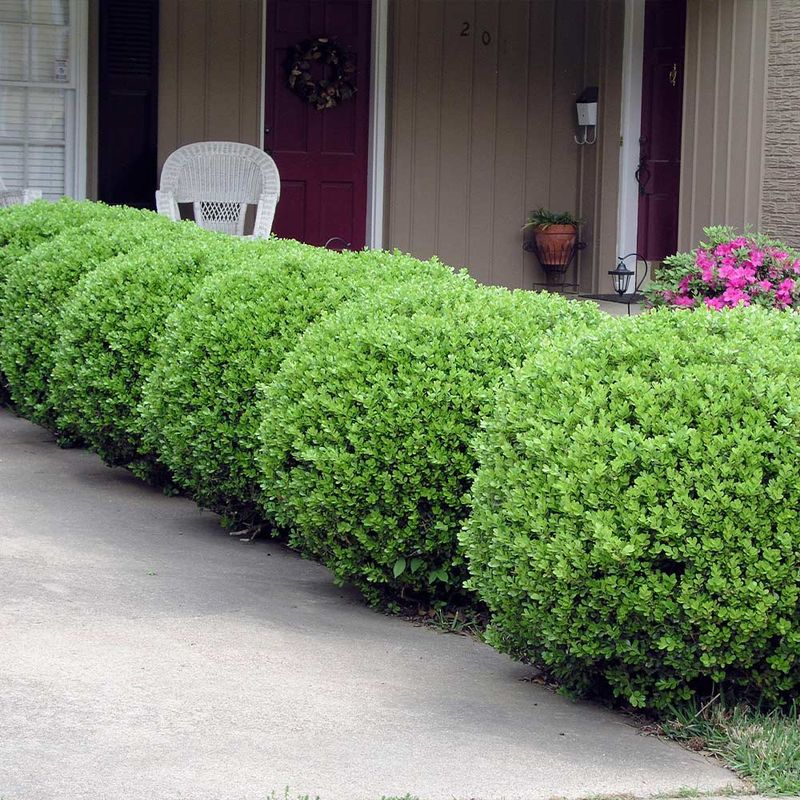
Boxwoods feel like a lucky find for Ohio gardeners because they’re one of the few shrubs that look good all year without constant effort. While flowers come and go, boxwoods stay green through snow, wind, and summer heat, giving landscapes structure no matter the season.
That kind of consistency is why so many gardeners plant them once and keep coming back to them again and again.
Their dense evergreen growth makes boxwoods easy to rely on. They work equally well as tidy hedges, foundation plantings, or simple accents that hold a garden together when everything else fades.
Gardeners who enjoy shaping shrubs appreciate how well boxwoods handle trimming, while those who prefer a low-key approach can leave them largely alone and still get good results.
Ohio winters can be hard on shrubs, but boxwoods are known for bouncing back. Some varieties may bronze during extreme cold, yet fresh green growth returns in spring, reinforcing their reputation as plants that survive whatever the season throws at them.
Choosing cold-hardy types like Korean boxwood in northern Ohio, or well-adapted hybrids elsewhere, helps stack the odds in your favor. With well-drained soil, light mulch, and sun or partial shade, boxwoods reward gardeners with steady performance year after year.
For Ohio gardeners, that kind of no-nonsense dependability feels like luck, and it’s exactly why boxwoods remain a go-to shrub across the state.
4. Forsythia Sparks Early Season Good Luck
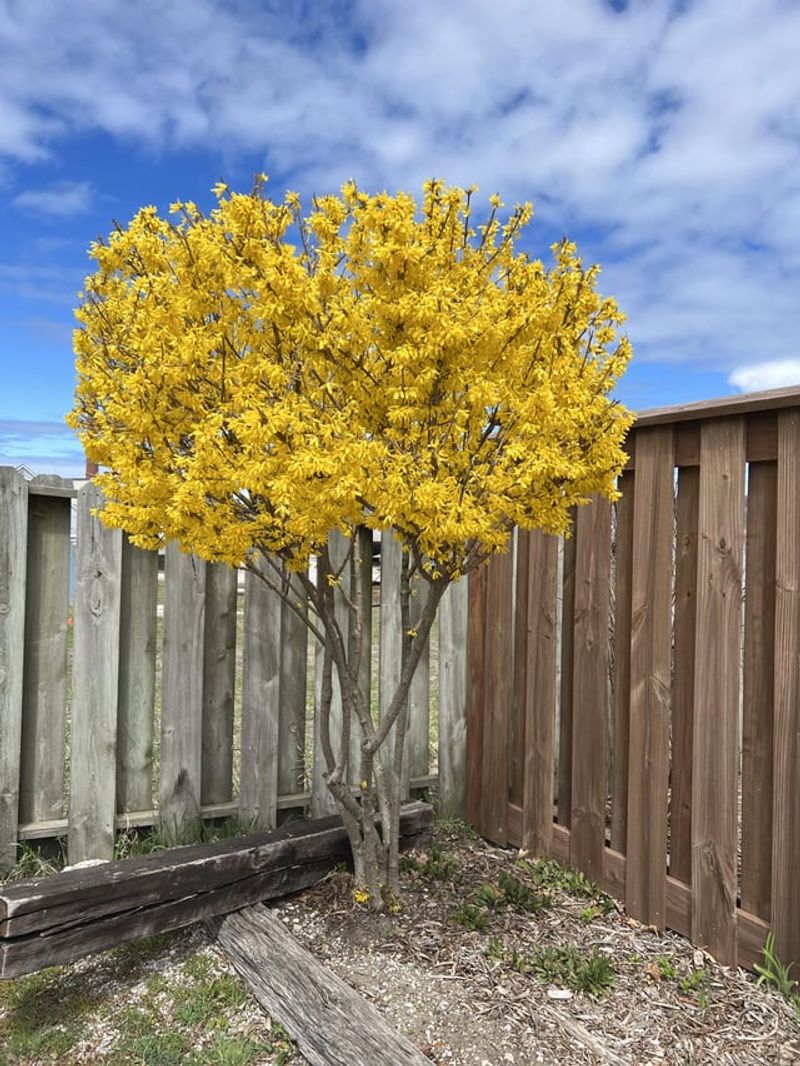
Nothing announces spring’s arrival in Ohio quite like forsythia bursting into brilliant yellow bloom. These shrubs flower before their leaves appear, creating spectacular golden displays that brighten landscapes while most other plants remain dormant.
Forsythia’s timing makes it especially valuable for gardeners eager to see color after long Ohio winters.
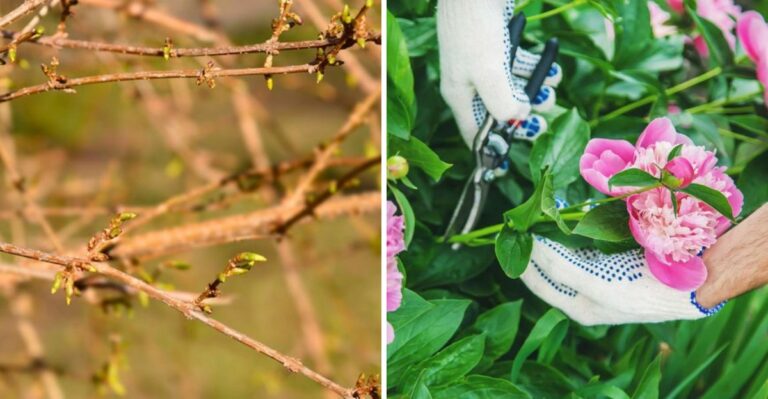
The flowers emerge on bare branches, creating an almost unreal appearance as bright yellow blooms cover dark stems. This early flowering happens in March or April depending on how quickly temperatures warm up across different parts of Ohio.
The show lasts several weeks, providing extended enjoyment before green leaves take over.
Forsythia grows vigorously once established, quickly filling spaces and creating substantial shrubs that can reach eight to ten feet tall. This energetic growth habit makes forsythia excellent for screening purposes or filling large areas relatively quickly.
The arching branches create graceful forms that work well as specimen plants or massed together for bigger impact.
Pruning should happen immediately after flowering finishes since next year’s flower buds form on wood produced during the current growing season. Cutting branches in late winter for forcing indoors brings early spring color into your home while tidying up the plant.
Forsythia tolerates hard pruning if shrubs become overgrown, responding with vigorous new growth.
Ohio’s climate suits forsythia perfectly as these tough shrubs handle temperature extremes without problems. They adapt to various soil types and grow successfully in full sun to light shade.
Established forsythias show impressive resilience, continuing to bloom reliably year after year with minimal care. Whether you’re gardening in Toledo, Columbus, or Cincinnati, forsythia delivers that first burst of spring color that Ohio gardeners anticipate eagerly after winter’s grip finally loosens.
5. Viburnum Stacks The Seasons In Your Favor
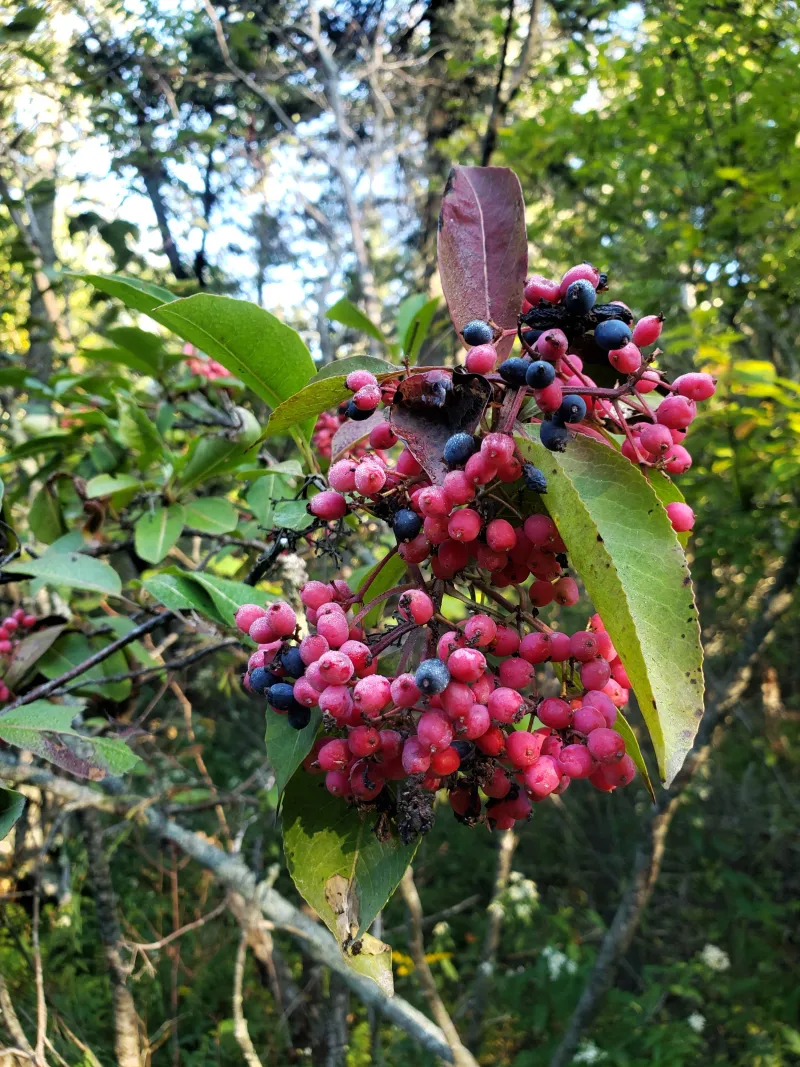
Viburnums work harder than most shrubs, offering multiple seasons of interest that keep Ohio gardens looking attractive throughout the year. Spring brings clusters of white or pink flowers that often carry sweet fragrances, attracting beneficial insects and delighting anyone walking nearby.
These blooms transition into berries that provide food for birds during late summer and fall.
The berries start out red or yellow depending on variety, then darken to blue or black as they ripen. Birds appreciate this natural food source, making viburnums excellent choices for wildlife-friendly Ohio landscapes.
Fall foliage adds another layer of interest as leaves turn shades of red, orange, or burgundy before dropping.
Different viburnum species offer varying sizes and forms, giving Ohio gardeners plenty of options for specific landscape needs. Compact varieties work well in smaller yards or foundation plantings, while larger types create substantial screens or backdrops for flower beds.
Most viburnums develop naturally attractive shapes that require minimal pruning to look good.
Ohio’s growing conditions suit viburnums well as these adaptable shrubs handle our soil types and climate fluctuations successfully. They prefer locations with good drainage and perform best with consistent moisture during establishment.
Once roots develop fully, viburnums show reasonable drought tolerance during typical Ohio summers.
Choosing native or near-native viburnum species often yields the most reliable results across Ohio. Arrowwood viburnum and American cranberrybush viburnum both occur naturally in parts of the state and adapt easily to garden settings.
Korean spice viburnum, while not native, performs exceptionally well throughout Ohio and offers intensely fragrant spring flowers. From Akron to Dayton, viburnums continue earning their reputation as multi-season performers that deliver consistent beauty with relatively low maintenance requirements for busy gardeners.
6. Spirea Keeps The Luck Coming All Summer
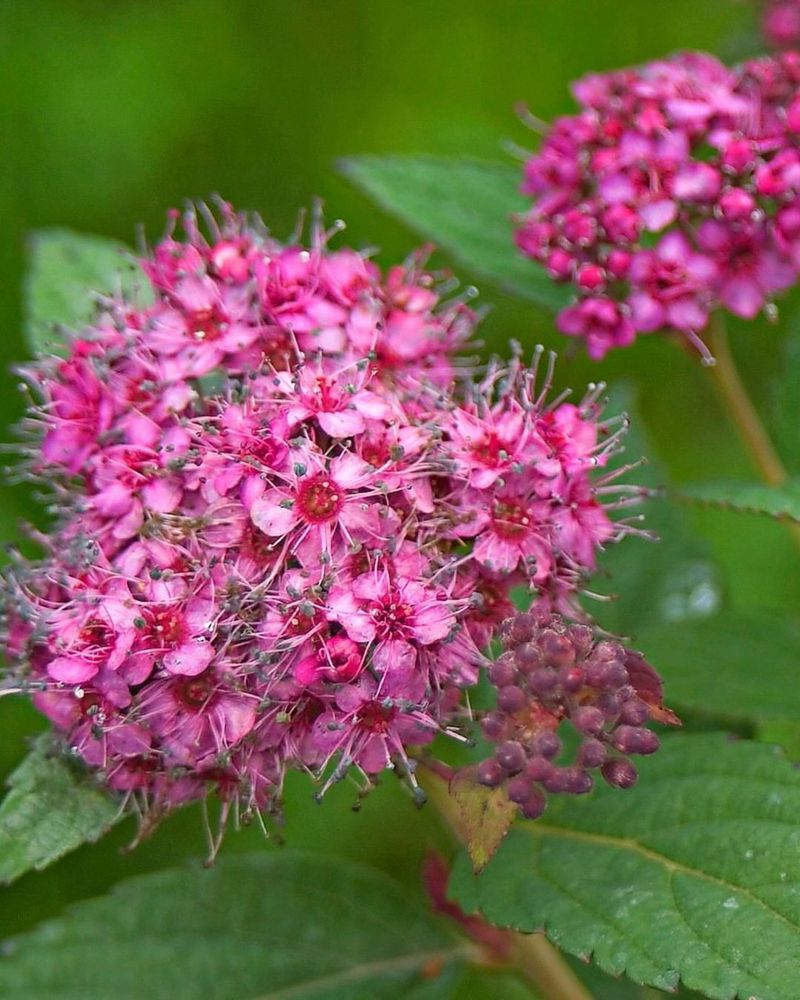
Spirea shrubs pump out flowers for weeks during summer when many spring bloomers have finished their show. These reliable performers create masses of tiny blooms clustered together in flat-topped or cascading formations depending on variety.
The extended flowering period makes spirea valuable for maintaining color in Ohio gardens through the hottest months.
Compact varieties like Little Princess stay under three feet tall, working perfectly for front-of-border placements or small yard situations. Larger types reach four to five feet, creating substantial shrubs that fill space effectively.
The foliage often emerges with bronze or reddish tints in spring, adding interest before flowers appear.
Spirea adapts easily to Ohio’s growing conditions, tolerating various soil types as long as drainage stays reasonable. These shrubs prefer full sun exposure for best flowering but manage in partial shade if that’s what your property offers.
Once established, spirea shows good drought tolerance, continuing to perform even during drier Ohio summers.
Pruning requirements stay minimal with spirea, making them excellent choices for low-maintenance landscapes. Spring-blooming types should be trimmed right after flowering, while summer bloomers can be shaped in late winter or early spring.
Some gardeners simply shear spirea into mounded forms, while others prefer letting plants develop more natural shapes.
Flower colors range from white to various shades of pink and rose, giving gardeners options for different color schemes. Goldflame spirea offers bonus interest with bright yellow foliage that contrasts beautifully against pink flowers.
This variety’s leaves shift through different colors as seasons progress, providing changing displays beyond just the blooms.
From Cleveland to Cincinnati, spirea continues proving itself as a dependable summer bloomer that requires little fussing while delivering consistent results. These shrubs handle Ohio winters without problems, bouncing back each spring ready to produce another season of abundant flowers that brighten landscapes when gardens need color most.