7 Reasons Michigan Gardeners Never Throw Away Pistachio Shells
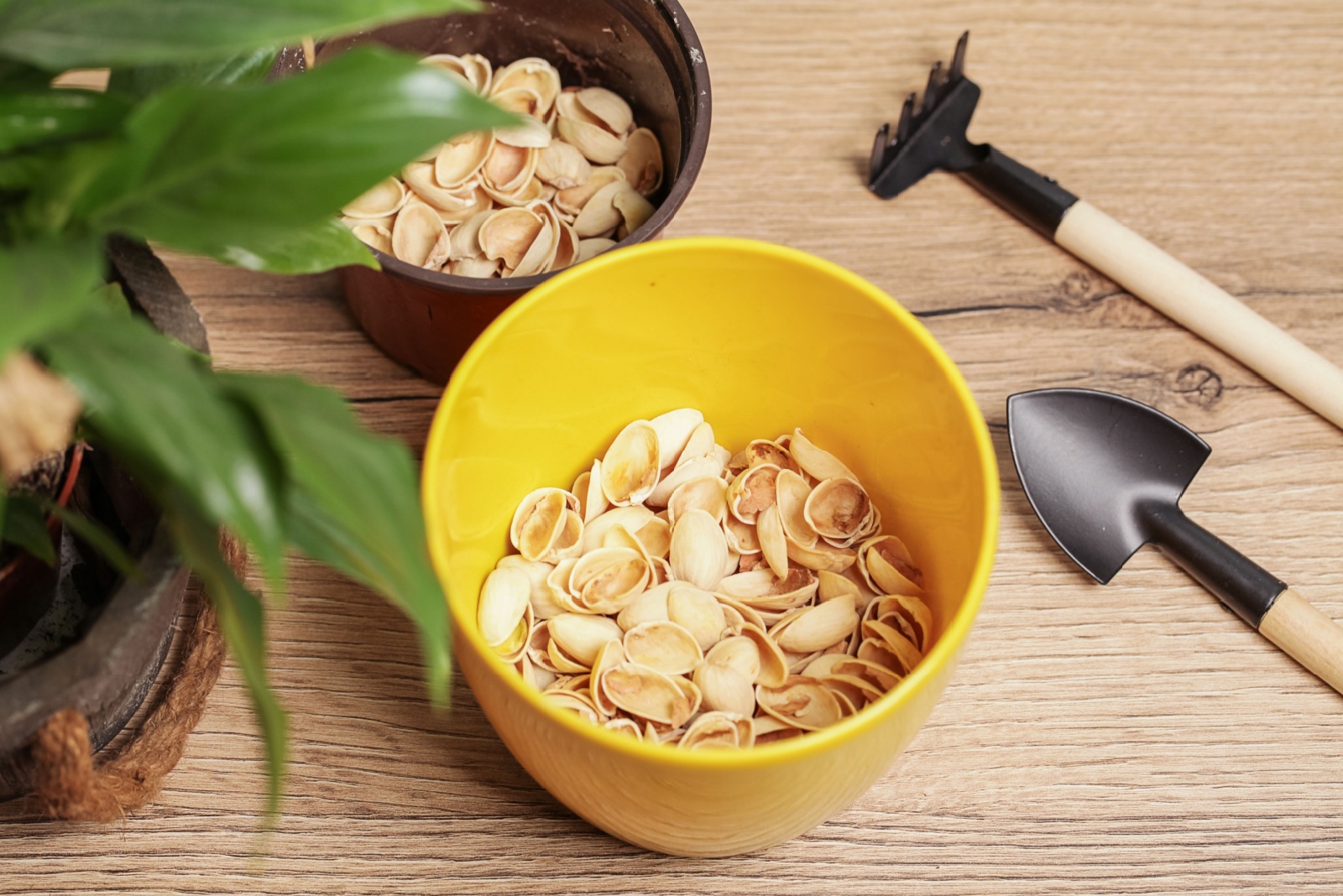
If you garden in Michigan, tossing pistachio shells in the trash might be the biggest missed opportunity of snack time. Those crunchy little leftovers are surprisingly useful outdoors, especially with our mix of heavy soils, rainy springs, and chilly winters.
Instead of treating them like waste, smart Michigan gardeners turn pistachio shells into simple garden helpers that save money and boost plant health.
From improving drainage after spring snowmelt to keeping pests away from tender seedlings, these shells pull off some impressive tricks. And the best part? You already paid for them at the grocery store.
Whether you grow vegetables, flowers, or a few backyard containers, pistachio shells can earn a second life that actually makes your garden easier to manage.
Get ready to look at your snack bowl differently, because these seven clever uses might just change the way you garden this season.
Mulching Garden Beds
Your garden soil can lose moisture far more quickly than many gardeners realize during Michigan’s hot summer months, leaving plants stressed between rain showers.
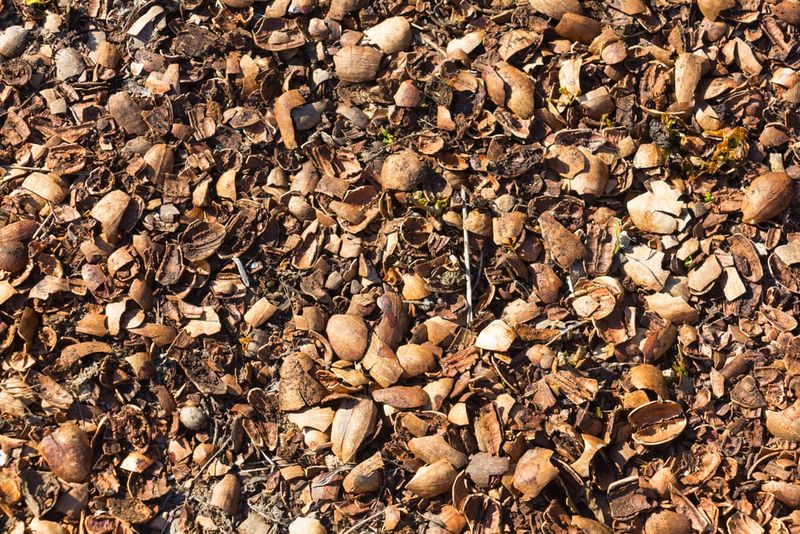
Pistachio shells make an excellent natural mulch, acting like a protective blanket that slows water evaporation and helps plants retain hydration for longer periods.
Spreading a two-inch layer evenly around your garden beds can reduce how often you need to water, saving both time and energy on scorching, sunny days.
This simple step allows your plants to thrive even during dry spells, keeping soil consistently moist and healthy.
One of the best things about pistachio shells is how lightweight they are, making them effortless to handle. Unlike heavy wood chips, you can carry multiple buckets without straining your back, and the shells settle nicely around plant stems.
They allow water and air to reach the roots while providing coverage that doesn’t smother delicate seedlings or established plants.
Beyond moisture retention, these shells help regulate soil temperature. They keep roots cooler under the intense summer sun and provide a gentle insulating effect during chilly spring nights when frost may threaten young plants.
Their natural tan color adds a clean, tidy look to garden beds, complementing flowers, vegetables, and ornamental plants alike.
To maximize benefits, save pistachio shells over the winter in a dry container. By spring, you’ll have plenty to mulch your entire garden again, maintaining healthy, hydrated soil all season long.
Soil Aeration
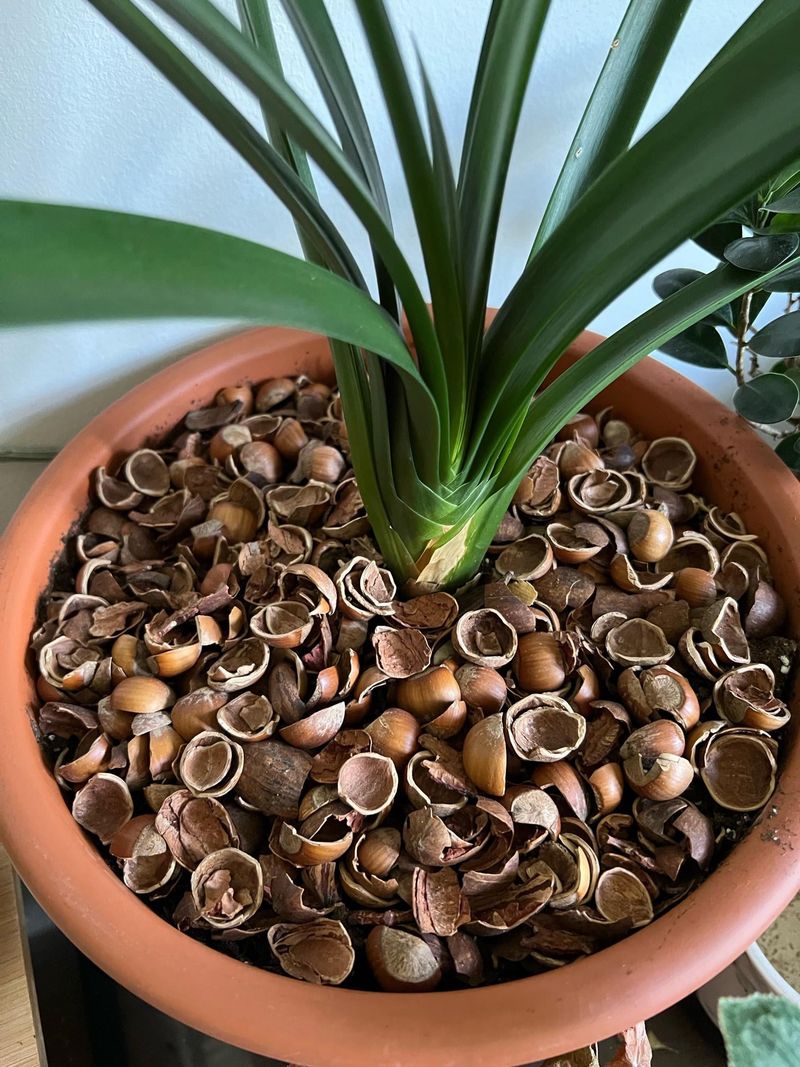
Compacted soil is a common problem that frustrates Michigan gardeners every season. Clay-heavy ground doesn’t let air reach plant roots effectively.
Crushed pistachio shells change that situation dramatically when worked into your beds. Breaking shells into smaller pieces takes just a few minutes. Use a hammer or step on them inside a sturdy bag.
The resulting fragments create tiny air channels as they mix with dirt. Roots need oxygen just as much as they need water. Better aeration means stronger, healthier root systems that support vigorous growth.
Plants with good root access to air resist stress much better. Drainage improves noticeably when shells open up tight soil structure. Heavy spring rains won’t leave puddles sitting around your plants.
Your Michigan Garden Changes Every Week. Your Plan Should Too.
Gardening in Michigan changes quickly throughout the season. Every Friday you’ll receive a simple weekly plan showing exactly what to plant, prune, fertilize, harvest, and protect so you never miss the right timing.
Water moves through the ground more naturally instead of pooling. The shells won’t compress over time like some organic materials do. They maintain their structure season after season in your beds.
This gives you lasting benefits without needing to reapply constantly. Mix shells into the top six inches of soil for best results. Your vegetables and flowers will show their appreciation with stronger stems.
Weed Suppression
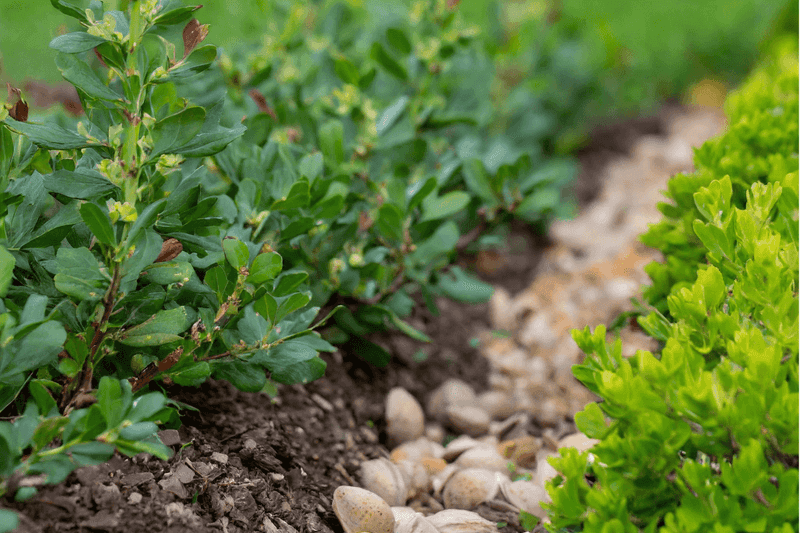
Weeds steal nutrients and water that your favorite plants desperately need. Fighting them feels like a never-ending battle for most gardeners.
Pistachio shells offer a simple solution that works while you relax. Weed seeds require sunlight to sprout and start growing in your beds. A thick layer of shells blocks that essential light completely.
Seeds sitting under the shells simply can’t germinate without their trigger. Spreading shells around established plants creates an effective barrier zone. The irregular shapes interlock together, forming a dense covering.
Few weeds can push through this natural obstacle successfully. You’ll spend far less time on your knees pulling unwanted plants. More time remains for enjoyable gardening tasks like harvesting or planting.
Your back will thank you for this labor-saving strategy. The shells don’t introduce weed seeds like some mulches unfortunately do. Hay and straw often contain seeds that sprout everywhere.
Pistachio shells arrive pre-cleaned from your snack bowl with zero contamination. Apply a three-inch layer for maximum weed-blocking power throughout summer.
Refresh thin spots occasionally as shells settle into the ground. Your garden will stay cleaner with minimal effort required.
Compost Enrichment
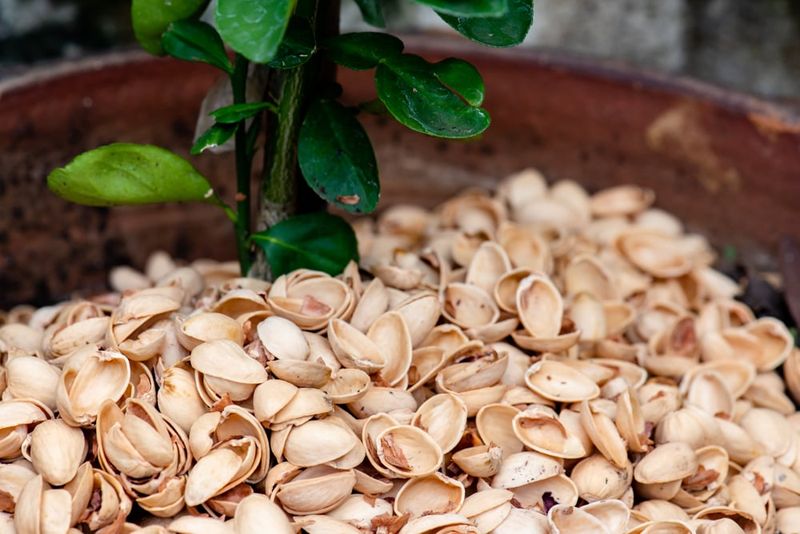
Building great compost takes patience, but the rewards are absolutely worth it. Pistachio shells contribute valuable carbon to your compost pile’s balance.
They break down slowly, which actually works in your favor here. Quick-decomposing materials can make compost piles too nitrogen-rich and smelly. Shells provide structure that keeps air flowing through the pile.
This prevents the anaerobic conditions that create unpleasant odors around your bin. The gradual breakdown means shells continue feeding your compost for months. They release nutrients slowly as microorganisms work on breaking them down.
This extended timeline creates richer, more balanced finished compost. Crushing shells before adding them speeds up the decomposition process somewhat. Smaller pieces have more surface area for beneficial bacteria to attack.
But even whole shells will eventually break down completely. Layering shells with grass clippings and kitchen scraps creates ideal conditions. The mixture of materials gives microorganisms everything they need to thrive.
Your pile will heat up nicely and transform into black gold. Finished compost with shell fragments still visible works wonderfully in gardens.
Those remaining pieces continue improving soil structure as they finish decomposing. You get double benefits from a single material.
Decorative Ground Cover
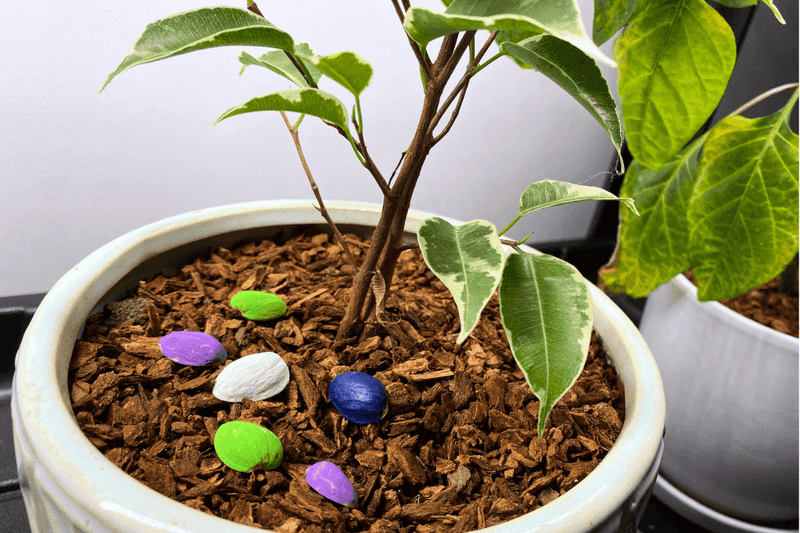
Gardens, even your potted plants, should look as good as they grow, right? Pistachio shells bring unexpected visual appeal to outdoor spaces.
Their warm, neutral tone complements practically every flower color imaginable. Or, if it suits your decor better, you can even paint the shells to make a colorful addition to your plant soil.
Professional landscapers charge hefty fees for decorative rock or specialty mulches. Your snack leftovers cost absolutely nothing beyond what you already spent.
Smart gardeners love finding beautiful solutions that don’t drain their wallets. Pathways lined with shells guide visitors through your garden beautifully. The texture adds interest while keeping shoes cleaner than bare dirt.
They create defined edges that make your beds look professionally maintained.
Perennial borders benefit especially from this attractive ground cover option. The shells highlight your carefully chosen plants without competing visually. They provide a clean backdrop that makes colorful blooms pop.
Container gardens get a finished look with shells on top too. They hide bare soil while adding a polished, intentional appearance.
Even simple pots look more sophisticated with this easy upgrade.
The natural variation in shell sizes creates appealing texture and depth. Some pieces lay flat while others stand at angles. This randomness looks organic and planned at the same time somehow.
Pest Deterrent
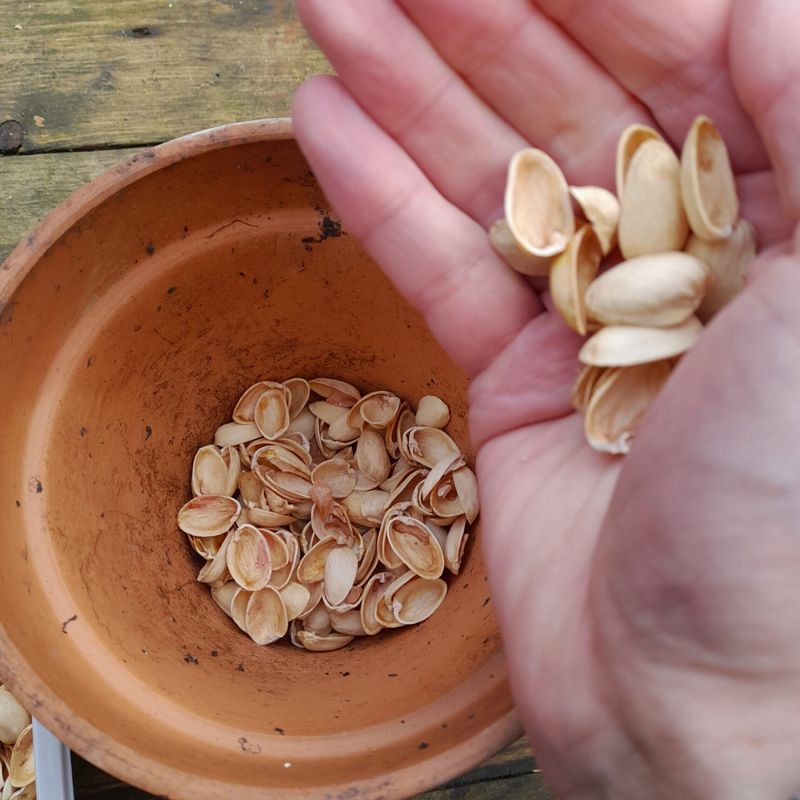
Slugs can devastate a vegetable garden overnight if left unchecked. These slimy pests hate crawling over rough, sharp surfaces.
Pistachio shells create an uncomfortable barrier they typically avoid crossing. The jagged edges of broken shells work like natural barbed wire. Soft-bodied insects find them extremely unpleasant to navigate across.
They’ll usually search for easier targets in your neighbor’s unprotected beds.
Creating a protective ring around vulnerable plants takes just minutes. Scatter shells in a circle about four inches wide.
This forms a defensive perimeter that discourages many common garden invaders. Chemical pesticides harm beneficial insects along with the troublesome ones. Shells provide protection without any environmental concerns or safety worries.
Your garden stays healthier overall with this gentle approach. Hostas, lettuce, and other slug favorites benefit most from this strategy. These plants often show holes and damage from nighttime feeding.
Shell barriers reduce that damage significantly without constant vigilance.
Rain won’t wash away your pest protection like some organic deterrents. The shells stay in place through storms and watering sessions. You set up the barrier once and enjoy ongoing protection.
Sustainable Waste Reduction
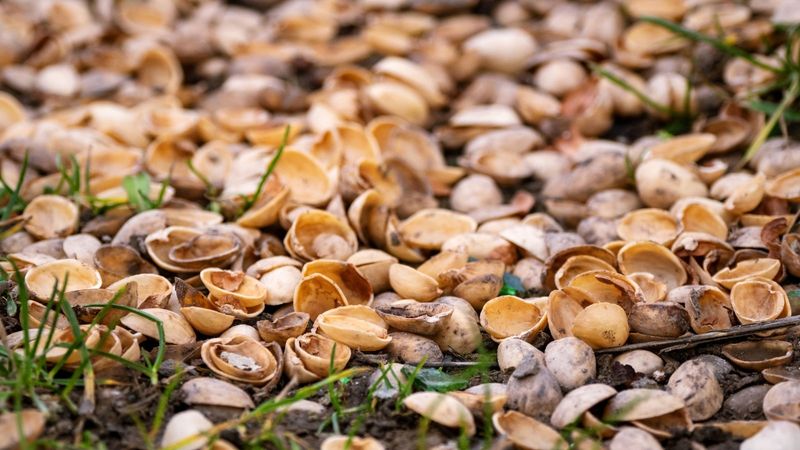
Americans throw away enormous amounts of food waste that could serve better purposes. Pistachio shells represent a perfect example of reusable kitchen byproducts.
Diverting them to your garden reduces landfill contributions while benefiting your plants.
Sustainability starts with small, practical choices we make every single day. Saving shells requires no extra effort beyond changing one simple habit.
Keep a container by your snack spot and toss shells there.
Landfills overflow with organic materials that could enrich gardens instead. These materials release methane as they decompose in oxygen-poor conditions.
Using shells productively prevents that unnecessary greenhouse gas production entirely.
The circular economy concept means finding new uses for everything possible. Your garden becomes part of that regenerative cycle beautifully.
Waste from one activity becomes a resource for another.
Teaching children about reusing materials builds environmental awareness early. They’ll remember that shells have value beyond their initial purpose.
These lessons create lifelong habits that benefit our shared planet.
Free garden amendments are hard to find in today’s expensive world. Pistachio shells cost nothing extra since you bought them for eating.
Every shell you reuse saves money while helping the environment simultaneously.