These Low Maintenance Border Plants Grow Well In Michigan Yards
Creating a polished yard border in Michigan does not have to mean endless trimming, watering, and weekend yard chores. The secret is choosing plants that actually like our cool springs, hot summers, surprise cold snaps, and everything in between.
Smart homeowners know that the right border plants can frame walkways, driveways, and garden beds while staying strong with very little babysitting.
Think hardy growers that bounce back after winter, handle summer heat, and still look great month after month. Whether you want something colorful, evergreen, or simply neat and tidy, there are plenty of options that thrive in Michigan soil and weather.
If you love the idea of a beautiful landscape without turning yard work into a second job, you are in the right place.
Let’s take a look at low maintenance border plants that keep Michigan yards looking sharp with minimal effort.
1. Boxwood: The Classic Evergreen Hedge
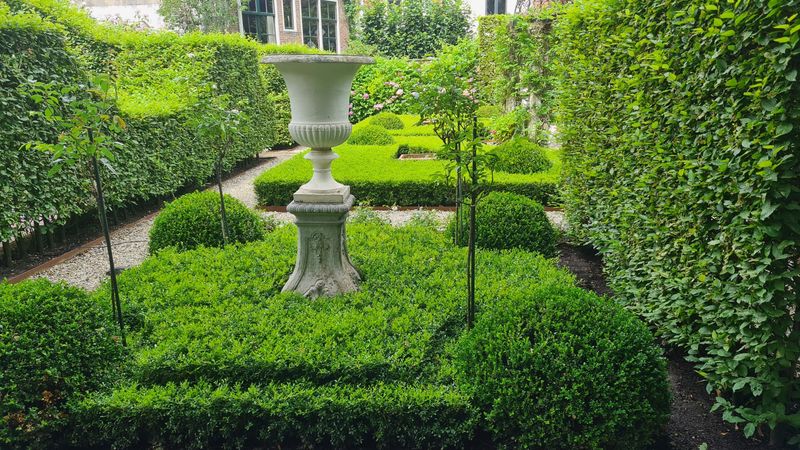
Boxwood brings timeless elegance to any yard with its rich green leaves year-round. This shrub creates structured borders that frame flower beds and walkways beautifully. Michigan winters rarely faze these tough plants once they establish strong roots.
Planting boxwood in spring or early fall gives roots time to settle. Choose a spot with partial shade to full sun for best results. Mix compost into your planting hole to improve drainage and nutrient content.
Water regularly during the first growing season to help establishment. After that, boxwood needs watering only during extended dry spells. A two-inch layer of mulch keeps roots cool and moisture consistent.
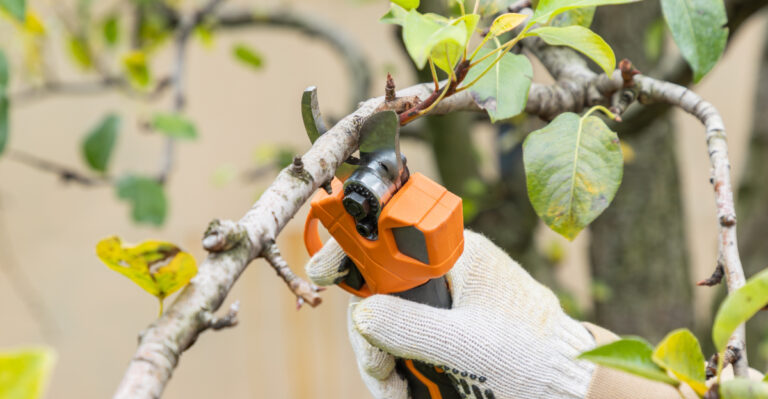
Pruning once or twice yearly maintains the shape you want. Spring trimming encourages fresh growth while late summer shaping tidies things up. Boxwood tolerates heavy pruning without complaint, making it forgiving for beginners.
Deer generally avoid boxwood, which saves you from installing protective fencing. The dense foliage provides shelter for small birds during Michigan’s cold months. This shrub handles urban pollution well, making it suitable for city gardens too.
Choose varieties like Green Velvet or Winter Gem for superior cold hardiness. These cultivars handle Michigan’s zone 5 temperatures without browning or damage. Proper spacing prevents overcrowding as plants mature over several years.
2. Daylilies: Colorful Blooms With Zero Fuss
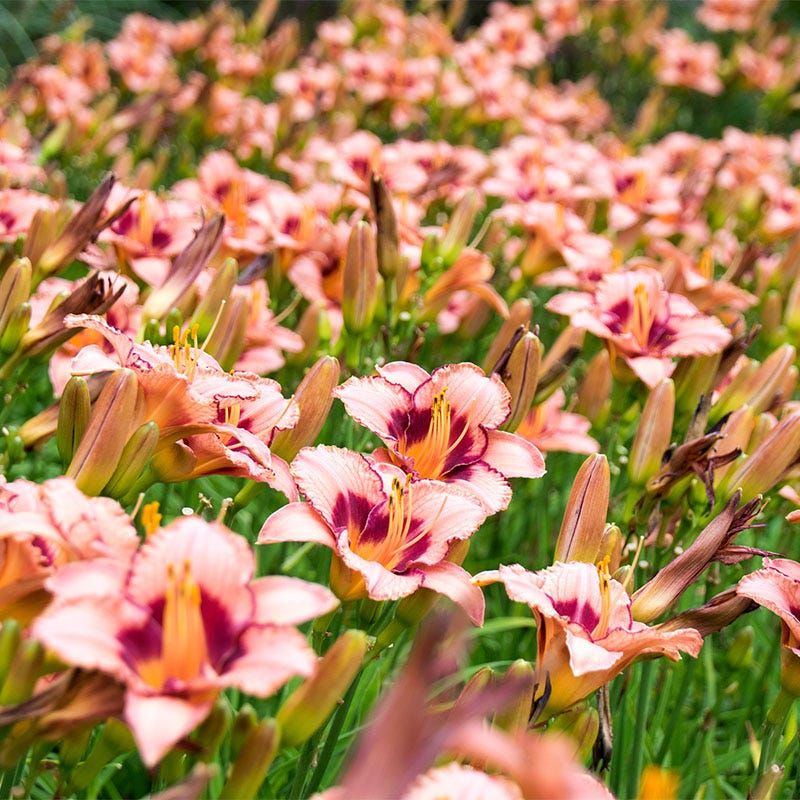
Daylilies earn their reputation as the perfect perennial for busy gardeners everywhere. Each flower lasts just one day, but plants produce dozens of blooms. Colors range from pale yellow to deep burgundy, offering endless design possibilities.
These perennials adapt to almost any Michigan soil type without complaint. Full sun locations produce the most flowers, but partial shade works fine. Plant them in spring or fall, spacing them eighteen inches apart.
Water new plantings regularly until you see vigorous growth starting. Established daylilies rarely need supplemental watering except during severe droughts. Their thick roots store moisture efficiently through dry periods.
Bloom time varies by variety, from early June through September. Planting multiple varieties extends the flowering season across your entire summer. Deadheading spent blooms keeps plants looking tidy but isn’t absolutely necessary.
Daylilies multiply naturally, forming larger clumps each year without becoming invasive. Divide crowded clumps every three to five years to maintain vigor. Share divisions with neighbors or expand your border plantings for free.
Your Michigan Garden Changes Every Week. Your Plan Should Too.
Gardening in Michigan changes quickly throughout the season. Every Friday you’ll receive a simple weekly plan showing exactly what to plant, prune, fertilize, harvest, and protect so you never miss the right timing.
Pests and diseases rarely bother these tough plants in Michigan gardens. Deer occasionally nibble flowers but usually leave foliage alone. Choose reblooming varieties like Stella de Oro for extra-long flowering periods throughout summer.
3. Dwarf Yew: Shade-Loving Evergreen Perfection
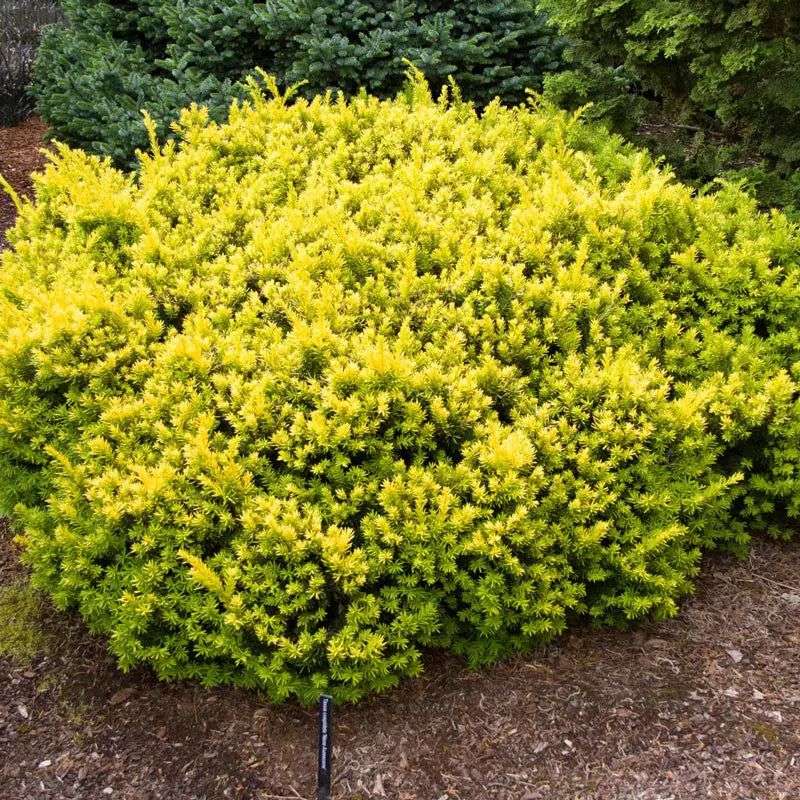
Dwarf yew transforms shady corners into lush green borders with minimal effort. These slow-growing evergreens maintain compact forms without constant trimming. Their dark green needles provide rich color even during gray winter months.
Northern Michigan yards with mature trees benefit greatly from dwarf yew plantings. These shrubs actually prefer shade over blazing sun exposure. Plant them where other border options struggle from lack of light.
Spring planting works best, though fall works too if done early. Dig holes twice as wide as root balls but no deeper. Yews dislike sitting in waterlogged soil, so ensure good drainage before planting.
Water weekly during the first summer to establish strong root systems. After establishment, natural rainfall usually provides enough moisture except during droughts. Mulch around plants but keep it away from stems to prevent rot.
Pruning needs remain minimal thanks to naturally slow growth rates. Shape plants in late spring if desired, removing no more than one-third. Dwarf varieties rarely outgrow their intended spaces, saving you constant maintenance.
These evergreens handle Michigan winters down to negative temperatures without protection. Snow actually insulates them rather than causing damage. Choose varieties like Taunton or Densiformis for reliable performance across the state.
4. Hostas: Lush Foliage For Shady Spots
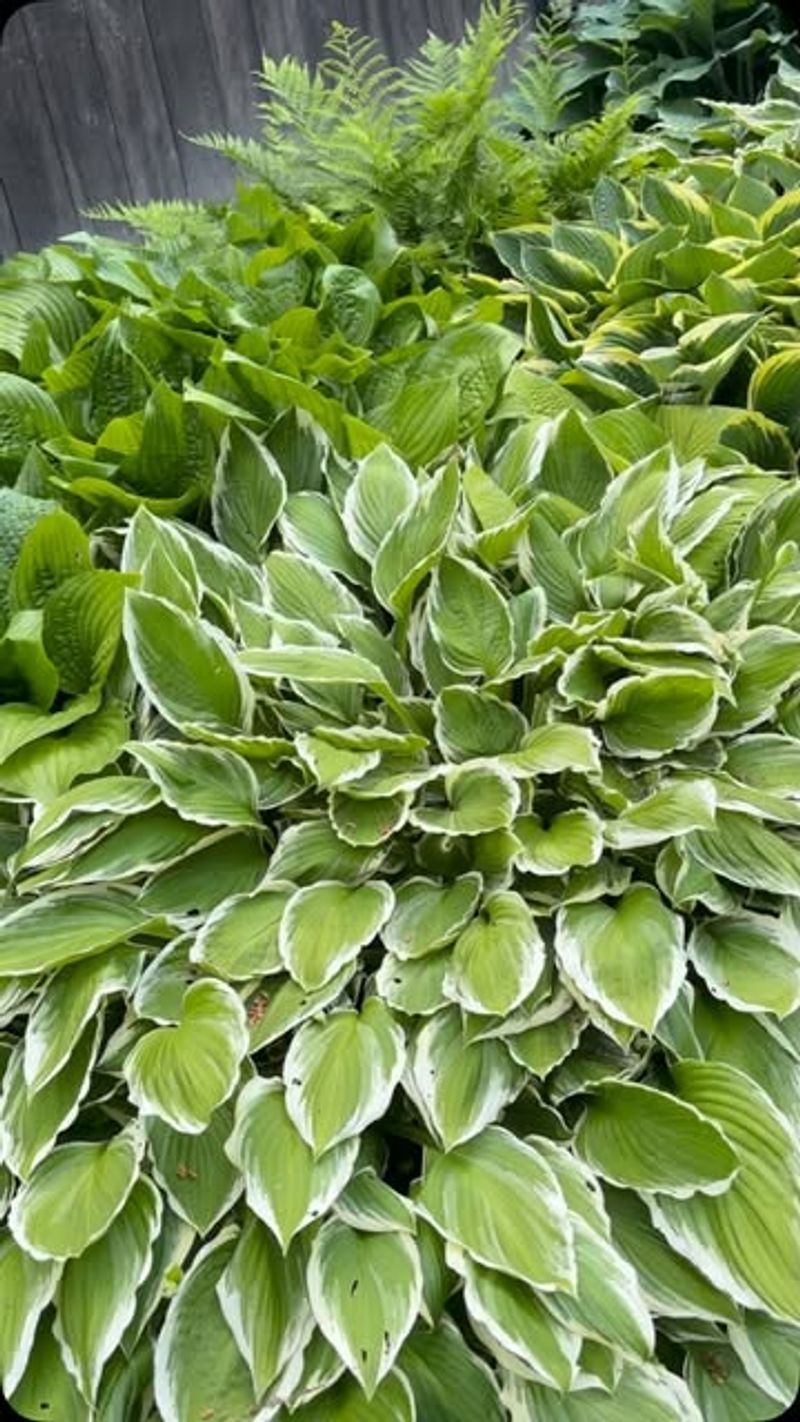
Hostas transform difficult shady areas into stunning foliage displays with remarkable ease. Their leaves come in countless combinations of green, blue, yellow, and white. Some varieties grow just six inches tall while others reach three feet.
Michigan’s humid summers suit hostas perfectly, encouraging lush leaf development. Plant them under trees or along north-facing walls where sun-loving plants struggle. Spring planting allows roots to establish before summer heat arrives.
Prepare planting areas by mixing generous amounts of compost into existing soil. Space plants according to their mature size, which varies dramatically by variety. Water regularly during the first season to encourage strong root growth.
Once established, hostas need watering only during extended dry spells in summer. Their thick roots tolerate brief drought periods without wilting or damage. Mulch around plants to maintain consistent soil moisture and suppress weeds.
Slugs sometimes chew holes in hosta leaves during wet spring weather. Beer traps or organic slug bait controls these pests without harsh chemicals. Thick-leaved varieties resist slug damage better than thin-leaved types.
Divide overgrown clumps in spring or fall to rejuvenate plants and create more. Hostas tolerate division well and bounce back quickly after transplanting. Their tolerance of dense shade makes them irreplaceable for Michigan woodland gardens.
5. Creeping Jenny: Golden Groundcover That Spreads Fast
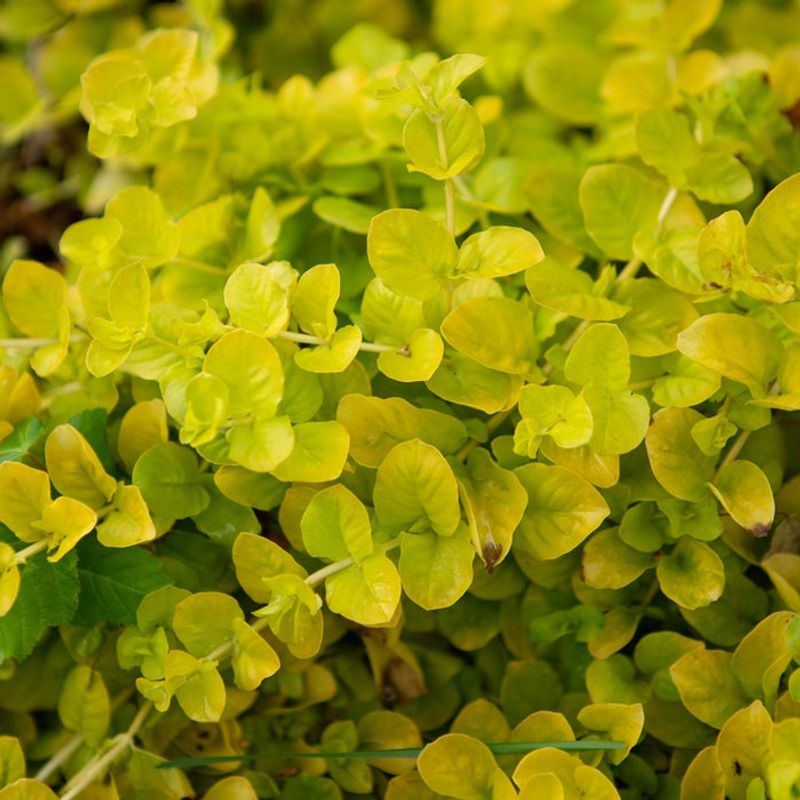
Creeping Jenny fills bare spots faster than almost any other groundcover plant. Its bright golden-green leaves create a cheerful carpet along border edges. This vigorous spreader crowds out weeds naturally, reducing maintenance time significantly.
Plant creeping Jenny in spring after frost danger passes completely. It tolerates full sun to partial shade, though colors stay brighter in sun. Space plants twelve inches apart for quick coverage within one growing season.
Water new plantings regularly until you notice vigorous spreading beginning. After establishment, this groundcover handles dry periods reasonably well but prefers consistent moisture. It thrives in areas that stay slightly damp without being waterlogged.
Creeping Jenny requires no fertilizing in average Michigan soils to grow enthusiastically. Its spreading habit fills gaps between other border plants beautifully. The trailing stems root wherever they touch soil, creating dense mats.
This plant spreads aggressively, so install edging to contain it if needed. Trim back wayward stems with scissors or mowers to maintain boundaries. Despite its vigor, it pulls out easily if it wanders too far.
Small yellow flowers appear in summer but remain secondary to the foliage display. Creeping Jenny stays evergreen in mild winters, browning only during harsh cold. It bounces back quickly each spring, even after Michigan’s toughest winters.
6. Blue Fescue: Architectural Grass With Steel-Blue Color
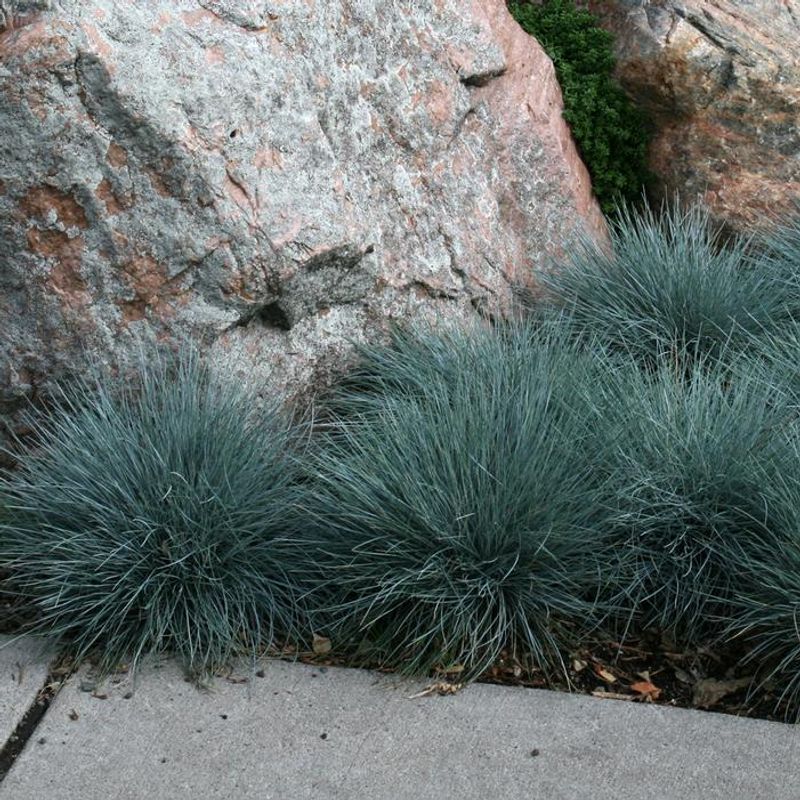
Blue fescue brings unexpected color and texture to sunny Michigan borders effortlessly. Its steel-blue foliage forms neat rounded mounds that hold their shape year-round.
This ornamental grass adds architectural interest without requiring staking or frequent division.
Full sun locations bring out the most intense blue coloring in the foliage. Plant in spring, spacing clumps twelve to fifteen inches apart for best effect. Blue fescue tolerates poor, sandy soils that challenge many other border plants.
Water regularly during establishment, then reduce frequency once plants show vigorous growth. This grass actually prefers drier conditions after settling in, making it drought-tolerant. Overwatering causes more problems than underwatering with this tough plant.
Blue fescue needs minimal fertilizing in average Michigan soils to thrive beautifully. Too much nitrogen reduces the intensity of its signature blue color. A light spring feeding with balanced fertilizer provides sufficient nutrition for the season.
Trim back old foliage in early spring before new growth emerges. Simply grab the clump and cut it back to about three inches. Fresh blue blades quickly replace the previous year’s growth without bare spots.
This grass rarely needs dividing and actually resents frequent disturbance to its roots. It maintains its compact size naturally without spreading aggressively into surrounding areas. Deer avoid blue fescue completely, making it ideal for rural Michigan properties.
7. Coral Bells: Colorful Leaves That Outshine Flowers
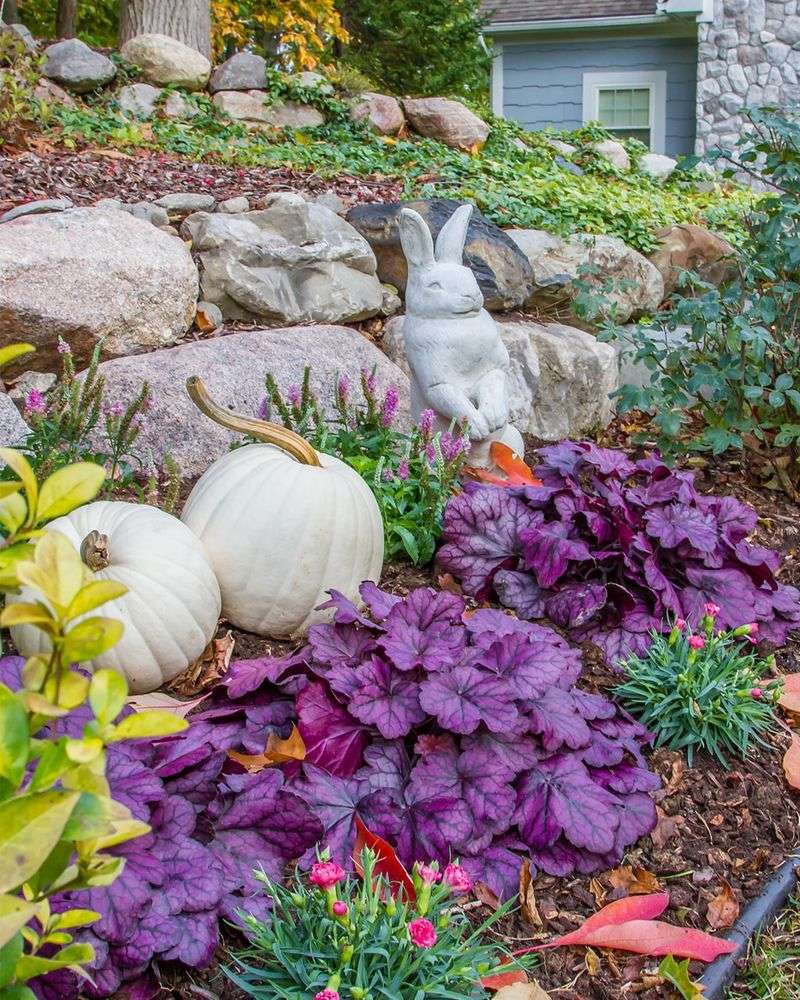
Coral bells deliver nonstop color from spring through fall with their stunning foliage. Leaves come in shades of purple, burgundy, lime, silver, and even near-black. Delicate flower spikes appear in summer but play second fiddle to the gorgeous leaves.
Partial shade suits coral bells best in Michigan’s climate, especially afternoon shade. Morning sun intensifies leaf colors while protecting plants from scorching heat. Plant in spring or early fall, spacing them fifteen inches apart.
Amend planting holes with compost to improve drainage and add organic matter. Coral bells dislike heavy clay soil that stays waterlogged after rain. Raised beds work wonderfully if your yard has drainage challenges.
Water consistently during the first growing season to establish strong root systems. After establishment, water during dry spells to maintain healthy foliage appearance. Mulch around plants but keep it away from the crown to prevent rot.
These perennials need little care beyond occasional watering and spring cleanup. Remove tattered leaves in early spring before new growth begins. Coral bells rarely require dividing and often perform best when left undisturbed.
Newer varieties show improved cold hardiness for Michigan’s challenging winters compared to older types.
Choose cultivars bred specifically for northern gardens to ensure reliable performance. Their evergreen to semi-evergreen nature provides winter interest when most perennials disappear completely.
8. Nandina: Four-Season Interest With Minimal Care
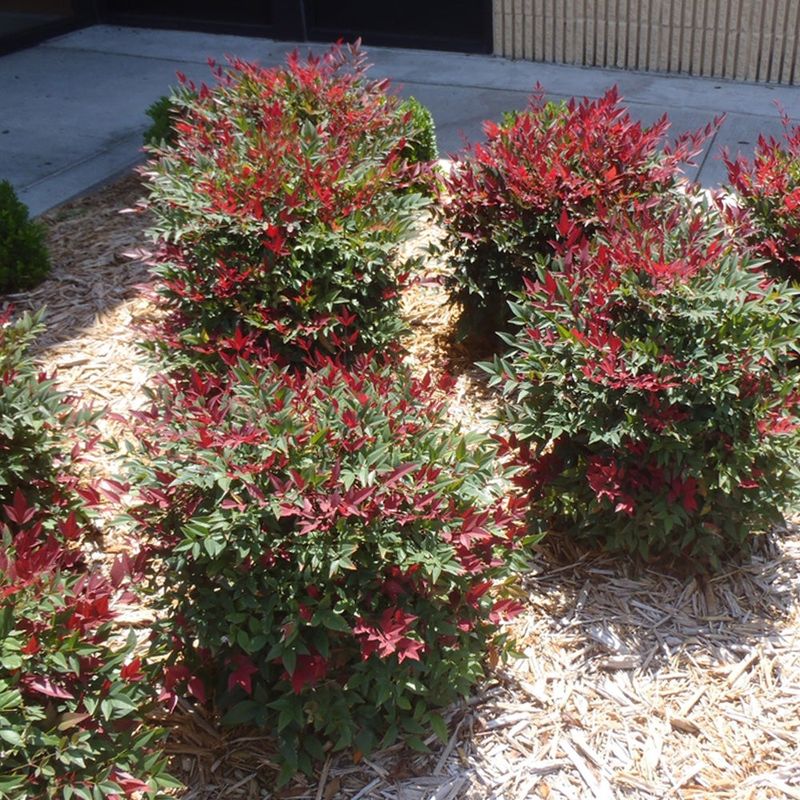
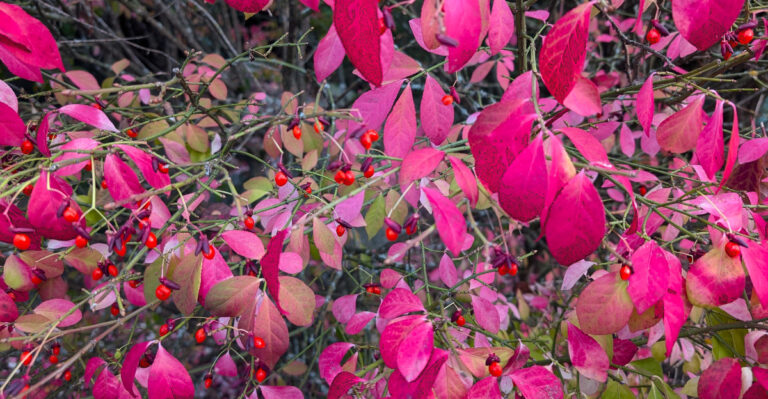
Nandina offers something interesting to look at during every season of the year. Spring brings bronze new growth, summer shows glossy green leaves, and fall explodes with red. Winter berries provide bright pops of color against snowy Michigan landscapes.
Plant nandina in spring after frost danger passes for best establishment success. It tolerates full sun to partial shade, though sun intensifies fall color. Space plants three feet apart to allow for their upright, vase-shaped growth habit.
Water regularly during the first growing season to help roots establish deeply. After establishment, nandina tolerates dry periods reasonably well without supplemental watering. It adapts to various soil types as long as drainage remains adequate.
This shrub needs virtually no pruning to maintain its naturally attractive form. Remove any damaged stems in early spring if winter causes occasional tip dieback. Nandina rarely requires shaping or size control in Michigan gardens.
The bright red berries attract birds during winter when food sources become scarce. However, berries may not form reliably in Michigan’s coldest zones without protection. Choose cold-hardy varieties specifically bred for northern climates for best results.
Nandina’s bamboo-like appearance adds an exotic touch to traditional Michigan landscapes.
Its evergreen to semi-evergreen nature provides structure when other plants go dormant. This shrub handles urban pollution and road salt better than many border plant options.
9. Japanese Forest Grass: Graceful Movement For Shade
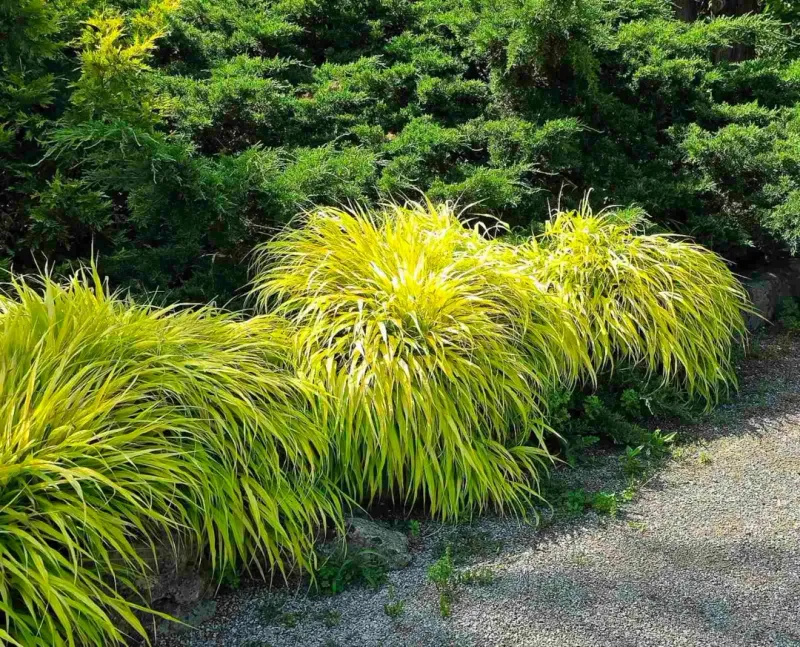
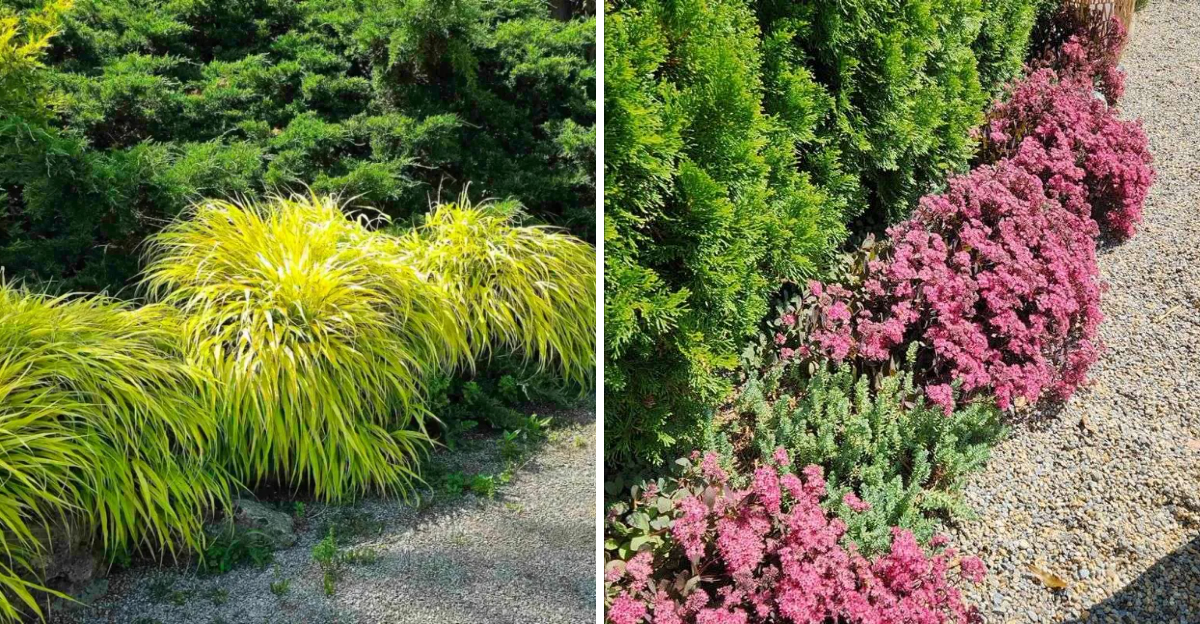
Japanese forest grass brings gentle movement to shady borders where few plants shine. Its cascading foliage sways with the slightest breeze, creating living sculpture. Golden varieties practically glow in low-light conditions that leave other plants looking dull.
Partial to full shade suits this elegant grass perfectly in Michigan gardens. It actually struggles in hot, sunny locations, making it ideal for challenging spots. Plant in spring, spacing clumps eighteen to twenty-four inches apart.
Prepare planting areas with plenty of compost to create rich, moisture-retentive soil. Japanese forest grass prefers consistent moisture without sitting in soggy conditions. Mulch around plants to maintain even soil moisture throughout the growing season.
Water regularly during establishment and continue through the first summer season. After establishment, water during dry spells to prevent foliage from browning at tips. This grass tolerates brief dry periods but looks best with consistent moisture.
Japanese forest grass grows slowly, forming neat clumps that rarely need dividing. It stays compact naturally without spreading aggressively into surrounding garden areas. Simply cut back old foliage in early spring before new growth emerges.
This grass handles Michigan winters well once established, though mulching helps in exposed locations.
Its mounding habit and arching form create soft texture contrasts with bold-leaved hostas. Deer generally leave Japanese forest grass alone, making it suitable for rural properties.
10. Sedum: Tough Succulent That Thrives On Neglect
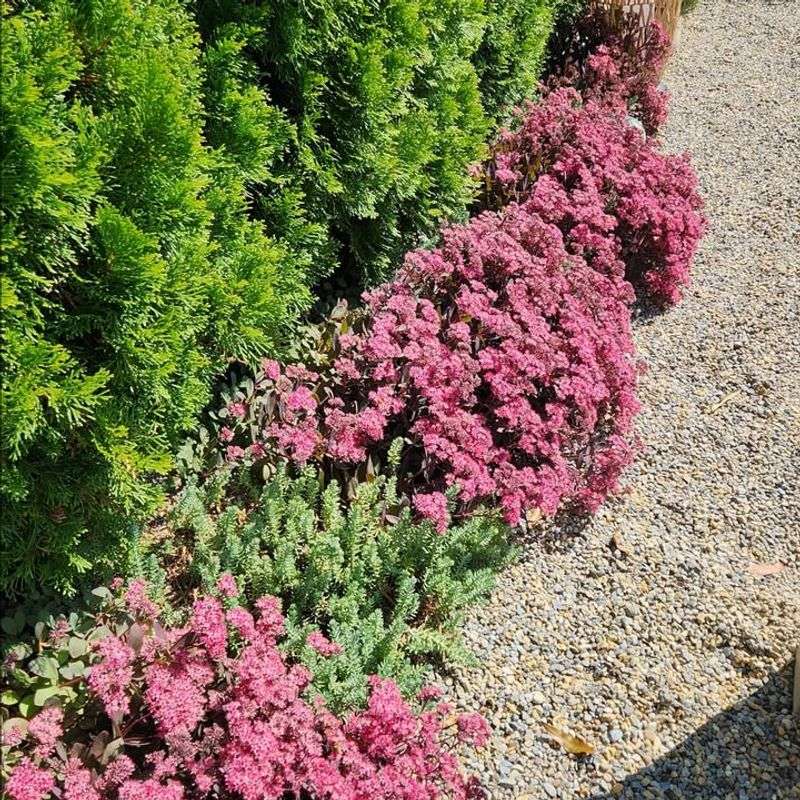
Sedum proves that beautiful borders don’t require constant attention or pampering. These succulents store water in their thick leaves, surviving drought effortlessly.
Their low-growing habit creates dense mats that suppress weeds while looking intentional and attractive.
Full sun locations bring out the best performance from sedum plantings. Plant in spring or early summer, spacing plants twelve inches apart. They tolerate poor, rocky soils that discourage most other border plant options.
Water lightly after planting, then reduce frequency as plants establish and spread. Sedum actually prefers drier conditions and suffers from overwatering more than underwatering. Skip supplemental watering entirely once plants show vigorous growth and spreading.
These succulents need zero fertilizing to grow enthusiastically in average Michigan soils. Too much fertility causes floppy growth that looks messy rather than tidy. Simply let sedum do its thing without interference for best results.
Late summer brings clusters of star-shaped flowers in pink, red, yellow, or white. Bees and butterflies visit flowers enthusiastically, adding life to your border plantings. Spent flowers dry attractively and provide winter interest if left standing.
Sedum spreads steadily without becoming invasive or difficult to control in borders. Simply pull out any stems that wander beyond desired boundaries. This groundcover handles Michigan winters without protection, bouncing back reliably each spring.