Michigan Homeowners Love These Indoor Plants That Grow And Bloom In Water
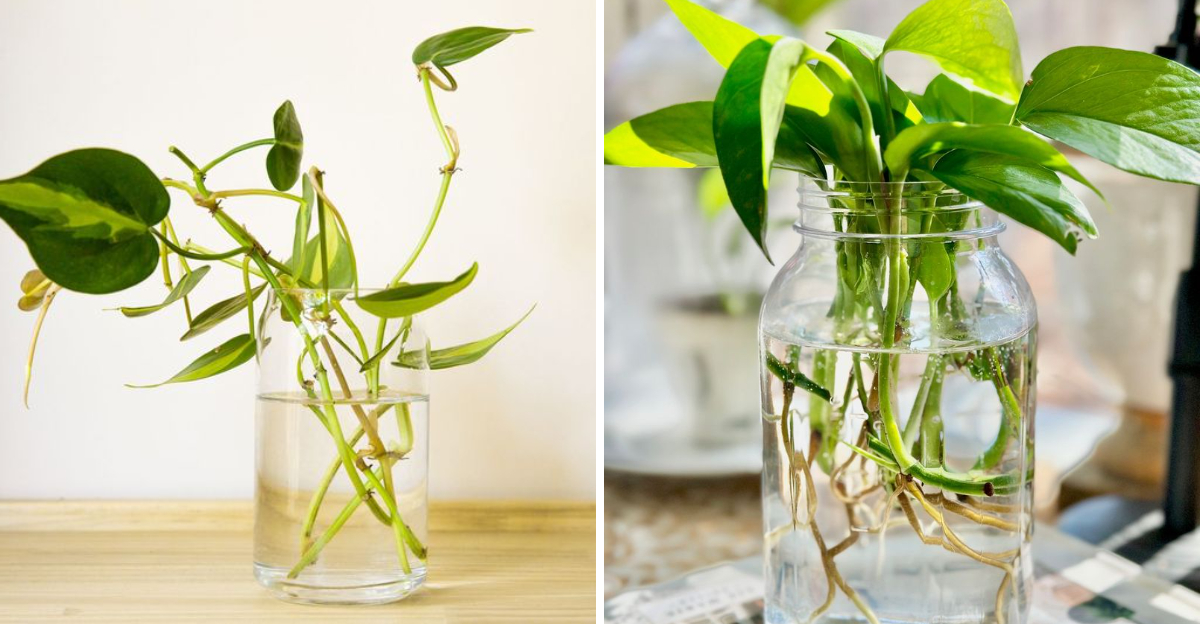
Houseplants that grow in soil are great, but Michigan homeowners are falling hard for plants that thrive in nothing but water. No messy potting mix, no gnats, no guesswork. Just clean glass containers, fresh roots, and surprisingly beautiful blooms.
With long winters and limited outdoor gardening time, water-grown plants make indoor spaces feel greener without adding extra work.
They are perfect for apartments, busy households, and anyone who wants low-effort greenery that still looks impressive. Even better, watching roots grow in clear jars adds a cool, decorative touch that doubles as living art.
From sunny kitchen windows to low-light office desks, these plants adapt easily and keep growing with minimal care.
If you love the idea of fresh flowers and lush leaves without dealing with dirt, you are about to discover why so many Michigan homeowners are switching to water-grown plants and never looking back.
1. Peace Lily Brings Elegant White Blooms Indoors
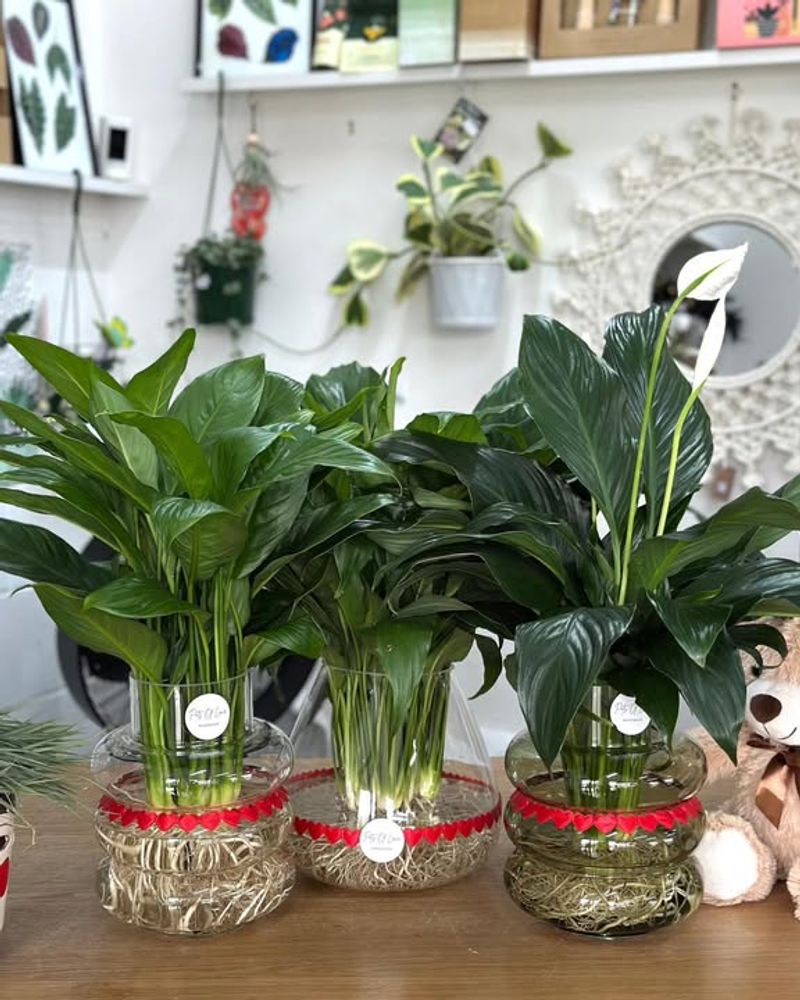
Peace lilies make stunning additions to Michigan homes with their glossy leaves and graceful white flowers.
These tropical beauties adapt remarkably well to water culture systems. You can transition a soil-grown peace lily to water by gently washing the roots clean.
Place your peace lily in a clear container filled with room-temperature water. The roots should stay submerged while the crown remains above water level. Change the water every week to prevent algae growth and keep nutrients fresh.
These plants prefer bright, indirect light near east-facing windows in your Michigan home. They tolerate lower light conditions but bloom more frequently with adequate brightness. Room temperatures between 65 and 80 degrees work perfectly for healthy growth.
Peace lilies signal their needs by drooping slightly when thirsty in water culture. Adding liquid fertilizer once monthly at quarter strength supports vibrant foliage and blooms. The white flowers can last several weeks, bringing continuous beauty to your indoor space.
Michigan’s dry winter air doesn’t bother peace lilies much when grown in water. The evaporation from the container adds humidity around the plant naturally. You’ll enjoy watching new leaves unfurl regularly throughout the year with proper care.
2. Lucky Bamboo Adds Zen Simplicity To Any Room
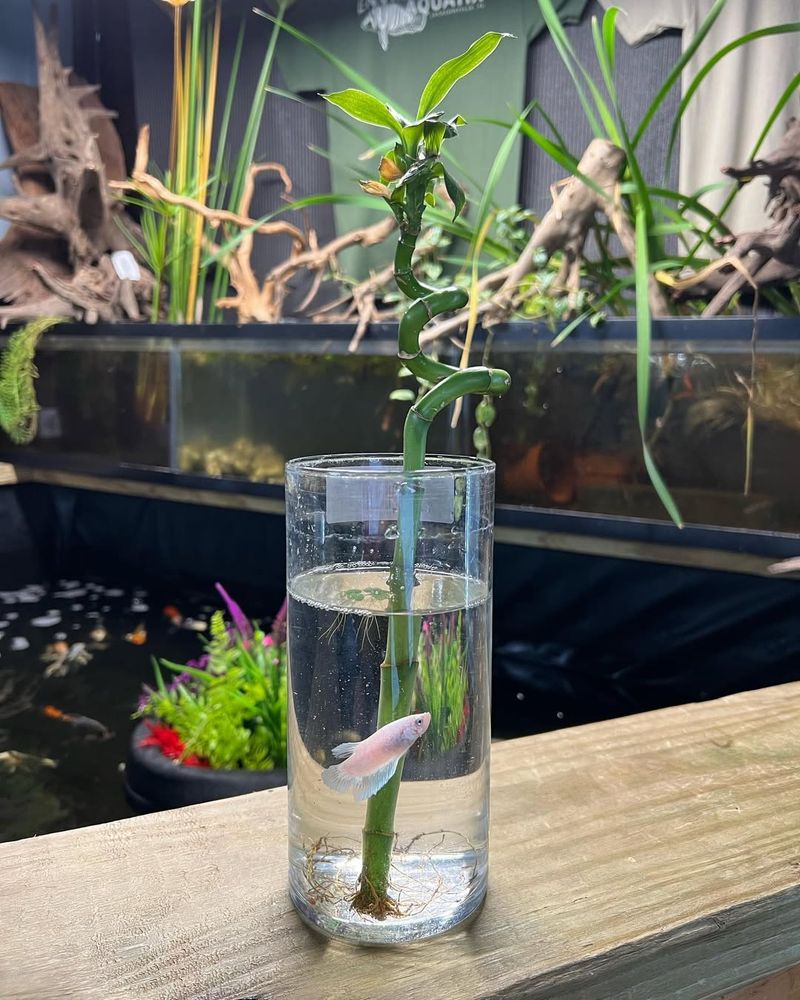
Lucky bamboo isn’t actually bamboo but rather a resilient member of the Dracaena family. Michigan homeowners adore its sculptural form and incredibly easy care requirements. These plants thrive in simple vases filled with pebbles and fresh water.
Fill your container with two to three inches of clean pebbles or decorative stones. Add distilled or filtered water until it covers the roots and lower stems. Tap water works fine if you let it sit overnight to release chlorine.
Position lucky bamboo in low to moderate indirect light away from heating vents. Direct sunlight can scorch the leaves and turn them yellow quickly. These plants tolerate Michigan’s varying indoor conditions remarkably well throughout all seasons.
Change the water completely every two to four weeks to maintain freshness. Wipe down the stalks gently with a damp cloth to remove dust buildup. Lucky bamboo grows slowly but steadily, adding new leaves from the top nodes.
Your Michigan Garden Changes Every Week. Your Plan Should Too.
Gardening in Michigan changes quickly throughout the season. Every Friday you’ll receive a simple weekly plan showing exactly what to plant, prune, fertilize, harvest, and protect so you never miss the right timing.
You can arrange multiple stalks in creative patterns or keep them straight and simple. Adding a few drops of liquid fertilizer every couple months encourages healthy green growth.
The minimal care requirements make lucky bamboo perfect for busy Michigan households seeking attractive greenery.
3. Spider Plant Babies Root Easily In Water
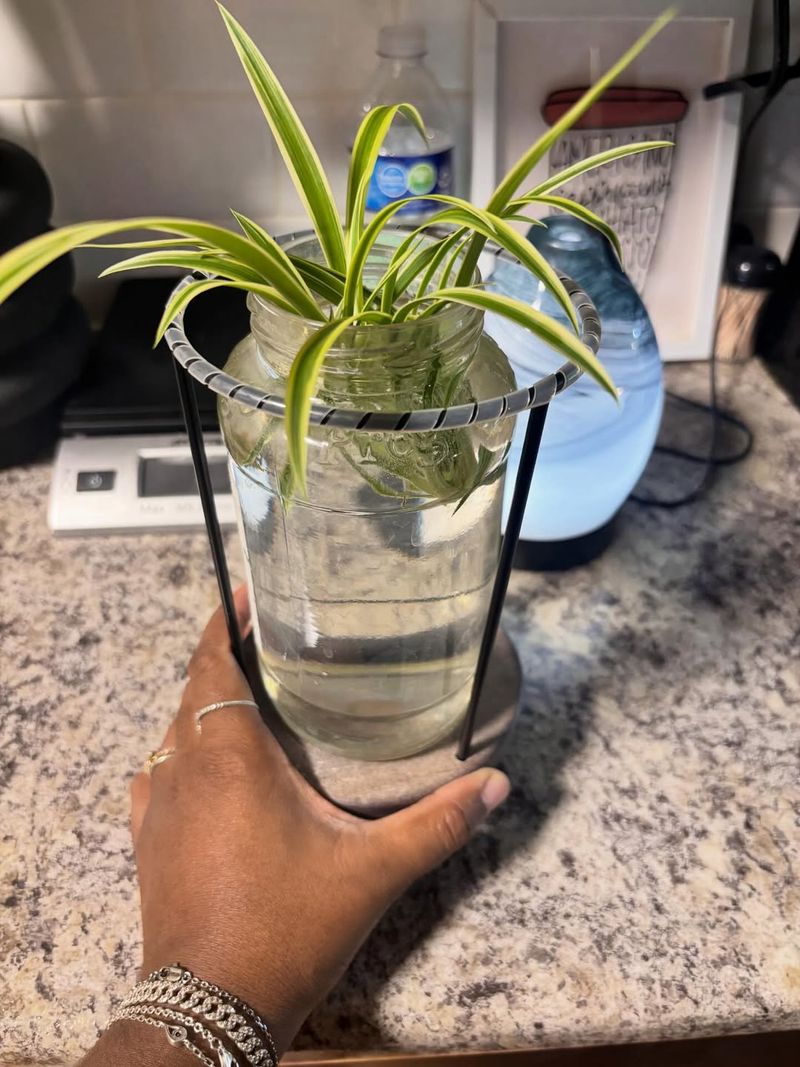
Spider plants produce adorable miniature versions of themselves on long, arching stems throughout the growing season.
These baby plantlets root incredibly fast when placed in water containers. Michigan gardeners love propagating spider plants for gifts and expanding their collections.
Snip a healthy plantlet from the mother plant using clean scissors or shears. Place the baby spider plant in a glass or jar with enough water to cover the tiny roots. Within days, you’ll notice white roots growing longer and stronger.
Keep your water-rooted spider plants in bright, indirect light for best results. They adapt to various light conditions but prefer consistent brightness without harsh sun. Room temperature water works perfectly, and you should refresh it weekly.
Spider plants tolerate Michigan’s dry winter air better than many tropical houseplants. The variegated leaves with white or cream stripes add visual interest to any space. You can keep them in water indefinitely or transfer them to soil once roots develop.
These plants occasionally produce small white flowers on mature specimens when conditions are ideal.
The cascading growth habit looks beautiful in hanging displays or on tall shelves. Spider plants purify indoor air naturally while requiring minimal attention from busy homeowners.
4. Philodendron Vines Create Living Green Curtains
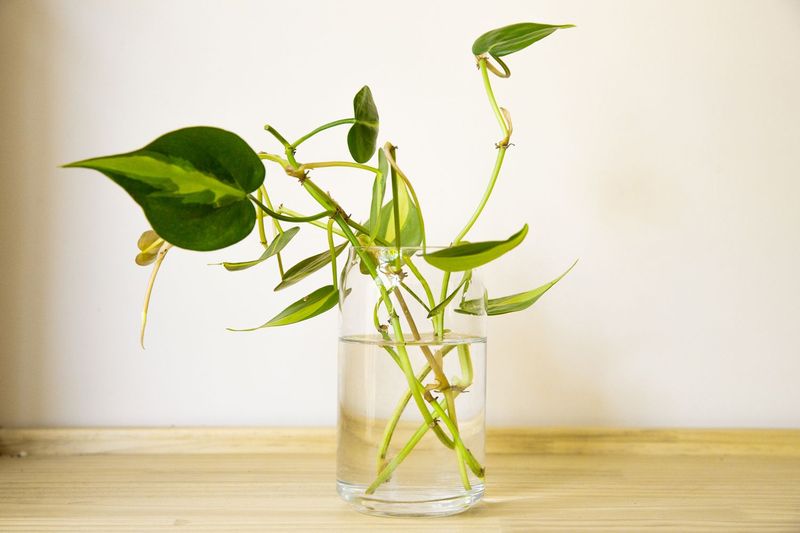
Heartleaf philodendrons rank among the easiest plants to grow in water for Michigan homes. Their heart-shaped leaves and trailing vines create stunning vertical displays. Simply take a cutting below a leaf node and place it in water.
Use a clean glass bottle or vase filled with room-temperature filtered water. The cutting will develop roots within one to two weeks typically. You can watch the white roots grow longer each day through clear containers.
Philodendrons prefer bright, indirect light but tolerate lower light conditions surprisingly well. Avoid placing them in direct afternoon sun through south-facing Michigan windows. The leaves might develop brown patches if exposed to intense sunlight.
Change the water every week or when it becomes cloudy or discolored. Add a diluted liquid fertilizer monthly to support vigorous growth and deep green coloring. The vines can grow several feet long when kept in water permanently.
These plants adapt well to normal household temperatures between 65 and 80 degrees. Michigan’s indoor heating during winter doesn’t stress philodendrons grown in water.
You can trim the vines to encourage bushier growth or let them trail freely. The glossy foliage adds tropical charm to any room year-round.
5. Pothos Thrives Indefinitely In Simple Water Setups
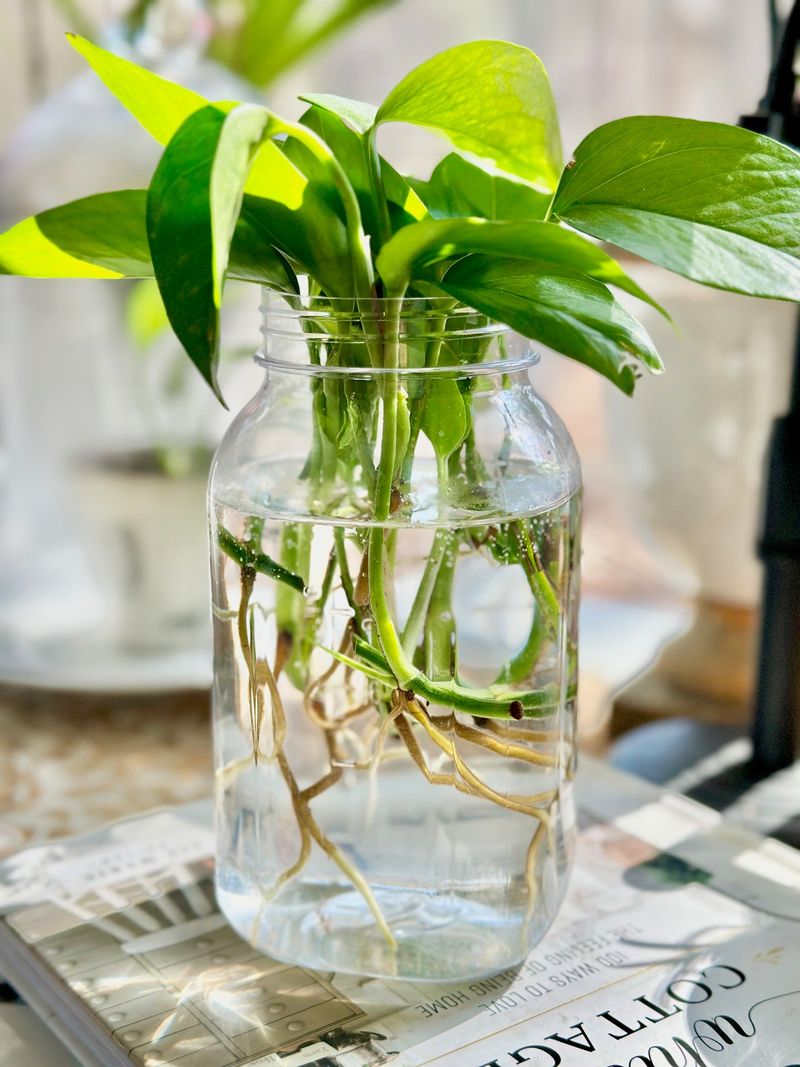
Pothos plants have earned their reputation as nearly indestructible houseplants that flourish in water culture.
Michigan homeowners appreciate their forgiving nature and attractive variegated or solid green foliage. These vining plants can live in water for years without needing soil.
Start with healthy stem cuttings that include at least two leaves and nodes. Submerge the nodes in clean water while keeping the leaves above the surface. Roots will emerge from the nodes within seven to ten days usually.
Pothos tolerates a wide range of light conditions from low to bright indirect. However, variegated varieties maintain their color patterns better with adequate light exposure. Place them near windows with sheer curtains in your Michigan home.
Refresh the water weekly to prevent bacterial growth and maintain oxygen levels. The roots can grow quite long and tangled over time in water. Adding liquid fertilizer at half strength monthly keeps the foliage vibrant and healthy.
These plants adapt to typical indoor temperatures and humidity levels found in Michigan homes. The trailing vines look gorgeous cascading from shelves or climbing moss poles.
Pothos also removes indoor air pollutants naturally while growing. You can propagate more plants easily by taking additional cuttings throughout the year.
6. Colorful Coleus Cuttings Brighten Winter Windows
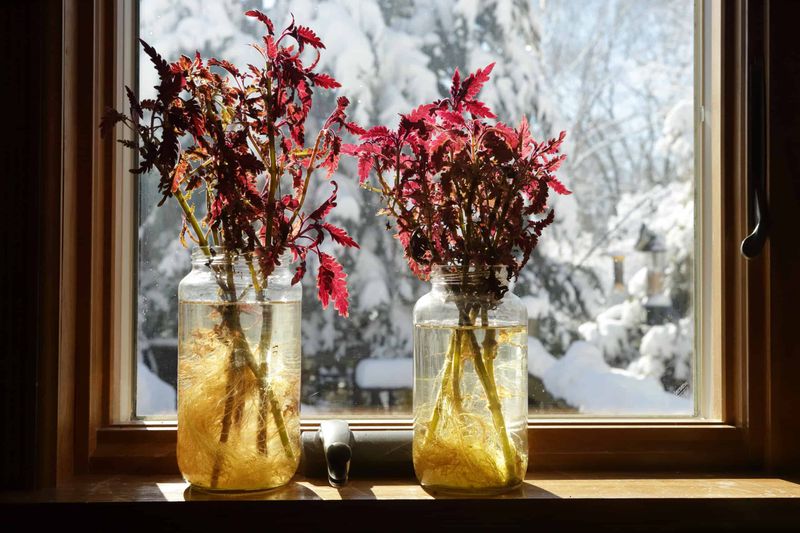
Coleus plants offer incredible leaf color variations that rival any flower display in your Michigan home.
Taking cuttings and rooting them in water provides endless propagation possibilities. The bold foliage patterns include combinations of red, pink, purple, yellow, and green.
Snip four to six inch stem cuttings from healthy coleus plants using sharp scissors. Remove the lower leaves and place stems in containers with fresh water. The cuttings root quickly, usually within five to seven days in proper conditions.
Bright, indirect light brings out the most intense colors in coleus foliage. Michigan’s winter sun through east or west windows works perfectly for these plants. Insufficient light causes the colors to fade and the stems to stretch.
Change the water every few days to keep it clear and oxygenated. Coleus grows rapidly in water and can become quite bushy with regular pinching. The colorful leaves create stunning focal points on tables or countertops throughout your home.
Room temperatures between 60 and 75 degrees suit coleus perfectly during Michigan winters. You can keep the cuttings in water indefinitely or transplant them to soil eventually. These plants provide months of vibrant color with minimal care required.
Pinching off flower spikes encourages more leaf production and bushier growth patterns.
7. Orchids Bloom Beautifully In Semi-Hydroponic Systems
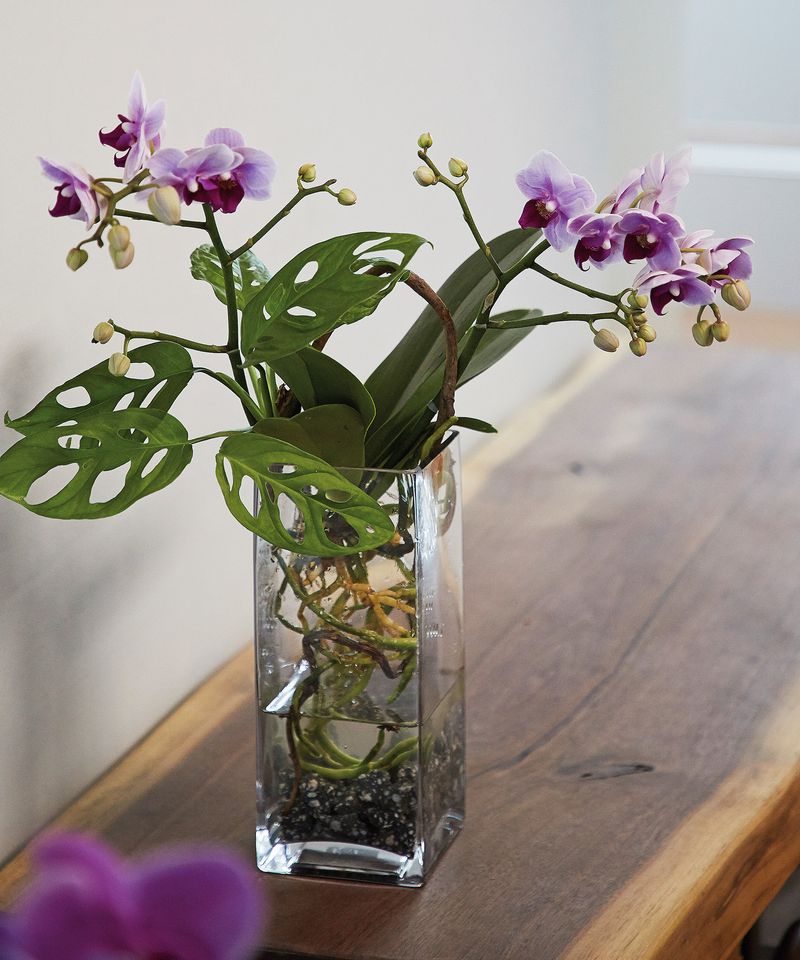
Phalaenopsis orchids surprise many Michigan gardeners by thriving in water culture with proper techniques.
These elegant flowering plants adapt well to semi-hydroponic systems using containers and clay pebbles. The blooms can last two to three months with appropriate care.
Use a clear container with drainage holes placed inside a decorative outer pot. Fill the inner container with expanded clay pebbles or LECA stones. Add water to the outer pot until it reaches just below the inner container bottom.
The orchid roots absorb moisture from the humid air space between water and pebbles. This prevents root rot while maintaining adequate hydration for healthy growth. Change the water weekly and flush the pebbles with fresh water monthly.
Orchids need bright, indirect light to produce flowers in Michigan homes successfully. East-facing windows provide ideal morning sun without intense afternoon heat. Temperatures between 65 and 80 degrees encourage blooming cycles.
Add orchid-specific fertilizer at quarter strength weekly during active growth periods. The roots should appear silvery-green when properly hydrated in semi-hydroponic culture. After blooming, orchids enter rest periods before producing new flower spikes.
Patience rewards you with spectacular blooms that brighten Michigan’s gray winter months beautifully.
8. Fragrant Hyacinths Force Easily In Water Glasses
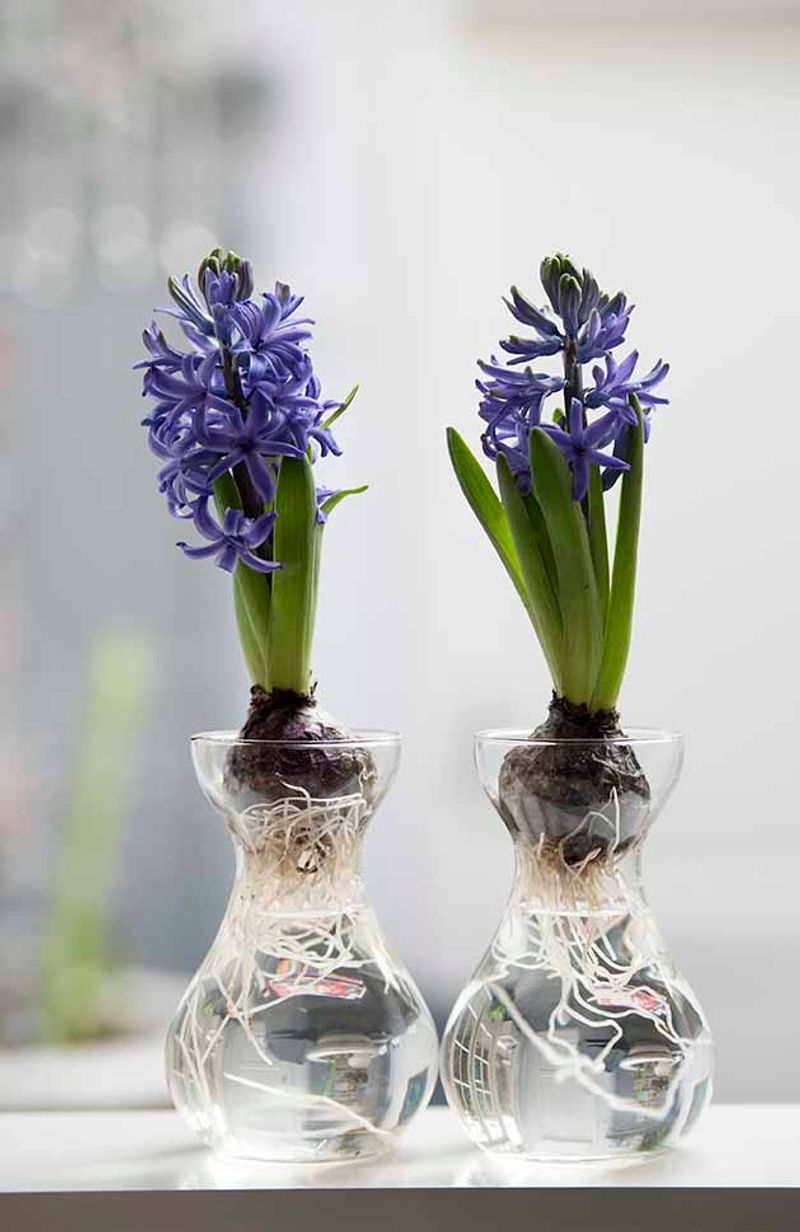
Hyacinth bulbs bring intoxicating fragrance and cheerful spring colors to Michigan homes during dark winter months. Forcing these bulbs in water requires special vases or simple jars with narrow necks. The process takes six to twelve weeks from start to bloom.
Choose firm, healthy bulbs without soft spots or mold for best results. Place the bulb in a forcing vase with the pointed end up. Add water until it nearly touches the bulb base without actually submerging it.
Store the setup in a cool, dark location around 40 to 50 degrees for root development. A garage or unheated basement works perfectly for Michigan gardeners during this phase. Roots will grow downward into the water over several weeks.
Once shoots emerge and reach two inches tall, move the vase to indirect light. Gradually increase light exposure as the flower spike develops and grows taller. The blooms will open within days of reaching full height.
Hyacinths come in stunning colors including pink, purple, white, yellow, and blue varieties. The intense fragrance fills entire rooms with sweet spring scent during blooming. Keep the water level consistent throughout the forcing process.
After flowering, these bulbs typically won’t rebloom and can be composted or planted outdoors.
9. Stunning Amaryllis Bulbs Create Holiday Centerpieces
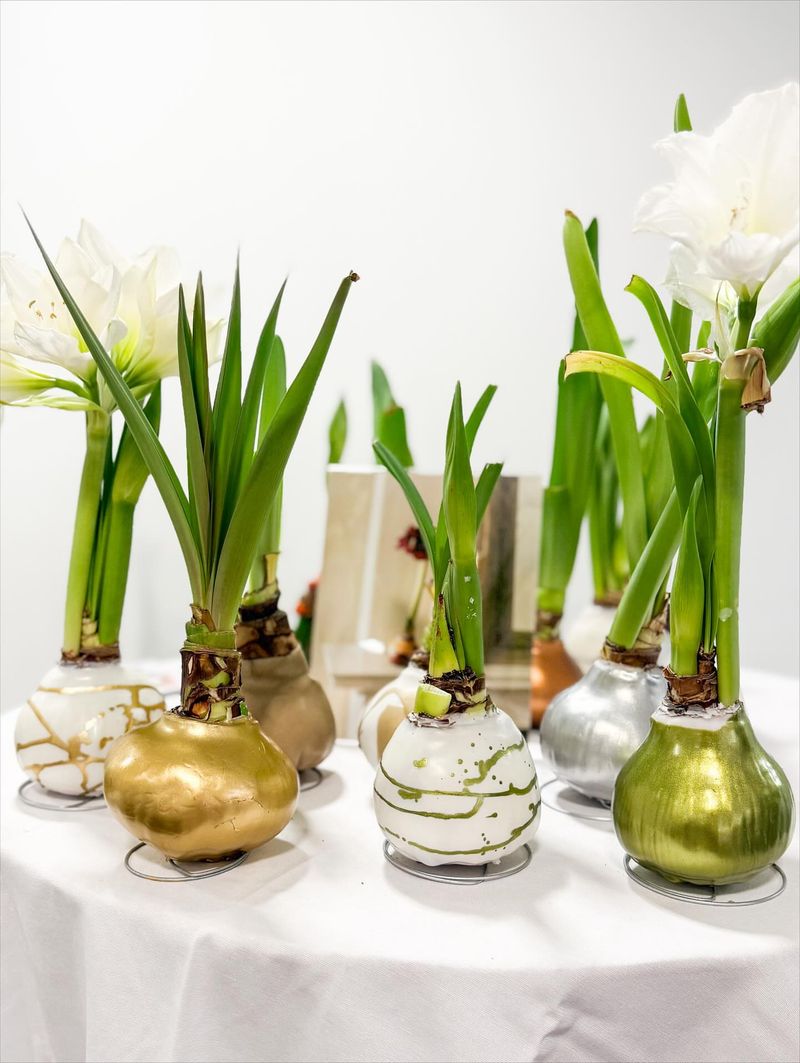
Amaryllis bulbs produce enormous, show-stopping flowers that make perfect holiday decorations for Michigan homes.
Growing them in water eliminates soil mess while showcasing the impressive bulb and roots. These tropical bulbs bloom reliably with minimal effort required.
Select large, firm amaryllis bulbs for the most spectacular flower displays. Place the bulb in a heavy glass container with the pointed end facing upward. Add decorative stones or pebbles around the bulb for stability and visual appeal.
Pour water into the container until it reaches just below the bulb base. The roots will grow down into the water while the bulb stays dry. This prevents rot and encourages healthy flower spike development over several weeks.
Position your amaryllis in bright, indirect light near Michigan windows for best growth. Turn the container regularly to prevent the tall flower spike from leaning heavily. Blooms typically appear six to eight weeks after planting begins.
Each bulb produces one to three flower spikes with multiple large blooms per spike. Colors range from classic red and white to pink, orange, and striped varieties. The flowers can last two to three weeks when kept in moderate temperatures.
After blooming, amaryllis bulbs grown in water typically exhaust their energy and won’t rebloom successfully.
10. Chinese Evergreen Adds Year-Round Foliage Interest
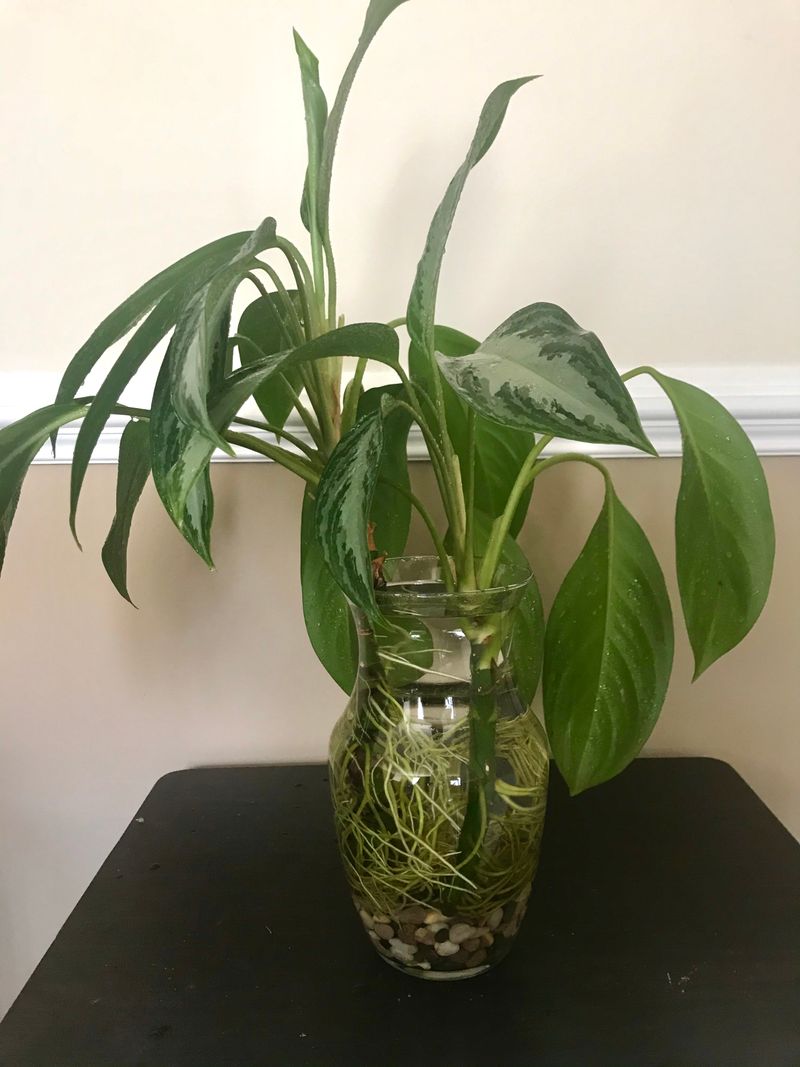
Chinese evergreens offer stunning leaf patterns and remarkable tolerance for low-light Michigan interiors.
These tropical plants adapt surprisingly well to water culture after proper root preparation. The variegated foliage adds visual interest throughout the year with minimal maintenance.
Start with a healthy stem cutting or small plant with established roots. Rinse soil completely from the roots under lukewarm running water gently. Place the plant in a container with enough water to cover the root system.
Chinese evergreens tolerate low to moderate indirect light better than most houseplants. This makes them perfect for Michigan rooms without bright windows or offices. The leaf patterns remain vibrant even in dimmer conditions throughout winter months.
Change the water every one to two weeks to maintain freshness and clarity. The roots will continue growing and may become quite extensive over time. Adding diluted liquid fertilizer monthly supports healthy foliage production and color intensity.
These plants prefer temperatures between 65 and 80 degrees found in typical Michigan homes. The thick, leathery leaves come in various patterns including silver, cream, pink, and red markings. Chinese evergreens grow slowly but steadily in water culture.
They rarely experience pest problems and require very little attention from busy homeowners seeking reliable greenery.