10 Plants That Thrive With Eggshell Fertilizer In Michigan Gardens
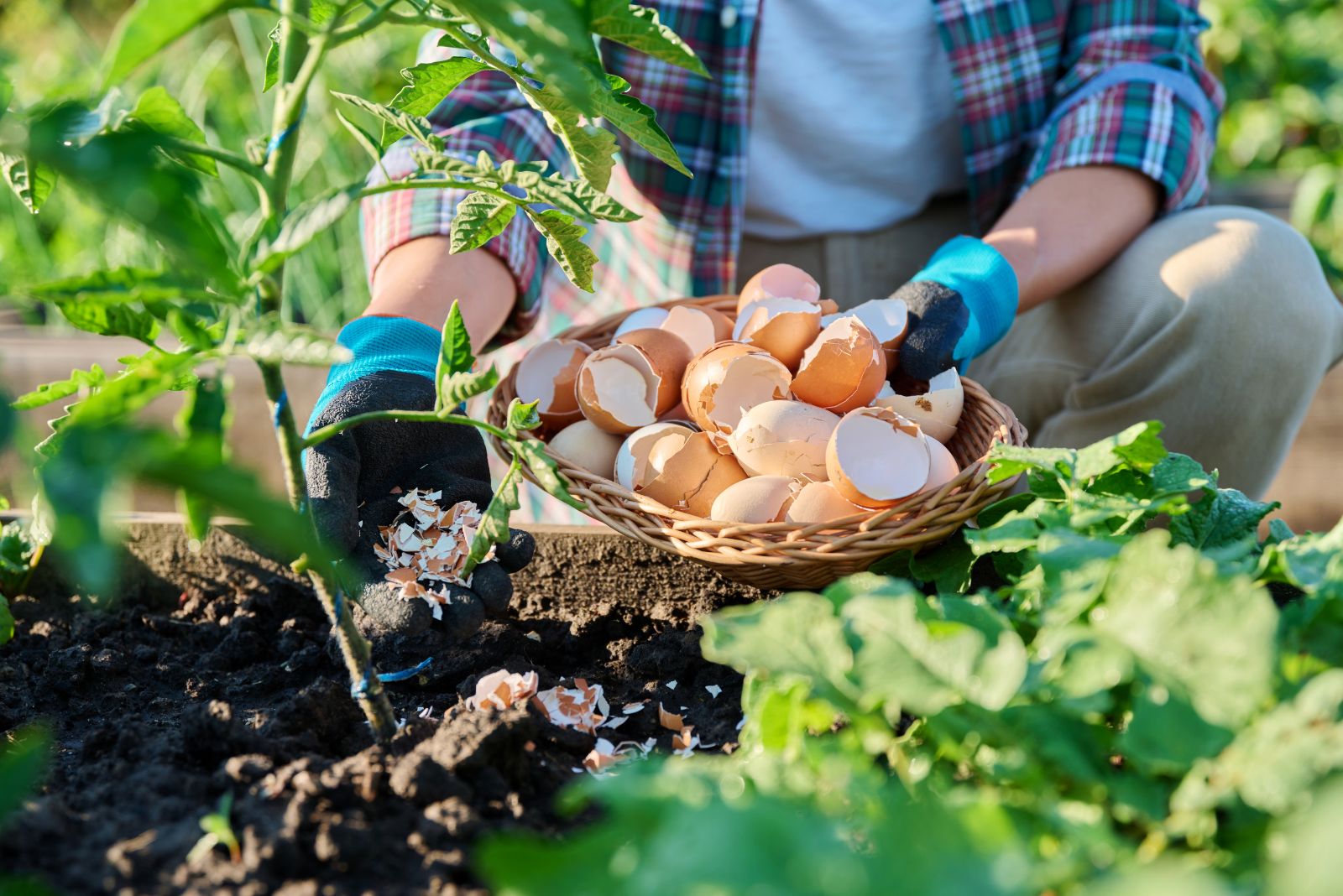
If you garden in Michigan, you probably already save eggshells for compost, but many gardeners are taking it a step further and using them as a powerful natural fertilizer.
Eggshells are packed with calcium, which is especially helpful for Michigan’s mixed soil types and moisture-heavy growing seasons.
Instead of tossing them in the trash, smart gardeners crush and reuse shells to strengthen plants, improve root health, and prevent common issues like blossom end rot. Best of all, it is free, eco-friendly, and easy to add to your routine.
Whether you grow vegetables, flowers, or container plants, eggshell fertilizer can give your garden a noticeable boost without harsh chemicals.
If you love simple garden hacks that actually work, you are going to want to see which plants respond best to this kitchen scrap upgrade.
Let’s dig into the top plants that thrive with eggshell fertilizer in Michigan gardens.
1. Tomatoes (Solanum Lycopersicum)
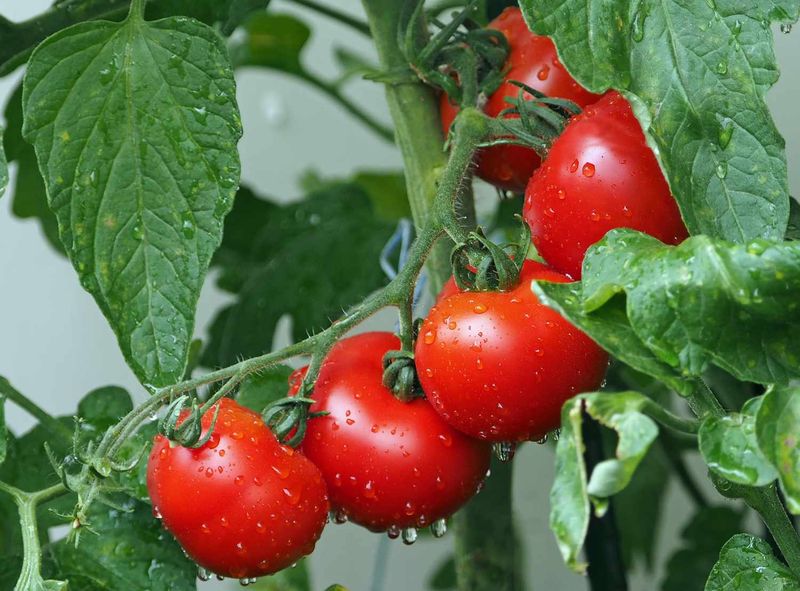
Every Michigan gardener dreams of perfect tomatoes, but blossom-end rot often ruins that dream. This frustrating condition creates dark, sunken spots on the bottom of fruits.
Calcium deficiency causes this problem, and eggshells provide the perfect remedy.
Crushing eggshells into small pieces and mixing them into your tomato bed before planting works best. The shells slowly release calcium as they break down throughout the growing season.
Your plants absorb this mineral through their roots, strengthening cell walls and preventing that dreaded rot.
Michigan’s clay-heavy soils sometimes lock up calcium, making it unavailable to plants. Adding eggshells improves soil structure while delivering nutrients directly where roots can access them.
You can also sprinkle crushed shells around established plants as a side dressing. For maximum benefit, start collecting eggshells in winter and let them dry completely. Grind them into a coarse powder using a food processor or rolling pin.
Mix about two cups of crushed shells into each planting hole, and watch your tomatoes flourish with strong, healthy fruits all summer long.
2. Peppers (Capsicum Annuum)
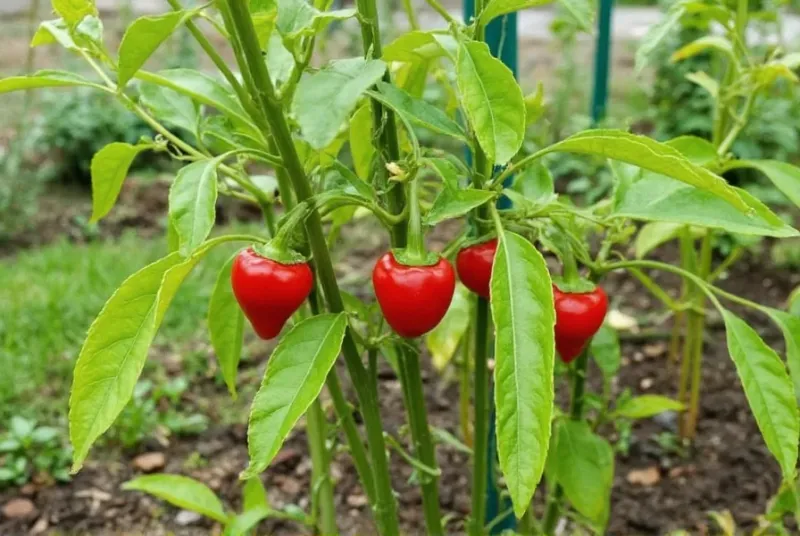
Bell peppers and hot varieties absolutely love calcium-rich soil amendments. Strong cell walls mean crisp, thick-walled fruits that resist cracking and splitting. Eggshells deliver this essential mineral in a form that peppers can easily use.
Michigan’s shorter growing season means peppers need every advantage to produce abundant harvests. Calcium supports flower development and helps fruits set properly.
Without enough calcium, peppers develop thin walls and may drop blossoms before fruiting.
Work crushed eggshells into your pepper bed about two weeks before transplanting seedlings. This gives the shells time to start breaking down and releasing nutrients. The slightly gritty texture also helps improve drainage in heavy Michigan soils.
You can create an eggshell tea by soaking crushed shells in water for several days. Use this calcium-rich liquid to water your pepper plants every two weeks during the growing season.
This method provides a quick calcium boost that plants can absorb immediately through their roots and leaves.
3. Eggplants (Solanum Melongena)
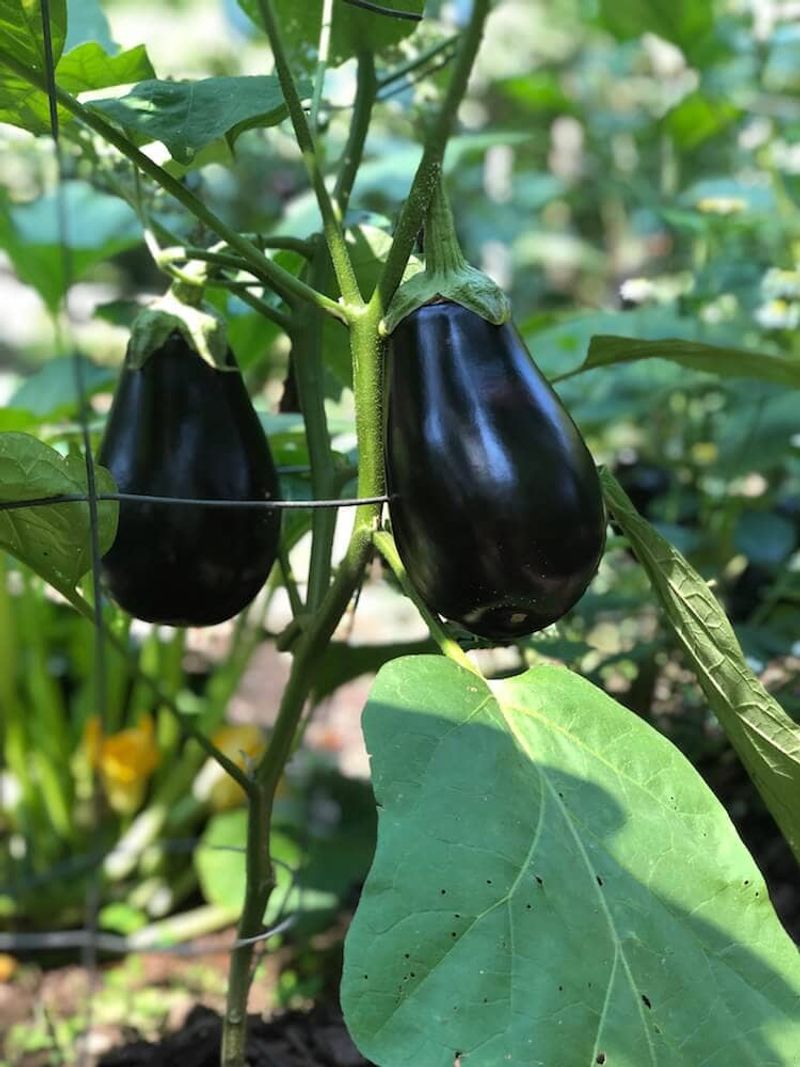
Glossy purple eggplants need plenty of calcium to develop properly and resist cracking. These heat-loving plants can be tricky in Michigan, but eggshells give them a fighting chance.
Your Michigan Garden Changes Every Week. Your Plan Should Too.
Gardening in Michigan changes quickly throughout the season. Every Friday you’ll receive a simple weekly plan showing exactly what to plant, prune, fertilize, harvest, and protect so you never miss the right timing.
Calcium strengthens fruit skins and helps plants handle environmental stress better. Preparing your eggplant bed with crushed shells ensures steady calcium availability throughout the season.
Mix about three cups of ground eggshells per square yard into the top six inches of soil. This creates a calcium reservoir that roots can tap into as fruits develop.
Eggplants growing in calcium-deficient soil often produce misshapen fruits with tough, bitter flesh. The fruits may also develop brown spots or split open as they mature. These problems disappear when you amend soil with eggshells before planting.
Michigan gardeners should start eggplants indoors and transplant after the last frost. Add a handful of crushed eggshells to each transplant hole for an extra calcium boost.
The shells also help retain moisture around roots, which eggplants appreciate during hot summer days.
4. Squash (Cucurbita Pepo)
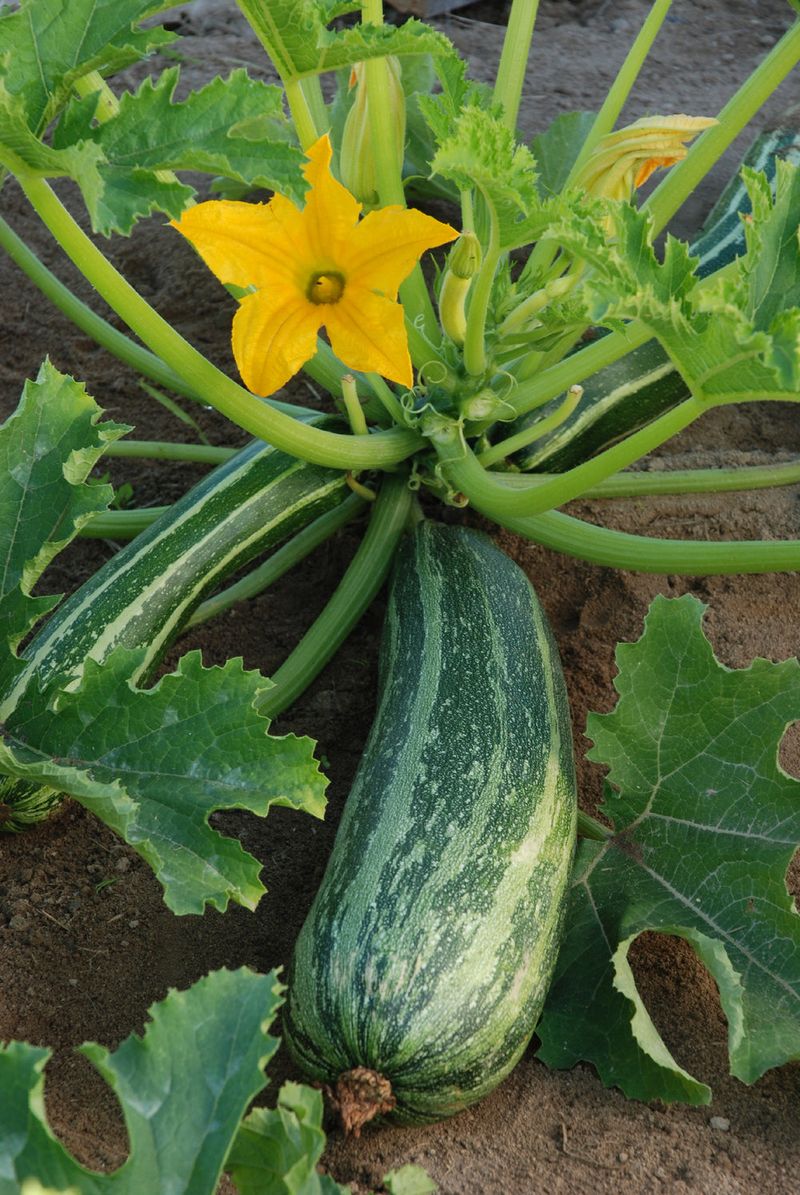
Zucchini and summer squash produce abundantly in Michigan gardens when given proper nutrition. Blossom-end rot can strike these prolific plants just like tomatoes.
Calcium from eggshells prevents this frustrating problem and encourages stronger, healthier fruits.
Squash plants grow quickly and produce heavy fruits that demand lots of nutrients. Their rapid growth means they need readily available calcium throughout the season.
Eggshells break down slowly, providing a steady calcium supply that matches squash growth patterns perfectly.
Before planting squash seeds or transplants, work two cups of crushed eggshells into each planting mound. Squash prefer slightly raised beds anyway, and the shells improve drainage while feeding plants.
You can also side-dress plants with additional crushed shells when fruits start forming.
Winter squash varieties benefit even more from eggshell amendments because they need calcium to develop thick, hard rinds. Strong rinds mean better storage quality and longer-lasting harvests.
Michigan gardeners can enjoy homegrown squash well into winter when plants receive adequate calcium during the growing season.
5. Cucumbers (Cucumis Sativus)
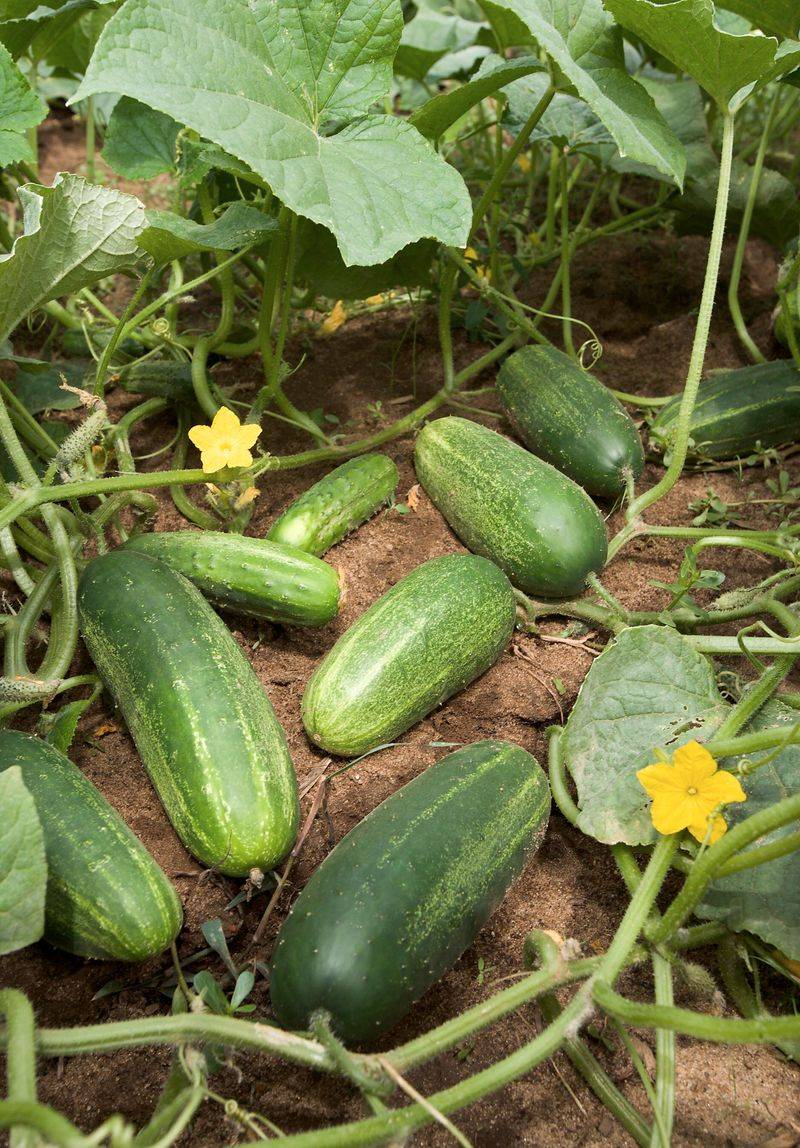
Crisp, straight cucumbers require strong cell walls that only adequate calcium can provide. Deformed, curved fruits often indicate calcium deficiency in your soil.
Eggshells solve this problem naturally and inexpensively for Michigan cucumber growers.
Cucumbers grow fast and need consistent moisture along with proper nutrition. Adding crushed eggshells to cucumber beds improves both water retention and calcium availability.
The shells help soil hold moisture while slowly releasing minerals that cucumbers crave. For best results, prepare cucumber beds in early spring by mixing in plenty of compost and crushed eggshells. Use about one cup of ground shells per foot of row.
This creates an ideal growing environment that supports vigorous vine growth and abundant fruiting.
Michigan’s humid summers can stress cucumber plants, making calcium even more important for disease resistance. Well-nourished plants with adequate calcium handle powdery mildew and other fungal issues better.
Sprinkle additional crushed eggshells around plants mid-season to maintain calcium levels as fruits develop rapidly during peak summer heat.
6. Lettuce (Lactuca Sativa)
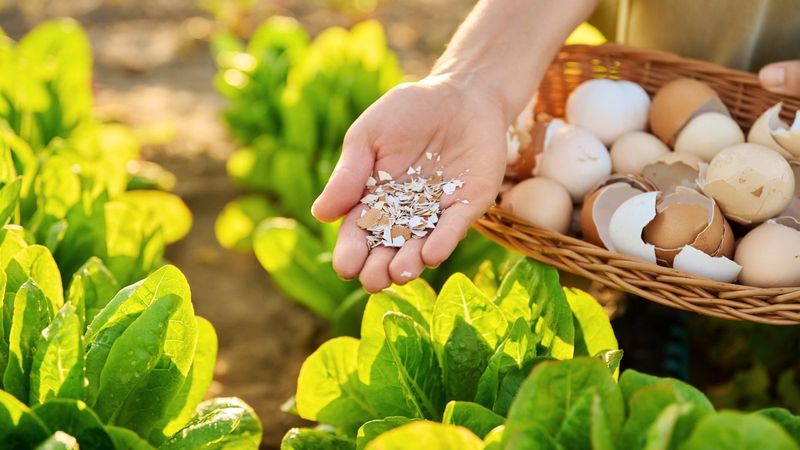
Tender lettuce leaves benefit from the trace minerals found in eggshells beyond just calcium. These minerals contribute to better flavor and improved texture in your salad greens.
Michigan’s cool spring weather creates perfect lettuce-growing conditions, and eggshells enhance results even further.
Leafy greens need well-draining soil with good structure to develop properly. Crushed eggshells improve soil texture while adding valuable nutrients. The gritty particles help break up heavy clay soils common in Michigan gardens.
Lettuce grows quickly, so it needs readily available nutrients from the start. Work finely crushed eggshells into lettuce beds before planting seeds or transplants.
Use about half a cup per square foot for optimal results. The shells help maintain soil pH near neutral, which lettuce prefers.
You can succession plant lettuce every two weeks throughout spring and fall in Michigan. Adding fresh crushed eggshells with each planting ensures consistent nutrient availability.
This practice also helps prevent tip burn, a calcium-deficiency disorder that causes brown edges on lettuce leaves and reduces harvest quality significantly.
7. Spinach (Spinacia Oleracea)
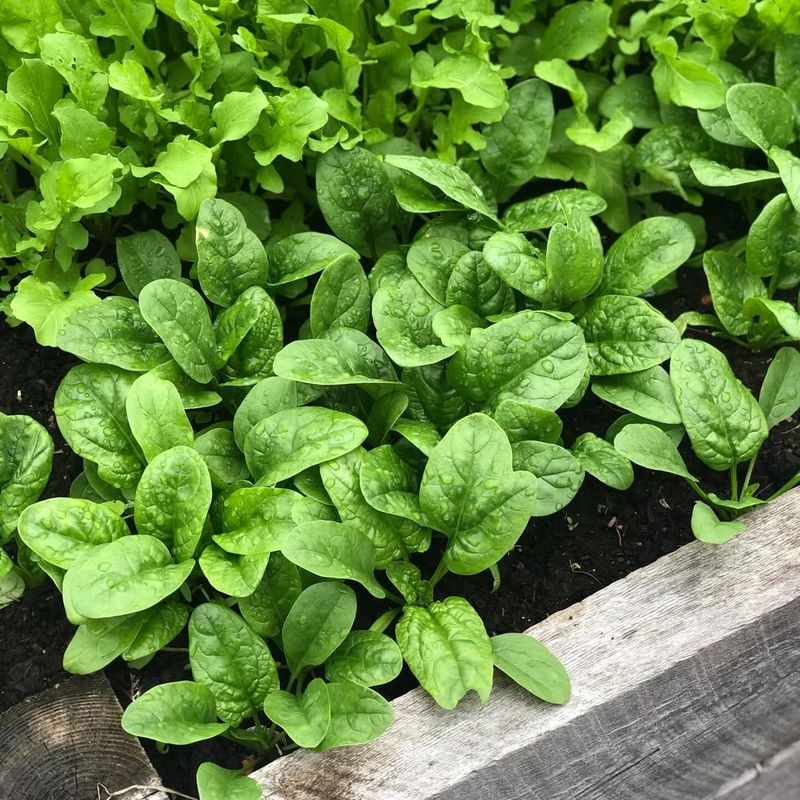
Nutrient-dense spinach demands rich soil with plenty of calcium and trace minerals. Eggshells provide exactly what spinach needs to develop dark green, flavorful leaves.
Michigan gardeners can grow exceptional spring and fall spinach crops with this simple amendment.
Spinach grows best in cool weather, making it perfect for Michigan’s spring and autumn seasons. The plants prefer slightly alkaline soil, and eggshells help nudge pH in the right direction.
Calcium supports leaf development and helps plants resist bolting in warming weather. Prepare spinach beds by incorporating crushed eggshells and compost together several weeks before planting.
This combination creates ideal growing conditions with balanced nutrition. Use about one cup of ground eggshells per three square feet of bed space.
Michigan’s clay soils can become compacted, limiting root growth and nutrient uptake. Eggshells improve soil structure, creating tiny air pockets that roots can easily penetrate.
Better root systems mean healthier plants that produce more tender, tasty leaves for your table throughout the growing season.
8. Roses (Rosa Spp.)
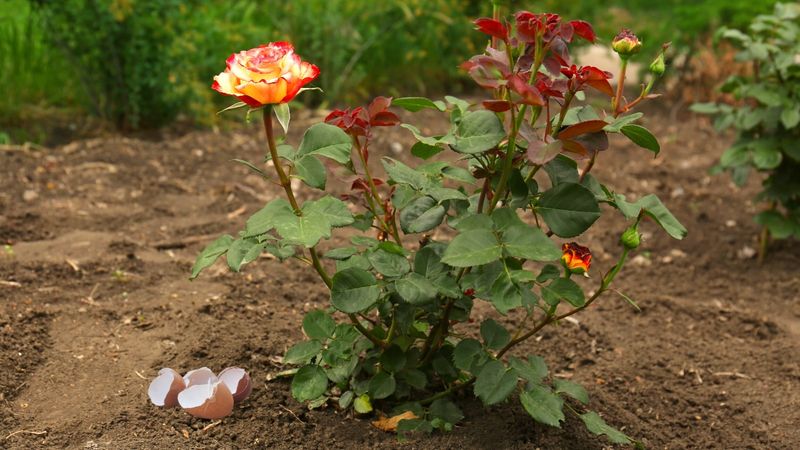
Magnificent roses produce their best blooms when soil contains adequate calcium for strong stem development. Michigan rose growers know that harsh winters demand vigorous, well-nourished plants.
Eggshells provide calcium while slightly adjusting soil pH toward levels roses prefer.
Strong canes resist disease and support heavy flower clusters better than weak, calcium-deficient stems. Crushing eggshells and working them into the soil around rose bushes strengthens plant structure.
Apply crushed shells in early spring as new growth emerges. Roses appreciate a top dressing of crushed eggshells mixed with compost around their root zones.
This combination feeds beneficial soil microbes while delivering calcium directly to roots. Use about two cups of crushed shells per bush, spreading them in a circle around the drip line.
Michigan winters can be tough on roses, but well-nourished plants survive cold better. Calcium helps plants harden off properly in fall, improving winter hardiness.
Apply a final dose of crushed eggshells in late summer to help roses prepare for dormancy and emerge stronger next spring.
9. Strawberries (Fragaria × Ananassa)
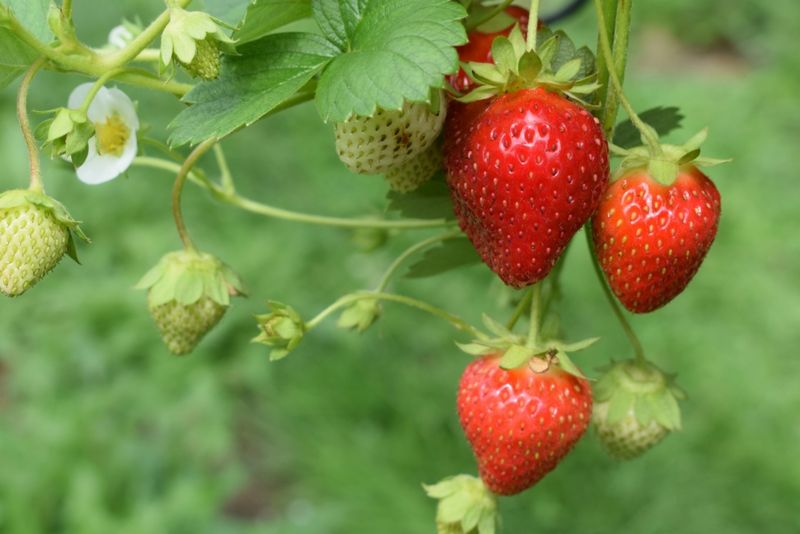
Sweet strawberries need calcium to develop firm, rot-resistant fruits that store well. Michigan strawberry patches produce abundantly when plants receive proper nutrition.
Eggshells deliver calcium while improving soil structure in strawberry beds.
Strawberries grow as perennials in Michigan, returning year after year with proper care. Annual applications of crushed eggshells ensure plants always have access to calcium.
This mineral helps fruits resist gray mold and other common strawberry diseases.
When establishing new strawberry beds, mix crushed eggshells thoroughly into the soil before planting. Use about one cup per square foot for best results.
The shells help create the well-draining conditions strawberries need while providing long-lasting nutrition.
Existing strawberry patches benefit from top-dressing with crushed eggshells each spring after winter mulch is removed. Sprinkle shells between plants and around crowns without covering the growing points.
This practice feeds plants throughout the fruiting season and helps maintain soil pH in the slightly acidic range strawberries prefer for optimal growth and production.
10. Hydrangeas (Hydrangea Macrophylla)
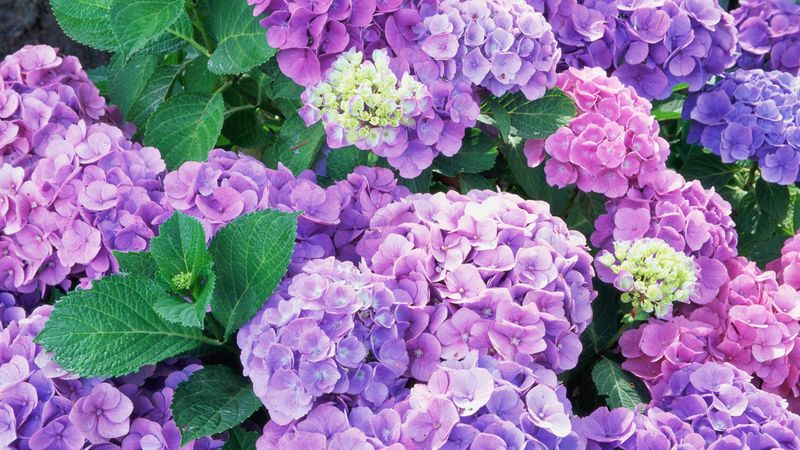
Stunning hydrangeas respond beautifully to soil amendments that provide calcium and influence pH. While eggshells won’t dramatically change flower color, they support overall plant health and bloom production.
Michigan gardeners love these reliable shrubs that thrive with minimal care. Hydrangeas need strong stems to support their massive flower heads throughout summer. Calcium from eggshells strengthens plant tissues and improves bloom quality.
The shells also help maintain consistent soil moisture, which hydrangeas absolutely require for best performance.
Apply crushed eggshells around hydrangeas in early spring before new growth begins. Work them gently into the top inch of soil without disturbing shallow roots. Use about three cups of crushed shells per mature shrub for optimal results.
Michigan’s freeze-thaw cycles can stress hydrangeas, but calcium-rich soil helps plants handle temperature fluctuations better. Healthy plants produce more flower buds and display better color.
Side-dress shrubs with additional crushed eggshells after the first flush of blooms fades to encourage continued flowering through late summer.