How To Fill Your California Garden With Plants That Actually Do Something
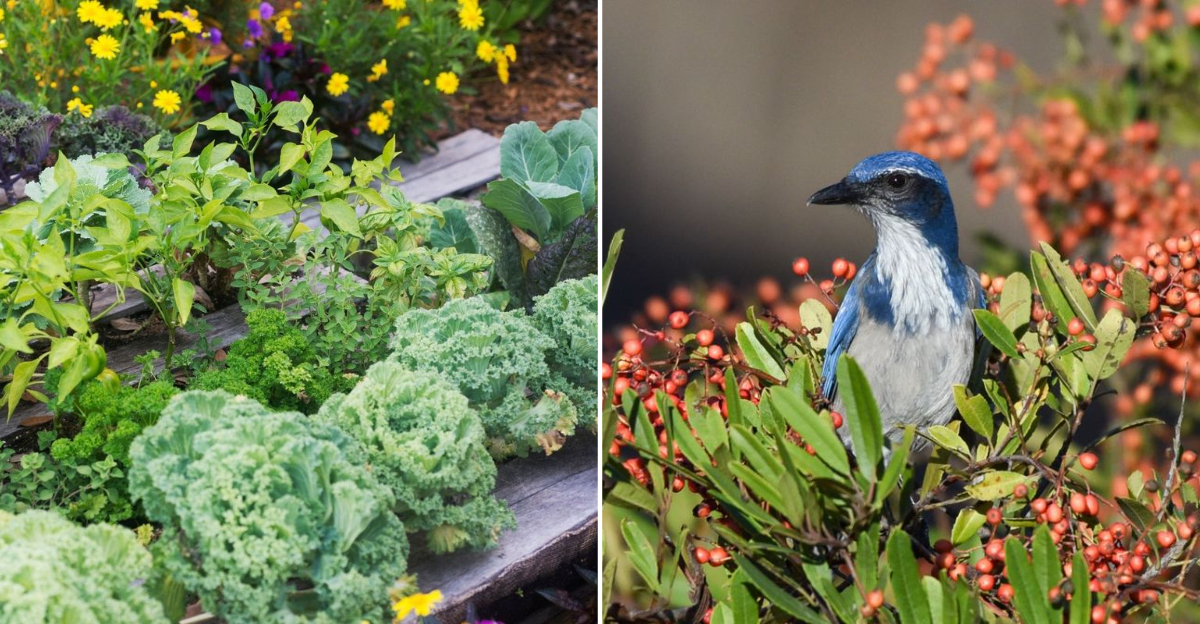
What if every plant in your garden pulled its weight? Not just sitting there looking pretty, but actually working for you.
Imagine flowers that feed pollinators, herbs that flavor your dinner, shrubs that block wind, and plants that save water while thriving in California’s wild climate. A smart garden is not about packing in more plants.
It is about choosing the right ones. The kind that attract bees and butterflies, cool your yard, improve your soil, and even keep pests in check.
Once you start planting with purpose, your garden becomes easier to care for and way more rewarding. You will discover how to fill your California garden with plants that do more than decorate.
They support wildlife, handle drought, and make your outdoor space feel alive and useful all year long. Pretty and practical?
That is the sweet spot.
1. Use Groundcovers That Prevent Weeds And Save Water
Bare soil between plants invites weeds while wasting water through evaporation. Traditional mulch helps temporarily but breaks down quickly in California’s heat, requiring constant replacement and expense.
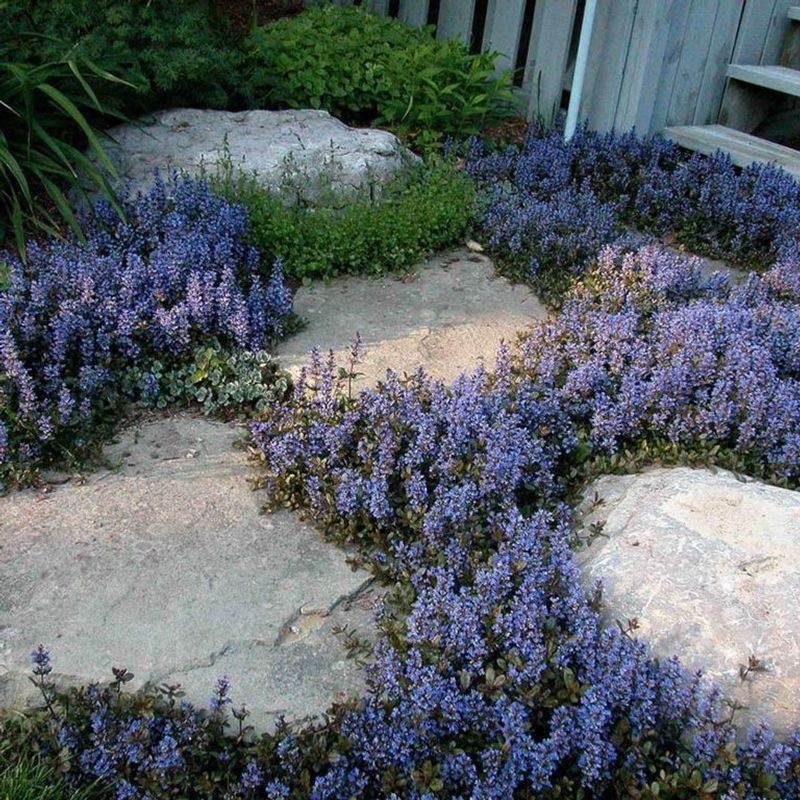
Living groundcovers solve both problems permanently by creating a dense plant carpet that smothers weeds and shades soil to reduce water loss.
Drought-tolerant groundcovers like creeping thyme, dymondia, and native strawberry spread horizontally to fill spaces where weeds would otherwise establish.
Their roots hold soil in place on slopes while their foliage creates a cooling layer that reduces irrigation needs by up to fifty percent.
Many also provide bonus benefits like flowers for pollinators or edible fruit.
Plant groundcovers on twelve-inch centers in prepared soil, watering regularly only until they establish and begin spreading. Once connected, they form a living mulch that requires almost no maintenance.
Choose species appropriate to sun exposure, since shade-loving groundcovers fail in hot spots and sun-lovers grow leggy in dim areas.
The biggest mistake is expecting instant coverage. Groundcovers need one full growing season to fill in properly, and impatient gardeners often plant them too closely, wasting money on unnecessary plants.
Another error is planting aggressive spreaders like vinca or ivy near garden beds, where they’ll invade and become weeds themselves. Select well-behaved species that stay where planted while still providing excellent coverage and water savings.
2. Grow Nitrogen-Fixing Plants To Improve Soil
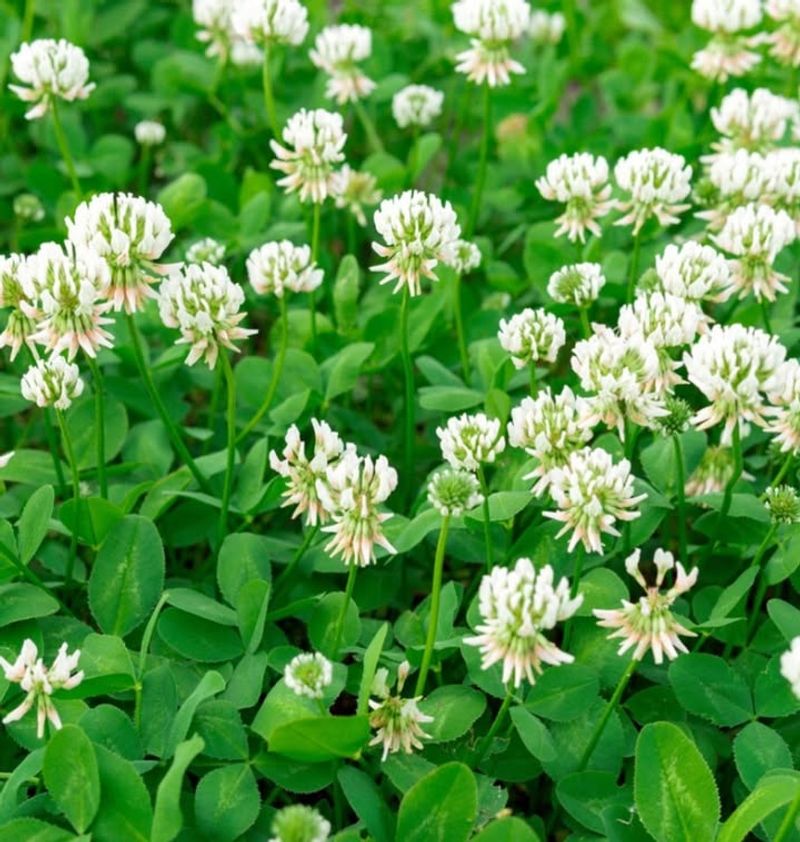
Most California yards suffer from depleted soil that forces homeowners into endless fertilizer cycles. Decades of water-hungry lawns and ornamental plants strip nitrogen from the ground, leaving behind compacted dirt that barely supports plant life.
Breaking this expensive pattern requires working with plants that actually rebuild soil fertility naturally.
Nitrogen-fixing plants like clover, lupine, and California lilac host special bacteria in their root nodules that capture atmospheric nitrogen and convert it into forms other plants can use.
As these roots grow and die back, they deposit nitrogen directly into your soil without chemical fertilizers.
This process costs nothing and improves soil structure simultaneously.
Interplant nitrogen-fixers among vegetables, fruit trees, or ornamental beds where they can share their nutrients with neighbors. Clover works particularly well as living mulch under fruit trees, staying green year-round while feeding the soil.
Your California Garden Changes Every Week. Your Plan Should Too.
Gardening in California changes quickly throughout the season. Every Friday you’ll receive a simple weekly plan showing exactly what to plant, prune, fertilize, harvest, and protect so you never miss the right timing.
Lupines add dramatic spring color while preparing beds for summer vegetables.
Don’t till nitrogen-fixing plants under too early, thinking you’re making compost. Let them grow to full size so roots penetrate deeply and deposit nitrogen throughout the soil profile.
Water them moderately during establishment, then back off completely. Many gardeners also underestimate how much nitrogen these plants provide, continuing unnecessary fertilizer applications.
Trust the process and watch your soil transform from lifeless dirt into rich, crumbly earth that grows anything effortlessly.
3. Plant Native Flowers To Feed Pollinators
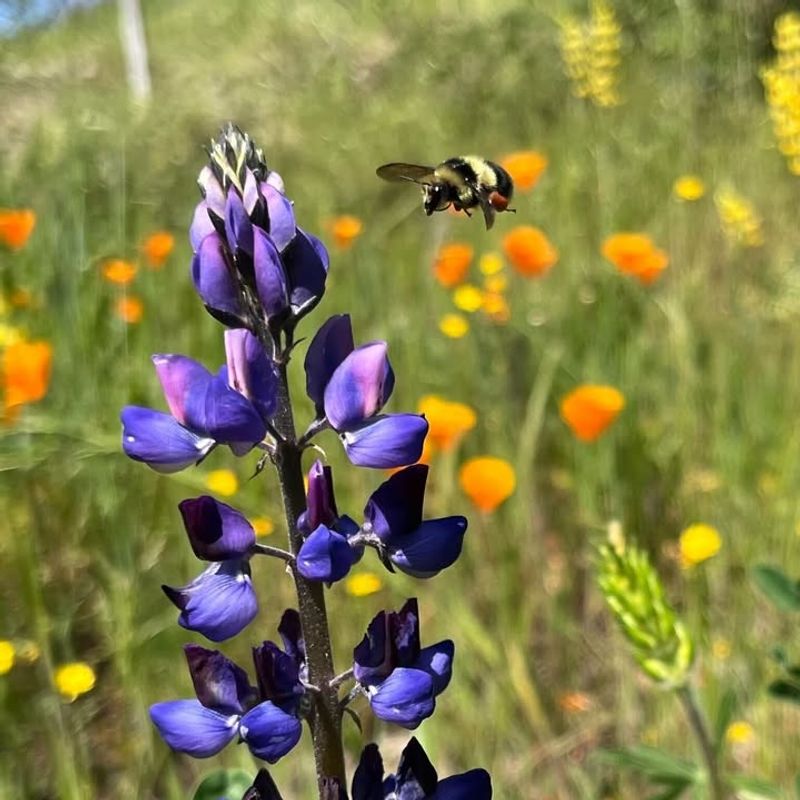
Watching bees struggle to find food in neighborhoods filled with lawns and ornamental grasses shows how modern yards fail local wildlife. California’s native pollinators evolved alongside specific wildflowers, and without those plants, their populations crash.
Your garden can reverse this trend by offering the nectar and pollen sources these creatures desperately need.
Native flowers like California poppy, lupine, and sticky monkey flower provide food precisely when local bees, butterflies, and hummingbirds need it most.
These plants bloom during natural cycles that match pollinator life stages, unlike imported ornamentals that flower at the wrong times.
They also require far less water than exotic species once established, typically needing only occasional summer irrigation.
Plant them in clusters rather than single specimens to create visible feeding stations that pollinators can locate easily. Prepare soil by loosening it without adding amendments, since natives prefer California’s naturally lean ground.
Avoid pesticides completely, as even organic options can harm beneficial insects.
Many gardeners make the mistake of deadheading spent blooms too aggressively. Leave some seed heads intact so goldfinches and other birds can feed.
Space plants according to their mature size to prevent overcrowding that invites disease. With these simple steps, your yard becomes a pollinator haven that supports the ecosystem while looking spectacular from spring through fall.
4. Add Edible Plants That Produce Real Food
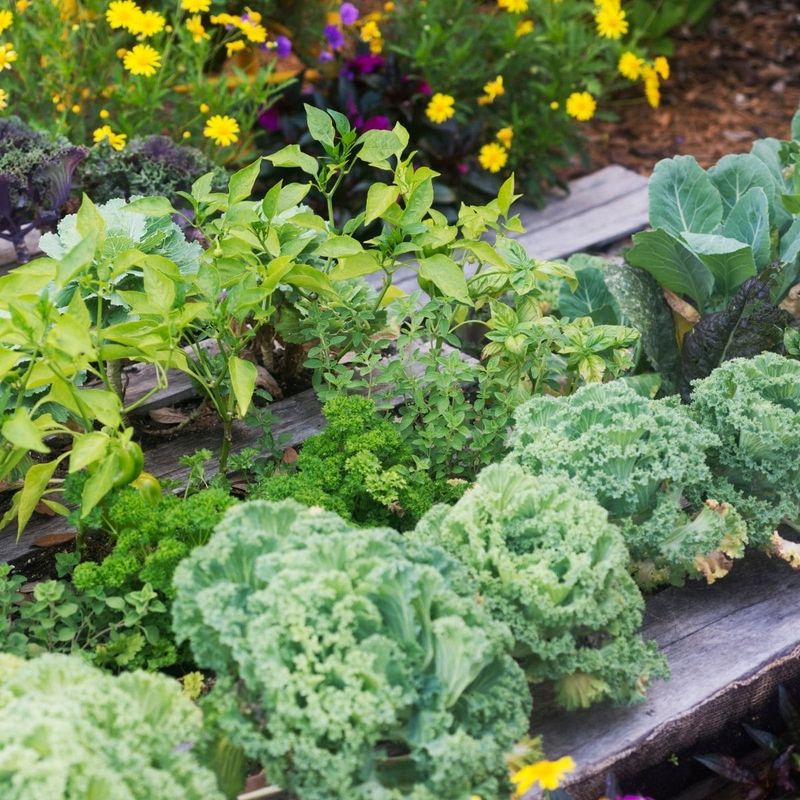
Grocery bills keep climbing while perfectly good growing space sits empty in California yards. Ornamental shrubs and decorative grasses occupy prime real estate that could be feeding your family instead.
Replacing even a portion of non-productive plants with edibles slashes food costs while giving you the freshest possible produce.
Mediterranean herbs like rosemary, oregano, and thyme thrive in California’s climate with almost no care, providing year-round harvests for cooking. Fig trees produce abundant fruit in both coastal and inland areas, tolerating drought once established.
Artichokes grow as perennial vegetables that return bigger each year, offering both food and dramatic architectural interest.
Start by replacing water-hungry foundation plantings with edible shrubs like blueberries or dwarf fruit trees. Plant herbs along walkways where you’ll brush against them and release their fragrance.
Dedicate sunny spots to vegetables, rotating crops seasonally to maintain soil health and continuous harvests.
Many beginners plant too much too soon, then feel overwhelmed by maintenance and harvesting. Begin with just three or four easy crops like cherry tomatoes, zucchini, and basil.
Avoid planting vegetables that need constant attention if you travel frequently during summer. Also skip vegetables readily available cheap at farmers markets, focusing instead on expensive items like fresh herbs, heirloom tomatoes, or specialty greens.
This strategy maximizes your return on garden space and effort.
5. Plant Shrubs That Support Birds And Wildlife
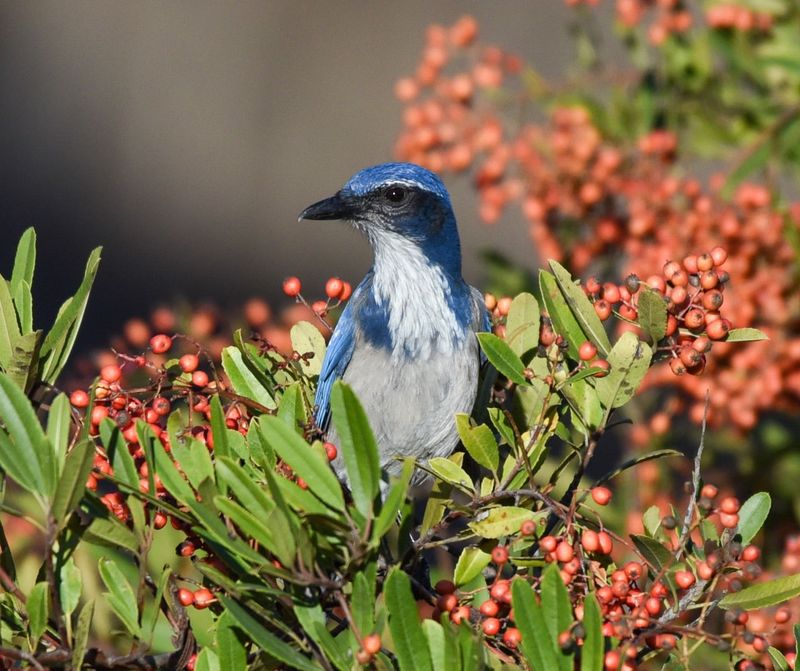
Suburban yards increasingly resemble green deserts where birds find no food or shelter. Ornamental shrubs bred for appearance offer nothing to wildlife, forcing birds to travel farther for resources or abandon neighborhoods entirely.
Your landscape can become a critical habitat link by including shrubs that provide berries, seeds, nesting sites, and protective cover.
Native shrubs like toyon, elderberry, and coffeeberry produce berries that feed dozens of bird species throughout the year. Their branching structure offers safe nesting spots and escape routes from predators like hawks and cats.
These plants also support insects that birds need for feeding nestlings, creating a complete food web in your yard.
Group shrubs in clusters rather than scattering them individually to create the layered habitat birds prefer. Plant them along fence lines or property edges where birds feel secure.
Include a mix of evergreen and deciduous species to provide year-round cover and varied food sources across seasons.
Avoid pruning shrubs into formal shapes or balls, which destroys their natural branching structure and eliminates nesting sites. Let them grow with loose, natural forms that birds can actually use.
Don’t remove damaged branches too aggressively either, since many cavity-nesting birds depend on partially decayed wood. Also resist the urge to clean up all fallen berries, as ground-feeding birds like towhees rely on this dropped fruit.
Creating bird-friendly yards means accepting a slightly wilder aesthetic that prioritizes function over rigid tidiness.
6. Choose Deep-Rooted Plants That Prevent Soil Erosion
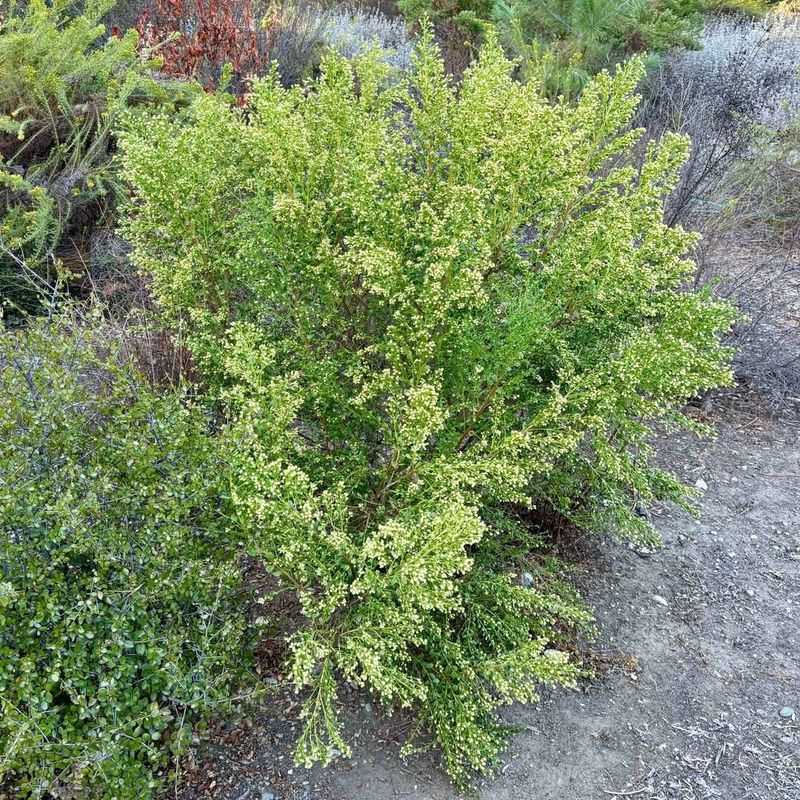
Hillside properties lose topsoil every winter when rains wash away bare or poorly planted slopes. Shallow-rooted ornamentals do little to hold soil, and erosion control fabric only works temporarily before degrading.
Permanent erosion control requires plants with aggressive root systems that penetrate deep and hold soil together through the wettest storms.
Deep-rooted California natives like coyote brush, California buckwheat, and purple sage send roots down several feet while spreading horizontally to create an interlocking underground network.
These roots act like rebar in concrete, binding soil particles together and preventing washouts.
The plants also slow water runoff by creating physical barriers that let moisture soak in rather than race downhill.
Plant them in staggered rows across slopes rather than in straight lines that channel water. Start at the top of the slope and work downward, giving upper plants time to establish before adding lower ones.
Water thoroughly during establishment to encourage deep rooting, then reduce irrigation to force roots even deeper searching for moisture.
Many people make erosion worse by planting groundcovers with shallow roots that create a false sense of security. When heavy rains come, the entire plant carpet slides downhill because roots never penetrated deeply.
Another mistake is overwatering established plants, which keeps roots shallow and defeats the purpose. Once deep-rooted plants establish, water them infrequently but deeply to maintain their soil-gripping root systems that protect your property for decades.
7. Add Drought-Tolerant Plants That Reduce Water Use
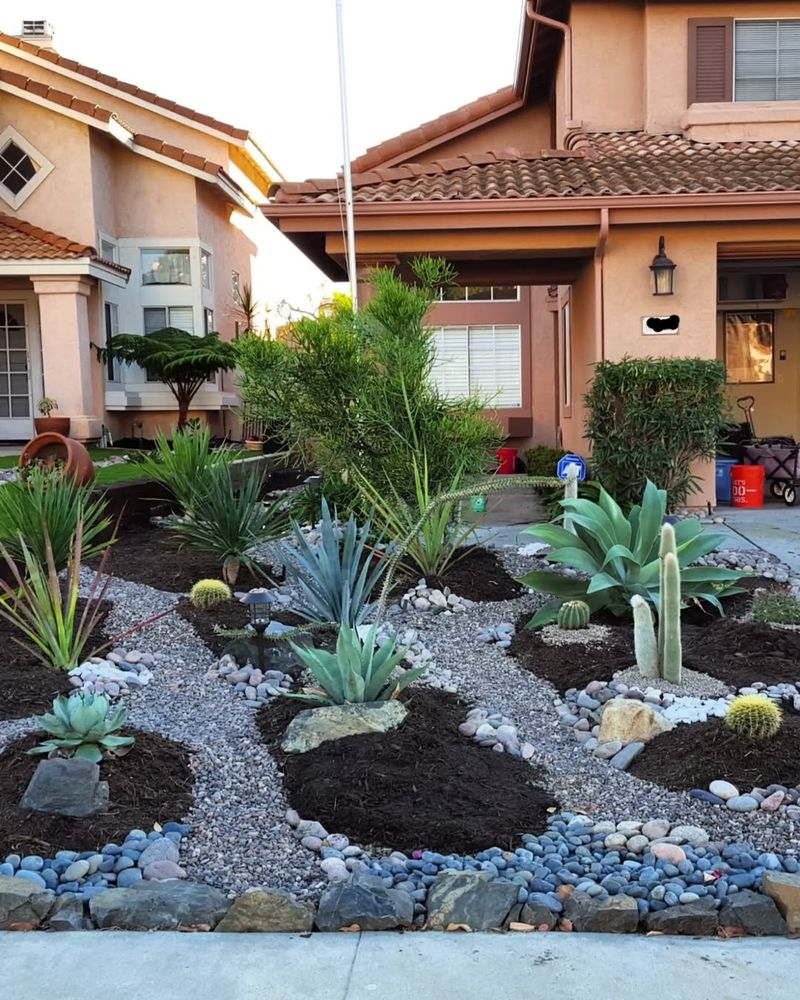
California’s recurring droughts make water-hungry landscapes both expensive and irresponsible. Traditional gardens demand constant irrigation that drains wells, strains municipal systems, and inflates utility bills unnecessarily.
Transitioning to drought-tolerant plants cuts water use dramatically while maintaining a beautiful landscape that thrives through dry years.
Mediterranean plants like lavender, rosemary, and rockrose evolved in climates nearly identical to California’s, making them perfectly adapted to long, dry summers.
California natives like manzanita, ceanothus, and penstemon need even less water once established, often surviving on rainfall alone.
Succulents like agave and aloe store water in their tissues, going months without irrigation while providing dramatic architectural forms.
Replace thirsty lawns and tropical plants with drought-tolerant alternatives, starting with the hottest, driest areas of your yard. Group plants with similar water needs together so you can irrigate efficiently without overwatering some while underwatering others.
Install drip irrigation rather than sprinklers to deliver water directly to roots without waste.
The most common error is overwatering drought-tolerant plants out of habit or worry, which causes root rot and destroys them faster than drought ever would.
Water deeply but infrequently to encourage deep rooting, then extend time between waterings as plants establish.
Also avoid planting drought-tolerant species in heavy clay soil without improving drainage first, as wet feet damage them quickly.
With proper placement and restraint on the hose, these plants transform your garden into a water-sipping landscape that looks lush while cutting irrigation costs by seventy percent or more.