Top 9 Plants Pennsylvania Gardeners Are Buying Right Now
If you have strolled through a local garden center lately, you have probably noticed carts filling up fast with fresh greenery and colorful blooms.
Pennsylvania gardeners are always on the lookout for plants that grow well in local conditions, look beautiful, and offer great value for the effort.
Right now, certain favorites are flying off the shelves, from hardy outdoor performers to eye catching indoor picks that brighten any space. These popular choices are not just trendy, they are proven winners that thrive in Pennsylvania’s changing seasons.
Whether you are refreshing your garden, adding curb appeal, or bringing new life indoors, knowing what other gardeners are choosing can spark great ideas. Curious which plants everyone is grabbing right now?
Let’s take a look at the top plants Pennsylvania gardeners are buying and why these standout picks are earning a spot in so many homes and gardens this season.
1. Black-Eyed Susans
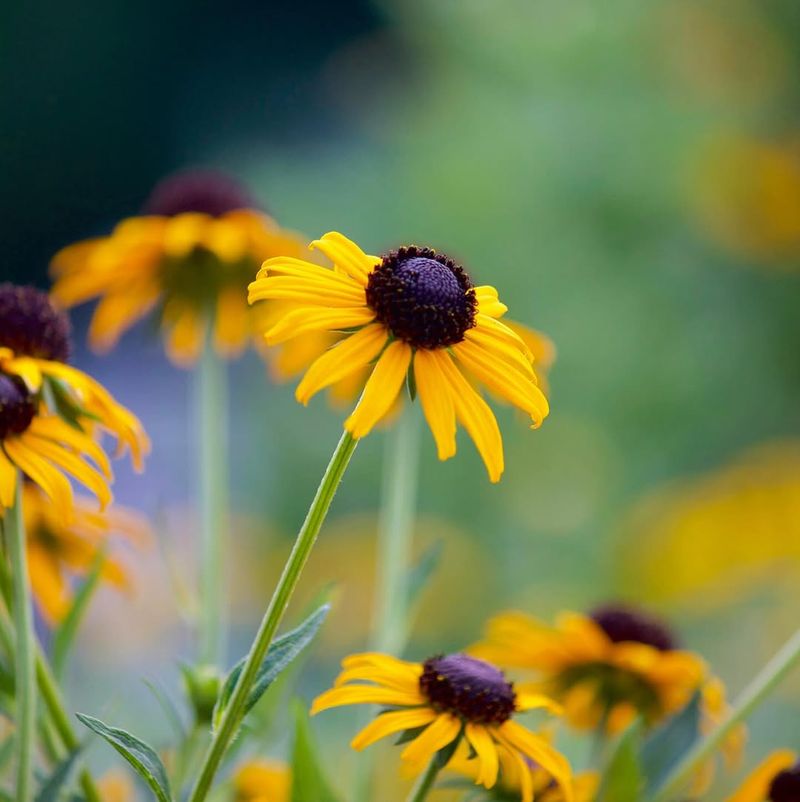
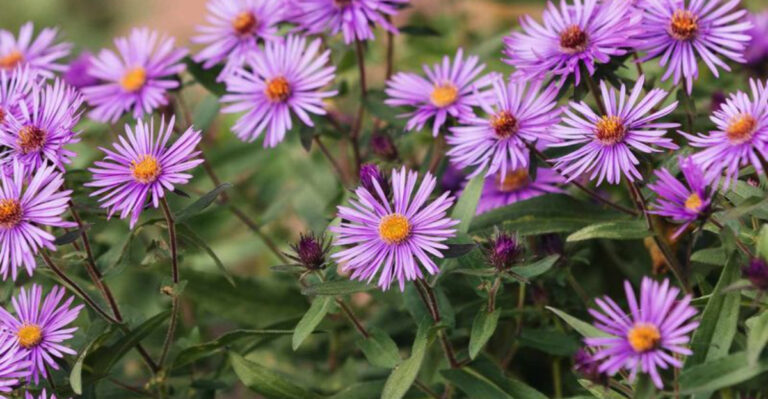
Cheerful yellow petals surrounding dark brown centers make Black-Eyed Susans instantly recognizable across Pennsylvania landscapes.
These native wildflowers have become garden staples from Erie to the Pocono Mountains because they bloom reliably from June through October.
Gardeners love how little fuss these plants require once established in the ground. They tolerate clay soil, occasional drought, and full sun without complaint.
Butterflies and bees visit constantly, making them excellent choices for anyone wanting to support local pollinators in their yard.
Pennsylvania’s state flower may be the Mountain Laurel, but Black-Eyed Susans give it serious competition in popularity. They spread gradually to fill empty spaces, creating natural-looking drifts of color.
Deer usually leave them alone, which matters plenty in suburban and rural areas where wildlife browsing can devastate gardens overnight.
Plant them in spring or early fall for best results. They self-seed freely, so expect baby plants to appear nearby the following year.
Cutting spent flowers extends the blooming period and keeps plants looking tidy. These perennials return stronger each season, eventually forming substantial clumps that can be divided and shared with friends or moved to new garden spots.
2. Endless Summer Hydrangeas
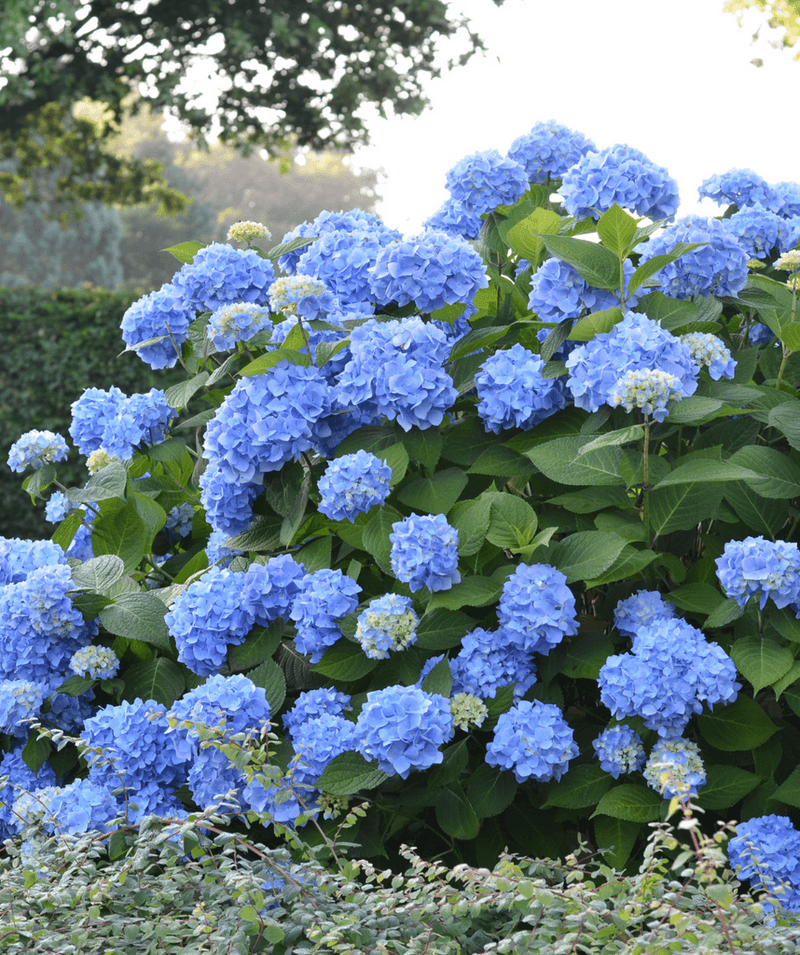
Big, showy flower heads that keep coming all season long explain why Endless Summer Hydrangeas dominate Pennsylvania garden center sales.
Unlike old-fashioned varieties that bloom once and finish, these reblooming beauties produce flowers on both old and new wood.
That means even if late spring frost damages early buds, fresh flowers will still appear throughout summer and into fall.
The color-changing magic captivates gardeners across the state. Acidic soil produces blue blooms, while alkaline conditions create pink flowers.
Pennsylvania’s naturally acidic soil in many regions means blue hydrangeas grow easily without soil amendments. Gardeners in areas with different pH levels can adjust their soil or simply enjoy whatever color appears naturally.
These shrubs handle Pennsylvania winters better than many people expect. They grow successfully in Philadelphia’s milder climate and also perform well in colder zones like State College with proper placement.
Morning sun and afternoon shade create ideal conditions, protecting flowers from scorching during hot July and August days.
Your Pennsylvania Garden Changes Every Week. Your Plan Should Too.
Gardening in Pennsylvania changes quickly throughout the season. Every Friday you’ll receive a simple weekly plan showing exactly what to plant, prune, fertilize, harvest, and protect so you never miss the right timing.
Water needs remain moderate once roots establish, though consistent moisture during blooming periods produces the largest, most impressive flower clusters.
Prune lightly in early spring, removing only damaged branches. The flexible blooming habit means you won’t accidentally cut off this year’s flowers.
3. Autumn Blaze Maple
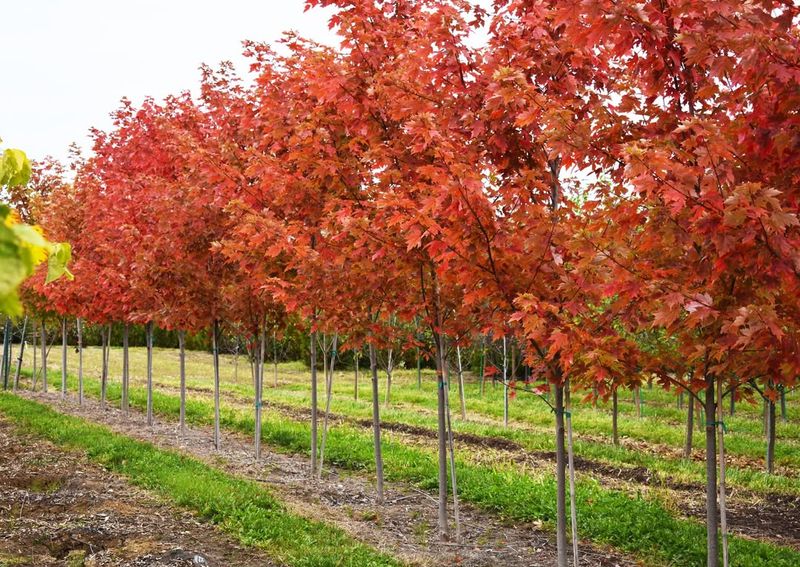
Spectacular fall color arrives reliably with Autumn Blaze Maples, explaining their popularity in Pennsylvania landscapes from Allentown to Johnstown.
These hybrid trees combine the best traits of red and silver maples, creating fast-growing shade trees that light up neighborhoods each October.
The fiery orange-red leaves create stunning displays that last several weeks before dropping.
Growth speed impresses homeowners who want shade sooner rather than later. Young trees can add three to five feet annually under good conditions, quickly transforming sunny yards into comfortable outdoor spaces.
The strong branch structure handles Pennsylvania’s occasional ice storms and heavy snow better than many fast-growing alternatives.
Adaptability makes Autumn Blaze Maples practical choices for various situations. They tolerate different soil types, including the clay-heavy ground common in many Pennsylvania properties.
Moderate drought tolerance helps them survive dry spells, though regular watering during the first few years ensures strong establishment.
Plant them with plenty of space to spread. Mature trees reach 40 to 50 feet tall with similar width, so position them away from houses, power lines, and underground utilities.
Spring planting works well, giving roots time to establish before summer heat arrives. Fall planting also succeeds if done early enough for root growth before ground freezes.
4. Knock Out Roses
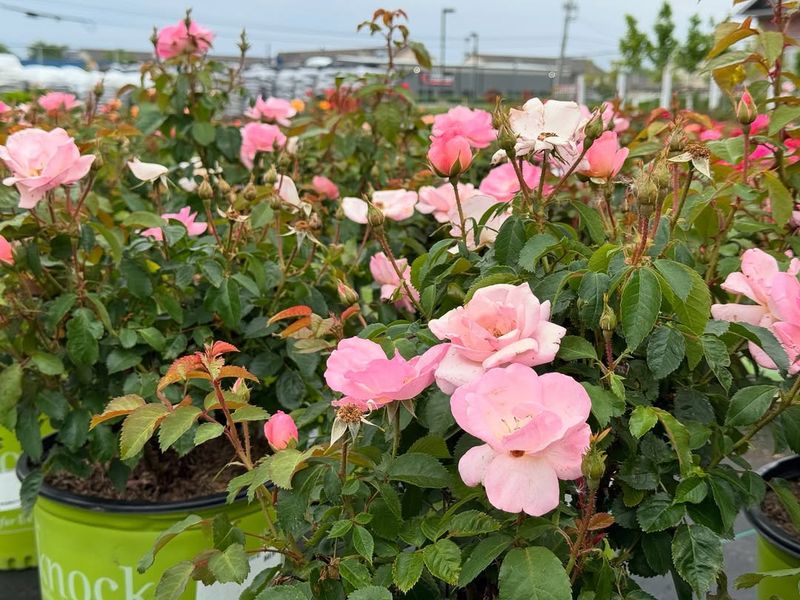
Roses without the headaches? That’s exactly what Knock Out Roses deliver to Pennsylvania gardeners who love flowers but hate spraying, pruning, and constant maintenance.
These disease-resistant shrubs bloom continuously from late spring through fall frost, covering themselves in cheerful flowers that need no deadheading to keep producing more blooms.
Traditional roses often struggle with black spot, powdery mildew, and other fungal problems in Pennsylvania’s humid summers.
Knock Out varieties shrug off these issues, maintaining clean foliage throughout the growing season. This resistance means less time treating problems and more time enjoying the garden.
Color options include classic reds, soft pinks, sunny yellows, and even blushing varieties that combine multiple shades.
Gardeners across Pennsylvania use them as foundation plantings, hedge borders, or standalone specimens. They look equally at home in formal gardens and casual cottage-style landscapes.
Full sun produces the most abundant flowering, though they tolerate partial shade reasonably well. Plant them in spring after frost danger passes or in early fall while soil remains warm.
Space bushes three feet apart for individual specimens or closer for hedge effects. Winter hardiness suits most Pennsylvania zones, though harsh winters in northern regions may cause some branch dieback.
Simply prune damaged wood in spring and watch new growth emerge quickly.
5. Hostas
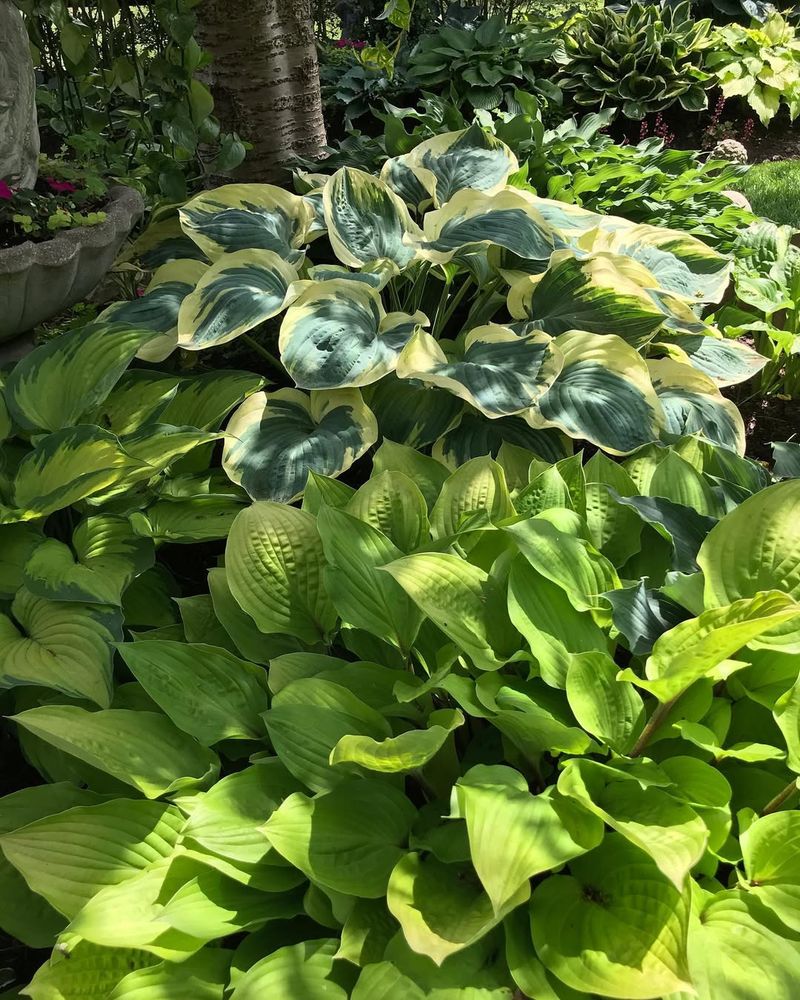
Shady spots under trees become garden assets rather than problems when filled with hostas. These shade-loving perennials thrive in conditions where most flowering plants struggle, making them essential for Pennsylvania properties with mature trees.
Leaves range from tiny to enormous, in colors spanning deep green, chartreuse, blue-gray, and variegated patterns combining white, cream, or yellow with green.
Deer present the main challenge for hosta lovers across Pennsylvania, as these animals find the leaves delicious. Gardeners combat browsing with repellent sprays, fencing, or by choosing varieties deer find less appealing.
Fragrant varieties with thicker leaves sometimes escape damage better than thin-leaved types.
Beyond their foliage, hostas produce graceful flower spikes in summer. White or lavender blooms rise above leaves on tall stems, attracting hummingbirds and adding vertical interest.
Some varieties offer intensely fragrant flowers that perfume shaded garden areas on warm evenings.
Planting hostas in spring or fall works equally well throughout Pennsylvania. They prefer rich, moisture-retentive soil but adapt to various conditions once established.
Mulching around plants helps retain soil moisture and keeps roots cool during summer heat. Divide large clumps every few years to maintain vigor and create new plants.
Hostas grow more impressive with age, eventually forming substantial specimens that anchor shade garden designs.
6. Butterfly Weed
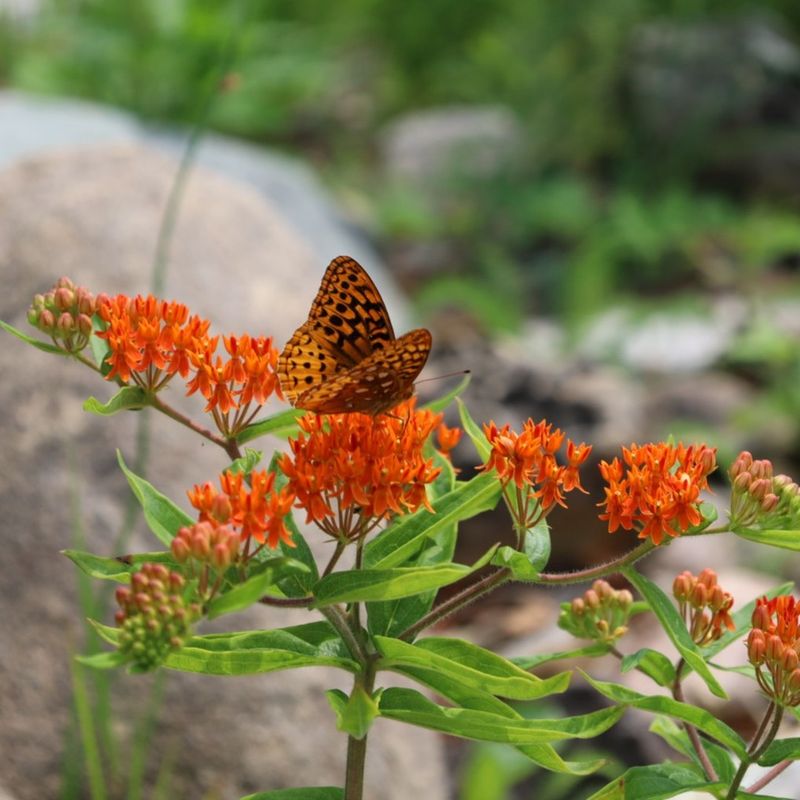
Brilliant orange flower clusters practically glow in Pennsylvania gardens, signaling Butterfly Weed’s presence from considerable distances. This native milkweed species attracts monarch butterflies specifically, providing essential nectar and serving as host plant for their caterpillars.
Gardeners concerned about declining monarch populations plant Butterfly Weed as direct action supporting these iconic insects.
Tough-as-nails describes this perennial’s personality perfectly. Deep taproots reach far underground, making established plants extremely drought-tolerant.
They thrive in lean, well-drained soil that would stress many garden plants. Sandy or rocky ground poses no problems, making Butterfly Weed ideal for challenging spots where other plants languish.
Pennsylvania gardeners appreciate how Butterfly Weed handles summer heat without wilting or requiring constant watering. Full sun brings out the most vibrant flower colors and encourages maximum blooming from June through August.
The flowers also attract various other butterflies, bees, and beneficial insects, creating lively garden scenes throughout summer.
Start plants from nursery containers rather than trying to transplant wild specimens, as the long taproot makes moving established plants nearly impossible. Young plants establish slowly their first year, focusing energy on root development.
Patience pays off as second-year plants bloom enthusiastically and return reliably for many years. Seed pods that follow flowers split open dramatically, releasing silky seeds that float away on autumn breezes.
7. Japanese Forest Grass
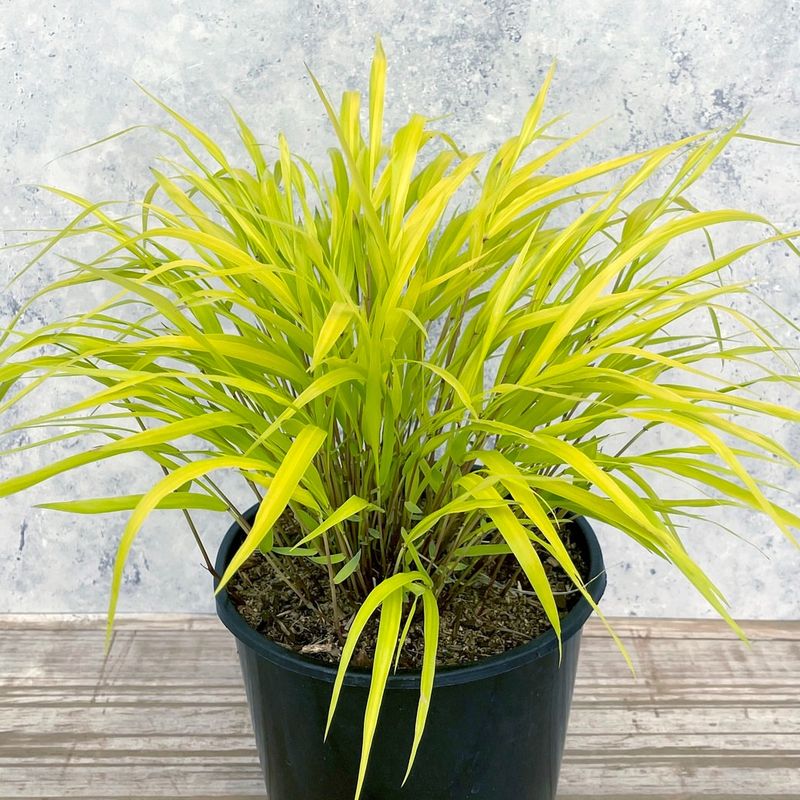
Graceful arching blades create waterfalls of color in Pennsylvania shade gardens where Japanese Forest Grass grows. The golden-yellow variegated foliage brightens dark corners under trees and along shaded walkways.
Unlike many ornamental grasses that demand full sun, this elegant species prefers shade and actually struggles in hot, sunny locations.
Movement adds another dimension to gardens featuring this grass. Even gentle breezes set the fine-textured blades swaying, creating living sculptures that change throughout the day.
The flowing form contrasts beautifully with bold-leaved hostas, ferns, and other shade perennials common in Pennsylvania gardens.
Gardeners from Pittsburgh to Scranton appreciate how Japanese Forest Grass maintains good looks throughout the growing season. Spring growth emerges bright and fresh, intensifying through summer before taking on warm bronze tones in fall.
Even winter’s dried foliage holds some appeal, though most gardeners cut it back in late winter before new growth begins.
Moist, rich soil produces the healthiest, most vigorous plants. Mulch around the base helps retain moisture during dry periods.
While somewhat drought-tolerant once established, Japanese Forest Grass performs best with consistent moisture. Afternoon shade protects foliage from scorching during Pennsylvania’s hottest summer days.
These perennial grasses grow slowly, gradually forming attractive clumps that rarely need division. Their non-invasive nature means they stay where planted without spreading aggressively.
8. Coral Bells
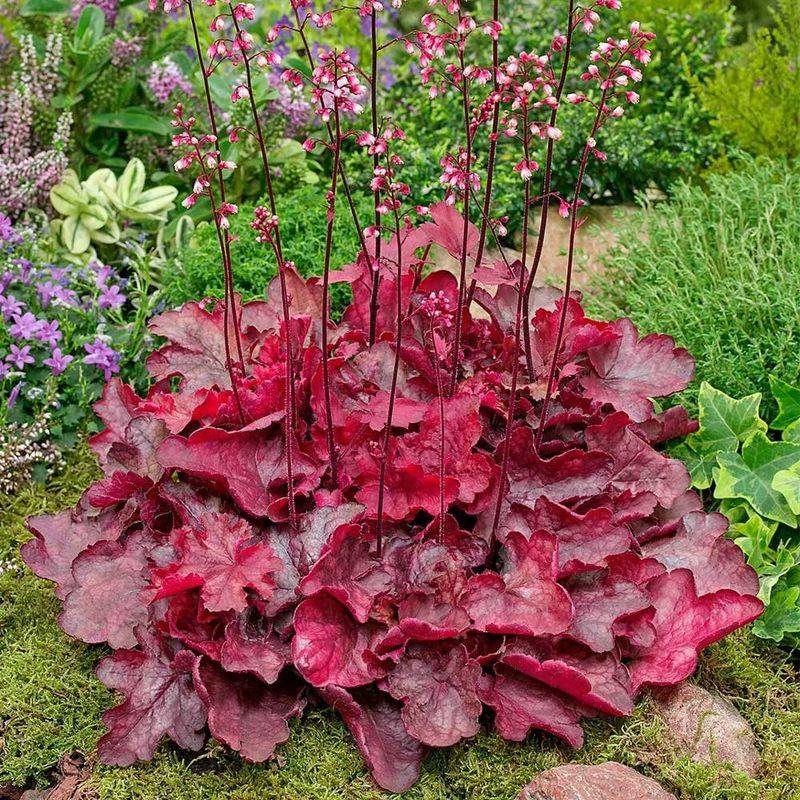
Foliage that rivals flowers for visual impact makes Coral Bells garden superstars across Pennsylvania.
Also called Heuchera, these perennials offer leaves in astonishing colors including deep purple, burgundy, caramel, lime green, silver, and combinations that seem almost unnatural.
The ruffled, rounded leaves form neat mounds that look good from spring through fall. Partial shade suits most varieties perfectly, though some newer cultivars tolerate more sun than older types.
Pennsylvania gardeners use them as edging plants along walkways, tucked into rock gardens, or massed together for dramatic color effects. The compact size makes them suitable for container gardens on patios and decks.
Delicate flower spikes appear in late spring and early summer, rising above foliage on thin stems. White, pink, or red blooms attract hummingbirds, adding another layer of interest.
While the flowers provide nice accents, the foliage remains the main attraction throughout the growing season.
Well-drained soil prevents crown rot, the primary problem affecting Coral Bells. Avoid planting in heavy clay that stays soggy, or amend soil with compost to improve drainage.
Mulch lightly around plants rather than piling mulch against crowns. Pennsylvania winters sometimes heave plants partially out of the ground as soil freezes and thaws.
Check them in early spring and gently press any exposed crowns back into the soil. Divide clumps every few years to maintain vigor.
9. Little Lime Hydrangeas
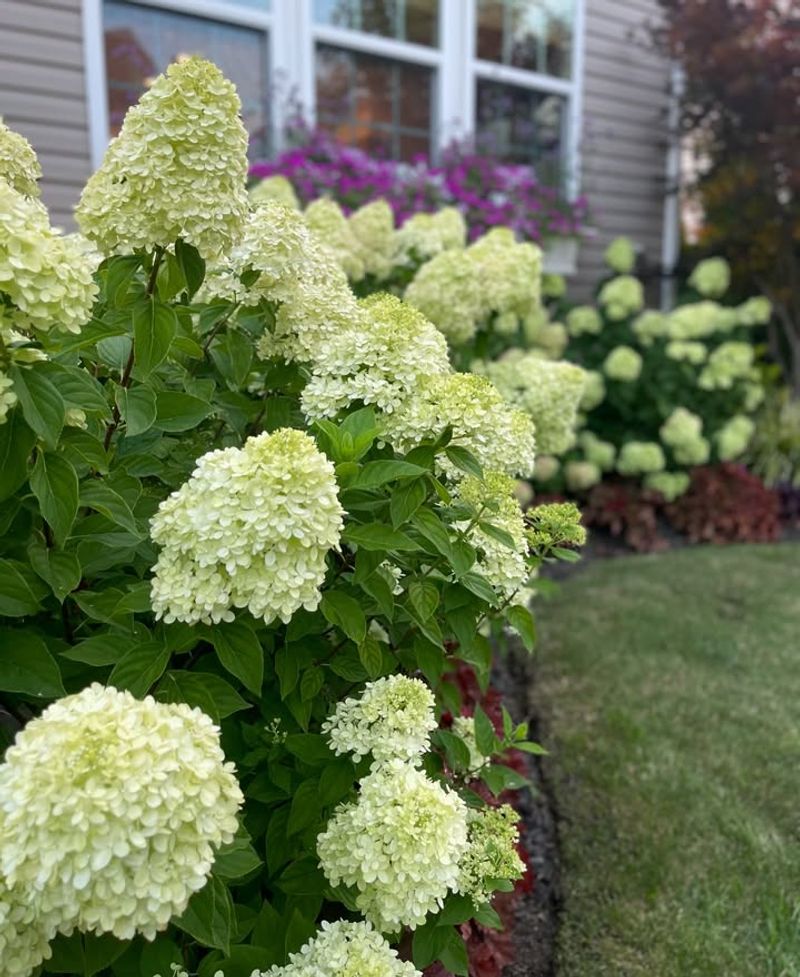
Compact size combined with big flower power explains Little Lime Hydrangeas’ surging popularity in Pennsylvania yards. This dwarf version of the beloved Limelight Hydrangea fits beautifully in smaller gardens, foundation plantings, and even large containers.
Reaching only three to five feet tall, it delivers the same stunning flower show as its full-sized parent without overwhelming limited spaces.
The cone-shaped flower clusters emerge lime green in summer, creating fresh, unusual color that stands out among typical pink and blue hydrangeas. As fall approaches, flowers gradually shift through creamy white before finishing with rosy pink tones.
This color progression means the plant looks different throughout the season, maintaining interest from July through October.
Pennsylvania gardeners appreciate the reliable blooming habit. Flowers form on new wood, so even if late spring cold damages early growth, fresh stems produce abundant blooms.
This trait removes the anxiety some gardeners feel about pruning hydrangeas at the wrong time.
Full sun to partial shade accommodates this adaptable shrub, though some afternoon shade helps flowers last longer during peak summer heat.
Consistent moisture produces the largest flower clusters, but established plants handle brief dry periods without major stress.
Prune in late winter or early spring, cutting stems back by one-third to encourage bushy growth and maximum flowering. The sturdy stems hold flowers upright even during Pennsylvania’s summer thunderstorms.