How To Conserve Water This Year In Your California Garden
If you garden in California, you already know water is precious, and every drop counts. The good news is you do not need to sacrifice a beautiful yard to save water.
With a few smart changes, your garden can stay lush, colorful, and healthy while using far less than you think.
California’s climate actually makes it possible to grow tough, drought friendly plants, improve your soil, and water more efficiently without constant effort.
The key is working with nature, not against it. Small upgrades like better watering habits, mulch, and the right plant choices can make a huge difference over a single season.
Let’s go over simple, practical ways to conserve water in your California garden this year, lower your water bill, and keep your plants thriving through heat, dry spells, and everything in between. Saving water never looked so good.
1. Switch To Drip Irrigation
Most California homeowners lose gallons of water every time their sprinklers run. Traditional spray systems send water into the air where wind carries it away, sun evaporates it, and overspray hits driveways instead of plant roots.
Your water meter spins faster while your plants stay thirsty.
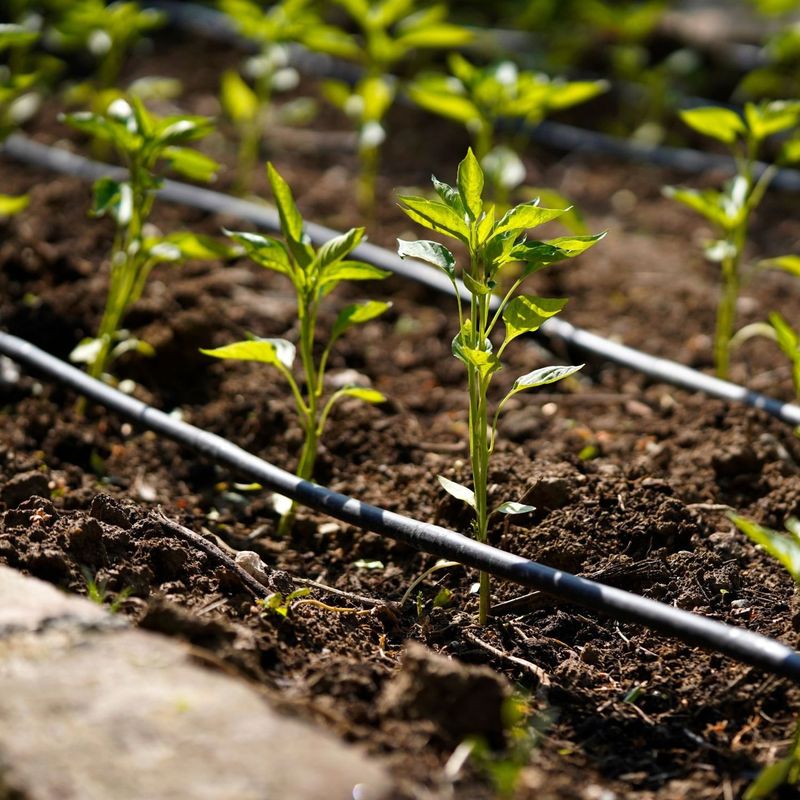
Drip irrigation delivers water directly to plant roots through a network of tubes and emitters placed right at soil level. This targeted approach means nearly every drop reaches the root zone where plants actually absorb moisture.
You eliminate waste from evaporation, wind drift, and runoff.
Installing a drip system is simpler than most homeowners expect. Start by mapping your garden beds and noting which plants need regular watering.
Purchase a drip kit from any garden center, then lay the main tubing along your beds and position emitters near each plant’s base. Connect everything to your hose bib or irrigation timer.
Coastal gardens benefit from drip systems because morning fog doesn’t interfere with watering schedules. Inland areas see even bigger savings since drip irrigation works efficiently despite intense heat and low humidity.
Check your system monthly for clogged emitters or damaged tubing to maintain peak performance throughout the growing season.
2. Water Deeply But Less Often
Many gardeners make the mistake of watering a little bit every day, thinking they’re helping their plants. This habit actually creates shallow root systems that can’t survive heat waves or dry spells.
Plants become dependent on constant surface moisture instead of developing the deep roots they need for drought resilience.
Deep watering encourages roots to grow downward where soil stays cooler and retains moisture longer. When you water thoroughly but infrequently, you train plants to access water reserves below the surface.
This makes your garden naturally more drought-tolerant and reduces how often you need to irrigate.
Apply water slowly until moisture penetrates at least six to eight inches deep for most plants, and twelve inches for trees and shrubs. Use a soil probe or long screwdriver to check penetration depth, it should slide in easily when soil is properly moistened.
Then wait until the top few inches dry out before watering again.
Your California Garden Changes Every Week. Your Plan Should Too.
Gardening in California changes quickly throughout the season. Every Friday you’ll receive a simple weekly plan showing exactly what to plant, prune, fertilize, harvest, and protect so you never miss the right timing.
Timing varies by season and location. Coastal gardens might need watering every seven to ten days during summer, while inland areas may require watering every four to five days.
Clay soils hold moisture longer than sandy soils, so adjust your schedule based on how quickly your specific soil dries out between sessions.
3. Mulch To Lock In Soil Moisture
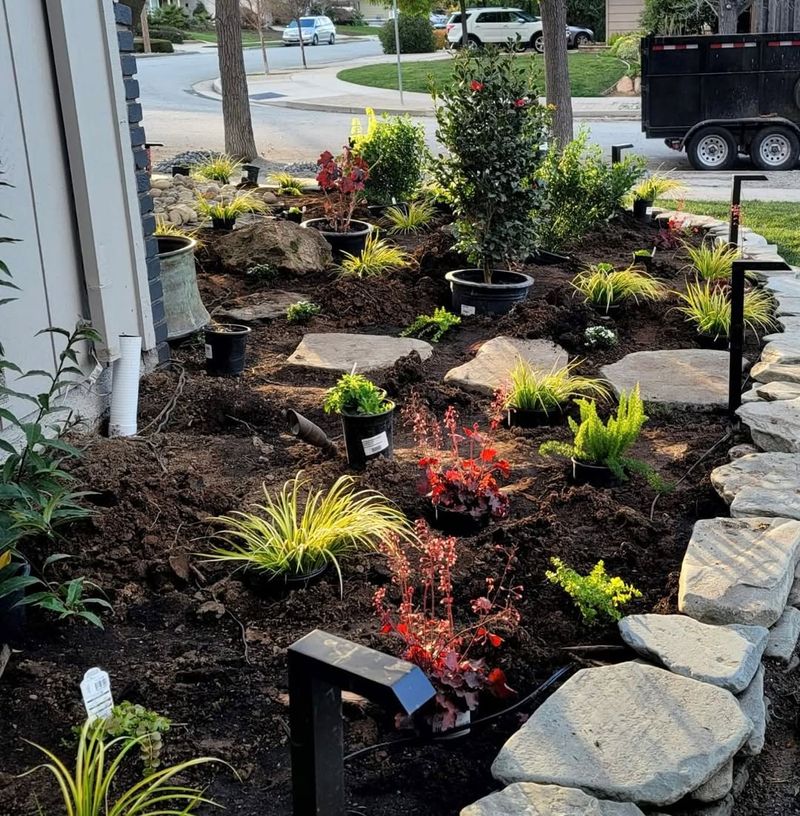
Bare soil loses moisture constantly through evaporation, especially during California’s hot, dry summers. Without protection, the top layer dries out quickly and forms a hard crust that actually repels water when you finally irrigate.
Your soil can’t hold the moisture you’re paying to deliver.
Applying a thick layer of mulch creates a protective blanket that dramatically slows evaporation. Organic mulches like wood chips, shredded bark, or compost also break down gradually, improving soil structure and adding nutrients.
This double benefit makes mulching one of the most effective water-saving strategies available.
Spread mulch three to four inches deep around plants, keeping it a few inches away from stems and trunks to prevent rot. Cover all exposed soil in garden beds, around trees, and throughout landscaped areas.
Replenish mulch annually as it decomposes and settles.
Choose mulch materials suited to your garden style. Wood chips work well for shrub borders and pathways.
Shredded bark looks polished in formal landscapes. Compost enriches vegetable gardens while conserving moisture.
Avoid rock mulch in sunny areas since it absorbs and radiates heat, increasing water needs rather than reducing them.
Properly mulched gardens can reduce watering frequency by thirty to fifty percent while keeping plants healthier through temperature extremes.
4. Replace Thirsty Plants
Lawns and water-hungry ornamentals can consume seventy percent of your household water during summer months. Roses, hydrangeas, ferns, and traditional turf grass all demand frequent irrigation to survive California’s dry climate.
These plants work against you every time drought restrictions tighten or water rates increase.
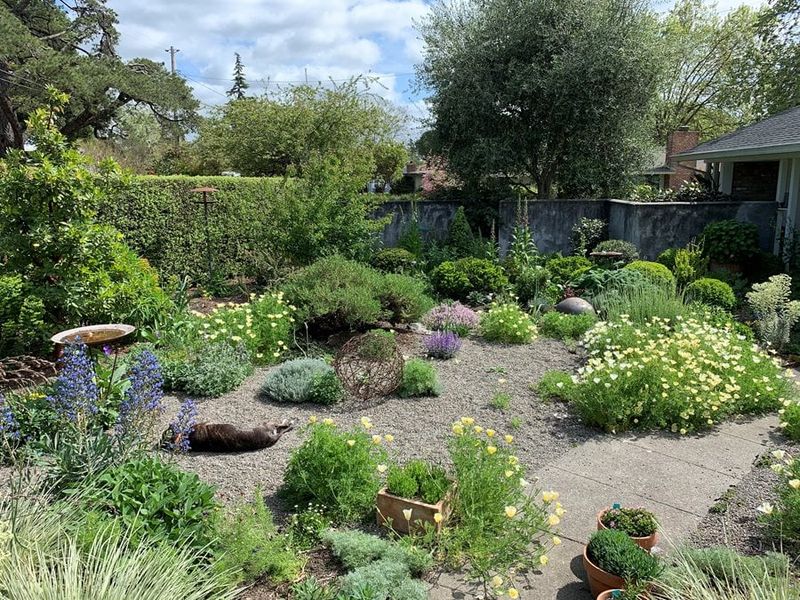
Drought-tolerant plants have evolved to thrive with minimal water once established. California natives like ceanothus, manzanita, salvia, and penstemon deliver beautiful blooms and foliage while requiring only occasional deep watering during the driest months.
Succulents, Mediterranean herbs, and ornamental grasses also flourish with little intervention.
Start your transition by identifying your thirstiest plants and highest-maintenance areas. Replace sections of lawn with groundcovers like dymondia or carex.
Swap out water-dependent perennials for natives that match your garden’s sun exposure and soil type. You don’t need to transform everything overnight, even replacing twenty percent of thirsty plants makes a noticeable difference.
Choose plants appropriate for your microclimate. Coastal gardens can support different species than inland valleys where summer temperatures soar.
Visit local native plant nurseries for region-specific recommendations. Once established after their first year, most drought-tolerant plants need water only every two to three weeks during summer, and virtually none during California’s rainy season.
5. Water Early Morning Or Late Evening
Watering during midday heat sends much of your irrigation water straight into the atmosphere. High temperatures and low humidity cause rapid evaporation before moisture can soak into soil.
You’re essentially watering the air instead of your plants, wasting both water and money with every session.
Early morning watering between four and nine o’clock gives plants time to absorb moisture before temperatures climb. Foliage dries quickly as the day warms, reducing disease problems.
Soil stays cooler and absorbs water more efficiently than during afternoon heat. Evening watering after seven o’clock also works, though leaves stay wet longer overnight which can encourage fungal issues in humid coastal areas.
Morning irrigation works best across all California climates. Inland gardens benefit from cooler temperatures that minimize evaporation losses.
Coastal areas avoid the midday winds that blow water off target. Set automatic timers to start watering at dawn for maximum efficiency.
Avoid watering between ten in the morning and six in the evening when evaporation rates peak. If you must hand-water during the day, apply water directly to soil rather than spraying foliage.
Watch for signs your timing needs adjustment, if soil surfaces dry out within an hour of watering, you’re losing too much to evaporation and should shift your schedule earlier or later when conditions are more favorable.
6. Improve Soil To Hold More Moisture
California soils often struggle to hold water effectively. Heavy clay drains slowly and becomes waterlogged, then cracks and repels water when it dries.
Sandy soil drains too quickly, letting moisture and nutrients wash away before plant roots can absorb them. Either extreme means you’re watering more often than necessary.
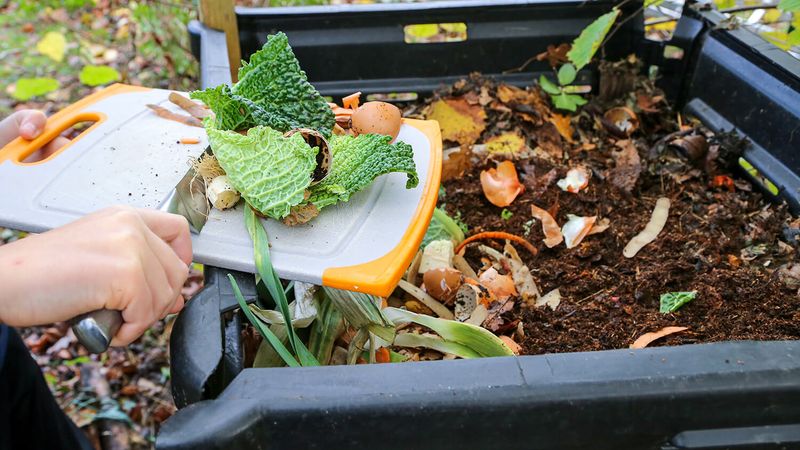
Adding organic matter transforms problem soils into moisture-retentive growing media. Compost, aged manure, and leaf mold improve soil structure by creating spaces that hold both air and water.
Better soil structure means deeper root growth, improved drainage in clay, and better water retention in sand. Your plants become more resilient and need less frequent irrigation.
Work two to three inches of compost into the top six to eight inches of soil before planting new beds. For established gardens, spread compost as mulch and let earthworms incorporate it gradually.
Repeat annually to maintain soil health. Mix compost into planting holes when adding new shrubs or perennials.
Avoid digging amendments into dry, compacted soil since this damages soil structure. Water thoroughly first, then work organic matter in when soil is slightly moist.
Consider cover cropping in vegetable gardens during winter, plants like fava beans and clover add organic matter while fixing nitrogen.
Improved soil can reduce watering needs by twenty-five percent or more while producing healthier, more vigorous plants that naturally resist drought stress.
7. Capture And Reuse Water Where Possible
Gallons of usable water flow down drains every day in most California homes. Shower warm-up water, vegetable rinse water, and dehumidifier runoff all go to waste when they could irrigate your garden instead.
Meanwhile, winter rains overwhelm storm drains rather than soaking into your landscape where plants could use that moisture later.
Greywater systems and rainwater collection let you capture and redirect water that would otherwise disappear. Simple strategies like collecting shower warm-up water in buckets require no installation.
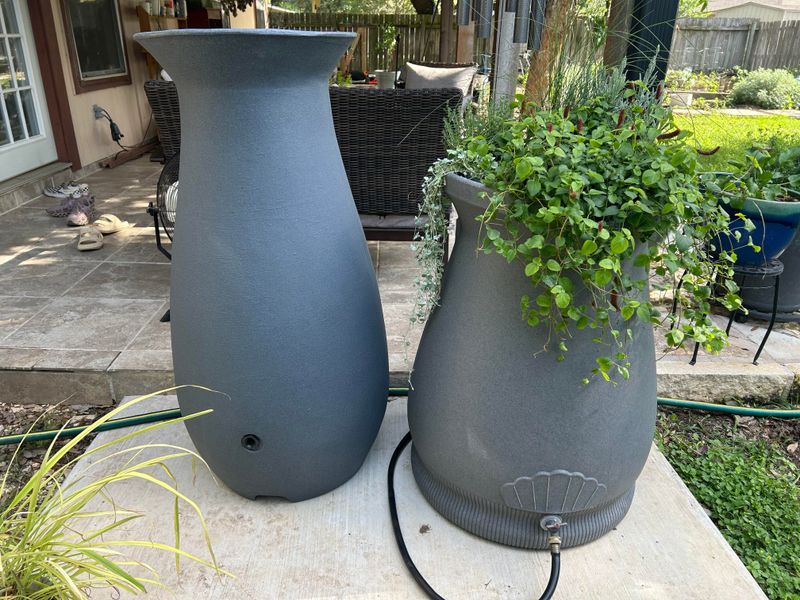
Rain barrels attached to downspouts harvest roof runoff during wet months. More elaborate greywater systems can redirect laundry and bathroom water to irrigation lines.
Start small with easy wins. Place a bucket in your shower to catch cold water while waiting for hot water to arrive.
Use this water for container plants or garden beds. Install a rain barrel at one downspout to capture winter storms, a single inch of rain on a thousand-square-foot roof yields over six hundred gallons.
Check local regulations before installing greywater systems since California has specific codes governing their use. Never use water containing bleach, harsh chemicals, or from toilet drains.
Greywater works well for ornamental plants but avoid using it on edible crops.
Even modest water capture efforts can provide supplemental irrigation during dry months, reducing your dependence on municipal supplies and lowering your water bills throughout the year.