How To Keep Ficus Healthy During Long Pennsylvania Winters

Pennsylvania winters can feel long, gray, and tough on houseplants, and your ficus definitely notices the change. Shorter days, cooler temperatures, and dry indoor heat often lead to leaf drop, dull foliage, and slow growth.
It can be frustrating to watch your once lush plant struggle while everything outside sits frozen. The good news is a healthy ficus can handle winter just fine with the right care and a few smart adjustments.
Many Pennsylvania plant owners have learned simple ways to keep their ficus green, glossy, and stress free until spring returns. From managing light and humidity to fine tuning your watering routine, small changes can make a big difference.
Want to keep your ficus looking vibrant all winter long? Let’s explore the easy, practical tips that help Pennsylvania homeowners protect their ficus and enjoy a healthy, thriving plant through the coldest months indoors.
1. Adjust Your Watering Schedule For Indoor Heating
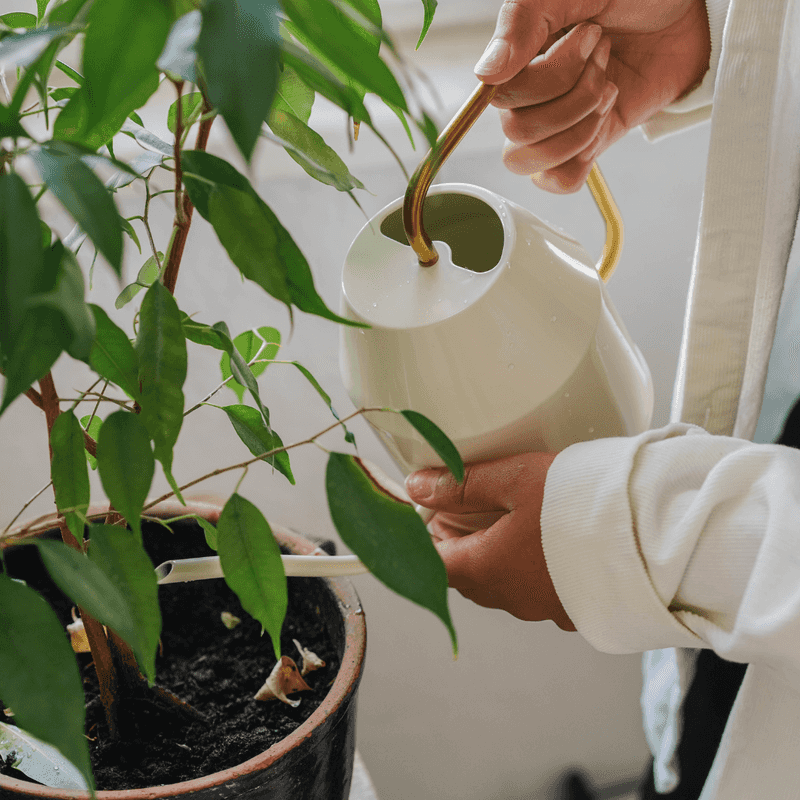
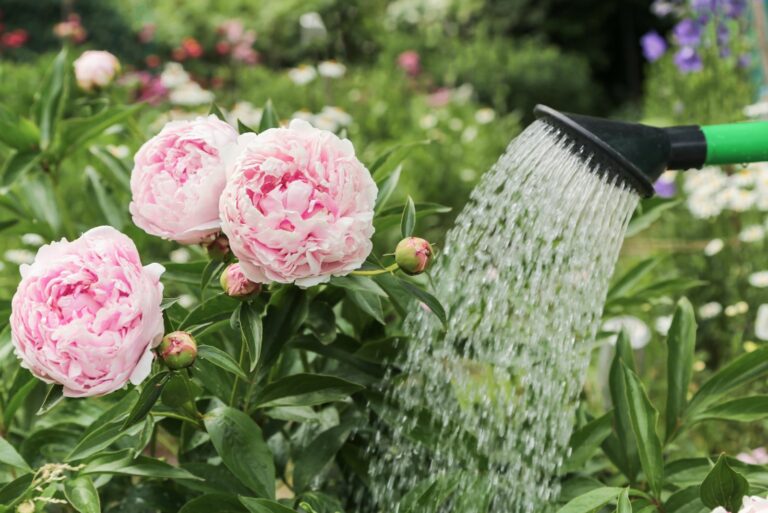
Winter watering needs change dramatically for ficus trees when Pennsylvania homes crank up the heat. Indoor heating systems create a drier environment that affects how quickly soil moisture evaporates.
Your ficus will need less frequent watering than during summer months, but the timing becomes more critical.
Check the soil before adding water by sticking your finger about two inches deep into the potting mix. If it feels dry at that depth, it’s time to water.
If it still feels slightly moist, wait another day or two. Overwatering during winter is one of the biggest mistakes plant owners make because growth slows down significantly.
Room temperature water works best for your ficus during cold Pennsylvania winters. Cold water can shock the roots and stress the plant further.
Pour water slowly until it begins draining from the bottom holes, then stop. Empty the drainage tray after about fifteen minutes to prevent root problems.
Pennsylvania’s winter air is notoriously dry, which means the top layer of soil might dry out faster than the deeper levels. This can trick you into watering too often. Always check deeper into the soil rather than judging by surface dryness alone.
Keep a consistent watering routine but remain flexible based on your home’s specific conditions. Homes with forced air heating will dry out soil faster than those with radiator heat.
Pay attention to how your individual ficus responds and adjust accordingly throughout the winter season.
2. Maximize Natural Light Exposure
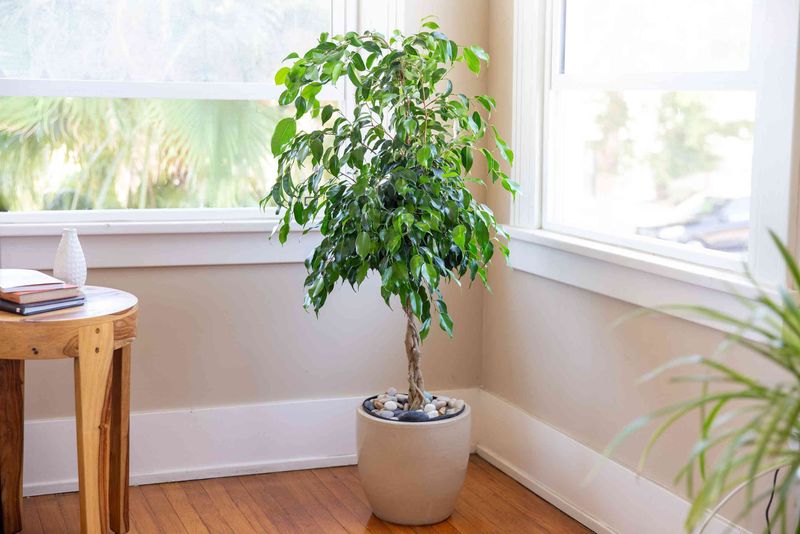
Shorter days and weaker sunlight make Pennsylvania winters challenging for light-loving ficus trees. These tropical plants naturally crave bright, indirect light to maintain their health and keep their leaves from dropping.
During winter months, the sun sits lower in the sky and daylight hours shrink considerably, creating a lighting challenge.
Position your ficus near the brightest window in your home, preferably one facing south or west. South-facing windows receive the most consistent light during Pennsylvania winters.
Just make sure the leaves don’t touch cold windowpanes, as this can cause damage from the temperature difference.
Rotate your ficus tree every week or two to ensure all sides receive equal light exposure. Without rotation, one side will grow toward the light source while the other side weakens. This simple habit keeps your tree balanced and prevents lopsided growth patterns.
Your Pennsylvania Garden Changes Every Week. Your Plan Should Too.
Gardening in Pennsylvania changes quickly throughout the season. Every Friday you’ll receive a simple weekly plan showing exactly what to plant, prune, fertilize, harvest, and protect so you never miss the right timing.
Consider moving your ficus closer to windows during winter months, even if it means rearranging furniture temporarily. The extra light exposure will help your tree maintain its energy levels.
Windows that were too bright during summer might be perfect during Pennsylvania’s cloudy winter days.
Clean your windows regularly to maximize light transmission into your home. Dust and grime can block significant amounts of sunlight.
Similarly, wipe down your ficus leaves gently with a damp cloth every few weeks to remove dust that blocks their ability to absorb light efficiently.
3. Maintain Proper Humidity Levels
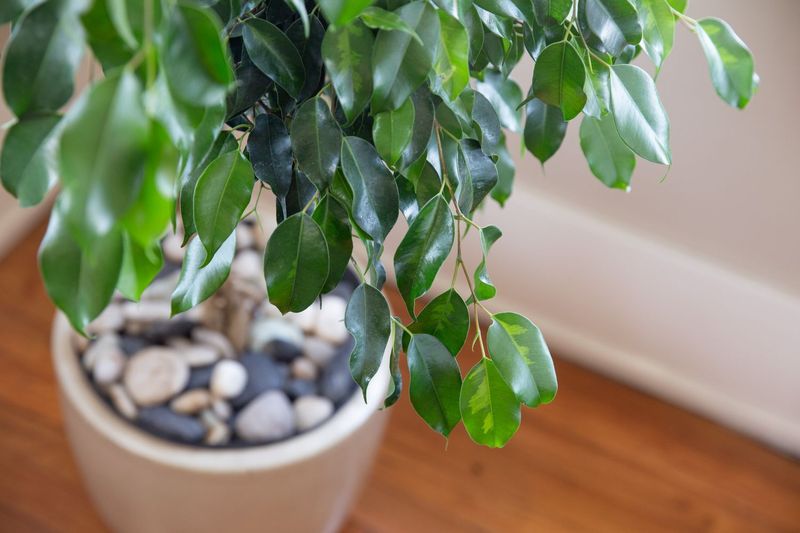
Heating systems in Pennsylvania homes can drop indoor humidity to desert-like levels during winter. Ficus trees, being tropical plants, suffer greatly in dry air and often respond by dropping leaves or developing brown edges.
Maintaining adequate humidity becomes essential for their survival and health during these months.
A simple humidity tray works wonders for your ficus without requiring expensive equipment. Fill a shallow tray with pebbles and add water until it reaches just below the top of the stones.
Place your potted ficus on top, making sure the pot bottom doesn’t sit directly in water. As water evaporates, it creates a humid microclimate around your plant.
Room humidifiers offer another excellent solution, especially if you have multiple houseplants or suffer from dry skin yourself during Pennsylvania winters.
Position the humidifier near your ficus but not directly blowing on it. Aim for humidity levels between 40 and 60 percent, which benefits both plants and people.
Grouping houseplants together creates a naturally more humid environment as they release moisture through their leaves.
This community effect helps all your plants stay healthier during dry winter months. Just ensure air can still circulate between them to prevent fungal problems.
Misting your ficus leaves provides temporary relief but isn’t a long-term humidity solution. If you do mist, do it in the morning so leaves can dry before nighttime temperatures drop.
Consistent humidity management makes a noticeable difference in how well your ficus handles Pennsylvania’s harsh winter conditions.
4. Protect From Cold Drafts And Temperature Swings
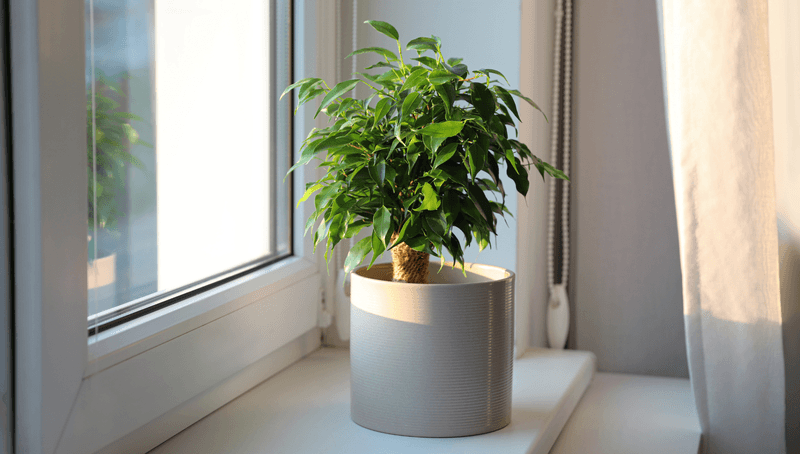
Pennsylvania winters bring bitter cold that can seep through windows, doors, and poorly insulated walls.
Ficus trees are extremely sensitive to temperature fluctuations and cold drafts, which can cause sudden leaf drop or long-term stress. Protecting your plant from these temperature challenges is crucial for winter survival.
Keep your ficus away from exterior doors that open frequently, allowing cold air to rush inside. Even brief exposures to temperatures below 50 degrees can shock your tree.
Similarly, avoid placing your ficus directly against exterior walls, especially on the north side of your home where Pennsylvania’s coldest winds typically hit.
Windows present a tricky situation because ficus trees need light but can suffer from cold radiating through glass. Check for drafts by holding your hand near window edges on a cold day.
If you feel cold air leaking in, consider using draft stoppers or temporary plastic window insulation to protect nearby plants.
Heating vents create another problem by blasting hot, dry air directly onto plants. While warmth seems beneficial, the constant hot air flow dries out leaves and soil rapidly.
Position your ficus where it benefits from ambient room warmth without sitting in direct heat streams.
Aim to maintain consistent temperatures between 60 and 75 degrees around your ficus throughout Pennsylvania winters. Avoid placing plants near fireplaces or wood stoves where temperatures fluctuate dramatically.
Stability matters more than perfect warmth when it comes to keeping your ficus comfortable during cold months.
5. Reduce Fertilizing During Dormant Period
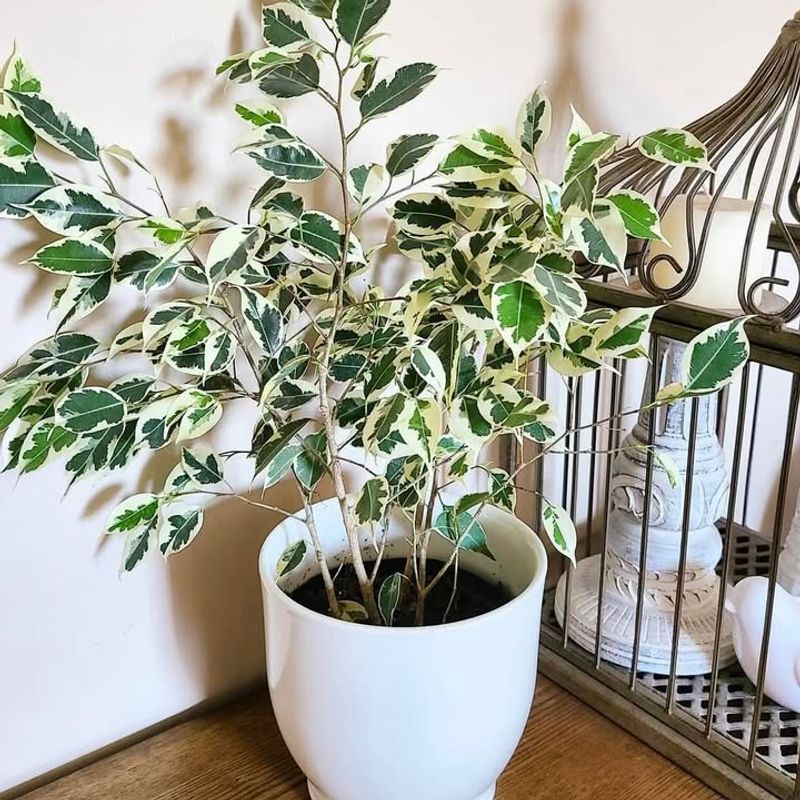
Growth slows way down for ficus trees during Pennsylvania’s dark, cold winter months. This natural dormancy period means your plant needs far fewer nutrients than during active growing seasons.
Understanding this rhythm helps prevent fertilizer-related problems that can stress your tree when it’s already vulnerable.
Stop fertilizing your ficus completely from late November through early March in Pennsylvania. During dormancy, roots aren’t actively absorbing nutrients, so fertilizer just builds up in the soil.
This accumulation can cause salt buildup that actually harms roots and creates brown leaf tips or edges.
If your ficus shows signs of nutrient deficiency during winter, such as pale new leaves, use a very diluted fertilizer at one-quarter the normal strength.
Apply it only once during the entire winter period. Remember that slow growth is normal and doesn’t necessarily indicate a nutrient problem.
Overfertilizing during winter can force your ficus to produce weak, leggy growth that won’t be sustainable. This stressed growth makes your tree more susceptible to pests and problems.
Patience during winter pays off with stronger, healthier growth when spring arrives in Pennsylvania.
Mark your calendar to resume regular fertilizing in April when days lengthen and your ficus begins showing signs of new growth. Start with half-strength applications and gradually return to your normal feeding schedule.
This gentle transition helps your tree wake up properly from its winter rest without shocking its system.
6. Monitor For Common Winter Pests
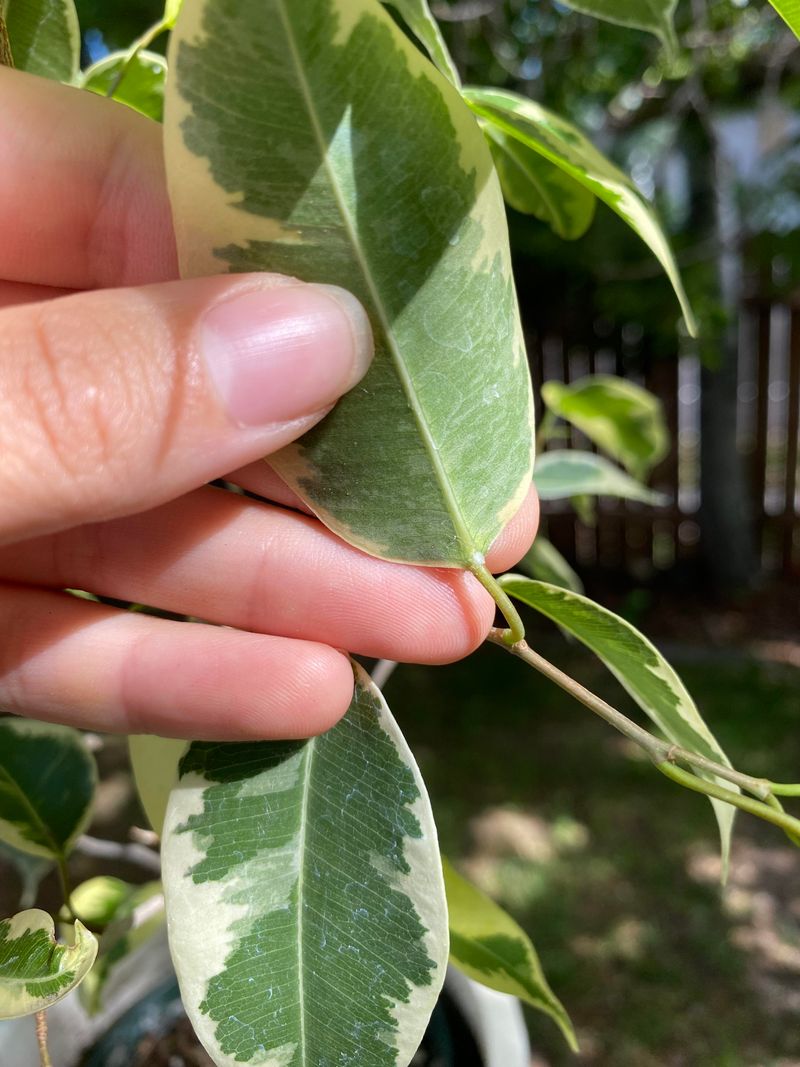
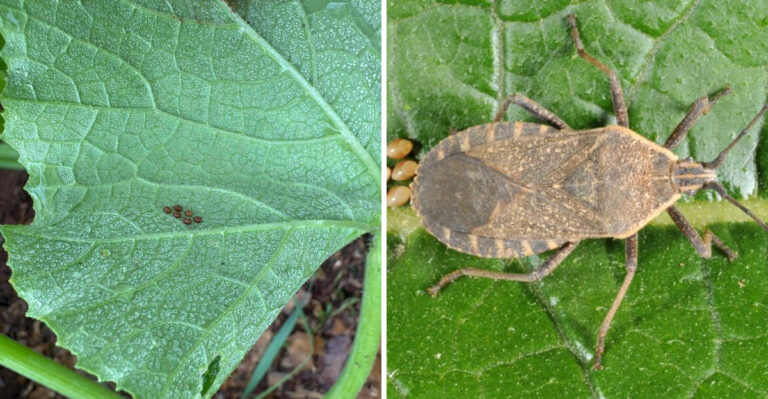
Spider mites, scale insects, and mealybugs love the warm, dry conditions inside Pennsylvania homes during winter. These pests thrive when ficus trees are already stressed from low humidity and reduced light.
Regular monitoring helps you catch infestations early before they cause serious damage to your tree.
Inspect your ficus weekly by examining both sides of leaves, especially along veins and at leaf joints where pests hide.
Look for tiny moving dots, cottony white masses, or small brown bumps attached to stems and leaves. Spider mites leave fine webbing that becomes visible when you mist the plant.
Isolate your ficus immediately if you discover pests to prevent them from spreading to other houseplants. Pennsylvania’s dry winter air creates perfect conditions for rapid pest reproduction. Quick action makes treatment much easier and more effective.
Wiping leaves regularly with a damp cloth removes dust and helps you spot pest problems early. This simple maintenance task also removes some pests before they establish large colonies.
For minor infestations, this mechanical removal combined with increased humidity often solves the problem naturally.
Neem oil spray works effectively against most common ficus pests and is safe for indoor use during Pennsylvania winters. Mix according to package directions and spray all plant surfaces thoroughly, including undersides of leaves.
Repeat treatments every seven to ten days until pests disappear completely. Good air circulation helps prevent pest problems, so avoid crowding plants too closely together during winter months.
7. Avoid Repotting Until Spring Arrives
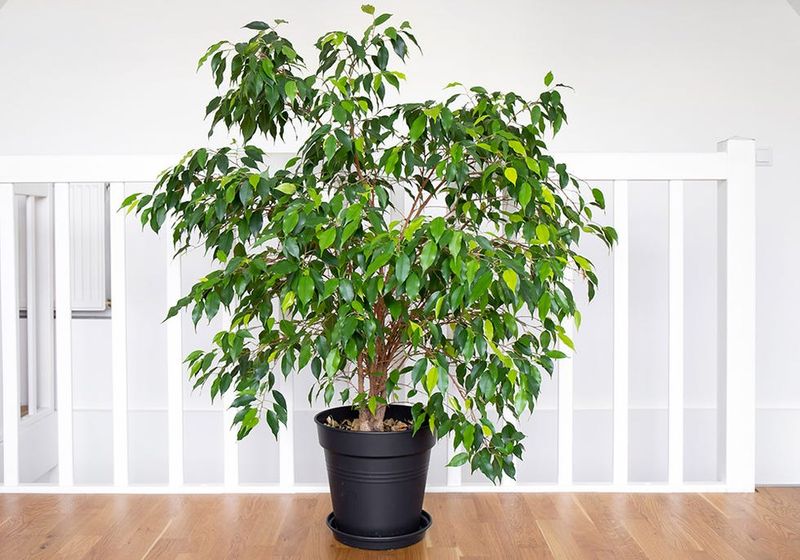
Repotting stresses plants significantly, and winter is the absolute worst time for this task in Pennsylvania. Your ficus is already coping with reduced light, lower humidity, and slower growth during cold months.
Adding the trauma of root disturbance during this vulnerable period can cause serious setbacks or even plant decline.
Root growth nearly stops during winter dormancy, which means damaged roots won’t heal quickly. When you repot during active growing seasons, roots recover rapidly and grow into new soil.
During Pennsylvania winters, disturbed roots just sit in fresh soil without the energy to establish themselves properly.
If your ficus is severely rootbound or sitting in waterlogged soil, you might feel tempted to repot immediately. Resist this urge unless the situation is truly critical.
Most ficus trees can wait until April or May when Pennsylvania’s increasing daylight triggers new growth and root activity.
Plan your repotting for late spring when your ficus shows clear signs of new growth like emerging leaves or extending branches. This timing gives roots the energy they need to grow into fresh soil quickly.
The longer days and stronger light in Pennsylvania during spring support recovery much better than winter conditions.
Use the winter months to research proper repotting techniques and gather supplies instead. Choose a pot only one or two inches larger than the current container.
Select well-draining potting mix specifically formulated for tropical plants. Having everything ready means you can repot quickly and efficiently when the right time comes in spring.