The Most Beautiful Botanical Garden In California Feels Like Another World
Tucked away in sunny Santa Barbara, Ganna Walska Lotusland does not feel like an ordinary garden. It feels like stepping into a dream.
Around every corner, something unexpected appears, towering cacti, rare tropical plants, quiet lily ponds, and sculpted landscapes that look almost unreal.
This hidden botanical wonder was created by opera singer and visionary Ganna Walska, who transformed her private estate into one of the most magical plant collections in the world.
What makes Lotusland so special is not just its beauty, but its atmosphere. One moment you are in a desert, the next in a lush jungle, then suddenly walking through a peaceful Japanese inspired garden.
It is a place where plants tell stories, colors feel richer, and time seems to slow down. If you love nature, design, or pure garden magic, Lotusland is unlike anywhere else in California.
A Hidden Garden Tucked Away In Montecito
Nestled on Cold Spring Road in the exclusive neighborhood of Montecito, Lotusland remains one of California’s best-kept secrets despite its world-class status.
The 37-acre estate sits quietly among million-dollar homes, its treasures hidden behind gates that open only to visitors with advance reservations.
County regulations limit daily access, creating an intimate experience that never feels crowded or rushed.
This exclusivity actually enhances the magic. With only a controlled number of guests allowed per time slot, you’ll have space to breathe, reflect, and truly connect with the gardens.
No jostling crowds or noisy tour groups, just you and the plants in peaceful coexistence.
The location itself adds to the mystique. Montecito’s Mediterranean climate provides perfect growing conditions for exotic species from around the globe.
Mild winters and warm, dry summers allow plants from South Africa, Australia, and South America to thrive side by side.
Why gardeners love this place: The limited access means plants receive meticulous care and attention. Every specimen is labeled, every pathway maintained, and volunteers stationed throughout offer expert guidance.
Pro tip: Book your tickets months in advance, especially for summer visits when the lotus blooms. Spots fill quickly, and this isn’t a place you can visit on a whim.
The Visionary Woman Behind Lotusland
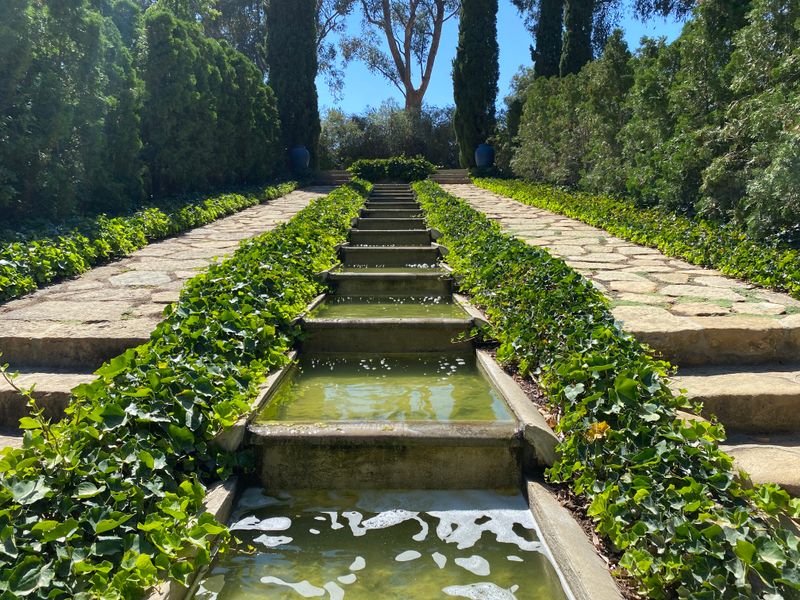
Madame Ganna Walska was no ordinary gardener. Born in Poland in 1887, she became an internationally known opera singer and socialite who married six times and lived a life of extraordinary glamour and drama.
Yet her greatest performance wasn’t on stage, it was the botanical masterpiece she created at Lotusland from 1941 until her passing in 1984.
Walska purchased the estate after her sixth marriage and threw herself into gardening with theatrical passion. She traveled the world collecting rare plants, often outbidding major botanical institutions for prized specimens.
Her vision wasn’t about creating traditional flower beds but rather sculptural landscapes using plants as living art.
What made her approach revolutionary was her willingness to experiment boldly. She mixed species that conventional horticulturists kept separate, creating unexpected combinations that somehow worked beautifully.
Her Japanese Garden renovation cost six million dollars and took eleven years to complete, that’s dedication.
Your California Garden Changes Every Week. Your Plan Should Too.
Gardening in California changes quickly throughout the season. Every Friday you’ll receive a simple weekly plan showing exactly what to plant, prune, fertilize, harvest, and protect so you never miss the right timing.
Why gardeners love this place: Walking through Lotusland means experiencing one woman’s fearless botanical vision. Seasonal insight: Visit in spring to see how Walska’s plant selections provide year-round interest through foliage texture and form, not just flowers.
Her legacy teaches us that gardens reflect their creator’s personality—don’t be afraid to break rules and trust your instincts.
Step Into Worlds Of Rare And Exotic Plants
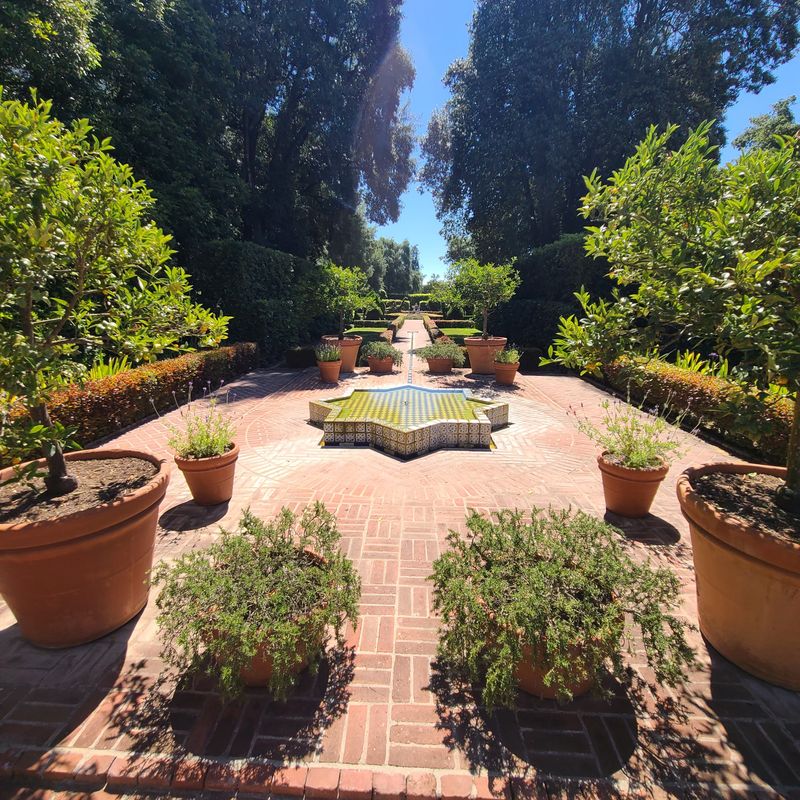
Lotusland houses one of America’s most significant cycad collections, with over 900 specimens including species extinct in the wild. These ancient plants, which predate dinosaurs, create an almost Jurassic atmosphere in their dedicated garden.
Walking among them feels like stepping back millions of years.
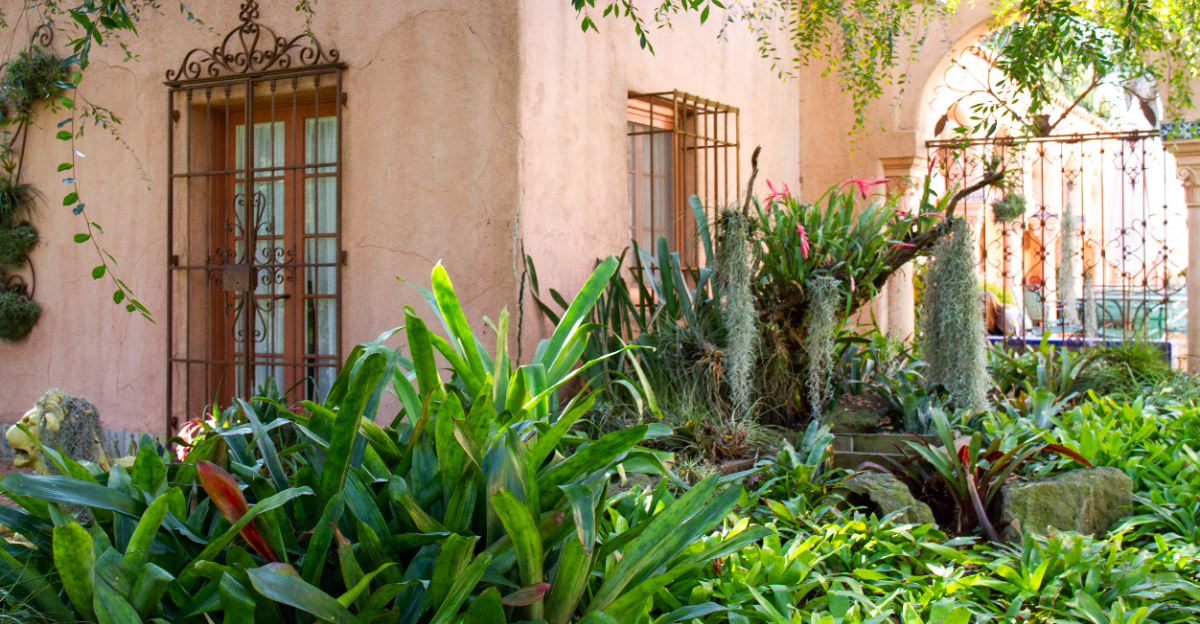
The Bromeliad Garden showcases these colorful relatives of pineapples in stunning arrangements. Mounted on trees and displayed in creative groupings, they demonstrate how epiphytic plants thrive without soil.
The diversity of forms, from spiky to soft, creates visual excitement at every turn.
Throughout the gardens, you’ll encounter plants you’ve never seen before. Rare euphorbias from Madagascar, unusual aloes from Africa, and peculiar cacti from the Americas fill every corner.
Each themed area presents a different ecosystem, from arid desert to tropical paradise.
Why gardeners love this place: The plant labels provide botanical names and origin information, turning every visit into an educational adventure.
Gardening tip: Take photos of plant tags along with the plants themselves, you’ll build a reference library of unusual species and learn which exotic plants might adapt to your own garden’s conditions.
Many visitors discover new favorites they never knew existed, expanding their horticultural horizons dramatically.
The Dreamlike Japanese Garden Experience
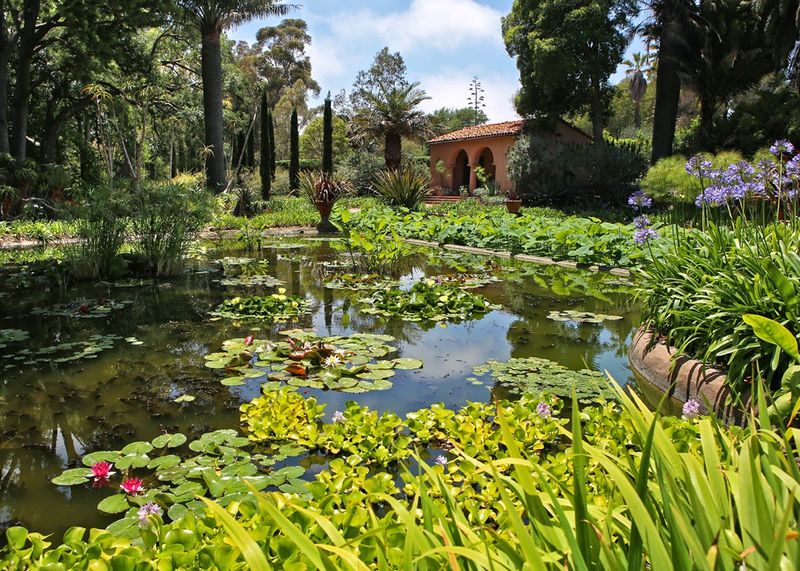
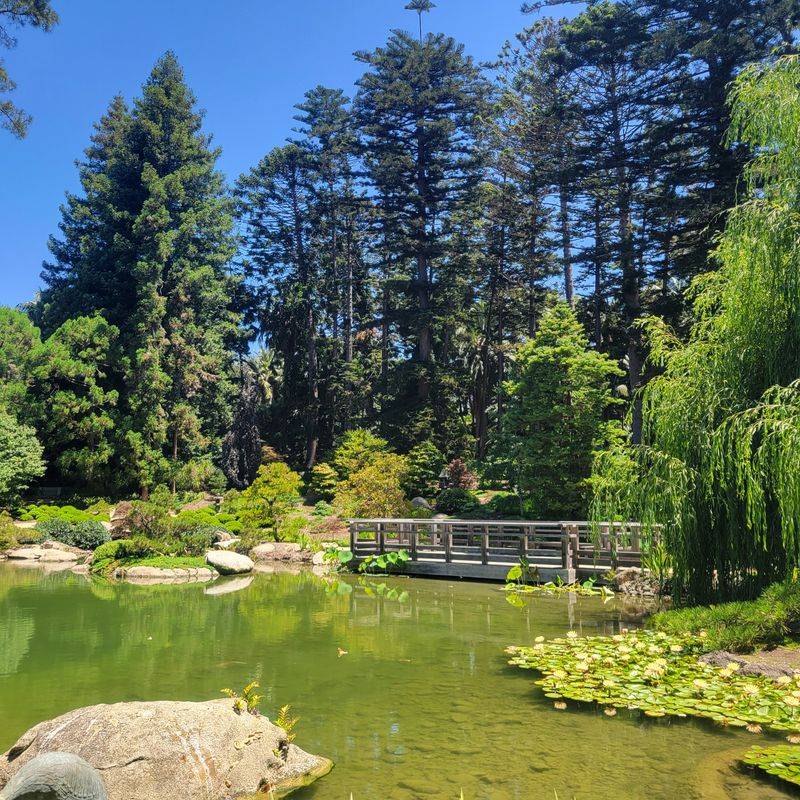
After an eleven-year, six-million-dollar renovation, Lotusland’s Japanese Garden reopened as a masterpiece of tranquility and design.
The centerpiece is a serene pond where lotus flowers bloom spectacularly in summer, their enormous leaves creating natural umbrellas over the water.
Colorful koi glide beneath the surface, adding movement and life.
Traditional elements blend seamlessly throughout the space. Stone lanterns stand sentinel along pathways, while carefully placed rocks create focal points that draw the eye.
The bridges, now ADA-accessible, allow everyone to experience the garden’s beauty from different perspectives over the water.
What makes this garden truly special is how it balances authenticity with California’s unique climate. Japanese maples provide fall color, while drought-tolerant plants adapted to Mediterranean conditions ensure sustainability.
The result feels genuinely Japanese yet perfectly suited to its Montecito setting.
Why gardeners love this place: The Japanese Garden demonstrates principles of balance, restraint, and intentional design that apply to any garden style.
Summer tip: July brings peak lotus blooming, the flowers open at dawn and close by afternoon, so morning visits offer the best viewing.
Study how negative space and careful plant placement create calm rather than clutter. Sometimes what you don’t plant matters as much as what you do.
A Surreal Landscape Of Cactus And Succulents
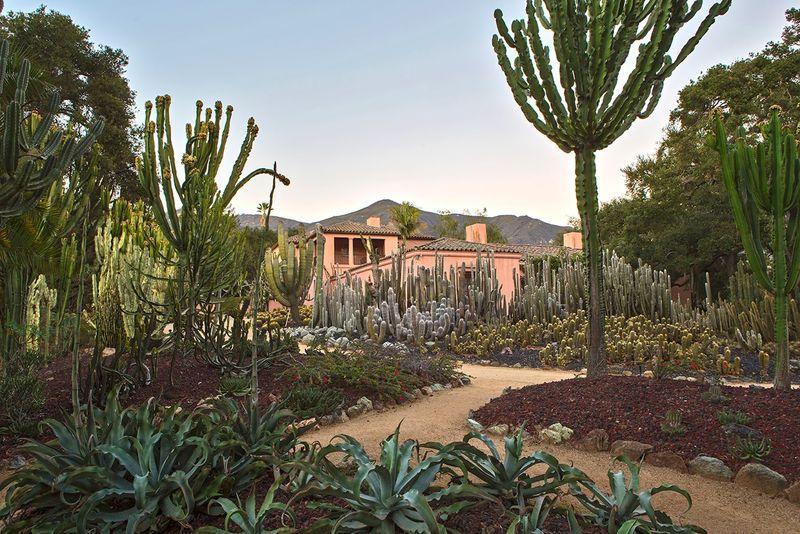
The Cactus Garden at Lotusland ranks among the world’s finest collections, featuring approximately 300 species arranged by their countries of origin. Donated by collector Merritt Dunlap in 1999, this garden transforms a hillside into a surreal desert dreamscape.
Towering columnar cacti reach skyward while barrel cacti cluster at their feet.
Walking these paths feels like exploring multiple deserts simultaneously. Mexican species occupy one area, while South American varieties claim another section.
The groupings help visitors understand how different continents evolved similar survival strategies in their arid regions.
Beyond cacti, the succulent collections dazzle with variety. Massive agaves spread their architectural leaves, aloes display colorful flower spikes, and unusual euphorbias create sculptural focal points.
The textures range from dangerously spiny to surprisingly soft, challenging preconceptions about desert plants.
Why gardeners love this place: This garden proves that water-wise landscaping doesn’t mean sacrificing beauty or interest. Fall tip: Visit in autumn when many aloes begin their spectacular blooming season, sending up coral, yellow, and orange flower spikes.
For home gardeners facing drought conditions, the Cactus Garden offers endless inspiration for creating stunning landscapes with minimal water. Notice how gravel mulch and strategic placement create drama without constant irrigation.
Why Visitors Say It Feels Otherworldly
Something about Lotusland transcends ordinary garden experiences. Perhaps it’s the sheer concentration of rare plants found nowhere else in America.
Maybe it’s how each garden area creates a complete world, transporting you mentally to distant continents and climates without leaving California.
The theatrical design plays a major role. Madame Walska arranged plants for dramatic impact rather than botanical correctness.
She created scenes and vignettes, using living plants as stage props in an elaborate horticultural production. The result feels intentionally fantastical.
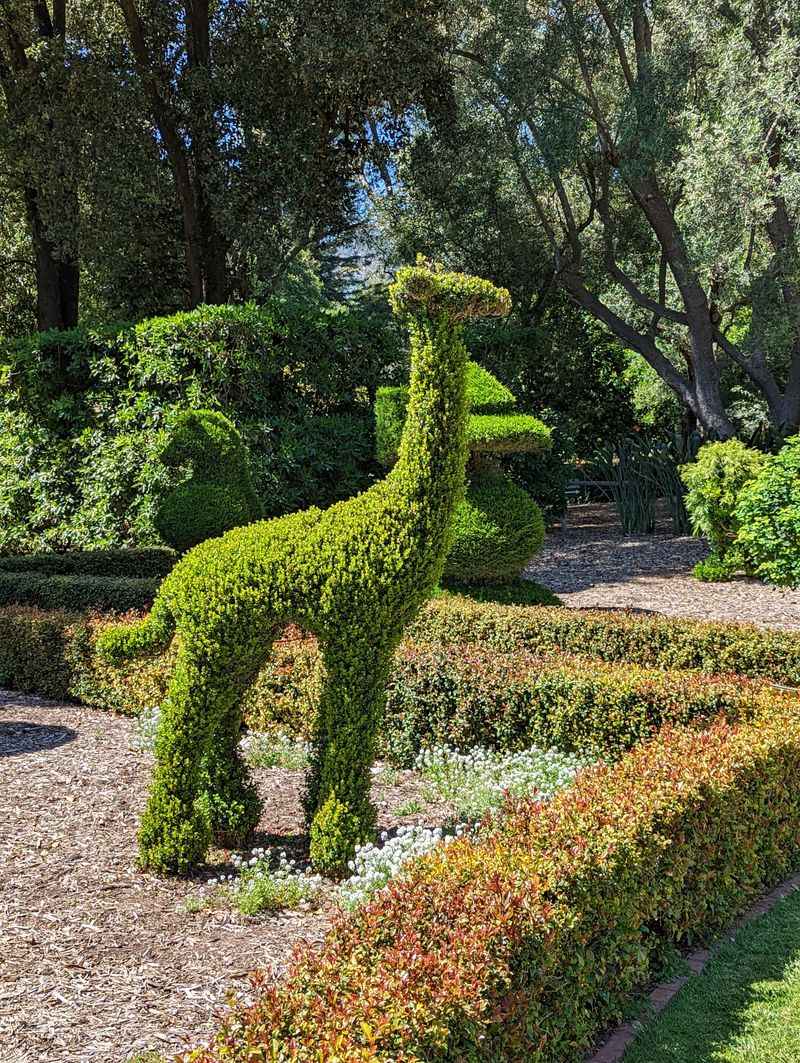
Visitors consistently describe feeling like they’ve entered another dimension. The Topiary Garden, with its whimsical animal shapes, adds playful surrealism.
Ancient cycads evoke prehistoric eras. The Blue Garden, featuring plants with silvery-blue foliage and blue glass mulch, creates an almost alien landscape unlike anything in nature.
Why gardeners love this place: Lotusland challenges conventional thinking about what gardens should be. It demonstrates that bold vision and creative risk-taking can produce extraordinary results.
Spring inspiration: Notice how foliage color and texture create interest even when flowers aren’t blooming. Consider incorporating one “statement area” in your own garden, a spot that deliberately breaks rules and sparks conversation.
Gardens should surprise and delight, not just follow formulas safely.
When To Visit For The Most Magical Views
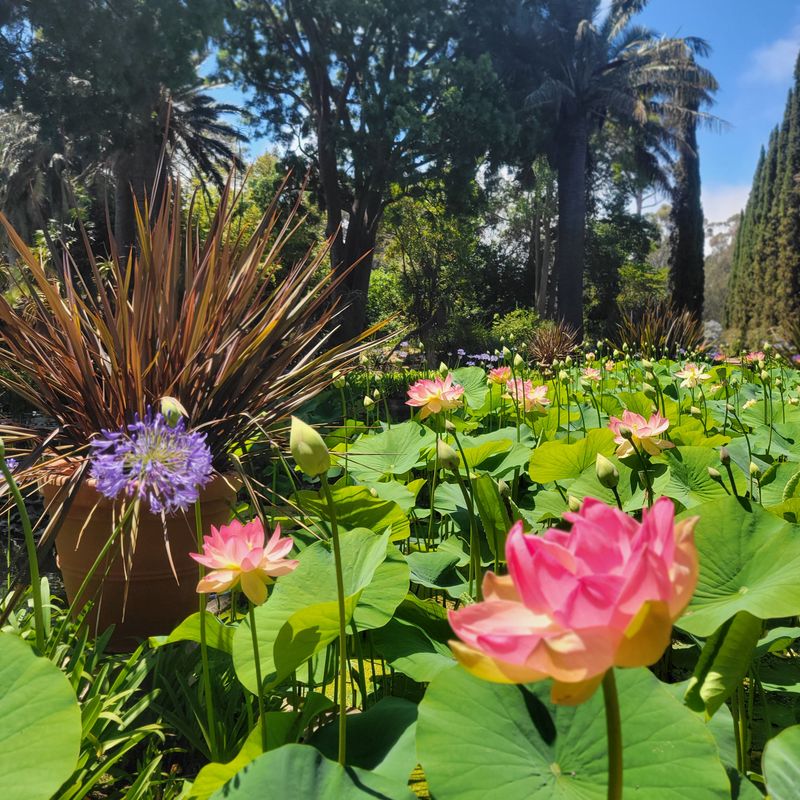
July stands out as Lotusland’s most spectacular month. The lotus flowers that give the garden its name reach peak bloom, opening their enormous pink and white blossoms each morning.
These flowers, which can grow twelve inches across, float majestically above dinner-plate-sized leaves. Arrive early to see them fully open before afternoon heat causes them to close.
However, every season offers unique rewards. Spring brings blooming aloes, their colorful flower spikes attracting hummingbirds throughout the gardens.
The weather is perfect for walking, with comfortable temperatures and clear skies. Many orchids and bromeliads also flower during these months.
Fall provides excellent visiting conditions too. Crowds thin after summer, making reservations easier to secure.
The cycads look particularly impressive, and many succulents begin their blooming cycles. Temperatures remain pleasant, and the gardens maintain their lush appearance despite California’s dry season.
Why gardeners love this place: Observing how different plants peak at various times teaches valuable lessons about creating year-round garden interest.
Winter tip: Even December and January visits reward with blooming aloes and perfect weather for photography.
Book tickets the moment they become available online, popular dates, especially summer weekends, sell out within hours.
Plan your visit around what you most want to see, whether that’s lotus blooms, cactus flowers, or simply perfect weather for leisurely exploration.
How To Experience Lotusland
Choosing between self-guided and docent-led tours significantly impacts your experience. First-time visitors often benefit enormously from docent tours, which cost an additional fifteen dollars but provide context and stories you’d otherwise miss completely.
These knowledgeable volunteers share fascinating details about Madame Walska’s life and the garden’s rare plant collections.
Self-guided tours offer freedom to linger wherever captures your interest. You’ll receive a detailed map, and volunteers stationed throughout answer questions readily.
This option works beautifully for photographers wanting perfect lighting or gardeners who prefer studying plants at their own pace. The two-hour time limit provides enough exploration time without feeling rushed.
Arrive within fifteen minutes of your scheduled slot, they’re strict about timing. Wear comfortable walking shoes since you’ll cover significant ground on varied terrain.
Bring water, sunscreen, and a hat for sun protection. The gift shop offers plant sales, books, and unique garden-themed items worth browsing before departure.
Why gardeners love this place: The volunteers’ passion and expertise enhance every visit immeasurably. Year-round tip: Join Lotusland’s membership program if you plan multiple visits, it provides unlimited access plus special events and lectures.
Take advantage of the knowledgeable volunteers, ask questions, request plant recommendations, and gather growing tips. Their enthusiasm is contagious, and their advice proves invaluable for your own gardening adventures.