Best Early Spring Flowers North Carolina Gardeners Are Planting Now
Early spring in North Carolina brings that exciting moment when gardens start waking up and color finally returns to the landscape. After months of dull winter views, the first fresh blooms feel like a breath of fresh air.
Smart gardeners know this is the perfect time to plant hardy early flowers that love cool mornings, mild afternoons, and unpredictable spring weather.
The right choices will not only survive chilly nights but also burst into bright, cheerful color while the rest of the garden is still getting started.
From sunny borders to cozy porch containers, these early bloomers can instantly lift the look of your yard and mood. Even better, many are easy to grow and require very little fuss once planted.
If you are ready to shake off winter and welcome the new growing season, these are the beautiful early spring flowers North Carolina gardeners are planting right now.
1. Daffodils (Narcissus Spp.)
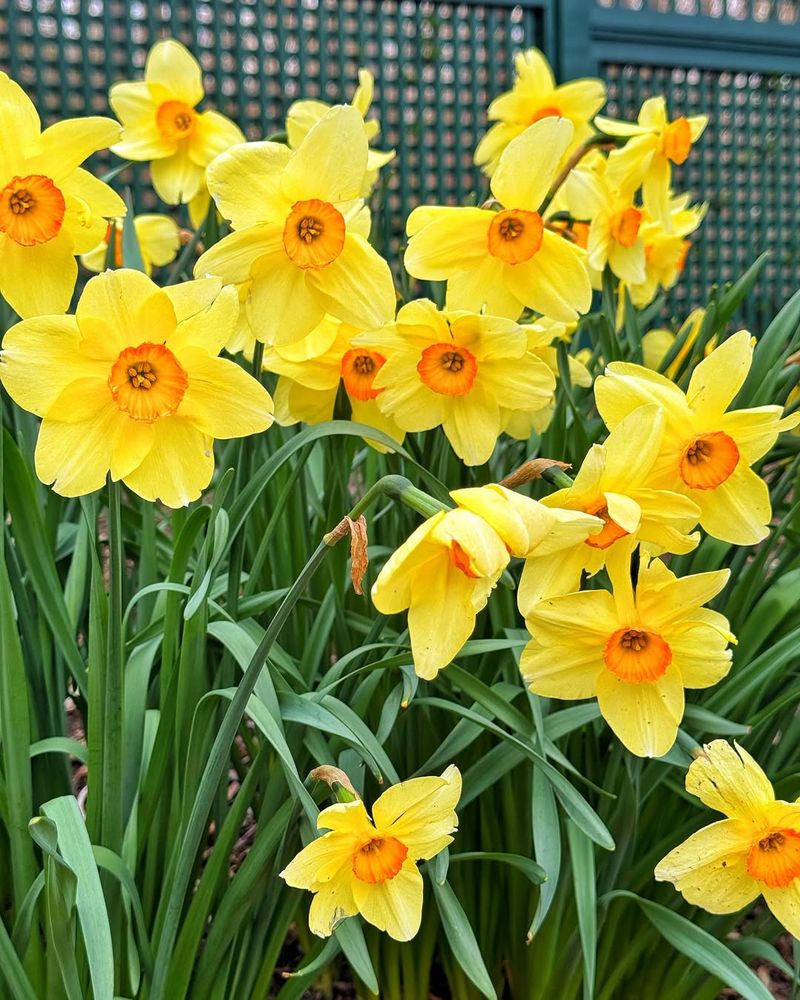
Sunshine yellow daffodils popping up in late February signal that spring has truly arrived in North Carolina. These cheerful bulbs are practically foolproof, thriving in USDA zones 6 through 8 without much fuss from gardeners.
Plant them in fall about six inches deep, and they’ll reward you with dependable blooms year after year.
One of the best things about daffodils is that deer and rabbits leave them alone once they’re established. The bulbs contain compounds that make them unappetizing to wildlife, so you won’t wake up to nibbled flowers.
This makes them perfect for rural properties or neighborhoods where critters roam freely.
Daffodils work beautifully when planted in clusters rather than straight rows. Try tucking groups of five to seven bulbs under deciduous trees or along walkways for a natural, cottage-garden feel.
They’ll bloom before most trees leaf out, soaking up the early spring sunshine. After flowering, let the foliage turn yellow naturally before cutting it back. Those leaves are busy storing energy in the bulb for next year’s show.
Many North Carolina gardeners interplant daffodils with hostas or ferns that emerge later and hide the fading foliage, keeping your beds looking fresh all season long.
2. Crocus (Crocus Spp.)
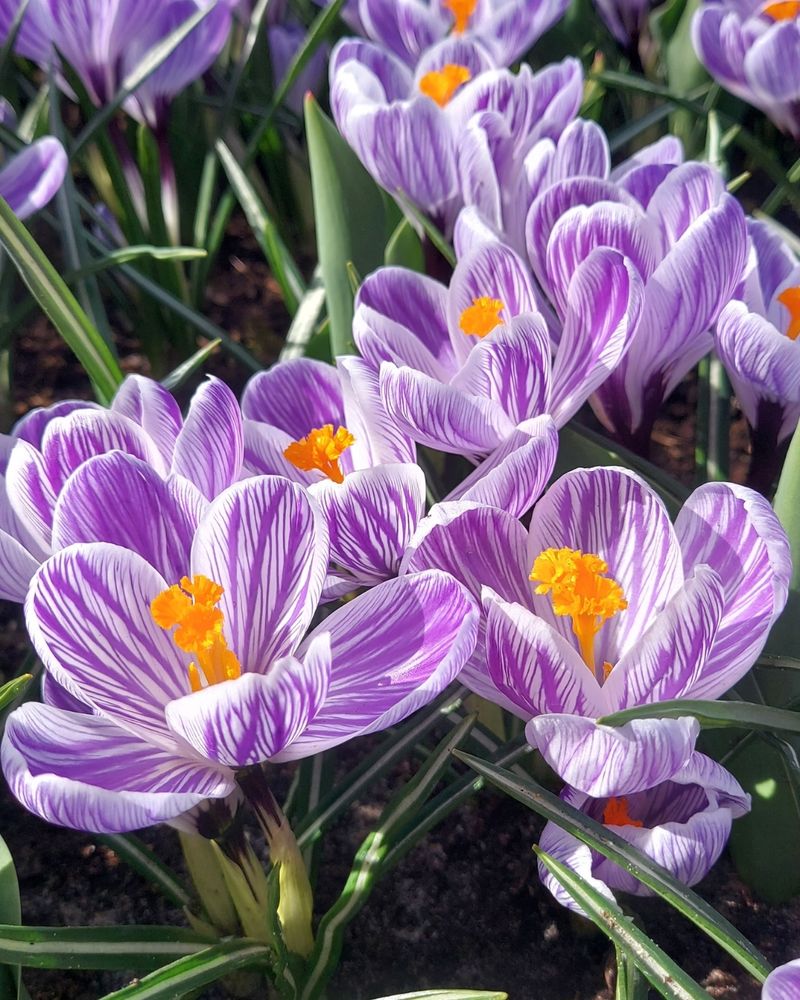
Tiny but mighty, crocuses are often the very first flowers to break through chilly North Carolina soil in February or early March. Their jewel-toned petals in purple, yellow, and white create cheerful carpets that brighten dreary late-winter days.
Plant these small bulbs in fall, spacing them just a few inches apart and about three inches deep.
Crocuses love well-drained spots and actually prefer cooler temperatures when they bloom. They’re perfect for rock gardens, along pathways, or naturalized in lawn areas where you don’t mind delaying the first mowing.
Bees absolutely adore crocus flowers, making them an important early nectar source when little else is blooming.
These petite bloomers multiply over time, forming larger clumps that create an even more impressive display each spring.
Squirrels sometimes dig up newly planted bulbs, so covering the planting area with chicken wire until the ground freezes can help protect your investment.
Your North Carolina Garden Changes Every Week. Your Plan Should Too.
Gardening in North Carolina changes quickly throughout the season. Every Friday you’ll receive a simple weekly plan showing exactly what to plant, prune, fertilize, harvest, and protect so you never miss the right timing.
Remove the wire in spring before shoots emerge. Crocus foliage is grass-like and disappears quickly after flowering, so they won’t leave unsightly leaves in your beds.
Pair them with later-blooming perennials that will fill in as the crocus foliage fades, creating a seamless transition through the growing season in your North Carolina landscape.
3. Hyacinths (Hyacinthus Orientalis)
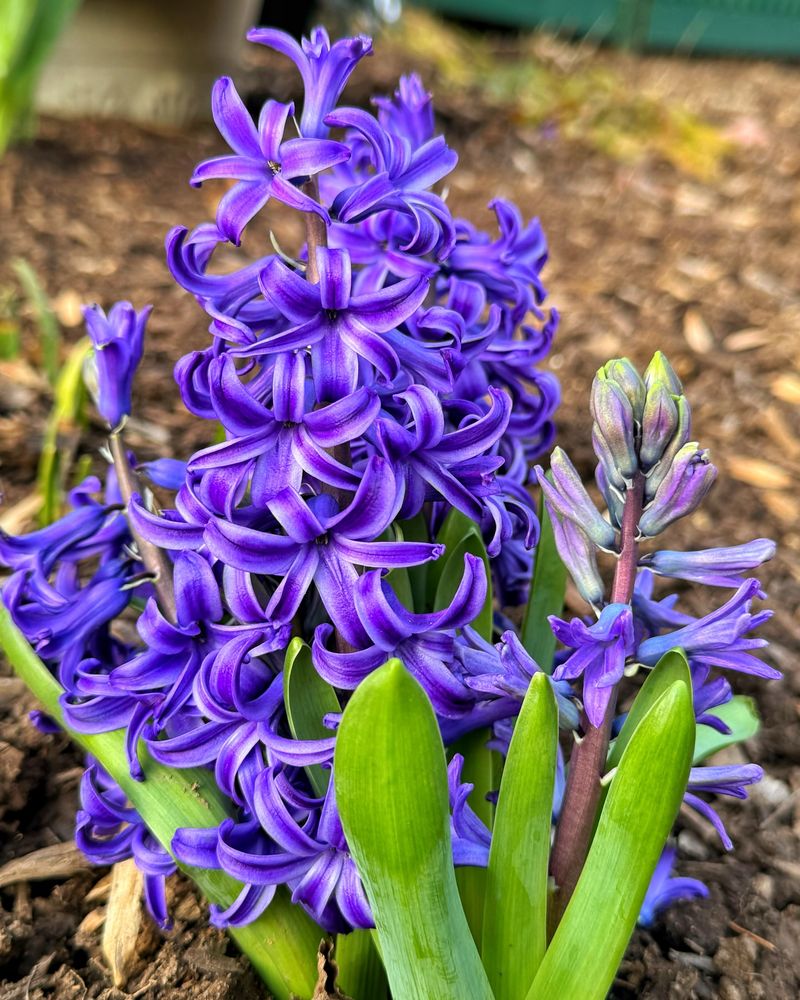
Walking past a bed of blooming hyacinths in March or April is like stepping into a perfume shop. Their intensely fragrant flower spikes fill the air with a sweet scent that announces spring has truly settled into North Carolina.
These bulbs produce dense clusters of star-shaped blooms in shades ranging from deep purple to soft pink, pure white, and sunny yellow.
Hyacinths need well-drained soil to prevent bulb rot, which can be a challenge in our clay-heavy Piedmont areas. Amending planting beds with compost and coarse sand helps water move through the soil more freely.
Plant bulbs about six inches deep in fall, with the pointed end facing up.
Many gardeners enjoy forcing hyacinths indoors during winter for early blooms. Simply pot bulbs in well-draining soil, chill them in a refrigerator for about twelve weeks, then bring them into a sunny window.
Within a few weeks, you’ll have fragrant flowers blooming on your kitchen table while snow might still be falling outside.
Outdoor hyacinths typically bloom for two to three weeks, and their sturdy stems rarely need staking. After flowering, allow the foliage to mature completely before removing it.
Some varieties will return for several years, though blooms may become less dense over time as bulbs age and naturalize.
4. Hellebores (Helleborus Spp.)
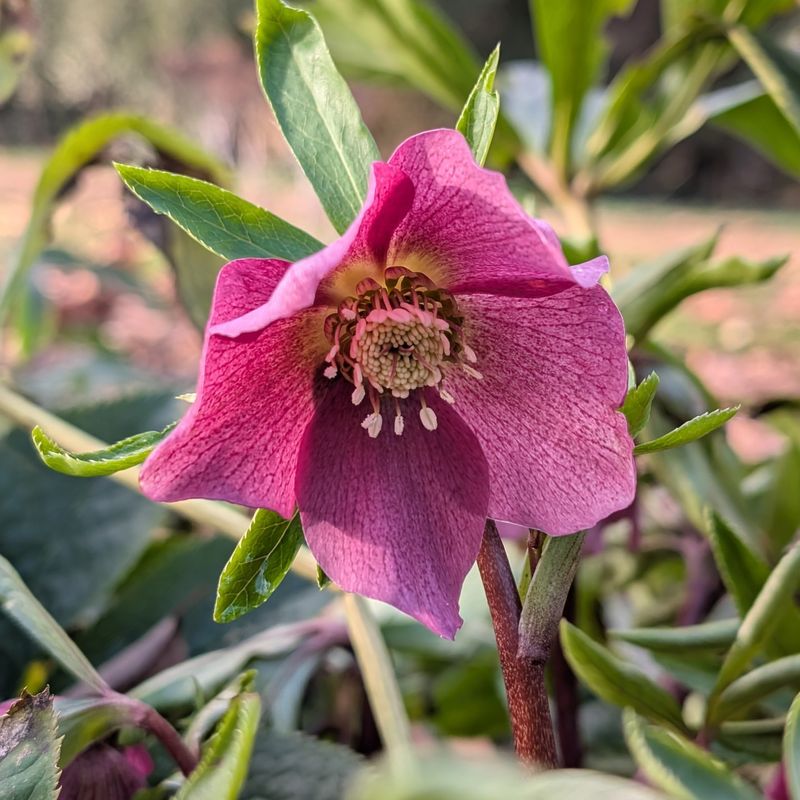
Hellebores earn their nickname “Lenten roses” by blooming right around the time Easter celebrations begin in late winter and early spring.
These tough perennials produce elegant, nodding flowers in shades of white, pink, purple, and even spotted or streaked varieties that look almost otherworldly.
Unlike true bulbs, hellebores are evergreen plants that keep their leathery foliage year-round.
Shade-loving hellebores thrive under deciduous trees or on the north side of buildings where many other flowering plants struggle. They prefer rich, well-amended soil that stays consistently moist but never waterlogged.
Once established, they’re remarkably drought-tolerant and can handle North Carolina’s occasional dry spells.
The flowers appear on sturdy stems that hold blooms facing downward, protecting delicate stamens from rain and frost.
This downward orientation means you’ll want to plant hellebores where you can appreciate them from below, perhaps along a slope or raised bed edge.
The blooms last for weeks, gradually fading to soft green tones that remain attractive long after peak flowering.
Hellebores self-seed readily, creating charming colonies over time. Seedlings may take a few years to reach blooming size, but the wait is worth it.
These plants are also resistant to deer and rabbits, making them excellent choices for woodland gardens where wildlife pressure is high.
5. Snowdrops (Galanthus Nivalis)
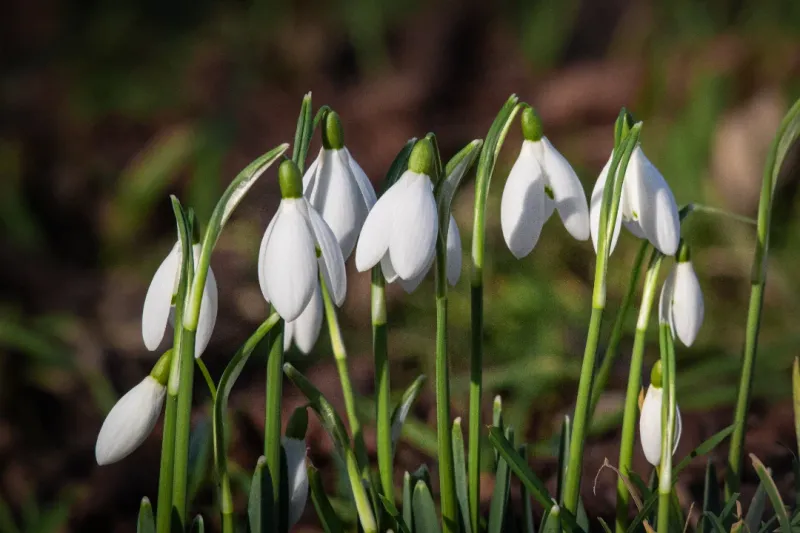
Snowdrops are the brave little soldiers of the spring garden, often pushing through frozen ground while frost still decorates the landscape. Their delicate white bell-shaped flowers dangle from slender stems, creating a carpet of pure white that signals winter’s end.
These petite bulbs naturalize beautifully under deciduous trees and along shaded borders.
Plant snowdrop bulbs in fall about three inches deep and three inches apart in groups for the best visual impact. They prefer moist, humus-rich soil and partial shade, though they’ll tolerate more sun during their bloom period since trees haven’t leafed out yet.
North Carolina’s mild winters provide perfect conditions for these cold-loving bloomers.
Snowdrops spread slowly through bulb division and self-seeding, eventually forming impressive drifts that return more abundantly each year. They’re excellent companions for other early bulbs like crocus and winter aconite, creating layered interest in the garden.
The foliage emerges alongside the flowers and fades quickly after blooming finishes.
Many gardeners transplant snowdrops “in the green,” meaning while they still have active foliage, rather than as dry bulbs. This method often results in better establishment.
These charming flowers are also deer-resistant and require virtually no maintenance once planted, making them ideal for low-effort, high-reward spring color in your North Carolina landscape.
6. Glory Of The Snow (Chionodoxa Luciliae)
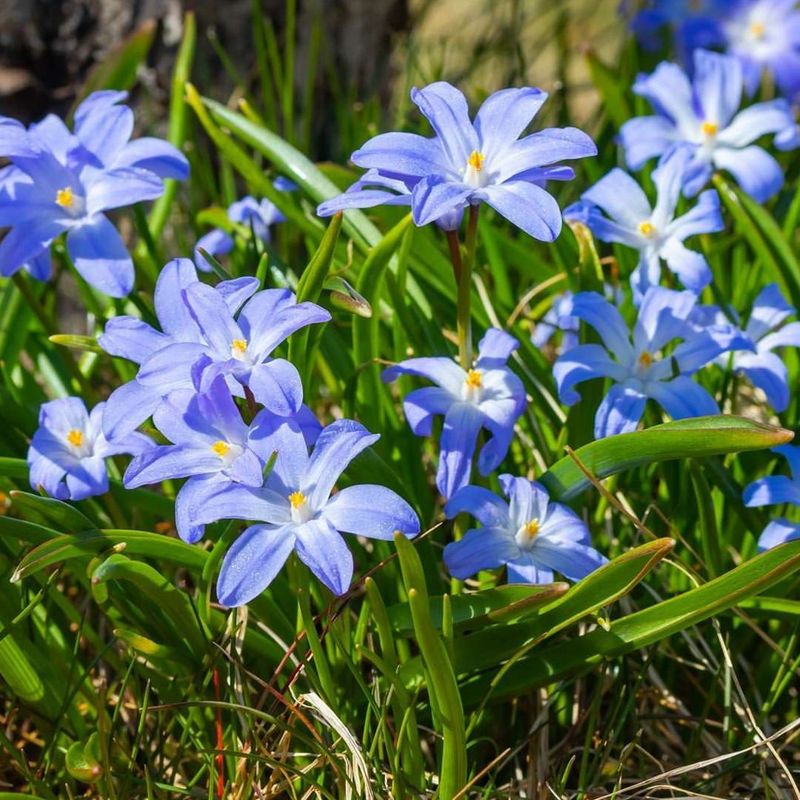
Glory of the Snow lives up to its name by producing brilliant blue star-shaped flowers that seem to glow against the cool earth of early spring. These cheerful little bulbs bloom in March, covering ground quickly as they naturalize and spread.
Each flower features a distinctive white center that creates a striking contrast with the vivid blue petals.
Plant these small bulbs in fall about three inches deep in well-drained soil. They’re not fussy about soil type and will even tolerate North Carolina’s heavy clay if drainage is adequate.
Glory of the Snow performs best in full sun to partial shade, making them versatile for various garden locations from open beds to the dappled shade beneath trees.
One of the best features of Glory of the Snow is how quickly it multiplies. A handful of bulbs planted this fall can become a substantial carpet within just a few years through self-seeding and bulb offsets.
This makes them incredibly economical for gardeners wanting maximum impact with minimal investment.
The flowers attract early-season pollinators, providing crucial nectar when food sources are scarce. Foliage disappears soon after blooming, so these bulbs work wonderfully interplanted with later-emerging perennials or groundcovers.
Try pairing them with hostas, ferns, or ajuga for a succession of interest that keeps your beds looking intentional all season long.
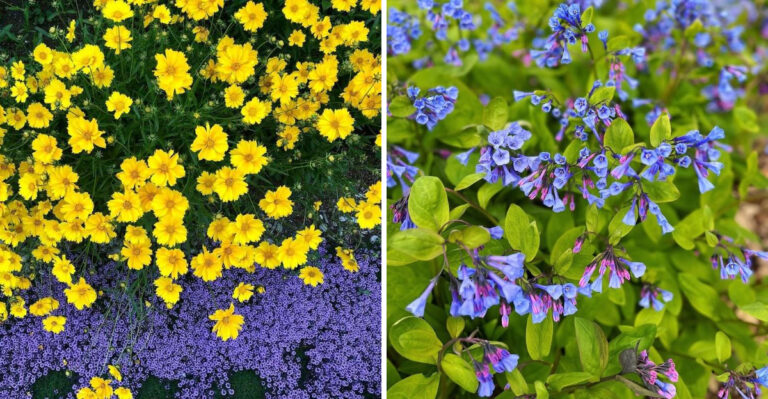
7. Virginia Bluebells (Mertensia Virginica)
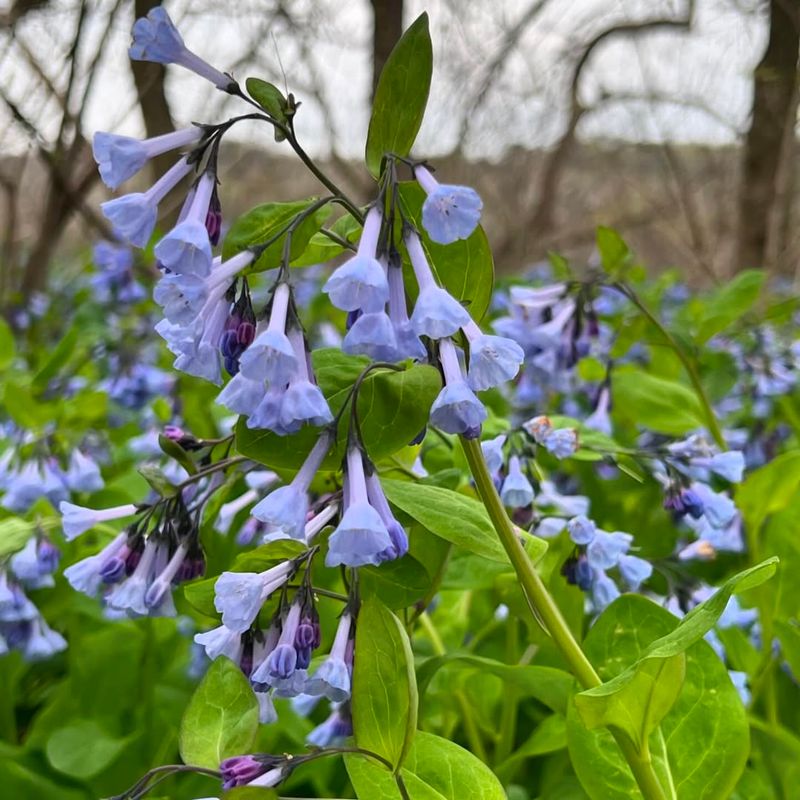
Native to eastern woodlands, Virginia bluebells are North Carolina treasures that transform shady spring gardens into enchanted spaces.
Their bell-shaped flowers emerge pink in bud, then open to reveal the most delicate sky-blue blooms that seem to float above the foliage.
These perennials are ephemeral, meaning they bloom, set seed, and then go dormant by early summer.
Virginia bluebells thrive in moist, rich soil under the canopy of deciduous trees where they receive spring sunshine before the trees leaf out. They’re perfect for naturalizing along streams, in low-lying areas, or anywhere moisture stays fairly consistent.
Once established, they’ll self-seed and create expanding colonies that return more abundantly each year.
The ephemeral nature of Virginia bluebells means you’ll want to mark where they’re planted or pair them with later-emerging plants.
Hostas, ferns, and astilbes make excellent companions that fill in as the bluebells fade, ensuring your shaded beds don’t look bare by midsummer.
The bluebells’ foliage yellows and disappears completely, leaving room for companions to shine. Pollinators adore Virginia bluebells, and you’ll often see bumblebees working the flowers on warm spring days.
These native plants require no fertilization or special care once established, embodying the easy-going nature that makes native plants so valuable in sustainable North Carolina landscapes.
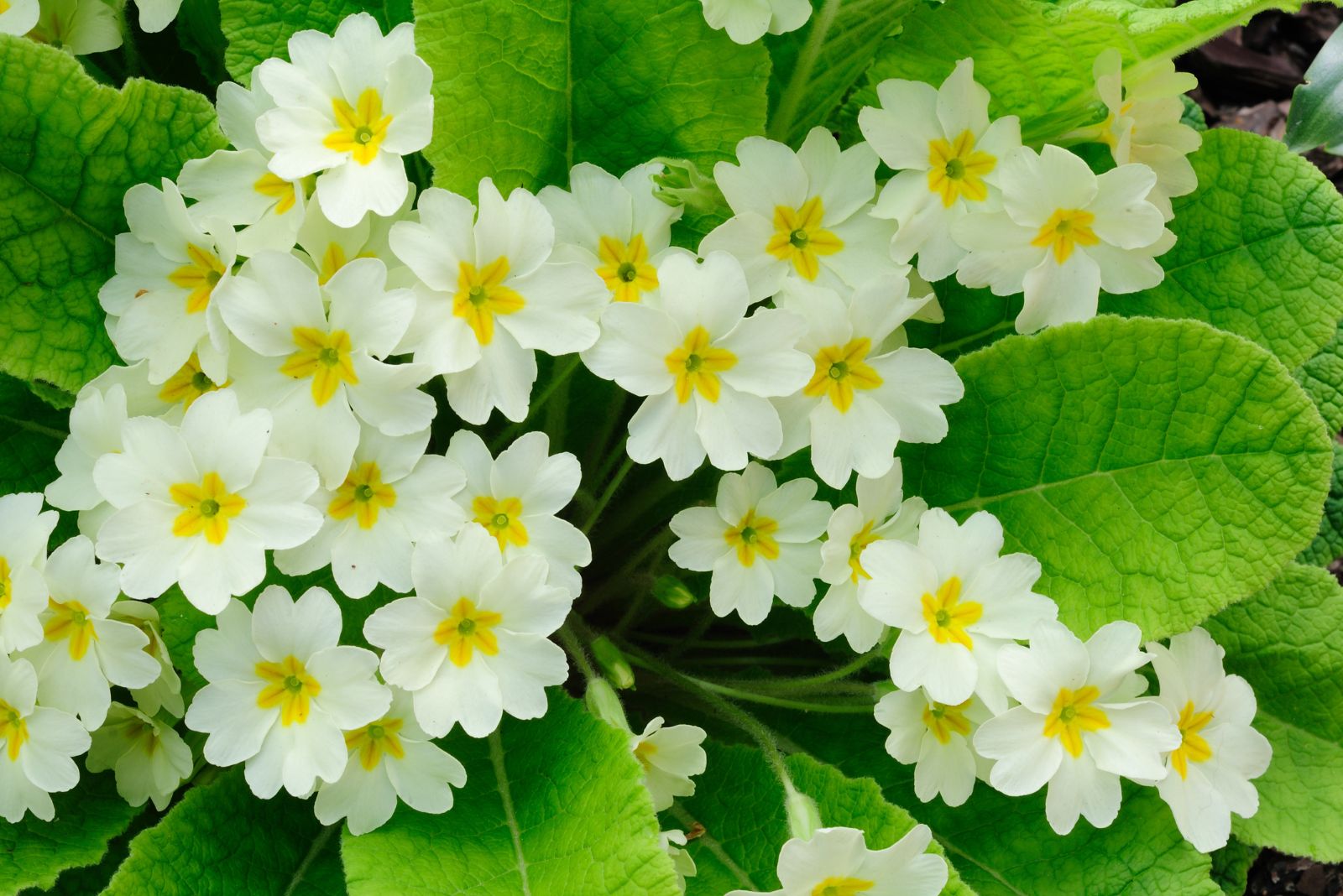
8. Primrose (Primula Spp.)
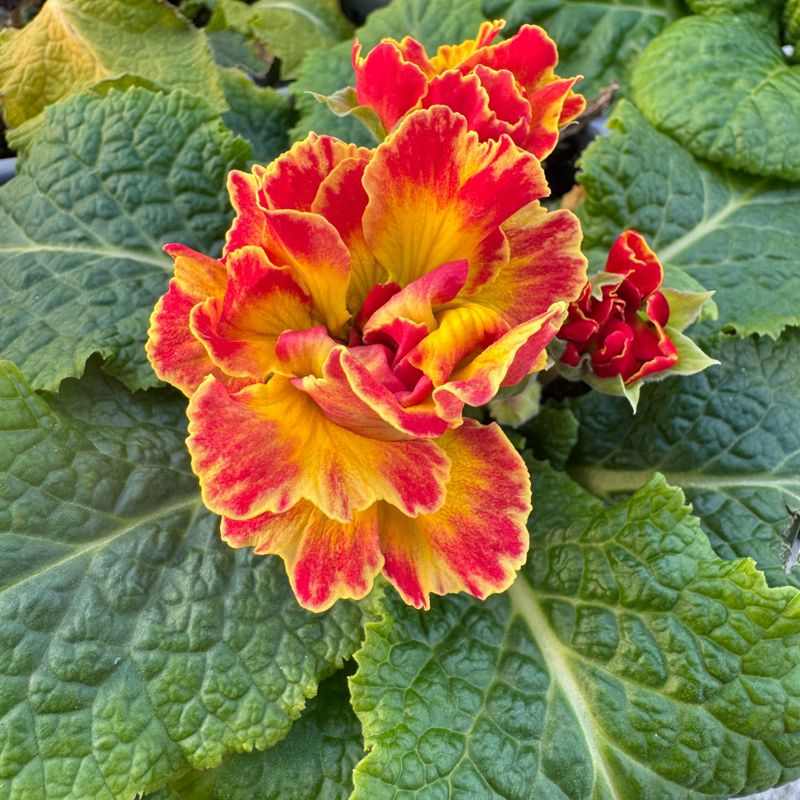
Primroses bring a rainbow of cheerful colors to North Carolina gardens just when we need them most. Available in practically every shade imaginable, from butter yellow to deep magenta, these compact perennials create vibrant displays in early spring.
Their rosettes of crinkled leaves provide attractive foliage even when plants aren’t blooming.
Cool spring temperatures are exactly what primroses love, and North Carolina’s mild climate provides ideal conditions for extended blooming. Plant them in partial shade with consistently moist, well-amended soil.
They appreciate afternoon shade, especially as temperatures climb in late spring. Many gardeners treat primroses as annuals, replacing them each year, though they can persist as perennials with proper care.
Primroses work beautifully in containers, window boxes, or as edging plants along shaded pathways. Their compact size makes them perfect for small spaces or tucking into gaps between larger perennials.
Pair them with pansies and violas for a cottage-garden feel, or mass them in single colors for dramatic impact.
Regular deadheading encourages continuous blooming and keeps plants looking tidy. As temperatures rise in late spring, primroses may slow down or stop flowering.
Some varieties will rebloom in fall when temperatures cool again. Keep soil consistently moist but not waterlogged, and apply a light layer of mulch to help retain moisture during warmer periods.
9. Early Tulips (Tulipa Spp.)
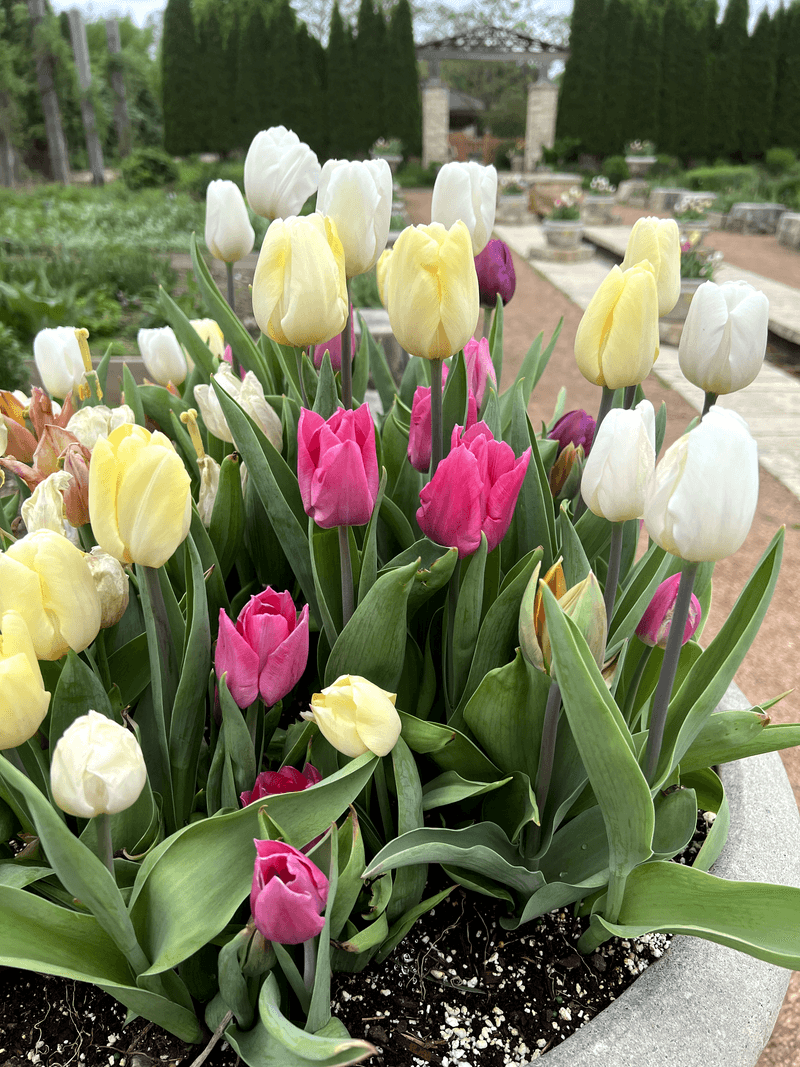
Few flowers announce spring quite like tulips, and choosing early-season varieties ensures you’ll have blooms by March or early April in North Carolina.
These classic bulbs bring bold, saturated colors and elegant cup-shaped flowers that make stunning cut arrangements.
Select varieties specifically bred for early blooming and tolerance to milder winters for best results in our climate.
Tulips need a period of cold dormancy to bloom well, which can be challenging in warmer parts of North Carolina. Pre-chilling bulbs in your refrigerator for six to eight weeks before planting helps ensure good flowering.
Plant them in late November or December when soil temperatures have cooled, about six to eight inches deep in well-drained soil.
Many gardeners treat tulips as annuals in North Carolina because our warm, humid summers can cause bulbs to rot or fail to return. For the most reliable displays, plant fresh bulbs each fall.
Choose sunny locations with excellent drainage, and consider raised beds if your soil tends to stay wet. Adding coarse sand or gravel to planting holes improves drainage significantly.
Early tulips pair beautifully with daffodils, creating complementary color combinations that extend the bulb season. Try planting tulips in clusters of odd numbers for a natural look, or create formal patterns for a more structured garden design.
Whichever approach you choose, these spring favorites deliver maximum impact with relatively minimal effort.
10. Scotch Squill (Scilla Siberica)
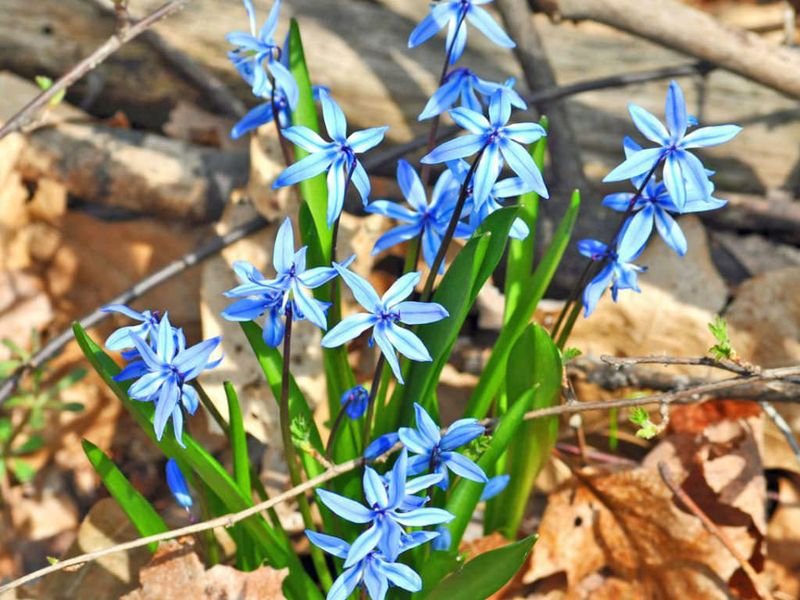
Scotch squill produces electric blue star-shaped flowers that practically glow in the early spring garden. These tough little bulbs naturalize effortlessly, spreading to form impressive carpets of color that return more abundantly each year.
Their intense blue shade is rare among spring bloomers, making them especially valuable for creating eye-catching displays.
Plant Scotch squill bulbs in fall about three inches deep and three inches apart in groups for maximum impact. They’re remarkably adaptable, tolerating everything from full sun to partial shade and various soil types as long as drainage is adequate.
North Carolina’s climate suits them perfectly, and they’ll thrive with virtually no maintenance once established.
These bulbs multiply quickly through self-seeding and bulb division, making them excellent choices for naturalizing in lawn areas, under trees, or along borders.
The grass-like foliage emerges with the flowers and fades quickly after blooming, so they won’t interfere with lawn mowing schedules. Many gardeners plant them in areas where grass can be left unmowed until late spring.
Scotch squill flowers attract early pollinators, providing important nectar sources when few other plants are blooming. They’re also deer and rodent resistant, making them practical choices for rural properties.
Combine them with other early bulbs like crocus and snowdrops for a layered spring display that keeps your garden interesting for weeks.
11. Japanese Andromeda (Pieris Japonica)
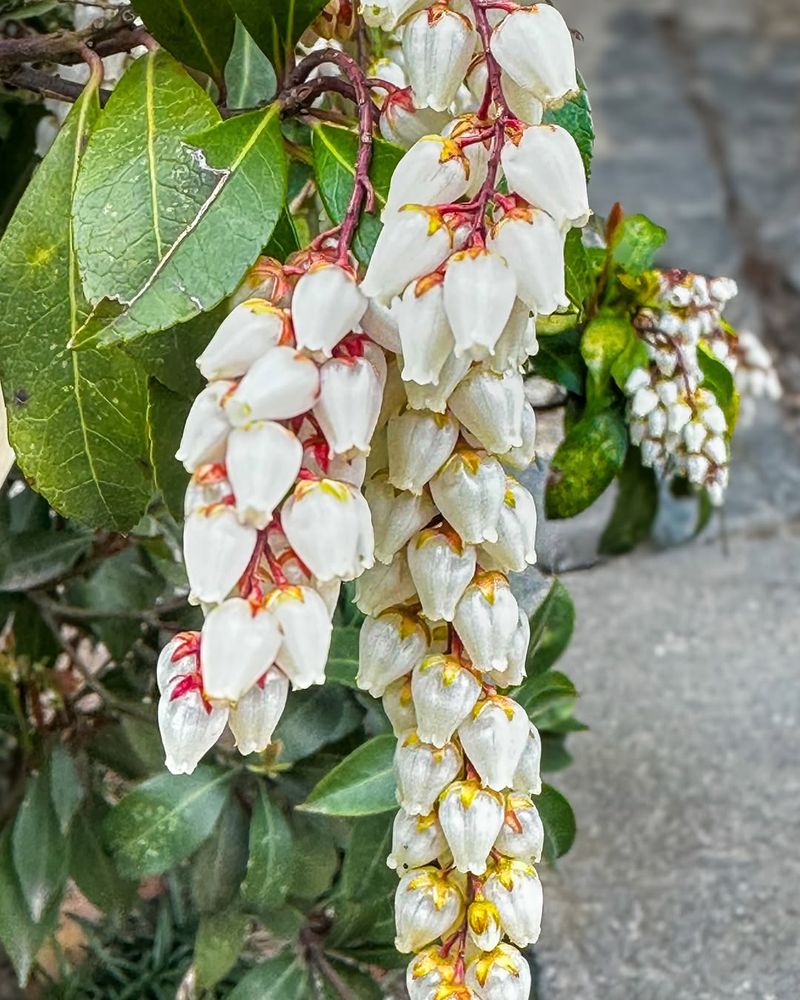
Japanese andromeda is an evergreen shrub that brings both structure and floral beauty to North Carolina gardens. In early spring, cascading clusters of small, urn-shaped flowers dangle from the branches like strings of pearls.
These blooms are typically white or pale pink, creating a delicate contrast against the shrub’s glossy evergreen foliage.
This shrub thrives in acidic, well-drained soil and partial shade, making it a natural companion for azaleas and rhododendrons. Plant it in locations protected from harsh afternoon sun and drying winds.
Japanese andromeda performs beautifully in woodland settings or as foundation plantings on the north or east side of buildings where conditions stay cooler.
New growth emerges in shades of bronze or red, adding another layer of interest beyond the flowers. Some varieties feature variegated foliage that provides year-round color.
These shrubs typically reach four to six feet tall and wide at maturity, though dwarf varieties stay more compact for smaller spaces.
Japanese andromeda requires minimal pruning beyond removing damaged branches or shaping after flowering. Apply an acid-loving fertilizer in early spring and maintain consistent moisture, especially during establishment.
The evergreen foliage provides structure through winter when many other plants look bare, making this shrub a valuable four-season asset.
Deer typically avoid Japanese andromeda, adding to its appeal for North Carolina gardeners dealing with wildlife pressure.