How North Carolina Gardeners Grow Beautiful Cut Flower Gardens
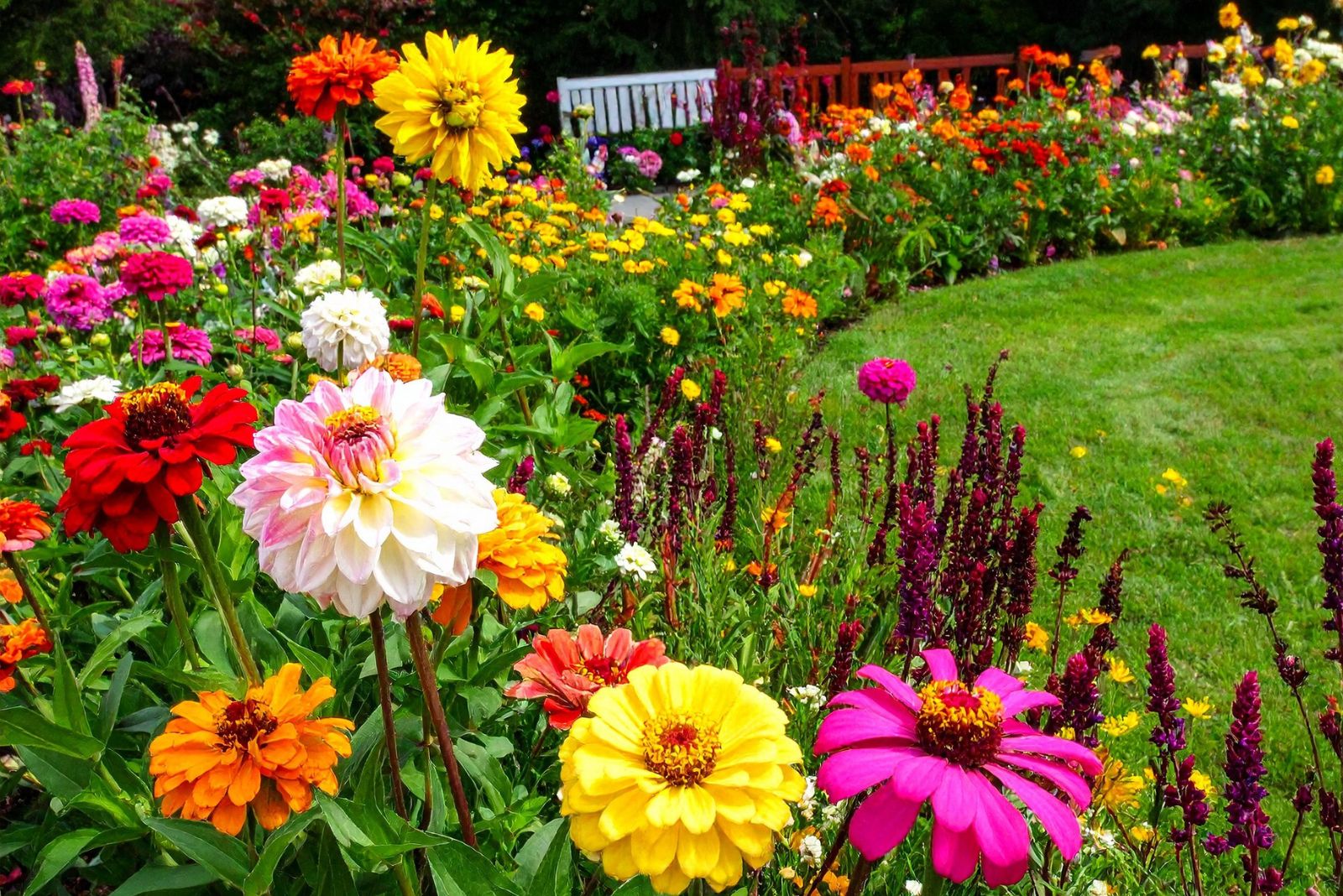
If you love fresh bouquets straight from your own yard, a cut flower garden is one of the most rewarding things you can grow in North Carolina.
With our long growing season, warm sunshine, and plenty of pollinators, many flowers thrive and produce armfuls of blooms perfect for vases.
The secret is choosing the right mix of long-stemmed, repeat-blooming plants and caring for them in a way that encourages constant flowering. With a little planning, you can enjoy fresh, colorful arrangements from spring all the way into fall.
Whether you have a full garden bed or just a few sunny containers, growing flowers for cutting is easier than many people think. From soil prep to smart harvesting habits, a few simple techniques can make a huge difference.
Let’s explore how North Carolina gardeners grow lush, productive cut flower gardens that keep the house filled with fresh blooms all season long.
Select A Variety Of Blooming Plants

Building a successful cut flower garden starts with choosing plants that bloom at different times throughout the growing season. North Carolina’s climate allows gardeners to enjoy flowers from early spring through late fall, but only if you plan your selections carefully.
Early bloomers like snapdragons and sweet peas get your cutting garden started, while summer stars such as zinnias and sunflowers take center stage during the hottest months.
Perennials like coneflowers and black-eyed Susans return year after year, giving your garden a reliable foundation. Meanwhile, annuals such as cosmos and celosia provide explosive color and can be replanted each season to try new varieties.
Mixing both types creates a garden that’s both dependable and exciting. Consider bloom times when planning your layout. Plant early-season varieties together so you can prepare those beds for summer crops once they finish flowering.
Mid-season bloomers should occupy prime real estate since they’ll be producing during peak cutting months. Late-season flowers like asters and dahlias extend your harvest well into autumn.
Don’t forget about foliage plants either. Eucalyptus, dusty miller, and ornamental grasses add texture and interest to arrangements.
They also fill gaps between flowering periods, ensuring you always have something fresh to cut and bring indoors for beautiful displays.
Choose Sun-Loving Locations
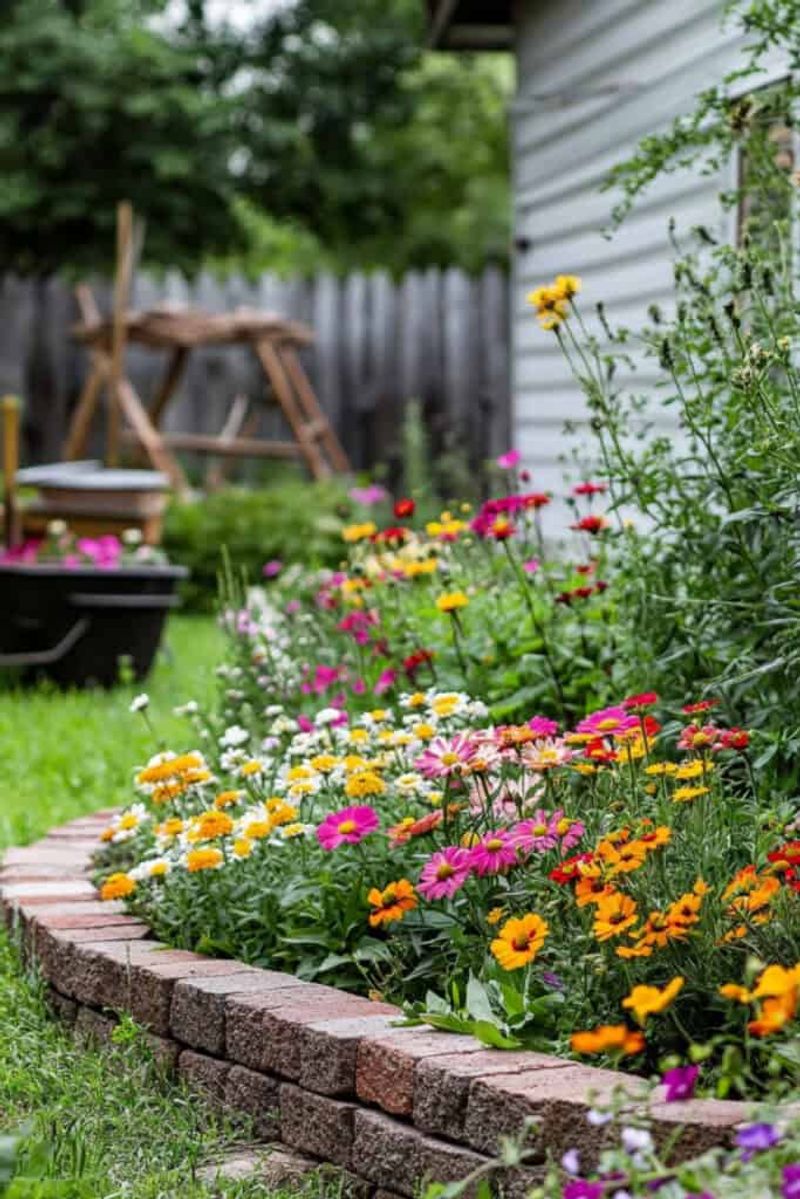
Sunlight makes all the difference when growing flowers meant for cutting. Most cut flower varieties need at least six hours of direct sunlight daily to produce strong stems and vibrant blooms.
In North Carolina, southern or western exposures typically provide the most consistent light throughout the growing season.
Walk your property at different times of day to identify the sunniest spots. Notice where shadows fall from buildings, trees, and fences.
What seems sunny in the morning might be shaded by afternoon, so careful observation helps you make the best choice for your flower beds.
Well-drained locations are just as important as sunshine. Flowers sitting in soggy soil develop weak roots and become susceptible to rot.
Slightly elevated areas or gently sloping ground naturally drains better than low spots where water collects after rain.
Your North Carolina Garden Changes Every Week. Your Plan Should Too.
Gardening in North Carolina changes quickly throughout the season. Every Friday you’ll receive a simple weekly plan showing exactly what to plant, prune, fertilize, harvest, and protect so you never miss the right timing.
If your yard lacks full-sun areas, don’t give up on cut flowers entirely. Some varieties tolerate partial shade, including astilbe, columbine, and certain types of hydrangeas.
These shade-lovers won’t produce as abundantly as sun-worshippers, but they still offer lovely blooms for arrangements.
Remember that North Carolina summers can be intense. While flowers need plenty of light, afternoon shade during the hottest months can actually help delicate blooms last longer.
Finding that sweet spot between enough sun for growth and some protection from scorching heat creates ideal conditions for your cutting garden.
Prepare Fertile Soil
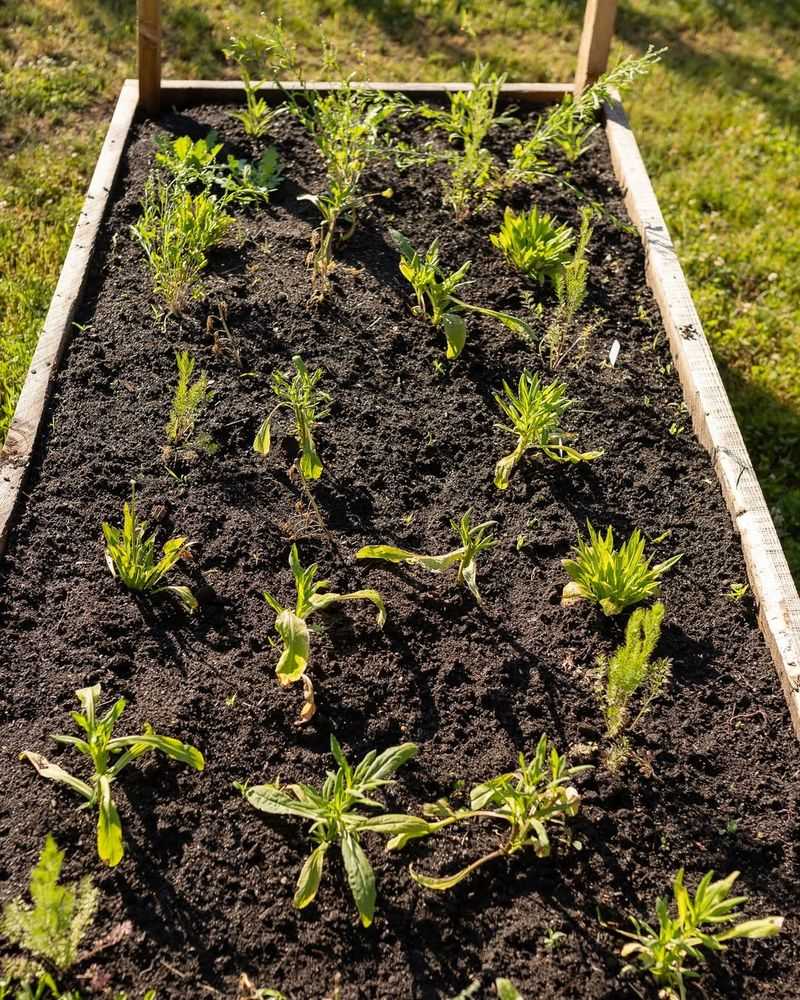
Healthy soil creates healthy flowers, and preparing your beds properly sets the stage for an abundant cutting garden. North Carolina soils vary widely across the state, from sandy coastal areas to clay-heavy piedmont regions.
Testing your soil reveals its current condition and helps you understand what amendments it needs.
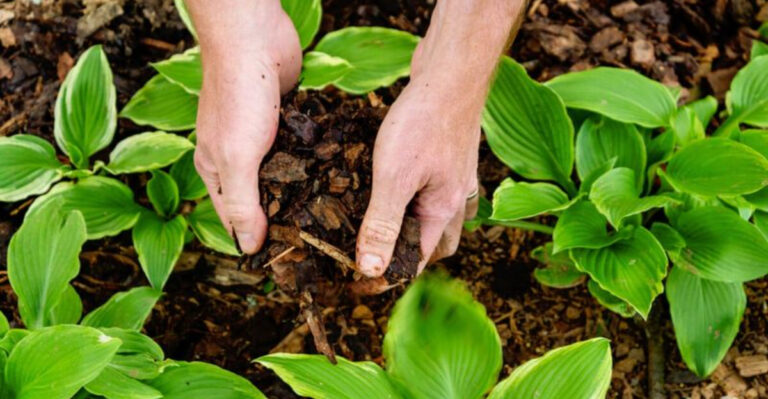
Compost works wonders for almost any soil type. This dark, crumbly material improves sandy soil by helping it retain moisture and nutrients.
In clay soils, compost creates air pockets that improve drainage and make it easier for roots to spread. Aim to work several inches of compost into your flower beds before planting.
Well-rotted manure offers another excellent soil amendment. It adds nutrients while improving soil structure, but make sure it’s fully decomposed before adding it to your beds.
Fresh manure can burn plant roots and introduce weed seeds you’ll spend all summer battling.
Consider the pH level your flowers prefer. Most cut flowers thrive in slightly acidic to neutral soil, which fortunately matches much of North Carolina’s natural soil chemistry.
If your test shows extreme pH levels, you can adjust with lime to raise pH or sulfur to lower it. Preparing soil isn’t a one-time task. Each season, refresh your beds with additional compost or organic matter.
This ongoing care maintains fertility and keeps your soil loose and workable, making it easier for flowers to establish strong root systems that support tall, sturdy stems.
Space Plants Properly
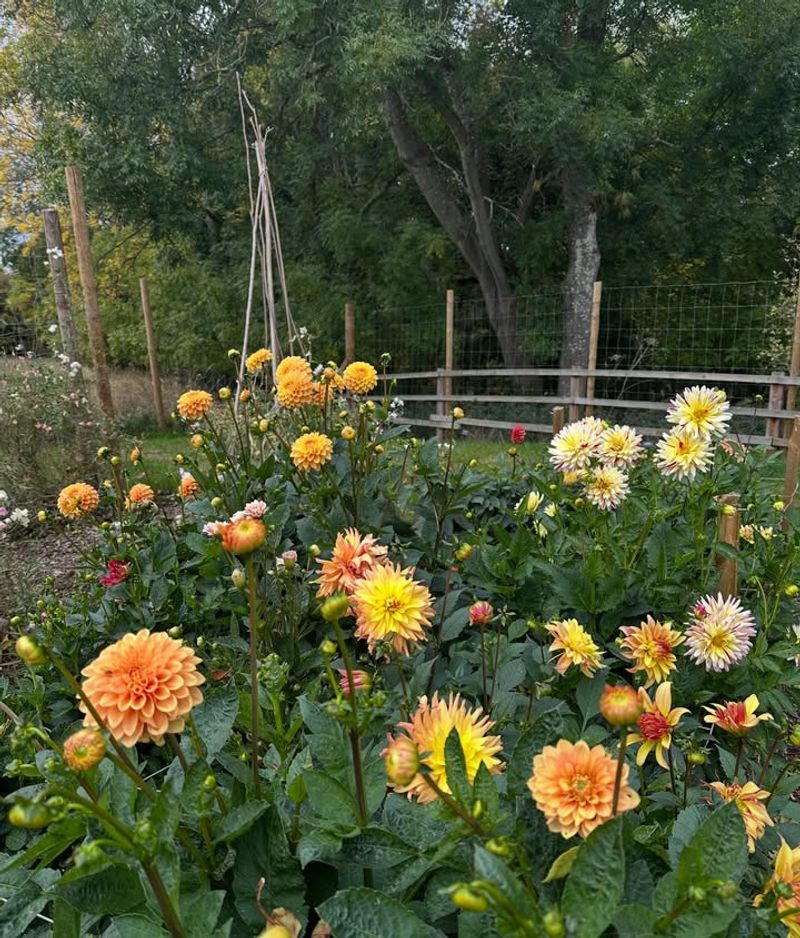
Giving flowers enough room to grow might seem wasteful when you’re eager to fill every inch of your garden. However, proper spacing prevents a host of problems that can ruin your entire crop.
When plants crowd together, they compete for sunlight, water, and nutrients, resulting in weaker stems and fewer blooms.
Air circulation becomes restricted in overcrowded beds, creating a humid environment where fungal diseases thrive. North Carolina’s summer humidity already challenges gardeners, so spacing plants according to their mature size helps air flow freely between them.
This simple step dramatically reduces disease problems.
Each flower variety has different spacing requirements based on its growth habit. Compact zinnias might need only eight to twelve inches between plants, while sprawling dahlias require two to three feet.
Seed packets and plant tags provide specific recommendations, so read them carefully and resist the temptation to squeeze in extra plants.
Proper spacing also makes garden maintenance easier. You can walk between plants to deadhead, stake, and harvest without trampling neighboring flowers.
Weeding becomes simpler when you can reach the soil between plants without disturbing their roots.
In cutting gardens, you might plant in rows rather than decorative clusters. This arrangement makes spacing more straightforward and simplifies harvesting.
Leave pathways wide enough to kneel comfortably while cutting, typically at least eighteen inches between rows. Your back will thank you during peak harvest season.
Water Consistently
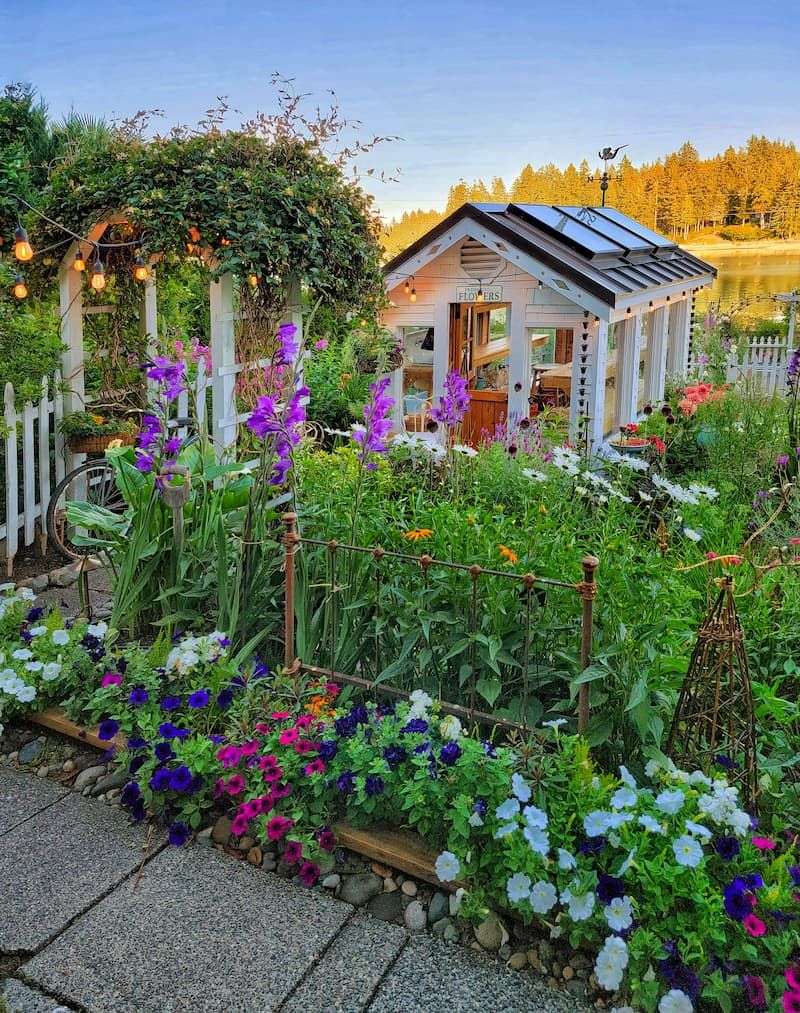
Water sustains everything in your garden, and cut flowers need consistent moisture to develop the strong stems and large blooms you want for arrangements.
Unlike ornamental gardens where occasional wilting might be tolerated, cutting gardens demand reliability because stressed plants produce inferior flowers.
Deep watering encourages roots to grow downward, creating plants that withstand dry spells better. Shallow, frequent watering keeps roots near the surface where they’re vulnerable to heat and drought.
Aim to water thoroughly once or twice weekly rather than sprinkling lightly every day.
Morning watering gives plants time to absorb moisture before the day’s heat arrives. It also allows foliage to dry before evening, reducing the risk of fungal diseases that flourish on wet leaves overnight.
North Carolina’s humid nights already create challenging conditions, so don’t make them worse with evening watering.
During North Carolina’s hot, dry summers, your flowers may need extra attention. Watch for wilting in the afternoon as a sign that watering frequency should increase.
Mulching around plants helps retain soil moisture and reduces how often you need to water.
Drip irrigation or soaker hoses deliver water directly to the soil, keeping foliage dry while ensuring roots receive consistent moisture. These systems save time and water compared to overhead sprinklers.
If you hand-water, direct the stream at the base of plants rather than spraying from above, protecting delicate blooms from damage while getting water where it’s needed most.
Deadhead And Harvest Regularly
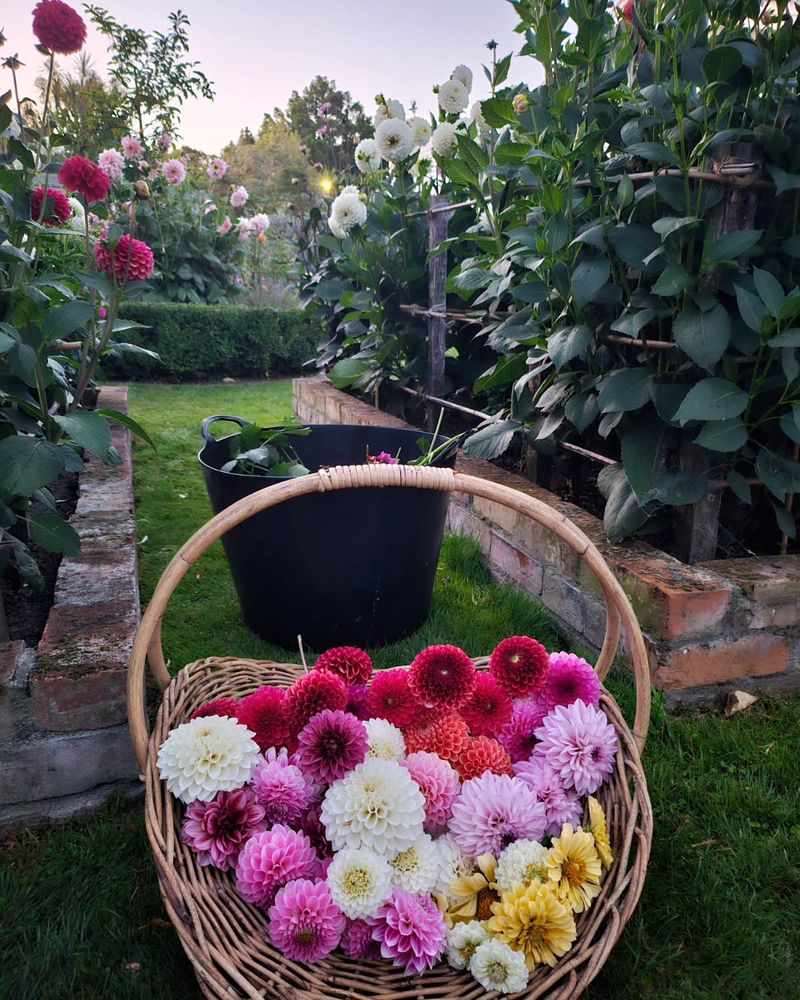
Cutting flowers might seem counterintuitive when you want a beautiful garden, but regular harvesting actually encourages plants to produce more blooms.
Most flowering plants exist to create seeds, and once flowers fade and begin setting seed, the plant slows down bloom production. By removing flowers before they go to seed, you trick the plant into making more blooms.
Harvest flowers in the morning after dew has dried but before the day’s heat arrives. Stems are fully hydrated at this time, and blooms will last longer in your vase.
Bring a bucket of water to the garden and plunge cut stems into it immediately to prevent wilting. Use sharp, clean pruners or scissors to make cuts. Dull blades crush stems, making it harder for flowers to absorb water.
Cut stems at an angle to increase the surface area for water uptake. Remove any leaves that would sit below the water line in your vase to prevent bacterial growth.
Deadheading spent blooms serves the same purpose as harvesting. When you notice flowers beginning to fade, snip them off promptly.
This practice keeps your garden looking tidy while directing the plant’s energy toward producing new buds rather than developing seeds.
Some flowers, like zinnias and cosmos, bloom more prolifically the more you cut them. Others have a set number of blooms per season, but removing faded flowers still improves their appearance and may extend the blooming period slightly.
Support Tall Or Heavy-Stemmed Flowers
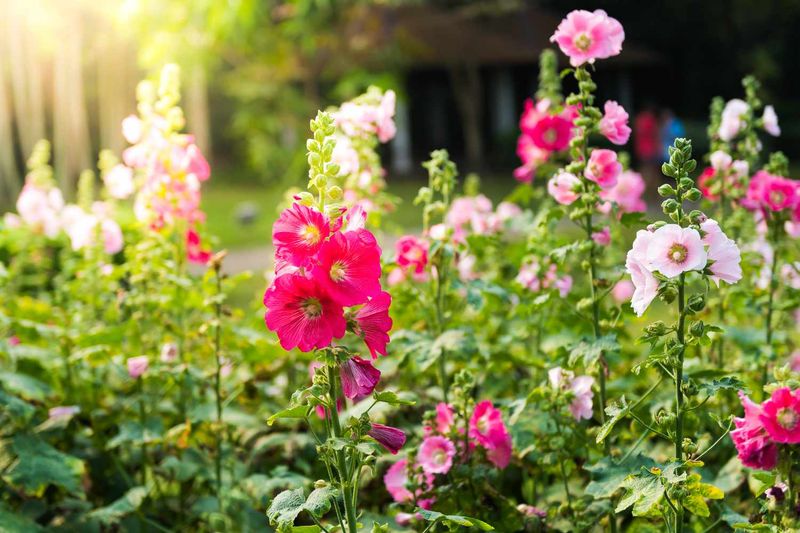
Nothing disappoints quite like discovering your tallest, most beautiful flowers bent or broken after a summer thunderstorm. North Carolina’s afternoon storms arrive quickly and pack powerful winds that can flatten unsupported plants in minutes.
Planning for support structures before plants need them saves flowers and prevents frustration.
Different flowers require different support methods. Single-stemmed varieties like delphiniums and gladiolus do well with individual stakes placed beside each plant.
Tie stems loosely to stakes using soft material that won’t cut into the plant as it grows. Pantyhose strips or garden velcro work perfectly for this purpose.
Bushy plants like dahlias benefit from circular cages or a grid of stakes with string or netting stretched between them. As plants grow, they push through the support structure, which becomes hidden by foliage while keeping stems upright.
Install these supports early in the season so you can work around young plants without damaging mature growth.
Sunflowers need especially sturdy stakes since their heavy heads can snap stems even without wind. Drive stakes at least a foot into the ground and secure them to the sunflower stalk in multiple places as it grows taller.
Horizontal netting stretched over beds works wonderfully for flowers like lisianthus and snapdragons. Plants grow up through the mesh, which supports them at various heights.
This method works particularly well in cutting gardens where appearance matters less than functionality and harvest efficiency.
Fertilize Appropriately
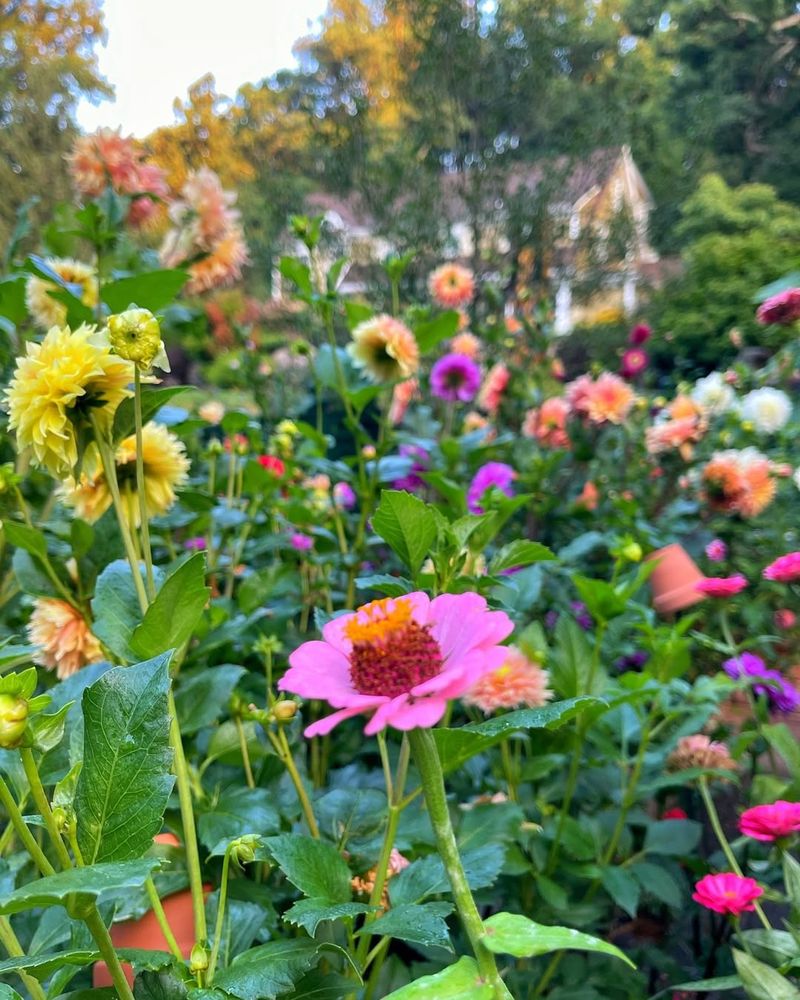
Flowers grown for cutting need more nutrients than typical garden flowers because you’re constantly removing their blooms. Each time you harvest, you take away the plant’s reproductive efforts along with the energy it invested in creating those flowers.
Proper fertilization replaces those nutrients and keeps plants producing abundantly all season.
Balanced fertilizers with equal or near-equal ratios of nitrogen, phosphorus, and potassium work well for most cut flowers.
Nitrogen promotes leafy growth and strong stems, phosphorus encourages root development and blooming, while potassium improves overall plant health and disease resistance.
Slow-release granular fertilizers provide steady nutrition over several weeks or months. Apply them at planting time and again midseason according to package directions.
This approach requires less frequent application and reduces the risk of burning plants with too much fertilizer at once.
Liquid fertilizers offer more flexibility and faster results. You can apply them through regular watering, giving plants an immediate nutrient boost.
This method works especially well for heavy feeders like dahlias and roses. Dilute liquid fertilizers to half-strength and apply weekly for best results.
Organic options like fish emulsion, compost tea, or kelp-based fertilizers feed both plants and soil organisms. They release nutrients more slowly than synthetic fertilizers but improve long-term soil health.
Many North Carolina gardeners combine organic and synthetic approaches, using slow-release granules supplemented with occasional liquid feeding during peak growing season.
Monitor For Pests And Disease
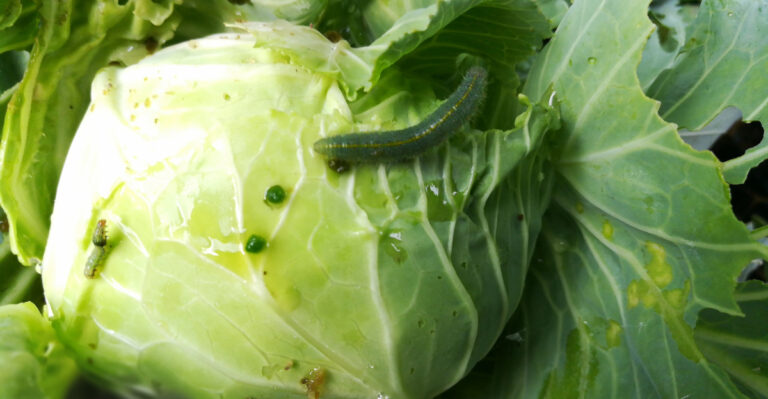
Keeping a close eye on your flowers helps you catch problems before they become disasters. North Carolina’s warm, humid climate creates ideal conditions for various pests and diseases that can quickly damage or destroy your cutting garden.
Regular inspection becomes your first line of defense against these threats.
Walk through your garden every few days, looking at both sides of leaves and examining stems and buds. Aphids often cluster on new growth and flower buds, sucking sap and potentially spreading viruses.
A strong spray of water dislodges many aphids, or you can use insecticidal soap for heavier infestations.
Powdery mildew appears as white, dusty patches on leaves and stems. This fungal disease thrives in North Carolina’s humidity, especially when air circulation is poor.
Removing affected leaves, improving spacing, and avoiding overhead watering helps prevent its spread. Organic fungicides containing sulfur or neem oil can treat existing infections.
Spider mites become problematic during hot, dry weather, causing stippled, yellowing leaves. These tiny pests hate water, so regular misting or spraying foliage can keep populations in check.
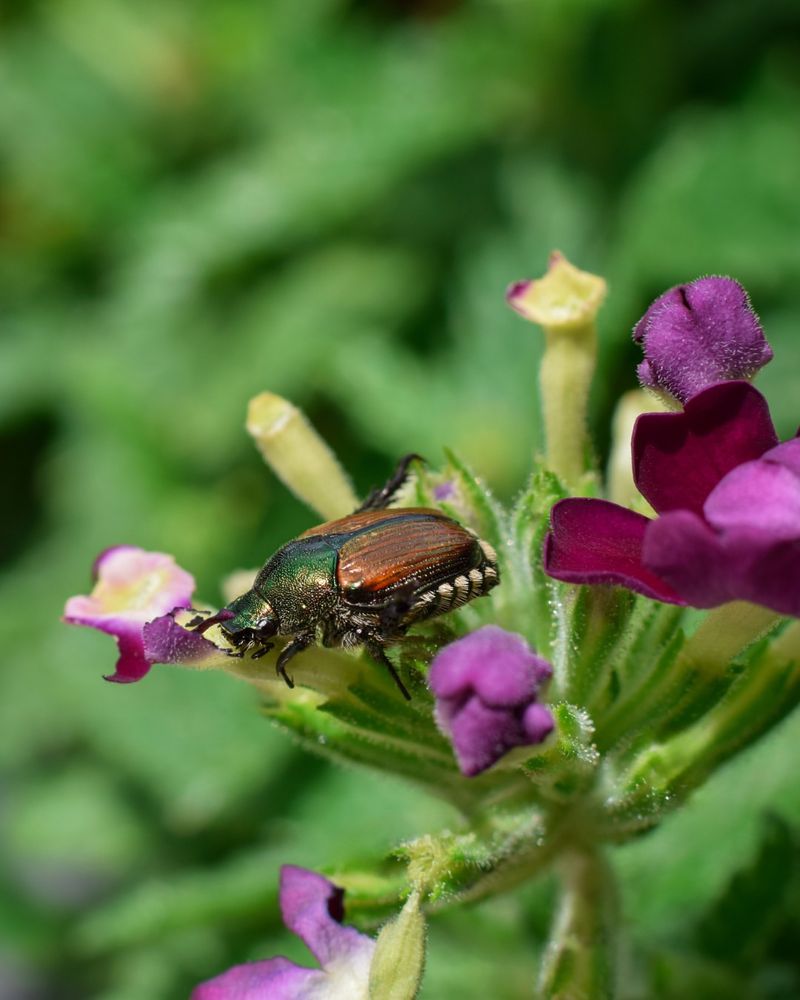
Beneficial insects like ladybugs prey on spider mites naturally. Japanese beetles, common across North Carolina, devour flower petals and leaves with alarming speed. Hand-picking beetles into soapy water works for small infestations.
For larger problems, consider row covers or targeted insecticides applied in early morning when beetles are less active and beneficial insects are less likely to be harmed.
Plan For Seasonal Color
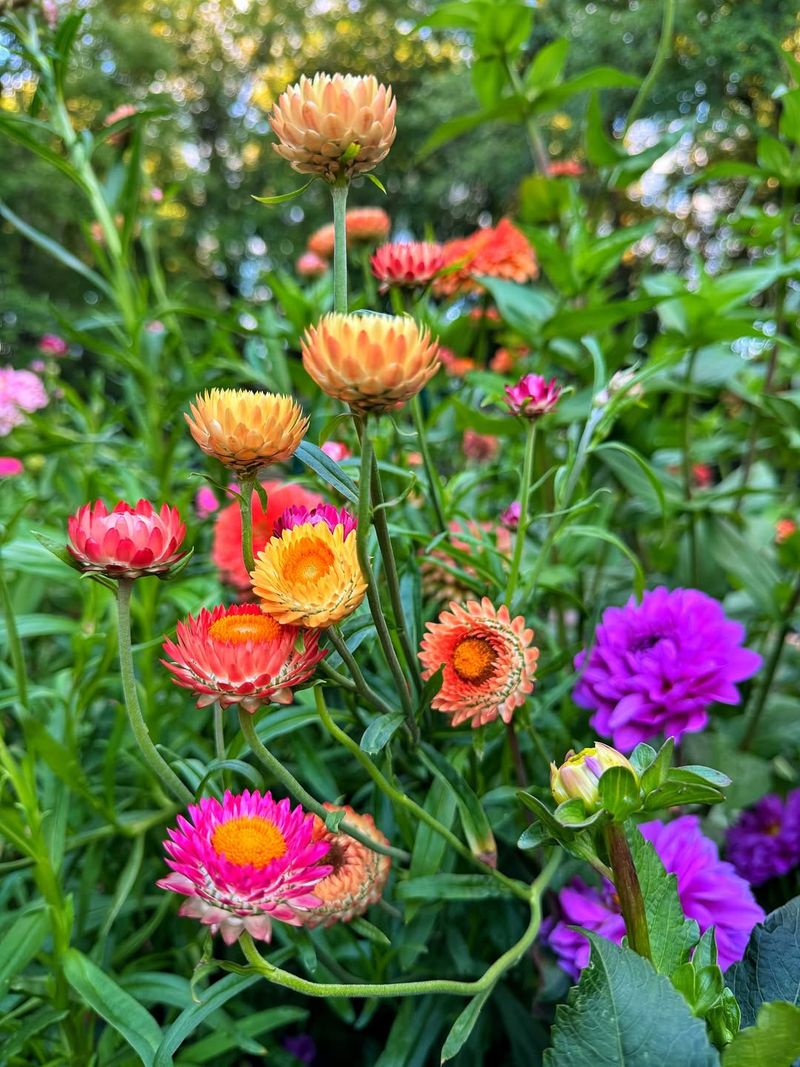
A thoughtfully planned cutting garden provides fresh flowers from the last frost in spring through the first frost in fall.
North Carolina’s long growing season makes this achievable, but it requires intentional planning that considers bloom times, colors, and textures throughout the months.
Start your season with cool-weather lovers like ranunculus, anemones, and sweet peas. These flowers thrive in spring’s mild temperatures and often struggle once summer heat arrives.
Plant them early and enjoy their blooms before transitioning to heat-tolerant varieties. Summer brings the most abundant flowering period. Zinnias, sunflowers, celosia, and cosmos handle North Carolina’s heat beautifully and bloom prolifically.
Stagger plantings every two weeks to ensure continuous blooms rather than one massive flush followed by a gap.
As temperatures cool in late summer and fall, plant varieties that appreciate milder weather. Dahlias hit their stride in autumn, producing their largest, most vibrant blooms.
Asters, Japanese anemones, and ornamental grasses add texture and interest as the season winds down.
Consider height variation when planning your garden layout. Tall flowers like delphiniums and gladiolus create dramatic vertical elements, while shorter blooms like marigolds and strawflowers work well as fillers.
Include different flower forms, from spiky liatris to round dahlias to airy baby’s breath, giving you diverse options for creating interesting arrangements throughout the entire growing season.