Here’s Why More California Homeowners Are Growing Sage By Their Front Doors
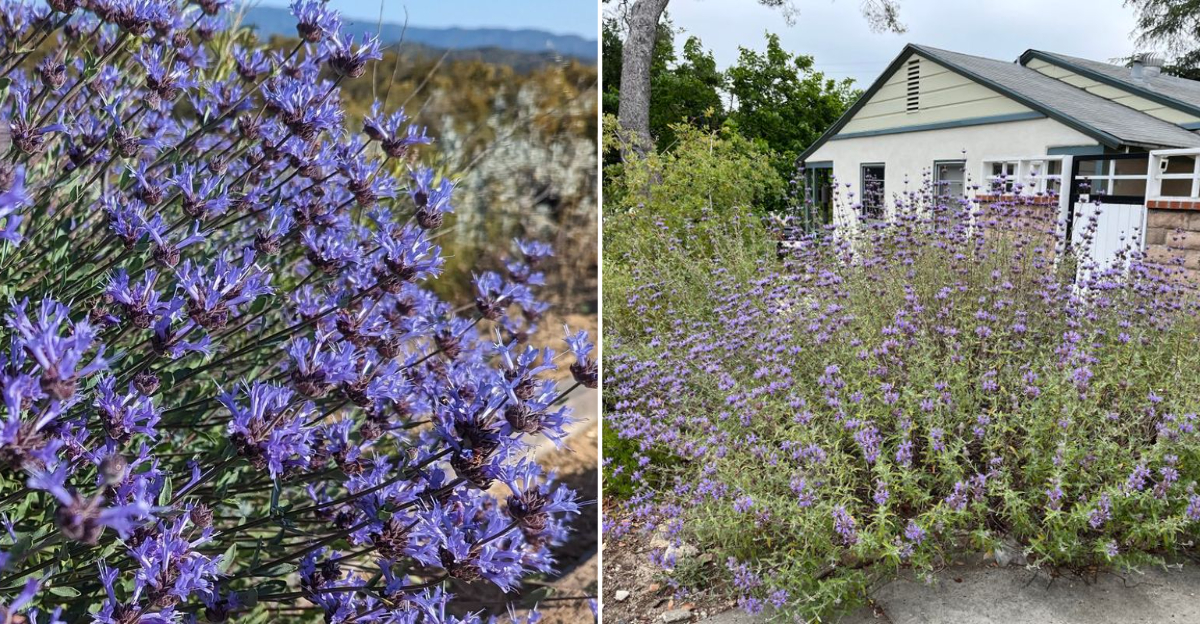
Walk up to more and more California homes and you will notice a soft cloud of silvery green, releasing a warm, earthy fragrance in the sun. That is Cleveland sage, and it is quickly becoming a favorite plant by front doors across the state.
Homeowners love it for its relaxed beauty, soothing scent, and ability to thrive with very little water. In a climate where drought, heat, and poor soil can challenge many plants, Cleveland sage handles it all with ease.
It also bursts into soft purple blooms that attract bees, butterflies, and hummingbirds, bringing life right to the entryway.
Beyond looks, many people plant it for its calming aroma and deep roots in California’s native landscape.
Tough, fragrant, and effortlessly beautiful, Cleveland sage is more than a plant. It is becoming a signature welcome to the California home.
1. Why Sage Thrives In California’s Climate
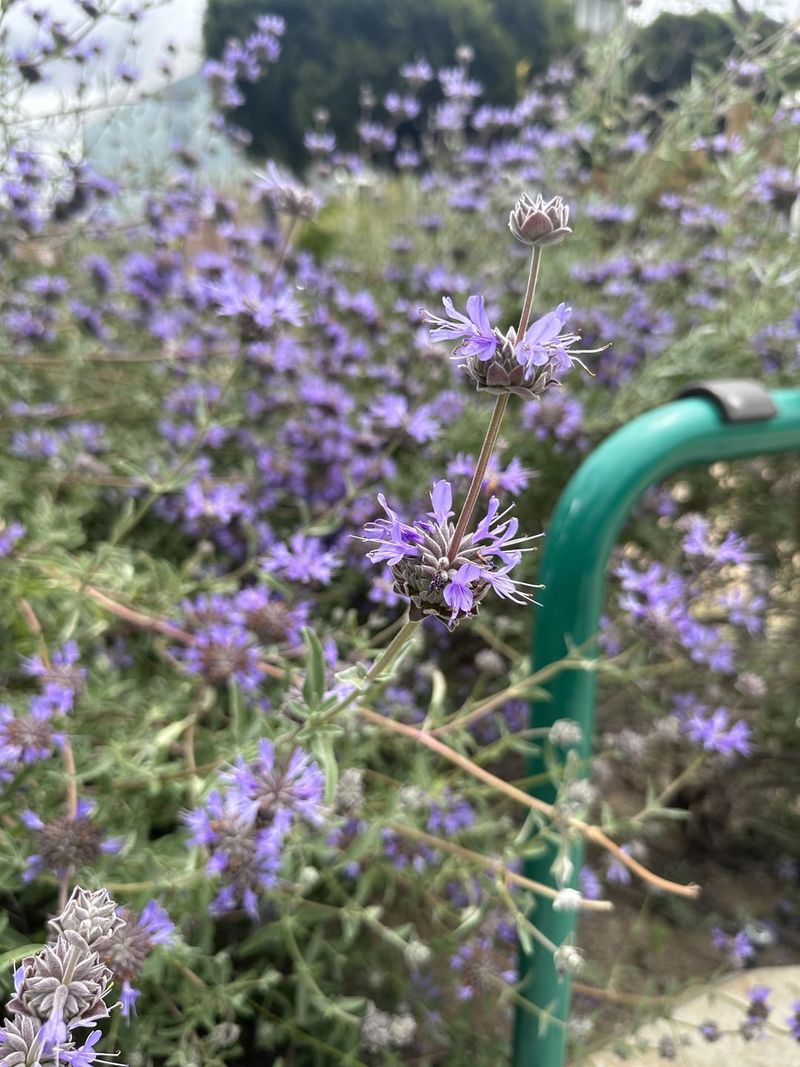
California’s Mediterranean climate creates nearly perfect growing conditions for native sages like Cleveland sage. Hot, dry summers and mild, wet winters mirror the plant’s natural habitat in Southern California coastal sage scrub ecosystems.
This means once established, your sage won’t need supplemental watering during summer months.
Cleveland sage handles heat exceptionally well, thriving in temperatures that stress other ornamental plants. Coastal homeowners appreciate how it tolerates salt spray and fog, while inland gardeners value its ability to withstand triple-digit heat without wilting.
The plant naturally goes semi-dormant during extreme heat, protecting itself until conditions improve.
Root systems develop deep and wide, allowing the plant to access moisture other shallow-rooted ornamentals can’t reach. This adaptation makes Cleveland sage incredibly resilient during drought years when water restrictions tighten.
Your sage will look better than your neighbor’s thirsty lawn every single summer.
The plant requires full sun and excellent drainage, conditions readily available in most California yards. Sandy or rocky soil that frustrates other plantings becomes ideal for sage.
If your front yard bakes in afternoon sun and drains quickly after winter rains, you’ve found the perfect Cleveland sage location.
2. The Cultural And Traditional Meaning
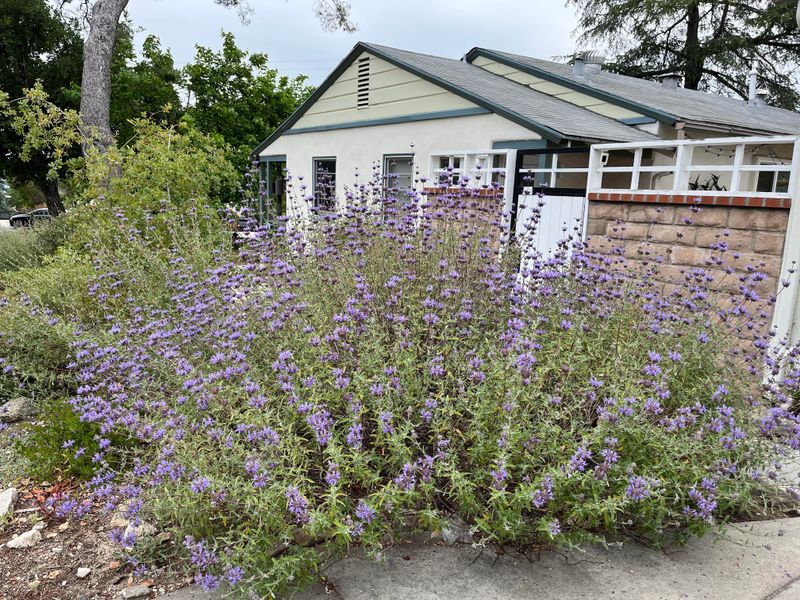
Planting aromatic herbs near doorways connects to ancient traditions found across many cultures. Sage species have long been associated with protection, purification, and welcoming energy in homes.
While Cleveland sage is a California native rather than culinary white sage, homeowners appreciate the symbolic connection to these time-honored practices.
The fragrance alone creates a sensory welcome for guests approaching your home. Brushing against the leaves releases essential oils that smell clean, herbal, and slightly minty.
This natural aromatherapy creates positive first impressions before visitors even knock on your door.
Many California homeowners view native plant landscaping as a way to honor the land’s natural heritage. Choosing Cleveland sage demonstrates respect for regional ecology and indigenous plant knowledge.
You’re creating beauty while acknowledging the plants that thrived here long before suburban development arrived.
Front-door plantings also carry practical symbolism, they signal that you care about your home’s appearance and environmental impact. Water-wise native gardens communicate values to your community.
Your California Garden Changes Every Week. Your Plan Should Too.
Gardening in California changes quickly throughout the season. Every Friday you’ll receive a simple weekly plan showing exactly what to plant, prune, fertilize, harvest, and protect so you never miss the right timing.
Neighbors notice when you choose sustainable landscaping over resource-intensive lawns, and Cleveland sage makes that statement beautifully.
The plant’s evergreen nature means year-round presence at your entryway, providing consistency and structure through all seasons.
3. How Sage Improves Curb Appeal
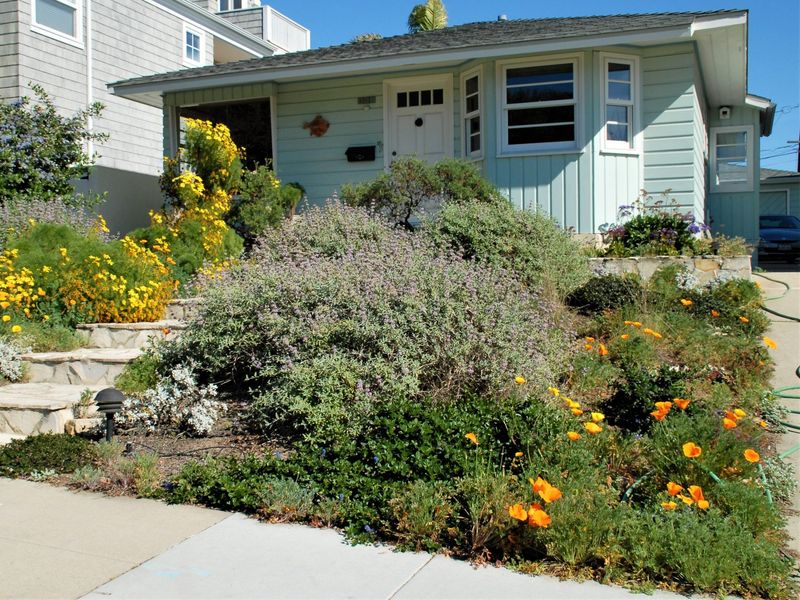
Curb appeal drives property values, and Cleveland sage delivers visual impact without demanding constant irrigation. The silvery-green foliage provides year-round texture and color, contrasting beautifully with darker green shrubs or warm-toned hardscaping.
When not in bloom, the plant still looks intentional and well-maintained.
Spring and early summer bring spectacular flower displays that transform your front yard. Purple-blue flower spikes emerge on tall stems, creating vertical interest and drawing eyes upward.
Blooms last for weeks, giving you extended color without deadheading or fussing. Passersby notice the vibrant display, and your home stands out on the block.
The plant’s natural mounding form requires minimal pruning to look tidy. Unlike formal hedges that need frequent shaping, Cleveland sage maintains an attractive rounded shape with just one annual trim.
This reduces maintenance time while keeping your landscape looking intentional rather than overgrown.
Water savings directly impact your utility bills and environmental footprint. Established Cleveland sage needs water only once or twice monthly during summer, compared to lawns requiring multiple waterings weekly.
You’ll notice the difference in your water bill, especially during drought years when rates increase for high usage.
The plant works beautifully in groupings or as a specimen plant, giving you design flexibility for different yard sizes and layouts.
4. Why Pollinators Love Sage Flowers
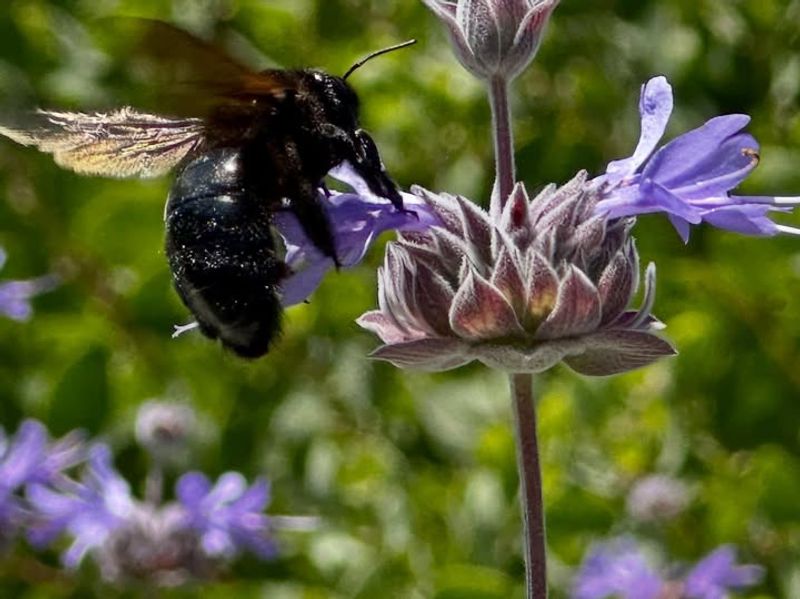
Pollinator gardens have become a priority for environmentally conscious homeowners, and Cleveland sage ranks among the best native plants for supporting beneficial insects and birds.
The tubular flowers produce abundant nectar that attracts multiple pollinator species throughout the blooming season.
Your front yard becomes a mini wildlife sanctuary supporting local ecosystems.
Hummingbirds visit sage flowers constantly during peak bloom. These energetic birds prefer native plants that evolved alongside them, making Cleveland sage a reliable food source.
Watching hummingbirds dart between flowers adds movement and life to your entryway landscape in ways static plantings never could.
Native bees, including bumblebees and carpenter bees, depend on California native plants for survival. Cleveland sage provides both nectar and pollen, supporting bee nutrition and reproduction.
By planting sage near your front door, you’re directly contributing to bee population health in your neighborhood.
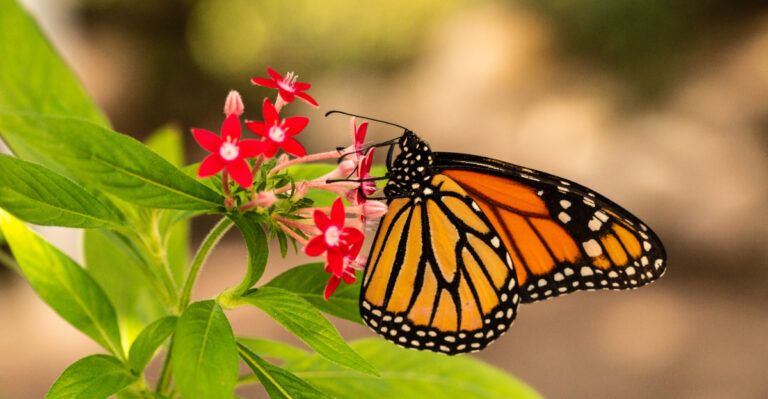
Butterflies also visit sage flowers, though they prefer the landing platforms of other natives. Still, you’ll see swallowtails and painted ladies stopping by during migration periods.
The combined pollinator activity creates a dynamic, living landscape that changes throughout the day.
Supporting pollinators benefits your entire garden since these creatures pollinate vegetables, fruits, and other flowering plants. Your front-yard sage becomes part of a larger ecological network supporting biodiversity across your property and beyond.
5. How To Care For Your Sage
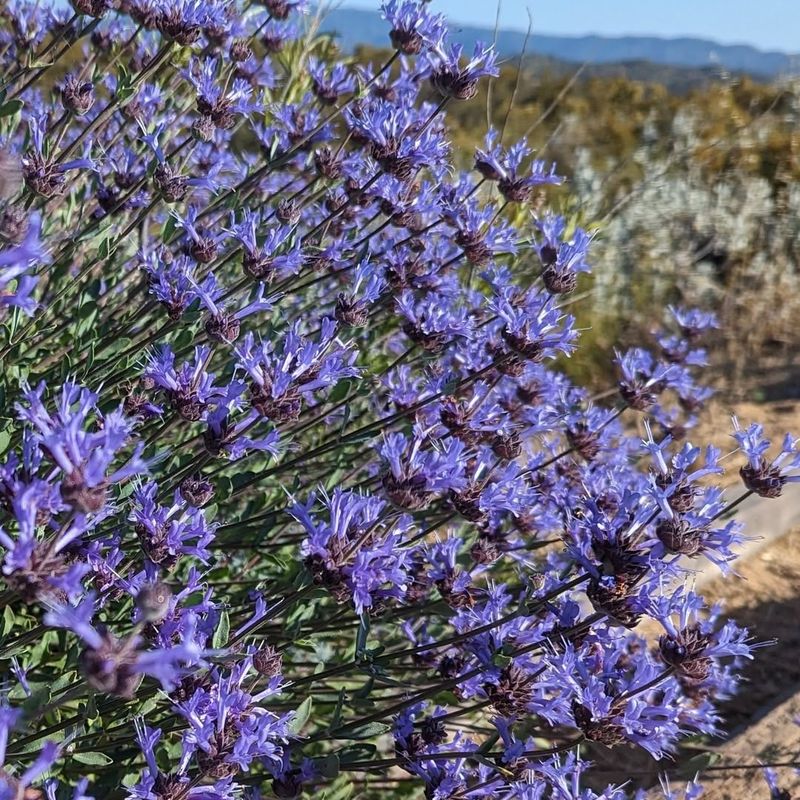
Successful Cleveland sage planting starts with timing and location selection. Fall planting gives roots time to establish before summer heat arrives, reducing water needs during the critical first year.
Choose a spot receiving at least six hours of direct sun daily, more is better. Avoid areas where water accumulates or downspouts drain, as soggy soil causes root rot.
Dig a hole twice as wide as the nursery container but no deeper. Cleveland sage needs excellent drainage, so avoid amending heavy clay soil with organic matter, which can hold too much moisture.
Instead, plant in native soil or create a raised mound if drainage concerns exist. Position the root ball slightly above ground level to prevent water pooling around the crown.
Water deeply after planting, then maintain consistent moisture for the first two months while roots establish. Gradually reduce watering frequency, transitioning to deep, infrequent irrigation by the second summer.
Established plants need water only during extended dry periods, roughly every two to four weeks depending on your microclimate and soil type.
Prune annually after flowering ends, cutting back stems by one-third to maintain compact shape and encourage bushier growth. Avoid cutting into bare wood, as Cleveland sage doesn’t regenerate growth from old stems.
Light shaping throughout the growing season keeps plants tidy without stressing them.
Skip fertilizer entirely, native plants evolved in nutrient-poor soils and perform poorly with added nutrients.
6. Common Mistakes Homeowners Make With Sage
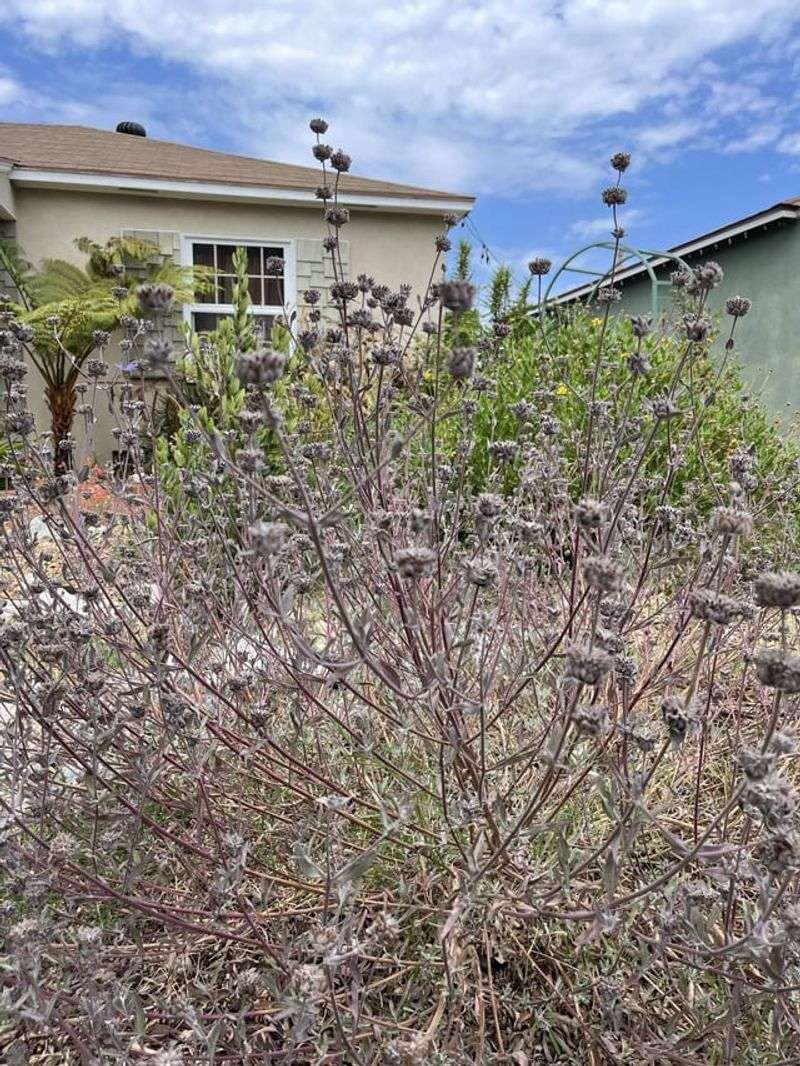
Overwatering destroys more Cleveland sage plants than any other factor. Well-meaning homeowners accustomed to thirsty ornamentals often water sage on the same schedule as lawns or non-native shrubs.
Soggy soil suffocates roots and encourages fungal diseases that quickly kill plants. If your sage looks droopy or develops yellowing leaves, you’re likely watering too much, not too little.
Planting in shade or partial shade causes weak, leggy growth with few flowers. Cleveland sage requires full sun to develop its characteristic dense form and abundant blooms.
Shaded plants stretch toward light, becoming floppy and unattractive. If your front entry faces north or stays shaded most of the day, choose a different plant species instead.
Adding mulch directly against the plant’s crown traps moisture and creates rot problems. Keep mulch several inches away from stems, allowing air circulation around the base.
A thin layer of gravel or decomposed granite works better than organic mulch for sage plantings, as it doesn’t hold moisture against the plant.
Severe pruning into bare wood removes the plant’s ability to regenerate. Unlike some shrubs that resprout from old growth, Cleveland sage only produces new stems from green wood.
If you cut back too hard, you’ll create permanent bare patches that never fill in.
Ignoring drainage issues during site selection leads to inevitable plant failure regardless of care afterward.
7. Other Fabulous Sage Options To Try
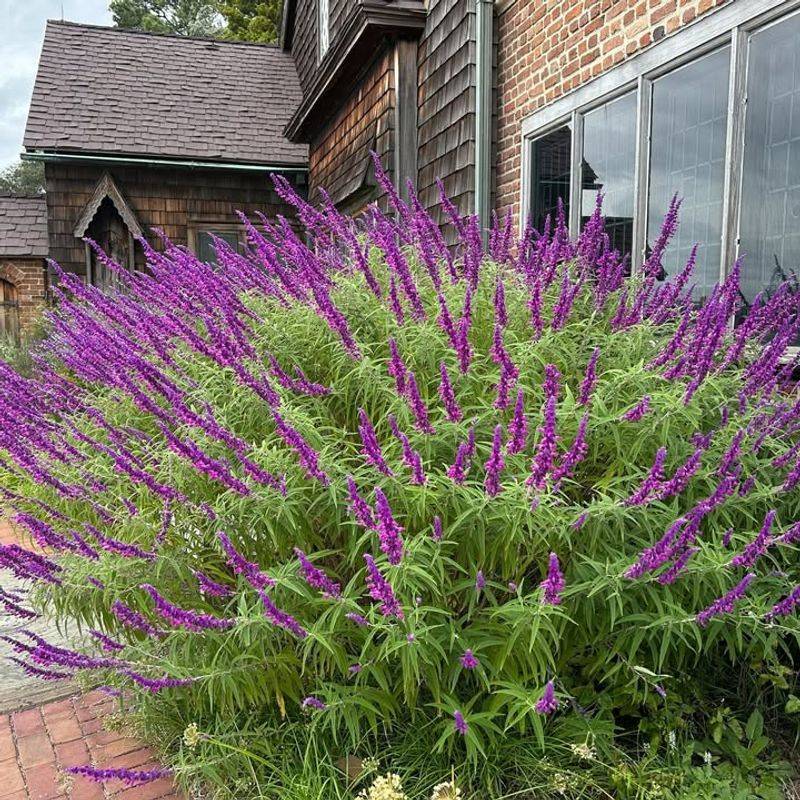
If Cleveland sage is the laid-back California classic, its sage cousins are the fun, stylish relatives that bring their own personality to the party.
Mexican bush sage (Salvia leucantha) steals the spotlight with velvety purple-and-white flower spikes that glow in fall sunshine and keep hummingbirds coming back for more. Want something edible and fragrant?
Culinary sage (Salvia officinalis) gives you soft gray leaves perfect for the kitchen and the garden, brush past it and you’ll smell Thanksgiving in the air.
If you’re gardening in hot, dry inland zones, White sage (Salvia apiana) is a dramatic, silvery native that thrives on neglect and looks stunning in drought-tolerant landscapes (just be sure to plant nursery-grown, never wild-harvested).
Need a low, spreading groundcover? Try ‘Bee’s Bliss’ sage, a pollinator favorite that carpets sunny spaces with soft foliage and lavender blooms.
The best part? Most sages share the same easygoing attitude: sun-loving, water-wise, fragrant, and buzzing with life.
Mix a few varieties together and your front yard becomes a textured, aromatic, pollinator-packed sage garden that feels effortlessly California cool.