This California Native Shrub Transforms Yards Into Bird Hotspots
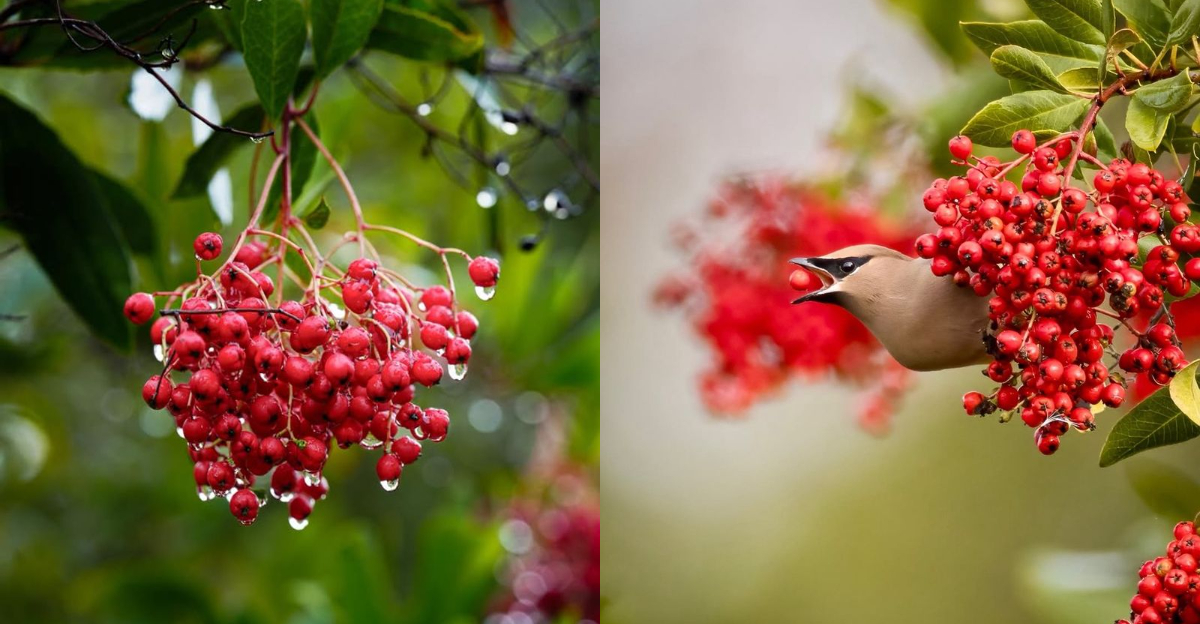
If you want more birds in your yard, California has a native shrub that practically sends out invitations. Meet toyon, the bright berried beauty that quietly turns ordinary gardens into lively bird hangouts.
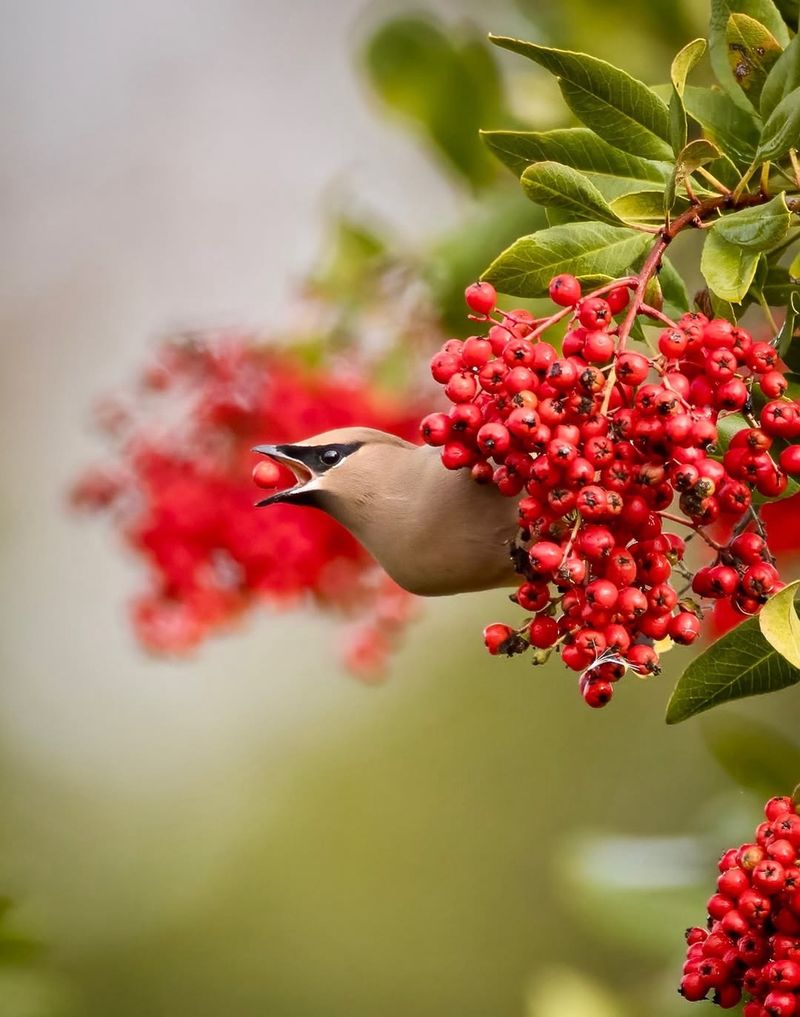
For most of the year, it is a handsome, drought tough evergreen, but when winter arrives, it steals the show with clusters of glowing red berries that birds cannot resist. Mockingbirds, robins, cedar waxwings, and many more flock to it for food, shelter, and nesting spots.
Beyond its wildlife magic, toyon thrives in California’s climate with little water, handles heat like a champ, and looks good in both natural and tidy landscapes. It is one of those rare plants that is easy to grow and incredibly rewarding.
If your goal is a yard full of color, movement, and birdsong, toyon might be the native shrub your garden has been waiting for.
1. Why Birds Are Drawn To Toyon Year-Round
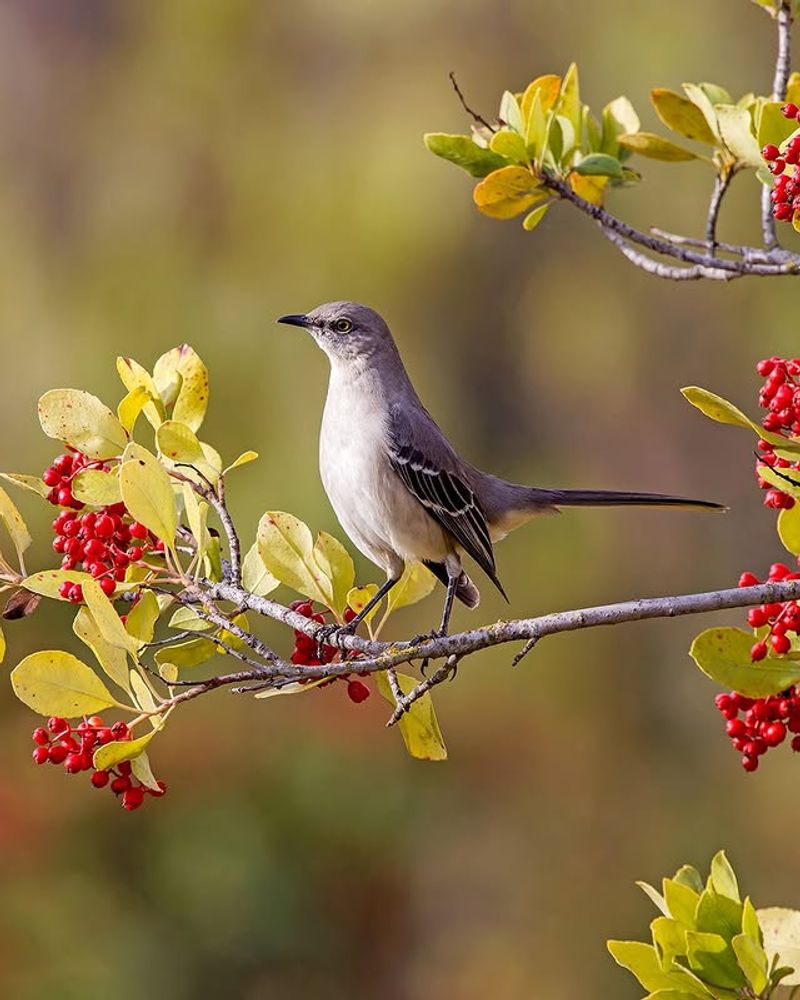
Watch any established Toyon shrub during different seasons and you’ll notice something remarkable, birds visit consistently whether it’s spring, summer, fall, or winter. Unlike ornamental plants that offer brief seasonal interest, this native provides multiple resources that keep feathered visitors coming back.
The dense branching structure creates perfect shelter for smaller birds escaping hawks and other predators. Warblers, sparrows, and finches often dart into the thick foliage when danger approaches.
This protective cover becomes especially valuable during nesting season when parent birds need safe spots close to food sources.
Beyond shelter, Toyon’s white spring flowers attract insects that insectivorous birds depend on for protein. Warblers and flycatchers hunt among the blooms, snapping up beetles and flies.
This early-season activity sets the stage for the main event, berry production.
By late fall and winter, when many other food sources disappear, Toyon’s bright red berries ripen into a critical wildlife resource. Cedar waxwings, American robins, and mockingbirds gorge on these nutritious fruits.
The timing couldn’t be better, as migrating species passing through California desperately need high-calorie food.
Homeowners who plant Toyon essentially install a year-round bird cafeteria that requires zero restocking or maintenance once established.
2. How Toyon Berries Support Native Bird Species
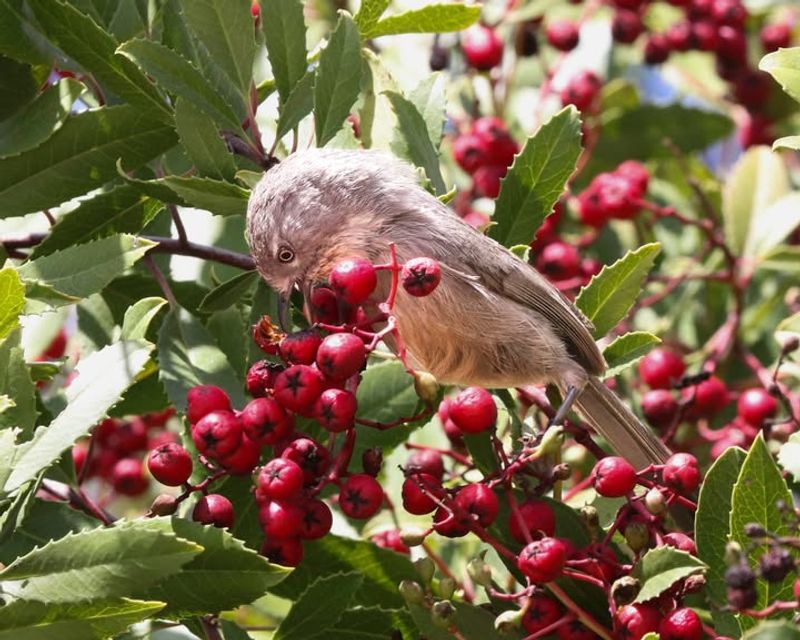
Most California homeowners don’t realize that Toyon berries contain exactly the nutrients that native and migrating birds need to survive winter. Each bright red fruit packs fats and sugars that help birds maintain body temperature during cold nights and fuel long migration flights.
Cedar waxwings arrive in flocks specifically seeking out these berry-laden shrubs. They’ll strip an entire plant in days if the crop is abundant.
Hermit thrushes, typically shy forest dwellers, venture into suburban yards when Toyon berries ripen, offering homeowners rare backyard sightings.
The berry production cycle aligns perfectly with bird migration patterns along the Pacific Flyway. As northern species move south through California in November and December, Toyon berries reach peak ripeness.
This synchronization didn’t happen by accident, it’s the result of thousands of years of coevolution between native plants and native wildlife.
Your California Garden Changes Every Week. Your Plan Should Too.
Gardening in California changes quickly throughout the season. Every Friday you’ll receive a simple weekly plan showing exactly what to plant, prune, fertilize, harvest, and protect so you never miss the right timing.
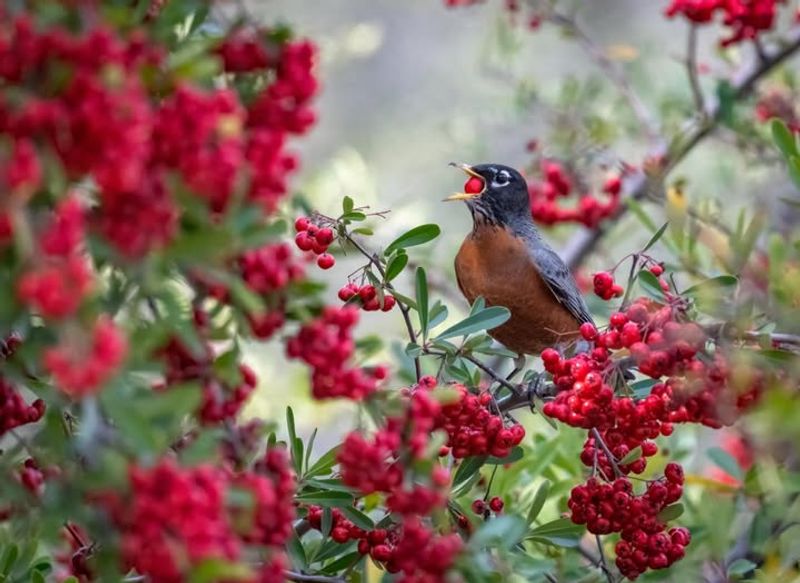
Robins, bluebirds, and mockingbirds also depend heavily on these fruits. During particularly dry years when insect populations crash, berry-producing natives like Toyon become even more critical for survival.
One mature shrub can produce thousands of berries, supporting dozens of individual birds throughout winter months.
Homeowners often notice increased bird diversity within weeks of berries ripening, transforming quiet yards into active wildlife corridors.
3. Why Toyon Thrives In California’s Climate
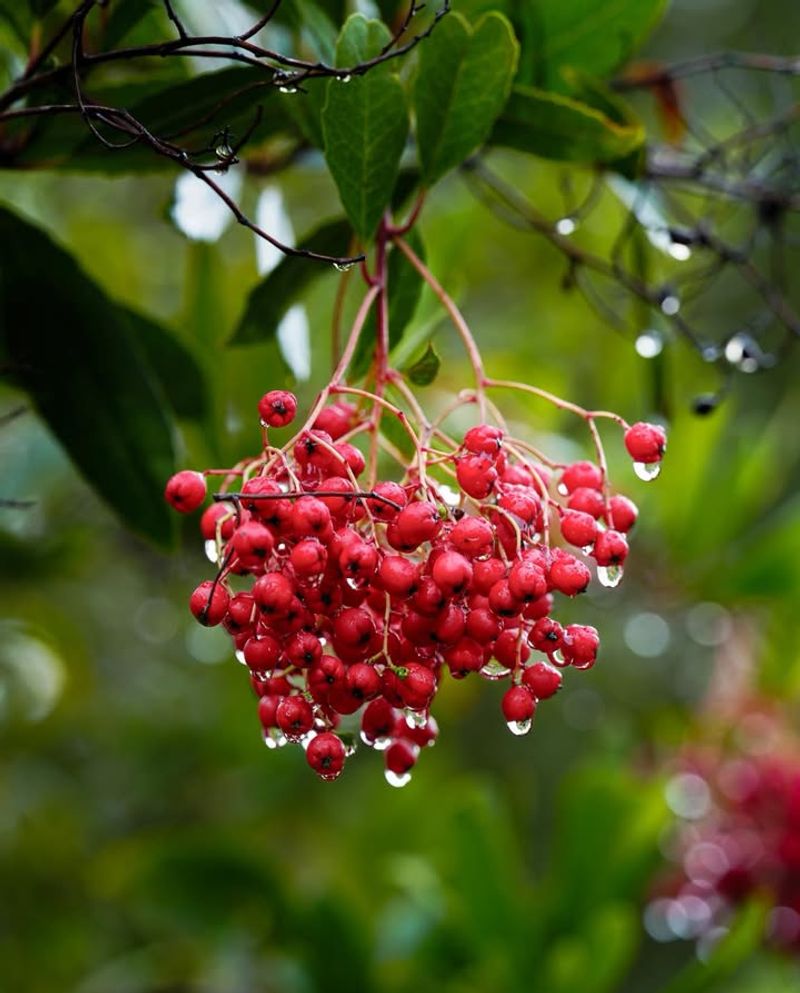
California’s Mediterranean climate, with wet winters and bone-dry summers, challenges many landscape plants, but Toyon evolved specifically for these conditions.
This native shrub actually performs better with less water once established, making it ideal for homeowners practicing water conservation.
Coastal residents find Toyon tolerates salt spray and foggy conditions beautifully. Inland gardeners appreciate its ability to handle scorching summer heat exceeding 100 degrees without wilting or requiring supplemental irrigation.
This climate flexibility explains why Toyon grows naturally from San Diego County north to Humboldt County.
The shrub’s deep root system, which can extend 10 feet down, accesses moisture unavailable to shallow-rooted ornamentals. During California’s frequent drought cycles, this adaptation keeps Toyon green and berry-producing while non-native plants struggle.
The roots also prevent soil erosion on slopes, an important benefit in fire-prone areas.
Toyon handles various soil types equally well, clay, loam, or sandy substrates all support healthy growth. The plant doesn’t demand fertilizers or soil amendments that many imported species require.
This low-input requirement saves homeowners money while reducing chemical runoff into watersheds.
Temperature extremes rarely faze established plants. Toyon survives occasional freezes in mountain foothill communities and thrives in hot interior valleys, demonstrating remarkable climate resilience that few landscape plants can match.
4. Where To Plant Toyon
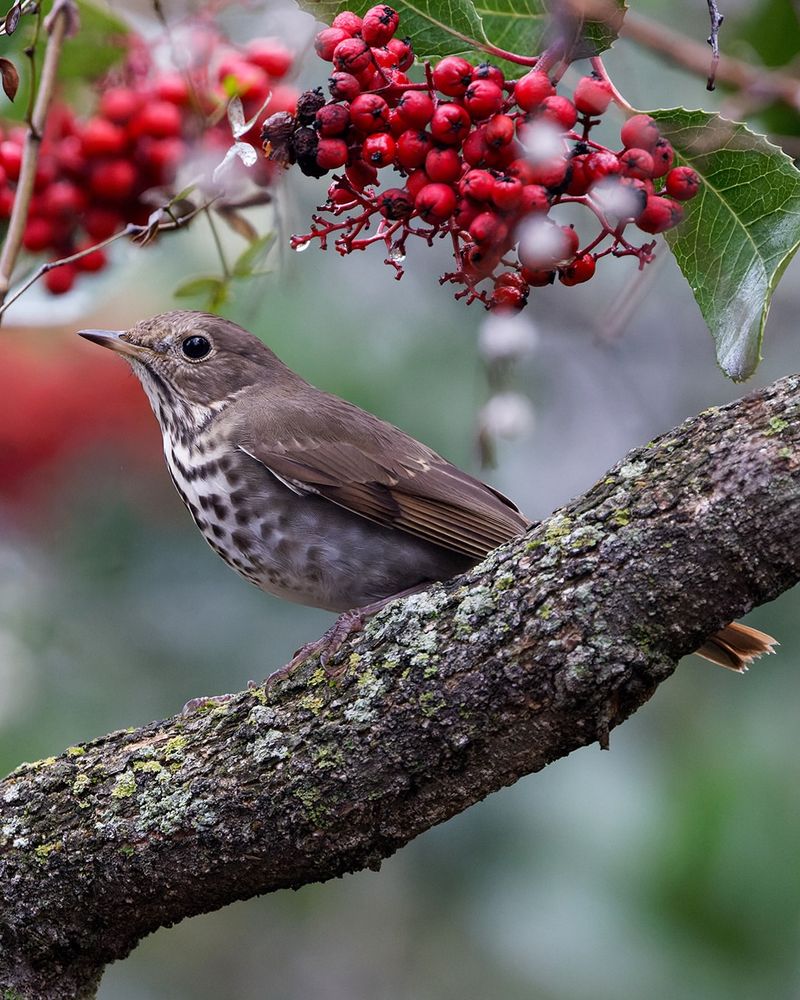
Placement decisions dramatically affect how many birds actually use your Toyon shrub. Homeowners who randomly stick plants in open lawn areas often see disappointing wildlife activity compared to those who think strategically about habitat creation.
Birds prefer approaching berry sources from protective cover rather than crossing exposed spaces where hawks might spot them. Planting Toyon near existing trees, along fence lines, or beside structures gives nervous birds the security they need.
This edge habitat mimics natural chaparral conditions where Toyon originally evolved.
Avoid planting directly against house walls despite the temptation to fill foundation spaces. Toyon can reach 10-15 feet tall and wide, potentially blocking windows or requiring constant pruning that reduces berry production.
Position plants at least 8 feet from buildings to allow natural growth while maintaining access for occasional maintenance.
Creating clusters of three or more Toyon shrubs generates more wildlife interest than single specimens. Grouped plantings produce larger berry crops that attract flocks rather than individual birds.
The increased activity also benefits homeowners wanting better wildlife viewing opportunities from windows or patios.
Southern or western exposures work best in most California regions, though coastal gardeners can use northern exposures successfully. Ensure the location receives at least six hours of sunlight daily for maximum flowering and fruiting.
Shaded Toyon produces fewer berries, defeating the primary purpose of attracting birds.
5. How To Plant And Establish Toyon Successfully
Fall planting gives Toyon the best establishment success because winter rains naturally irrigate young plants during their critical first year. Homeowners who plant in spring or summer must provide supplemental water more frequently, increasing effort and expense.
Dig holes only as deep as the root ball but two to three times wider. California’s native plants developed in undisturbed soils, so they don’t need heavily amended planting holes that non-natives require.
In fact, adding compost or fertilizer often promotes excessive foliage growth at the expense of root development.
Remove containers carefully to avoid damaging roots, then gently loosen any circling roots before positioning the plant. The root crown should sit at the same level it grew in the nursery container—neither buried deeper nor exposed higher.
Planting too deep suffocates roots and causes slow decline.
Water thoroughly at planting to eliminate air pockets, then apply a 3-inch layer of wood chip mulch in a donut shape around the plant. Keep mulch several inches away from the stem to prevent rot.
This mulch conserves moisture, moderates soil temperature, and suppresses weeds that compete for water.
During the first summer, water deeply every 7-10 days if rainfall doesn’t occur. Deep, infrequent watering encourages downward root growth rather than shallow roots that require constant irrigation.
By the second year, most established Toyon needs zero supplemental water in typical California climates.
6. Caring For Toyon
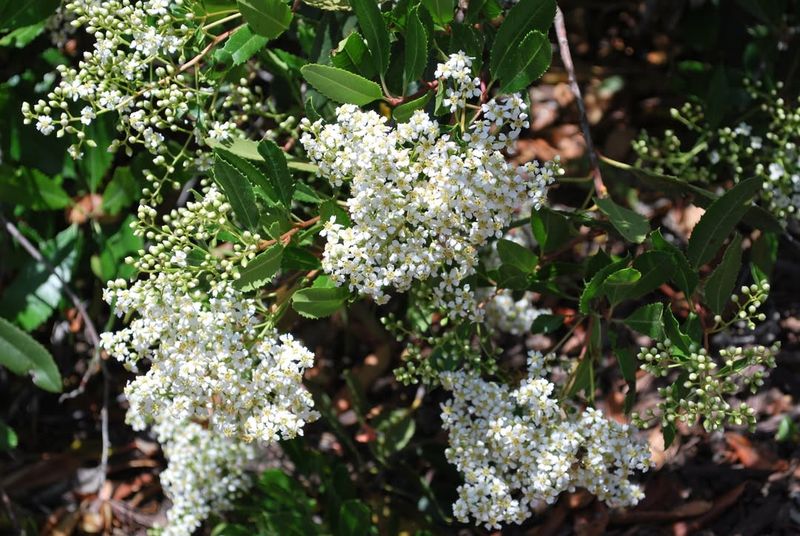
Established Toyon thrives on benign neglect, which contradicts most homeowners’ instincts to fuss over landscape plants.
The biggest mistake is overwatering mature shrubs, which can actually reduce berry production and invite root diseases that rarely affect drought-stressed plants.
After the second year, eliminate all supplemental irrigation unless your region experiences exceptional drought lasting multiple years. Toyon’s natural cycle includes going semi-dormant during summer heat, with leaves sometimes appearing dull or slightly curled.
This normal response doesn’t indicate distress, it’s how the plant conserves moisture.
Pruning should be minimal and strategic. Remove only damaged, or crossing branches in late winter before spring growth begins.
Heavy shearing or shaping destroys the natural form and removes flower buds that become next season’s berries. Homeowners obsessed with formal shapes should choose different plants, Toyon looks best with its loose, irregular growth habit.
Skip fertilizers entirely. Nutrient-rich soils promote excessive vegetative growth that attracts aphids and reduces the plant’s drought tolerance.
Toyon evolved in nutrient-poor soils and performs best under similar conditions in cultivation.
Watch for scale insects or aphids occasionally, though healthy Toyon rarely suffers serious pest problems. Beneficial insects and birds usually control minor infestations naturally.
Chemical pesticides harm the very wildlife you’re trying to attract, so avoid them completely in bird-friendly landscapes.
7. These Common Mistakes Send Birds Packing
Homeowners unknowingly sabotage their Toyon’s wildlife potential through well-intentioned but misguided care practices. The most damaging mistake is fall pruning, which removes the developing berry clusters that birds depend on throughout winter.
Prune in late winter instead, after birds have consumed the fruit crop.
Applying lawn fertilizers near Toyon encourages weak, leggy growth that produces fewer flowers and berries. The excess nitrogen also makes foliage more attractive to pests, creating problems that didn’t exist before.
Keep lawn treatments at least 10 feet away from native plant root zones.
Some homeowners plant Toyon but surround it with thirsty, high-maintenance ornamentals requiring frequent irrigation. This forces the Toyon into an unnatural wet-soil situation that weakens its natural defenses against root rot.
Group Toyon with other California natives sharing similar water needs instead.
Pesticide use in yards with Toyon defeats the entire purpose of creating bird habitat. Insecticides remove the beetles, flies, and caterpillars that insect-eating birds need, especially during nesting season when protein demands peak.
Herbicides drift onto Toyon leaves, causing damage that reduces plant vigor.
Finally, impatience leads homeowners to give up on young Toyon before it matures. Berry production starts light in years two and three, then increases dramatically as plants reach full size.
Birds need several seasons to discover new food sources, so wildlife activity builds gradually rather than appearing overnight.