How Oregon Native Plants Can Save You Time, Water, And Money This Spring
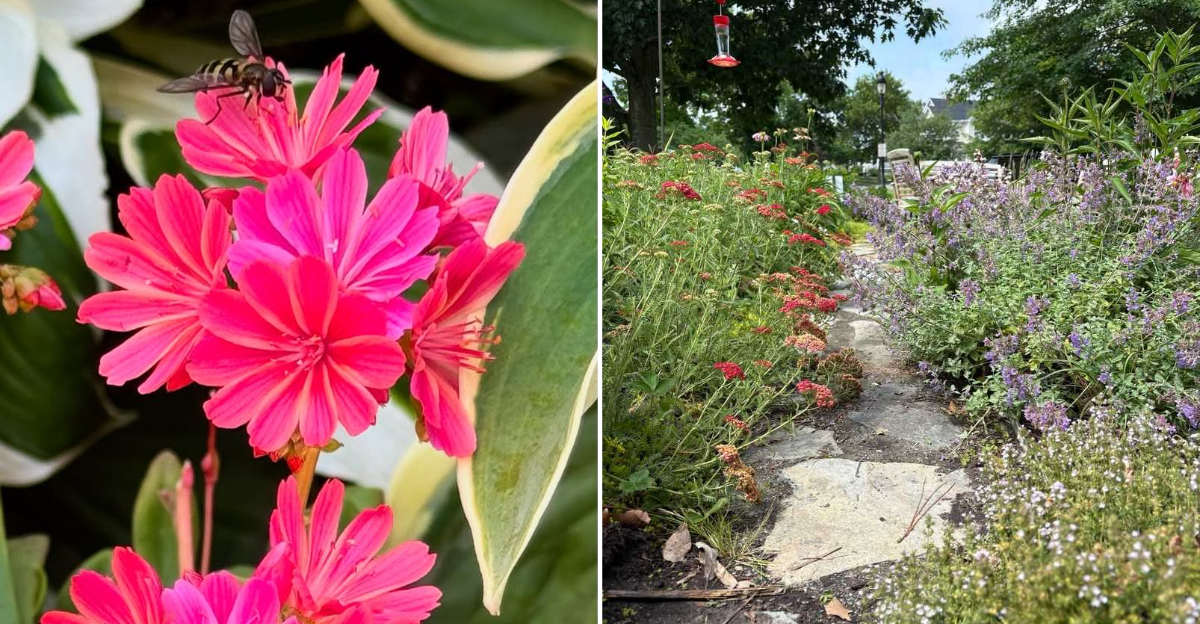
Spring in Oregon is when gardens wake up fast, and smart plant choices can make the whole season easier. That is where Oregon native plants shine.
These locals are built for the region’s rain patterns, soil, and temperature swings, so they naturally need less fuss, less water, and fewer fixes along the way.
Once established, many thrive with minimal watering, little to no fertilizer, and far less maintenance than non native favorites.
That means fewer hours working in the yard and more time actually enjoying it. Native plants also support pollinators, birds, and healthy soil, quietly doing the heavy lifting for a balanced garden.
The best part? A landscape filled with natives often saves money over time by cutting water use, reducing replacements, and lowering care costs.
If you want a garden that works with Oregon’s seasons instead of against them, native plants are the shortcut to a simpler, smarter spring.
1. Lower Water Needs
Oregon natives evolved alongside our regional rainfall patterns, storing moisture during wet months and coasting through summer dry spells without your help.
Once established, typically after their first year, most native shrubs and perennials need little to no supplemental watering, even during July and August.
This adaptation cuts your irrigation bill significantly compared to thirsty ornamentals that demand daily soaking.
Spring is the ideal planting window because natural rainfall does the work for you. Your new natives settle in while the soil stays moist, building deep root systems that tap underground water reserves.
By the time summer arrives, they’re ready to handle heat without constant hose time.
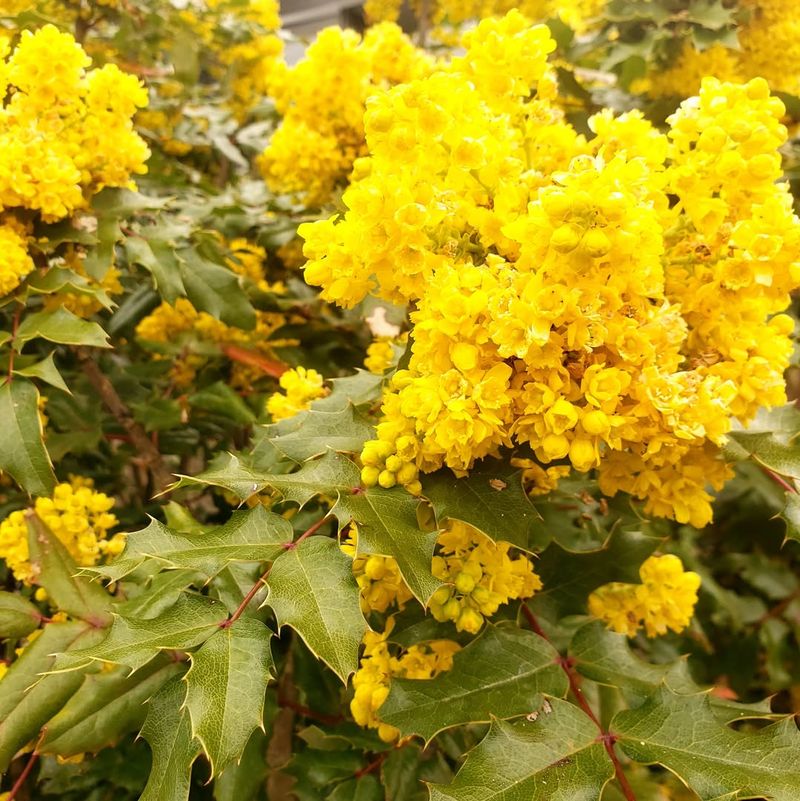
Consider species like Oregon grape, manzanita, or red-flowering currant, all handle dry conditions beautifully after establishment. In coastal zones with more summer fog, you’ll find even greater water savings.
Inland gardeners benefit from choosing drought-adapted natives suited to their microclimate.
Skip the mistake of overwatering established natives, which can actually weaken them or encourage root rot. Check soil moisture before watering, and let nature’s rhythm guide your schedule.
Your water meter, and your schedule, will thank you all season long.
2. Minimal Fertilizer Requirements
Most ornamental plants arrive at nurseries pumped full of synthetic fertilizers, creating an expensive dependency you’re expected to maintain.
Oregon natives take a different approach, they’ve spent millennia adapting to our regional soils, whether that’s the volcanic earth east of the Cascades or the clay-heavy ground in the Willamette Valley.
They extract what they need without chemical boosts.
This soil compatibility translates to real savings. You won’t buy bags of fertilizer every spring or worry about application schedules.
Natives work with the nutrient levels already present in your yard, cycling organic matter naturally through their root zones and leaf drop.
Spring planting gives natives time to establish before summer, but resist the urge to fertilize. Adding nutrients can actually force weak, leggy growth that’s more susceptible to pests and disease.
Instead, top-dress with a thin layer of compost if your soil is particularly poor, that’s usually enough.
Your Oregon Garden Changes Every Week. Your Plan Should Too.
Gardening in Oregon changes quickly throughout the season. Every Friday you’ll receive a simple weekly plan showing exactly what to plant, prune, fertilize, harvest, and protect so you never miss the right timing.
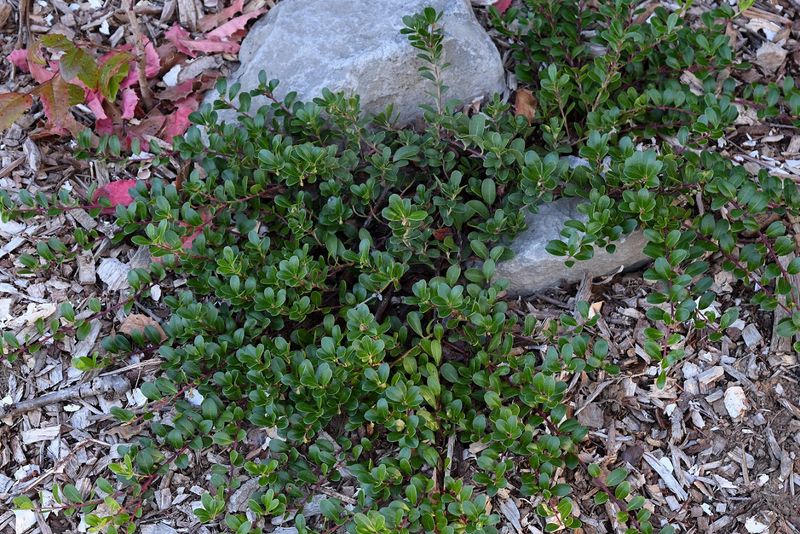
Species like salal, sword fern, and kinnikinnick thrive in lean soils where other plants struggle. They’re perfectly content with what Oregon provides naturally.
Over time, their roots improve soil structure and fertility for neighboring plants, creating a self-sustaining ecosystem right in your yard.
3. Reduced Pest And Disease Issues
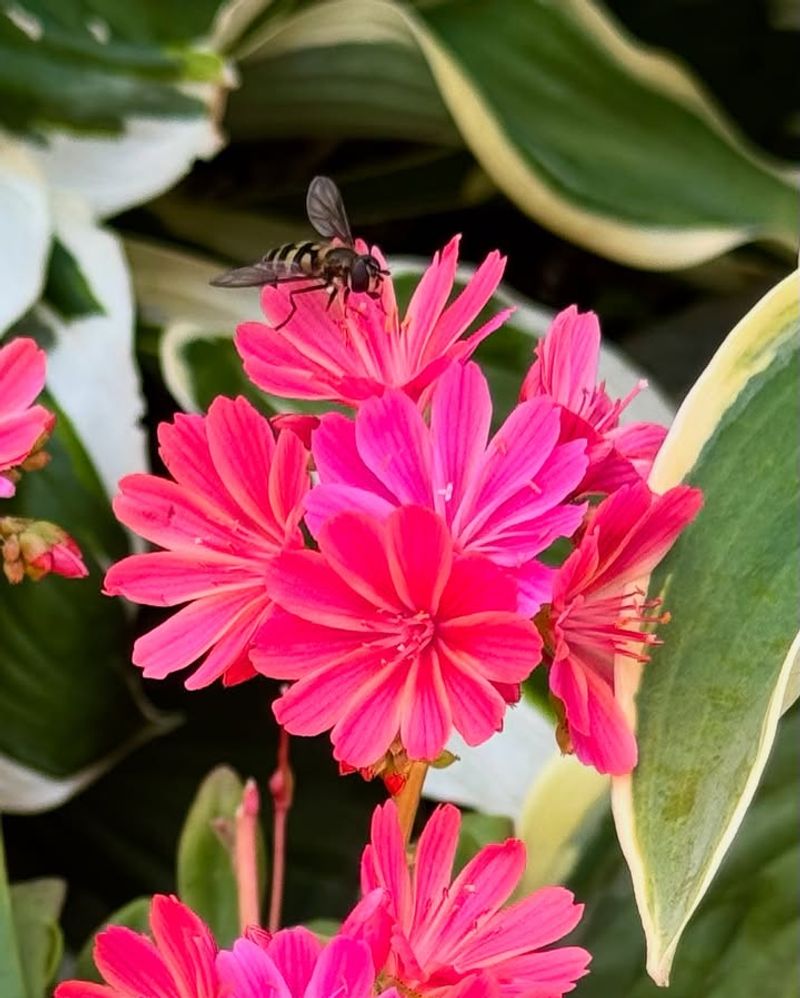
Walk through any Oregon forest and you’ll notice something remarkable, native plants aren’t covered in pesticide residue, yet they’re thriving.
That’s because they’ve co-evolved with local insects, developing natural defenses and balanced relationships that keep serious pest problems rare.
This built-in resilience saves you money on sprays and hours of troubleshooting diseased plants.
Non-native ornamentals often arrive with pest and disease vulnerabilities because they’re growing outside their natural range. They lack the evolutionary tools to handle Oregon’s specific challenges, leaving you reaching for treatments.
Natives, by contrast, have already solved these problems over thousands of years.
Spring is when many pests emerge, but native plantings handle them with minimal intervention. You might see aphids on new growth or occasional leaf damage, but these rarely threaten the plant’s survival.
Healthy natives simply outgrow minor pest issues without chemical help.
Choose regionally appropriate species for your specific location, coastal gardens do well with salal and evergreen huckleberry, while drier areas favor penstemon and rabbitbrush. Planting the right native in the right spot maximizes natural pest resistance.
Avoid the common mistake of treating every insect as a threat, many are beneficial pollinators or predators keeping harmful pests in check.
4. Low Maintenance Growth Habits
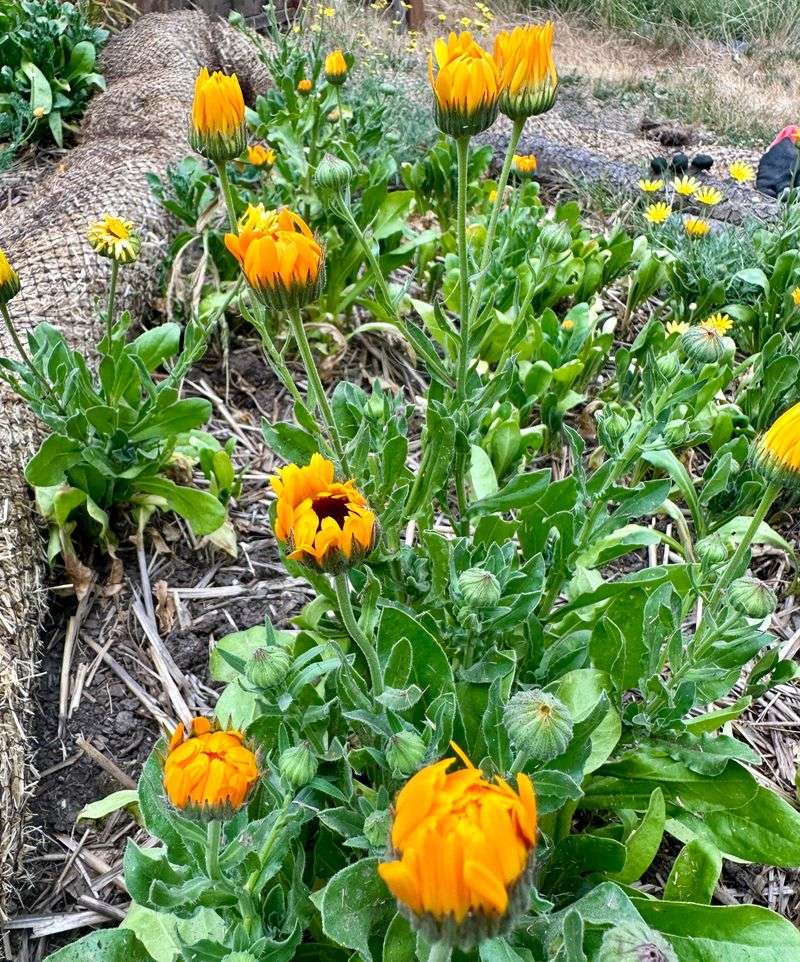
Picture spending your Saturday morning reading instead of wrestling with hedge trimmers, that’s the reality native plants offer. Species like oceanspray, serviceberry, and vine maple grow into naturally attractive shapes without constant pruning, shearing, or staking.
They’ve evolved compact, manageable forms that fit residential landscapes without becoming maintenance nightmares.
Many popular ornamentals require aggressive pruning to stay in bounds, turning into weekend projects that eat your free time. Natives grow at moderate rates and stop at predictable sizes, eliminating the need for regular cutbacks.
This saves you hours annually and reduces yard waste headed to the landfill.
Spring growth begins slowly with natives, giving you time to observe their natural shape before making any cuts. Most need only occasional deadheading of spent flowers or removal of damaged branches, maintenance you can handle in minutes rather than hours.
Their tidy habits mean less cleanup and fewer trips to the compost pile.
Avoid planting natives too close together or in spaces too small for their mature size, this forces unnecessary pruning and defeats their low-maintenance advantage. Research mature dimensions before planting.
Species like dwarf Oregon grape or low Oregon sunshine work beautifully in compact spaces, maintaining neat profiles without your intervention.
5. Improved Soil Health Naturally
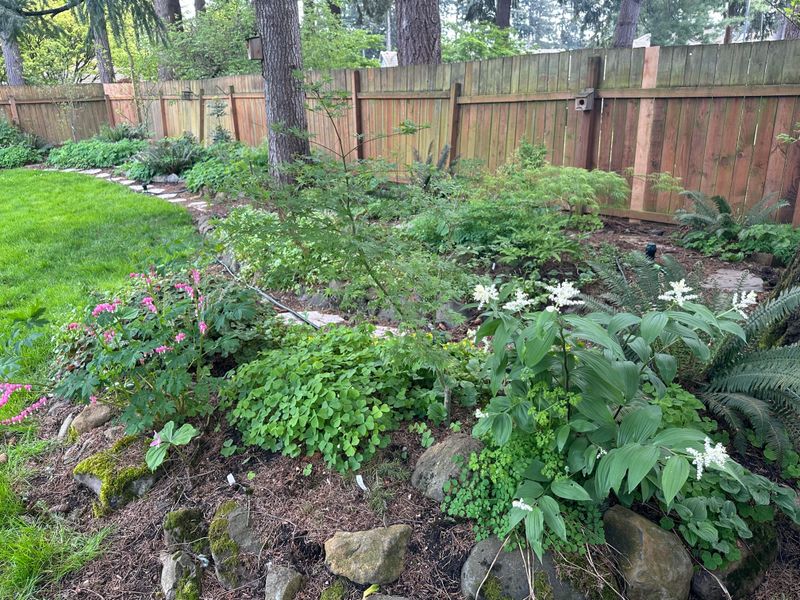
Beneath every native plant lies an underground network that’s quietly transforming your soil into richer, more productive ground.
Native root systems dive deep, often several feet down, breaking up compacted layers and creating channels that improve drainage and aeration.
This natural soil conditioning happens automatically, without renting a tiller or hauling in amendments.
Oregon’s natives also partner with beneficial soil fungi and bacteria that help cycle nutrients and support plant health. These microbial relationships develop over time, creating a living soil ecosystem that feeds itself.
You’re essentially getting free soil improvement while your garden grows.
Spring is when this underground activity accelerates. As natives push new growth, their roots extend further, secreting compounds that feed soil organisms and bind soil particles into stable aggregates.
This improves water retention during dry months and prevents erosion during heavy rains, both common Oregon challenges.
Plants like camas, western columbine, and red-twig dogwood excel at soil building in different conditions, wet spots, slopes, or average garden beds. Their fallen leaves decompose into nutrient-rich mulch that further enhances soil quality.
The mistake to avoid is removing all leaf litter in fall; leaving some in place feeds this natural cycle and reduces your need for purchased mulch or compost.
6. Attracting Pollinators And Beneficial Wildlife
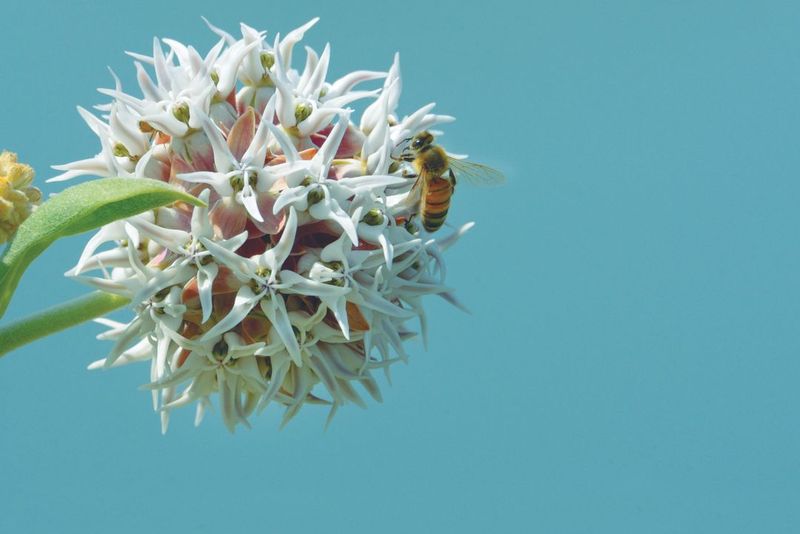
Your garden becomes a living ecosystem when you plant natives, drawing in bees, butterflies, hummingbirds, and beneficial insects that provide free pest control and pollination services.
Native plants and native pollinators evolved together, creating perfect matches, like hummingbirds seeking out red-flowering currant or native bees visiting Oregon sunshine.
These relationships work efficiently without your intervention.
This wildlife activity saves you money in unexpected ways. Beneficial insects like ladybugs and lacewings patrol your native plantings, consuming aphids and other pests before they become problems.
Native birds attracted to your yard eat caterpillars and beetles, reducing damage naturally. You’re essentially hiring a free pest management team.
Spring is prime time for pollinator activity in Oregon, and natives provide the early nectar and pollen sources these creatures need after winter. Plants like osoberry and wild currant bloom early, feeding emerging bees when few other flowers are available.
Later bloomers like penstemon and aster extend the season through fall.
Create pollinator-friendly zones by grouping several native species together rather than scattering single plants, this concentrates resources and makes your garden more attractive to beneficial wildlife.
Avoid treating natives with pesticides, even organic ones, which can harm the very insects you’re trying to attract.
7. Long-Term Cost Savings
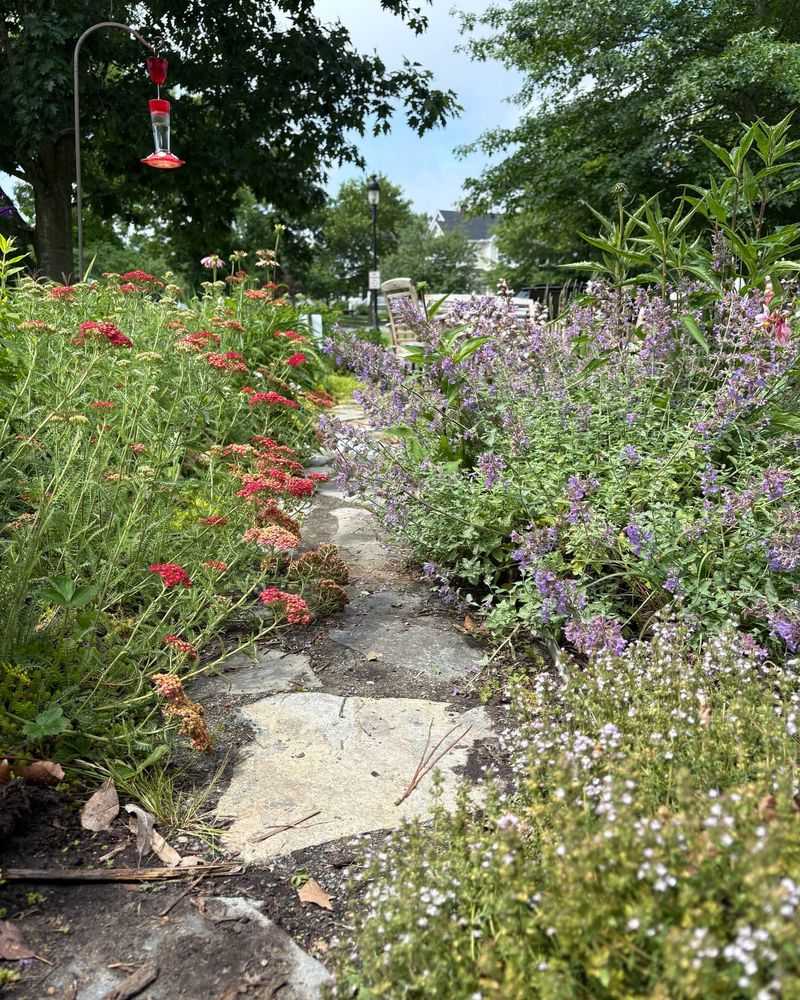
Calculate what you spend annually on plants that don’t survive winter, irrigation during summer, fertilizers, pesticides, and weekend maintenance, then imagine cutting those costs dramatically. That’s the long-term financial picture with natives.
While initial plant costs are comparable to ornamentals, natives pay dividends for years through reduced inputs and replacement expenses.
Oregon natives are inherently long-lived when planted appropriately. Many shrubs and perennials thrive for decades without replacement, unlike short-lived ornamentals that need refreshing every few years.
This longevity means you buy once and enjoy for years, spreading your investment across many growing seasons.
Spring planting sets you up for these savings immediately. Your irrigation needs drop after the first year, fertilizer purchases stop, and pest control expenses become rare.
Maintenance time decreases, freeing your weekends for activities you actually enjoy. These savings compound annually, a native garden becomes more cost-effective with each passing season.
Factor in indirect savings too: improved soil health reduces erosion and drainage problems, native mulch from leaf drop replaces purchased products, and increased property value from attractive, sustainable landscaping.
The common mistake is focusing only on upfront plant costs rather than total lifetime expenses.
Natives win that comparison convincingly, delivering beauty and function while protecting your budget year after year.