Top 10 Spring Flower Combos For Shady Oregon Gardens
Shady gardens in Oregon have their own kind of magic, especially in spring. While sunny spots get all the attention, those cooler, softer corners can burst with color when you pair the right flowers together.
The secret is choosing plants that love gentle light, rich soil, and Oregon’s spring moisture, then mixing them in combinations that make each other shine.
Think layered textures, pops of color, and blooms that keep the show going week after week.
A well planned shade combo can turn a quiet corner into the most beautiful part of your yard, full of depth, contrast, and life.
1. Hellebores And Ferns
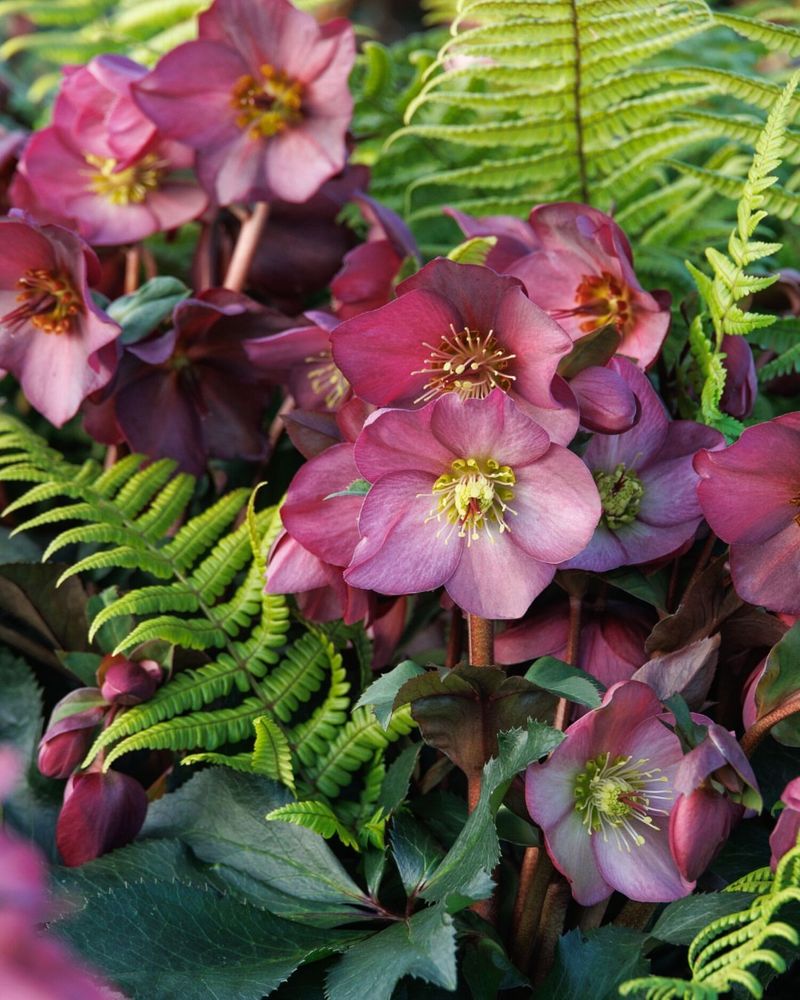
Hellebores start blooming as early as February in Oregon, often pushing through winter’s last frosts with nodding flowers in shades of purple, white, pink, and green. Pairing them with emerging fern fronds creates a textural contrast that looks natural and woodland-inspired.
The hellebores provide early color while ferns unfurl their delicate fronds in March and April.
Plant hellebores about 18 inches apart in well-draining soil enriched with compost. They prefer partial to full shade and tolerate the clay-heavy soils common in many Oregon gardens.
Sword ferns, lady ferns, or Japanese painted ferns work beautifully alongside them, filling in as the hellebore blooms fade.
Water regularly during establishment, but once mature, both plants handle Oregon’s dry summers reasonably well in shade. The ferns provide lush green foliage through summer and fall, while hellebore leaves stay evergreen.
This combination attracts early bumblebees seeking nectar when few other flowers bloom.
Consider adding trilliums or bleeding hearts nearby for additional spring interest. The layered look mimics natural forest understories found throughout the Willamette Valley and Cascade foothills, creating habitat for beneficial insects and ground-dwelling wildlife.
2. Bleeding Heart With Astilbe
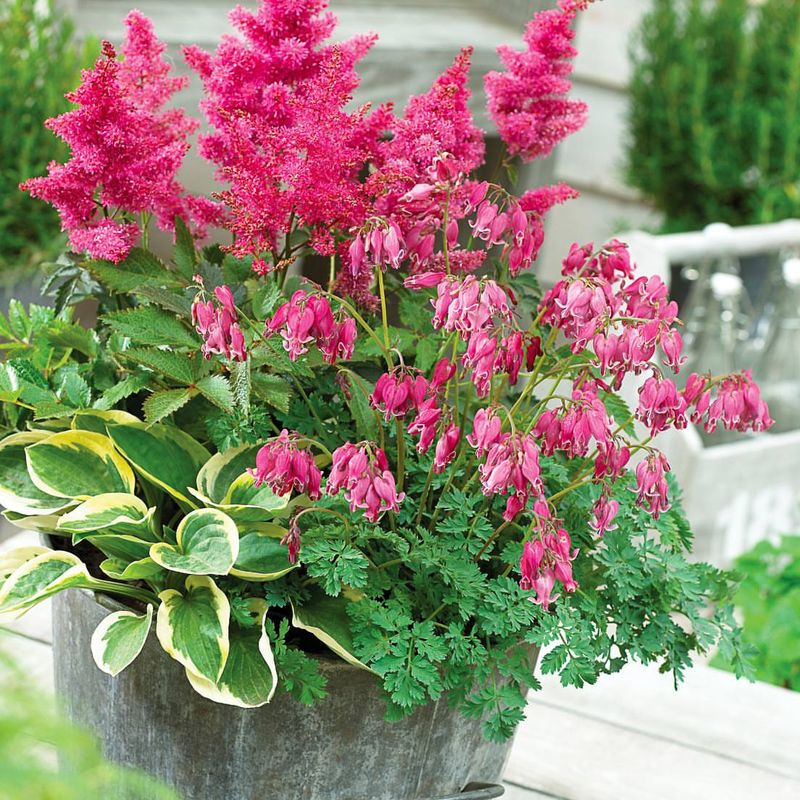
Few spring combinations capture hearts quite like bleeding heart paired with astilbe. Bleeding hearts bloom from April through early June, their distinctive heart-shaped flowers dangling from gracefully arching stems.
Pink or white varieties look stunning when echoed by astilbe’s feathery plumes that appear in late spring and early summer.
Both plants thrive in Oregon’s shaded, moisture-retentive soils. Space bleeding hearts about 2 feet apart and astilbes 15 to 18 inches apart in areas receiving morning sun and afternoon shade or dappled light throughout the day.
They appreciate consistent moisture, which Oregon’s spring rains provide naturally.
Bleeding heart foliage often goes dormant by midsummer, especially in warmer inland areas. Astilbe’s ferny leaves fill the gap, maintaining interest through the growing season.
Amend soil with organic matter to improve drainage while retaining moisture, particularly important in heavy clay sites.
This pairing attracts hummingbirds and beneficial pollinators. The color coordination works whether you choose traditional pink varieties or opt for white bleeding hearts with white astilbe for a moonlight garden effect.
Coastal gardens may see longer bleeding heart bloom times than warmer interior valleys.
3. Primroses And Hostas
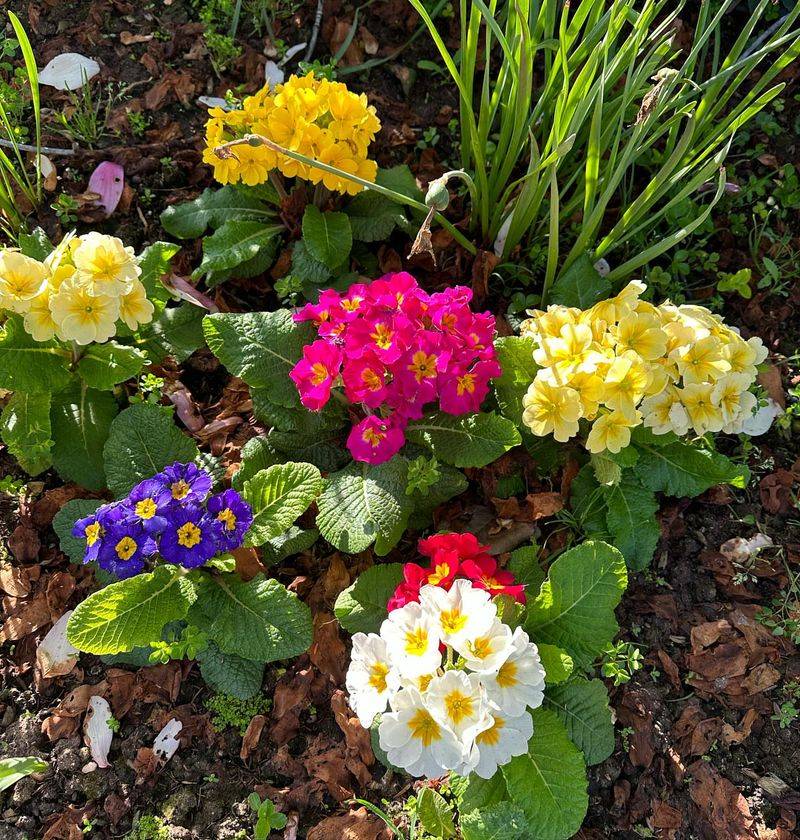
Primroses bring cheerful pops of color to shady Oregon gardens from March through May, blooming in practically every color imaginable. Pairing them with hostas creates a dynamic combination where bright primrose flowers shine in spring while hosta foliage unfurls and expands to dominate through summer.
Your Oregon Garden Changes Every Week. Your Plan Should Too.
Gardening in Oregon changes quickly throughout the season. Every Friday you’ll receive a simple weekly plan showing exactly what to plant, prune, fertilize, harvest, and protect so you never miss the right timing.
English primroses and Japanese primroses both perform well in Oregon’s climate. Plant them 8 to 12 inches apart in moist, humus-rich soil where they receive filtered light.
Hostas prefer similar conditions, with spacing dependent on mature size, typically 12 to 36 inches apart.
The timing works beautifully because primroses peak when hosta leaves are just emerging, then as primrose blooms fade, the hostas take center stage with their bold foliage. Blue, green, or variegated hostas all complement primrose flowers.
Keep soil consistently moist during spring growth.
Slugs can be an issue with both plants in Oregon’s damp climate. Use organic slug control methods like beer traps or diatomaceous earth.
The combination naturalizes well under deciduous trees where spring sun reaches through bare branches before the canopy leafs out, then provides summer shade.
4. Foxglove And Solomon’s Seal
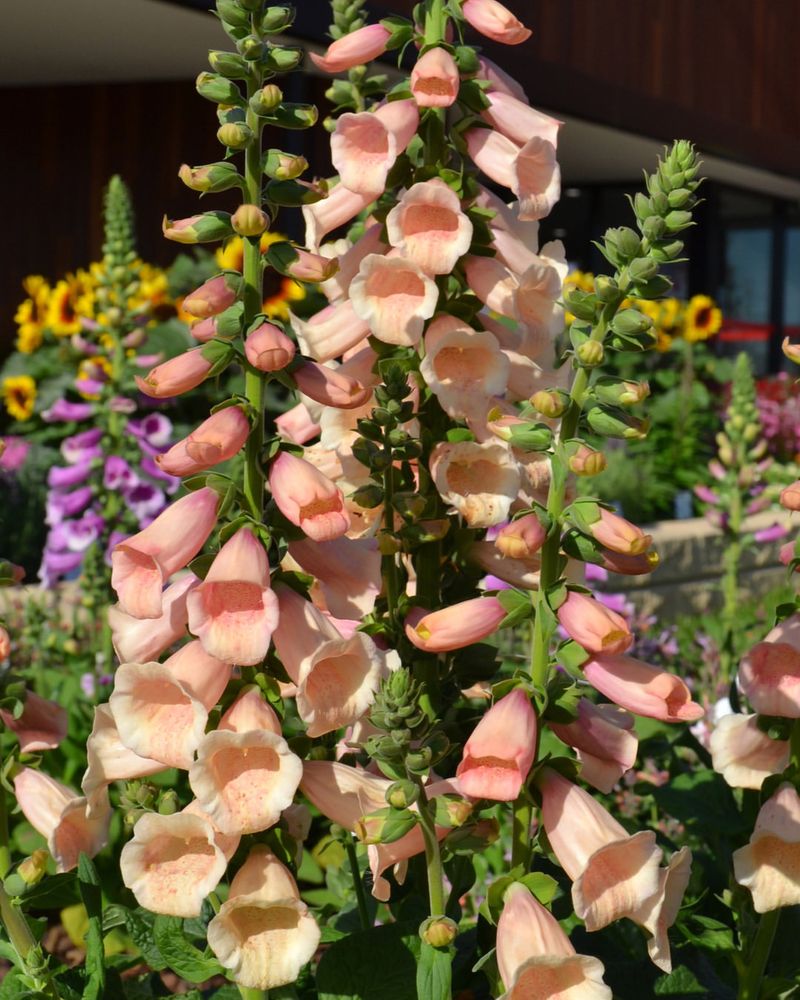
Vertical drama meets graceful arches when foxgloves pair with Solomon’s seal. Foxgloves send up towering spikes of tubular flowers in late spring, reaching 3 to 5 feet tall in shades of purple, pink, white, or yellow.
Solomon’s seal arches elegantly at 2 to 3 feet, dangling white bell-shaped flowers beneath its stems in May and June.
This combination creates vertical layers that add dimension to shaded borders. Plant foxgloves 12 to 18 inches apart in partial shade with well-draining soil.
Solomon’s seal spreads slowly via rhizomes, so space plants 18 to 24 inches apart. Both appreciate Oregon’s cool, moist springs.
Foxgloves often behave as biennials, blooming their second year then self-seeding. Let some seedheads remain to ensure future generations.
Solomon’s seal is perennial and long-lived, providing reliable structure year after year. The arching stems develop blue-black berries by late summer that birds enjoy.
Hummingbirds visit foxglove flowers while bees work Solomon’s seal blooms. This pairing suits woodland gardens and shaded borders throughout Oregon, from coastal areas to the valleys.
The contrasting growth habits prevent competition while creating visual interest at multiple heights.
5. Trillium With Wild Ginger
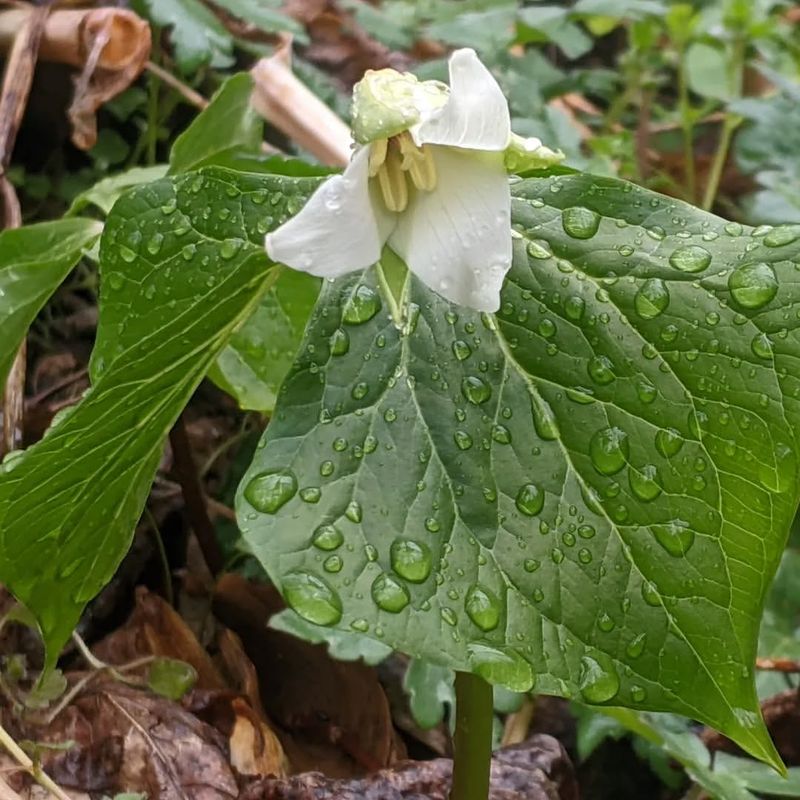
Native plant enthusiasts appreciate this all-Oregon pairing that mimics natural forest floors throughout the Pacific Northwest. Trilliums produce distinctive three-petaled flowers in white or deep maroon during April and May, rising 12 to 18 inches above the ground.
Wild ginger forms a low groundcover with glossy, heart-shaped leaves and hidden burgundy flowers near the soil.
Both plants naturally occur in Oregon’s moist woodlands, making them perfectly adapted to local conditions. Plant trilliums 12 inches apart in humus-rich soil beneath deciduous trees.
Wild ginger spreads slowly to form a dense mat, so space plants 10 to 12 inches apart initially.
These natives require minimal care once established but appreciate leaf mulch and consistent moisture during their spring growing season. Avoid disturbing the soil around trillium roots, as they grow slowly and resent transplanting.
Wild ginger’s evergreen leaves provide year-round interest even after trilliums go dormant in summer.
This combination supports native pollinators and creates authentic woodland habitat. Trillium seeds have special attachments that ants carry away, helping the plants spread naturally.
The pairing works beautifully in naturalized areas, under native trees like Oregon white oak or Douglas fir.
6. Japanese Forest Grass And Columbine
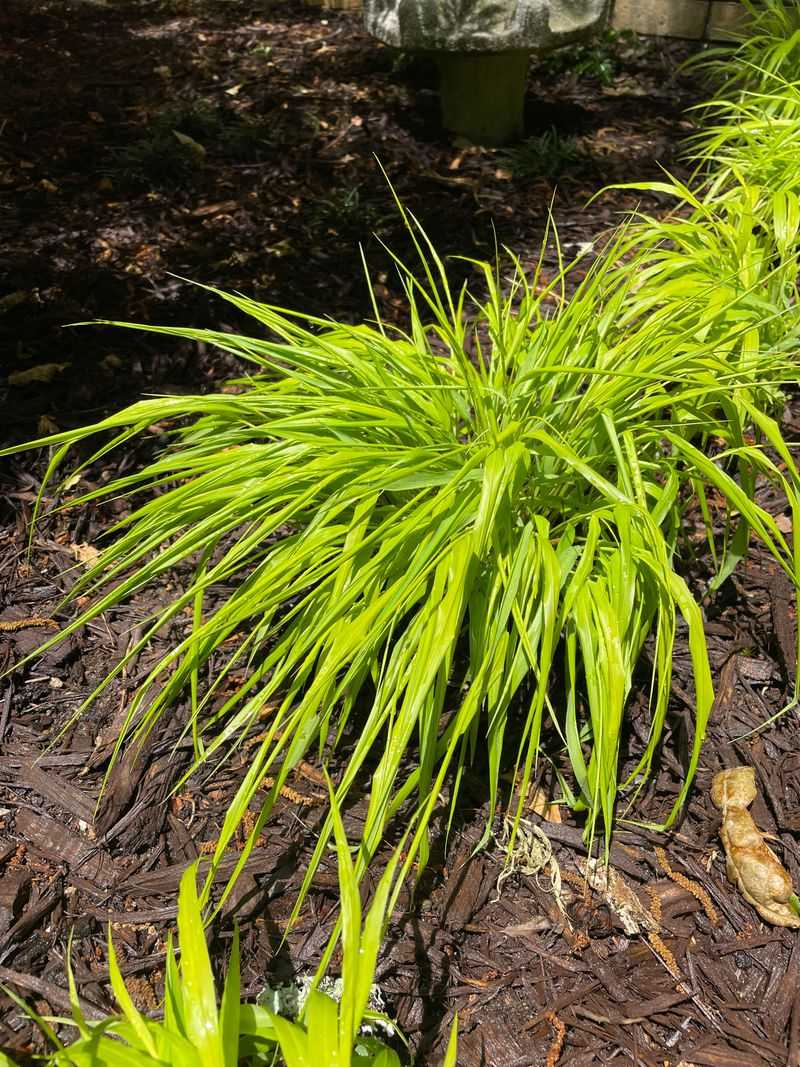
Ornamental grasses aren’t just for sunny spots. Japanese forest grass brings golden or variegated foliage that cascades like a waterfall, providing texture and movement in shade.
Columbines add dancing flowers on wiry stems in April through June, their spurred blooms attracting hummingbirds and appearing to float above the grass.
Japanese forest grass grows 12 to 18 inches tall and wide, preferring partial to full shade and consistent moisture. Plant it 18 inches apart for a flowing effect.
Columbines self-seed readily in Oregon gardens, creating naturalized drifts. Space initial plants 12 inches apart in similar light conditions.
The grass provides color from spring through fall, with foliage brightening shaded areas even when nothing blooms. Columbines come in many colors including blue, pink, purple, yellow, and white.
Mix colors for variety or stick with a coordinated palette that complements the grass.
Both plants appreciate Oregon’s cool springs but need supplemental water during dry summers, especially in warmer inland areas. The combination works well in containers, along shaded pathways, or massed in woodland borders.
Japanese forest grass may show some winter damage in harsh years but typically rebounds in spring.
7. Heuchera And Lungwort (Pulmonaria)
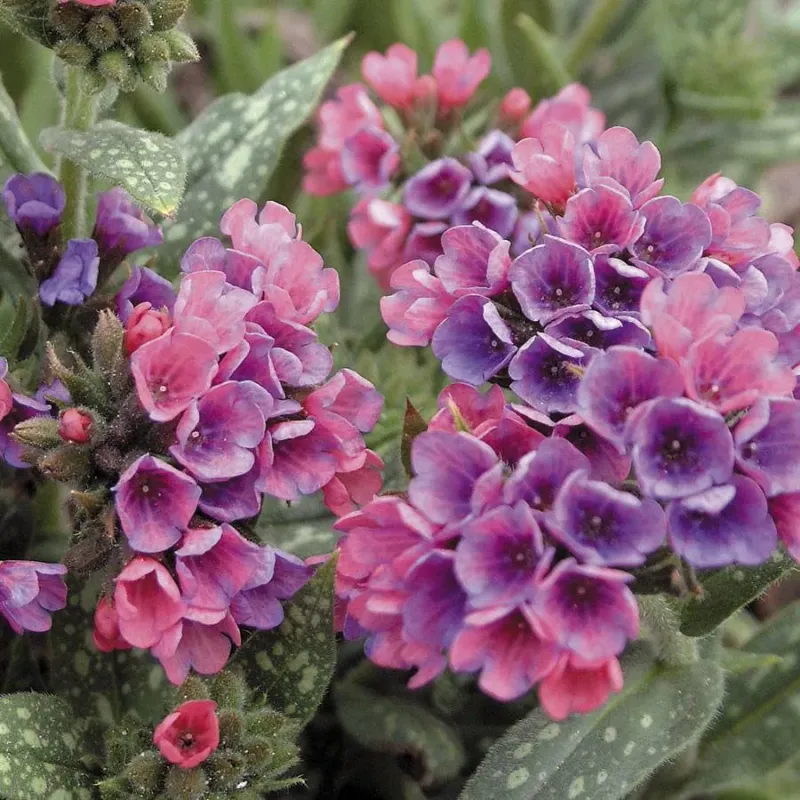
Foliage takes center stage when heuchera pairs with lungwort, though both offer attractive flowers too. Heuchera, commonly called coral bells, produces delicate flower spikes in late spring while its leaves provide color year-round in shades of purple, silver, lime, or coral.
Lungwort blooms earlier, from March through May, with flowers that open pink and age to blue.
The real magic happens with the foliage combination. Lungwort’s silver-spotted leaves complement heuchera’s colorful foliage beautifully.
Plant heucheras 12 inches apart in partial shade with good drainage, as they can rot in overly wet soil. Lungwort tolerates more moisture, spacing plants 12 to 15 inches apart.
Both plants handle Oregon’s climate well but appreciate afternoon shade, especially in warmer valleys. Heuchera may need replacing every 3 to 4 years as crowns rise above soil level, while lungwort remains reliably perennial.
Divide lungwort clumps every few years to maintain vigor.
This combination offers extended interest from early spring lungwort blooms through fall heuchera color. The varied leaf textures and colors create tapestry effects in shaded borders.
Bees visit both flowers, and the foliage contrasts attract visual attention even from a distance.
8. Brunnera And Tiarella
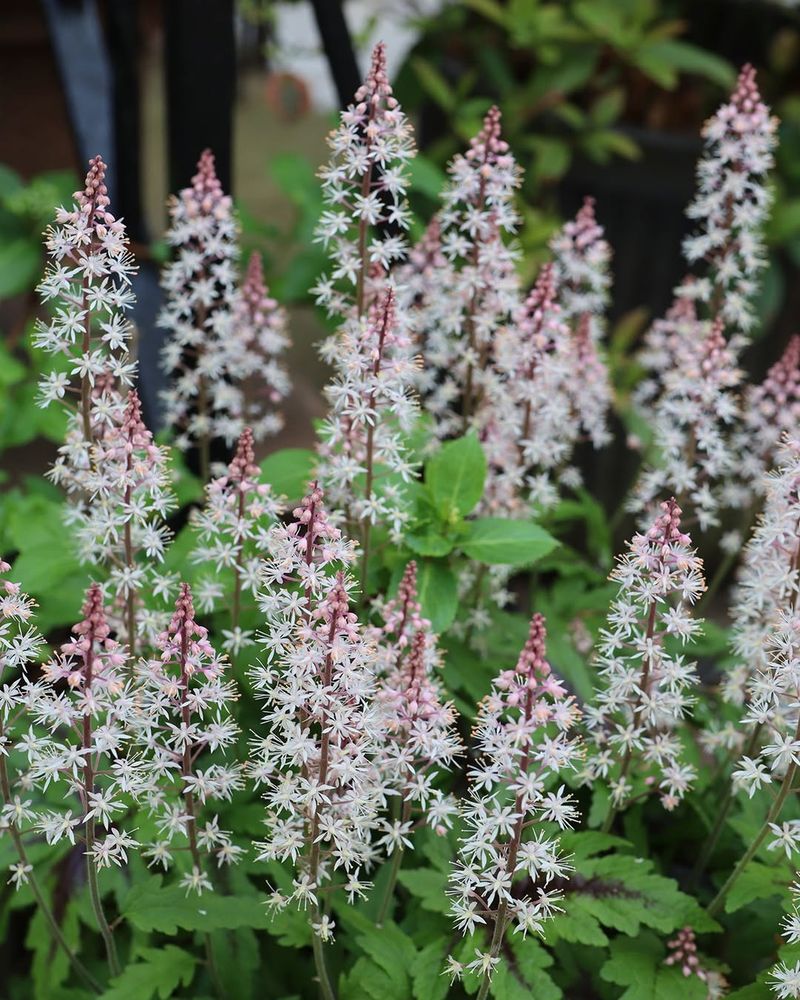
Delicate blue brunnera flowers resembling forget-me-nots pair wonderfully with tiarella’s foamy white flower spikes. Brunnera blooms in April and May, creating clouds of tiny blue flowers above heart-shaped leaves.
Tiarella, called foamflower, sends up bottlebrush-like white or pink blooms during the same period, creating a blue and white spring show.
Both plants form attractive groundcovers in shade, with brunnera growing 12 to 18 inches tall and tiarella staying lower at 6 to 12 inches. Space brunnera 15 to 18 inches apart and tiarella 12 to 15 inches apart in moist, organic-rich soil.
They both appreciate consistent moisture, which Oregon springs naturally provide.
Variegated brunnera varieties with silver-splashed leaves add extra interest after flowers fade. Tiarella foliage often shows burgundy markings and may develop fall color.
Both plants spread slowly to fill spaces without becoming invasive, making them reliable groundcover options for shaded areas.
The combination tolerates dry shade once established, though performance improves with occasional summer watering during prolonged dry spells. Works beautifully under trees, along shaded paths, or in woodland gardens throughout Oregon.
The blue and white color scheme feels fresh and clean in spring shade.
9. Snowdrops And Cyclamen
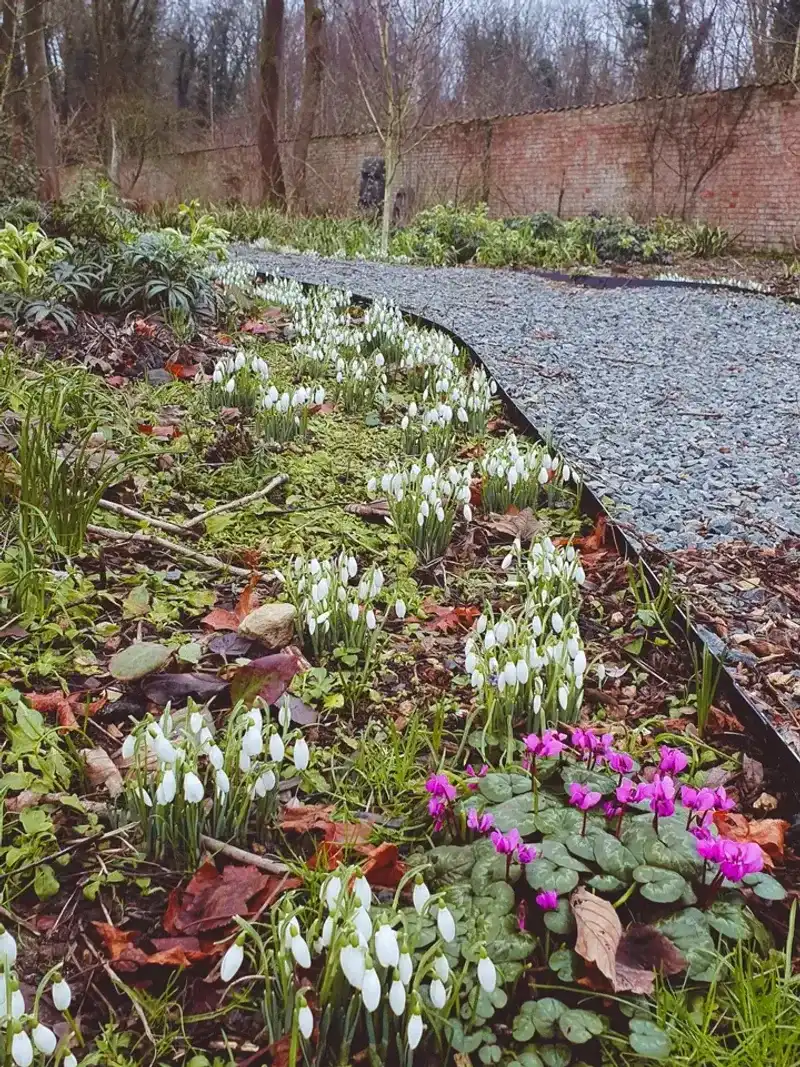
Early risers deserve recognition, and this combination delivers color when winter barely releases its grip. Snowdrops often bloom in February, sometimes pushing through snow with their nodding white bells.
Hardy cyclamen follows in March and April with swept-back pink or white flowers above beautifully marbled leaves.
Both plants grow from bulbs or tubers and naturalize well in Oregon gardens. Plant snowdrop bulbs 3 inches deep and 3 inches apart in fall.
Cyclamen corms sit just below the soil surface, spaced 6 inches apart. Both prefer well-draining soil and partial to full shade.
Snowdrops multiply over time, forming expanding colonies that signal spring’s approach. Cyclamen foliage emerges in fall and persists through winter and spring, going dormant in summer.
The marbled leaves provide interest even when flowers aren’t present. Together, they create early season interest when most gardens look dormant.
This pairing suits planting beneath deciduous trees or shrubs where they receive winter and spring moisture but summer shade and dryness. Both tolerate Oregon’s varied climate zones from coast to inland valleys.
The low-growing habit makes them perfect for edging shaded paths or naturalizing in woodland settings.
10. Fuchsia And Epimedium
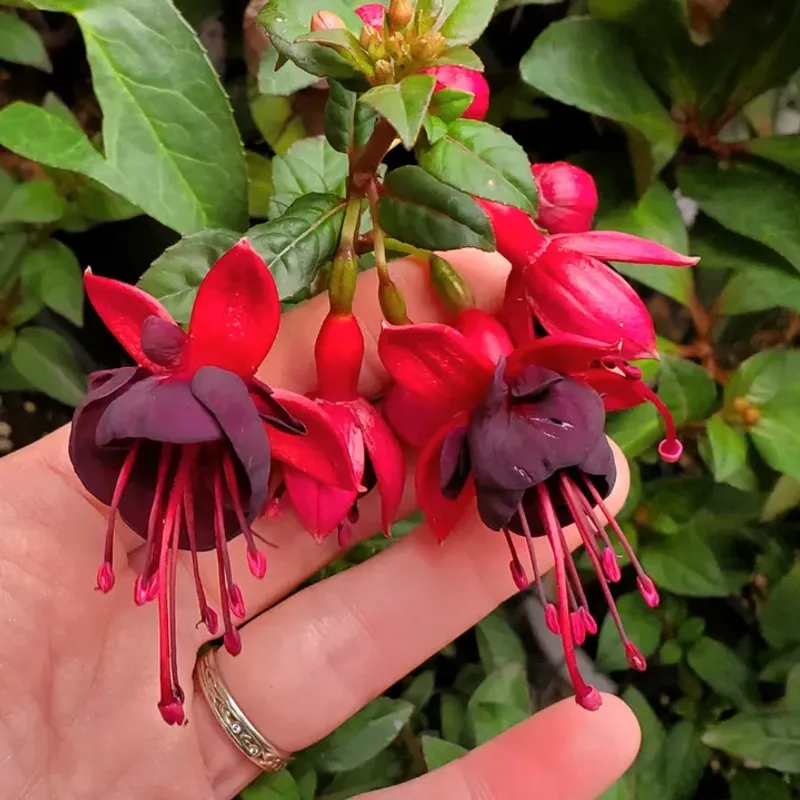
Fuchsias bring tropical flair to Oregon shade gardens, their dangling flowers blooming from late spring through fall.
Hardy varieties survive Oregon winters and pair beautifully with epimedium, a groundcover with delicate spring flowers and attractive foliage that persists year-round.
The combination offers vertical interest from fuchsia with low-level coverage from epimedium.
Hardy fuchsias like ‘Magellanica’ grow 2 to 4 feet tall depending on variety and winter severity. Plant them 2 to 3 feet apart in partial shade with rich, moist soil.
Epimedium forms spreading clumps 8 to 12 inches tall, spaced 12 inches apart. Both appreciate Oregon’s cool, moist conditions.
Epimedium blooms in April and May with small, intricate flowers in yellow, pink, orange, or white before fuchsia flowers appear. As epimedium blooms fade, fuchsias take over, providing color through summer and into fall.
The epimedium’s heart-shaped leaves develop bronze or red tones in spring and fall.
Hummingbirds visit fuchsia flowers regularly, making this combination wildlife-friendly. Both plants tolerate dry shade once established but look better with occasional summer watering.
The pairing works in borders, under trees, or in containers, offering extended bloom time and textural contrast throughout the growing season.