These Are The Best Winter Bulbs To Grow Indoors In Pennsylvania
Winter in Pennsylvania can feel long and gray, especially when your garden is buried under snow. That is exactly why growing winter bulbs indoors has become such a popular project for local gardeners.
With the right bulbs and a little patience, you can enjoy fresh blooms, bright color, and even sweet fragrance right in the middle of the coldest months. Indoor bulbs bring life to windowsills, kitchen counters, and dining tables when everything outside feels quiet.
Many of these bulbs are surprisingly easy to grow and do not require a greenhouse or advanced skills. From classic favorites to lesser known beauties, there are plenty of options that thrive indoors during a Pennsylvania winter.
Ready to add some cheer to your home while waiting for spring? Let’s explore the best winter bulbs to grow indoors and why they are perfect for Pennsylvania homes this season.
1. Paperwhite Narcissus
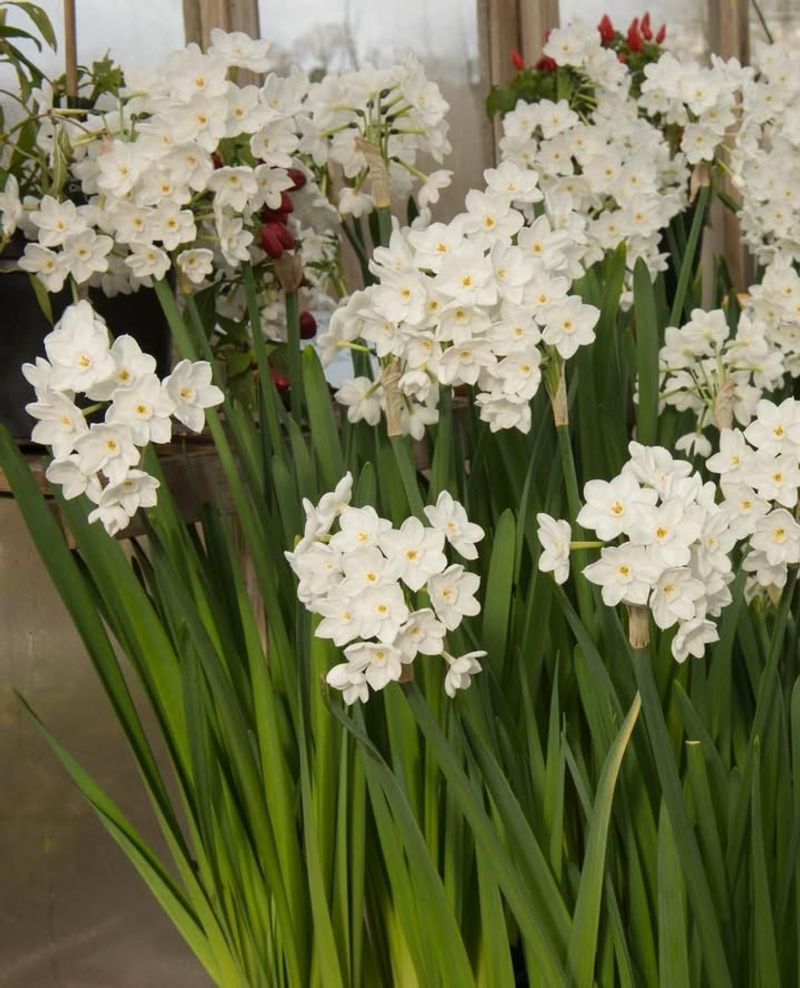
Paperwhites are probably the easiest bulbs you can grow indoors during a Pennsylvania winter. They don’t even need a cold period like many other bulbs do.
Just plant them in a shallow dish with pebbles or potting soil, add water, and watch them grow. Within three to four weeks, you’ll have stunning white flowers that fill your room with a sweet, strong fragrance.
These bulbs are incredibly forgiving for beginners. You can plant them in almost any container as long as it has good drainage or holds pebbles and water.
Many Pennsylvania gardeners start several pots at different times so they have continuous blooms throughout the winter months. The flowers grow on tall green stems that can reach up to 18 inches high.
Paperwhites prefer cool temperatures between 60 and 65 degrees, which matches perfectly with many Pennsylvania homes during winter. Place them in a bright window where they get plenty of indirect sunlight.
If your home gets too warm, the stems might get leggy and need staking. Keep the water level consistent, making sure the roots stay moist but the bulb itself doesn’t sit in water.
Once they bloom, the flowers usually last about two weeks. After that, the bulbs are spent and can be composted.
Many folks across Pennsylvania plant new paperwhite bulbs every few weeks from November through February to keep fresh flowers coming all winter long.
2. Amaryllis
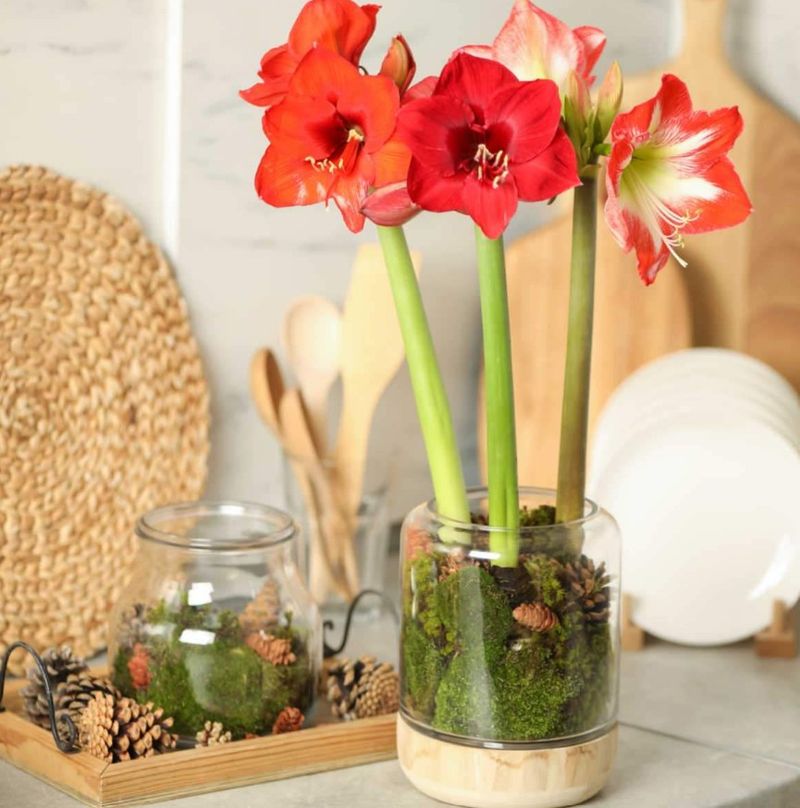
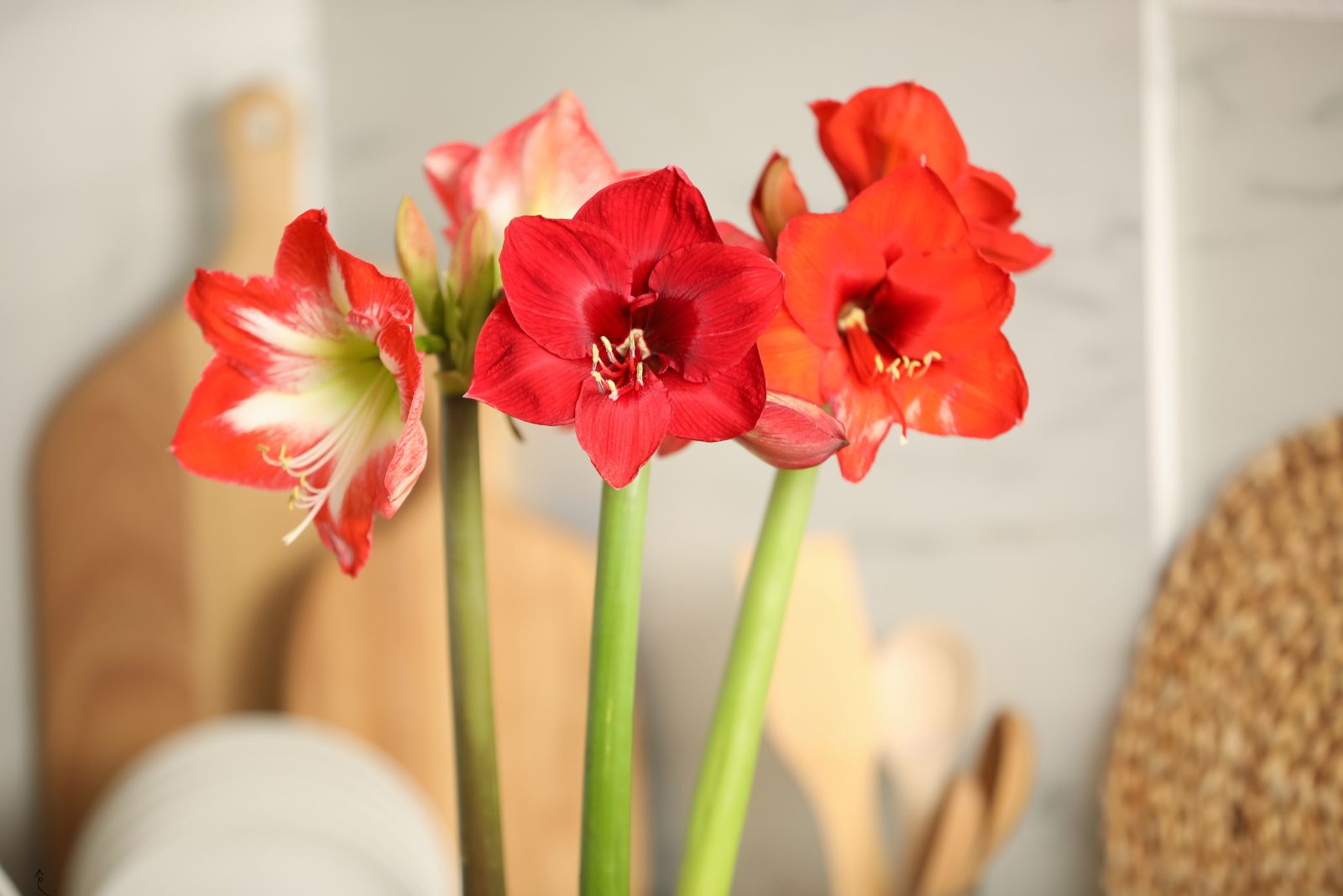
Nothing announces the arrival of indoor winter blooms quite like an amaryllis. These spectacular bulbs produce enormous flowers that can measure six to eight inches across.
They come in shades of red, white, pink, orange, and even striped varieties. Each bulb typically sends up one or two thick stems, and each stem can hold multiple massive blooms that look almost too big to be real.
Amaryllis bulbs are surprisingly simple to grow in Pennsylvania homes. Plant them in a pot that’s just slightly larger than the bulb itself, leaving about one-third of the bulb above the soil line.
Water it well after planting, then wait for growth to appear before watering again. Too much water before the stem emerges can cause the bulb to rot.
Your Pennsylvania Garden Changes Every Week. Your Plan Should Too.
Gardening in Pennsylvania changes quickly throughout the season. Every Friday you’ll receive a simple weekly plan showing exactly what to plant, prune, fertilize, harvest, and protect so you never miss the right timing.
These bulbs love warmth and bright light. Place your amaryllis near a sunny window in a room that stays around 68 to 70 degrees.
You’ll see growth within two to eight weeks depending on the variety and conditions. Turn the pot regularly so the stem grows straight instead of leaning toward the light.
Many Pennsylvania gardeners treasure their amaryllis bulbs and save them year after year. After blooming, cut off the flower stem but let the leaves grow. Feed the plant regularly and keep it in a sunny spot.
With proper care, you can force the same bulb to bloom again next winter, making it a worthwhile investment for your indoor garden.
3. Hyacinth
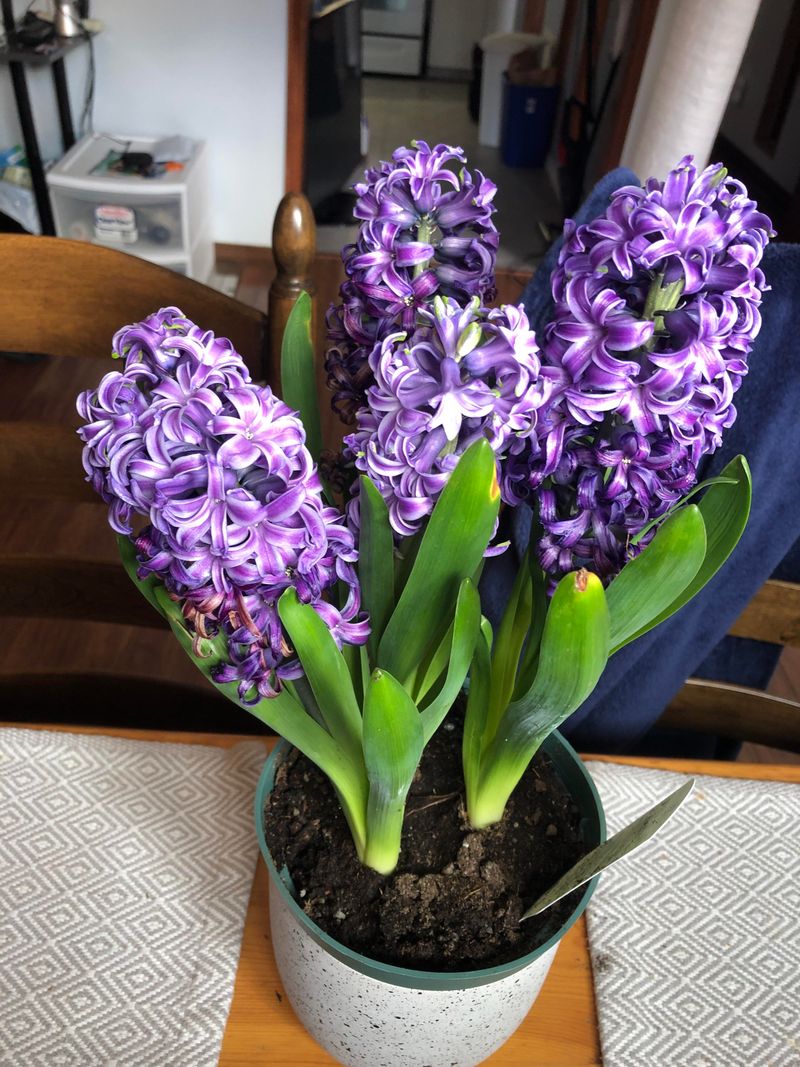
Hyacinths bring an incredible fragrance to Pennsylvania homes during the dreary winter months. Just one bulb can perfume an entire room with its sweet, heady scent.
These bulbs produce dense spikes of small, star-shaped flowers in colors ranging from deep purple and pink to white, yellow, and blue. Each spike holds dozens of tiny blooms packed tightly together on a sturdy stem.
Growing hyacinths indoors requires a bit more planning than paperwhites because they need a cold period first. You can buy pre-chilled bulbs from garden centers, or you can chill them yourself in your refrigerator for about 12 to 14 weeks.
Once chilled, plant them in pots with good potting soil or use special forcing vases that hold the bulb above water so only the roots get wet.
After planting, place your hyacinths in a cool, dark spot for a few weeks until roots develop and shoots appear. Then move them to a bright, cool location in your Pennsylvania home.
They prefer temperatures between 60 and 65 degrees, which helps the flowers last longer. Too much heat will cause them to bloom quickly and fade fast.
The blooms typically last about two weeks, and the fragrance is strongest during the first week. Many people across Pennsylvania plant several bulbs together in a shallow bowl for a more dramatic display.
After flowering, you can plant spent hyacinth bulbs outdoors in your garden where they may bloom again in future springs.
4. Crocus
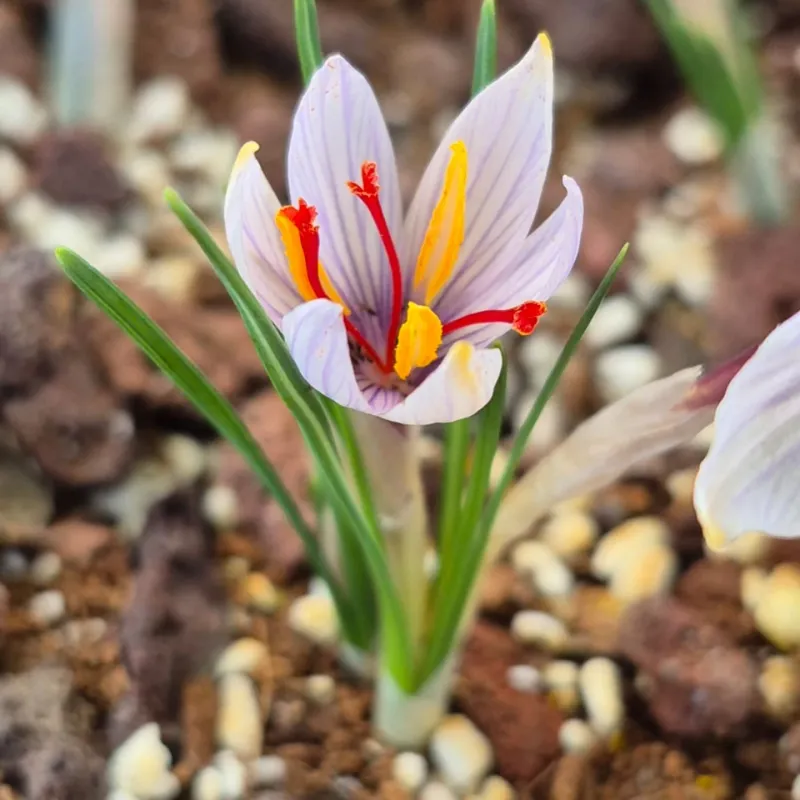
Crocuses are small but mighty when it comes to brightening up a Pennsylvania winter. These cheerful little bulbs produce cup-shaped flowers in shades of purple, yellow, white, and striped combinations.
They’re much smaller than amaryllis or hyacinths, but what they lack in size they make up for in charm. Their delicate blooms and grass-like foliage bring a touch of early spring indoors when it’s still freezing outside.
Like hyacinths, crocuses need a cold period before they’ll bloom indoors. You can buy pre-chilled bulbs or chill them yourself in the refrigerator for 8 to 12 weeks.
Plant several bulbs close together in a shallow pot filled with well-draining potting mix. They look best when planted in groups rather than individually because their small size makes more impact in clusters.
After planting, keep the pot in a cool, dark place until you see green shoots poking through the soil. Then move it to a bright, cool spot in your home.
Crocuses prefer cooler temperatures, ideally between 60 and 65 degrees, which suits many Pennsylvania homes perfectly during winter. Water them regularly but don’t let the soil get soggy.
The flowers usually appear about two to three weeks after you bring them into the light. Each bulb produces one to three blooms that last about a week.
Many Pennsylvania gardeners plant multiple pots at staggered intervals to enjoy crocus blooms throughout January and February.
After they finish flowering, you can plant the bulbs outside in your garden for future spring displays.
5. Tulips
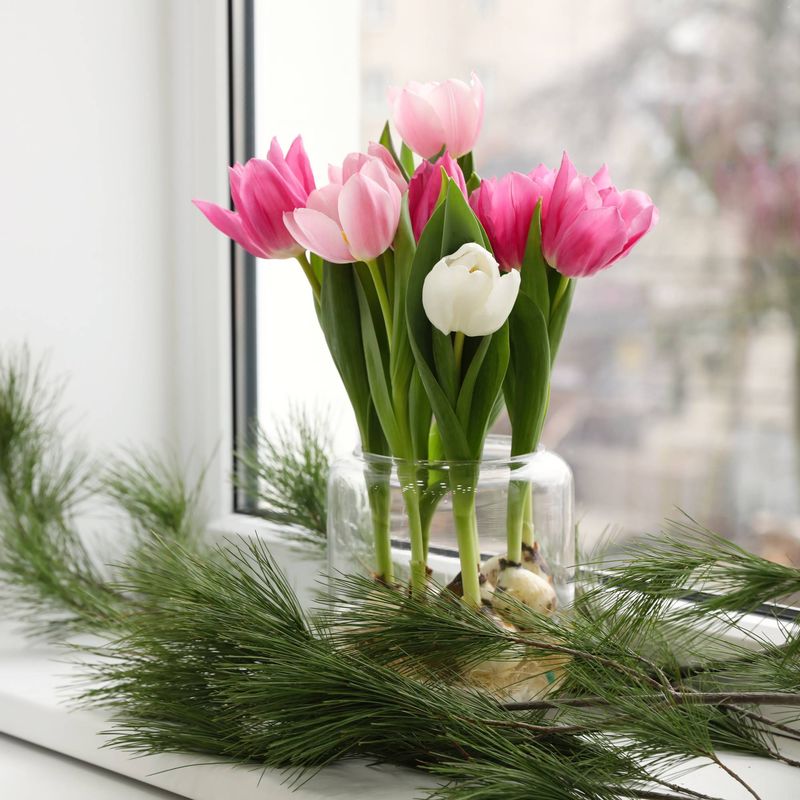
Tulips aren’t just for outdoor spring gardens. You can enjoy these classic beauties indoors during Pennsylvania’s cold winter months with a little advance preparation.
Indoor tulips bring bold color and elegant form to any room. They come in nearly every color imaginable, from soft pastels to vibrant reds, and even dramatic black varieties. Their simple, graceful shape makes them timeless favorites.
Forcing tulips indoors takes some patience because they need a lengthy cold period. Most varieties require 12 to 16 weeks of chilling before they’ll bloom.
You can buy pre-chilled bulbs from nurseries, which saves you time and effort. Otherwise, store your bulbs in paper bags in the refrigerator for the required period. Keep them away from ripening fruit, which releases gases that can damage the bulbs.
Once chilled, plant your tulip bulbs in pots with their pointed ends up, spacing them close together for a fuller display. Cover them with soil so just the tips show.
Water them well and place the pot in a cool, dark location until shoots appear. When you see about two inches of green growth, move the pot to a bright, cool spot in your Pennsylvania home.
Tulips prefer cooler temperatures around 60 to 65 degrees while blooming. Warmer rooms will cause them to open quickly and fade faster. With proper care, indoor tulips bloom for about one to two weeks.
Many people across Pennsylvania force tulips for special occasions like Valentine’s Day or to chase away the winter blues during the darkest months.
6. Daffodils
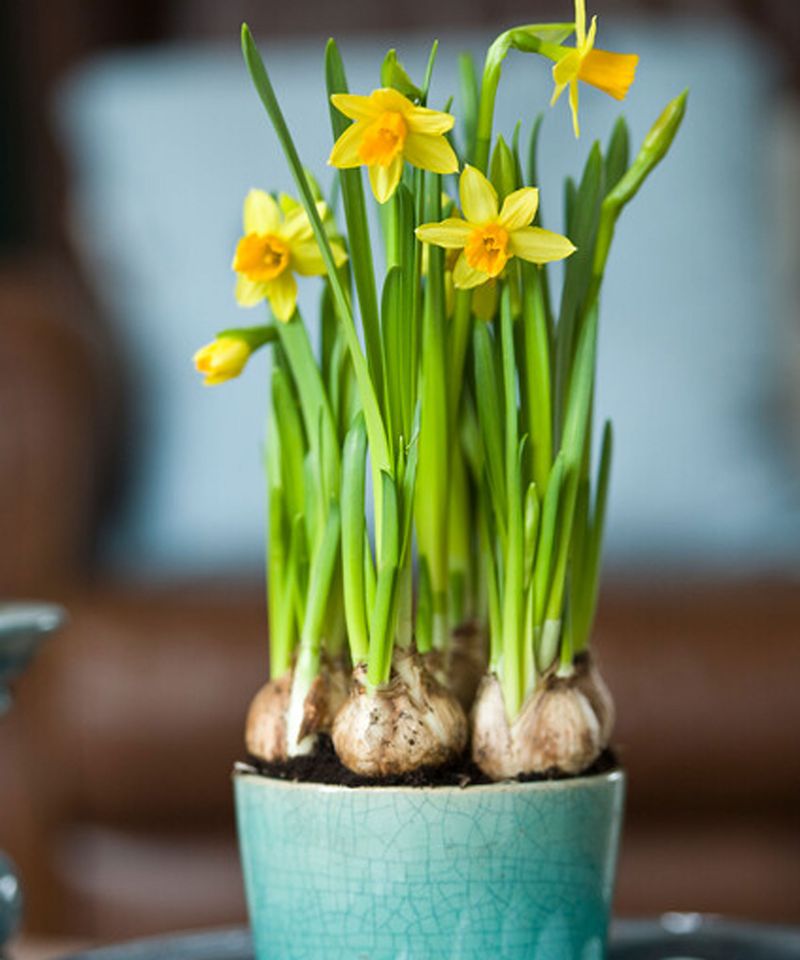
Daffodils represent hope and new beginnings, making them perfect companions during long Pennsylvania winters. These cheerful bulbs produce bright yellow, white, or bicolor flowers with distinctive trumpet-shaped centers.
They’re incredibly reliable bloomers and bring sunshine into your home when the weather outside is anything but sunny. Miniature varieties work especially well for indoor forcing and take up less space than their full-sized cousins.
Most daffodil varieties need a cold treatment before they’ll bloom indoors. Plan for about 12 to 16 weeks of chilling time in your refrigerator, or purchase bulbs that have already been pre-chilled.
Plant them in pots with the pointed end facing up, leaving the tops slightly exposed above the soil. You can pack them fairly close together for a more impressive display when they bloom.
After planting, store the pots in a cool, dark place until you see green shoots emerging. This usually takes several weeks.
Once the shoots are about two inches tall, bring the pots into a bright, cool room in your Pennsylvania home. Daffodils appreciate temperatures between 60 and 65 degrees, which helps their blooms last longer.
Water your daffodils regularly, keeping the soil moist but never waterlogged. The flowers typically appear three to four weeks after you bring them into the light.
Each bulb produces one or two stems, and each stem holds one or more flowers. The blooms usually last about two weeks indoors.
After flowering, you can transplant the bulbs to your outdoor garden where they’ll naturalize and return each spring for years to come.
7. Grape Hyacinth
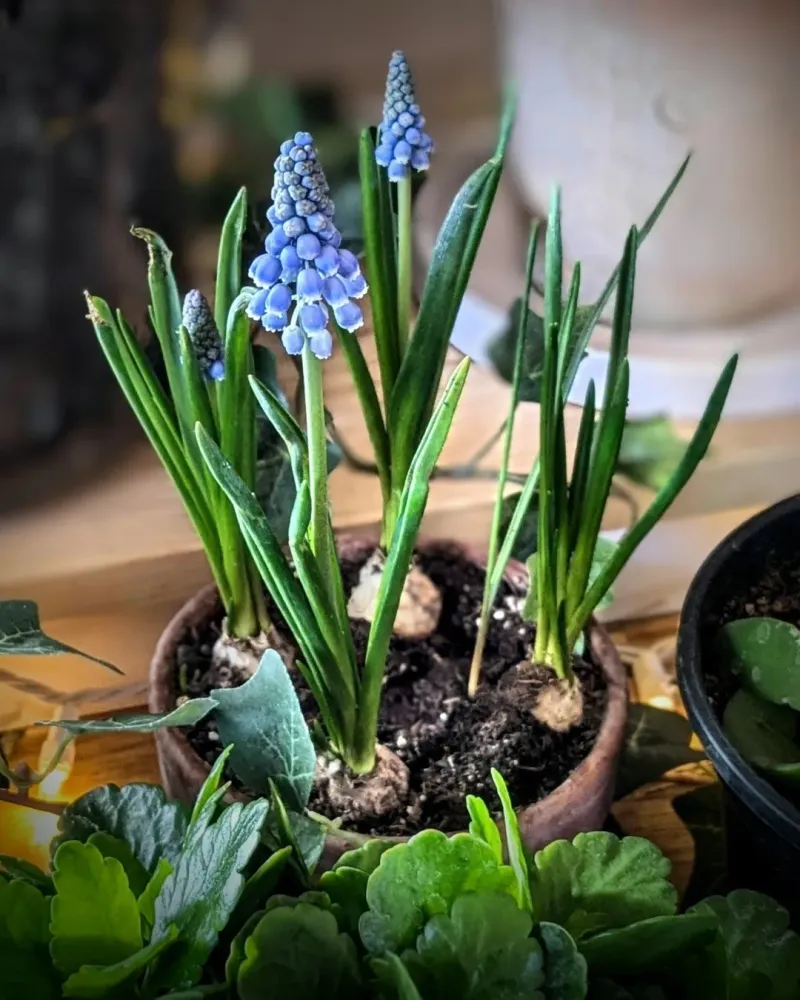
Grape hyacinths might be tiny, but they pack a powerful punch of color and charm. These adorable bulbs produce dense spikes of small, bell-shaped flowers that look like tiny clusters of grapes.
Most varieties bloom in shades of deep blue or purple, though white forms also exist. Their compact size makes them ideal for small spaces, and their sweet, subtle fragrance adds a pleasant touch without overwhelming your Pennsylvania home.
These little bulbs need chilling just like regular hyacinths and crocuses. Give them 8 to 12 weeks in the refrigerator, or buy pre-chilled bulbs to skip this step.
Plant them close together in shallow pots or bowls because they look best in groups. Their small stature means you can fit quite a few bulbs in one container for a fuller, more dramatic effect.
After planting, keep the pots in a cool, dark location until green shoots appear. Then move them to a bright, cool spot where they’ll receive plenty of indirect light.
Grape hyacinths prefer cooler temperatures, making them well-suited to Pennsylvania homes during winter. They’re not fussy about conditions and tolerate a wider temperature range than some other forced bulbs.
The flowers emerge about two to three weeks after you bring them into the light. Each bulb sends up one or two short stems covered in tiny blooms.
The flowers last about a week indoors. Many Pennsylvania gardeners plant several containers at different times to extend the blooming period throughout winter.
After they finish flowering, you can plant grape hyacinths outside where they’ll multiply and naturalize beautifully in your garden.