How Pennsylvania Gardeners Get Amaryllis To Bloom Indoors
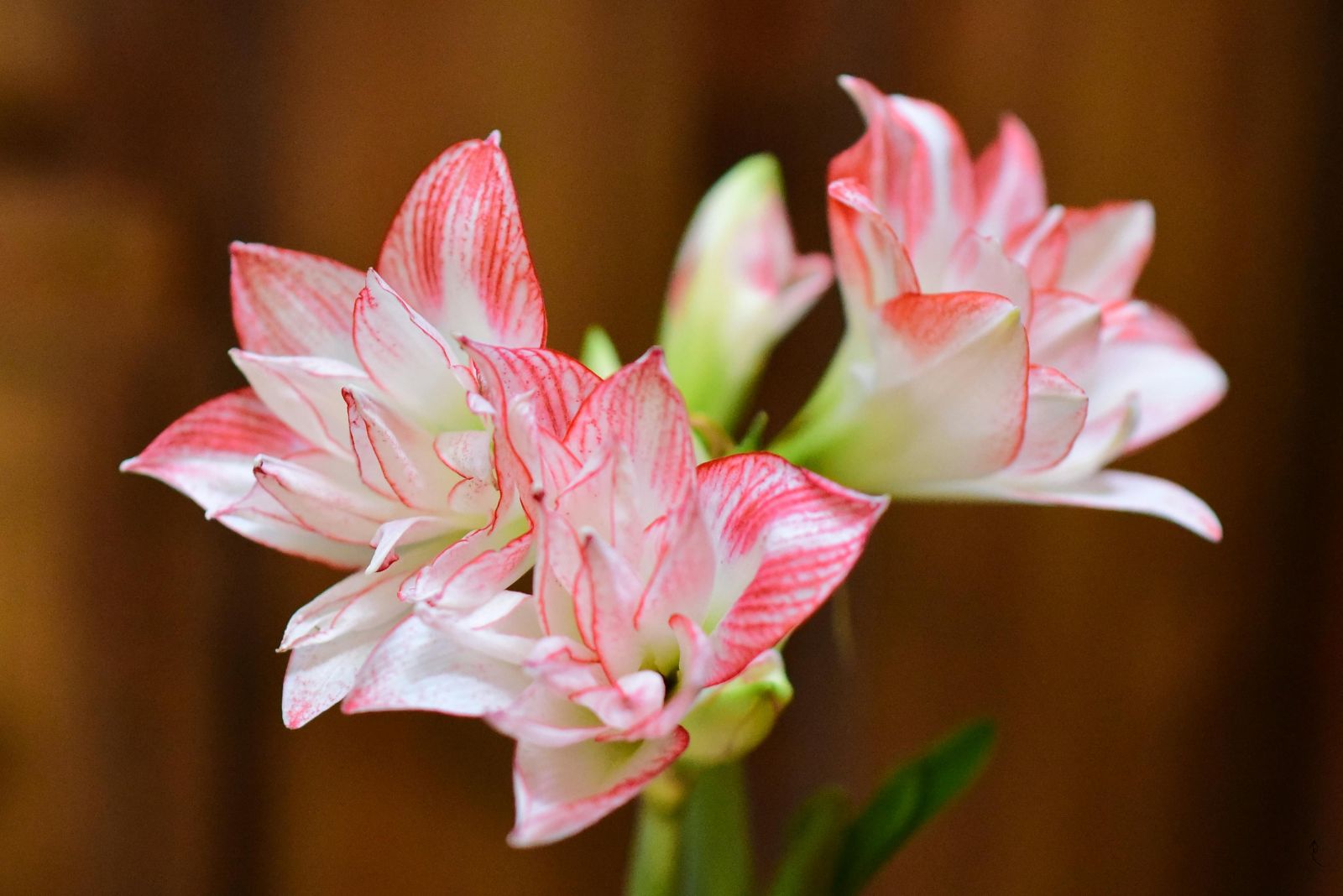
Pennsylvania winters can feel long and gray, but there is a bright spot that many gardeners look forward to each year. Amaryllis bulbs bring stunning tropical flowers right into your home when the world outside is covered in snow.
These bold blooms come in shades of red, white, pink, and even striped patterns that can light up any room.
Getting them to flower indoors might seem tricky at first, but gardeners across Pennsylvania have figured out some reliable methods that work every single time.
Whether you live in Philadelphia, Pittsburgh, or somewhere in the countryside, these techniques can help you enjoy magnificent amaryllis flowers all winter long. The best part is that you do not need a greenhouse or fancy equipment to make it happen.
With just a little planning and some basic care, your amaryllis bulbs will reward you with blooms that can reach up to ten inches across.
Many Pennsylvania families have turned amaryllis growing into a beloved winter tradition that brings color and joy during the coldest months.
1. Choose High-Quality Bulbs From Trusted Pennsylvania Garden Centers
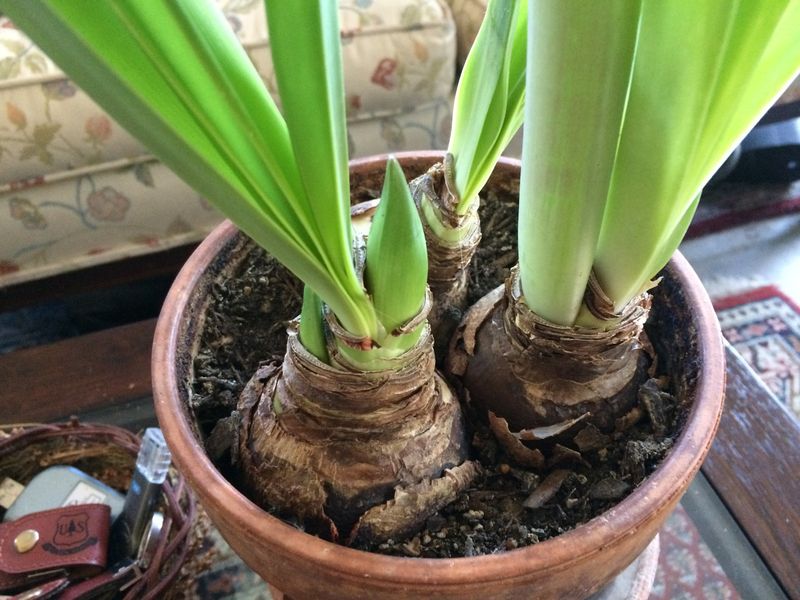
Walking into a local garden center in Pennsylvania during late fall reveals rows of amaryllis bulbs waiting for their new homes. The size of the bulb matters more than most people realize when it comes to getting impressive blooms.
Larger bulbs that measure at least three inches across typically contain more stored energy, which means they can produce multiple flower stalks instead of just one.
Garden centers throughout Pennsylvania usually stock their amaryllis bulbs starting in October and continuing through December. Staff members at these locations can often tell you which varieties perform best in our climate and which colors are most popular.
Some bulbs come pre-planted in decorative containers, while others are sold bare so you can choose your own pot.
Feel the bulb before you buy it to make sure it feels firm and heavy for its size. Soft spots or visible mold indicate problems that will prevent good blooming later on.
The outer papery skin should be intact, though some peeling is normal and nothing to worry about.
Pennsylvania gardeners often find that locally purchased bulbs are fresher than those ordered online because they have not spent days in shipping. Fresh bulbs tend to sprout faster and produce stronger stems.
Many garden centers also offer advice specific to Pennsylvania growing conditions, which can be incredibly helpful for first-time amaryllis growers.
Consider buying a few different varieties to extend your blooming season throughout the winter months. Some amaryllis types flower earlier than others, so you can have continuous color from December through March.
This strategy has become popular among Pennsylvania gardeners who want to enjoy blooms for as long as possible during our cold season.
2. Plant Bulbs In Well-Draining Potting Mix With Proper Depth
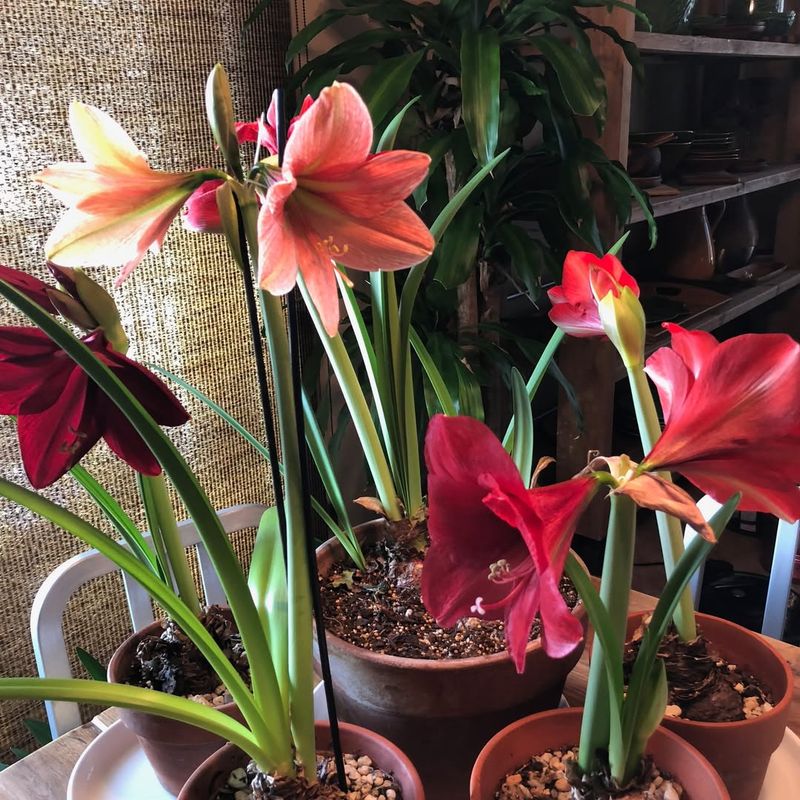
Getting the planting depth right makes a huge difference in how well your amaryllis performs indoors. The bulb should sit in the pot with about one-third to one-half of it sticking up above the soil line.
Your Pennsylvania Garden Changes Every Week. Your Plan Should Too.
Gardening in Pennsylvania changes quickly throughout the season. Every Friday you’ll receive a simple weekly plan showing exactly what to plant, prune, fertilize, harvest, and protect so you never miss the right timing.
Burying it too deep can lead to rot problems, especially in Pennsylvania homes where indoor heating can create unpredictable moisture levels.
Use a potting mix that drains well rather than heavy garden soil from outside. Many Pennsylvania gardeners mix regular potting soil with perlite or sand to improve drainage even more.
The container itself needs drainage holes at the bottom because amaryllis bulbs cannot tolerate sitting in water.
Choose a pot that gives the bulb about two inches of space on all sides. A pot that is too large holds excess moisture that the roots cannot use quickly enough.
Clay pots work especially well because they allow air movement through the sides, but plastic containers are fine too as long as drainage is good.
Press the soil firmly around the bulb after planting to eliminate air pockets that could dry out the roots. Water thoroughly right after planting until moisture runs out the drainage holes.
Then wait until you see new growth before watering again, which usually takes about two weeks.
Pennsylvania gardeners have learned that room temperature potting mix works better than cold mix straight from an unheated garage. Cold soil can shock the bulb and delay sprouting.
Let your potting supplies warm up indoors for a day before planting if they have been stored in a cold space.
Label your pots with the planting date and variety name if you are growing multiple bulbs. This helps you track which varieties bloom when and how long each one takes from planting to flowering in your specific Pennsylvania home environment.
3. Provide Bright Indirect Light Near South-Facing Windows
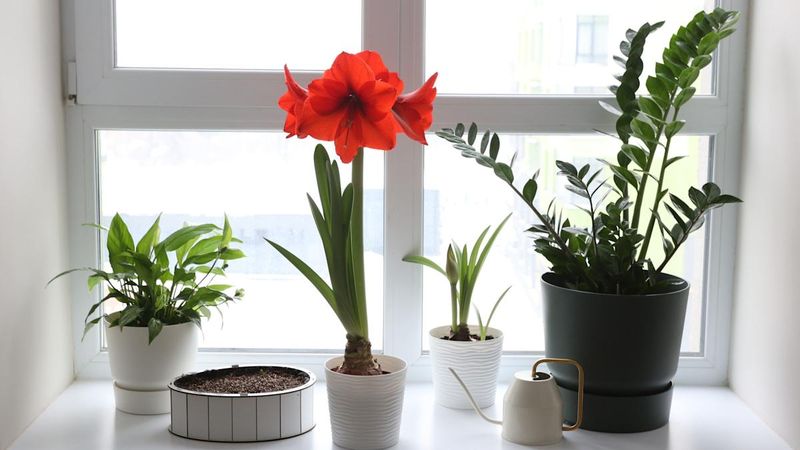
Light plays a critical role in triggering amaryllis blooms and keeping the flower stalks growing straight and strong. South-facing windows in Pennsylvania homes provide the brightest natural light during winter months when the sun stays low in the sky.
Placing your amaryllis within three feet of such a window gives it the energy it needs without the harsh direct sun that could overheat the leaves.
Amaryllis plants naturally lean toward their light source, so rotating the pot a quarter turn every few days keeps the stem growing upright. This simple habit prevents the dramatic tilting that happens when one side gets more light than the other.
Pennsylvania gardeners who forget to rotate often end up with flower stalks that bend at odd angles.
East or west windows work as backup options if you do not have a south-facing spot available. The key is avoiding dark corners or rooms that only get artificial light.
While amaryllis can tolerate lower light, blooms may be smaller and stems might grow weaker and need staking.
Watch for signs that your amaryllis is getting too much direct sun, such as leaves that look pale or bleached. Moving the pot back from the window by just a foot can solve this problem.
Pennsylvania winter sun is usually not intense enough to cause damage, but sunny days in late winter can be surprisingly strong.
Some Pennsylvania homes have limited natural light during winter, especially on the north side or in rooms with small windows.
Supplementing with a grow light for a few hours each day can help your amaryllis develop properly. Position the light about twelve inches above the plant and run it for six to eight hours daily.
4. Maintain Consistent Indoor Temperatures Between 68-75 Degrees
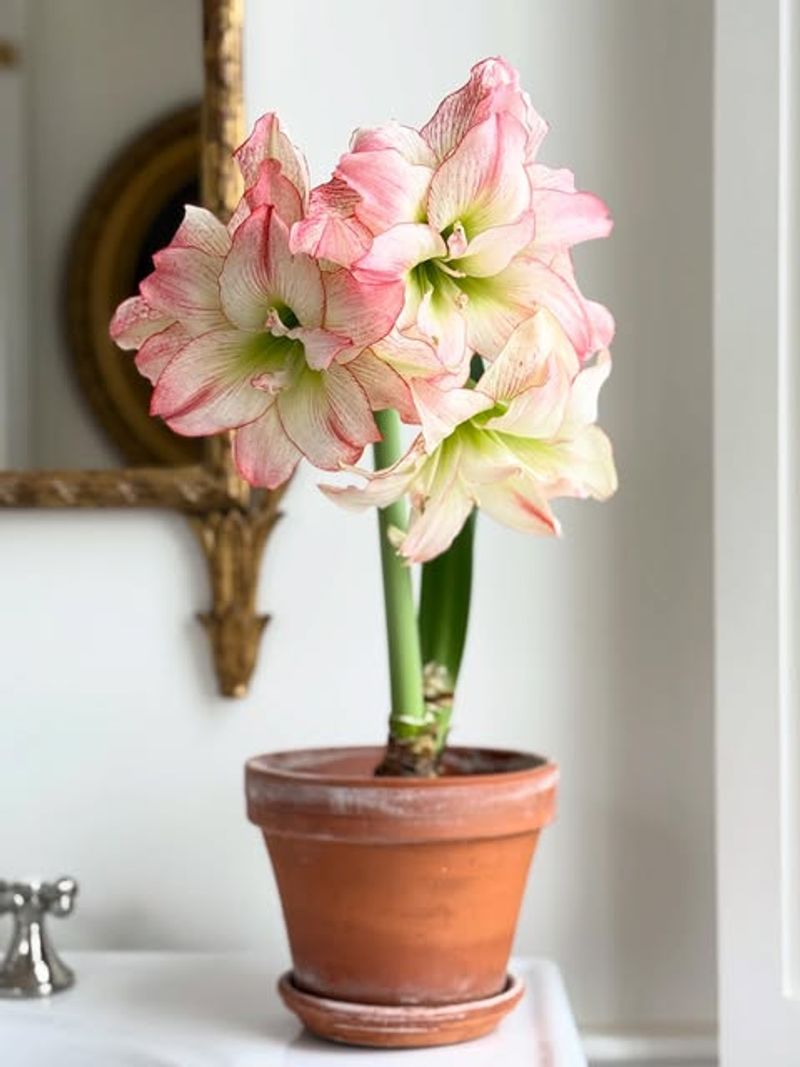
Temperature stability matters tremendously when growing amaryllis indoors during Pennsylvania winters. These bulbs originated in tropical regions and prefer warmth that mimics their natural habitat.
Keeping your home between 68 and 75 degrees Fahrenheit creates ideal conditions for steady growth and vibrant blooms that last longer.
Avoid placing amaryllis pots near heating vents, radiators, or woodstoves where temperature swings can stress the plant. Sudden heat blasts dry out the soil too quickly and can cause buds to drop before opening.
Pennsylvania homes with forced-air heating systems need extra attention to keep amaryllis away from direct airflow.
Cold drafts from windows or exterior doors can slow growth dramatically or even stop it completely for a while. If your windowsill gets chilly at night when temperatures drop outside, move the pot to a warmer spot after sunset.
Bringing it back to the window each morning maintains the light exposure without the overnight cold stress.
Room temperature also affects how quickly your amaryllis will bloom after planting. Warmer conditions speed up the process, while cooler temperatures slow it down.
Pennsylvania gardeners sometimes use this to their advantage by adjusting placement to time blooms for specific holidays or events.
Basements and unheated sunrooms are too cold for amaryllis during winter months, even though these spaces might seem bright enough. The combination of light and warmth together produces the best results.
Most Pennsylvania homes naturally maintain good temperatures in main living areas where people spend time.
Check the temperature in different rooms if you are not sure where to place your amaryllis. A simple thermometer can reveal surprising variations between spaces.
Consistent warmth without extreme highs or lows gives you the most reliable blooming success year after year.
5. Water Sparingly Until Growth Appears Then Increase Gradually
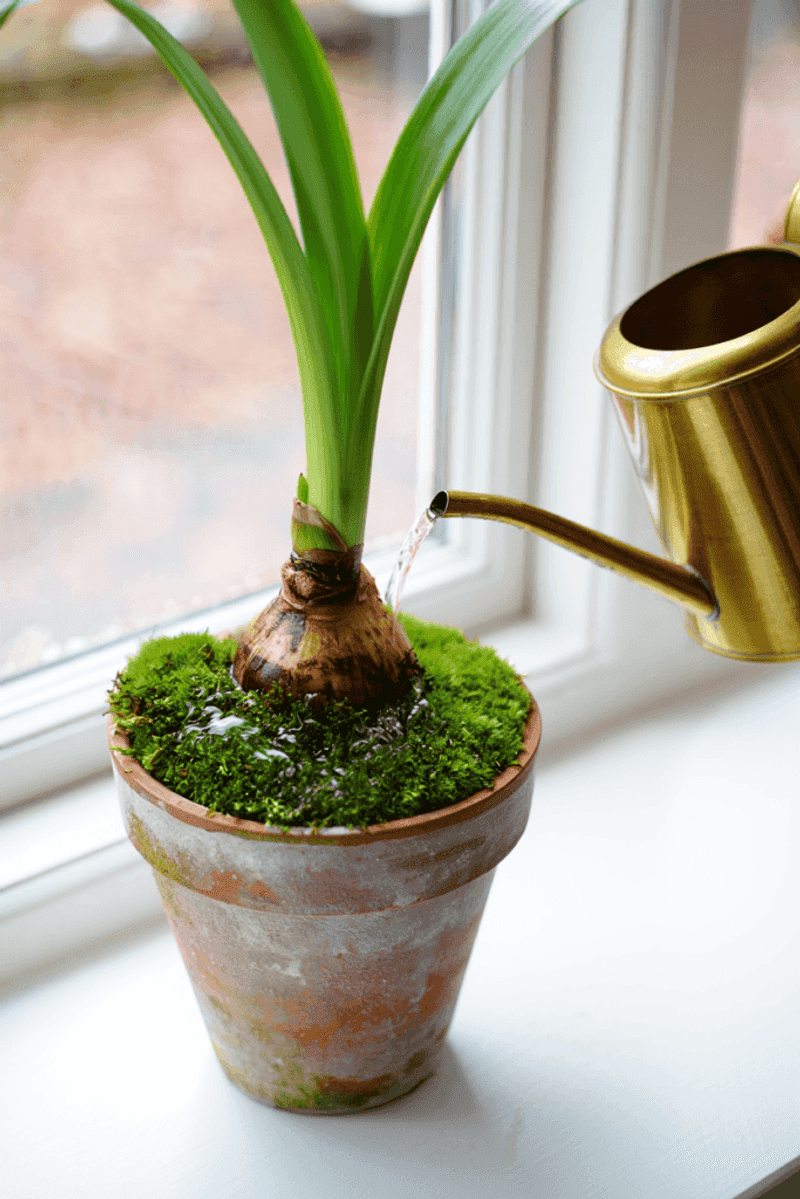
Watering technique separates successful amaryllis growers from those who struggle with rot or poor blooming. Right after planting, give the bulb one thorough watering and then wait patiently for signs of life.
This initial period can test your patience, but resist the urge to water again until you see green growth poking up from the bulb top.
Once that first shoot appears, begin watering whenever the top inch of soil feels dry to your touch. Pennsylvania indoor air tends to be quite dry during heating season, so checking every few days makes sense.
Pour water around the edge of the pot rather than directly on the bulb to prevent rot at the base.
As the flower stalk grows taller and leaves emerge, the plant needs more frequent watering to support all that growth.
You might find yourself watering twice a week or even more often once blooms open. The key is keeping soil evenly moist but never soggy or waterlogged.
Many Pennsylvania gardeners set their amaryllis pots in saucers to catch excess water, but this creates a trap if you are not careful.
Empty the saucer about thirty minutes after watering so the pot does not sit in standing water. This extra step prevents root problems that can ruin an otherwise healthy bulb.
Water temperature matters more than most people realize when caring for tropical bulbs like amaryllis. Cold water straight from Pennsylvania taps during winter can shock the roots.
Let water sit out for an hour to reach room temperature, or mix cold tap water with a little warm water before applying it to your plants.
Reduce watering significantly after the flowers fade if you plan to save the bulb for next year. This rest period is important for the bulb to store energy for future blooms.
6. Support Tall Flower Stalks With Stakes Before Blooms Open
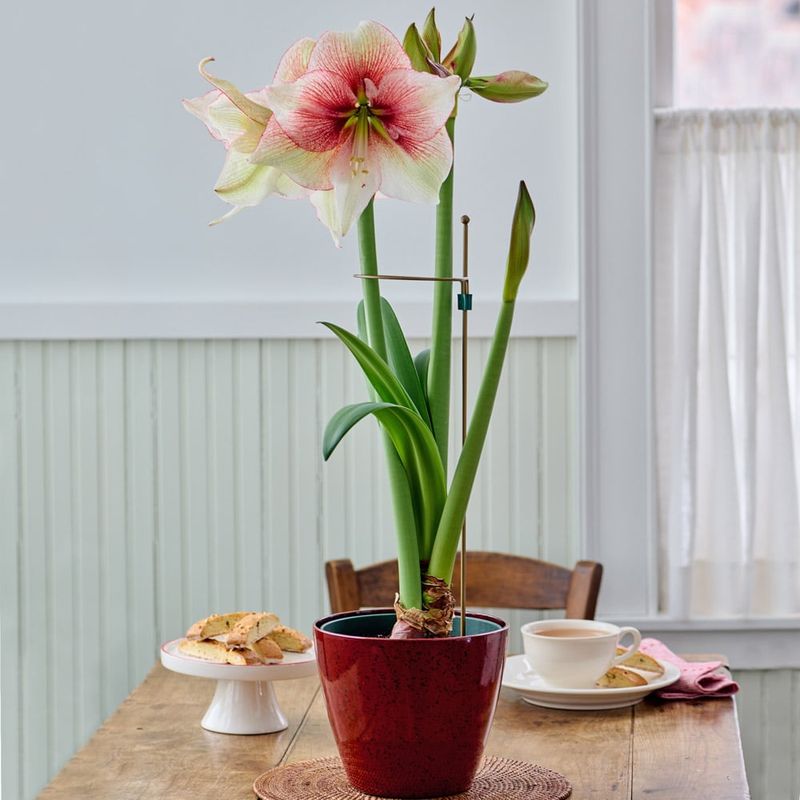
Amaryllis flower stalks can reach impressive heights of two to three feet, and those massive blooms at the top create weight that stems sometimes cannot support alone.
Pennsylvania gardeners have learned to stake their amaryllis before disaster strikes rather than after a stalk has already bent or broken. Prevention saves both the flowers and your disappointment.
Insert a bamboo stake or similar support into the pot when the flower stalk reaches about twelve inches tall. Push it into the soil near the edge of the pot, not through the bulb itself, going deep enough that it feels secure and stable.
The stake should be tall enough to support the stem all the way to just below where the buds will open.
Use soft ties like strips of fabric, plant Velcro, or special plant ties to attach the stem to the stake.
Tie loosely enough that the stem has a little room to expand as it grows but snugly enough to provide real support. Avoid wire or string that can cut into the tender stalk as it thickens.
Some amaryllis varieties naturally produce stronger stems than others, but even the sturdiest can benefit from support once buds start to swell.
Those huge trumpet-shaped flowers can measure eight to ten inches across and catch air currents in your Pennsylvania home like sails. A little support prevents toppling when someone walks by quickly or a door opens.
Check your ties every few days as the stalk grows and adjust them higher if needed. You might need two or three tie points on a very tall stalk.
The goal is keeping everything upright and attractive so you can fully enjoy those spectacular blooms.
After flowers fade, you can remove the stake if you are cutting back the stalk. If you plan to let it naturally decline, leave support in place until the stalk turns completely brown and crispy.