Spray These 8 Fruit Trees Before Bud Break In Pennsylvania
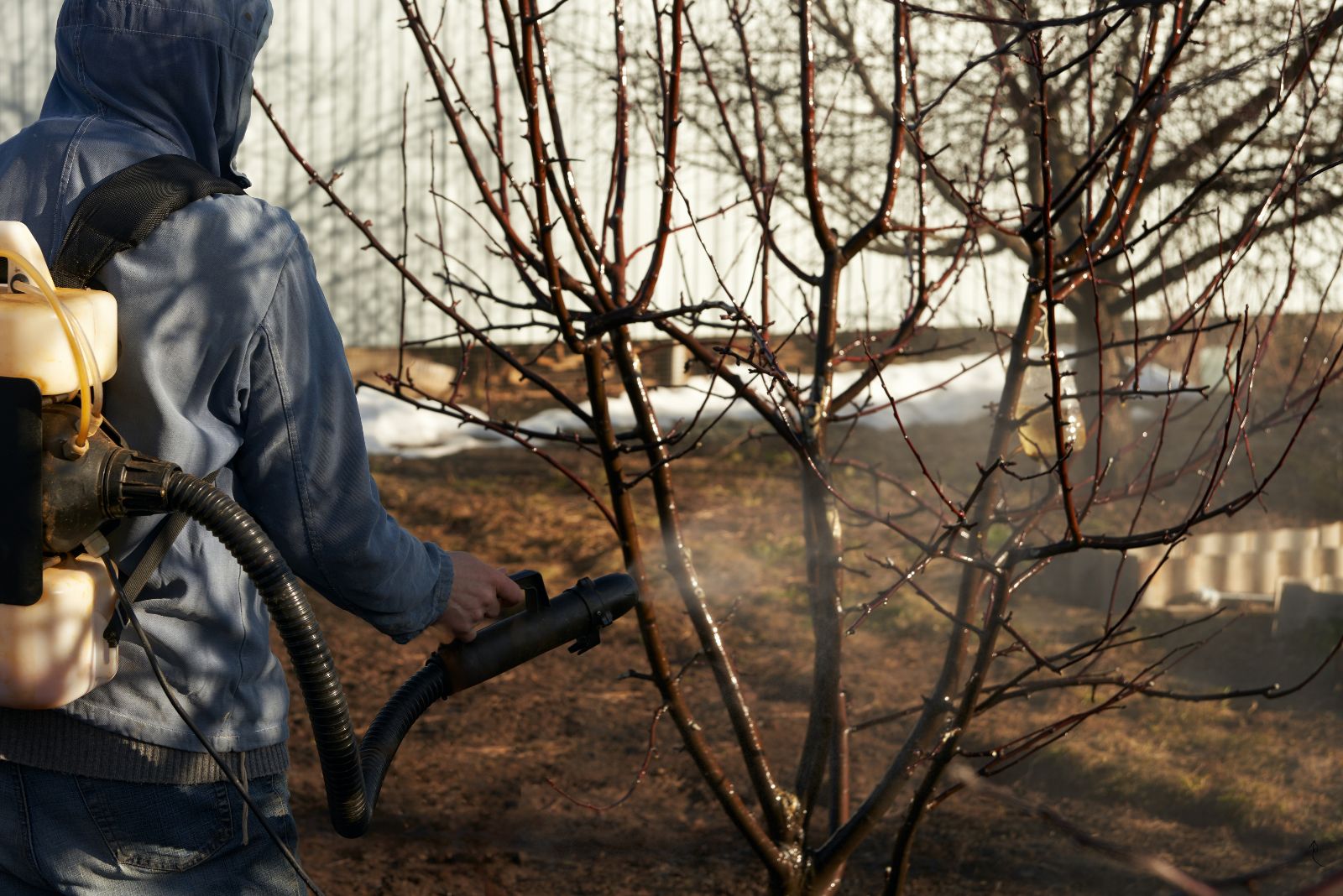
Late winter in Pennsylvania is more important for fruit trees than many gardeners realize. Before buds begin to swell and spring growth kicks in, there is a small but powerful window to protect your trees from common pests and diseases.
Missing this timing can mean dealing with damaged leaves, poor fruit, and frustrating problems later in the season. Many Pennsylvania growers rely on simple pre bud break sprays to keep their trees healthy, productive, and ready for a strong growing year.
It might sound technical, but the process is easier than you think once you know what to use and when to apply it. A little effort now can lead to better blossoms, cleaner fruit, and fewer headaches down the road.
Ready to give your fruit trees the best possible start this season? Let’s explore why spraying before bud break matters and how Pennsylvania gardeners do it successfully every year.
1. Apple Trees Need Dormant Oil And Copper Spray
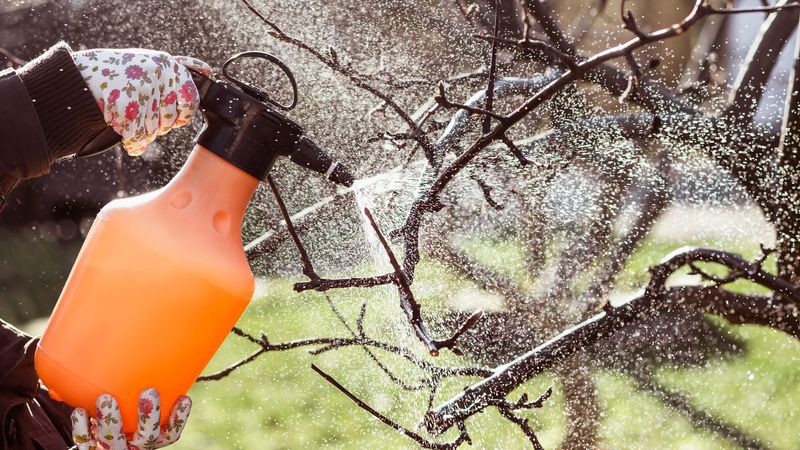
Apple trees dominate Pennsylvania orchards and backyards because they grow so well in our climate. Before those leaf buds start pushing out, your apple trees need protection from overwintering pests and fungal diseases that can ruin an entire season.
Dormant oil spray smothers insect eggs and scale insects hiding in bark crevices, while copper-based fungicides prevent apple scab and fire blight.
The timing matters more than you might think. Wait for a day when temperatures will stay above freezing for at least 24 hours, ideally when it’s between 40 and 70 degrees.
Pennsylvania weather in late February through early March usually provides these perfect windows. Mix your dormant oil according to label directions and spray every branch surface until it drips.
Apple scab is particularly troublesome across Pennsylvania, showing up as dark spots on leaves and fruit. Copper spray applied now interrupts the disease cycle before it starts.
You’ll want to coat the entire tree, including the trunk and any fallen leaves beneath that might harbor spores.
Repeat applications might be necessary if you have a history of pest problems. Many Pennsylvania apple growers do two sprays, one in late winter and another just as the buds show silver tips.
This double treatment gives excellent control without using harsh chemicals during active growth. Your apple harvest depends on this early protection, so don’t skip this essential step for your Pennsylvania trees.
2. Peach Trees Require Copper Fungicide Application
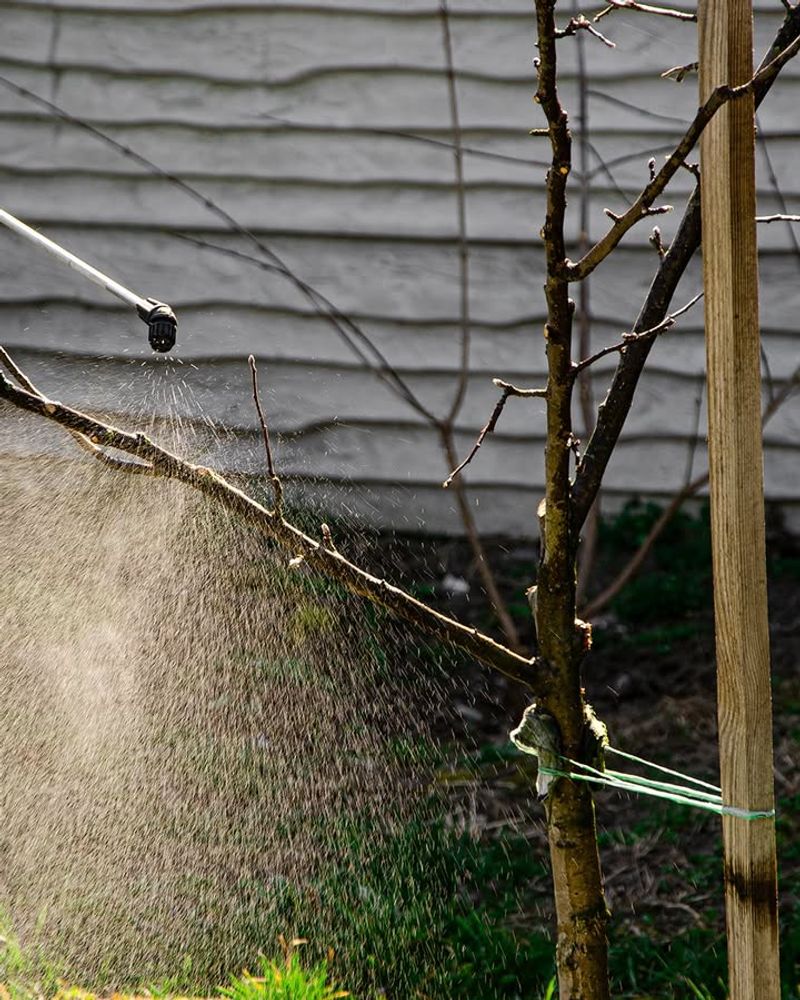
Peach trees bring sweet rewards to Pennsylvania gardeners, but they’re also magnets for fungal diseases that spread fast in our humid springs. Peach leaf curl stands out as the biggest threat, causing leaves to pucker, redden, and drop off before summer arrives.
Once you see symptoms, it’s too late to treat, which makes dormant spraying absolutely necessary.
Copper fungicide works like a shield when applied before buds swell. The copper particles stick to bark and dormant buds, preventing fungal spores from getting established.
Pennsylvania’s spring rains wash away untreated surfaces, creating perfect conditions for disease to take hold. Your spray creates a protective barrier that lasts through those critical early weeks.
Your Pennsylvania Garden Changes Every Week. Your Plan Should Too.
Gardening in Pennsylvania changes quickly throughout the season. Every Friday you’ll receive a simple weekly plan showing exactly what to plant, prune, fertilize, harvest, and protect so you never miss the right timing.
Choose a calm day without rain in the forecast for at least 24 hours after spraying. Late February or early March typically offers good opportunities across Pennsylvania.
Mix your copper fungicide carefully, following label rates exactly because too much can damage sensitive bud tissue. Spray until the entire tree glistens, paying special attention to branch crotches where moisture collects.
Brown rot is another peach enemy that overwinters in mummified fruits and cankers. Your dormant copper spray helps reduce this threat too.
Some Pennsylvania peach growers add lime sulfur to their copper spray for extra disease protection.
This combination treatment has been used successfully for generations and remains one of the most reliable methods for keeping peach trees healthy through our challenging growing season.
3. Cherry Trees Need Protection From Brown Rot
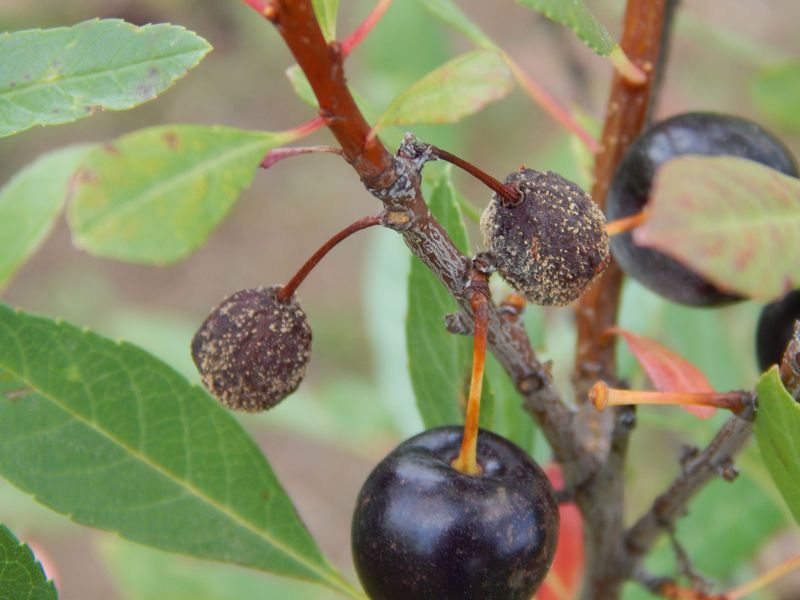
Sweet and sour cherries both struggle with brown rot in Pennsylvania’s humid climate. This fungal disease overwinters in mummified fruits clinging to branches and in cankers on bark.
Before your cherry buds start swelling, you have a chance to reduce this disease pressure significantly. Copper-based fungicides or lime sulfur sprays applied now knock down fungal spores waiting to infect new growth.
Walk around your cherry trees and remove any dried fruits still hanging from last season. These mummies contain millions of brown rot spores that will spread during spring rains.
Rake up fallen fruits and debris beneath the tree too. Sanitation combined with dormant spraying gives you the best disease control without relying on repeated chemical applications later.
Cherry trees in Pennsylvania typically need spraying in late February or early March. Choose a day with temperatures above 40 degrees and no rain forecast.
Lime sulfur works particularly well on cherries because it handles both brown rot and other fungal diseases. The spray has a strong sulfur smell that fades after a few hours, so warn your neighbors if trees are near property lines.
Black knot, another fungal disease, creates rough black swellings on cherry branches. Dormant spraying helps prevent new infections, though you should prune out existing knots during winter.
Pennsylvania cherry growers often apply two dormant sprays, one in late winter and another at bud swell stage, for maximum protection against the multiple diseases that attack these trees.
4. Pear Trees Benefit From Fire Blight Prevention
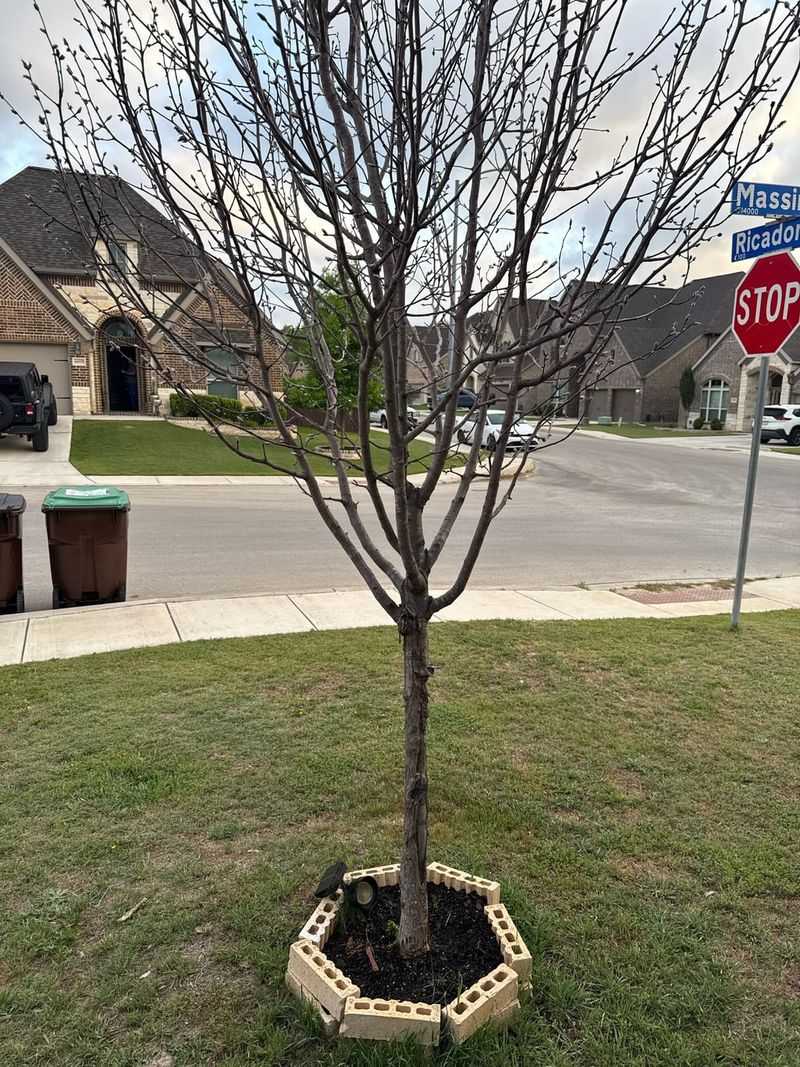
Fire blight terrorizes pear trees across Pennsylvania, turning healthy branches black as if they’ve been scorched by flames. This bacterial disease spreads rapidly during bloom time, but your defense starts now during dormancy.
Copper sprays applied before buds break reduce bacterial populations living on bark surfaces, cutting down the infection sources that explode when warm weather arrives.
Pear trees wake up slightly earlier than apples in many Pennsylvania locations, so watch your trees closely. You want to spray when buds are still tight and hard, showing no green tissue.
This usually happens in late February through mid-March depending on whether you’re in southern or northern Pennsylvania. The copper treatment works by creating an inhospitable surface for bacteria.
Examine your pear trees for any blackened shoots from last year’s fire blight infections. Prune these out before spraying, cutting at least 12 inches below visible damage into healthy wood.
Disinfect your pruning tools between cuts using a 10 percent bleach solution. This cleanup combined with copper spray dramatically reduces fire blight pressure.
Pear psylla, a tiny insect that damages leaves and spreads disease, also overwinters on bark. Dormant oil spray handles this pest effectively when applied thoroughly.
Many Pennsylvania pear growers use a combination spray containing both copper for disease and horticultural oil for insects. This dual-purpose treatment saves time and provides comprehensive protection for your pear trees heading into the growing season.
5. Plum Trees Fight Black Knot With Dormant Sprays
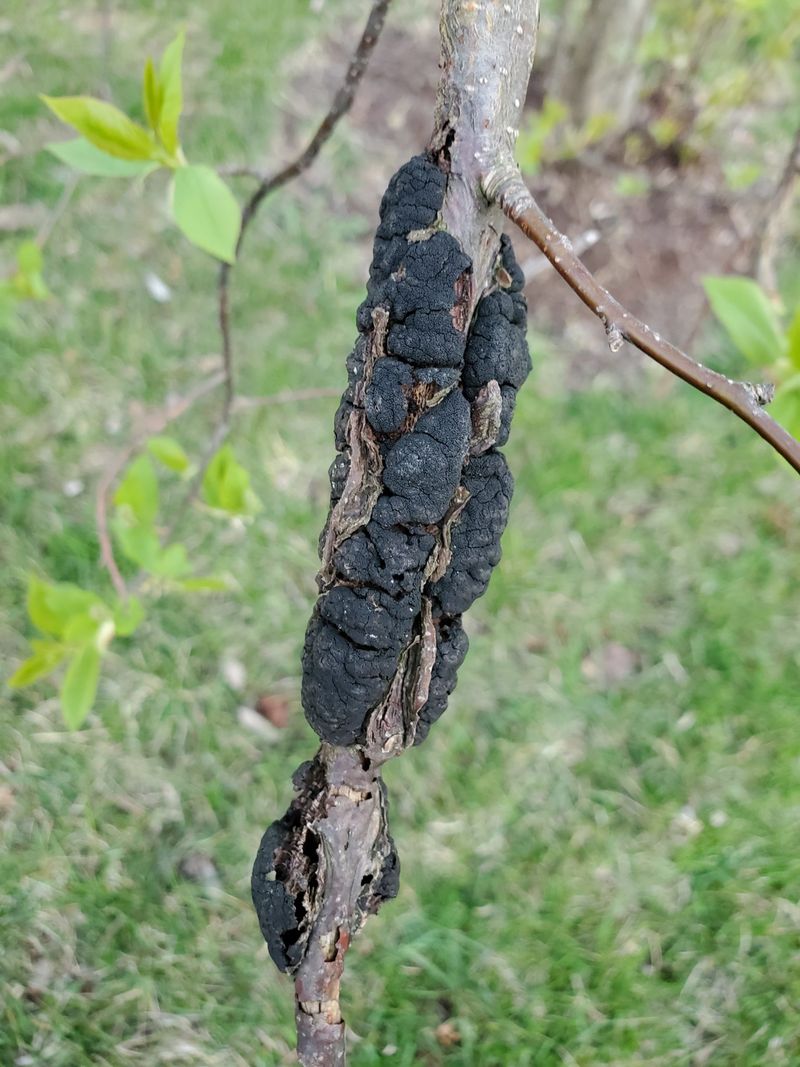
Black knot disease creates ugly black growths on plum branches that look like burnt popcorn stuck to the wood. This fungal problem spreads through Pennsylvania orchards quickly, weakening trees and reducing fruit production.
Dormant season offers your best opportunity to interrupt the disease cycle. Lime sulfur or copper sprays applied before buds open reduce fungal spores that cause new infections.
Pruning comes first with black knot management. During late winter, cut out any branches showing the characteristic black swellings, making cuts at least six inches below visible disease into clean wood.
Burn or bag these prunings rather than composting them because the fungus survives in dry wood. After pruning, spray the entire tree including the trunk with your chosen fungicide.
Pennsylvania plum trees benefit from thorough coverage during dormant spraying. The fungicide needs to coat every twig and branch to create a protective barrier.
Black knot spores release during wet spring weather, landing on unprotected wood and starting new infections. Your dormant spray prevents these spores from getting established.
Plum curculio, a beetle that damages fruit, also overwinters in bark crevices and ground debris. Adding horticultural oil to your fungicide spray helps control these overwintering pests.
Many Pennsylvania plum growers use a tank mix containing lime sulfur for disease and dormant oil for insects. This combination treatment provides comprehensive protection.
Apply sprays on a mild day when temperatures will stay above freezing, typically finding good conditions in March across most of Pennsylvania.
6. Apricot Trees Require Early Fungicide Treatment
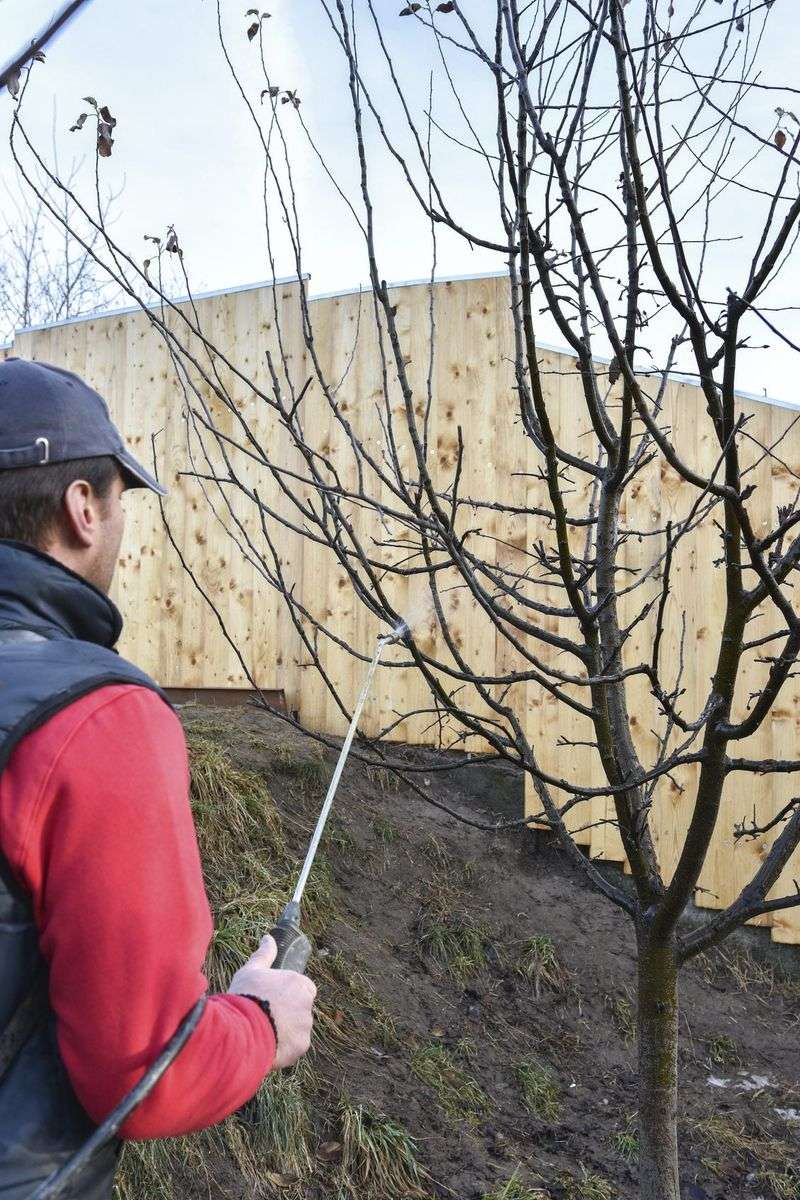
Apricots bloom earlier than most fruit trees in Pennsylvania, which makes dormant spraying even more critical. You have a shorter window to apply protective fungicides before flowers open.
Brown rot and bacterial canker both threaten apricots, and both diseases respond well to copper treatments applied during dormancy. Missing this timing means fighting uphill battles all season long.
Pennsylvania’s temperature swings in late winter can trick apricot buds into starting growth too early. Watch your trees closely starting in late February.
You want to spray when buds are still tight but before any pink color shows. Copper fungicide creates a protective coating that prevents disease spores from infecting tender new growth.
Bacterial canker causes sunken areas on branches that ooze sticky sap. This disease weakens apricot trees and can spread to the entire tree if left unchecked.
Copper spray applied to dormant wood helps prevent new canker infections. Prune out any branches showing canker symptoms before spraying, making clean cuts in dry weather.
Apricots also suffer from shot hole disease, where leaves develop small holes as if peppered by buckshot. The fungus overwinters on twigs and old leaves.
Copper or lime sulfur spray during dormancy reduces this disease significantly. Some Pennsylvania apricot growers apply two dormant sprays, one in January if weather permits and another in late February.
This double treatment provides excellent disease control for these challenging but delicious fruit trees that grow well in our state.
7. Nectarine Trees Face The Same Challenges As Peaches
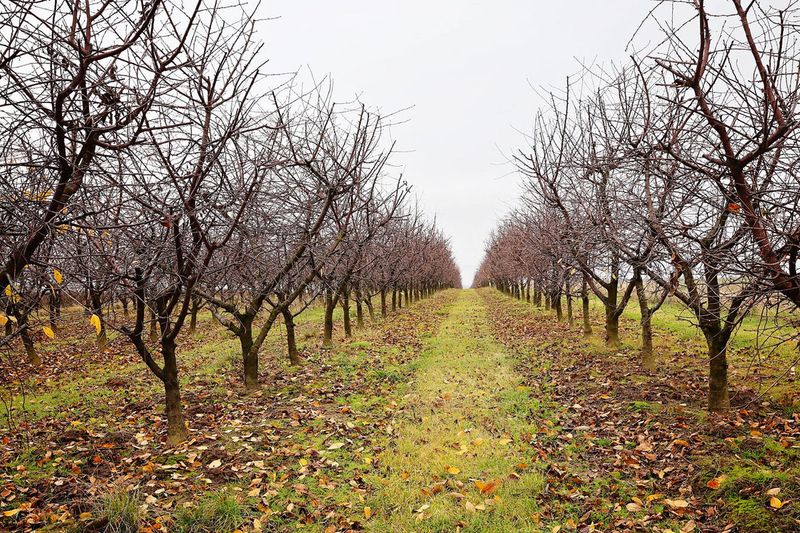
Nectarines are essentially fuzzless peaches, and they face identical disease problems in Pennsylvania gardens. Peach leaf curl tops the list of concerns, causing severe leaf distortion and early defoliation.
Brown rot threatens the fruit later, but both diseases need dormant treatment to keep them under control. Copper fungicide applied before bud break provides essential protection.
The smooth skin of nectarines makes them even more vulnerable to brown rot than fuzzy peaches. Starting disease prevention during dormancy sets up success for the entire season.
Pennsylvania’s humid springs create perfect conditions for fungal diseases to explode, so this early treatment isn’t optional for nectarine growers. Spray thoroughly, covering every branch surface.
Timing your nectarine spray requires attention because these trees often break dormancy slightly ahead of peaches. Late February through early March typically offers good spraying weather across Pennsylvania.
Mix your copper fungicide according to label directions, and add a spreader-sticker product to help the spray adhere better to smooth bark. Apply on a calm day when rain isn’t forecast.
Nectarine trees benefit from the same combination treatments that work on peaches. Adding horticultural oil to your copper spray controls scale insects and mites that overwinter on bark.
This tank mix provides broad-spectrum protection against both diseases and pests. Pennsylvania nectarine growers who spray consistently during dormancy report much healthier trees and better fruit quality.
Don’t let the brief dormant window pass without treating these valuable trees in your garden or orchard.
8. Quince Trees Need Copper For Fire Blight Control
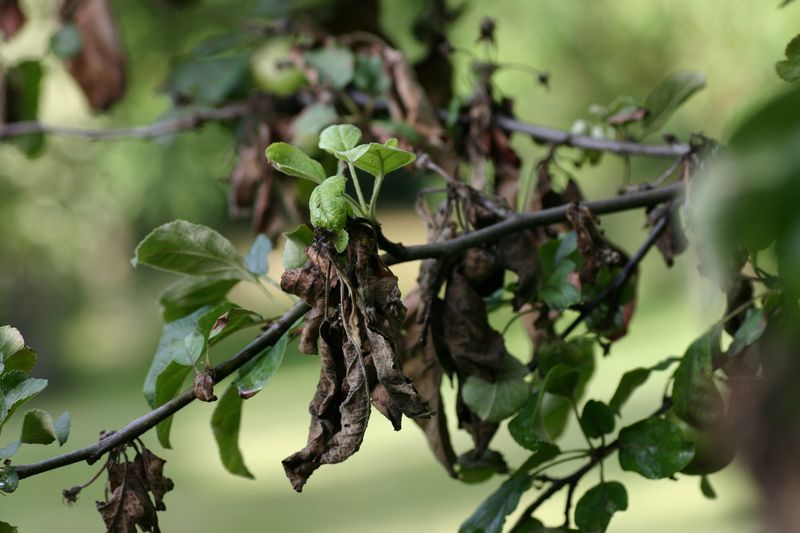
Quince trees grow beautifully in Pennsylvania, producing fragrant fruits perfect for jams and preserves. Fire blight poses the biggest threat to these trees, just like it does for pears and apples.
The bacteria overwinter in cankers and infected wood, waiting for spring warmth to become active. Copper spray applied during dormancy reduces bacterial populations dramatically, preventing spring infections.
Examine your quince trees for any blackened or dry branch tips from previous fire blight infections. Prune these out during late winter, cutting well below damaged tissue into healthy wood.
Make your cuts on dry days and disinfect tools frequently. After pruning, apply copper fungicide to all remaining branches and the trunk.
Pennsylvania quince trees typically need dormant spraying in March before buds begin swelling. The copper creates a protective barrier on bark surfaces that prevents bacteria from multiplying.
When spring rains arrive, untreated trees become vulnerable as bacteria spread through water droplets. Your dormant spray provides crucial early season protection.
Quince rust, a fungal disease that causes orange spots on leaves, also benefits from dormant copper treatment. The fungus overwinters on juniper plants nearby, but reducing infection pressure on the quince helps limit damage.
Some Pennsylvania gardeners who grow both quinces and junipers remove the junipers to eliminate rust problems. If that’s not practical, dormant copper spray combined with later treatments provides good control.
Apply spray thoroughly, reaching all branch surfaces for complete protection of your quince trees through the challenging spring disease season in Pennsylvania.