10 Perennials That Grow Strong In Michigan Gardens
If you garden in Michigan, you already know not every plant is built for our wild weather swings. Cold winters, soggy springs, hot summers, and surprise frosts can wipe out weaker plants fast.
That is why perennials that come back strong year after year are such a big deal. The right choices save time, money, and frustration, while keeping your yard looking full and colorful with far less effort.
Michigan gardeners lean on tough, reliable perennials that handle temperature changes, bounce back after winter, and still put on a great show.
Whether you are filling flower beds, borders, or mixed landscapes, these plants earn their spot by being dependable and low stress.
If you want a garden that looks better each season instead of starting over every year, these hardy perennials are exactly what Michigan gardeners are planting and trusting to thrive.
1. Black-Eyed Susan (Rudbeckia Hirta)
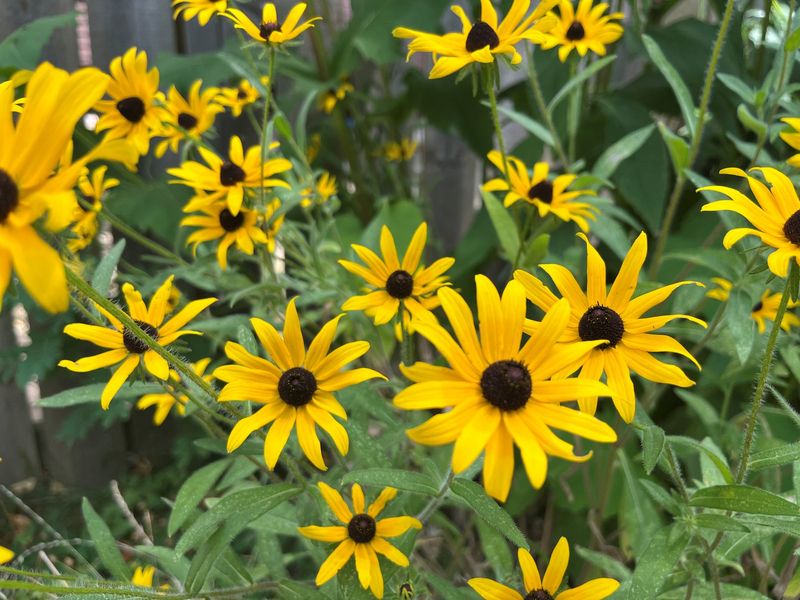
Sunshine seems to follow this cheerful native wherever it grows. The golden petals and chocolate-brown centers create a striking combination that brightens any garden space.
Michigan’s native prairies originally hosted these beauties, making them perfectly adapted to local conditions.
Full sun brings out the best in black-eyed Susans. They handle drought remarkably well once established, requiring minimal watering even during dry spells.
Poor soil doesn’t bother them much either, though they appreciate decent drainage to prevent root issues.
Butterflies and bees flock to these flowers throughout summer and fall. The long blooming period extends from June through September, providing consistent color when many other plants fade.
Simply removing spent flowers encourages more blooms to develop. Winter preparation requires little effort since these plants tolerate Michigan’s harsh conditions naturally. Leave the seed heads standing through winter to feed hungry birds.
New growth emerges reliably each spring, often with additional plants spreading from self-sown seeds.
Height reaches about two to three feet, creating perfect mid-border specimens. They combine beautifully with purple coneflowers and ornamental grasses.
Dividing clumps every three years keeps plants vigorous and prevents overcrowding in garden beds.
2. Purple Coneflower (Echinacea Purpurea)
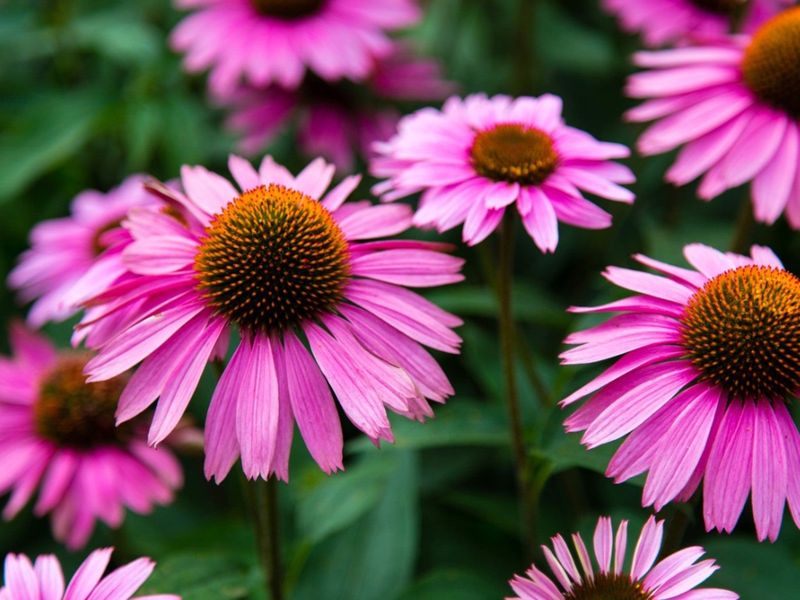
Native Americans used this plant medicinally for centuries, and today’s gardeners value it for different reasons. The distinctive raised center cone surrounded by drooping petals creates architectural interest that photographs beautifully.
Pink-purple blooms dominate, though cultivars now offer white, orange, and yellow options too.
Pollinators consider purple coneflowers essential resources for survival. Bees, butterflies, and hummingbirds visit constantly throughout the blooming season.
Goldfinches arrive in late summer to feast on ripening seeds, providing entertainment for bird watchers.
Michigan’s clay or sandy soils both work fine for these adaptable plants. They prefer full sun but tolerate partial shade reasonably well.
Once roots establish, watering becomes unnecessary except during severe droughts.
Blooming starts in early summer and continues through September with proper care. Removing faded flowers extends the display, though leaving some seed heads benefits wildlife.
Plants reach three to four feet tall, creating substantial presence in borders. Dividing clumps every four years maintains plant health and vigor. These perennials resist most pests and diseases naturally.
Your Michigan Garden Changes Every Week. Your Plan Should Too.
Gardening in Michigan changes quickly throughout the season. Every Friday you’ll receive a simple weekly plan showing exactly what to plant, prune, fertilize, harvest, and protect so you never miss the right timing.
Their tough constitution makes them ideal for beginning gardeners seeking reliable performers that return stronger each year.
3. Daylilies (Hemerocallis Spp.)
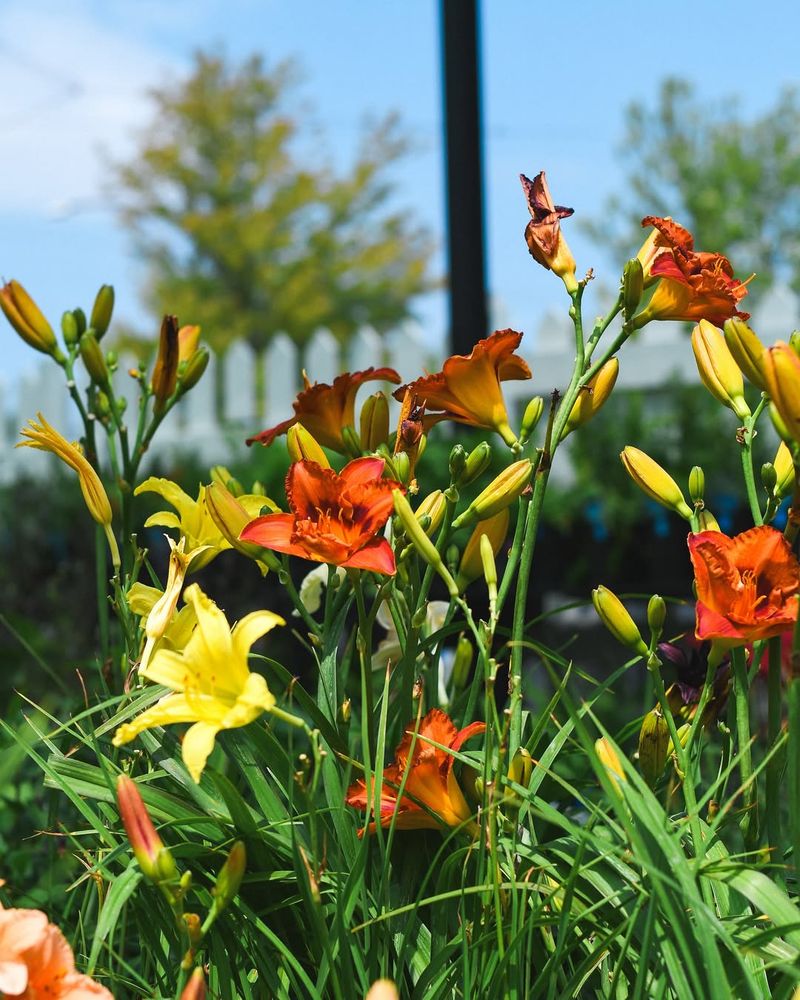
Each flower lasts just one day, but plants produce so many buds that blooms continue for weeks. The name perfectly describes this characteristic, yet gardeners never feel shortchanged by the brief display.
Thousands of varieties exist, offering every color except true blue.
Newcomers to gardening often start with daylilies because they practically grow themselves. They tolerate neglect better than most perennials, surviving in poor soil and inconsistent watering.
Michigan’s temperature swings don’t faze them at all. Planting in spring or fall works equally well for establishing new clumps. Full sun produces the most blooms, though partial shade still yields decent results.
Spacing plants eighteen inches apart allows room for natural spreading over time.
Foliage remains attractive even after flowers fade, providing green texture through summer. Some varieties bloom in early summer while others wait until August, allowing gardeners to plan extended color.
Combining different types creates a continuous display throughout the growing season.
Dividing overcrowded clumps every five years rejuvenates tired plants and provides extras for sharing. Simply dig clumps in spring, separate into sections, and replant immediately.
Water thoroughly after dividing to help roots establish quickly in their new locations.
4. Hosta (Hosta Spp.)
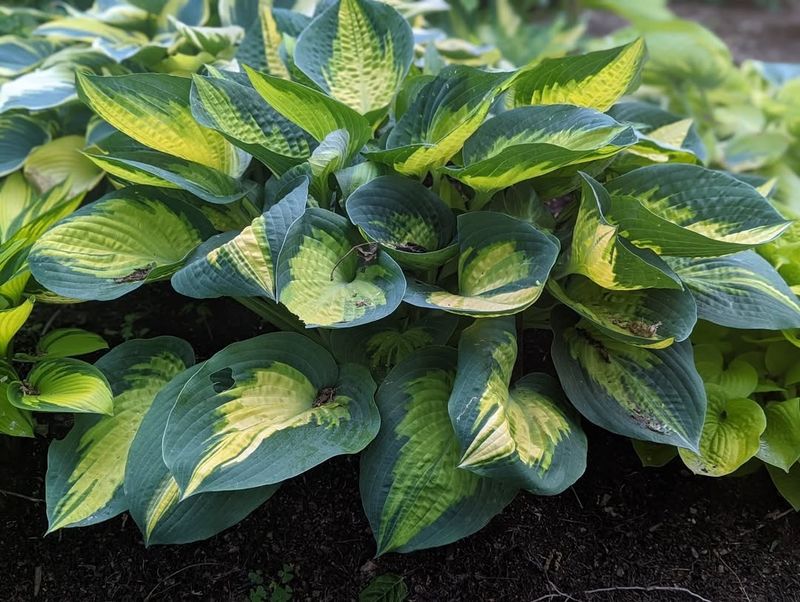
Shade gardening becomes infinitely easier when hostas enter the picture. Their enormous leaves create bold statements in areas where most flowering plants struggle.
Foliage comes in countless variations including solid green, blue-green, chartreuse, and variegated patterns with white or yellow edges.
Michigan’s shady spots under trees or along north-facing walls become garden assets rather than problems. Hostas thrive in these conditions, actually preferring protection from intense afternoon sun.
Morning light suits them perfectly, providing energy without causing leaf scorch. Size ranges dramatically from miniature varieties spanning six inches to giants reaching four feet across. This diversity allows gardeners to fill any space appropriately.
Smaller types work wonderfully in containers while larger specimens anchor shady borders effectively.
Lavender or white flower spikes emerge in summer, adding vertical interest above the foliage. Some varieties produce fragrant blooms that perfume evening gardens.
However, most gardeners grow hostas primarily for their spectacular leaves rather than flowers.
Slugs occasionally nibble holes in leaves, though this rarely causes serious damage. Sprinkling diatomaceous earth around plants discourages these pests naturally.
Dividing mature clumps every few years prevents centers from becoming bare and maintains vigorous growth throughout the planting.
5. Coral Bells (Heuchera Spp.)
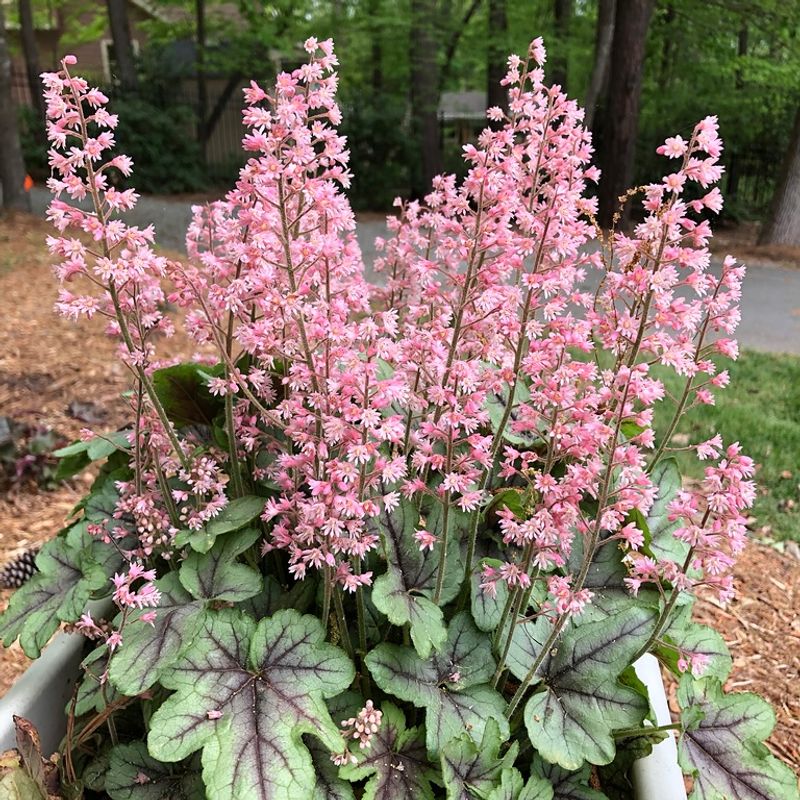
Foliage steals the show with these compact perennials that bring year-round interest. Leaves appear in stunning shades of burgundy, purple, caramel, lime green, and silver, often with contrasting veining.
Modern breeding has created hundreds of varieties with increasingly dramatic coloring.
Partial shade suits coral bells best in Michigan gardens, though some varieties tolerate more sun. Too much shade causes colors to fade while excessive sun can scorch delicate leaves.
Finding the right balance produces the most vibrant foliage displays.
Height stays manageable at twelve to eighteen inches, making these perfect front-of-border plants. Tiny bell-shaped flowers dance on wiry stems above the foliage in late spring.
Colors range from white to pink to red, attracting hummingbirds reliably.
Winter interest continues as many varieties hold their leaves through cold months. The foliage often takes on deeper, richer tones as temperatures drop.
This makes coral bells valuable for extending garden appeal beyond typical growing seasons.
Mulching around plants helps prevent frost heaving during Michigan’s freeze-thaw cycles. Removing tattered leaves in early spring tidies plants before new growth emerges.
Dividing every three years keeps clumps vigorous and prevents woody centers from developing in older plantings.
6. Sedum (Sedum Spp.)
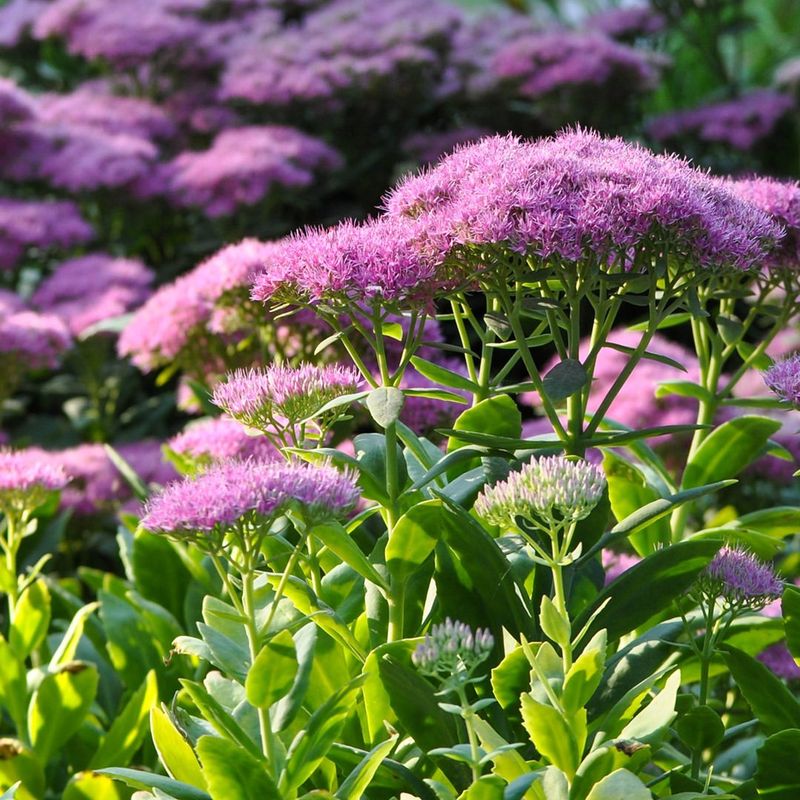
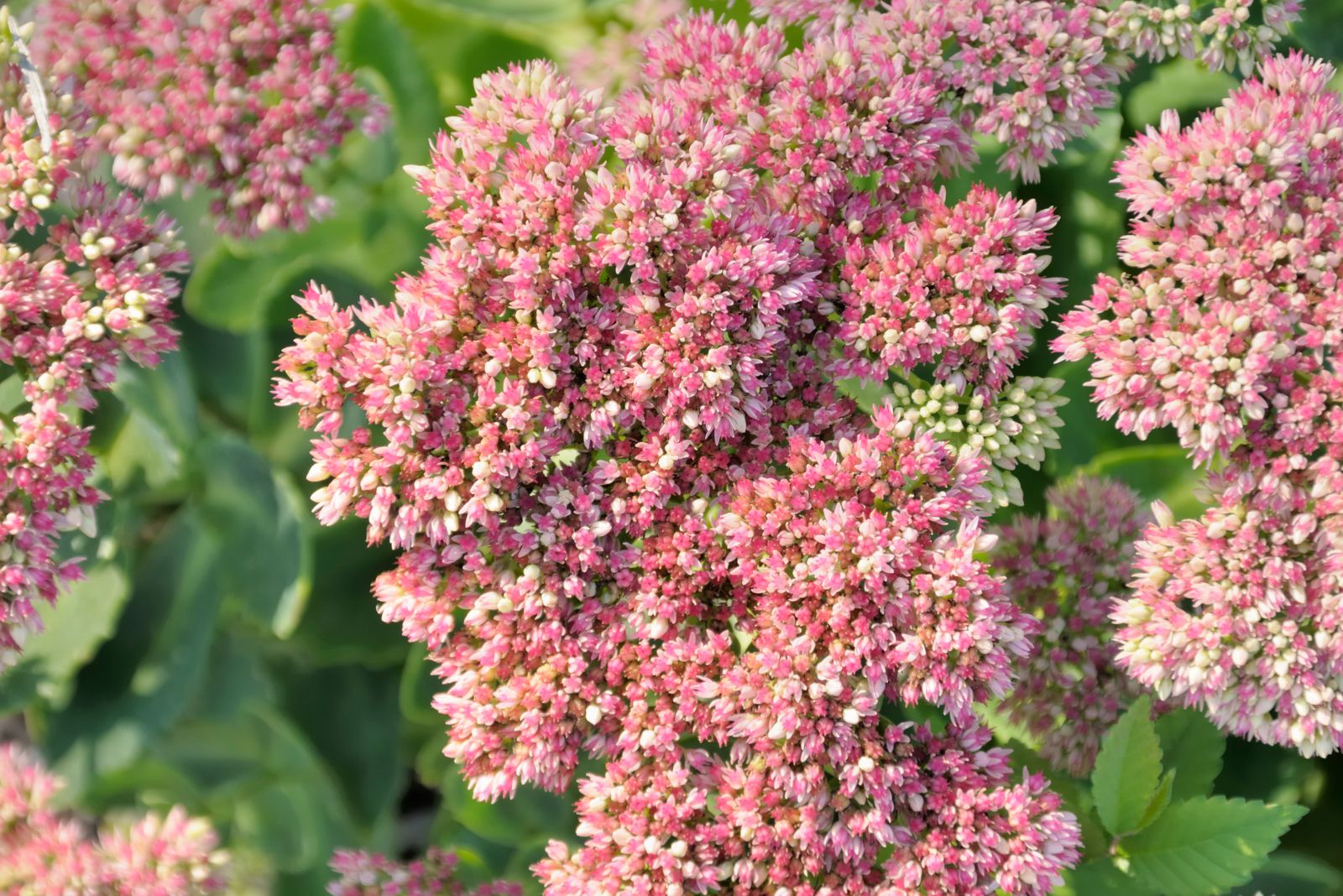
Succulents might seem unlikely candidates for Michigan gardens, yet sedums thrive here beautifully. Their thick, fleshy leaves store water efficiently, allowing them to survive periods of drought without complaint.
This makes them perfect for hot, dry spots where other plants struggle. Late summer brings clusters of star-shaped flowers in shades of pink, red, or white. These blooms appear just as many perennials finish their show, providing crucial late-season color.
Butterflies and bees appreciate this timing, visiting flowers constantly throughout September.
Poor soil actually suits sedums better than rich, amended earth. They evolved in rocky, lean conditions and perform best when not overfed.
Excellent drainage matters more than soil fertility for keeping these plants healthy long-term.
Upright varieties like Autumn Joy reach eighteen inches tall, creating substantial presence in borders. Creeping types spread low across the ground, filling spaces between rocks or cascading over wall edges.
Both forms require virtually no maintenance once established. Winter interest extends the garden season as dried flower heads remain attractive through snow. Many gardeners leave these standing until spring rather than cutting them back.
New growth emerges reliably each year, often with plants spreading gradually to fill available space naturally.
7. Bee Balm (Monarda Didyma)
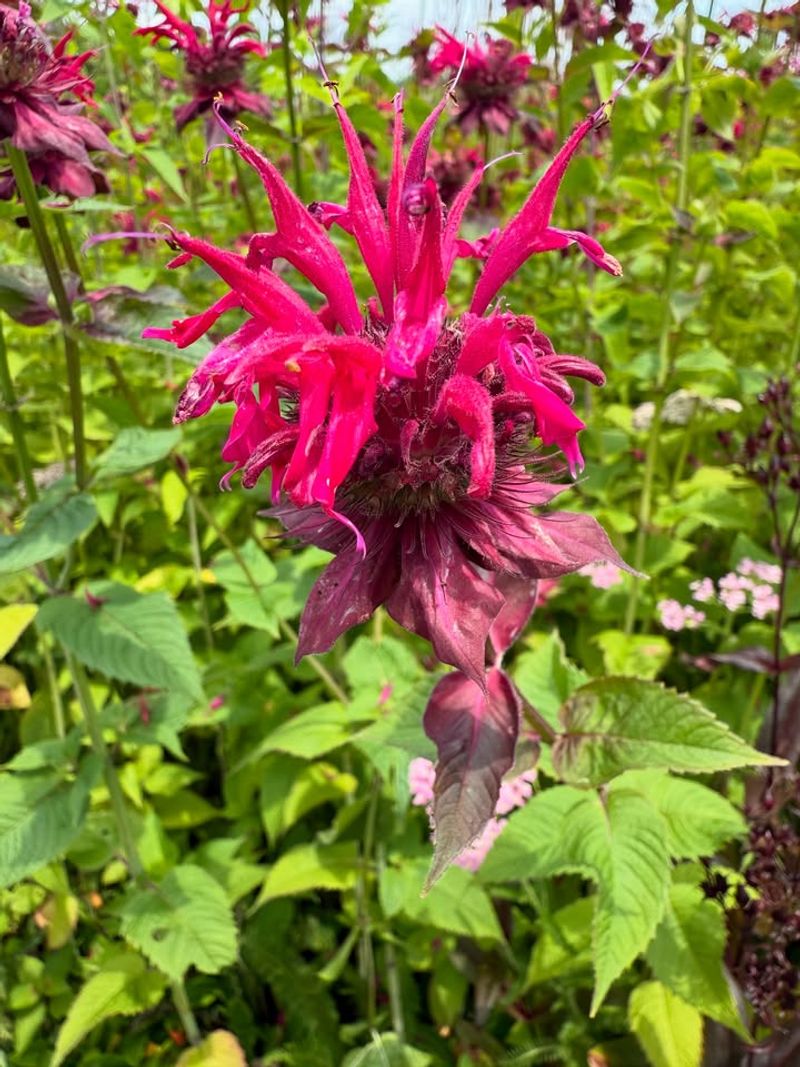
Hummingbirds zoom straight to these tubular flowers like tiny guided missiles. The brilliant red, pink, or purple blooms provide exactly the nectar these birds crave.
Bees and butterflies join the party too, creating constant motion and activity around plantings.
Native to eastern North America, bee balm naturally tolerates Michigan’s climate variations. It grows wild in moist meadows and along stream banks, though garden conditions suit it perfectly well.
The aromatic foliage releases a pleasant minty scent when brushed or crushed. Full sun to partial shade both work for growing healthy plants. Consistent moisture produces the best results, though established clumps tolerate brief dry spells.
Spacing plants eighteen inches apart allows good air circulation, which helps prevent powdery mildew issues.
Blooming occurs from July through August, filling the midsummer gap in many gardens. Removing spent flowers encourages additional blooms to develop.
Height reaches three to four feet, creating vertical interest in borders and cottage-style plantings.
Dividing clumps every three years prevents centers from becoming bare and woody. This also controls spreading, as bee balm can become aggressive in ideal conditions.
Sharing divisions with neighbors and friends spreads the joy of attracting pollinators throughout the community.
8. Shasta Daisy (Leucanthemum × Superbum)
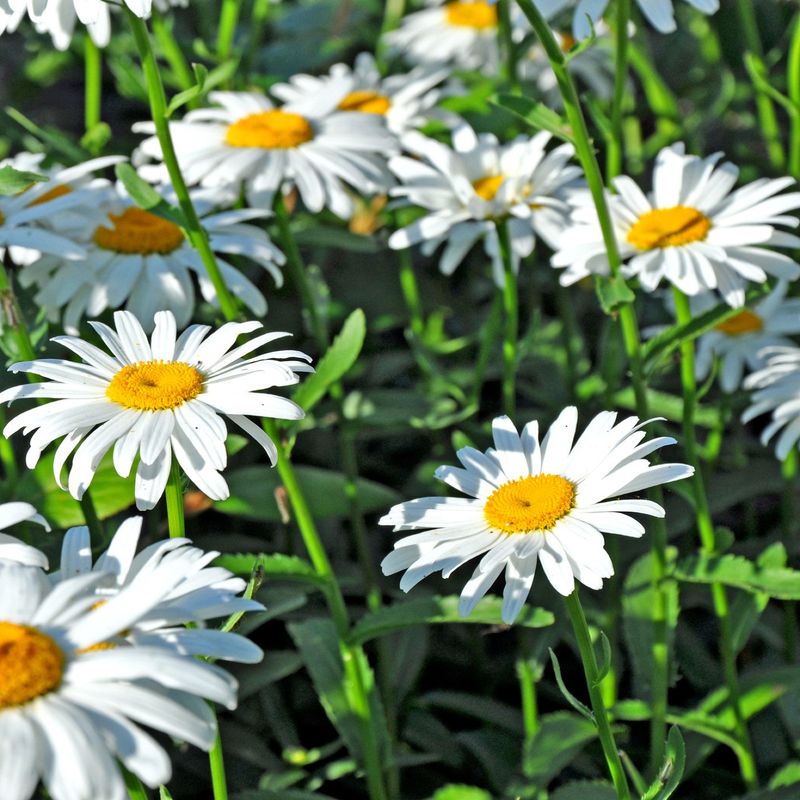
Classic white petals surrounding sunny yellow centers never go out of style. These cheerful flowers evoke memories of childhood games and simple pleasures.
Their timeless appeal fits equally well in cottage gardens, formal borders, or naturalized meadow plantings.
Blooming begins in early summer and continues for six to eight weeks with proper care. Regular removal of faded flowers significantly extends the display period.
This simple task takes just minutes but rewards gardeners with continuous blooms throughout the season.
Full sun and well-drained soil create ideal growing conditions for Shasta daisies. They tolerate Michigan’s clay soils reasonably well if drainage prevents waterlogging.
Adding compost at planting time helps improve soil structure without over-enriching. Height varies by variety from one to three feet tall. Shorter types work well at border fronts while taller selections create impact in middle positions.
Staking usually isn’t necessary unless plants grow in particularly windy, exposed locations. Cutting flowers for indoor arrangements doesn’t harm plants and actually encourages more blooms. Stems last up to ten days in vases, brightening indoor spaces beautifully.
Dividing clumps every two to three years maintains vigor and prevents overcrowding that reduces flowering performance over time.
9. Bleeding Heart (Dicentra Spectabilis)
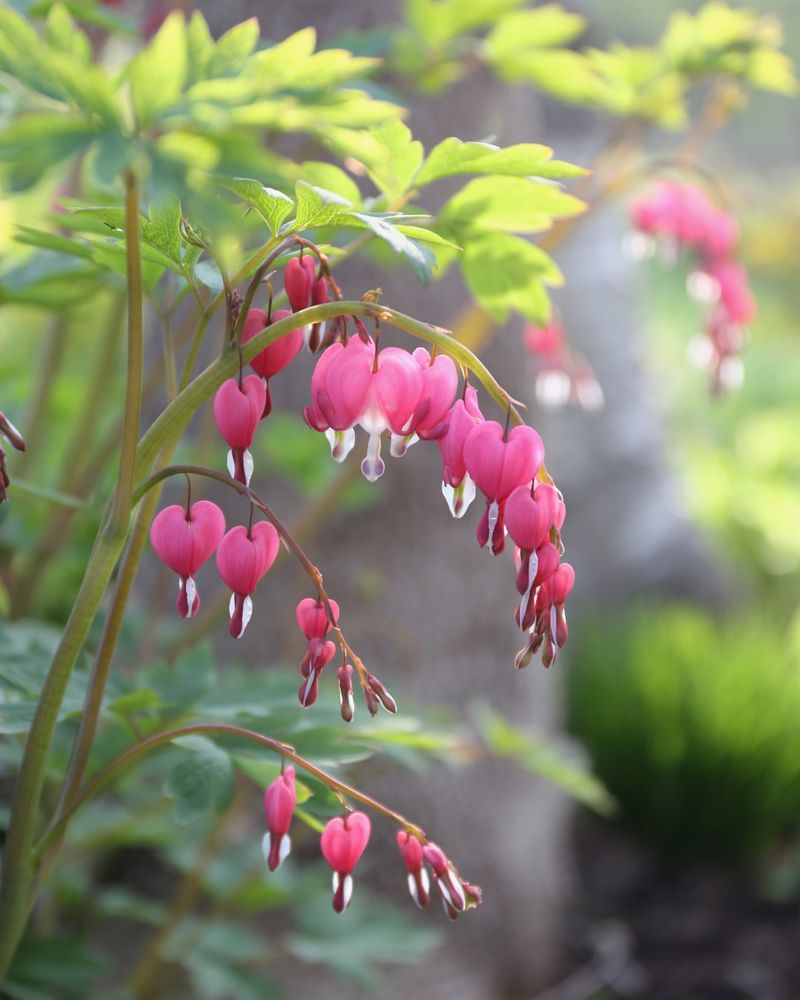
Romance blooms in shady gardens where these enchanting flowers dangle from arching stems. Each pink or white heart appears perfectly formed, complete with a tiny droplet at the bottom.
The delicate appearance belies a tough constitution that handles Michigan winters without protection.
Spring brings the main flowering display from April through June. Flowers emerge just as trees leaf out, taking advantage of dappled light before full shade develops.
The show stops traffic as neighbors pause to admire the unique blossoms. Shade or partial shade suits bleeding hearts perfectly in Michigan landscapes. Morning sun with afternoon shade creates ideal conditions for vigorous growth.
Consistent moisture keeps foliage looking fresh, though established plants tolerate brief dry periods.
Foliage often yellows and goes dormant by midsummer, especially in warmer locations. This natural process doesn’t indicate problems but simply reflects the plant’s growth cycle. Interplanting with hostas or ferns camouflages the bare spots that develop later.
Height reaches two to three feet with an equal spread at maturity. Plants rarely need division since they don’t become overcrowded easily.
Simply enjoy their reliable return each spring, marking the transition from winter’s grip to the growing season’s promise and renewal.
10. Astilbe (Astilbe Spp.)
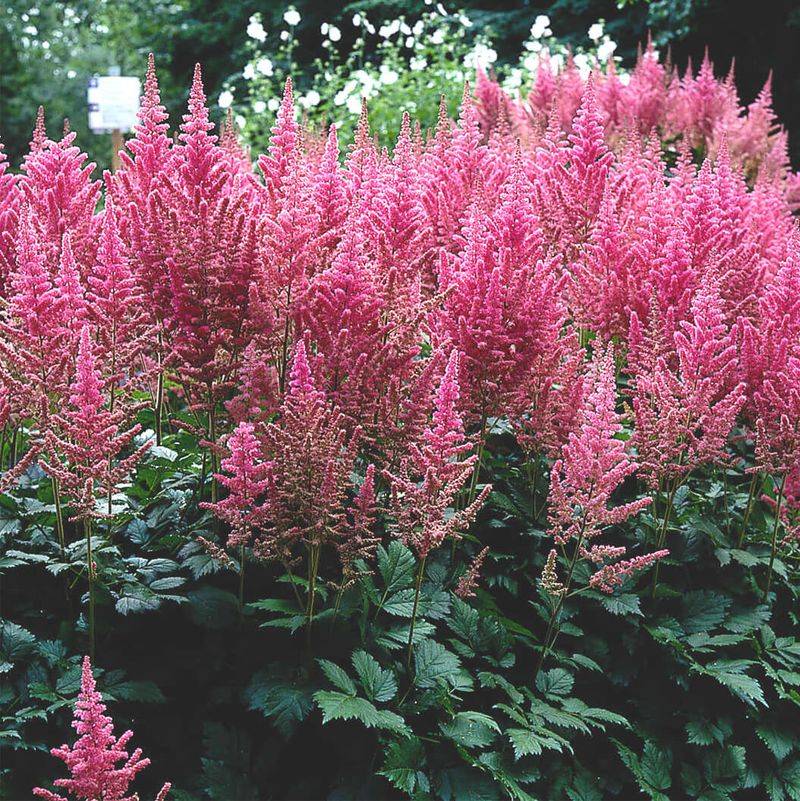
Feathery plumes rise above ferny foliage like colorful fountains in shady gardens. These elegant flowers appear in shades of pink, red, white, or lavender, creating soft, romantic displays.
The texture contrasts beautifully with bold hosta leaves and other shade garden companions.
Early summer brings peak blooming from June through July. Flowers last several weeks, with some varieties reblooming if conditions remain favorable.
Even after blooms fade, the dried seed heads maintain interest through fall and winter. Consistent moisture makes astilbes truly thrive in Michigan gardens. They naturally grow along stream banks and in woodland settings where soil stays moist.
Mulching helps retain moisture and keeps roots cool during summer heat. Partial to full shade works best for preventing leaf scorch and maintaining vigor. Too much sun causes foliage to brown and flowers to fade quickly.
Northern or eastern exposures provide ideal light conditions for maximum performance. Height varies from dwarf varieties at twelve inches to tall selections reaching four feet. This range allows gardeners to use astilbes throughout shady borders effectively.
Dividing clumps every four years maintains flowering quality and prevents overcrowding that reduces bloom production in established plantings over time.