This Is Why Three Sisters Companion Planting Works In Michigan Gardens
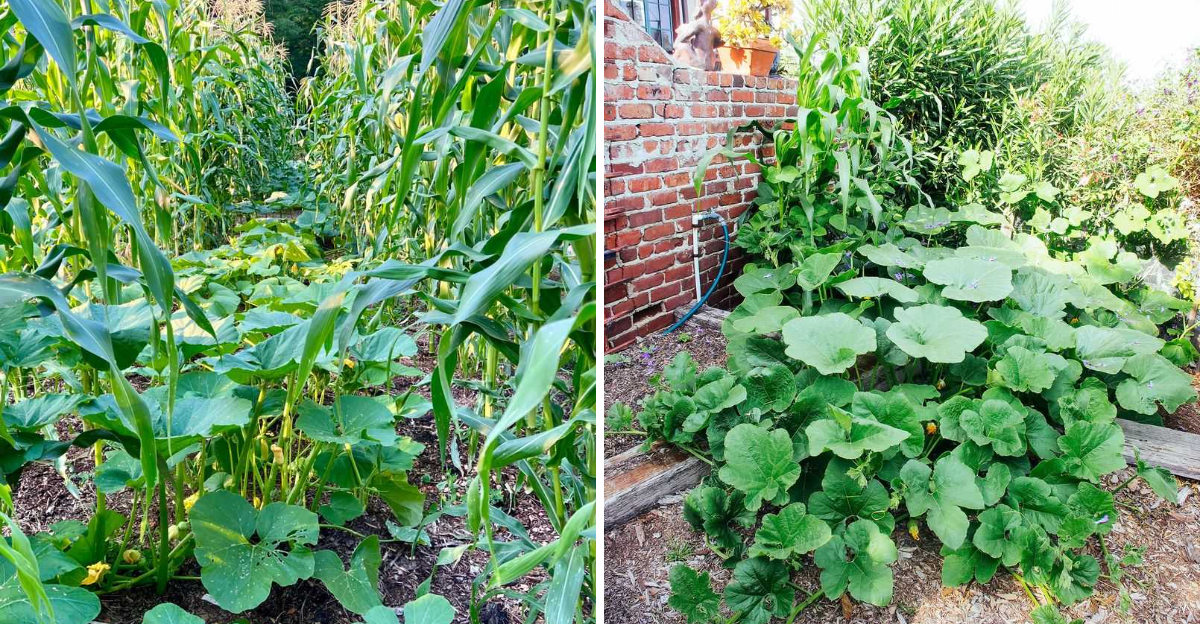
If you are looking for a smart, space-saving way to grow more food in your Michigan garden, the Three Sisters method is worth a closer look.
This classic planting technique brings corn, beans, and squash together in a natural partnership that helps each plant thrive.
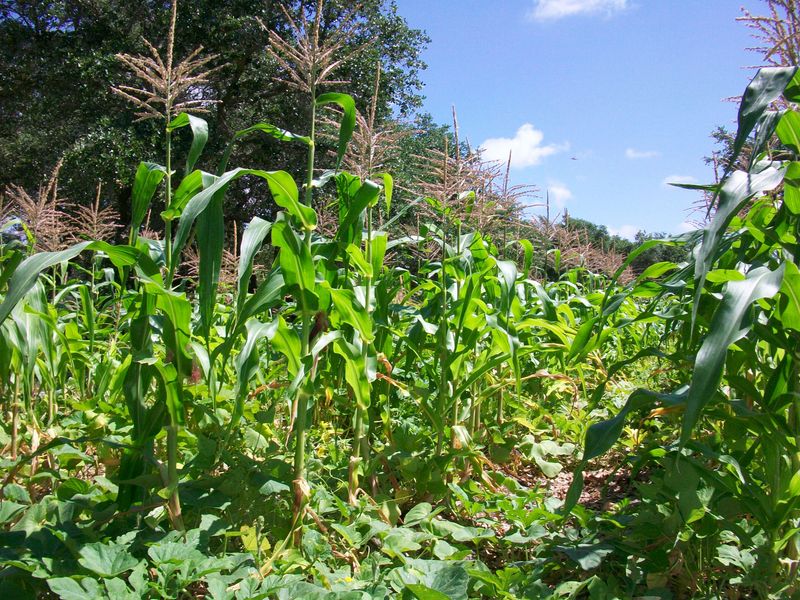
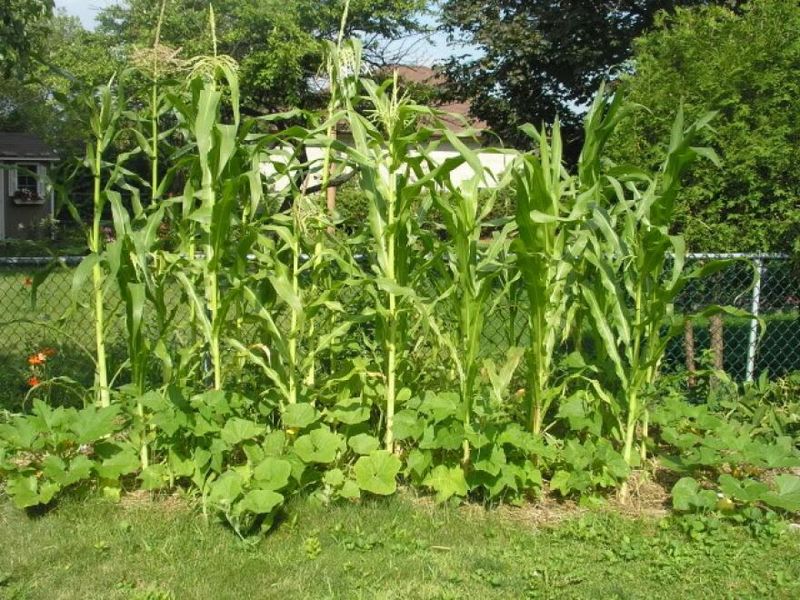
Corn grows tall and sturdy, giving beans a place to climb. Beans enrich the soil by adding nitrogen, which feeds hungry plants.
Squash spreads across the ground, shading the soil, holding in moisture, and keeping weeds in check. In Michigan’s growing season, this trio can perform surprisingly well when planted at the right time and in the right layout.
It is efficient, productive, and rooted in generations of gardening wisdom. Whether you garden in rows, raised beds, or a backyard patch, understanding why the Three Sisters method works can help you grow healthier plants and harvest more from your space.
Corn Provides Structural Support
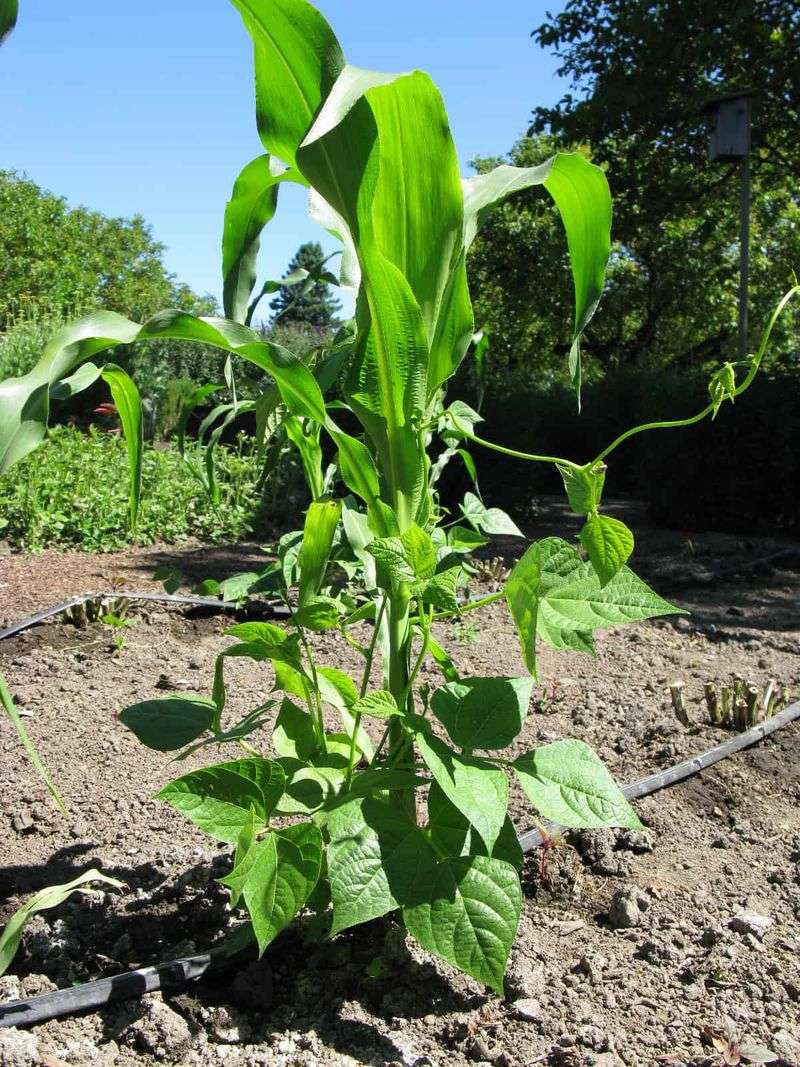
Corn stalks grow strong and tall in Michigan gardens, reaching heights of six to eight feet. These sturdy plants become living poles for climbing beans to grasp and climb.
Instead of buying wooden stakes or metal trellises, you get natural support built right into your garden design.
The beans wrap their tendrils around the corn stalks as they grow upward. This partnership means less work for you and more space for productive plants.
Your garden stays organized without artificial structures taking up room or costing extra money.
Michigan summers provide perfect conditions for corn to establish strong root systems before beans begin climbing. The timing works beautifully when you plant corn first and add beans two weeks later.
This head start lets corn develop the strength needed to support bean vines throughout the growing season.
The structural relationship between these plants mimics natural forest ecosystems where vines climb trees. Your garden becomes a vertical growing space that produces more food per square foot.
Strong corn stalks hold beans up where sunlight reaches leaves efficiently, boosting photosynthesis and bean production for your harvest.
Beans Enrich Soil With Nitrogen
Bean roots host special bacteria that capture nitrogen from air pockets in soil. These tiny organisms convert atmospheric nitrogen into forms that plants can actually use for growth.
Your corn and squash benefit tremendously from this natural fertilizer factory working underground throughout the growing season.
Michigan soils often need nitrogen supplements because this nutrient washes away with spring rains. Beans solve this problem by producing nitrogen right where other plants need it most.
The process continues all summer long, steadily improving soil fertility without chemical fertilizers or expensive amendments.
When beans finish producing and you turn plant material into soil, even more nitrogen becomes available. The roots break down and release stored nutrients for next season’s crops.
This cycle builds healthier soil year after year, creating better growing conditions with each planting.
Corn plants are heavy nitrogen feeders that show yellow leaves when supplies run low. Beans growing beside them provide steady nitrogen replenishment that keeps corn leaves dark green and productive.
Your Michigan Garden Changes Every Week. Your Plan Should Too.
Gardening in Michigan changes quickly throughout the season. Every Friday you’ll receive a simple weekly plan showing exactly what to plant, prune, fertilize, harvest, and protect so you never miss the right timing.
Your squash plants also absorb this bonus nutrition, growing larger leaves and producing more fruit throughout Michigan’s summer months.
Squash Suppresses Weeds
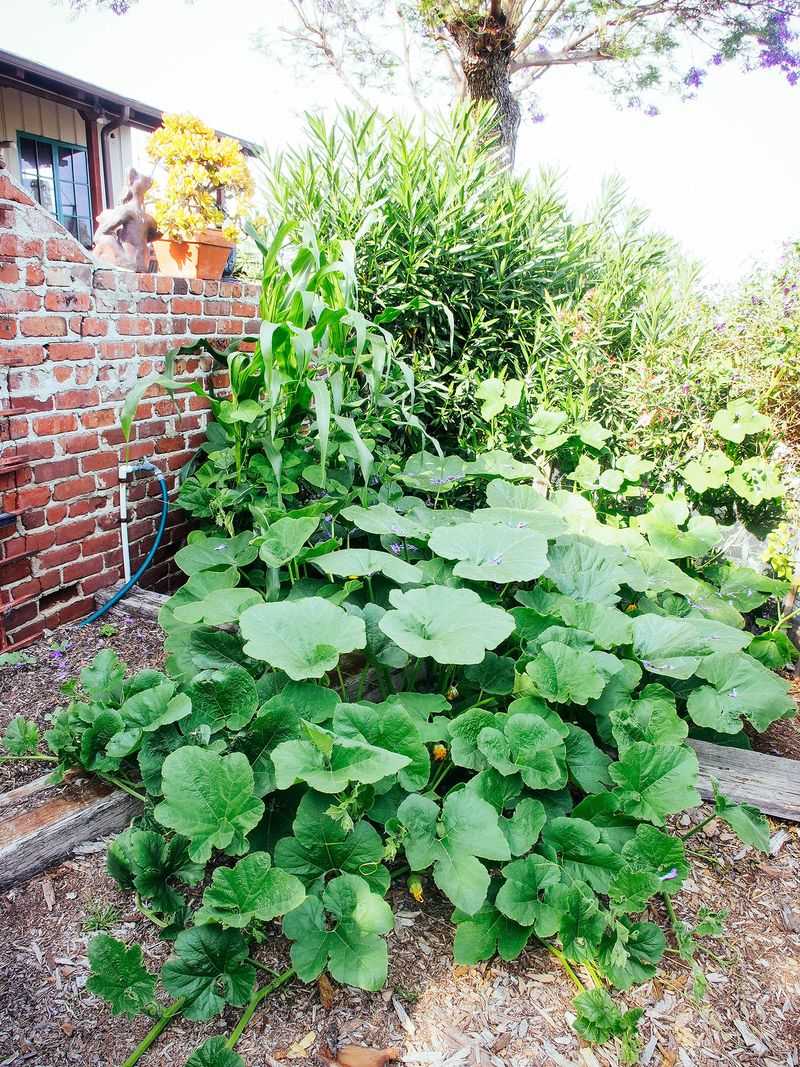
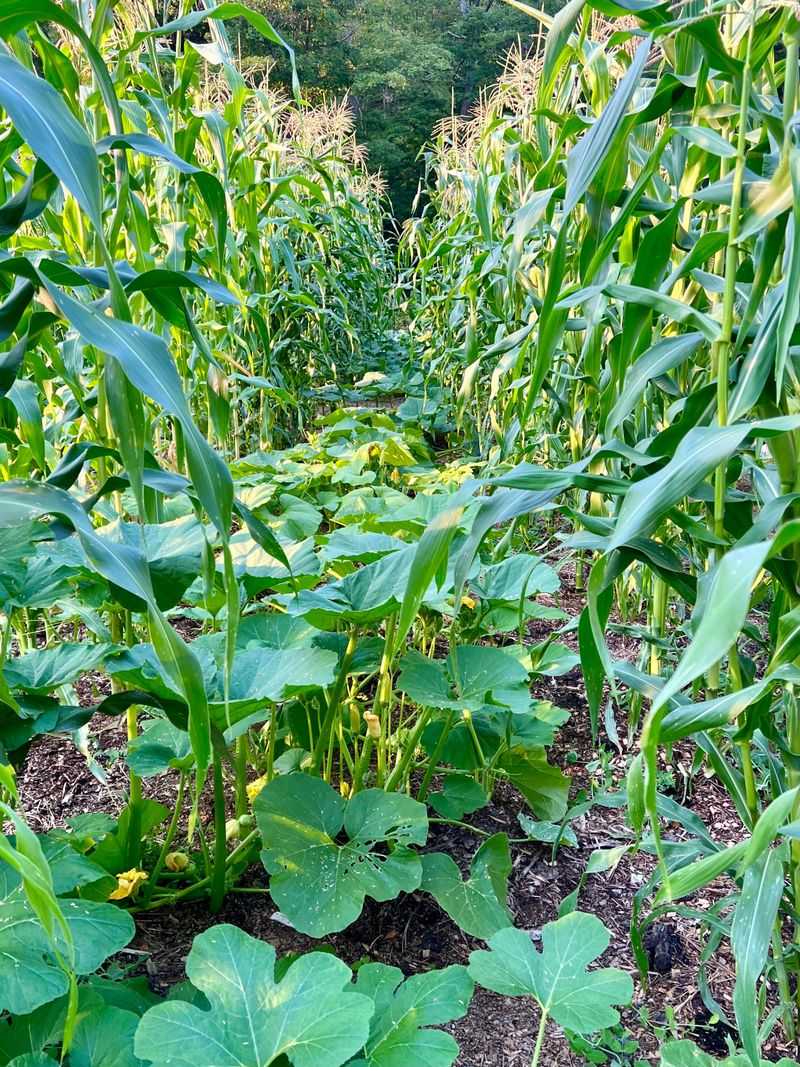
Squash plants send out vines that spread across garden beds in every direction. Their enormous leaves create dense shade that blocks sunlight from reaching soil below.
Weed seeds need light to sprout and grow, so this natural canopy prevents most unwanted plants from getting started in your garden space.
Michigan summers bring plenty of sunshine that can bake garden soil and encourage weed growth. Squash leaves act like living mulch that keeps soil cooler and moister.
You spend less time pulling weeds and more time enjoying your productive garden throughout the growing season.
The broad leaves also reduce water evaporation from soil surfaces during hot July and August days. Moisture stays available for plant roots instead of disappearing into the atmosphere.
Your garden needs less frequent watering, saving time and conserving this precious resource during drier periods.
Squash plants grow prickly hairs on stems and leaves that discourage some garden pests from wandering through. This texture creates an additional barrier that protects the garden ecosystem.
The shading effect combined with physical protection makes squash an excellent ground cover that serves multiple purposes in your Three Sisters planting arrangement.
Maximizes Garden Space
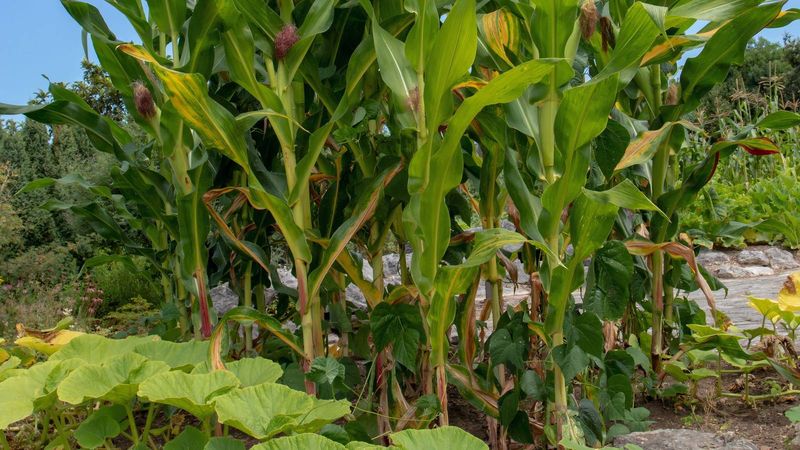
Most gardens have limited space, especially in urban and suburban Michigan neighborhoods. Three Sisters planting uses vertical and horizontal growing zones simultaneously.
Corn reaches upward toward the sky while squash spreads outward across the ground, and beans occupy the middle layer climbing between them.
This three-dimensional approach produces more food from the same square footage than traditional row planting. You harvest corn ears, bean pods, and squash fruits all from one integrated planting area.
Small garden plots become incredibly productive when you stack plants in layers rather than spreading them out.
Traditional gardens often leave empty space between rows for walking and maintenance. Three Sisters plantings eliminate wasted areas by filling every level with productive plants.
The system works particularly well in raised beds where you can reach plants from outside without stepping on growing areas.
Michigan gardeners with limited sunny spots can concentrate their efforts on Three Sisters mounds. Each mound becomes a complete growing system that produces multiple crops.
You get variety in your harvest without needing separate garden sections for different vegetables, making meal planning more interesting and nutritious throughout the season.
Reduces Pest Pressure
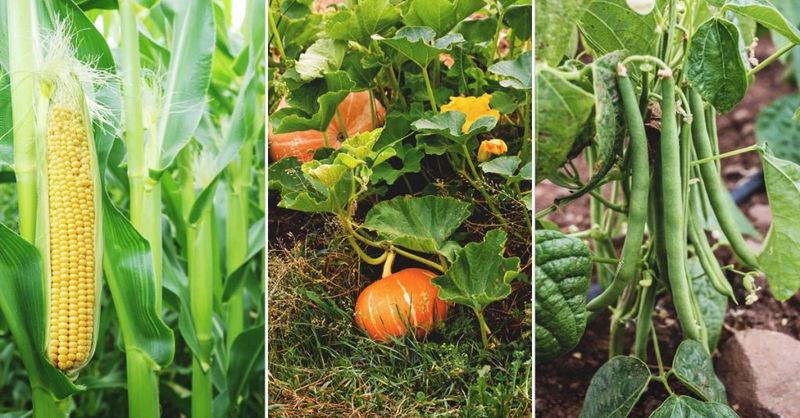
Gardens planted with single crops attract pests that specialize in those specific plants. Corn borers find pure cornfields easily, and squash bugs quickly locate squash-only patches.
Three Sisters planting confuses these insects by mixing different plant scents, colors, and shapes together in one space.
Pests that rely on visual cues struggle to locate their preferred plants among the diversity. The varied textures and heights create obstacles that slow pest movement through your garden.
This confusion gives beneficial insects more time to find and control harmful bugs before serious damage occurs.
Michigan gardens host many helpful insects like ladybugs, lacewings, and predatory wasps. These beneficial creatures thrive in diverse plantings where they find food, shelter, and hunting grounds.
Your Three Sisters garden becomes habitat for these natural pest controllers that work for free throughout the growing season.
When pests do find their target plants, damage stays localized rather than spreading through entire crops. If squash bugs attack one plant, nearby corn and beans remain unaffected and continue growing.
This built-in insurance means you still harvest plenty of food even if some pest problems develop during the summer months.
Supports Healthy Plant Growth
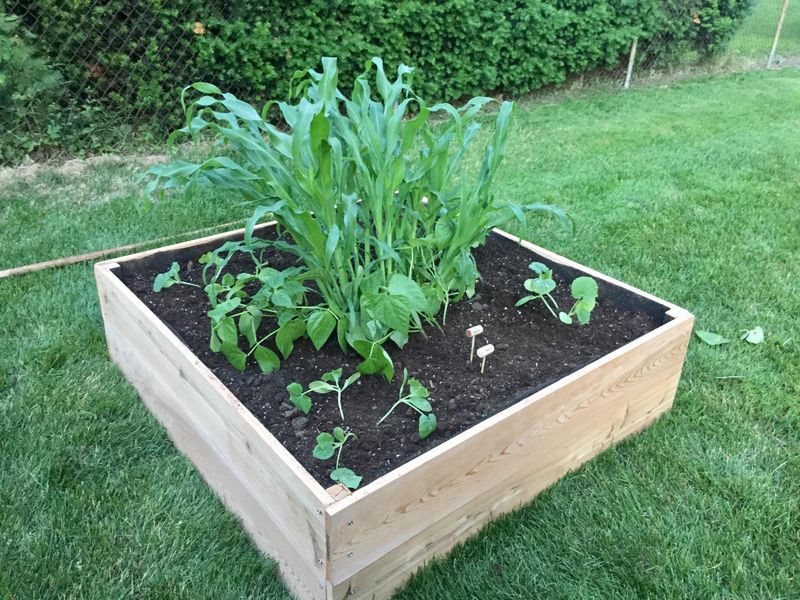
Plants growing in Three Sisters arrangements create microclimates that benefit each other throughout the season. Squash leaves shade soil and keep roots cooler during Michigan’s hottest summer days.
Beans provide nitrogen that corn and squash absorb for faster, stronger growth and better fruit production.
Corn stalks break wind that might otherwise damage tender bean flowers and young squash vines. This windbreak effect protects delicate plant parts during spring storms common across Michigan.
Your plants experience less physical stress and can focus energy on producing food rather than repairing storm damage.
The different root depths mean plants access water and nutrients from various soil layers. Corn roots dive deep, beans stay medium depth, and squash roots spread wide but shallow.
This arrangement prevents competition and ensures each plant gets what it needs without robbing neighbors of essential resources.
Moisture trapped by squash leaves benefits all three crops by maintaining consistent soil conditions. Corn grows taller with steady water supplies, beans produce more pods, and squash fruits develop properly without blossom-end problems.
Your garden becomes a cooperative system where every plant contributes to overall health and productivity throughout Michigan’s growing season.
Encourages Sustainable Gardening
Chemical fertilizers cost money and can harm beneficial soil organisms that keep gardens healthy. Three Sisters planting eliminates the need for synthetic nitrogen because beans produce this nutrient naturally.
Your garden thrives without expensive inputs that require manufacturing, packaging, and transportation to reach stores.
Herbicides become unnecessary when squash leaves suppress weeds through natural shading. You avoid introducing chemicals into soil where they might persist and affect future plantings.
Your garden produces clean, organic vegetables that you feel confident feeding to your family throughout the harvest season.
The system reduces water waste through natural soil shading and moisture retention. Michigan experiences occasional drought conditions, and water conservation becomes important for responsible gardening.
Three Sisters plantings need less irrigation than conventional gardens while still producing abundant harvests of nutritious food.
This traditional method teaches sustainable principles that work with nature rather than against it. You learn to observe plant relationships and understand how ecosystems function.
These lessons extend beyond your garden, helping you make environmentally conscious choices in other areas of life while reducing your household’s environmental footprint and chemical exposure.
Enhances Soil Structure
Corn sends thick roots deep into Michigan soil, creating channels that improve drainage and aeration. These pathways allow water to penetrate during heavy rains instead of running off and causing erosion.
Air reaches deeper soil layers where beneficial microorganisms need oxygen to thrive and process nutrients.
Bean roots stay in middle soil zones where they form dense networks of fine rootlets. These smaller roots hold soil particles together, preventing erosion during spring storms.
The root mass creates structure that helps soil retain moisture during drier summer weeks while still draining excess water effectively.
Squash roots spread horizontally near the surface, anchoring topsoil and catching nutrients before they wash away. This wide network stabilizes soil and adds organic matter as fine root hairs continuously grow and decompose.
Your soil becomes richer and more alive with each growing season.
When the season ends and you turn plant material into soil, roots at different depths decompose and create lasting improvements. The varied root systems leave behind channels, organic matter, and improved texture.
Your garden soil becomes easier to work, holds nutrients better, and supports healthier plant growth year after year without expensive amendments or intensive labor.
Tradition Meets Proven Results
Native American communities perfected Three Sisters planting over thousands of years across North America. These agricultural experts observed plant relationships and developed techniques that fed entire civilizations.
Their wisdom continues working beautifully in modern Michigan gardens, proving that traditional knowledge remains valuable and practical today.
Michigan’s climate closely matches regions where Three Sisters planting originated and flourished historically. The state offers warm summers, adequate rainfall, and a growing season long enough for all three crops to mature.
Your garden benefits from centuries of refinement that matched these plants to temperate growing conditions.
Modern research confirms what traditional farmers knew through observation and experience. Scientists studying companion planting document the nitrogen-fixing benefits, pest reduction, and improved yields.
Your Three Sisters garden combines ancient wisdom with contemporary understanding for maximum success and productivity throughout the growing season.
Growing these three crops together connects you to agricultural heritage while producing abundant, nutritious food. You participate in living history that spans generations and cultures.
This meaningful gardening approach feeds both body and spirit, creating deeper appreciation for plants, soil, and the knowledge that indigenous peoples generously share with modern gardeners seeking sustainable, productive growing methods.