The Low-Stress Way To Care For Fishbone Cactus Indoors In Georgia
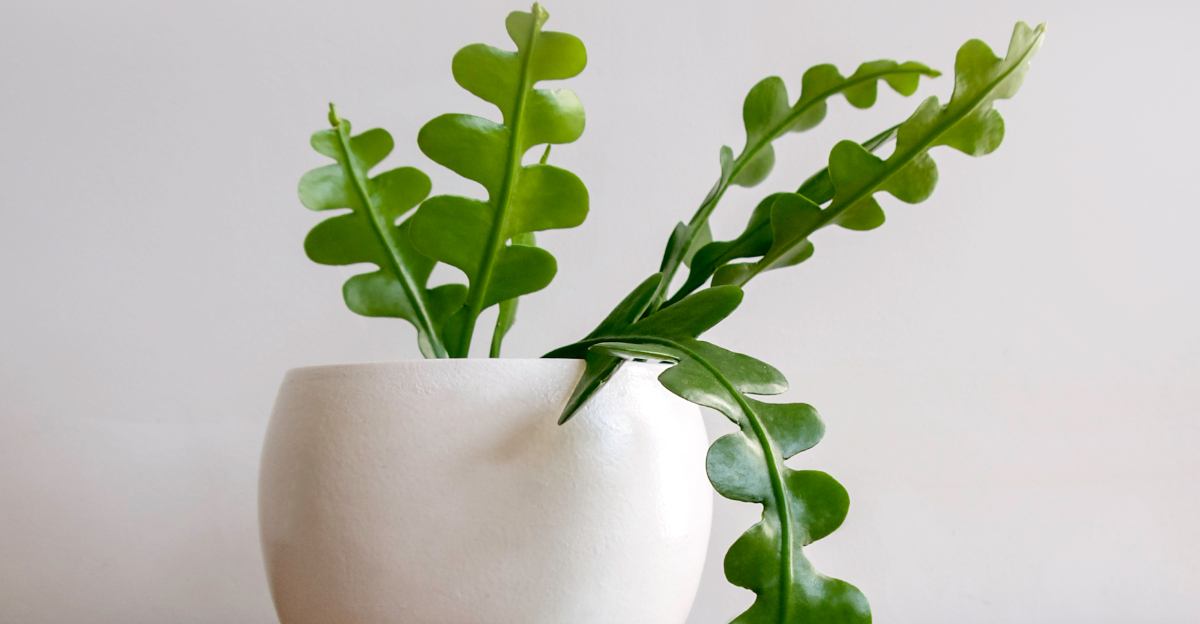
Fishbone cactus often looks dramatic indoors, yet caring for it in Georgia does not need to feel complicated. Most stress shows up after too much attention rather than too little.
Indoor conditions here can confuse this plant. Light shifts through the seasons, air stays drier during cooler months, and watering habits often miss the mark.
Once those basics settle into a steady rhythm, the plant responds quickly. Stems stay firm, shape stays defined, and growth feels controlled instead of messy.
Gardeners usually notice improvement once they stop reacting to every small change.
Low-stress care focuses on consistency rather than constant correction. Fishbone cactus prefers clear signals and time to adjust.
When care feels lighter and more intentional, the plant stays balanced, looks healthier, and becomes far easier to enjoy as part of an indoor space.
1. Give Fishbone Cactus Bright Light Without Direct Sun
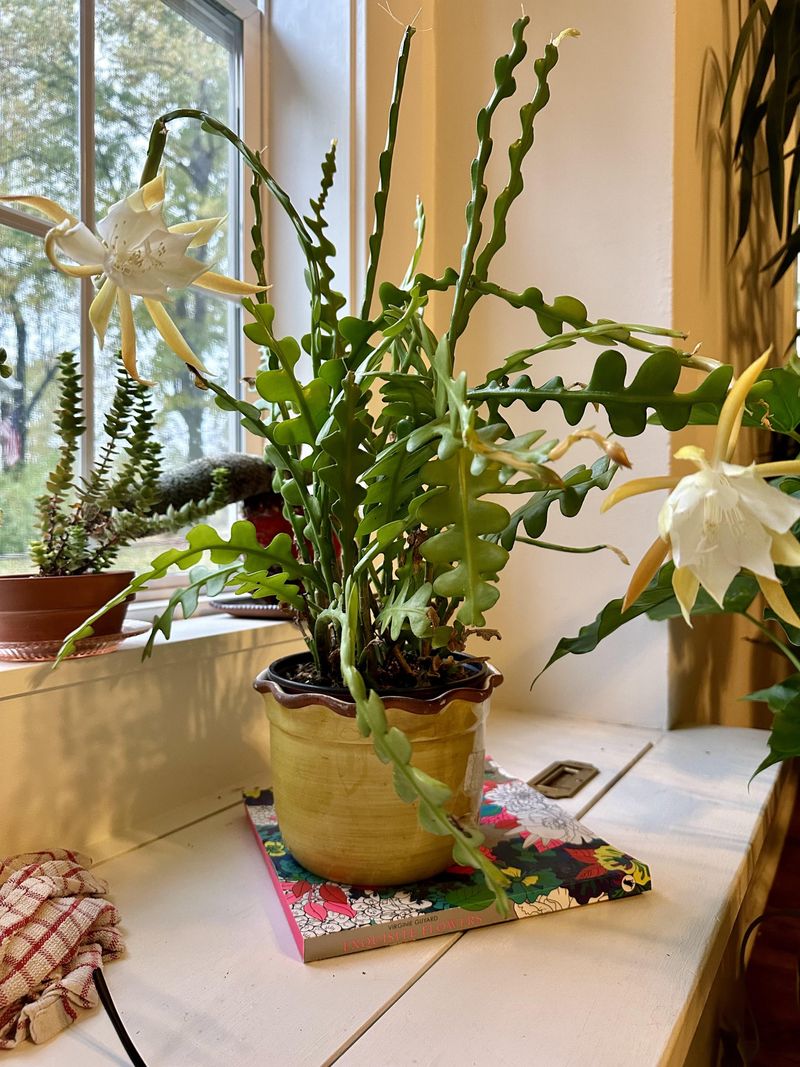
Finding the right spot for your fishbone cactus makes all the difference in how well it grows. This plant originally comes from rainforests where it grows on tree branches under the canopy, so it’s used to getting plenty of light that filters through leaves above.
In your Georgia home, you want to recreate that same kind of bright but gentle lighting situation.
A spot near an east-facing window works perfectly because morning sun is softer and won’t scorch the leaves. You could also try a few feet back from a south or west window where the light stays bright throughout the day but doesn’t hit the plant directly.
If you notice the leaves turning reddish or yellowish, that’s usually a sign it’s getting too much direct sun and needs to move back a bit.
Georgia summers bring intense afternoon sunshine that can really blast through windows, especially in cities like Macon or Augusta. During those peak months from June through August, you might need to use sheer curtains or move your plant slightly farther from the window.
The goal is keeping things bright enough that you could comfortably read a book in that spot without turning on a lamp.
North-facing windows can work too, but growth might slow down since the light is gentler from that direction. Watch how your plant responds over a few weeks.
If the new growth looks healthy and the color stays a nice green, you’ve found the sweet spot for your fishbone cactus.
2. Let The Soil Dry Slightly Between Waterings
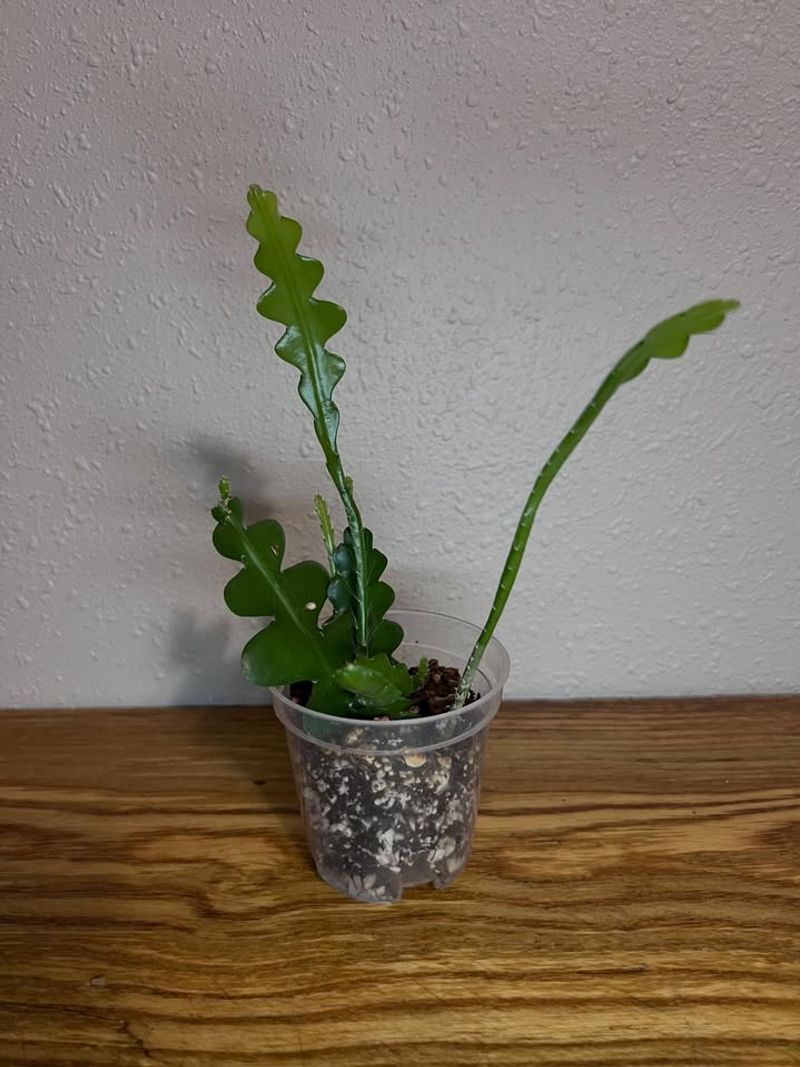
Watering might seem tricky at first, but fishbone cactus actually tells you what it needs if you pay attention. Unlike desert cacti that can go weeks without water, this jungle cactus prefers a middle ground.
It doesn’t want to sit in soggy soil, but it also doesn’t want to get completely bone dry for long periods.
The best approach is sticking your finger about an inch down into the soil before you water. If it feels dry at that depth, go ahead and give it a good drink.
If it still feels a bit moist, wait another day or two and check again. This simple finger test works better than any schedule because conditions change throughout the year in Georgia homes.
Your Georgia Garden Changes Every Week. Your Plan Should Too.
Gardening in Georgia changes quickly throughout the season. Every Friday you’ll receive a simple weekly plan showing exactly what to plant, prune, fertilize, harvest, and protect so you never miss the right timing.
During summer months when air conditioning runs constantly in places like Columbus or Athens, the air gets drier and your plant might need water more frequently. You could end up watering every five to seven days during hot weather.
Come winter when heating systems kick on, the soil might dry out faster than you expect even though the weather outside is cooler.
When you do water, pour enough that it runs out the drainage holes at the bottom. This ensures the entire root system gets moisture, not just the top layer.
Then dump out any water that collects in the saucer underneath. Letting the plant sit in standing water is one of the quickest ways to run into root problems.
Georgia’s humidity levels vary quite a bit depending on where you live and the season, so your watering routine might look different from someone in another state.
3. Use A Loose, Fast-Draining Potting Mix
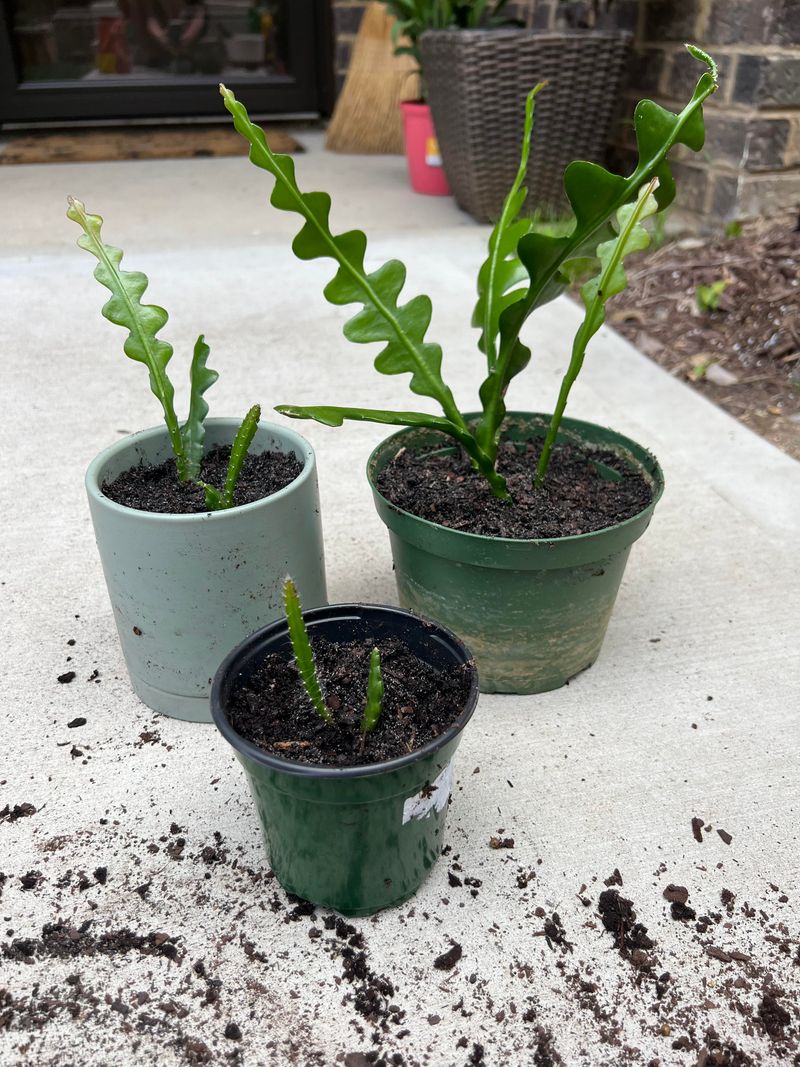
Soil choice matters more than most people realize when growing fishbone cactus indoors. Regular potting soil from the garden center holds too much moisture and doesn’t let air reach the roots properly.
Remember that in nature, these plants grow attached to tree bark where water drains away quickly and air flows freely around the roots.
A good mix for fishbone cactus combines regular potting soil with extra ingredients that create air pockets and speed up drainage. You can buy cactus and succulent mix as your base, then add some orchid bark, perlite, or coarse sand to make it even chunkier.
Aim for a mixture that feels light and airy when you squeeze a handful, not dense and heavy.
Some Georgia gardeners like making their own blend using two parts cactus mix, one part orchid bark, and one part perlite. This creates plenty of spaces for air and water to move through quickly.
The bark pieces also break down slowly over time, adding a bit of nutrition as they decompose.
You’ll know the mix is right when water soaks in quickly and runs out the drainage holes within seconds instead of pooling on top. If water sits on the surface for more than a few seconds before soaking in, the mix is too dense and needs more chunky materials added.
Repotting every two to three years gives you a chance to refresh the soil and check on root health. Spring is the best time for this task since the plant is actively growing and recovers quickly from any root disturbance.
4. Keep Indoor Temperatures Steady Through Seasonal Swings
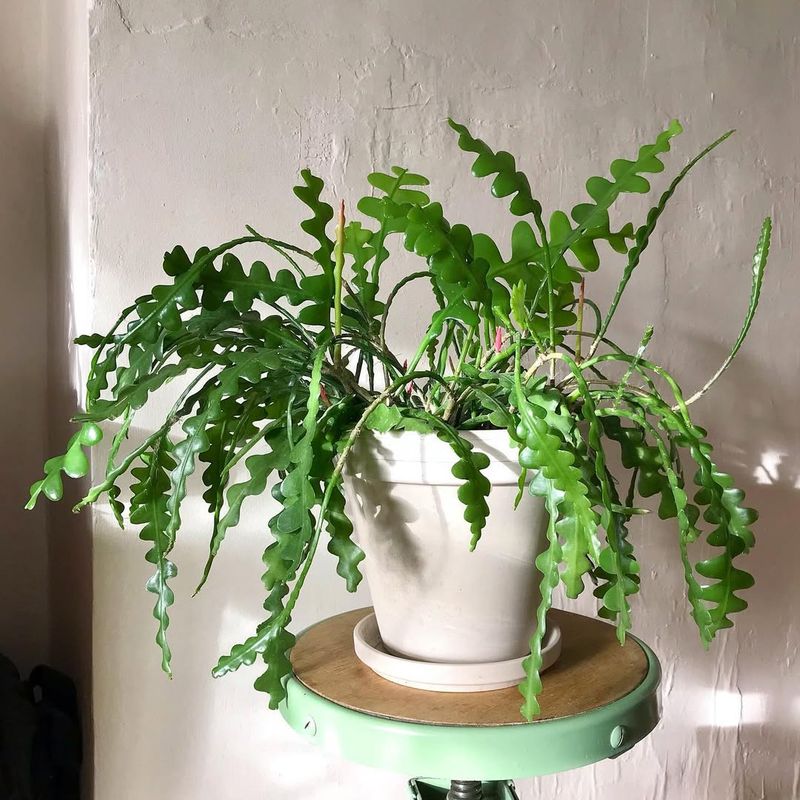
Temperature stability keeps your fishbone cactus comfortable year-round in Georgia. These plants handle typical indoor temperatures really well, thriving anywhere between 60 and 80 degrees.
The key is avoiding sudden drops or spikes that stress the plant and slow its growth.
Most Georgia homes naturally stay within this range, which makes fishbone cactus a great indoor choice. During summer, your air conditioning probably keeps things around 72 to 75 degrees, which is perfect.
Winter heating systems usually maintain similar temperatures, so your plant stays happy even when it’s cold outside in places like Dalton or Rome.
The tricky spots are near drafty windows, exterior doors, or heating and cooling vents where temperatures fluctuate more dramatically. Cold drafts from windows during January and February can shock the plant, while hot air blowing directly from a heating vent dries out the leaves too quickly.
Position your fishbone cactus away from these problem areas.
If you like keeping your home on the cooler side during winter, around 60 to 65 degrees, your plant will adapt just fine. Growth might slow down a bit, but that’s completely normal during shorter days anyway.
Just reduce watering frequency to match the slower growth rate.
Avoid placing your fishbone cactus near fireplaces or space heaters that create hot spots. Similarly, don’t set it right next to exterior walls that get very cold during winter nights.
A spot in the interior of your home away from temperature extremes works best for consistent growth throughout the year.
5. Increase Humidity Gently During Dry Indoor Periods
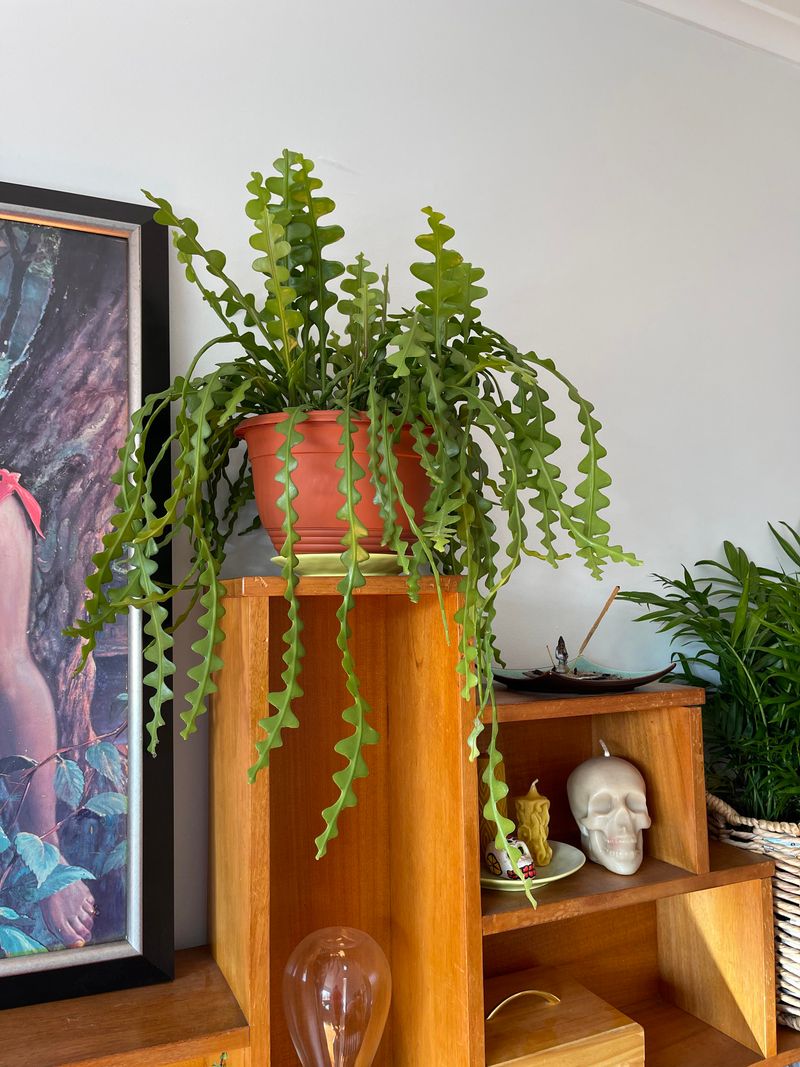
Humidity affects how your fishbone cactus looks and grows, though it’s more forgiving than many tropical plants. Coming from rainforest environments, it appreciates some moisture in the air but won’t immediately suffer if humidity drops occasionally.
Georgia’s natural humidity helps, especially if you live near the coast around Brunswick or on the southern end of the state.
Indoor humidity typically drops during winter when heating systems run constantly, and summer air conditioning also pulls moisture from the air. You might notice the leaf edges looking a bit dry or the plant growing more slowly during these periods.
Simple solutions can boost humidity without much effort or expense.
Grouping several plants together creates a little microclimate where they all benefit from the moisture each one releases through its leaves. Setting your fishbone cactus near other houseplants naturally increases humidity in that immediate area.
Another easy method involves placing the pot on a tray filled with pebbles and water, making sure the bottom of the pot sits above the water line, not in it.
Small humidifiers work great if you have several plants or if your home gets very dry. Running one nearby for a few hours each day during winter months in Atlanta or other northern Georgia cities can make a noticeable difference.
You don’t need to create a tropical rainforest environment, just take the edge off extremely dry conditions.
Misting the leaves sounds helpful but actually doesn’t do much for long-term humidity. The moisture evaporates within minutes, so you’d need to mist constantly to make any real impact.
6. Feed Lightly During Active Growth Only
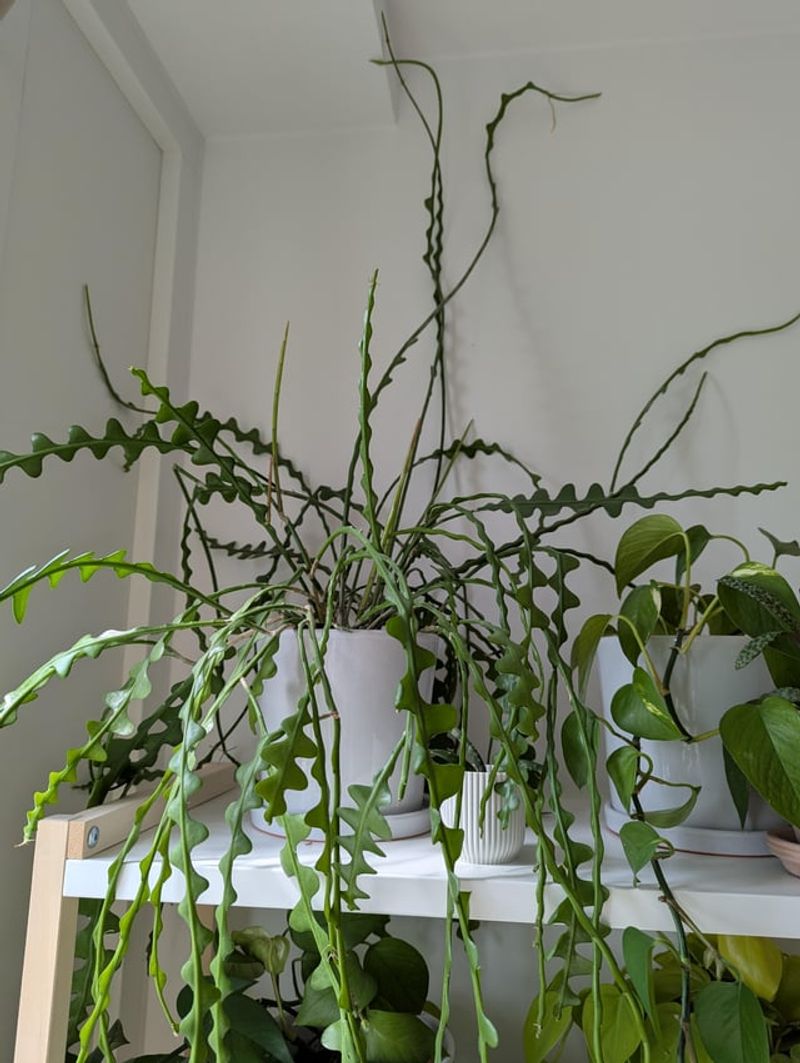
Fertilizing your fishbone cactus doesn’t need to be complicated or frequent. These plants grow slowly compared to many houseplants and don’t demand heavy feeding.
Too much fertilizer actually causes more problems than too little, leading to weak growth and salt buildup in the soil.
The active growing season runs from spring through early fall, roughly March through September in Georgia. This is when your plant pushes out new growth and can actually use the extra nutrients you provide.
A balanced liquid fertilizer diluted to half the strength recommended on the bottle works perfectly.
Feeding once a month during those growing months gives your fishbone cactus everything it needs without overdoing things. Some people prefer using a fertilizer made specifically for cacti and succulents since these formulas have lower nitrogen levels that prevent overly soft growth.
Either option works fine as long as you dilute it properly.
Come late fall and winter, stop fertilizing completely. Growth naturally slows way down during shorter days and cooler temperatures, even indoors.
The plant enters a rest period where it doesn’t need extra food. Fertilizing during this dormant time just leads to unused nutrients sitting in the soil and potentially burning the roots.
If you notice white crusty buildup on the soil surface or around the drainage holes, that’s salt accumulation from fertilizer. Flush the soil thoroughly with plain water every few months to wash away these salts.
Pour water through until it runs clear out the bottom, let it drain completely, then repeat once or twice.
7. Watch For Stress Signals Before Problems Escalate
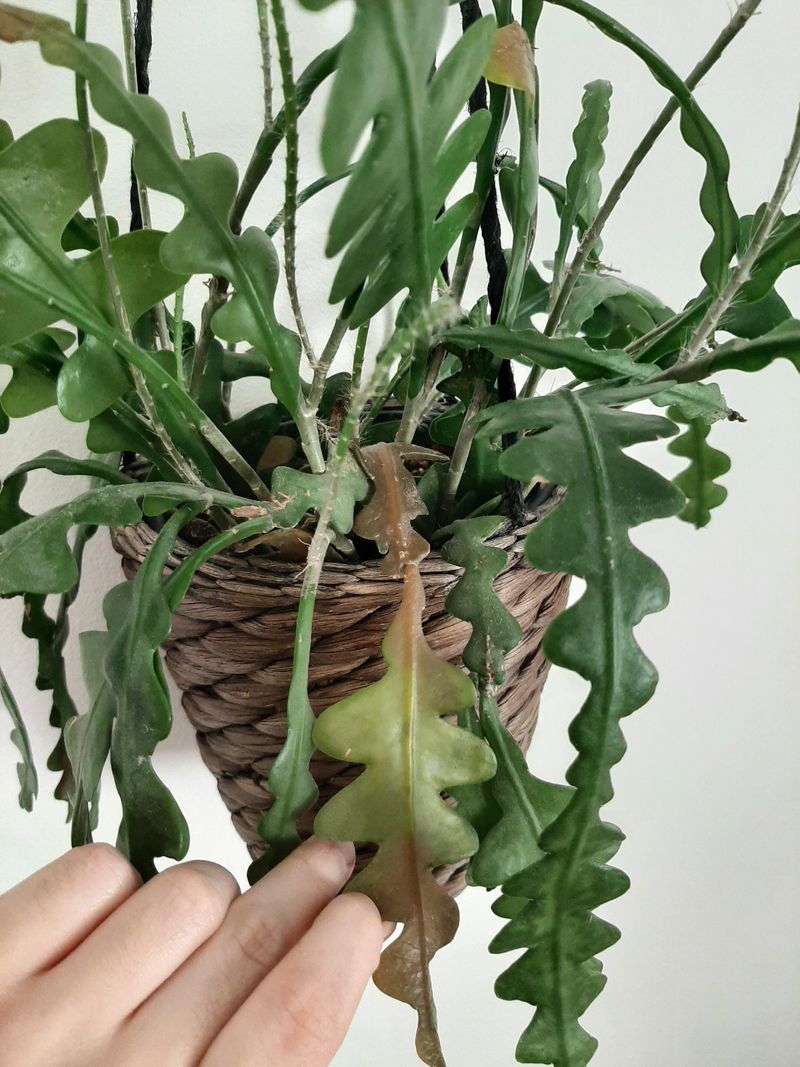
Your fishbone cactus communicates its needs through changes in appearance, and catching these signals early prevents bigger issues down the road. Healthy plants show steady growth during warm months and maintain firm, green leaves year-round.
When something goes wrong, the plant usually gives you warning signs before serious damage occurs.
Yellowing leaves often mean too much water or not enough light. Check your watering schedule and soil drainage first, then consider whether the plant needs a brighter location.
Shriveled or wrinkled leaves usually indicate the opposite problem where the plant isn’t getting enough water and has used up its stored moisture.
Brown, crispy edges on the leaves typically come from too much direct sun or extremely low humidity. If you’ve recently moved your plant closer to a window or if Georgia’s winter heating has made your home especially dry, these could be the culprits.
Soft, mushy sections on the leaves or stems signal root trouble, usually from overwatering or soil that stays too wet.
Slow growth or no new growth during spring and summer might mean the plant needs more light or fertilizer. Sometimes it just means the plant has outgrown its pot and needs fresh soil with more root space.
Checking these factors helps you figure out the solution.
Pests rarely bother fishbone cactus, but occasionally you might spot tiny bugs or webbing. Wiping leaves with a damp cloth handles most minor pest situations before they spread.
Catching any of these issues while they’re still small makes fixing them much easier than waiting until the plant looks really unhappy.