8 Container Plants That Make Your Arizona Home More Appealing
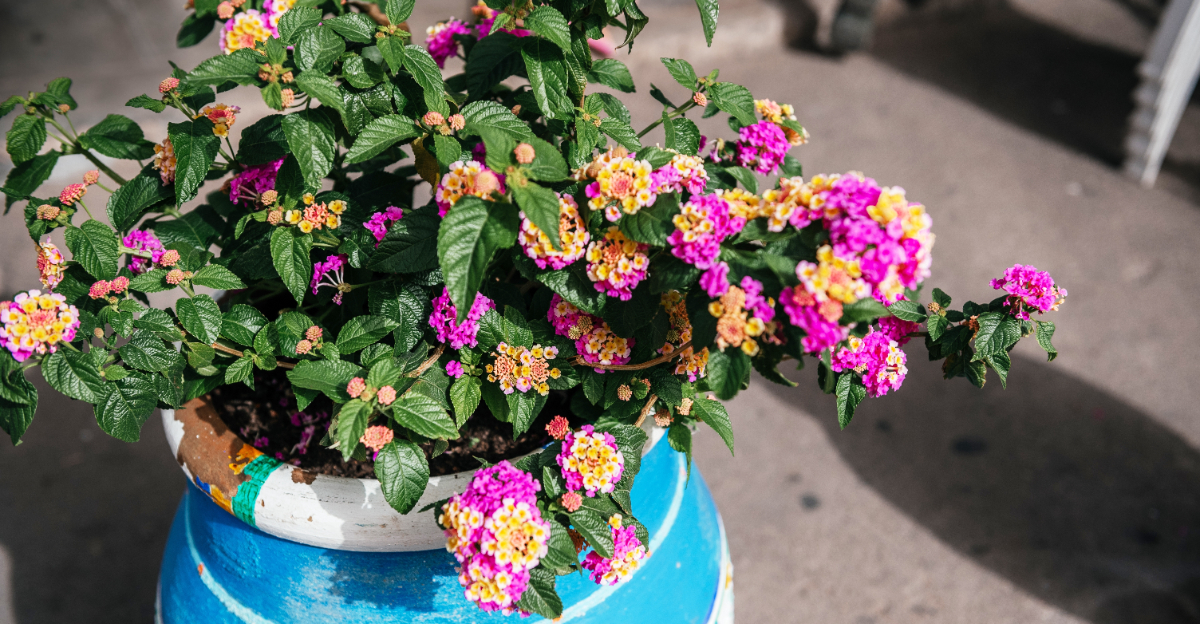
Container plants can change how an Arizona home feels almost instantly. One good pot near an entry or patio can soften hard lines and make the space feel more welcoming.
Arizona conditions play a big role in which container plants actually look good long term. Heat, reflected sun, and dry air push weak choices out fast, while the right plants settle in and stay attractive.
When containers work, they add structure, color, and life without turning into daily chores. Homeowners often notice that a few well-placed pots do more for curb appeal than larger landscape changes.
Making a home feel more appealing does not require filling every corner. It comes down to choosing container plants that handle Arizona conditions and look confident on their own.
Once those pieces fall into place, the home feels warmer, more polished, and easier to enjoy day after day.
1. Thrives In Extreme Heat And Loves Full Sun Bougainvillea
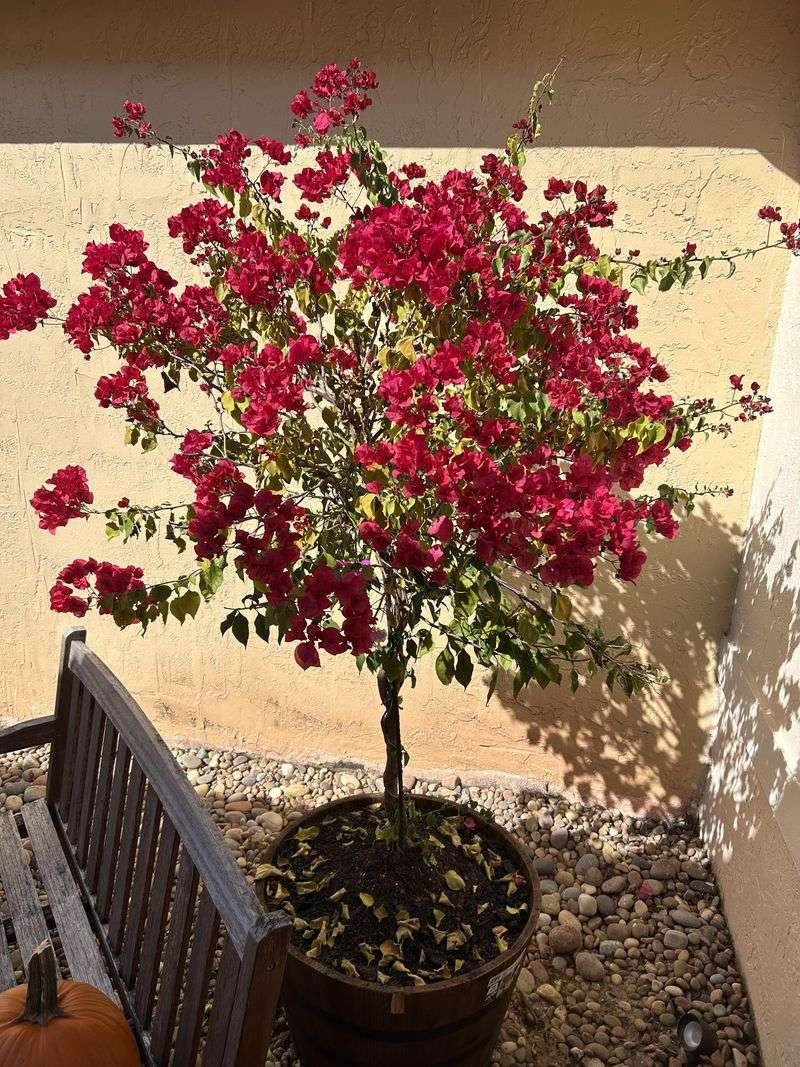
Bougainvillea stands out as one of the most spectacular flowering plants you can grow in Arizona containers.
The brilliant color comes from modified leaves called bracts that surround tiny white flowers, creating a stunning display that lasts for months. These plants actually prefer the scorching Arizona sun and produce more blooms when temperatures climb.
You’ll find bougainvillea in shades of pink, purple, orange, red, and white, giving you plenty of options to match your home’s exterior.
Container growing works exceptionally well because you can control drainage, which prevents root rot during monsoon season.
Once established in a pot, bougainvillea needs water only once or twice weekly during summer and even less during cooler months. The plant grows vigorously, so you’ll need to prune it regularly to maintain the shape and size you want.
Sharp thorns line the stems, so wear gloves when handling or trimming your bougainvillea. Position your container where it receives at least six hours of direct sunlight daily for best flowering results.
Arizona’s dry climate suits bougainvillea perfectly since high humidity can encourage fungal problems. Feed your container bougainvillea monthly during the growing season with a balanced fertilizer to support continuous blooming.
This plant brings dramatic color to entryways, patios, and poolside areas throughout most of the year in Arizona.
2. Handles Arizona Heat With Almost No Extra Care Lantana
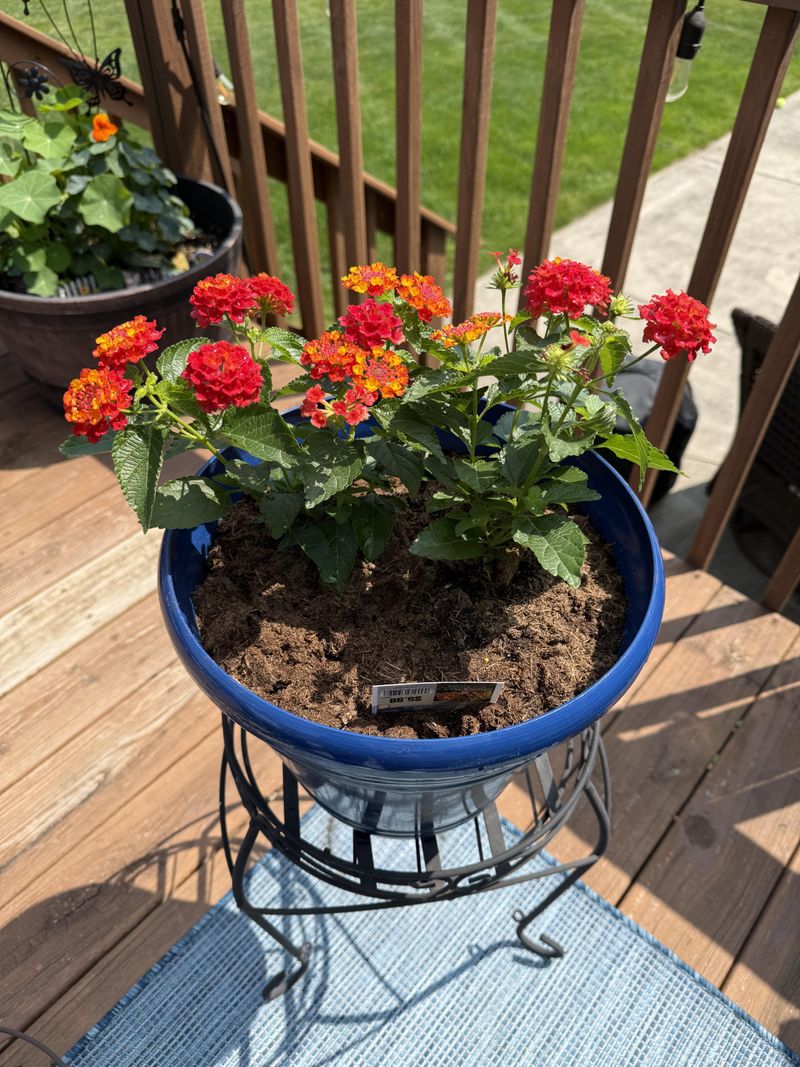
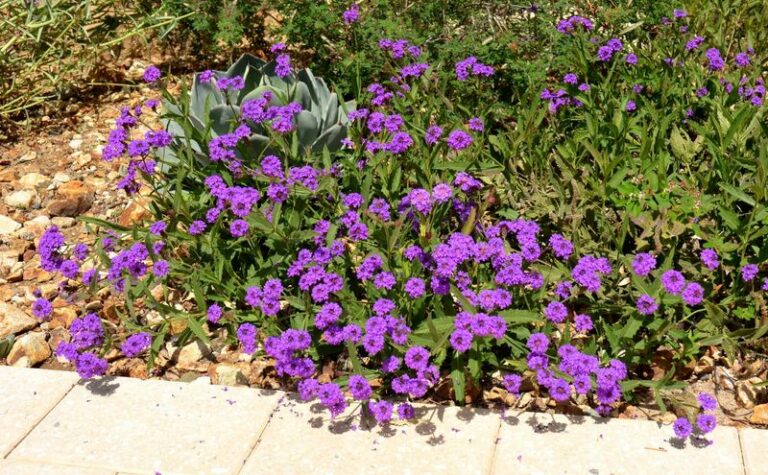
Lantana ranks among the toughest flowering plants for Arizona container gardens, requiring almost no babying once established.
Small tubular flowers cluster together in rounded heads that change color as they mature, creating a multicolored effect.
Butterflies and hummingbirds visit lantana constantly, adding movement and life to your outdoor space.
Heat that would stress other plants actually encourages lantana to bloom more profusely throughout summer. You can find varieties that grow upright or trail over container edges, depending on the look you want.
Water deeply when the top inch of soil feels dry, which might mean twice weekly during peak summer heat. Lantana tolerates missed waterings better than most flowering plants, bouncing back quickly when you resume regular care.
Deadheading spent flowers encourages more blooms, though lantana will continue flowering even without this maintenance.
Your Arizona Garden Changes Every Week. Your Plan Should Too.
Gardening in Arizona changes quickly throughout the season. Every Friday you’ll receive a simple weekly plan showing exactly what to plant, prune, fertilize, harvest, and protect so you never miss the right timing.
The plant contains compounds that make it deer-resistant, solving a common problem for Arizona homeowners in foothill areas.
Choose a container at least 12 inches wide to give lantana room to develop a full, bushy shape. In Arizona, lantana often behaves as a perennial in containers, coming back year after year if protected from rare freezes.
Position containers in full sun locations where lantana receives direct light for most of the day. This reliable bloomer adds bright spots of color to porches, patios, and walkways with minimal effort required.
3. Stays Neat, Useful, And Attractive Year-Round Rosemary
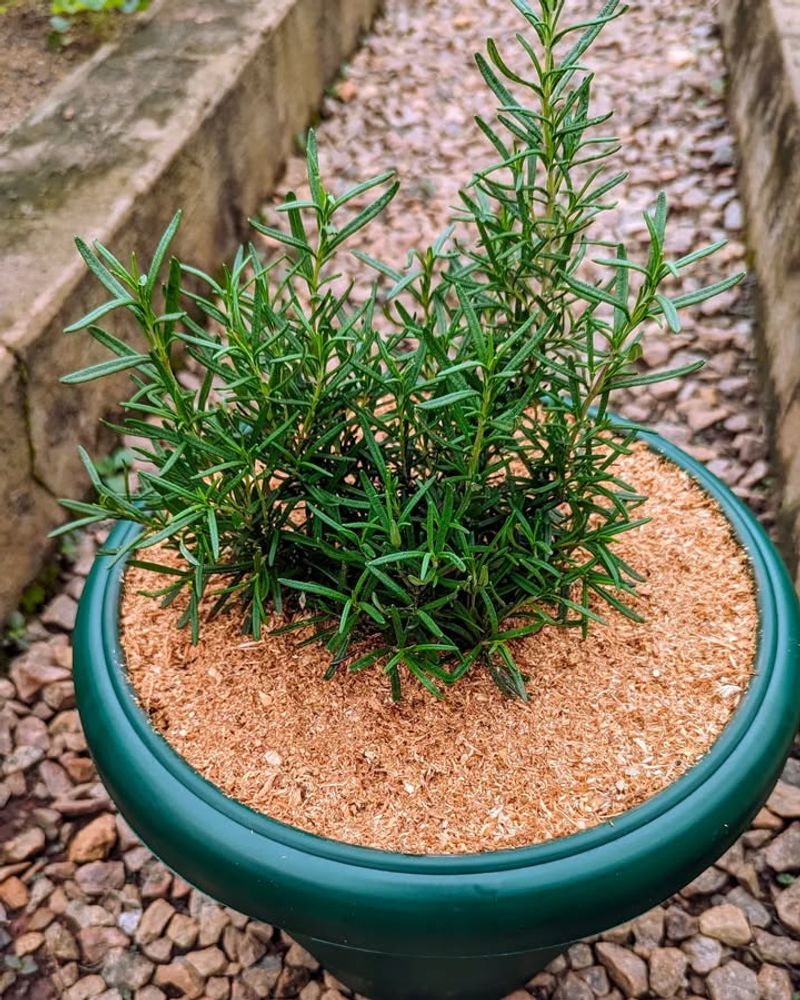
Rosemary brings both beauty and functionality to Arizona container gardens, serving as an attractive plant and a fresh cooking herb.
The needle-like leaves stay green throughout the year, providing constant color even during Arizona’s mild winters.
Small blue, pink, or white flowers appear in spring and sometimes again in fall, attracting beneficial bees to your property. Upright varieties grow into neat columnar shapes that work perfectly flanking doorways or defining outdoor spaces.
Trailing types cascade over container edges, softening hard surfaces and creating a more relaxed look. Arizona’s low humidity prevents the fungal issues that plague rosemary in more humid climates.
Water your container rosemary when the top two inches of soil become dry, which usually means once or twice weekly in summer.
Overwatering causes more problems than underwatering with rosemary, so err on the dry side if you’re unsure. The aromatic foliage releases a pleasant scent when brushed, making rosemary ideal for high-traffic areas near seating spaces.
Harvest sprigs regularly for cooking, which also serves as pruning to maintain an attractive shape.
Rosemary handles Arizona’s intense sun without burning or wilting, though afternoon shade helps during the hottest months. Use well-draining potting mix and containers with adequate drainage holes to prevent root problems.
This Mediterranean herb adapts perfectly to Arizona conditions, offering year-round appeal with minimal maintenance required.
4. Adds Greenery And Fruit Without Taking Over Space Dwarf Citrus
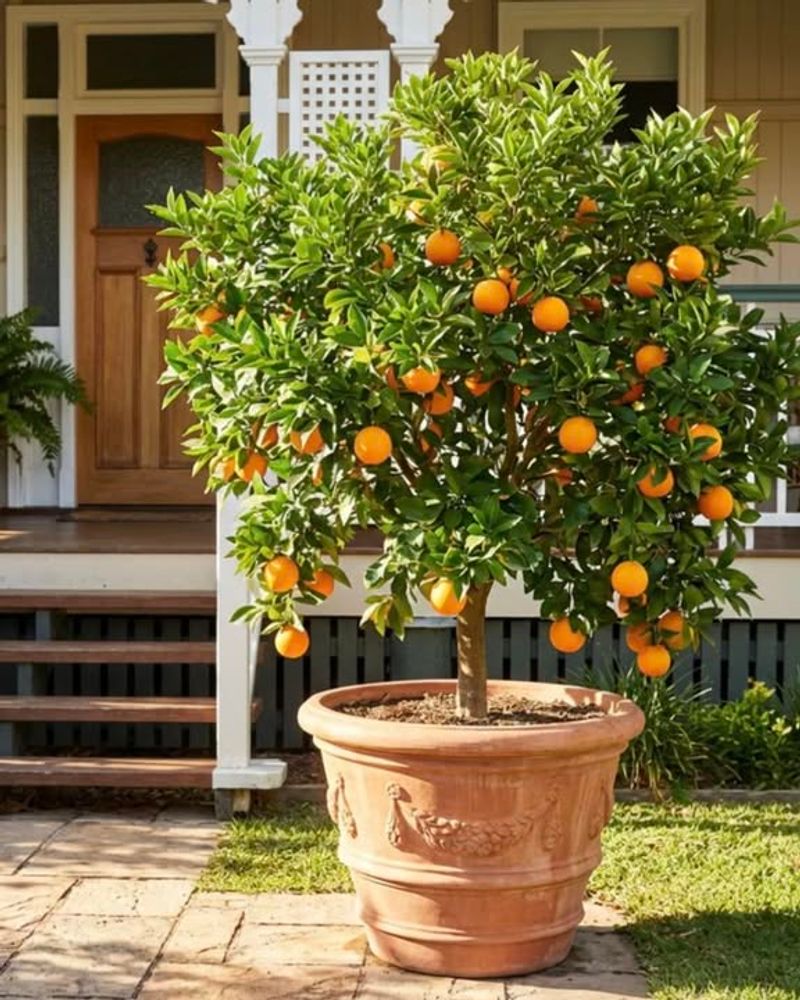
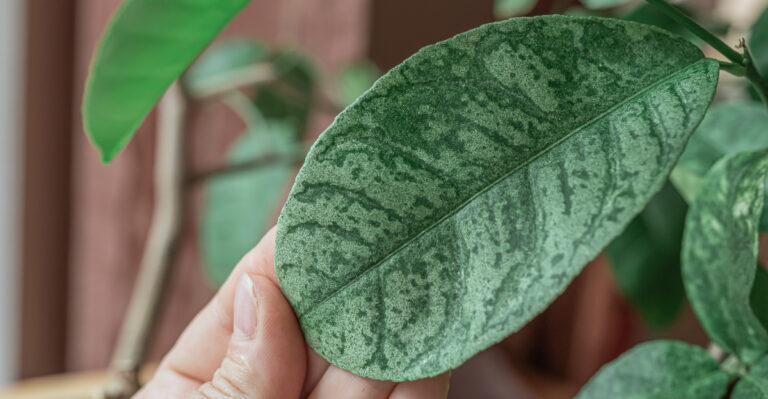
Dwarf citrus trees bring the joy of homegrown fruit to Arizona patios and courtyards without requiring a large yard.
Glossy evergreen leaves create an attractive backdrop for fragrant white blossoms that appear in spring and sometimes sporadically throughout the year. Meyer lemons, key limes, kumquats, and Satsuma mandarins all grow successfully in Arizona containers with proper care.
Container growing actually benefits citrus in Arizona by allowing you to use quality soil and control watering precisely.
Position your citrus container where it receives at least six hours of direct sunlight daily for good fruit production.
Water deeply when the top inch of soil feels dry, maintaining consistent moisture without letting roots sit in water. Arizona’s dry air means you’ll water container citrus more frequently than gardeners in humid regions would.
Feed monthly from March through October with citrus-specific fertilizer to support healthy growth and fruit development.
The combination of attractive foliage, fragrant flowers, and edible fruit makes dwarf citrus especially valuable for small spaces. Protect your container citrus during rare freezes by moving it near the house or covering it with frost cloth.
Most dwarf varieties stay between four and six feet tall, making them manageable in containers and easy to harvest.
Choose a container at least 20 inches wide and deep to provide adequate root space for healthy tree development. Fresh citrus growing right outside your door enhances your Arizona home’s appeal while providing delicious homegrown fruit.
5. Needs Little Water And Still Looks Striking Aloe
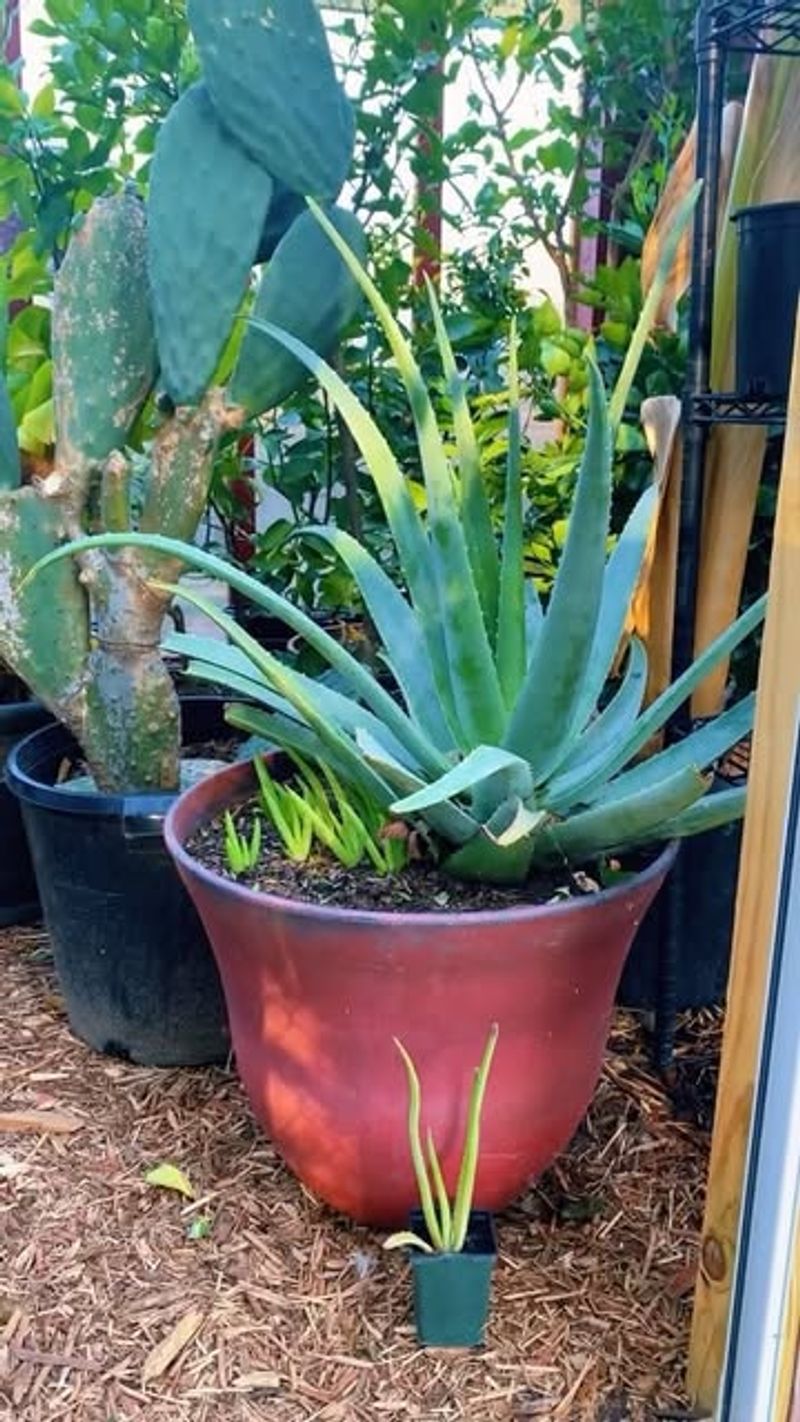
Aloe plants offer dramatic architectural form with virtually no water requirements once established in Arizona containers.
Thick, fleshy leaves store water internally, allowing aloe to survive weeks without irrigation during hot weather. The sculptural rosette shape creates visual interest that works with both modern and traditional Arizona home styles.
Tall flower spikes emerge from the center in late winter or spring, displaying tubular blooms in shades of orange, yellow, or red.
Hummingbirds seek out aloe flowers, adding another dimension of appeal to your container displays.
Dozens of aloe species exist, ranging from compact six-inch varieties to large specimens several feet across. Choose container size based on your aloe variety, ensuring the pot provides stability for top-heavy rosettes.
Water thoroughly but infrequently, allowing soil to dry completely between waterings to prevent root rot.
During Arizona’s hottest months, most container aloes need water only every two to three weeks. Full sun to partial shade works well, though some varieties develop better color with more direct sunlight.
Aloe thrives in Arizona’s low humidity and rarely suffers from pest or disease problems.
The gel inside aloe leaves provides natural first aid for minor burns and skin irritations, adding practical value.
Group several different aloe varieties in containers of varying heights to create an eye-catching succulent display that requires almost no maintenance.
6. Holds Color Well In Containers Under Strong Sun Geraniums
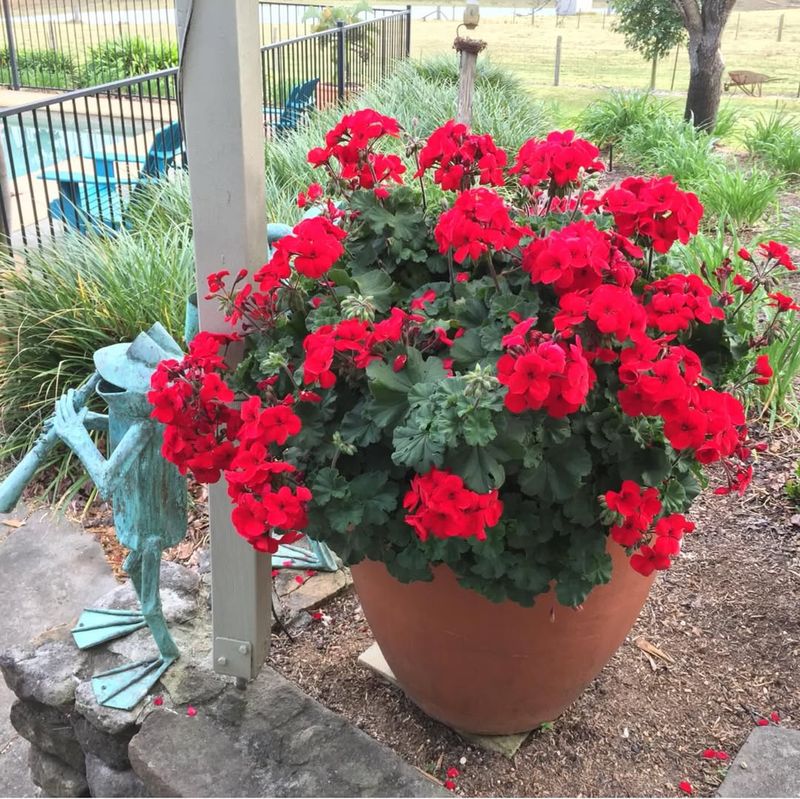
Geraniums deliver reliable color in Arizona containers despite intense sun and heat that fades many other flowering plants.
Large rounded clusters of flowers sit above attractive foliage, creating a classic look that enhances any home’s exterior. You’ll find geraniums in nearly every color except blue, with reds, pinks, corals, and whites being most popular.
The plants bloom continuously from spring through fall in Arizona, taking only a brief rest during the coldest winter months.
Container geraniums need more water than succulents but less than most flowering annuals, making them moderately low-maintenance. Check soil daily during summer heat and water when the top inch feels dry to the touch.
Geraniums handle Arizona’s dry air better than humid conditions, rarely developing the fungal problems common in other regions.
Pinch off spent flower clusters to encourage more blooms and keep plants looking tidy throughout the growing season.
Afternoon shade helps geraniums maintain better appearance during the most intense summer months, though morning sun remains important. These plants adapt well to container life and actually bloom more profusely when slightly root-bound.
Feed every two weeks with diluted liquid fertilizer during active growth periods for best flowering performance.
Bring containers close to the house during rare freezes, as geraniums suffer damage below 32 degrees. The combination of bright flowers, attractive foliage, and easy care makes geraniums perfect for Arizona entryways, porches, and patio areas.
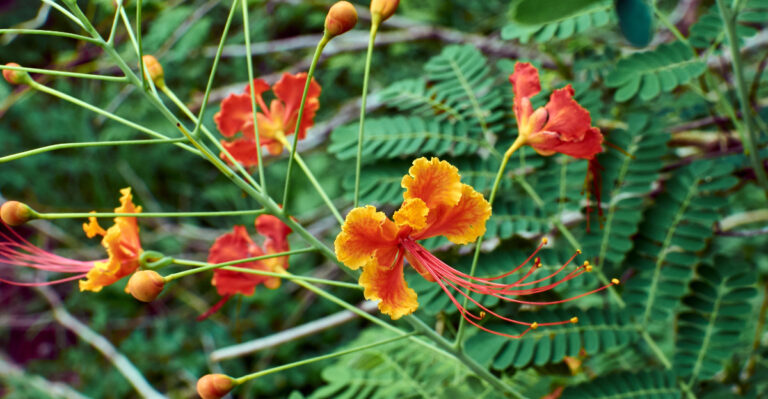
7. Grows Slowly And Keeps A Strong Shape Desert Rose
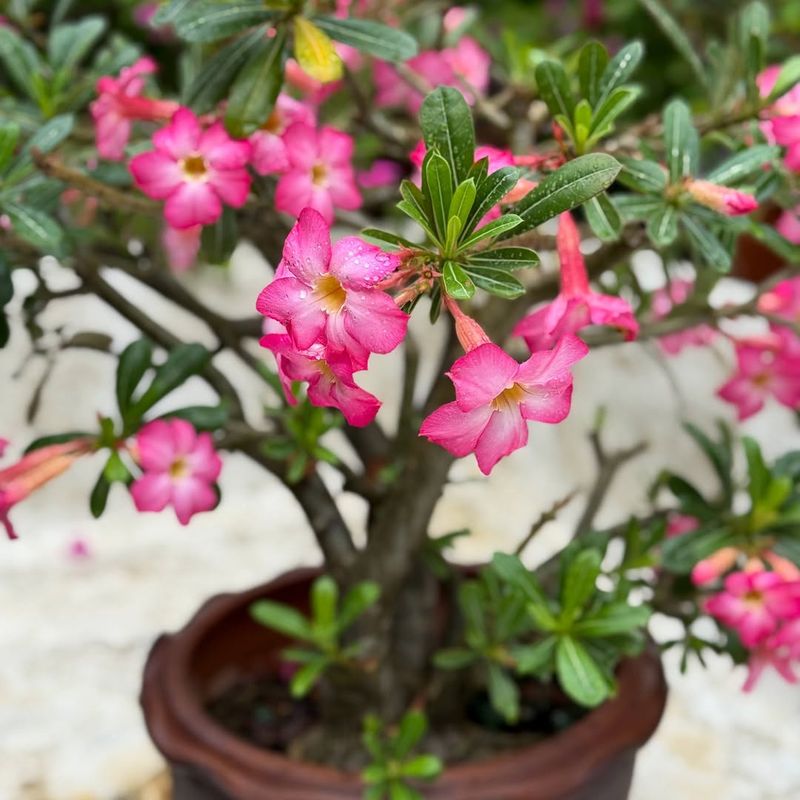
Desert rose brings exotic beauty to Arizona containers with stunning trumpet-shaped flowers and a unique sculptural trunk.
The swollen base called a caudex stores water and creates an interesting bonsai-like appearance that improves with age.
Large blooms in shades of pink, red, white, or multicolored combinations appear abundantly during warm months. This succulent shrub grows slowly, meaning you won’t need to constantly repot or prune to maintain an attractive size.
Arizona’s climate mimics the desert rose’s native habitat, making it one of the easiest exotic plants to grow here. Position containers in full sun where plants receive direct light for at least six hours daily.
Water thoroughly when soil becomes dry, which might mean weekly during peak summer heat and less during cooler months.
The thick leaves and swollen trunk allow desert rose to tolerate occasional missed waterings without suffering damage.
Bring containers indoors or into a garage during winter if temperatures threaten to drop below 50 degrees. Desert rose naturally drops leaves and stops blooming during cool weather, then rebounds vigorously when warmth returns.
Feed monthly during the growing season with fertilizer formulated for flowering plants to support abundant bloom production. Choose a container with excellent drainage and use cactus potting mix to prevent root rot.
The combination of unusual form, spectacular flowers, and easy care makes desert rose a conversation piece that enhances any Arizona home’s appeal.
8. Brings Soft Texture To Pots Without High Water Needs Muhly Grass
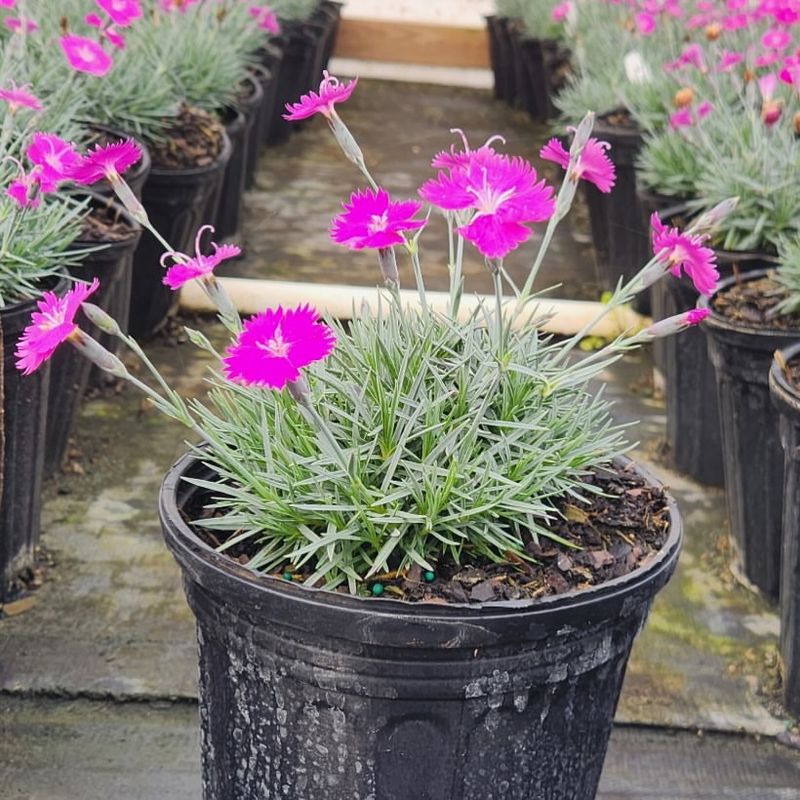
Muhly grass adds movement, texture, and seasonal color to Arizona containers while requiring minimal water once established.
Fine, hair-like blades create a soft mounding form that contrasts beautifully with the rigid shapes of succulents and cacti. In fall, spectacular pink or purple plumes emerge above the foliage, creating a cloud-like effect that glows when backlit by sun.
These airy seed heads persist for weeks, providing extended interest during a season when many plants look tired.
Pink muhly grass performs especially well in Arizona, tolerating heat and drought that would stress other ornamental grasses. Water deeply but infrequently, allowing soil to dry between waterings to encourage deep root development.
Established container muhly grass typically needs water only once or twice weekly even during the hottest summer months.
The fine texture works perfectly as a contrast element when combined with bold-leaved plants in mixed container displays.
Cut back old foliage to about four inches in late winter before new growth emerges for a tidy appearance.
Muhly grass handles Arizona’s intense sun without burning and actually blooms better with full sun exposure. Choose a container at least 16 inches wide to accommodate the grass’s mature spread and root system.
This ornamental grass remains attractive year-round, with green foliage in summer and tan winter color after the pink plumes fade.
Muhly grass brings natural, prairie-like beauty to Arizona patios and entryways while requiring far less maintenance than traditional flowering plants.