These 7 Native Oregon Plants You Can Use Like Culinary Herbs
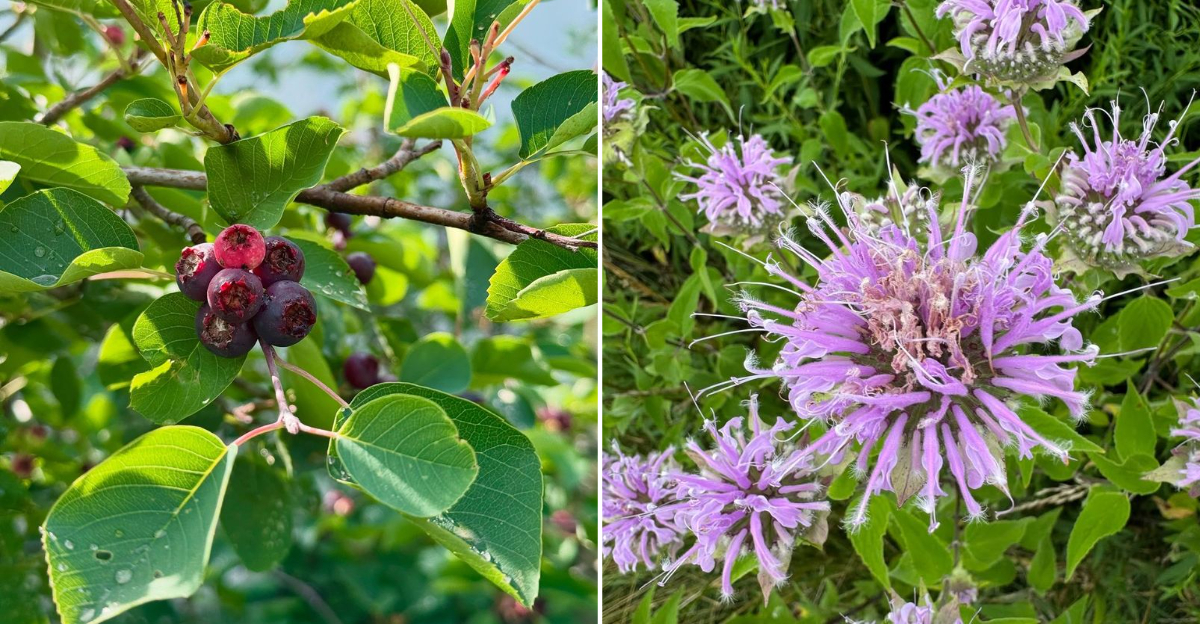
Oregon’s landscapes are more than beautiful, they are flavorful, fragrant, and quietly practical.
Long before modern herb gardens, people across the Pacific Northwest gathered native plants for teas, seasoning, and gentle herbal use.
Many of these plants still grow easily today, often needing less care than common kitchen herbs because they evolved with Oregon’s soils, rains, and seasonal swings.
From coastal fog belts to sunny high desert slopes, these native plants can bring scent, flavor, and a sense of place straight into your kitchen. Some add brightness to teas, others offer subtle herbal notes for cooking, and a few carry deep cultural history.
Growing them is not just about flavor, it is also about supporting pollinators, preserving regional plant knowledge, and gardening in harmony with local ecosystems.
Step outside, snip a leaf, steep a handful, and taste Oregon in its natural form.
1. Coastal Mugwort (Artemisia suksdorfii)
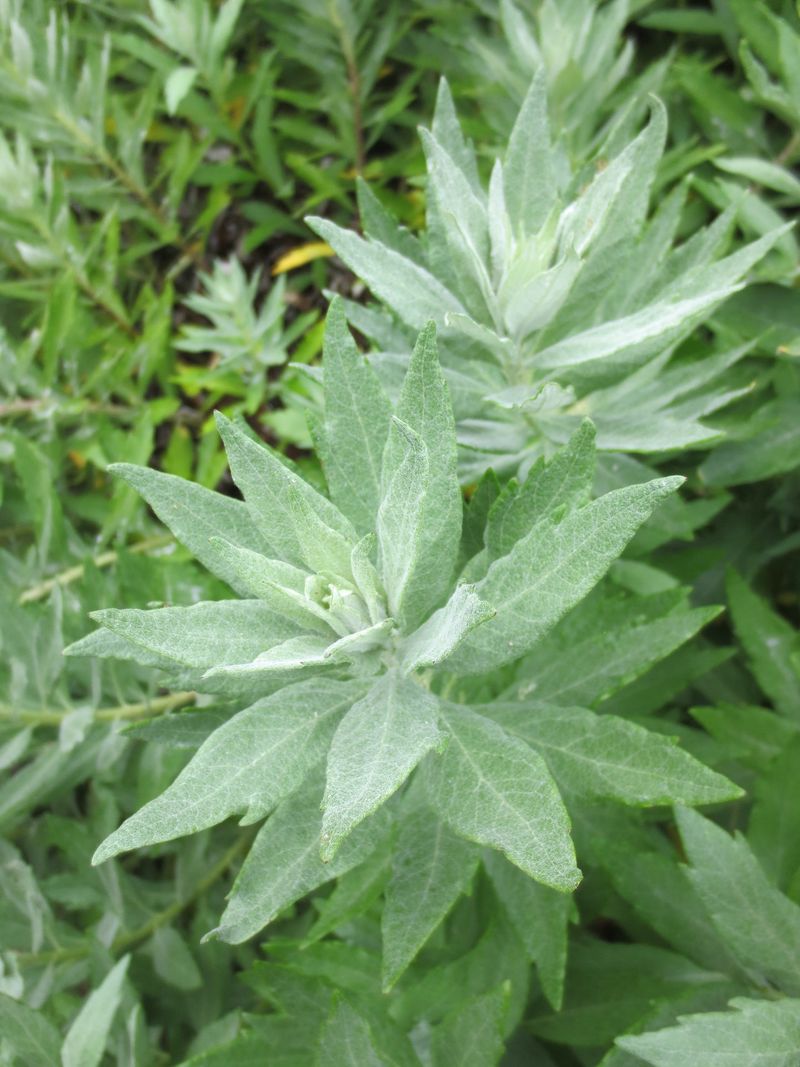
Silvery, aromatic, and quietly powerful, coastal mugwort has long been used for herbal teas and gentle flavoring. The leaves carry a soft, earthy bitterness that blends well with honey or mint when steeped.
Traditionally, mugwort was used sparingly rather than as a daily herb, and modern gardeners often enjoy it in light herbal infusions.
This plant grows naturally along Oregon’s coast and western valleys, where cool summers and winter moisture suit it well. It prefers full sun to partial shade and tolerates sandy coastal soils as well as heavier valley ground.
In the Cascades foothills, it often grows best in open woodland edges, while in Eastern Oregon it may need occasional watering during long dry spells.
Plant in spring or fall, spacing generously since it spreads slowly through roots. Once established, it usually requires little care beyond trimming older stems.
Harvest young leaves in late spring or early summer for the mildest flavor.
For use, steep a few fresh or dried leaves in hot water for a gently aromatic tea. Some cooks add tiny amounts to broths or roasted vegetables for a subtle herbal tone.
Because the flavor is strong, small amounts often work best.
2. Yerba Buena (Clinopodium douglasii)
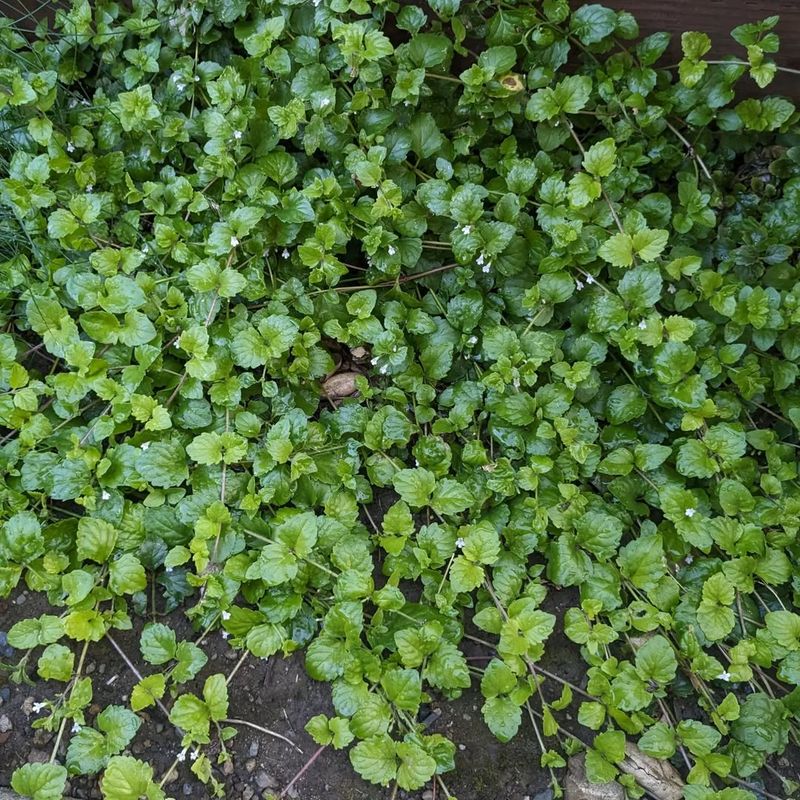
Fresh, bright, and softly minty, yerba buena is one of Oregon’s most beloved native tea plants. The leaves release a cooling aroma when touched, making this plant both refreshing and soothing.
Its flavor is milder than garden mint, with a clean, slightly sweet character that works beautifully in teas, fruit dishes, and cold drinks.
Yerba buena naturally grows in coastal forests, shaded valleys, and moist woodland edges west of the Cascades. It prefers partial shade, rich soil, and consistent moisture, though it can tolerate short dry periods once mature.
In the Willamette Valley, it thrives under trees or along shaded paths. In coastal zones, fog and cool temperatures help it spread gently as a groundcover.
In Eastern Oregon, it benefits from afternoon shade and occasional watering.
Plant in spring in loose, well-drained soil and allow it space to spread slowly. Harvest leaves throughout the growing season, especially before flowering when oils are strongest.
Your Oregon Garden Changes Every Week. Your Plan Should Too.
Gardening in Oregon changes quickly throughout the season. Every Friday you’ll receive a simple weekly plan showing exactly what to plant, prune, fertilize, harvest, and protect so you never miss the right timing.
To use, steep fresh leaves for a calming herbal tea, add to lemonade, or chop lightly into fruit salads. The gentle flavor pairs well with berries, making it a favorite for summer drinks.
3. Yarrow (Achillea millefolium)
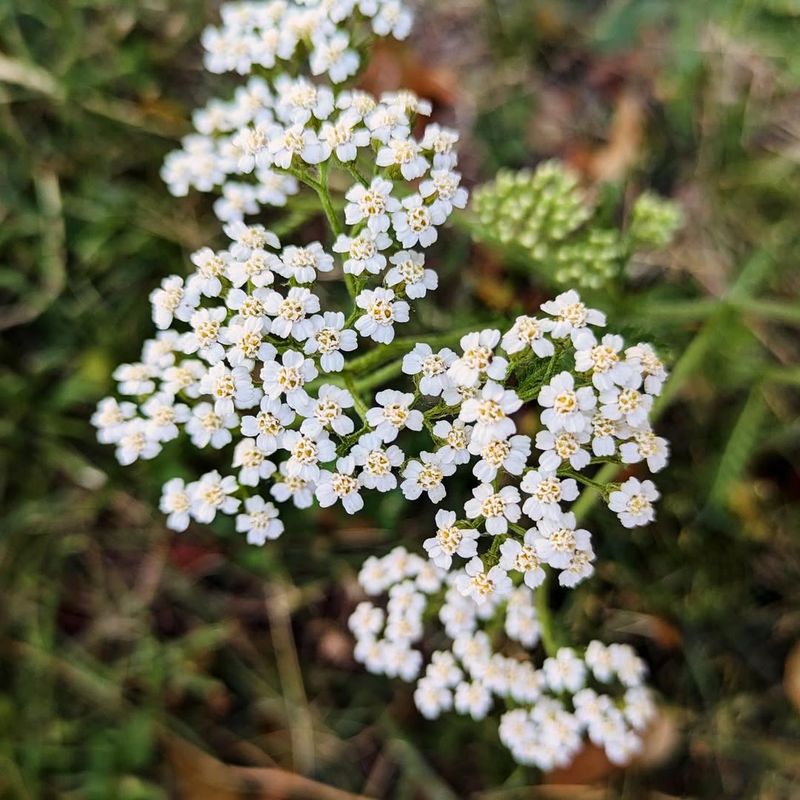
Feathery, fragrant, and resilient, yarrow has long been used for herbal teas and light seasoning. The leaves carry a slightly bitter, peppery flavor, while the flowers produce a more delicate infusion.
Traditionally, yarrow was used in small amounts rather than as a primary culinary herb.
Yarrow grows across nearly all Oregon regions, from coastal dunes to mountain meadows and high desert plains. It prefers full sun and well-drained soil, and once established, it usually tolerates dry conditions well.
In the Willamette Valley, it often grows vigorously in open sunny beds. In the Cascades, it thrives in meadow-like settings, while in Eastern Oregon, it adapts to rocky or sandy soils with minimal water.
Plant in spring or fall, spacing plants to allow air flow. Harvest young leaves in spring before flowering for the mildest taste.
Flowers may be gathered in summer and dried for tea.
Use sparingly, a small pinch of leaves can add herbal complexity to egg dishes or soups. The flowers steep into a mild, aromatic tea that pairs well with honey or lemon.
4. Western Serviceberry (Amelanchier alnifolia – berries)
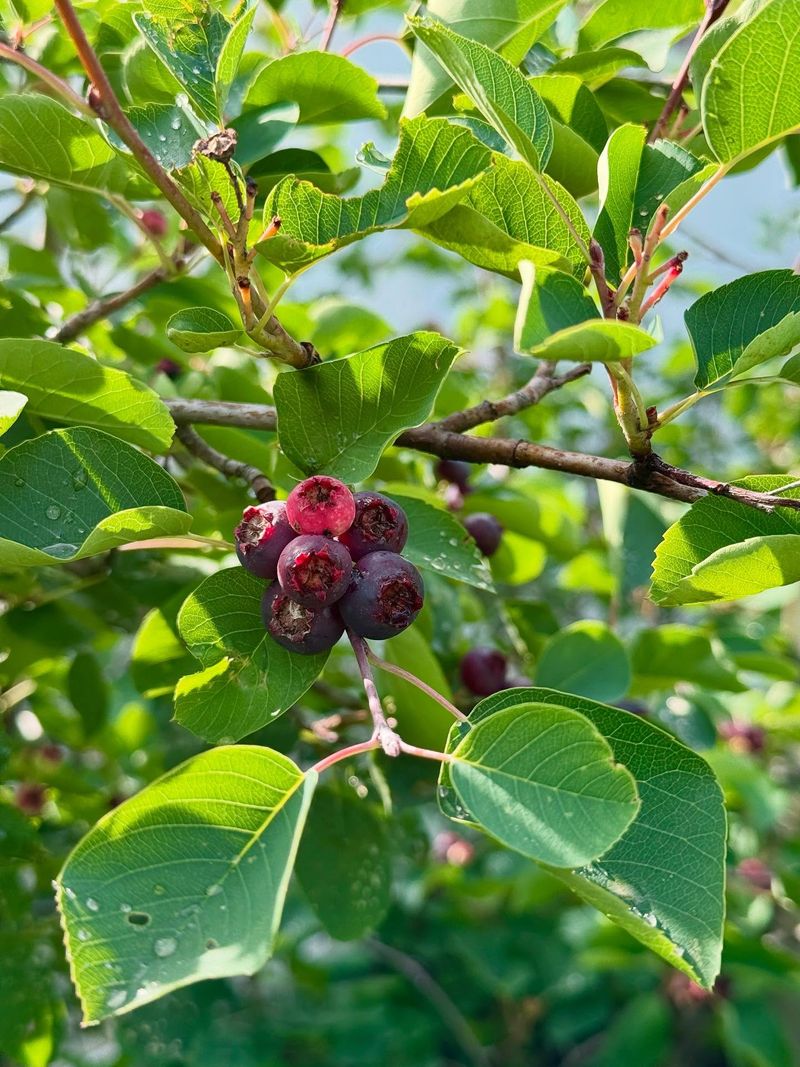
Sweet, juicy berries that taste like a cross between blueberries and apples make western serviceberry a favorite among Oregon foragers and gardeners. The fruits ripen in early summer, usually June or July, providing one of the first berry harvests of the season.
Each small berry packs a mild, pleasant sweetness that works beautifully in pies, jams, fresh eating, or dried like raisins for winter snacking.
This deciduous shrub grows throughout Oregon in sun to partial shade, adapting to various soil types from sandy to clay. It prefers well-drained locations but tolerates some moisture variation.
In gardens, serviceberry reaches ten to fifteen feet tall, producing white spring flowers that attract early pollinators before developing into fruit clusters.
Plant bare-root or container-grown serviceberries in early spring, spacing them eight to ten feet apart. They benefit from regular watering during establishment and through the first summer.
Once mature, they handle dry periods well, though consistent moisture improves berry production.
Harvest berries when they turn dark purple and come away easily from the stem, usually picking every few days as they ripen. Birds love these berries too, so netting may help protect your harvest.
Use fresh berries in pancakes, muffins, or smoothies. They freeze excellently for later use and make wonderful preserves that capture summer’s sweetness.
The shrub provides beautiful fall color, with leaves turning yellow to orange-red before dropping.
5. Beach Strawberry (Fragaria chiloensis – fruits)
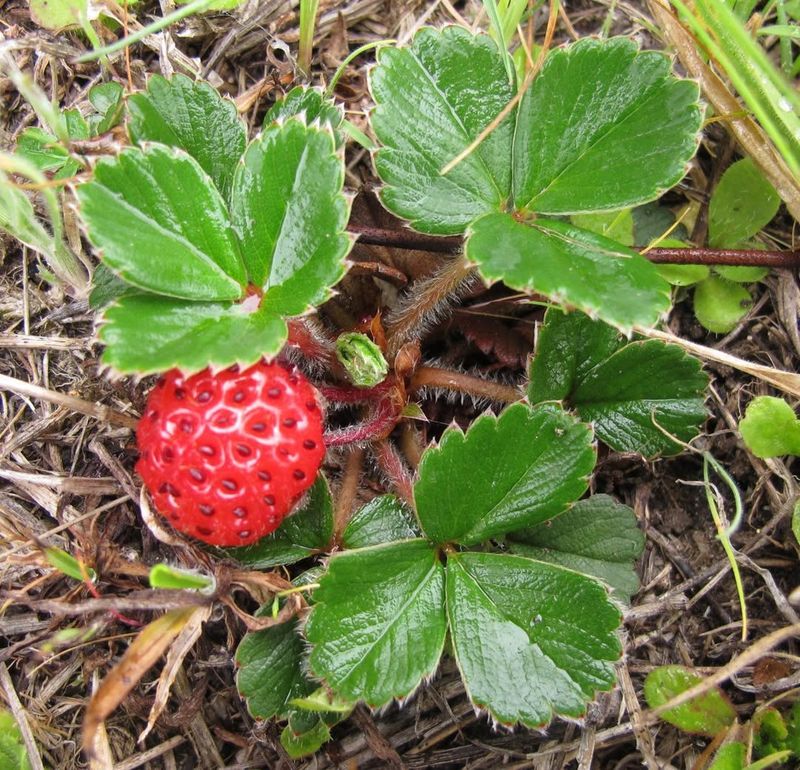
Along Oregon’s coast, beach strawberry spreads across dunes and sandy areas, producing small but intensely flavorful fruits.
These wild strawberries pack more taste into their tiny size than many cultivated varieties, with a sweet-tart flavor that makes them worth seeking out.
The plants also work beautifully as edible groundcover in coastal and inland gardens, offering glossy evergreen leaves and white flowers before fruiting.
Beach strawberry grows best in full sun to partial shade with sandy, well-drained soil that mimics coastal conditions. It tolerates salt spray and wind in coastal gardens while adapting to inland sites with similar soil drainage.
The plants spread through runners, creating thick mats that help prevent erosion and suppress weeds.
Plant starts or divisions in spring, spacing them about twelve inches apart. Water regularly until established, then reduce frequency as plants mature.
In inland gardens, occasional deep watering during hot, dry periods helps maintain healthy growth and better fruiting.
Harvest berries when fully red and soft, typically in June or early July. The fruits are smaller than cultivated strawberries but deliver concentrated flavor that shines in fresh applications.
Use them whole in fruit salads, blend into smoothies, or cook into compact, flavorful jams. A handful of these berries transforms breakfast cereal or yogurt into something special.
The plants require minimal maintenance beyond occasional runner management to control spread.
6. Camas (Camassia quamash – bulbs cooked traditionally)
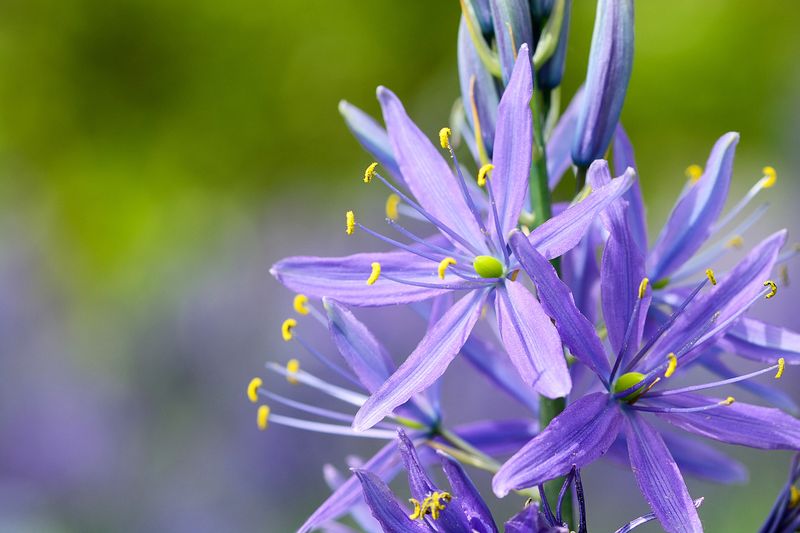
Blue-purple camas flowers paint Oregon meadows each spring, marking the presence of bulbs that sustained indigenous communities for thousands of years.
The bulbs, when properly cooked, develop a sweet, molasses-like flavor that makes them a unique addition to modern kitchens.
However, camas requires careful identification and traditional slow-cooking methods to transform the bulbs from inedible to delicious, making this plant best suited for experienced foragers and gardeners committed to learning proper preparation.
Camas grows in wet meadows and areas with heavy spring moisture followed by dry summers. It prefers full sun and clay or loamy soils that hold water during the growing season.
The plants go dormant after flowering, disappearing by midsummer until new growth emerges the following spring.
Plant camas bulbs in fall, setting them three to four inches deep and six inches apart. Choose a location that stays moist through spring but drains well enough to prevent bulb rot during summer dormancy.
The stunning flowers appear in April or May, attracting native bees and creating beautiful displays.
Harvesting camas bulbs requires careful timing and knowledge. Traditional methods involve slow-cooking in earth ovens for extended periods to break down complex carbohydrates.
Modern cooks can achieve similar results through very long, slow roasting. Only harvest from cultivated plantings, never from wild populations, and ensure positive identification to avoid toxic look-alikes like death camas.
The prepared bulbs have historical and cultural significance worth respecting through mindful use.
7. Wild Bergamot (Monardella odoratissima)
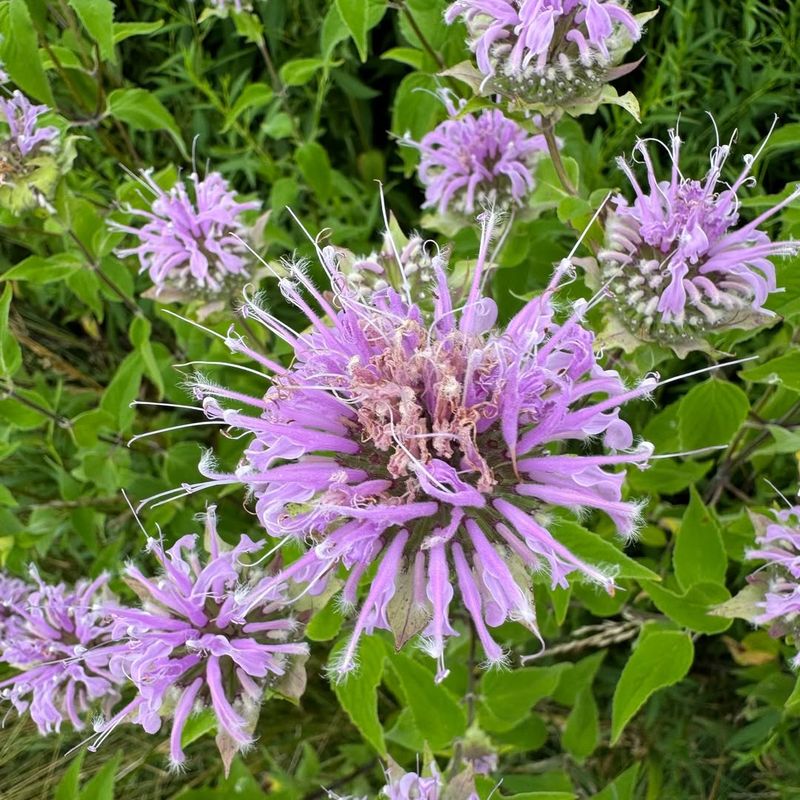
Fragrant and gently spicy, wild bergamot offers aromatic leaves that have long been enjoyed in simple herbal teas and traditional infusions. When crushed, the foliage releases a soft minty scent with subtle citrus and herbal notes.
The flavor is refreshing yet mild, often described as smoother and less sharp than common mint, which makes it pleasant both hot and iced.
During bloom, the small lavender to pink flower clusters add charm to the plant and tend to attract bees, butterflies, and other native pollinators, bringing quiet activity and life to the garden.
Wild bergamot grows naturally in open forests, dry slopes, and mountain meadows across parts of Oregon, especially through the Cascades and many areas of Eastern Oregon. It usually prefers sunny, well-drained locations and adapts well to rocky or sandy soils.
In western Oregon’s wetter regions, planting on a gentle slope or raised bed may help improve drainage, while in drier inland zones occasional deep watering during prolonged summer dry periods can support steady growth.
The plant often forms low, spreading clumps that work nicely in native or pollinator-friendly plantings.
Plant in spring once soils begin to warm, spacing plants to allow airflow and natural spread. Harvest leaves just before flowering, when aromatic oils are often strongest.
To use, steep fresh or dried leaves in hot water for a bright, calming tea, or blend with other herbs for a layered flavor. Finely chopped leaves may also be added lightly to fruit dishes or honey infusions for a gentle herbal note.