10 Early-Blooming Native Wildflowers Ohio Gardeners Can Plant This Spring
After months of gray skies and frozen ground, something amazing begins to happen across Ohio. Tiny green shoots start pushing through cold soil, sometimes even melting their way through lingering snow.
These first wildflowers are not just beautiful, they are survivors. Long before tulips and garden center flowers appear, Ohio’s native spring bloomers wake up the landscape and feed hungry bees, flies, and butterflies just emerging from winter.
For generations, these tough native plants have adapted to Ohio’s unpredictable springs, thriving in cold snaps, heavy rains, and late frosts. Planting them does more than add early color to your yard.
It helps rebuild local ecosystems, supports pollinators, and brings a piece of Ohio’s natural heritage right into your garden.
If you love seeing the very first signs of spring and want a yard that comes alive early, these native wildflowers are the perfect place to start.
1. Skunk Cabbage Brings Bold Early Blooms
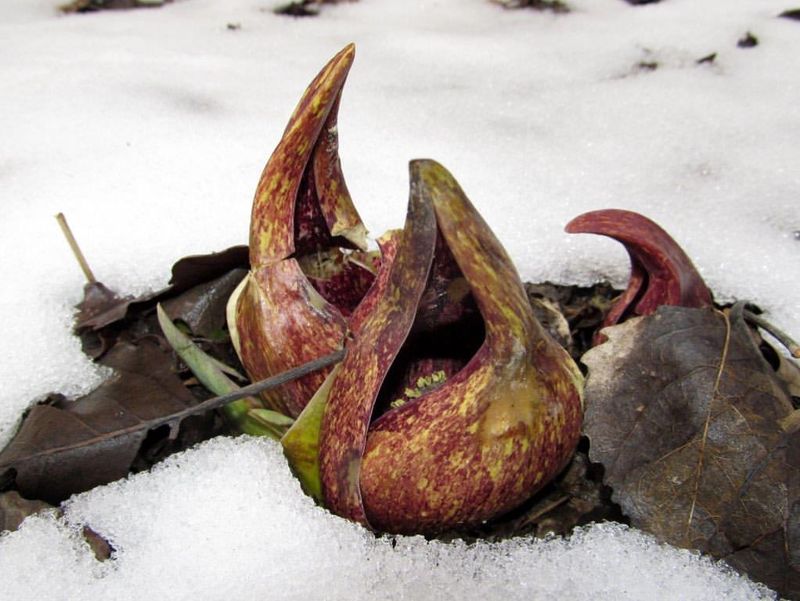
Skunk cabbage earns its place as Ohio’s earliest wildflower by doing something truly remarkable; it generates its own heat to melt through snow and ice. This unusual native can raise its temperature up to 35 degrees above the surrounding air, allowing it to bloom when other plants remain frozen.
The flower appears as a mottled purple and green hood that shelters a knobby spike inside, creating an architectural statement in late winter gardens.
Ohio gardeners with wet spots, rain gardens, or low-lying areas find skunk cabbage incredibly useful. It thrives where many other plants struggle, tolerating standing water and heavy clay soils that stay soggy through spring.
Plant it along stream banks, near downspouts, or in naturally damp corners where its bold foliage provides texture throughout the growing season.
Early pollinators rely heavily on skunk cabbage for survival. Flies, beetles, and even some bees seeking food in late February or early March visit these flowers when nothing else blooms.
The plant’s warmth actually helps insects stay active during cold snaps. Space plants about two feet apart in partial shade to full sun, and once established, they’ll return reliably year after year with minimal care required.
2. Harbinger Of Spring Signals Tiny Flowers
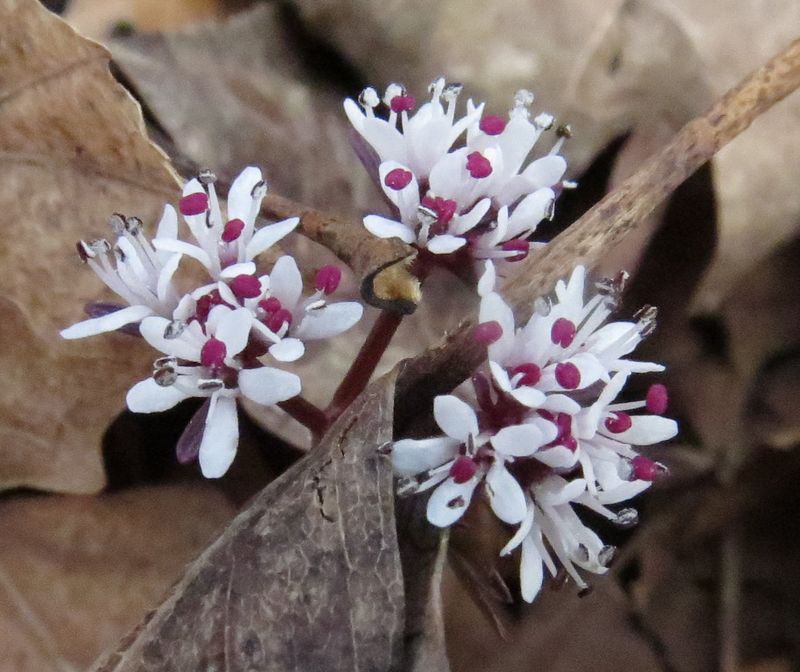
Few wildflowers announce spring’s arrival quite like harbinger-of-spring, and its name tells you exactly what it does. These diminutive plants push up clusters of tiny white flowers in late March, often appearing before most gardeners even think about planting season.
Each bloom measures less than a quarter-inch across, but they appear in cheerful groups that catch your eye when you’re checking garden beds for signs of life.
Woodland gardens in Ohio provide perfect conditions for harbinger-of-spring to flourish. The plant prefers dappled shade under deciduous trees, where it completes its entire bloom cycle before the tree canopy fully leafs out.
Rich, moist soil with plenty of organic matter helps it establish quickly. Plant small clusters rather than individual specimens to create the naturalized look this wildflower achieves in forest settings.
The blooming period lasts only about two weeks, making harbinger-of-spring a fleeting treasure. Early bees and small flies depend on these flowers for nectar when food sources remain scarce.
Your Ohio Garden Changes Every Week. Your Plan Should Too.
Gardening in Ohio changes quickly throughout the season. Every Friday you’ll receive a simple weekly plan showing exactly what to plant, prune, fertilize, harvest, and protect so you never miss the right timing.
Once established in suitable conditions, plants self-seed readily, forming expanding colonies that return reliably each spring. Combine them with other early bloomers to extend your garden’s early-season interest and provide continuous food for awakening pollinators throughout Ohio’s unpredictable spring weather.
3. Bloodroot Lights Up The Woods
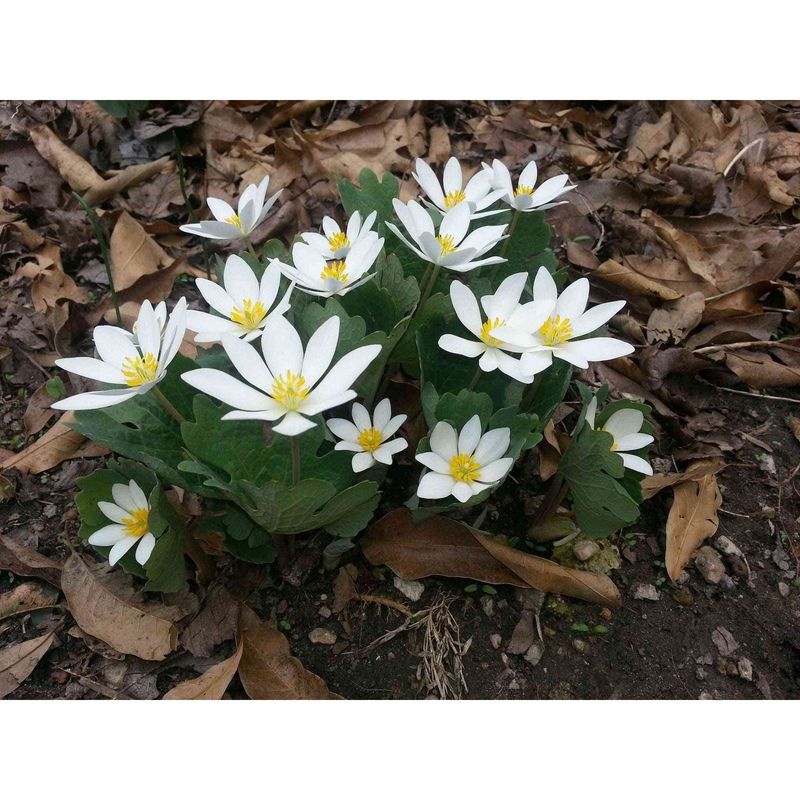
Bloodroot produces some of the most stunning white flowers you’ll see in Ohio woodlands during late March and April. Each bloom features eight to twelve pristine petals surrounding a golden center, creating a flower that practically glows against dark forest soil.
The plant gets its name from the orange-red sap in its roots, but gardeners value it for those spectacular spring blooms that appear before most other wildflowers wake up.
Shady locations with well-drained soil suit bloodroot perfectly. It naturally grows on slopes and raised areas in Ohio forests where water drains away rather than pooling around roots.
Woodland gardens, shade gardens under mature trees, or north-facing beds provide ideal conditions. When transplanting, handle roots carefully to avoid breaking them, and plant them horizontally about one inch deep in soil enriched with leaf compost.
Early bees seeking nectar visit bloodroot flowers enthusiastically, making these natives valuable for supporting pollinator populations. Each flower lasts only a few days, but established colonies produce numerous blooms that open sequentially, extending the display.
The distinctive lobed leaves remain attractive through summer before going dormant. Space plants eight to twelve inches apart, and they’ll gradually spread through underground rhizomes, creating beautiful naturalized drifts that return faithfully each spring in Ohio gardens.
4. Spring Beauty Delivers Delicate Blooms
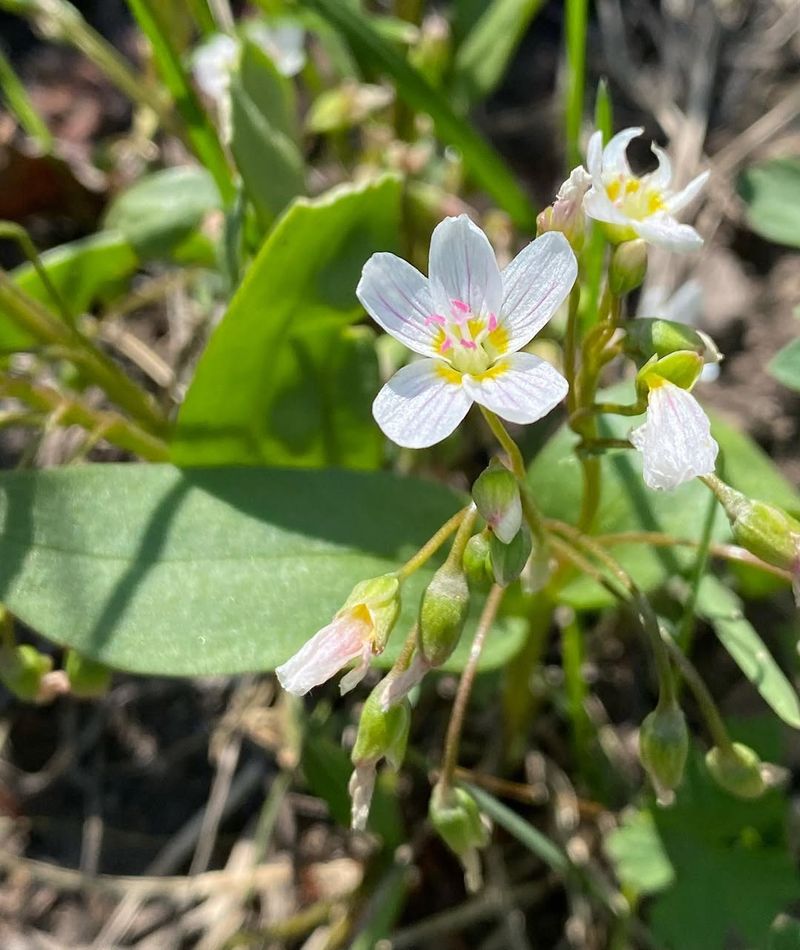
Spring beauty earns its charming name honestly, producing delicate flowers striped with pink and white that seem almost too dainty for early spring weather. Each five-petaled bloom features darker pink veining that guides pollinators toward nectar, and flowers appear in cheerful clusters above grass-like foliage.
These little natives start blooming in April across Ohio, often carpeting woodland edges and open areas with their gentle colors.
Moist, rich soil in partial shade creates perfect growing conditions for spring beauty. The plants adapt well to various garden settings, from woodland edges to mixed perennial beds where they can naturalize among other natives.
They tolerate more sun than many woodland wildflowers, especially if soil stays reasonably moist. Plant corms about two inches deep and three inches apart in fall or very early spring.
Bees, butterflies, and small flies visit spring beauty flowers eagerly, collecting pollen and nectar during those crucial early weeks when food remains scarce. The plants spread gradually through self-seeding and small underground corms, creating expanding colonies without becoming aggressive.
Foliage goes dormant by early summer, so interplant with later-blooming natives to fill the space. Spring beauty requires minimal maintenance once established, making it excellent for Ohio gardeners wanting low-effort beauty that supports local wildlife throughout the growing season.
5. Cut-Leaved Toothwort Offers Sweet Nectar
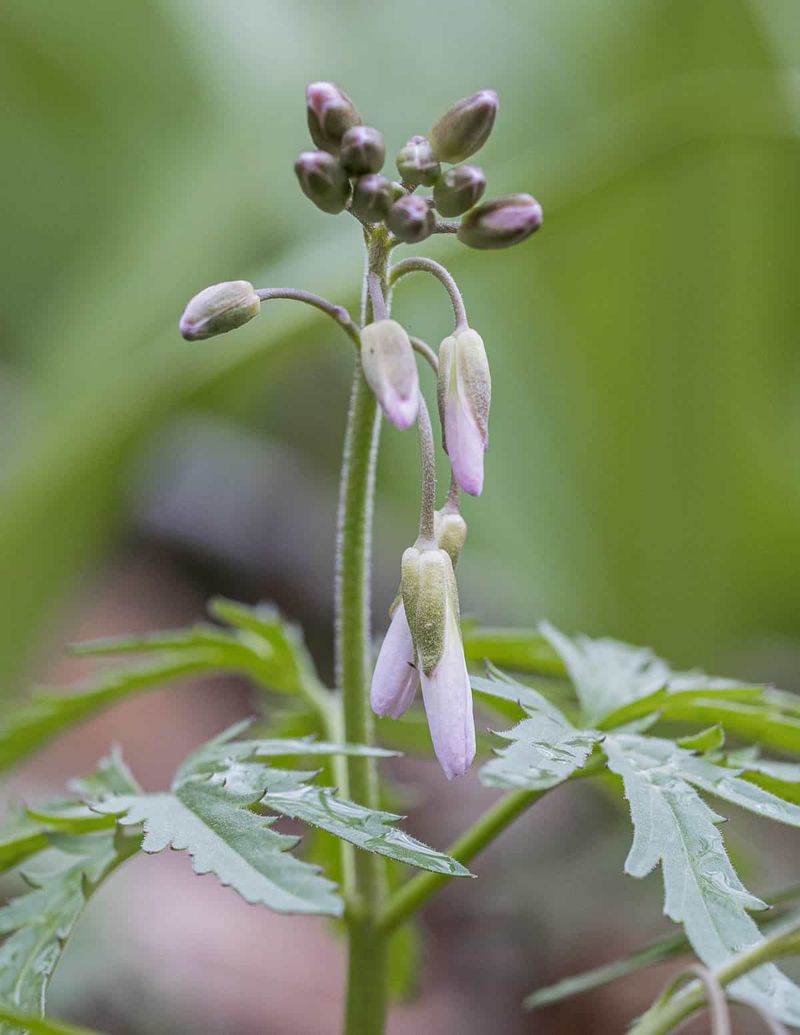
Cut-leaved toothwort belongs to the mustard family, and its small white flowers provide crucial early nectar for Ohio pollinators emerging in April. The four-petaled blooms appear in loose clusters above deeply divided leaves that give the plant its descriptive name.
While individual flowers measure less than an inch across, they appear in sufficient numbers to create a noticeable display in woodland gardens and naturalized areas.
Partial shade with moist, well-drained soil suits cut-leaved toothwort beautifully. It naturally grows in Ohio forests where dappled sunlight filters through bare branches before trees fully leaf out.
Garden locations mimicking these conditions, under deciduous trees, along woodland paths, or in shaded border areas, help the plant thrive. Incorporate plenty of organic matter into planting areas to maintain moisture and provide nutrients.
Butterflies and native bees appreciate the nectar and pollen cut-leaved toothwort offers during early spring. The plant completes its entire growth cycle relatively quickly, with foliage going dormant by early summer after seeds mature.
This ephemeral nature makes it perfect for layering with later-emerging perennials that will fill the space. Plant in groups of five or more for better visual impact, spacing them about six inches apart.
Once established in suitable conditions, cut-leaved toothwort returns reliably each spring, gradually forming small colonies that enhance Ohio woodland gardens.
6. Dutchman’s Breeches Show Quirky Little Pants
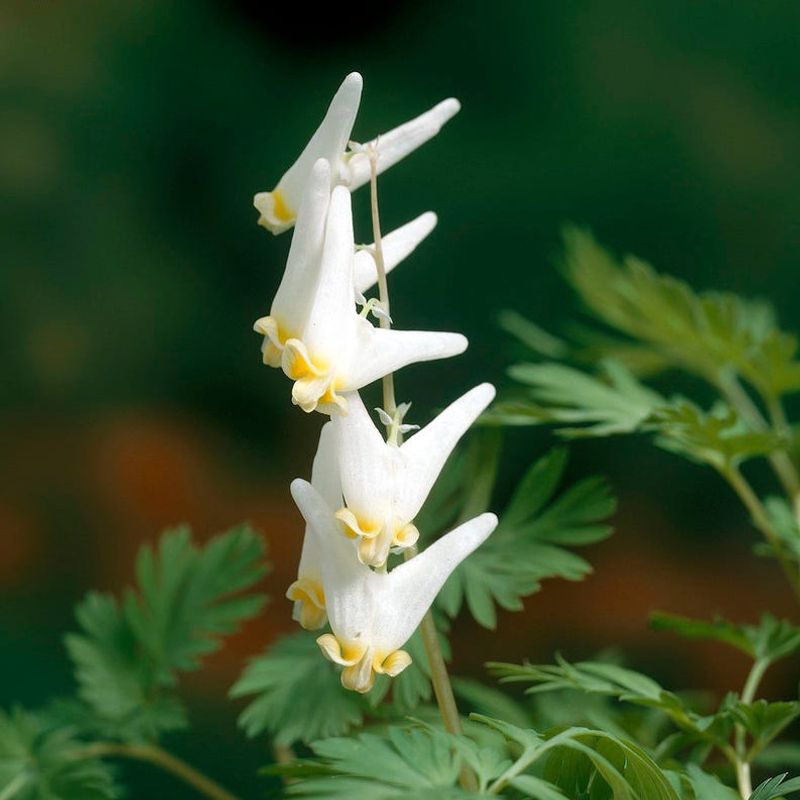
Dutchman’s breeches might win the award for most whimsically shaped wildflower in Ohio gardens. Each white bloom looks remarkably like tiny pantaloons hanging upside down on a clothesline, complete with two puffy legs and a narrow waist.
These charming flowers dangle from arching stems above delicate, fern-like foliage that adds texture even before blooms appear in April.
Shady, moist locations provide ideal growing conditions for Dutchman’s breeches. The plant naturally inhabits Ohio woodlands where rich soil and spring moisture support early growth.
Woodland gardens, shaded rock gardens, or areas beneath deciduous trees work wonderfully. Plant small tubers about two inches deep in fall or very early spring, spacing them four to six inches apart to allow for natural colony expansion.
Bumblebees with long tongues can access the nectar hidden deep inside these unusual flowers, making Dutchman’s breeches an important early food source. The plant goes dormant by early summer after setting seed, so combine it with later-blooming natives or hostas that will fill the space.
Established colonies spread gradually through self-seeding and small underground tubers, creating enchanting displays that return faithfully each spring. Ohio gardeners appreciate how these quirky natives require virtually no maintenance while providing both visual interest and ecological benefits to woodland landscapes throughout their brief but memorable blooming period.
7. Trout Lily Creates A Golden Woodland Carpet
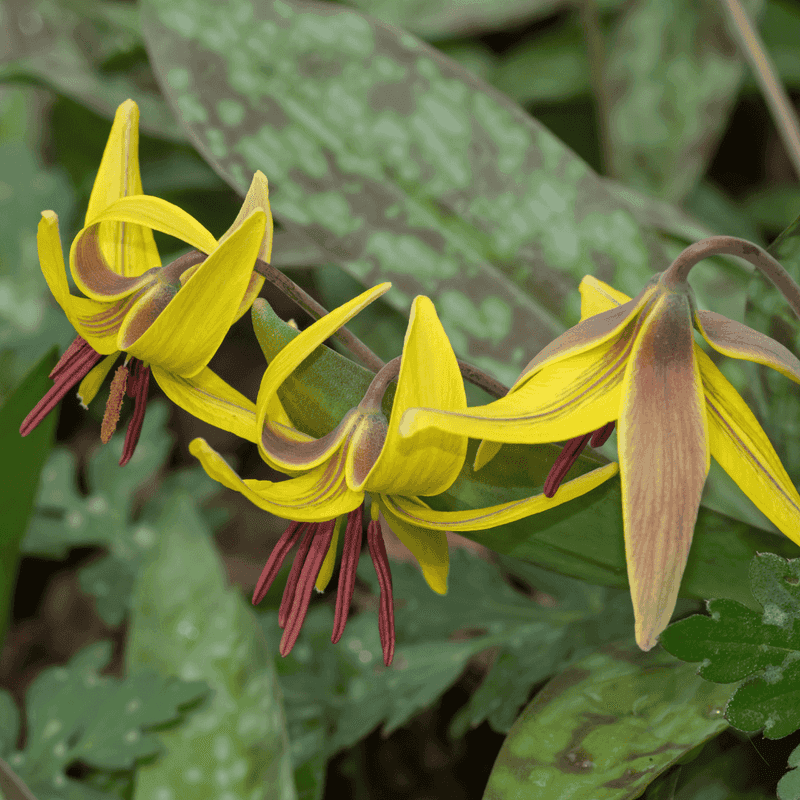
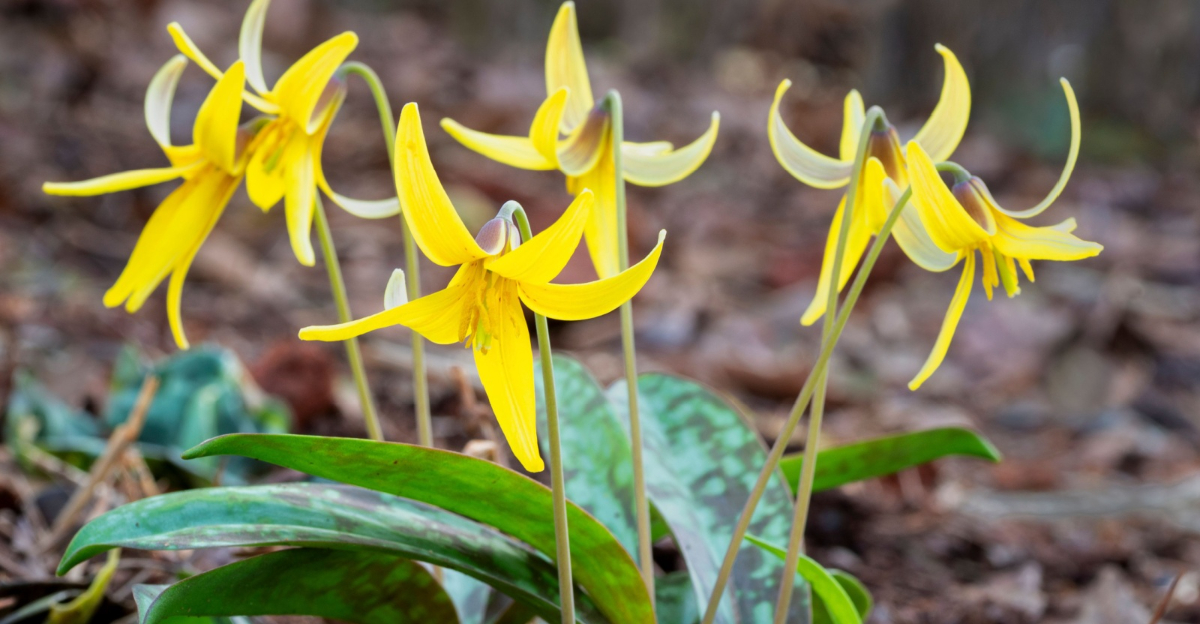
Trout lilies get their common name from leaves beautifully mottled with patterns resembling brook trout markings. These distinctive leaves emerge first, carpeting woodland floors with their spotted foliage before golden-yellow flowers appear on slender stems in April.
Each nodding bloom features six recurved petals that create an elegant, lily-like appearance, though the plant actually belongs to a different family entirely.
Woodland soils rich in organic matter and partial shade create perfect conditions for trout lily colonies to flourish. The plants naturally grow in Ohio forests where they receive spring sunlight before tree canopies fill in.
Garden settings that mimic these conditions, under deciduous trees, in woodland gardens, or along shaded paths, help them establish successfully. Plant bulbs about three inches deep in fall, understanding that young plants may take several years before blooming begins.
Early insects visit trout lily flowers for nectar and pollen during those critical weeks when food sources remain limited. Colonies spread gradually through underground bulbs and occasional self-seeding, eventually forming impressive displays that can carpet large areas.
The foliage goes dormant by early summer, so interplant with later-emerging natives. Protect bulbs from disturbance and avoid excessive digging in established colonies.
Once settled in suitable Ohio garden conditions, trout lilies require minimal care while providing both visual beauty and habitat value year after year.
8. Virginia Bluebells Bring Blue Magic
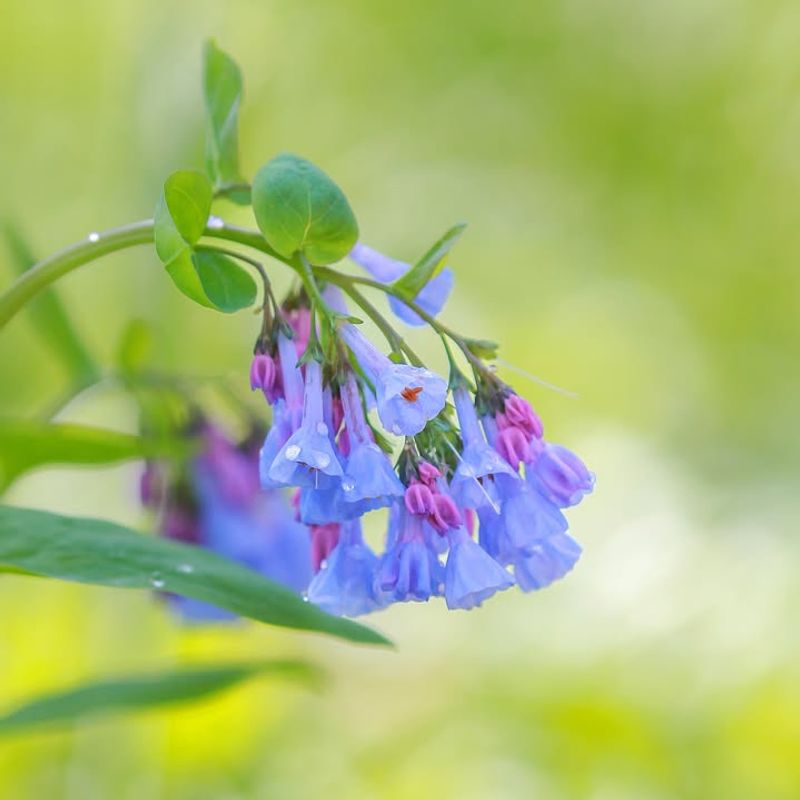
Virginia bluebells transform Ohio gardens into magical blue wonderlands when they bloom in mid-spring, typically late April through May. Flowers emerge pink in bud, then open to reveal stunning sky-blue tubular bells that hang in graceful clusters.
The color shift creates a beautiful two-tone effect, with pink buds and blue open flowers appearing simultaneously on the same plant, attracting attention from both gardeners and passing pollinators.
Moist, shaded locations suit Virginia bluebells perfectly. They naturally grow along Ohio stream banks and in rich woodland soils where spring moisture remains plentiful.
Garden areas that stay consistently moist without becoming waterlogged, rain gardens, woodland edges, or shaded borders near downspouts, provide ideal conditions. Incorporate plenty of compost into planting areas and space plants twelve to eighteen inches apart for optimal growth and air circulation.
Bumblebees and butterflies visit Virginia bluebell flowers enthusiastically, making these natives excellent for supporting pollinator populations. The plants form substantial clumps over time, creating impressive displays that enhance woodland-style landscapes.
Foliage goes dormant by midsummer, so combine bluebells with hostas, ferns, or other shade-loving perennials that will fill the space later.
Once established in suitable Ohio garden conditions, Virginia bluebells self-seed modestly, gradually expanding their presence while requiring virtually no maintenance beyond occasional watering during dry springs before foliage naturally disappears for the season.
9. Wild Geranium Adds Charming Pink Flowers
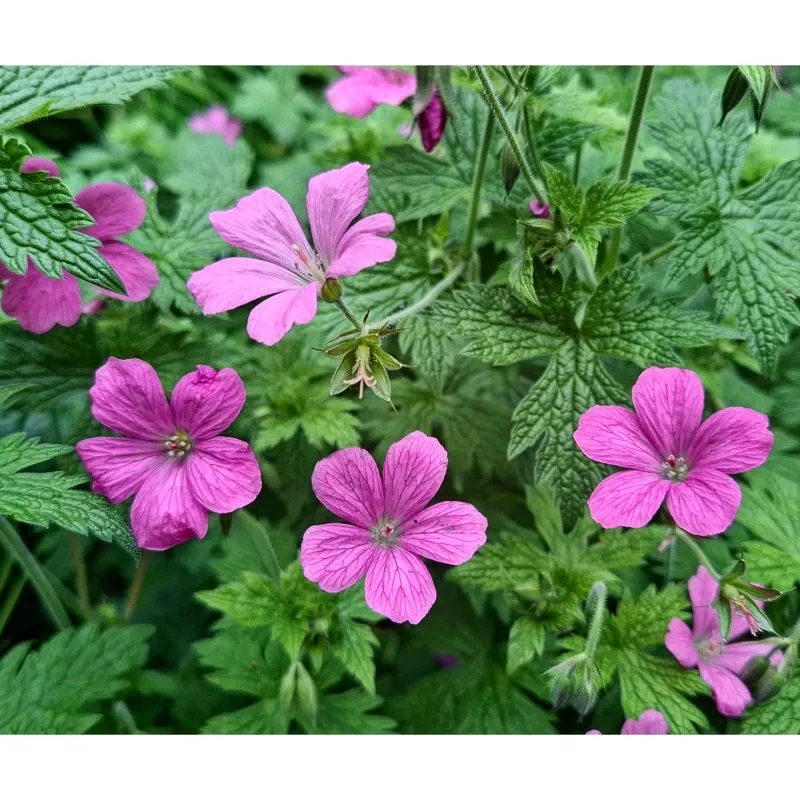
Wild geranium brings cheerful rose-pink flowers to Ohio gardens from late April through May, bridging the gap between early spring ephemerals and summer bloomers. Each flower features five rounded petals with delicate darker veining, creating a simple but charming appearance that fits naturally into woodland and cottage garden settings.
The deeply lobed foliage remains attractive throughout the growing season, often developing reddish tints in fall before going dormant.
Well-drained soil in partial shade to full sun creates ideal growing conditions for wild geranium. The plant adapts to various light levels, though it performs best with morning sun and afternoon shade in Ohio gardens.
Space plants fifteen to eighteen inches apart in groups of three or more for better visual impact. Wild geranium tolerates average garden soil but appreciates organic matter worked into planting areas.
Bees and butterflies visit wild geranium flowers regularly, collecting pollen and nectar throughout the extended blooming period. The plant forms slowly expanding clumps through short rhizomes and modest self-seeding, filling space without becoming aggressive.
After flowers fade, interesting seed capsules develop that eventually split and fling seeds several feet away.
This reliable native requires minimal maintenance once established, making it perfect for Ohio gardeners wanting long-lasting blooms that support local pollinators while adding color and texture to woodland edges, mixed borders, or naturalized areas throughout multiple seasons.
10. Hispid Buttercup Pops With Cheerful Yellow
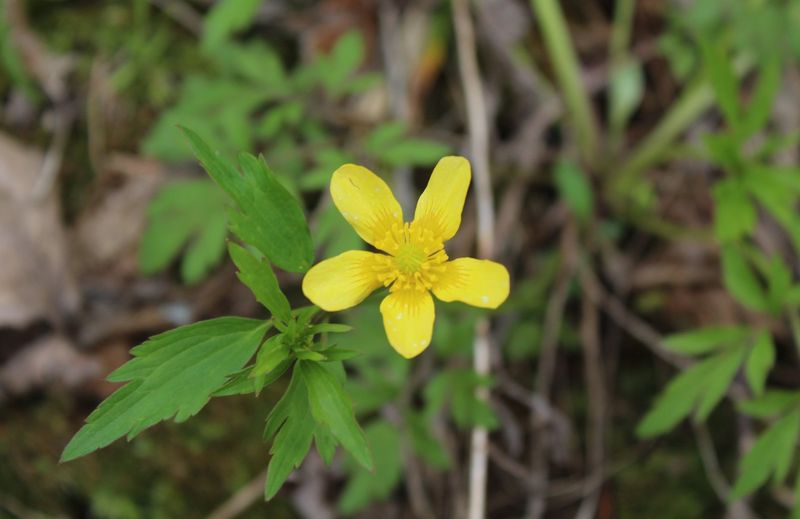
Hispid buttercup brightens Ohio gardens with glossy yellow flowers that practically glow in spring sunlight. The cheerful blooms appear in April and May, featuring five shiny petals that reflect light beautifully.
Unlike some garden buttercups that can become problematic, this native species behaves well in naturalistic settings while providing important early food for pollinators emerging during unpredictable spring weather across Ohio.
Naturalistic gardens, meadows, or informal border areas suit hispid buttercup perfectly. The plant tolerates various soil types but prefers locations that stay reasonably moist during spring growth periods.
It adapts to full sun or partial shade, making it versatile for different garden situations. Space plants about twelve inches apart, understanding that they’ll spread gradually through self-seeding to create naturalized drifts over time.
Small bees, flies, and beetles visit hispid buttercup flowers eagerly, collecting pollen and nectar during those crucial early weeks. The plant forms slowly expanding colonies that fill space without crowding out other natives when grown in appropriate settings.
Combine it with other meadow wildflowers, native grasses, or informal perennials that complement its cheerful yellow blooms. Once established in suitable Ohio garden conditions, hispid buttercup requires virtually no maintenance while providing reliable color and pollinator support.
The hairy stems that give the plant its common name add textural interest even before flowers appear in spring gardens.