Use These 7 Tricks To Help Hoya Grow Faster And Bloom Indoors In Ohio
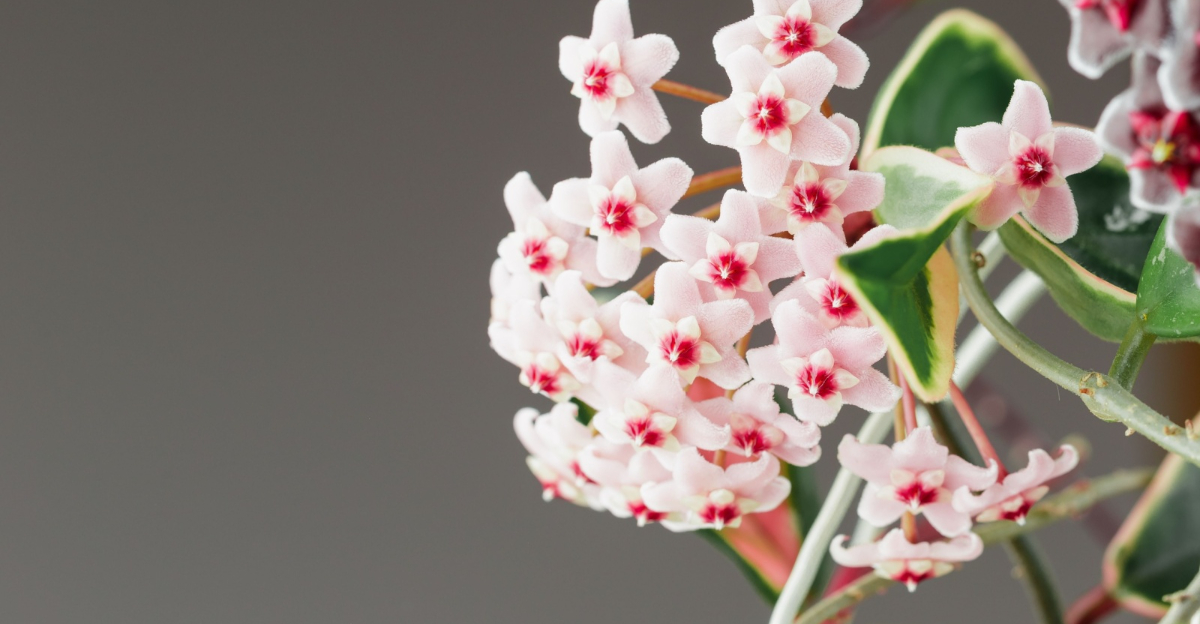
Ever waited months or even years for your Hoya to bloom, only to get vines and leaves but no flowers? Many Ohio growers run into this same problem, especially during long gray winters, dry indoor heat, and short daylight hours that slow growth and stall blooming.
You water, you watch, you wait, and still nothing happens. It can be frustrating to care for a plant that looks healthy but never rewards you with flowers.
The truth is, most Hoyas are not difficult, they are simply reacting to their environment. When conditions are right, they respond quickly and often surprise you.
With the right tweaks, your Hoya can shift from surviving to truly thriving. Stronger vines, fuller leaves, and the real reward, those beautiful waxy blooms you have been hoping to see.
If your Hoya has never flowered, this might be the moment everything finally changes for you and your plant.
1. Give Bright Light (But Not Harsh Sun)
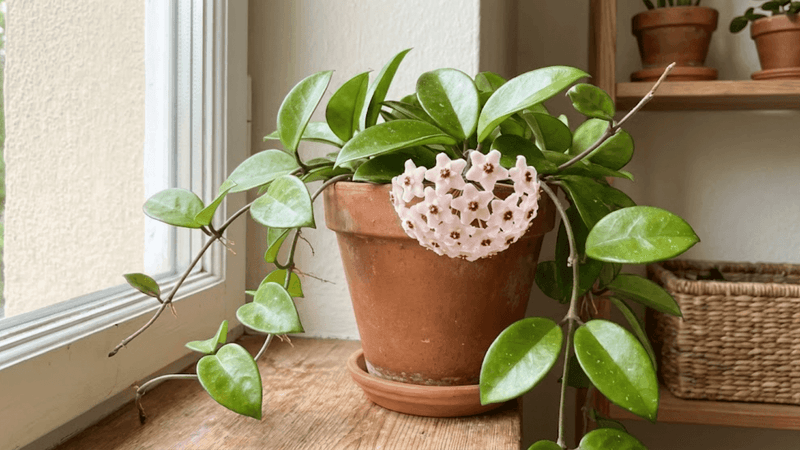
Finding the right spot for your Hoya makes all the difference when it comes to growth and flowering. These plants originally come from tropical forests where they climb trees and soak up filtered sunlight through the canopy.
Indoors, they need bright light but not the kind that burns their leaves.
A south or east-facing window works beautifully in Ohio homes because it provides several hours of gentle morning or consistent light throughout the day. The key is keeping your plant close enough to the window to benefit from the brightness without exposing it to harsh afternoon rays that can scorch the foliage.
If you notice the leaves turning yellow or developing brown spots, that’s a sign the light is too intense.
When Hoyas don’t get enough light, they grow slowly and rarely produce flowers. You might see long, stretched stems with fewer leaves, a condition called etiolation.
Moving your plant closer to a bright window or adding a grow light can solve this problem quickly. Consistent bright light encourages compact growth, healthier leaves, and the energy the plant needs to develop flower buds.
During Ohio’s shorter winter days, consider rotating your Hoya weekly so all sides receive equal light exposure. This simple habit promotes even growth and prevents the plant from leaning heavily toward the window.
2. Let Soil Dry Between Waterings
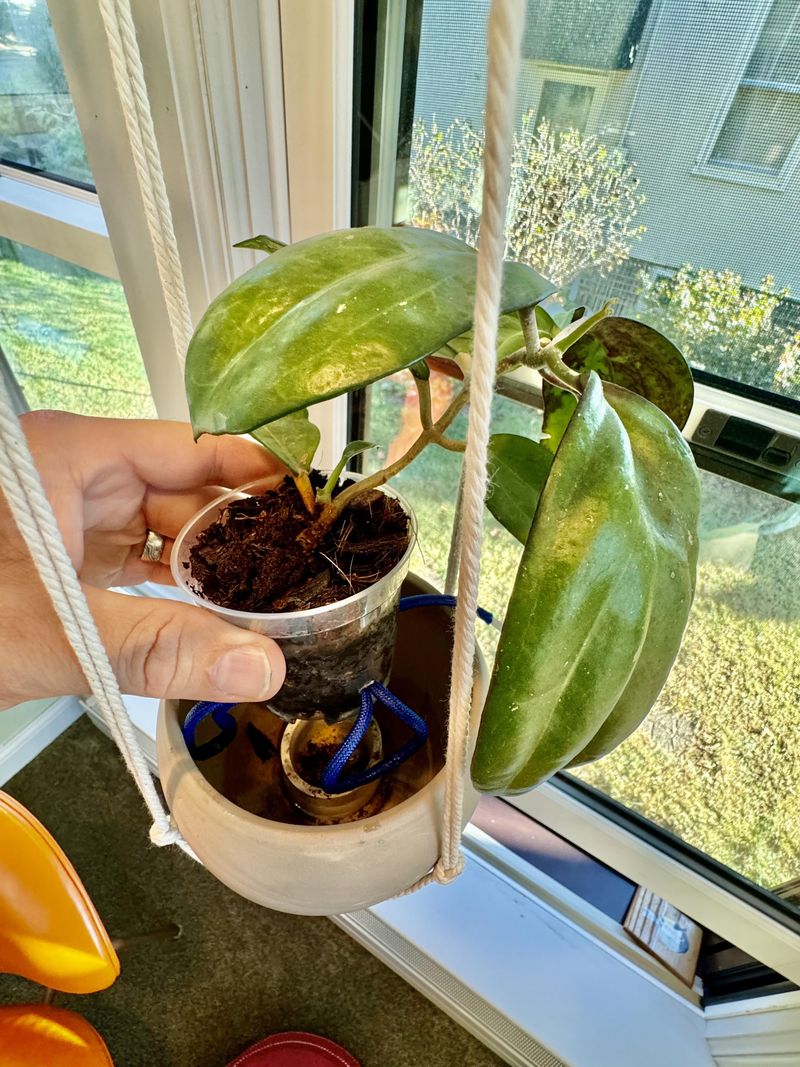
Watering a Hoya correctly might seem complicated at first, but once you understand their natural rhythm, it becomes second nature. These plants prefer a wet-dry cycle that mimics their native environment where rain comes and goes.
Overwatering is one of the fastest ways to damage your Hoya, leading to root rot and mushy stems.
The best approach is to wait until the top two inches of soil feel completely dry before watering again. You can test this by sticking your finger into the soil or using a wooden chopstick to check moisture deeper down.
When you do water, give the plant a thorough soak until water drains from the bottom, then empty any excess from the saucer.
Your Ohio Garden Changes Every Week. Your Plan Should Too.
Gardening in Ohio changes quickly throughout the season. Every Friday you’ll receive a simple weekly plan showing exactly what to plant, prune, fertilize, harvest, and protect so you never miss the right timing.
In Ohio, indoor heating during winter can dry out soil faster than you might expect, while humid summer months slow down evaporation. Adjusting your watering schedule with the seasons keeps your Hoya happy year-round.
Consistent watering that respects the dry period encourages strong root development and signals the plant that conditions are stable enough to produce flowers.
Many growers find that Hoyas bloom more reliably when they experience a slight dry spell before the growing season. This mild stress can trigger flowering as the plant responds to changing conditions.
3. Use Loose, Draining Soil
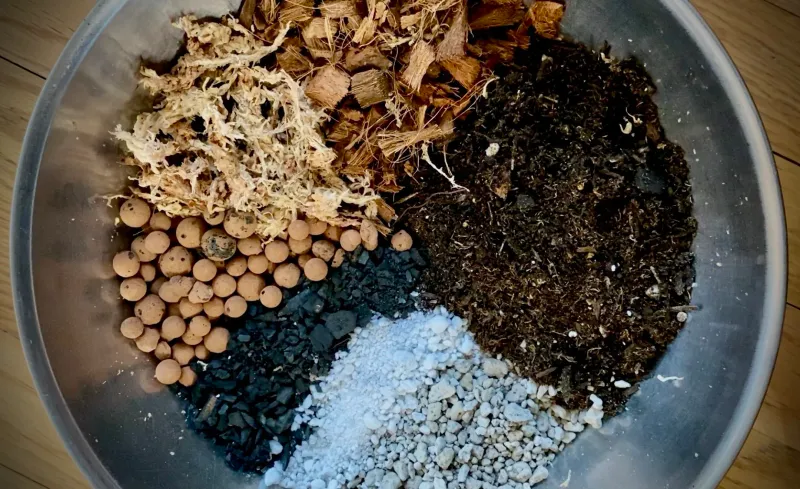
Soil might not seem glamorous, but choosing the right mix can transform your Hoya’s health and growth rate. Standard potting soil holds too much moisture for these plants, which naturally grow as epiphytes clinging to trees with their roots exposed to air.
They need a chunky, airy mix that drains quickly and prevents water from sitting around the roots.
Creating the perfect soil blend is easier than you might think. Start with a quality houseplant potting mix and add equal parts perlite and orchid bark to increase drainage and airflow.
Some growers also mix in a bit of coarse sand or pumice for extra structure. The goal is a soil that feels light and crumbly rather than dense and heavy.
In Ohio homes where humidity fluctuates and heating systems run during winter, proper drainage becomes even more important. When soil stays soggy, roots can’t breathe properly and growth slows dramatically.
Well-draining soil also makes it much harder to accidentally overwater, giving you more flexibility with your watering schedule.
Good soil structure directly impacts flower production because healthy roots support the energy-intensive process of blooming. When your Hoya’s roots are happy and well-aerated, the plant can focus resources on developing those spectacular flower clusters instead of just surviving.
4. Increase Humidity In Winter
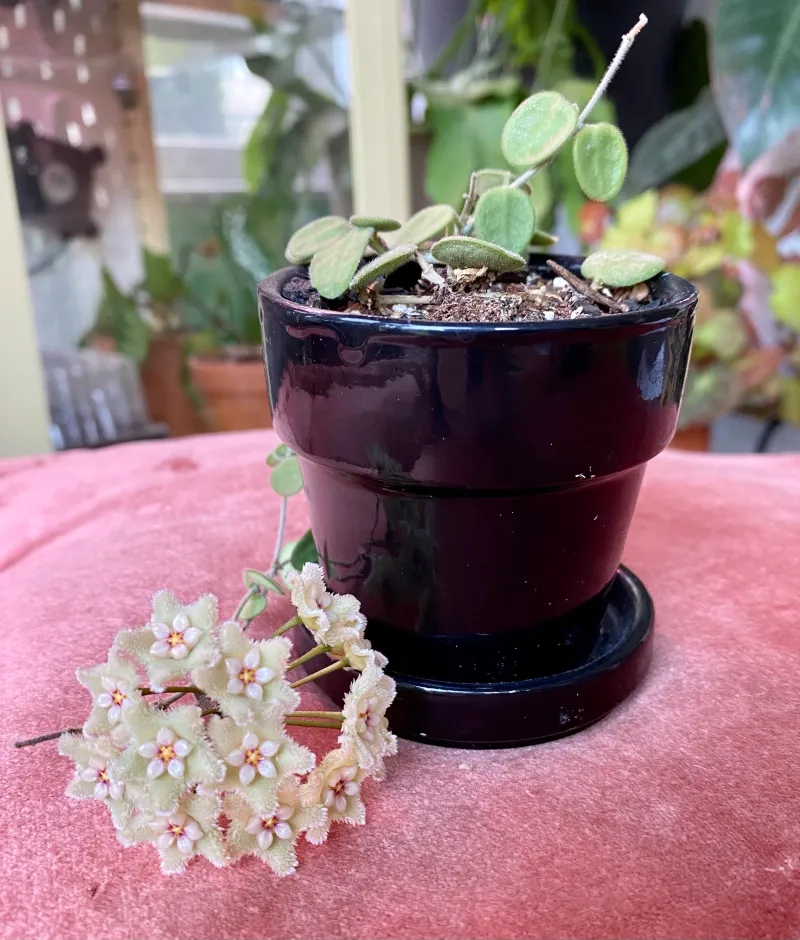
Humidity plays a bigger role in Hoya health than many people realize, especially when you’re trying to encourage blooming. These tropical plants evolved in environments where moisture hangs in the air, and they use that humidity to support leaf function and flower development.
Dry air can stress your Hoya and make it less likely to bloom.
Ohio winters bring a particular challenge because indoor heating systems strip moisture from the air. You might notice your Hoya’s leaves looking dull or the tips turning brown when humidity drops too low.
Raising humidity doesn’t require expensive equipment or complicated setups.
Grouping your Hoya with other houseplants creates a microclimate where plants release moisture through their leaves and benefit each other. A pebble tray filled with water and placed under the pot adds humidity as the water evaporates, just make sure the pot sits on the pebbles above the waterline.
Small humidifiers work wonderfully and can serve multiple plants at once.
Aim for humidity levels between 40 and 60 percent for best results. You can monitor this with an inexpensive hygrometer.
When humidity stays consistent, your Hoya’s leaves remain healthy and glossy, and the plant has the resources it needs to produce and sustain flower buds through their entire blooming period.
5. Feed Only During Growing Season
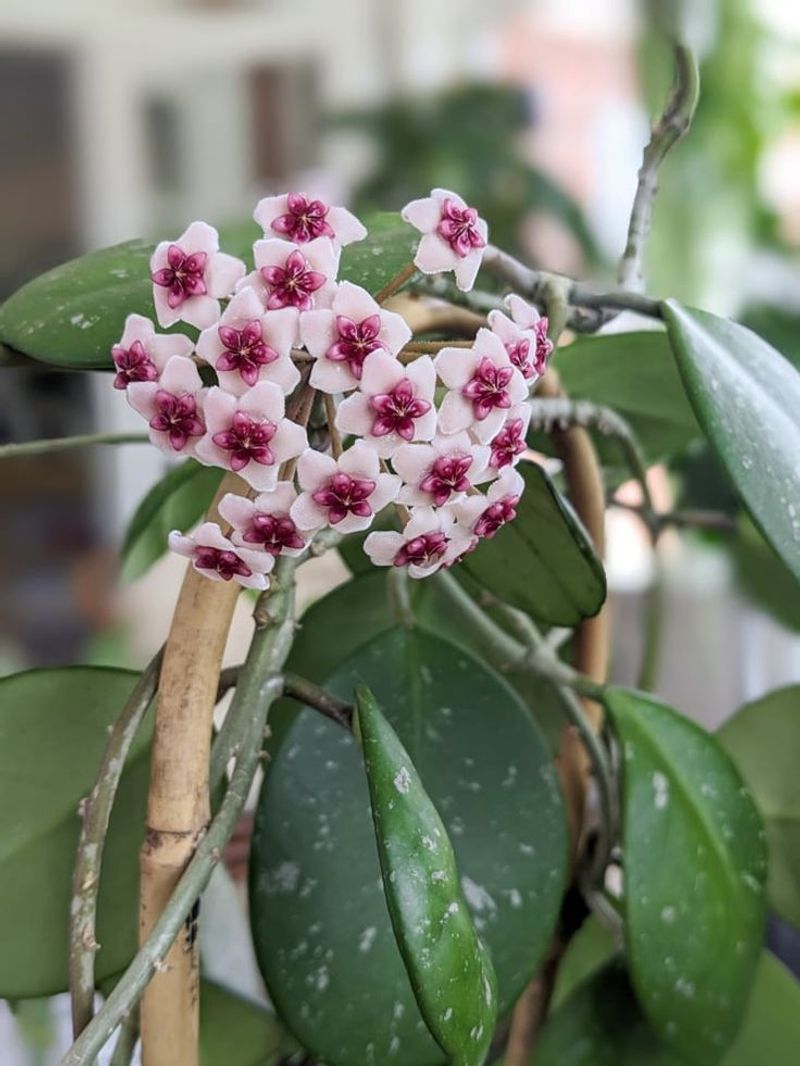
Feeding your Hoya at the right time with the right nutrients gives it the boost needed for vigorous growth and abundant flowering. During spring and summer, when days grow longer and temperatures warm up, Hoyas enter their active growing phase.
This is when they produce new leaves, extend vines, and develop flower buds, all of which require extra energy.
A balanced houseplant fertilizer diluted to half strength works perfectly for Hoyas. Apply it monthly during the growing season, mixing it with water according to package directions then cutting that amount in half.
Too much fertilizer can actually harm your plant by causing salt buildup in the soil or encouraging excessive leaf growth at the expense of flowers.
In Ohio, you’ll want to start fertilizing around April when your Hoya shows signs of new growth, and continue through August or early September. As fall approaches and growth naturally slows, reduce feeding and stop entirely during winter when the plant enters dormancy.
This rest period is important and mimics the natural cycle these plants experience in their native habitats.
Proper fertilization encourages faster growth and more blooms because it provides the nitrogen for leaves, phosphorus for flowers, and potassium for overall plant health. Well-fed Hoyas develop stronger stems and produce larger, more fragrant flower clusters that last longer.
6. Keep It Slightly Root-Bound
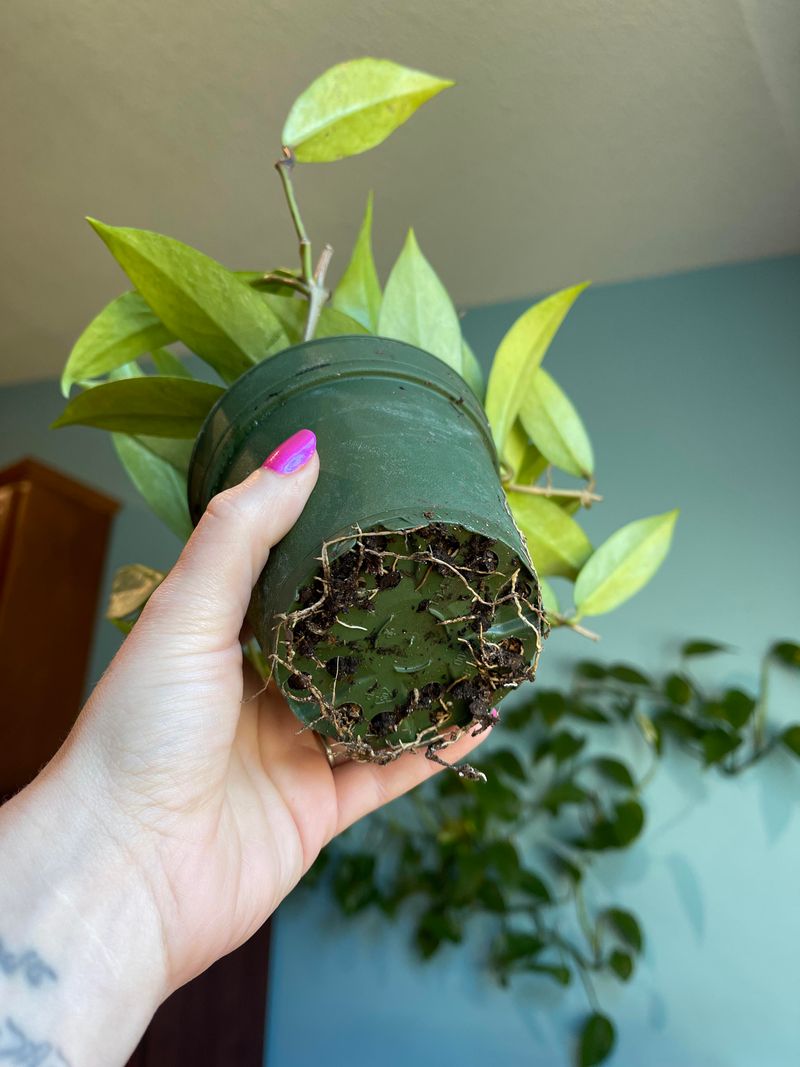
Here’s something that surprises many plant owners: Hoyas actually prefer being slightly cramped in their pots. While most houseplants benefit from regular repotting into larger containers, Hoyas bloom more reliably when their roots fill the pot snugly.
This might seem counterintuitive, but it’s one of the most important secrets to getting consistent flowers.
When a Hoya becomes moderately root-bound, it shifts energy from vegetative growth to reproduction, which means flower production. The plant senses that its growing space is limited and responds by focusing on blooming rather than just making more leaves and stems.
This doesn’t mean you should let your Hoya become severely root-bound with roots circling endlessly, but a cozy fit definitely encourages flowering.
You’ll know it’s time to repot when roots start growing out of drainage holes or when water runs straight through without being absorbed. When you do repot, choose a container only one or two inches larger than the current one.
Jumping to a much bigger pot resets the blooming cycle and your Hoya may take another year or two to flower again.
In Ohio homes where growing conditions can be less than ideal, this trick gives you an advantage. A slightly root-bound Hoya is more forgiving of watering mistakes and more motivated to bloom despite seasonal challenges.
7. Don’t Move It When Buds Form
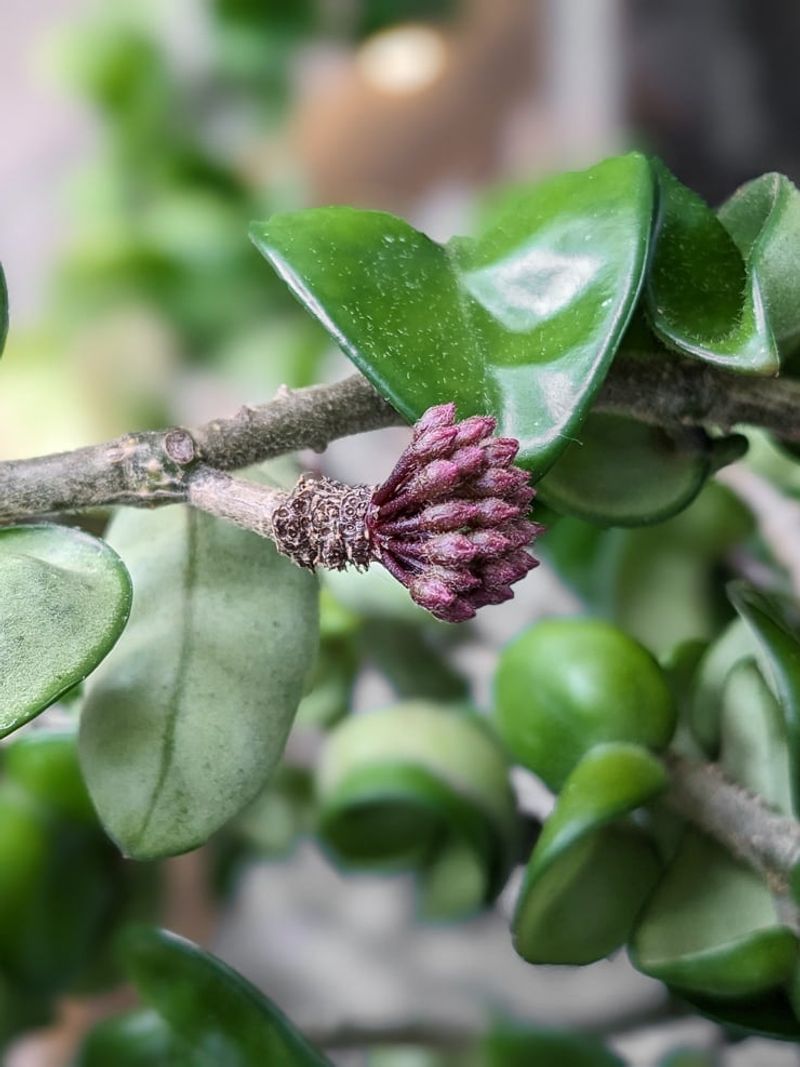
Getting your Hoya to produce flower buds is exciting, but keeping those buds until they open requires careful attention to environmental stability. Hoyas are sensitive to changes once they’ve committed energy to flowering, and sudden shifts in temperature, light, or humidity can cause bud drop, which is heartbreaking after waiting so long for blooms.
Temperature fluctuations are a common culprit in Ohio homes, especially near windows where cold drafts sneak in during winter or where afternoon sun creates hot spots in summer. Try to maintain temperatures between 60 and 80 degrees Fahrenheit without dramatic swings.
Moving your Hoya away from heating vents, air conditioning units, and drafty doors helps protect developing buds.
Once flower buds appear, resist the urge to move your plant around the house or rotate it for better angles. Even turning the pot can confuse the plant and trigger bud drop.
Choose a permanent spot with stable conditions and leave your Hoya there throughout the entire blooming process. Consistency in light exposure matters too, so avoid moving the plant from one window to another.
Maintaining steady humidity and continuing your regular watering schedule without sudden changes also reduces stress during this critical time. When conditions remain stable, your Hoya can relax and focus all its energy on opening those beautiful, fragrant flowers that make all your care worthwhile.