Add This Native Tree To Your Ohio Garden To See More Cardinals
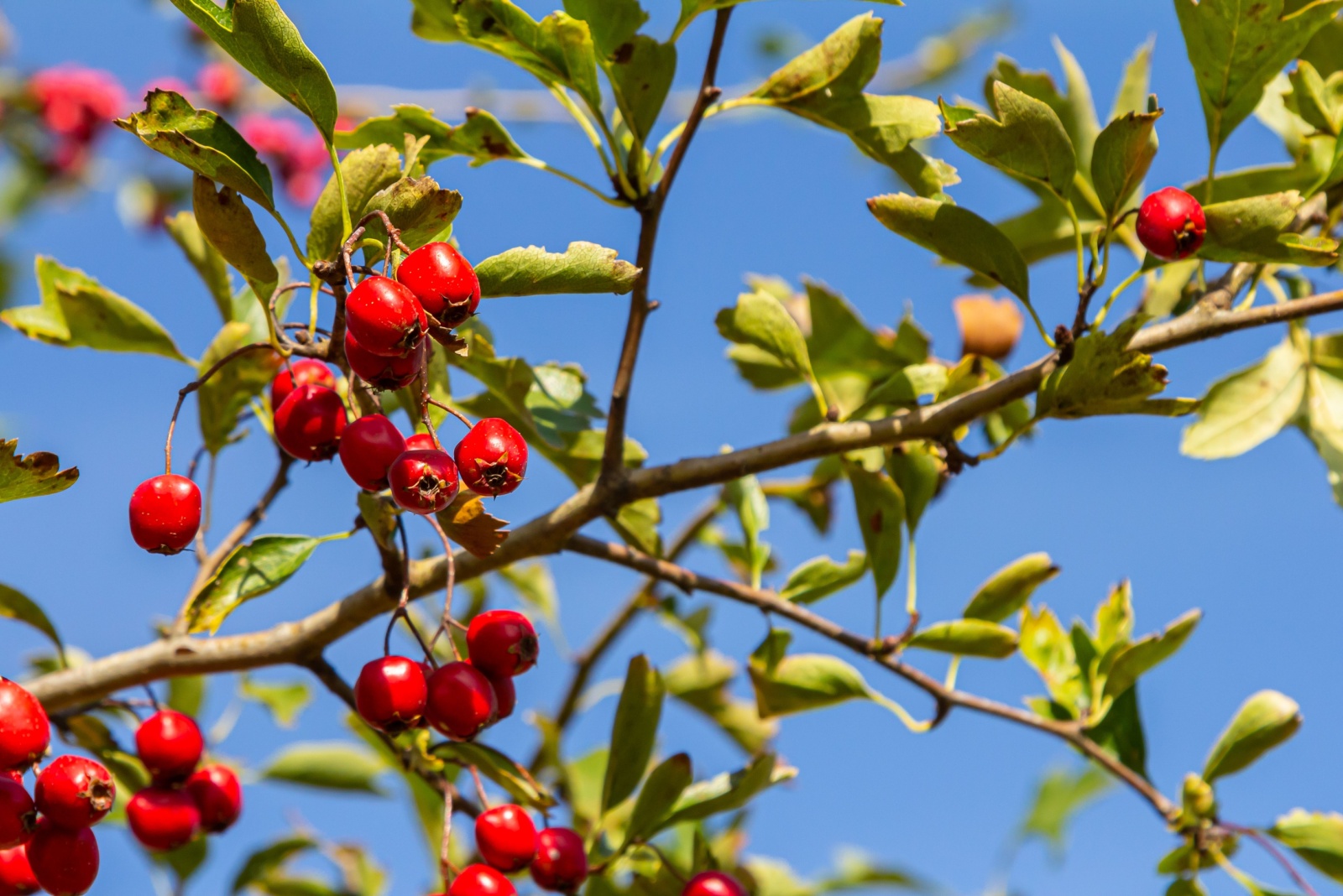
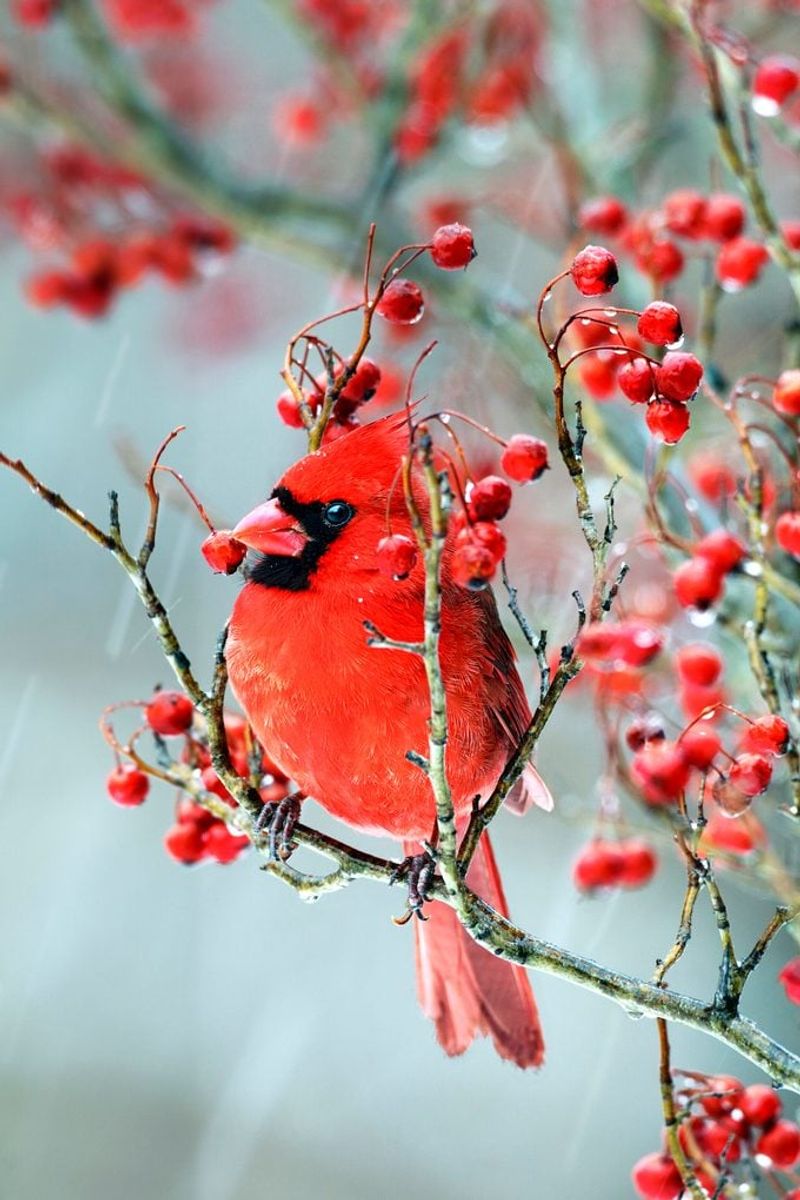
If you live in Ohio, you probably know the simple joy of spotting a bright red Northern Cardinal in your backyard. Their cheerful songs and vivid color stand out against every season, from snowy winters to warm summer mornings.
For many Ohio bird lovers, seeing more cardinals feels like a matter of luck, but it may be easier than you think. One native tree can naturally invite these beloved birds to visit more often and even stay year round.
It’s a hardy Ohio native that provides cardinals with everything they need to thrive. Its bright red berries offer reliable food from late summer into winter, while its dense, thorny branches create safe nesting spots away from predators.
In spring, clusters of white flowers attract insects that help feed young birds, supporting a healthy backyard habitat. Planting this single tree can turn an ordinary Ohio yard into a lively haven filled with flashes of red and birdsong.
1. Dotted Hawthorn Berries Feed The Birds All Season
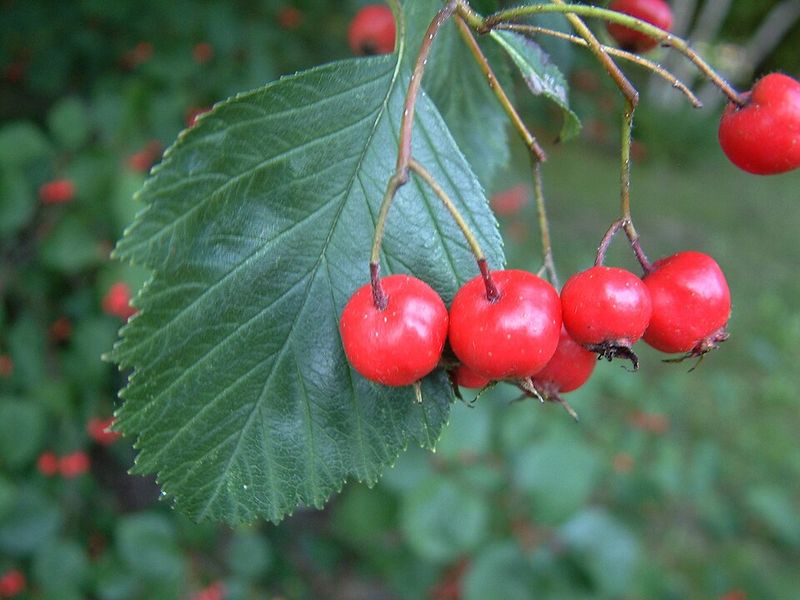
Bright red berries cover Dotted Hawthorn branches from summer through late fall, creating a natural buffet that Northern Cardinals simply cannot resist. These small, round fruits ripen in late summer and persist well into winter, providing reliable nutrition when other food sources become scarce.
Cardinals visit the tree repeatedly throughout the day, plucking berries with their strong beaks and often sharing the bounty with other songbirds like robins, waxwings, and thrushes.
The timing of berry production perfectly supports Ohio’s bird populations during critical periods. As cardinals prepare for migration or settle in for winter, the high-energy fruits give them the calories they need to survive.
Young birds learning to forage also benefit from these easily accessible berries, which hang in clusters that make feeding efficient and safe.
Plant your Dotted Hawthorn in a sunny location where berries will develop fully and remain visible to passing birds. Position the tree away from windows to prevent collisions, but close enough to viewing areas so you can enjoy watching the feeding activity.
Avoid using pesticides near the tree, as chemicals can contaminate the berries and harm the birds you’re trying to attract.
2. Dense Branches Offer Safe Nesting Spots
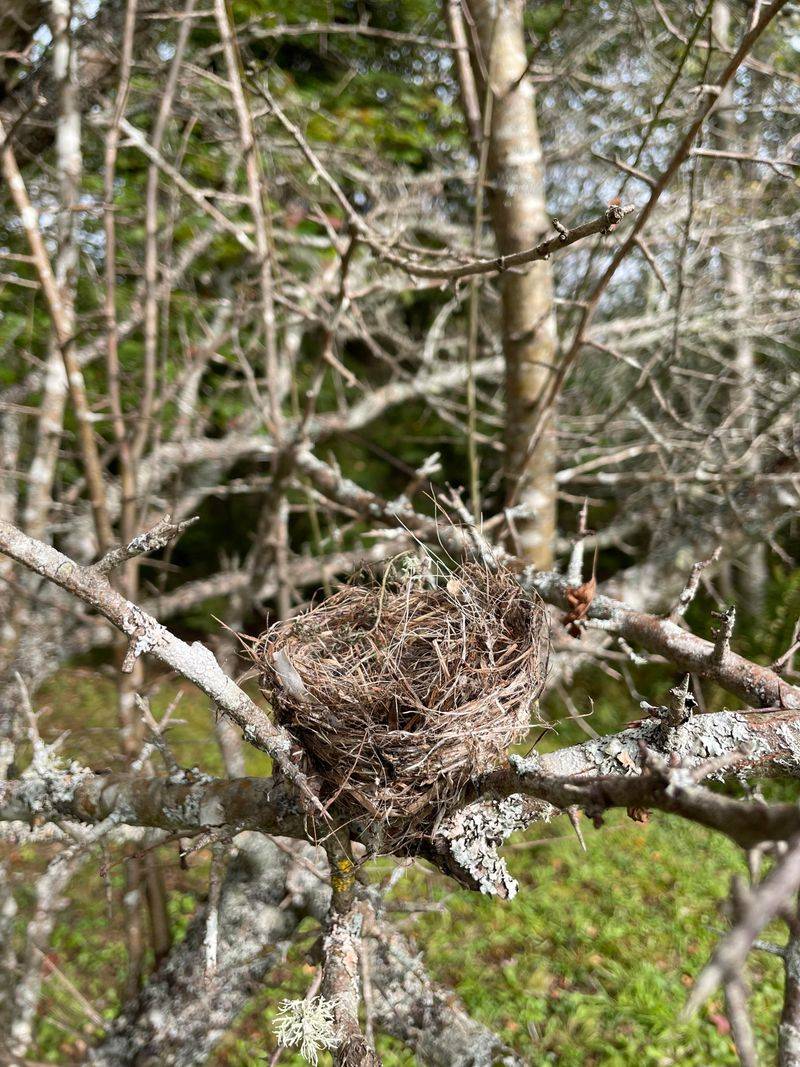
Cardinals need more than just food; they require secure places to build nests and raise their families. The thick, thorny branches of Dotted Hawthorn create an ideal fortress that protects nests from predators like cats, raccoons, and larger birds.
The sharp thorns act as natural barriers, making it difficult for unwanted visitors to reach vulnerable eggs and baby birds hidden within the canopy.
The dense branching structure provides multiple nesting options at various heights, accommodating cardinals and other songbirds with different preferences. Fledglings benefit from the protected environment as they learn to fly, hopping from branch to branch under the safety of the thorny cover.
This security encourages cardinals to return year after year, often raising multiple broods in a single season.
When planting in Ohio gardens, space your Dotted Hawthorn at least ten feet from other trees to allow proper air circulation while maintaining dense growth. Prune only to remove damaged branches, as excessive trimming reduces the protective cover birds need.
Your Ohio Garden Changes Every Week. Your Plan Should Too.
Gardening in Ohio changes quickly throughout the season. Every Friday you’ll receive a simple weekly plan showing exactly what to plant, prune, fertilize, harvest, and protect so you never miss the right timing.
The natural growth pattern creates the perfect balance of density and accessibility, ensuring cardinals feel safe while still being able to move freely through the branches.
3. Spring Flowers Support Pollinators And Wildlife
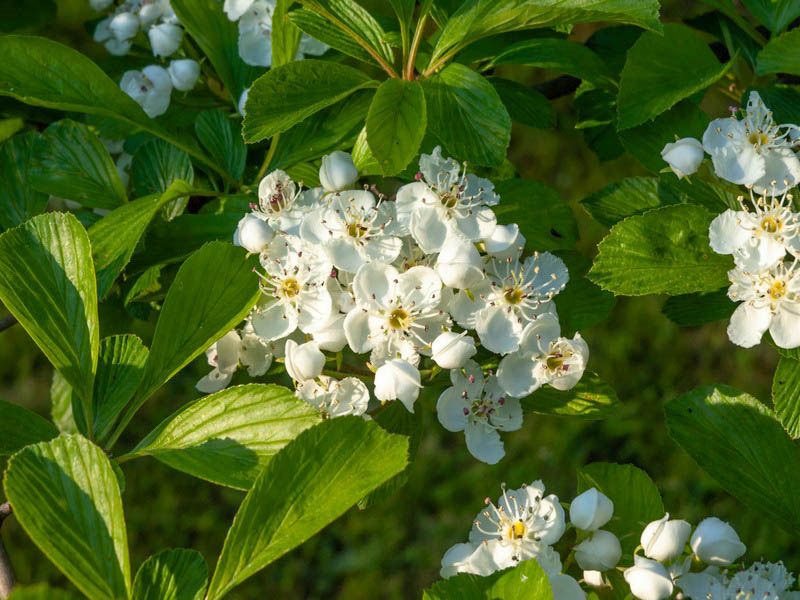
Before the berries appear, Dotted Hawthorn puts on a spectacular spring display with clusters of white flowers that blanket the branches. These blooms arrive in May across Ohio, attracting bees, butterflies, and other pollinators that are essential to a healthy backyard ecosystem.
The sweet fragrance and abundant nectar make the tree a popular stop for insects searching for food after the long winter.
Cardinals benefit from these spring flowers in an indirect but important way. The pollinators that visit the blossoms become food sources for birds feeding their young, as baby cardinals require protein-rich insects for proper growth.
A single Dotted Hawthorn can support hundreds of pollinating insects, which in turn feed multiple bird families throughout the nesting season.
Position your tree where it receives at least six hours of direct sunlight daily to ensure maximum flower production. Full sun exposure leads to heavier blooming, which means more pollinators and ultimately more berries for birds later in the year.
The flowers also contribute to the overall beauty of Ohio landscapes, creating visual interest during the transition from spring to summer while supporting the interconnected web of wildlife that makes your garden thrive.
4. Hardy Ohio Native Thrives In Local Soil
Native plants always perform best in their home environment, and Dotted Hawthorn is no exception. This tree evolved in Ohio’s climate and soil conditions, making it naturally adapted to the challenges of Midwest growing.
Whether your yard has heavy clay, well-drained loam, or slightly acidic soil, Dotted Hawthorn establishes quickly and grows reliably without requiring special amendments or constant attention.
The tree tolerates Ohio’s temperature extremes, from humid summers to freezing winters, without suffering damage or declining in health. It handles periods of drought once established, though it also thrives in areas with regular rainfall.
This adaptability means consistent fruiting year after year, ensuring cardinals always have a dependable food source regardless of weather variations.
Plant in full sun to partial shade, though more sunlight produces heavier berry crops that attract more birds. Water regularly during the first growing season to help roots establish, then reduce watering as the tree matures.
Because it’s a native species, Dotted Hawthorn rarely needs fertilizers or chemical treatments, which keeps your Ohio garden healthier for wildlife. The tree’s natural resistance to local pests and diseases means less maintenance and more time enjoying the cardinals and other birds it attracts.
5. Easy To Maintain For Any Backyard
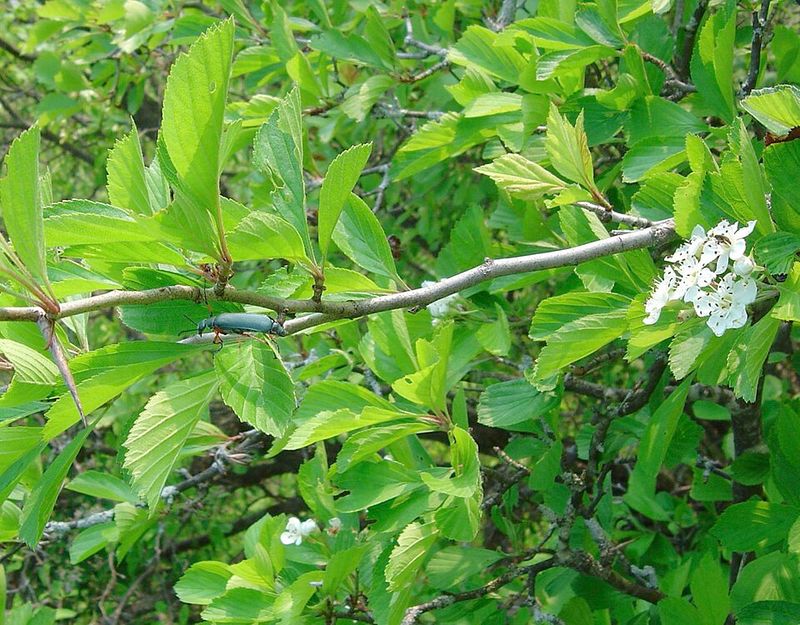
Gardeners of all experience levels can successfully grow Dotted Hawthorn because it requires minimal care once established. Unlike demanding ornamentals that need constant pruning, spraying, and fertilizing, this native tree takes care of itself with just occasional attention.
The most important maintenance task is moderate pruning to remove any branches or crossing limbs, which you can do in late winter before spring growth begins.
Water your tree during extended dry periods in summer, especially during the first few years after planting. Once the root system develops, the tree becomes quite drought-tolerant and typically survives on natural rainfall alone across most of Ohio.
Avoid over-fertilizing, as excessive nutrients can promote soft growth that attracts pests and reduces the tree’s natural hardiness.
Common issues like cedar-hawthorn rust or leaf spot occasionally appear but rarely cause serious problems for established trees. Simply rake and dispose of fallen leaves in autumn to reduce disease pressure for the following year.
The low-maintenance nature of Dotted Hawthorn means you spend less time working and more time watching cardinals and other songbirds enjoy your garden, which is exactly what you want from a bird-friendly landscape.
6. Seasonal Interest With Colorful Foliage
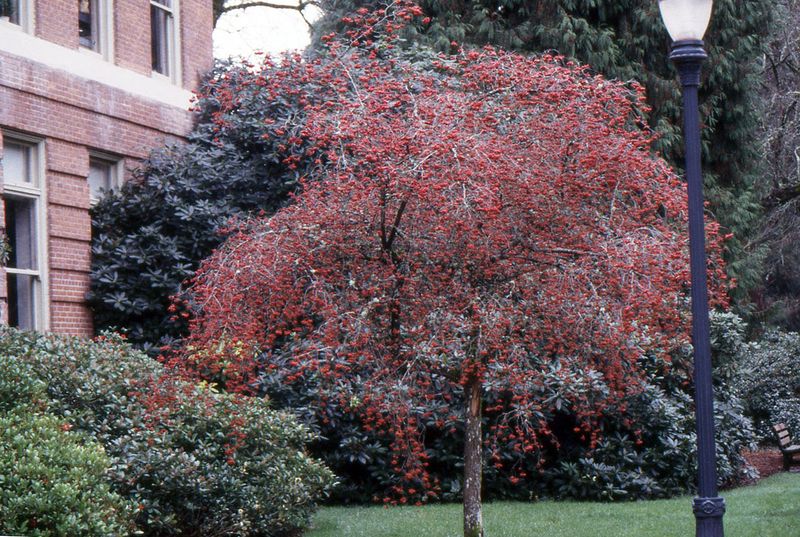
Beauty matters in any garden, and Dotted Hawthorn delivers visual appeal throughout the entire year. Spring brings masses of white flowers that transform the tree into a cloud of blooms.
Summer showcases glossy green leaves that provide a lush backdrop for red berries. Fall is when the real magic happens across Ohio, as the foliage turns shades of orange, red, and purple before dropping for winter.
This seasonal variation makes the tree valuable in mixed landscapes and border plantings where year-round interest keeps your garden attractive. The changing colors provide a beautiful frame for birdwatching, making it easier to spot cardinals against the shifting background.
Even in winter, the bare branches covered with persistent berries create sculptural interest while continuing to feed hungry birds.
Integrate Dotted Hawthorn into both small and large Ohio gardens by using it as a specimen tree, in groupings, or as part of a wildlife hedge. The moderate size, typically reaching fifteen to twenty-five feet tall, fits most residential properties without overwhelming the space.
The combination of flowers, fruit, and fall color attracts wildlife while enhancing garden beauty, creating a landscape that serves both aesthetic and ecological purposes throughout every season.
7. Perfect For Attracting Songbirds Year-Round
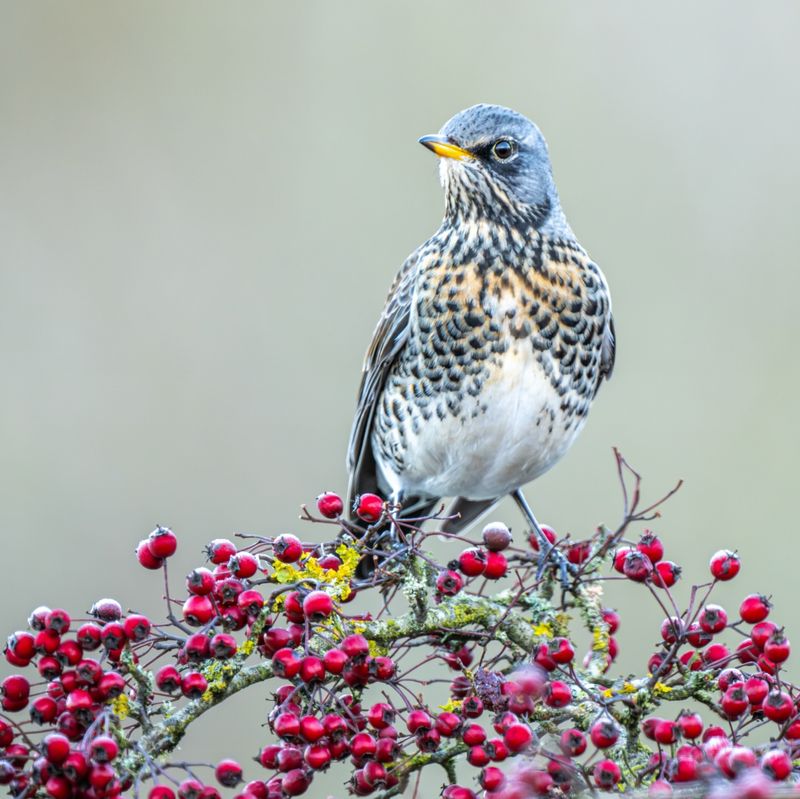
Few trees offer the complete package that Dotted Hawthorn provides for attracting and supporting bird populations. The combination of spring flowers, summer berries, dense branching, and fall color creates habitat that appeals to cardinals throughout the entire year.
Males establish territories near reliable food sources, so planting this tree often means cardinals will claim your yard as their permanent home rather than just visiting occasionally.
Position your Dotted Hawthorn near bird feeders or water features to create a wildlife hub that maximizes bird activity. Cardinals use the branches as staging areas before approaching feeders, scanning for predators from the safety of the thorny cover.
They also visit birdbaths more frequently when protective trees grow nearby, as the shelter makes them feel secure while drinking and bathing.
The tree attracts more than just cardinals: woodpeckers, robins, thrushes, waxwings, and many other native Ohio species also use the tree for food and shelter. This diversity creates a lively, active garden where something interesting happens every day.
By planting Dotted Hawthorn, you create a living habitat that transforms your Ohio backyard into a true wildlife sanctuary where cardinals and their feathered friends thrive naturally.