The Planter Mixes North Carolina Gardeners Love Most
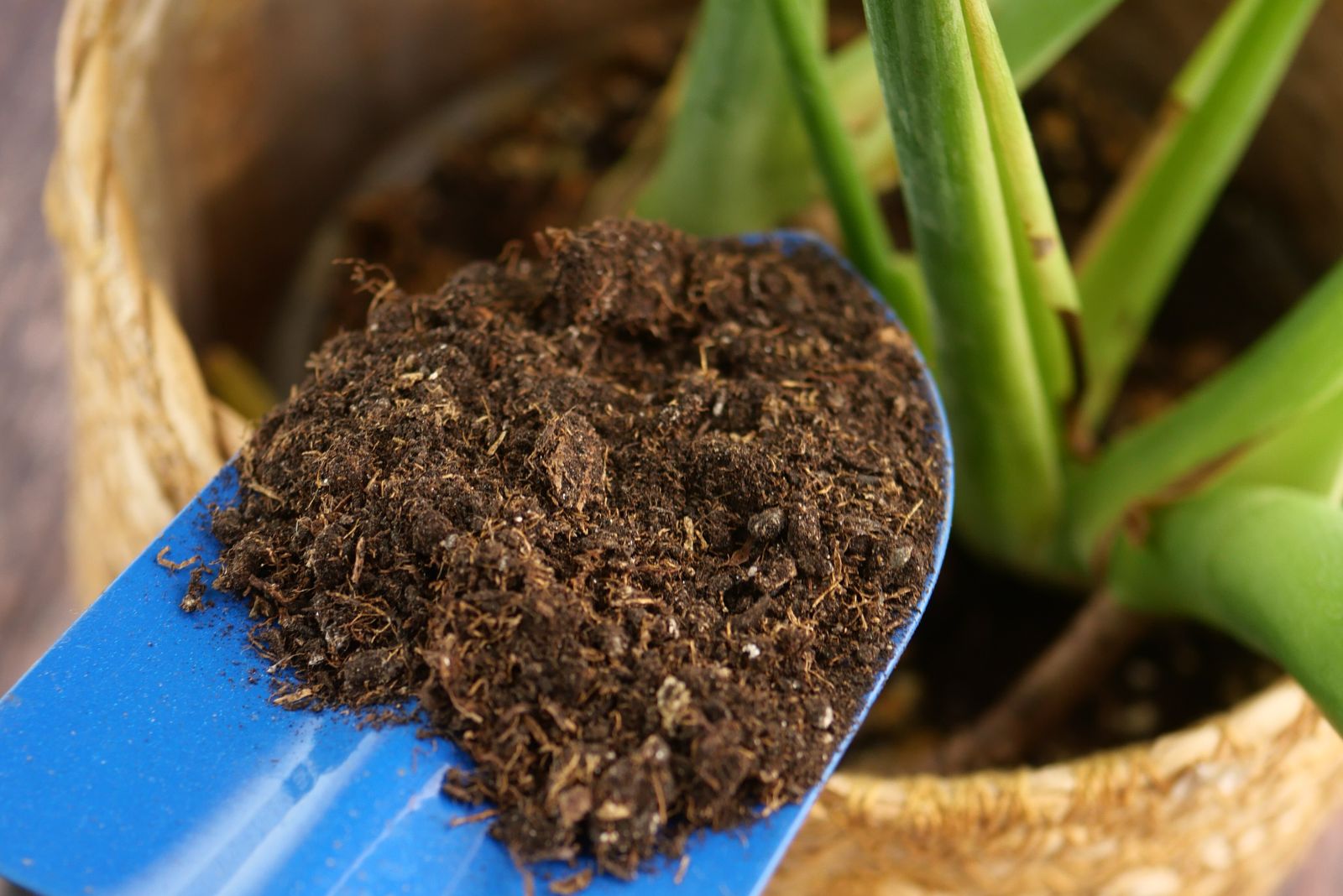
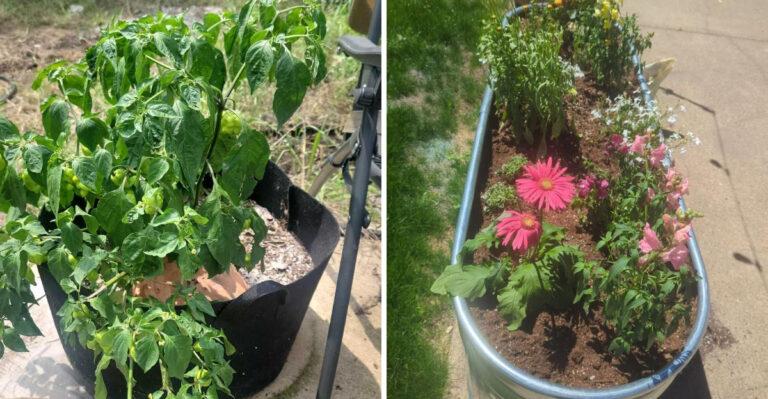
Great container gardens start with the right planter mix, and North Carolina gardeners know that what goes into the pot matters just as much as the plants themselves.
With our hot summers, sudden downpours, and sometimes heavy soil, a smart mix can mean the difference between thriving plants and constant struggle.
The best planter blends balance drainage, moisture retention, and nutrients so roots stay healthy and growth stays strong.
Whether you are growing colorful flowers, fresh herbs, or patio vegetables, the right combination helps plants handle heat, bounce back after rain, and keep producing all season.
Even better, many of these mixes are simple to make at home with easy-to-find ingredients.
If you want fuller plants, stronger roots, and less guesswork in your container garden, you are about to discover the planter mixes North Carolina gardeners trust most for beautiful, reliable results.
1. All-Purpose Premium Potting Mix
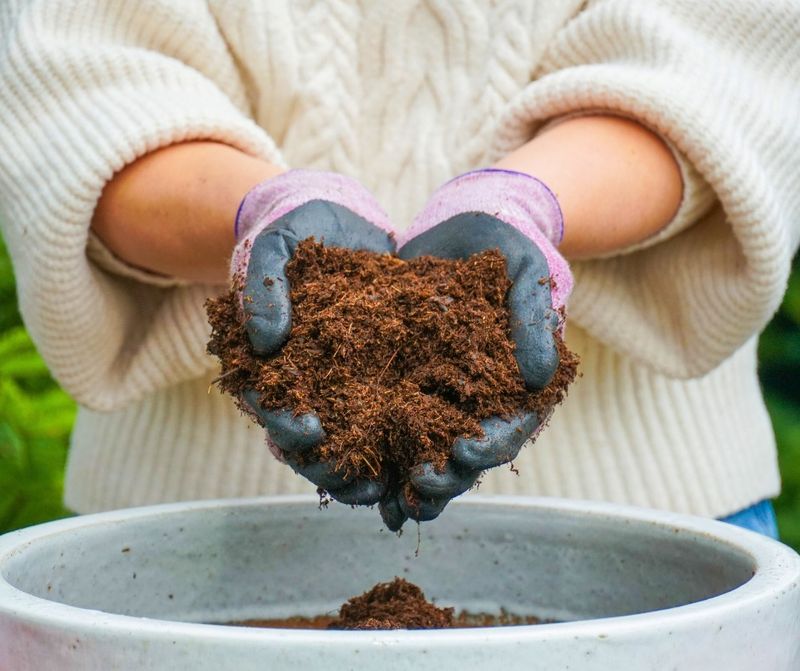
Most gardeners start here because this versatile blend works beautifully for nearly everything you plant. The combination of peat moss or coconut coir with compost and perlite creates a perfect balance.
Your plants get good drainage while still holding enough moisture to keep roots happy between waterings.
Container flowers like petunias and geraniums absolutely flourish in this medium. Vegetables such as tomatoes, peppers, and lettuce also perform wonderfully.
The beauty of an all-purpose mix lies in its forgiving nature, making it ideal for beginners and experienced gardeners alike.
You’ll find this mix stays fluffy and doesn’t compact easily over time. That means roots can spread freely and access oxygen throughout the growing season.
The added compost provides gentle nutrition to get plants off to a strong start. North Carolina’s variable spring weather demands a reliable foundation for container gardens. This mix handles both our rainy spells and sudden dry stretches with ease.
Many local garden centers stock regional blends specifically formulated for our climate. For patios, porches, and balconies across the state, this remains the go-to choice.
It eliminates guesswork and delivers consistent results season after season. Your containers will look professional and vibrant from May through October.
2. Cactus And Succulent Mix
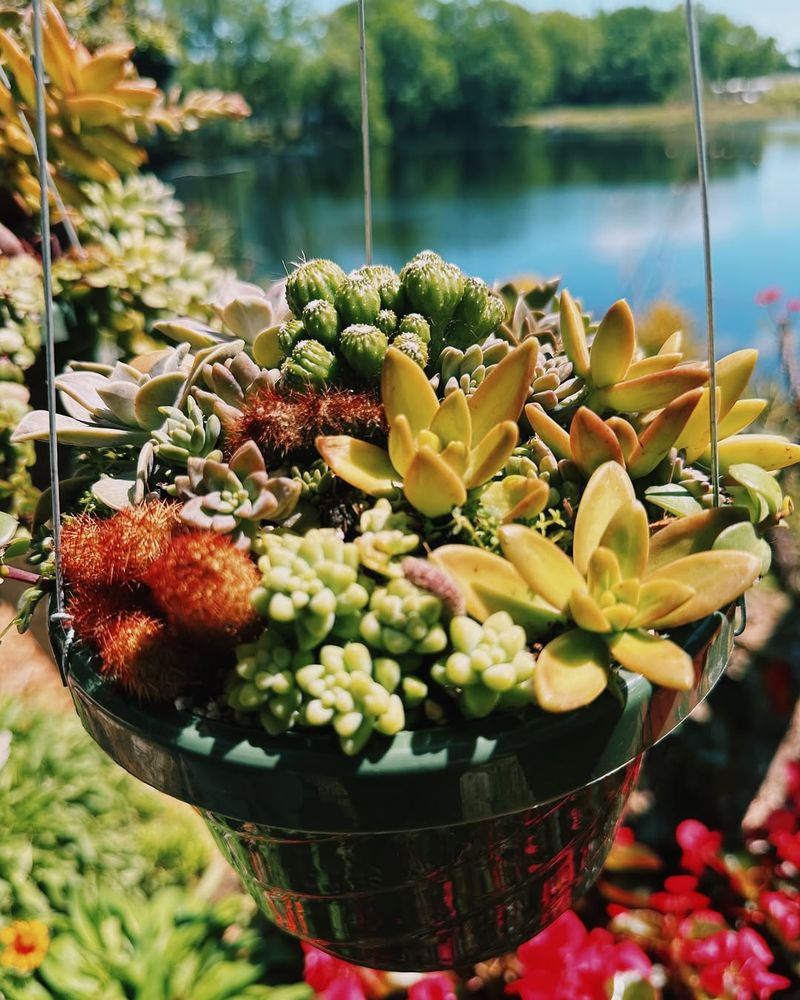
Succulents have taken over Instagram feeds and windowsills across North Carolina for good reason. These trendy plants offer stunning shapes and colors while demanding minimal care.
But they absolutely require proper drainage, or their roots rot faster than you can say “jade plant.”
Standard potting soil holds way too much moisture for these desert natives. A proper cactus and succulent mix solves this problem beautifully.
It combines coarse sand, perlite, and very little organic matter to create a gritty texture that water rushes right through.
Your echeveria, sedum, and aloe plants will thank you with plump, colorful growth. The fast drainage mimics their natural habitat where rain comes rarely but drains instantly.
Roots stay healthy because they never sit in soggy conditions. This mix works wonderfully for both indoor collections and outdoor container arrangements. On sunny North Carolina patios, succulents create stunning focal points.
They handle our occasional heavy rains without issue when planted in proper medium. Many gardeners make their own by mixing regular potting soil with extra perlite and coarse sand. A ratio of roughly one part soil to two parts drainage material works well.
Your North Carolina Garden Changes Every Week. Your Plan Should Too.
Gardening in North Carolina changes quickly throughout the season. Every Friday you’ll receive a simple weekly plan showing exactly what to plant, prune, fertilize, harvest, and protect so you never miss the right timing.
Commercial blends offer convenience and consistent results right out of the bag. The key is ensuring your containers also have drainage holes. Even perfect soil can’t save succulents sitting in water-filled pots.
3. Moisture-Retentive Mix
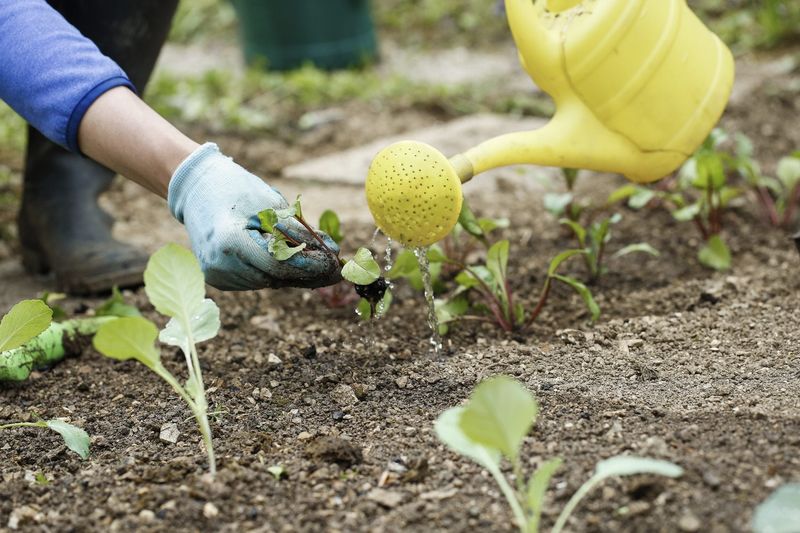
Summer heat in North Carolina can be brutal on container plants. When temperatures soar into the nineties, regular potting soil dries out faster than you can water.
That’s where moisture-retentive blends become absolute lifesavers for your thirstiest plants.
These specialized mixes include peat or coconut coir as a base. Then they add vermiculite and sometimes water-absorbing polymer crystals.
Together, these ingredients act like tiny sponges throughout the soil, holding onto water and releasing it slowly as plants need it.
Impatiens, ferns, and coleus are perfect candidates for this type of mix. These shade-lovers typically demand consistent moisture but often sit in spots where you forget to check them daily.
The extra water retention gives you breathing room between waterings. Even sun-loving annuals benefit during our humid July and August months. The mix prevents that afternoon wilt you often see in standard potting soil.
Your plants stay perky and productive despite the challenging conditions. One important note: these mixes work best when you adjust your watering habits accordingly. Check soil moisture before adding water since the mix holds onto it longer.
This prevents overwatering issues while still protecting against drought stress. For busy gardeners or vacation-prone households, this mix offers peace of mind. Your containers survive longer between waterings without suffering.
4. Herb And Vegetable Mix
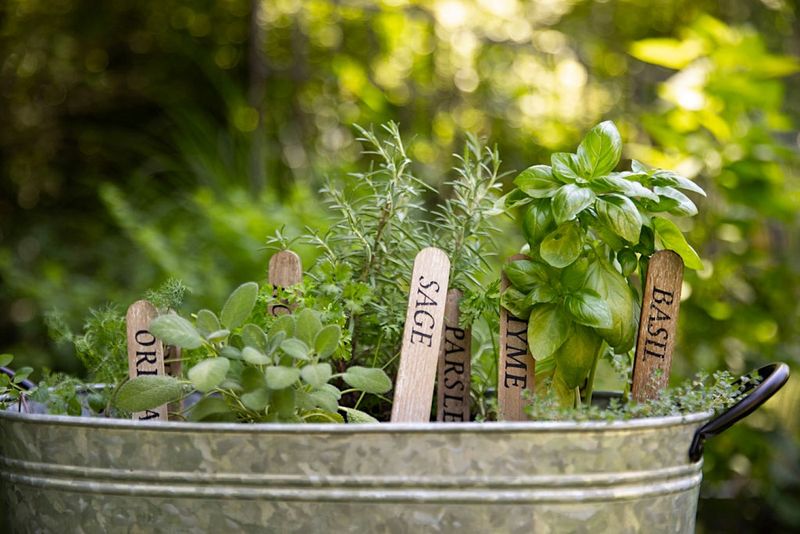
Growing your own fresh herbs and vegetables transforms cooking from routine to extraordinary. That basil you snip for pasta sauce or those cherry tomatoes you pop straight from the vine taste infinitely better than store-bought versions.
But edible plants need more nutrition than ornamentals to produce abundant harvests.
Premium herb and vegetable mixes come pre-loaded with compost and balanced fertilizers. These ingredients provide the extra nutrients hungry crops demand.
Your plants channel that nutrition into producing flavorful leaves, fruits, and vegetables rather than just pretty foliage.
The organic matter in these blends feeds beneficial soil microbes too. Those tiny organisms break down nutrients into forms plant roots can easily absorb.
This creates a living soil ecosystem right in your container, mimicking the best garden beds. Tomatoes, peppers, lettuce, and herbs all thrive in this enriched medium. You’ll notice faster growth and heavier production compared to standard potting soil.
The plants develop strong root systems that support abundant fruiting throughout the season.
North Carolina’s long growing season means your containers can produce from April through October. Starting with nutrient-rich soil sets you up for months of fresh harvests. Many gardeners supplement with liquid fertilizer mid-season for continuous productivity.
Kitchen garden containers bring food production right to your back door. No more forgetting to harvest or letting produce go to waste in a distant garden plot.
5. Orchid And Semi-Hydro Mix
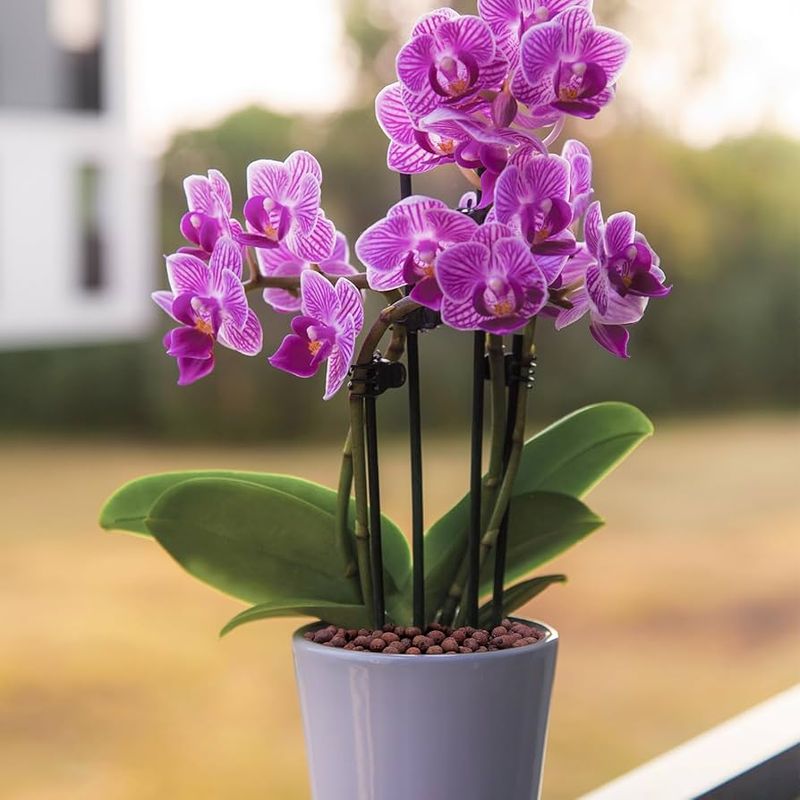
Orchids carry a reputation for being finicky, but that myth crumbles when you give them proper growing medium. These exotic beauties are epiphytes in nature, meaning they grow on trees rather than in soil.
Their roots need air circulation and quick drainage that regular potting mix simply cannot provide.
Specialized orchid media typically includes chunks of bark, sphagnum moss, and perlite. Some blends add charcoal or coconut husk chips.
The chunky texture allows air to reach roots while holding just enough moisture to prevent dehydration.
Many North Carolina orchid enthusiasts have discovered semi-hydro growing systems. This method uses inorganic media like LECA clay balls in containers with water reservoirs.
Roots access moisture as needed while staying well-aerated, resulting in spectacular growth and blooming.
Phalaenopsis orchids, the most common type found in stores, adapt beautifully to both bark mixes and semi-hydro setups. Cattleyas and dendrobiums also thrive with these specialized approaches.
The key is matching the medium to the orchid’s natural growing conditions. Our state’s humidity levels actually benefit orchid growers, especially during summer months. The moisture in the air supplements what roots take up from the growing medium.
Winter indoor heating can dry things out, so many growers use humidity trays. Once you nail the growing medium, orchids prove surprisingly easy. They reward proper care with months of stunning blooms that brighten any space.
6. Acid-Loving Mix
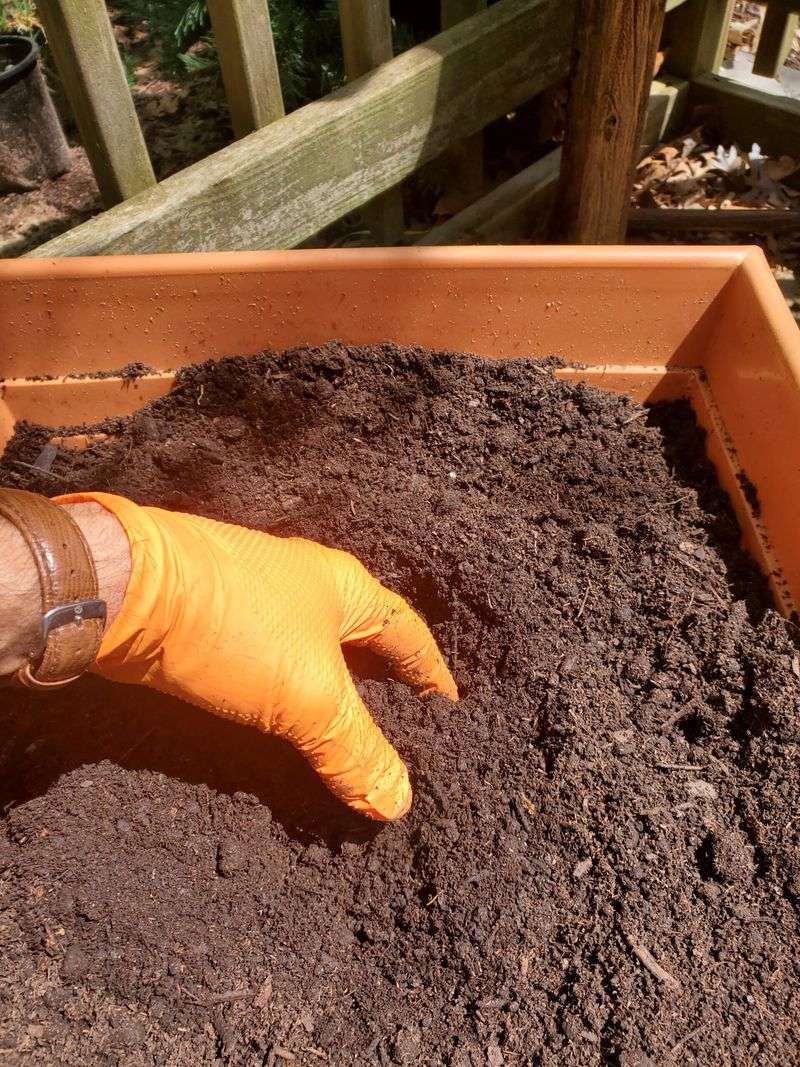
Walk through any North Carolina neighborhood in spring and you’ll see why we’re famous for azaleas. These stunning shrubs paint our landscapes in brilliant pinks, reds, and whites.
But azaleas, along with blueberries, camellias, and rhododendrons, all share one critical requirement: acidic soil conditions.
Regular potting mixes typically have neutral pH levels around 6.5 to 7. Acid-loving plants need pH between 4.5 and 5.5 to access nutrients properly.
Without that acidity, their leaves turn yellow and growth stalls no matter how much you fertilize.
Specialized acid-loving mixes solve this problem with high peat content or composted pine bark. These ingredients naturally lower pH while providing excellent drainage. The result is a medium perfectly suited to plants that evolved in acidic forest soils.
Blueberries in containers produce surprisingly well when given proper acidic mix. You can grow fresh berries right on your deck, picking handfuls for breakfast throughout summer. The plants also offer beautiful fall color as an added bonus.
Gardenias, another Southern favorite, absolutely demand acidic conditions for those intoxicating blooms. Container growing lets you control soil pH precisely, ensuring these fragrant beauties thrive.
You can even bring potted gardenias indoors during winter to enjoy their perfume year-round.
Most garden centers stock acid-loving mixes during spring when azaleas bloom. You can also acidify regular potting soil by adding sulfur or using fertilizers designed for acid-loving plants throughout the season.
7. Native Wildflower Mix
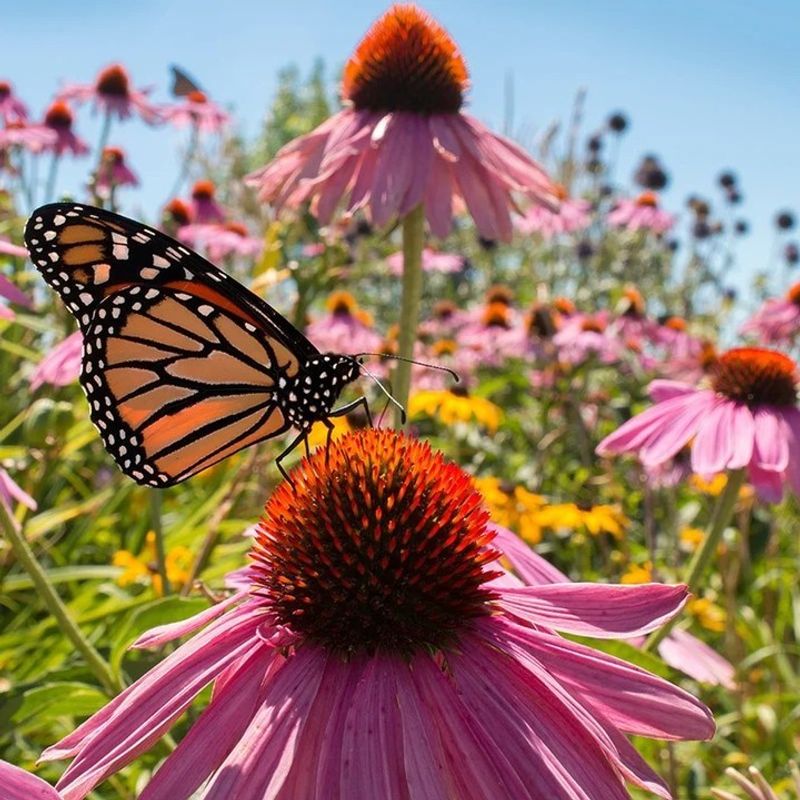
Pollinators are in trouble, and North Carolina gardeners can make a real difference right from their patios and decks. Native wildflowers provide essential food sources for bees, butterflies, and hummingbirds.
Growing them in containers brings these beneficial visitors right to your outdoor living spaces.
Native plants evolved in our soils, which tend to be leaner than the rich mixes we use for hybrid flowers. A specialized native wildflower blend mimics these natural conditions.
It typically contains less organic matter and more mineral components, creating a lighter texture.
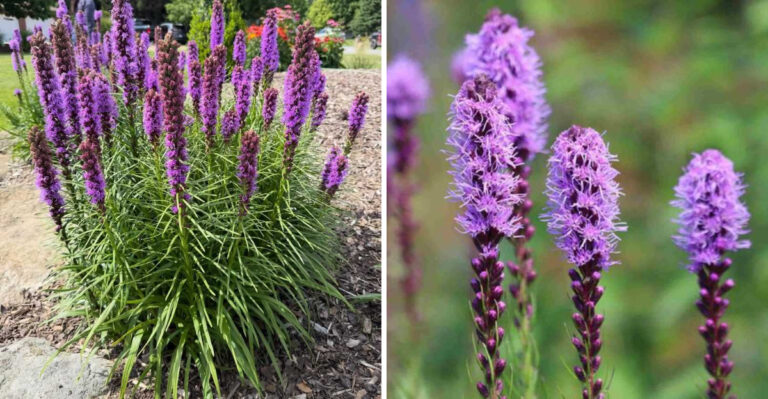
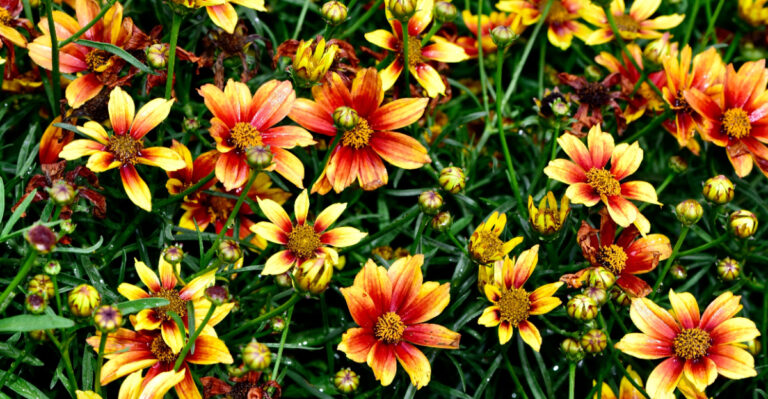
Species like coneflowers, black-eyed Susans, and coreopsis actually perform better in this leaner medium. Too much fertilizer makes them grow tall and floppy instead of compact and sturdy. The lighter soil encourages strong root systems and abundant blooming.
Many wildflower mixes come pre-seeded with native species suited to our region. You simply fill containers, water consistently until germination, and watch your pollinator garden come alive.
Within weeks, you’ll have buzzing visitors and colorful blooms. Container wildflower gardens offer flexibility that in-ground beds cannot match. You can move pots to follow the sun or create focal points on patios.
They also work beautifully for renters who want to support pollinators without permanent plantings.
The continuous bloom cycle of mixed wildflowers means something is always flowering from spring through fall. Your containers become living buffets for beneficial insects throughout the growing season.
8. Woody Plant And Tree Mix
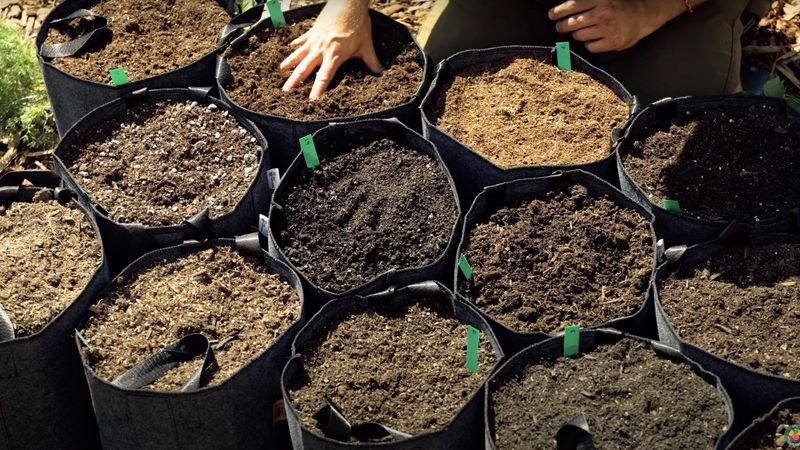
Container gardening isn’t limited to flowers and vegetables anymore. Small trees and shrubs in large planters create stunning focal points for patios, entryways, and poolside areas.
Japanese maples, dwarf crape myrtles, and boxwoods all adapt beautifully to container life when given appropriate growing medium.
Woody plants have different needs than annuals or perennials. Their substantial root systems require more structure and stability.
A specialized tree and shrub mix provides exactly that with composted bark and coarse materials like grit or sand.
The chunky texture prevents compaction over multiple years of growth. This matters because you won’t be repotting a container tree annually like you might with petunias.
The mix needs to maintain good drainage and aeration for several seasons without breaking down into muck.
Proper structure also helps anchor top-heavy plants against North Carolina’s occasional strong winds. Large containers can catch gusts like sails, so stable growing medium prevents tipping.
The weight of bark-based mixes adds beneficial heft to planters. Evergreen shrubs like hollies or boxwoods provide year-round interest in container form. They frame doorways beautifully and offer privacy screening on decks.
The right planter mix keeps them healthy through our variable winters and hot summers.
Many gardeners use container trees to experiment with varieties before committing to in-ground planting. You can test how a Japanese maple looks in a specific spot or try growing citrus trees that move indoors for winter protection.