These Are The Best Blooming Native Perennials For Pennsylvania Yards
Looking to fill your Pennsylvania yard with reliable color that comes back stronger every year? Native blooming perennials are a smart choice for gardeners who want beauty without constant replanting.
These plants are naturally adapted to local soil and weather, which helps them grow sturdier, require less maintenance, and support pollinators like bees and butterflies.
Once established, they return each season with fresh blooms, adding life and movement to your landscape.
Many Pennsylvania homeowners love how these perennials create a garden that feels vibrant yet easy to manage. With the right selection, you can enjoy long lasting flowers, healthy growth, and a yard that looks lively from spring through fall.
Native perennials bring dependable charm and natural resilience. They help your outdoor space feel colorful, balanced, and full of seasonal energy year after year without extra effort or constant replanting.
1. Purple Coneflower (Echinacea Purpurea)
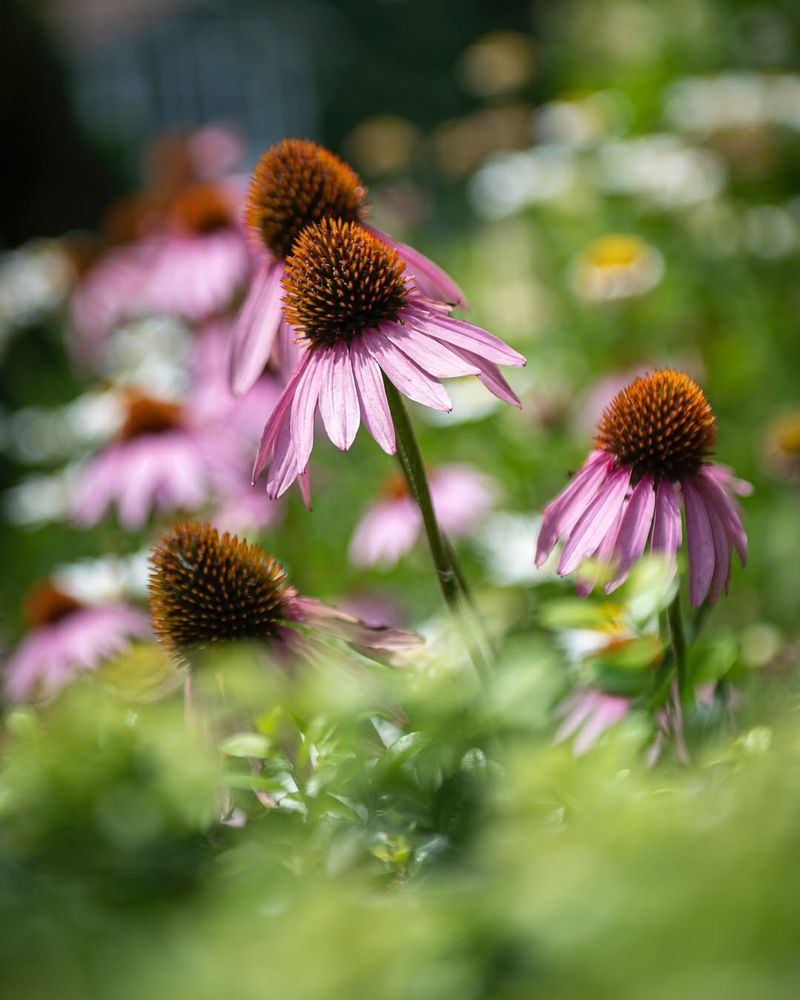
Anyone who has driven through Pennsylvania’s countryside in summer has likely spotted these cheerful pink-purple flowers standing tall along roadsides. Purple coneflower ranks among the most beloved native perennials for good reason.
The large daisy-like blooms feature drooping petals surrounding a spiky orange-brown center that goldfinches adore.
This tough plant handles Pennsylvania’s clay soils and summer heat without complaint. It blooms from June through September, providing months of color when many other plants struggle.
The flowers grow on sturdy stems reaching two to four feet tall, creating excellent vertical interest in garden beds.
Butterflies and bees flock to purple coneflower throughout the day, making your Pennsylvania yard a wildlife haven.
The plant spreads slowly through self-seeding, gradually filling in bare spots without becoming aggressive. Deer typically leave it alone, which makes it perfect for rural Pennsylvania properties.
After the petals fade, the seed heads remain attractive through winter, adding architectural beauty to snow-covered gardens. You can cut these stems for dried flower arrangements or leave them standing for birds.
Purple coneflower tolerates drought once established and thrives in full sun. Plant it in groups of three or five for maximum visual impact.
This native perennial requires almost no maintenance beyond occasional deadheading if you want to encourage more blooms throughout the season.
2. Black-Eyed Susan (Rudbeckia Hirta)
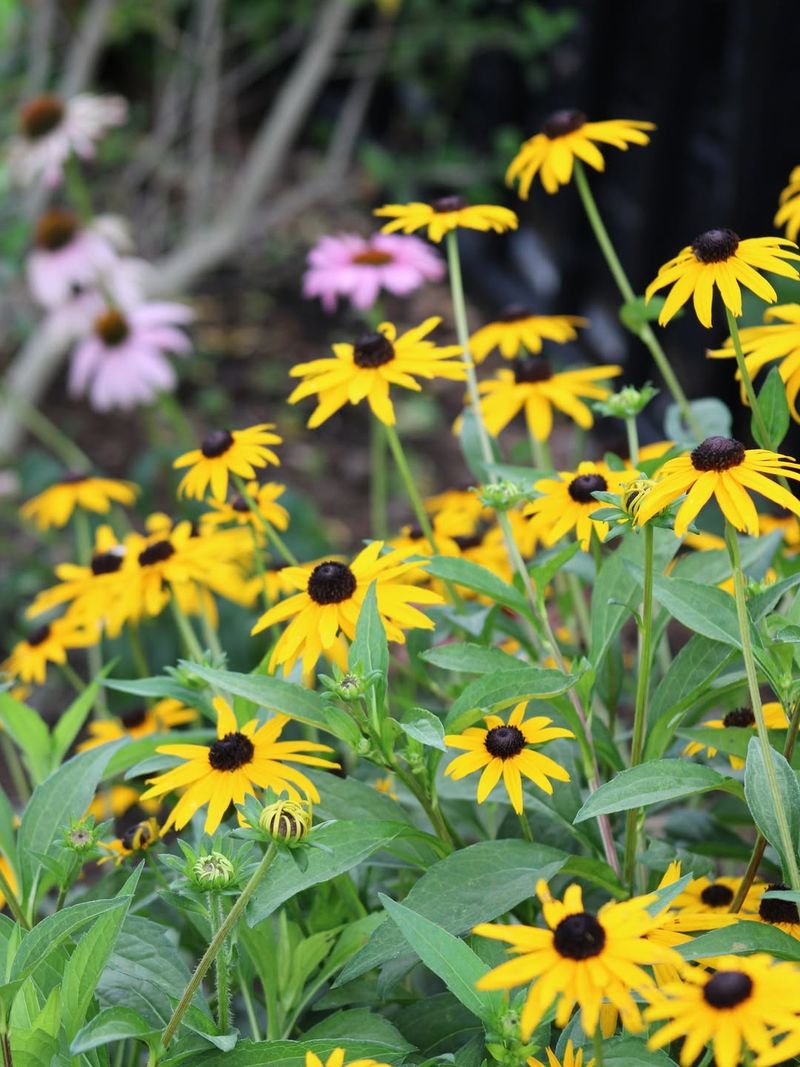
Golden petals radiating around dark chocolate centers make black-eyed Susan an instant mood lifter in any Pennsylvania landscape. This cheerful native brings sunshine to gardens from July through October.
The bright yellow flowers measure two to three inches across and multiply generously without taking over your entire yard.
Black-eyed Susan adapts to nearly any soil type found across Pennsylvania, from sandy loam to heavy clay.
It handles both full sun and partial shade, though flowering is most abundant with at least six hours of direct sunlight. The plants grow one to three feet tall with slightly hairy stems and leaves.
Pollinators go crazy for these blooms, with butterflies, native bees, and beneficial insects visiting constantly throughout the day. Goldfinches wait eagerly for seeds to ripen in fall, often perching directly on the flower heads.
This native perennial self-seeds readily, creating natural drifts that look stunning in meadow-style plantings.
Your Pennsylvania Garden Changes Every Week. Your Plan Should Too.
Gardening in Pennsylvania changes quickly throughout the season. Every Friday you’ll receive a simple weekly plan showing exactly what to plant, prune, fertilize, harvest, and protect so you never miss the right timing.
Pennsylvania gardeners appreciate how black-eyed Susan tolerates dry conditions once established. It rarely needs watering except during severe drought.
The plant also resists most diseases and pests that trouble non-native species. Combine it with purple coneflower and ornamental grasses for a classic prairie-style border.
Cut flowers last well in vases, bringing Pennsylvania’s native beauty indoors. This low-maintenance perennial rewards minimal effort with maximum visual impact year after year.
3. Wild Bergamot (Monarda Fistulosa)
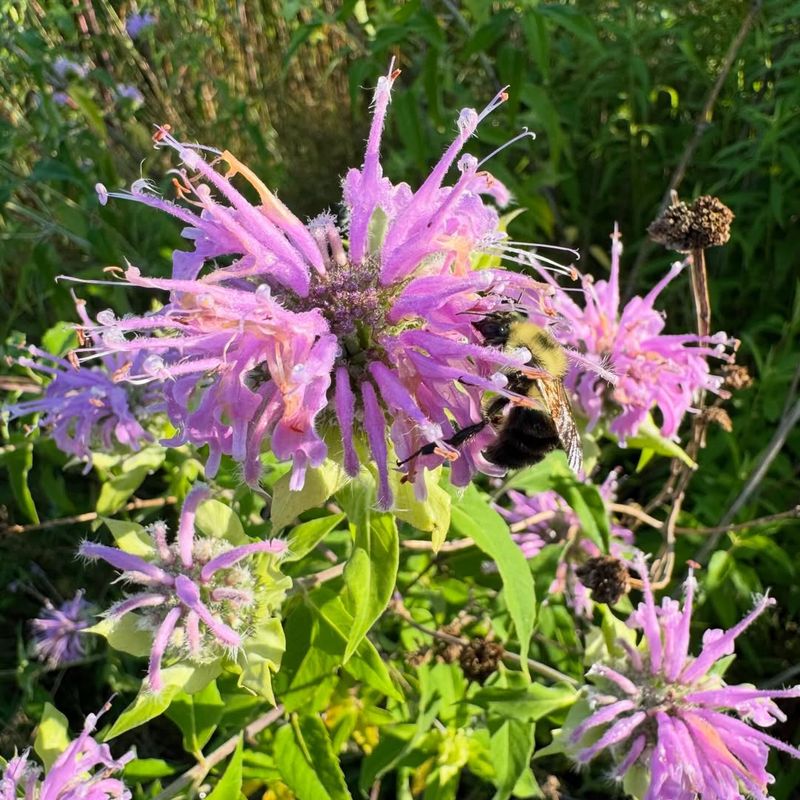
Hummingbirds zoom across Pennsylvania yards searching for their favorite native nectar source: wild bergamot. The lavender-pink flowers bloom in shaggy clusters atop square stems from June through August.
When you brush against the foliage, a delightful minty-oregano scent fills the air, explaining why some call it bee balm.
This native perennial thrives in Pennsylvania’s climate, growing two to four feet tall in sunny locations. It spreads gradually through underground rhizomes, forming attractive clumps that never become invasive.
Wild bergamot tolerates clay soils common throughout Pennsylvania and handles periods of drought remarkably well.
Pollinators treat wild bergamot like an all-day buffet. Hummingbirds visit repeatedly, hovering to sip nectar from the tubular flowers.
Bumblebees, butterflies, and beneficial wasps also frequent the blooms constantly. The flowers continue opening over several weeks, providing reliable food sources for wildlife.
Pennsylvania gardeners value wild bergamot for its resistance to deer browsing and its ability to naturalize in meadow gardens. The dried leaves make excellent herbal tea with a pleasant citrusy flavor.
Plant it in groups for a stunning display, spacing plants eighteen inches apart. Wild bergamot performs best in full sun but tolerates partial shade, making it versatile for various garden situations.
After blooming, the seed heads add winter interest and provide food for small birds throughout the cold months.
4. New England Aster (Symphyotrichum Novae-Angliae)
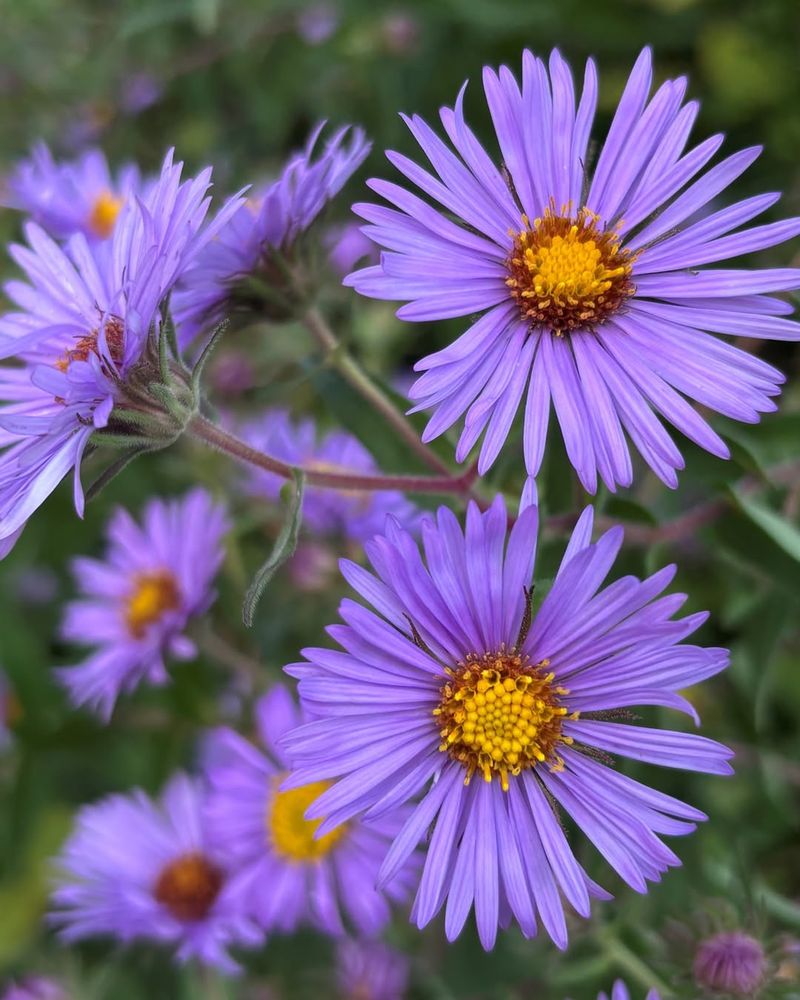
When most flowers are winding down for the season, New England aster bursts into spectacular bloom across Pennsylvania landscapes. This late-season superstar produces masses of purple-blue flowers with yellow centers from August through October.
Each plant becomes completely covered in blooms, creating a stunning display just when your garden needs it most.
Growing three to six feet tall, New England aster makes an excellent backdrop for shorter perennials. The stems are sturdy enough to stand without staking in Pennsylvania’s conditions.
This native thrives in full sun and moist to moderately dry soils, adapting well to various garden situations.
Monarch butterflies depend heavily on New England aster for nectar during their fall migration through Pennsylvania.
You’ll also see countless other butterfly species, bees, and beneficial insects covering the flowers throughout the day. The blooms provide crucial late-season food when other sources are scarce.
Pennsylvania gardeners should pinch back stems in early June to encourage bushier growth and prevent flopping. This simple maintenance step results in more flowers on sturdier plants.
New England aster spreads slowly through rhizomes, gradually expanding without becoming problematic. It handles Pennsylvania’s winters perfectly and returns reliably each spring.
Plant it in groups of three or more for maximum visual impact. The flowers also attract migrating birds that feed on insects visiting the blooms, making your Pennsylvania yard a vital stopover point during fall migration.
5. Butterfly Weed (Asclepias Tuberosa)
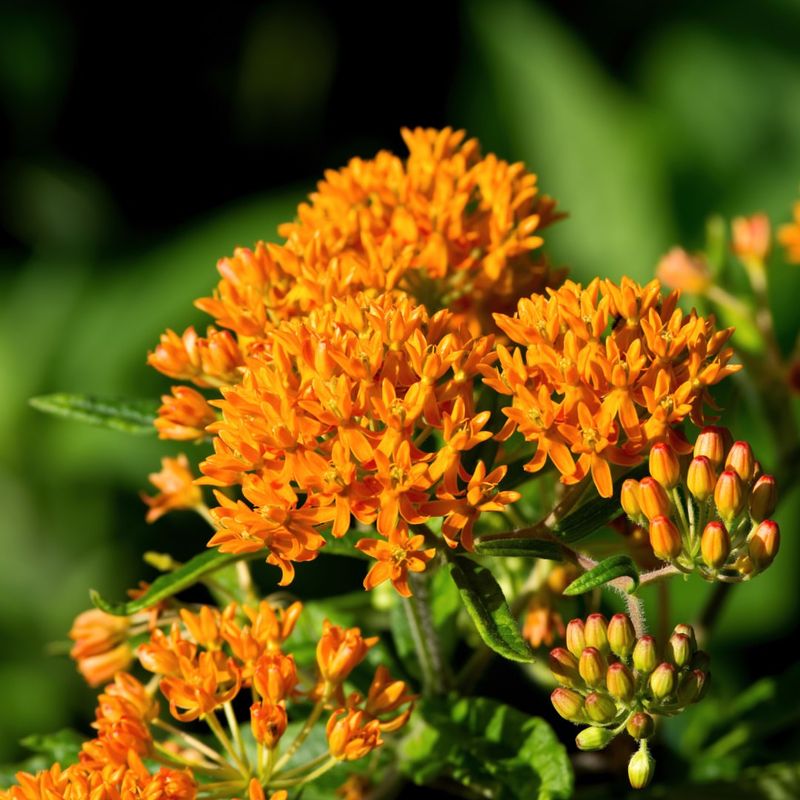
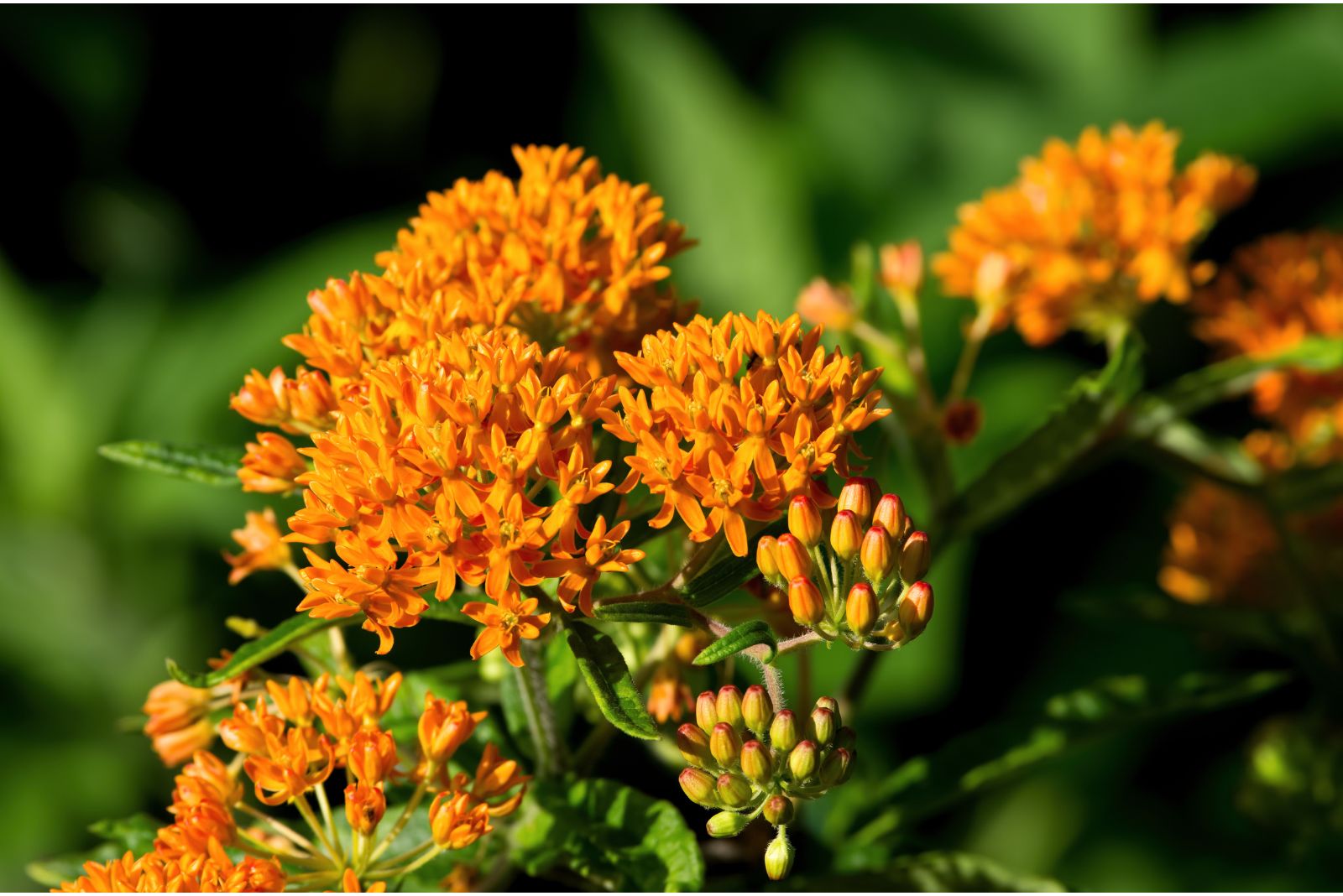
Brilliant orange flames seem to dance across Pennsylvania gardens when butterfly weed blooms from June through August. This native milkweed produces flat-topped clusters of intensely colored flowers that stop people in their tracks.
Unlike common milkweed, butterfly weed has a tidy clumping habit and never becomes weedy.
Monarch butterflies absolutely require milkweed species like butterfly weed for survival. Females lay eggs exclusively on milkweed plants, and caterpillars feed only on the foliage.
By planting butterfly weed in your Pennsylvania yard, you directly support monarch populations that have declined dramatically in recent decades.
This tough native grows one to two feet tall and tolerates Pennsylvania’s driest, poorest soils with ease. Once established, it develops a deep taproot that makes it extremely drought-resistant.
Butterfly weed thrives in full sun and well-drained locations, making it perfect for rock gardens or sandy sites where other plants struggle.
Besides monarchs, countless other butterfly species visit the nectar-rich flowers throughout the day. Bees and hummingbirds also stop by regularly.
The plant produces interesting seedpods in fall that split open to release silky-tufted seeds. Butterfly weed takes time to emerge in spring, so mark its location to avoid accidentally digging it up.
It dislikes transplanting due to its long taproot, so choose the planting site carefully. This Pennsylvania native requires zero maintenance once established and returns faithfully year after year.
6. Wild Columbine (Aquilegia Canadensis)
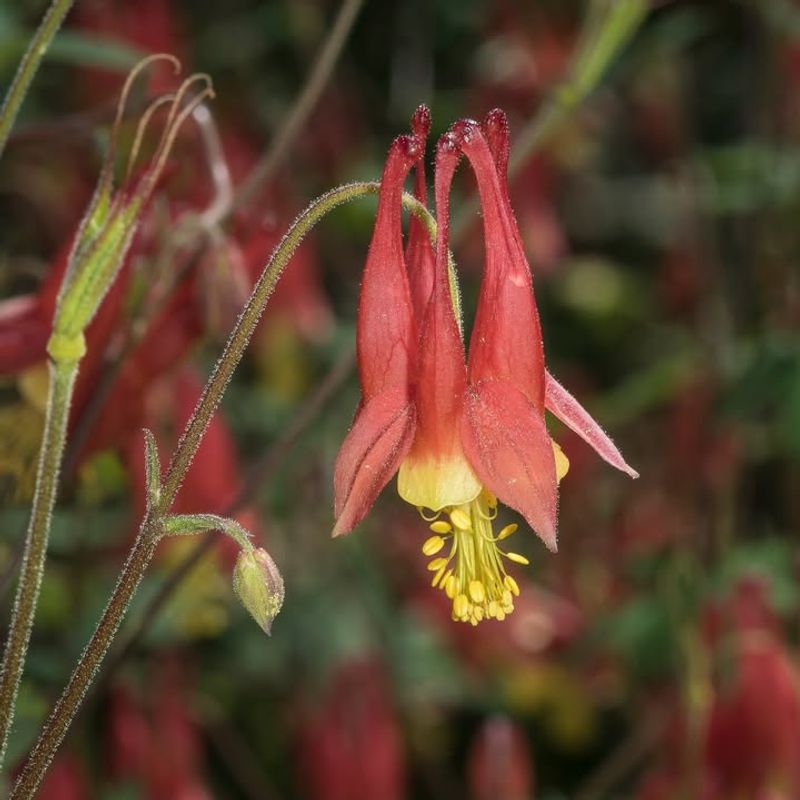
Delicate red and yellow flowers dangle like tiny lanterns from wild columbine’s graceful stems each spring. This charming Pennsylvania native blooms from April through June, providing early nectar when few other plants are flowering.
The unique flowers feature red outer petals with yellow interiors and backward-pointing spurs that hummingbirds love.
Wild columbine grows one to two feet tall with attractive blue-green foliage that resembles maidenhair fern.
It thrives in partial shade, making it perfect for woodland gardens or shady borders throughout Pennsylvania. The plant tolerates a wide range of soil conditions, from rocky slopes to rich garden beds.
Ruby-throated hummingbirds return to Pennsylvania in late April and immediately seek out wild columbine flowers.
The long spurs evolved specifically for hummingbird pollination, and the birds visit repeatedly throughout the day. Bumblebees also manage to access the nectar by biting holes in the spurs.
This native perennial self-seeds readily, popping up in cracks between rocks and other unexpected places around Pennsylvania gardens. The seedlings are easy to transplant when young if they appear where you don’t want them.
Wild columbine has a relatively short lifespan of three to four years, but self-seeding ensures continuous presence in your landscape. The plant goes dormant after blooming, so interplant it with ferns or hostas that fill in later.
Deer occasionally browse the foliage but rarely cause serious damage. Wild columbine adds an airy, woodland charm that perfectly suits Pennsylvania’s natural landscape style.
7. Joe Pye Weed (Eutrochium Purpureum)
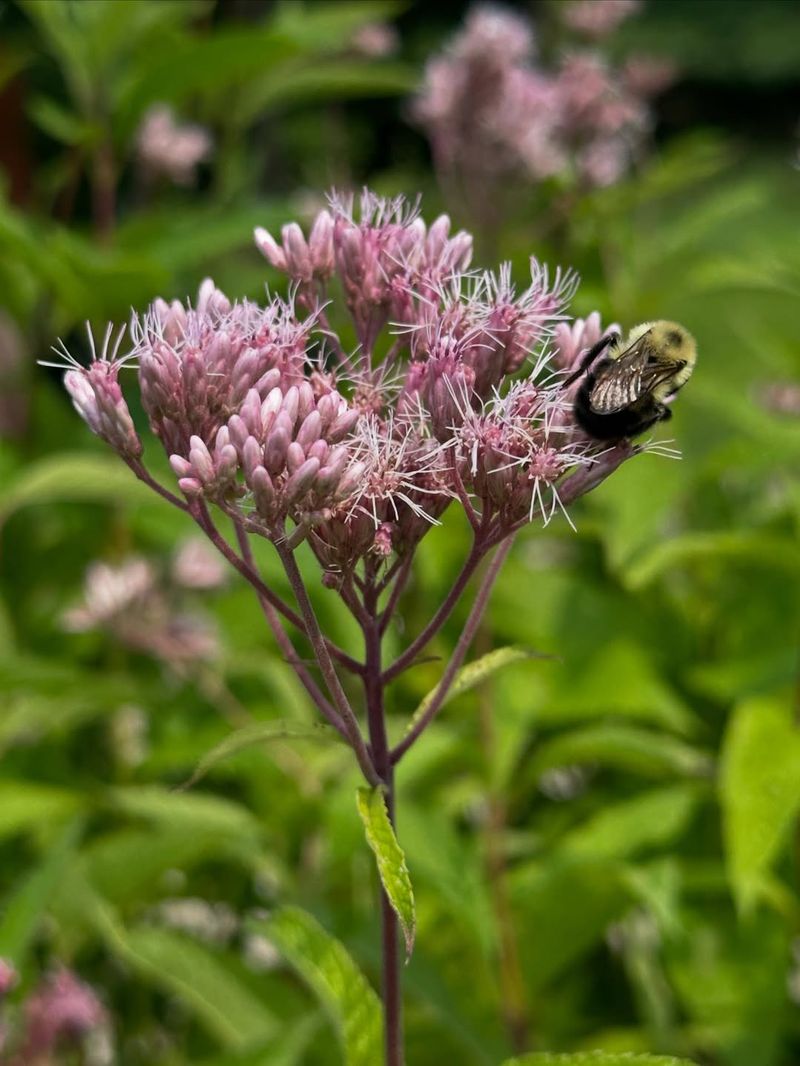
Towering above other perennials, Joe Pye weed creates a dramatic focal point in Pennsylvania gardens from July through September.
This native giant reaches four to seven feet tall, topped with massive dome-shaped flower clusters in dusty pink-purple shades.
Despite its name, Joe Pye weed is actually quite elegant and well-behaved in garden settings.
The huge flower heads measure six to twelve inches across and attract more butterflies than almost any other Pennsylvania native plant.
Swallowtails, monarchs, fritillaries, and countless other species cover the blooms from dawn to dusk. Bees and beneficial insects also visit constantly, making your yard buzz with activity.
Joe Pye weed naturally grows in moist meadows and along streams throughout Pennsylvania. In gardens, it performs best with consistent moisture and full sun to partial shade.
The plant tolerates Pennsylvania’s clay soils well and rarely needs staking despite its impressive height. The sturdy stems have attractive purple coloring that adds interest even before flowering begins.
This native perennial makes an excellent living screen or backdrop for smaller plants. It also works beautifully in rain gardens where soil stays moist.
Joe Pye weed forms clumps that expand slowly without becoming invasive. The dried flower heads remain attractive through winter, and goldfinches feast on the seeds.
Plant it where you can appreciate its full height without blocking views of shorter perennials. Pennsylvania gardeners with space for this majestic native will be rewarded with unmatched butterfly activity and late-season color.
8. Smooth Penstemon (Penstemon Digitalis)
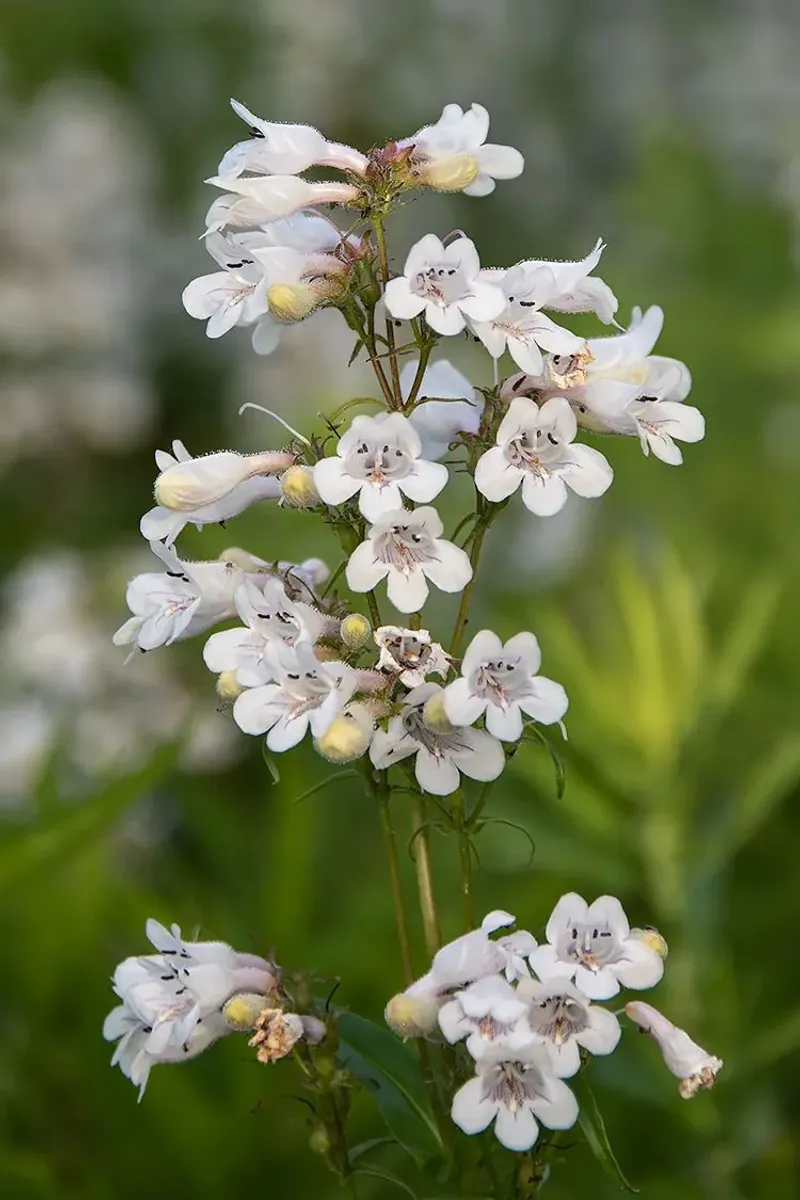
Graceful spikes of white tubular flowers rise above glossy green foliage when smooth penstemon blooms in Pennsylvania gardens from May through July. This underappreciated native deserves much wider use in landscapes.
The flowers have subtle pink or purple guidelines inside that direct pollinators to nectar, and they often take on pinkish tones as they age.
Smooth penstemon grows two to four feet tall with an upright habit that fits well in formal or informal garden designs. The shiny foliage often develops attractive burgundy tints in fall and may remain semi-evergreen through mild Pennsylvania winters.
This native tolerates a wide range of soil conditions and handles both full sun and partial shade.
Bumblebees are the primary pollinators, squeezing into the tubular flowers to reach nectar and pollen. Hummingbirds also visit regularly, especially when other food sources are limited.
The flowers bloom over several weeks, with new spikes emerging as older ones fade. Deadheading spent flower stalks encourages additional blooming and prevents excessive self-seeding.
Pennsylvania gardeners appreciate smooth penstemon’s deer resistance and its ability to thrive without constant attention. It rarely suffers from diseases or pest problems that plague non-native species.
The plant spreads slowly through self-seeding, creating natural-looking drifts without becoming weedy. Smooth penstemon combines beautifully with purple coneflower, black-eyed Susan, and ornamental grasses.
It also makes excellent cut flowers that last well in arrangements. This reliable native perennial brings vertical interest and clean white color to Pennsylvania landscapes year after year with minimal maintenance required.