10 Native Ohio Trees You Should Plant Before April Ends
Spring in Ohio does not whisper, it explodes. Lawns wake up, soil softens, and suddenly the ground feels alive again.
April is the narrow window when cool rains, longer days, and warming earth give young trees their best possible start. Miss it, and summer heat makes the job twice as hard.
Planting a tree now is not just yard work. It is a long bet on shade, cooler summers, brighter falls, and a yard filled with birds, butterflies, and life.
The right native tree can outlive you, survive wild Ohio weather, and quietly grow into something your family and neighbors will enjoy for generations. Some trees fight the climate.
Native trees belong to it. They handle clay soil, storms, drought swings, and freezing winters without constant care.
If one tree goes into your ground before April ends, make it count. Plant one well, and it gives back for generations.
Shade, color, life, and strength rooted deep in Ohio soil.
1. Red Maple For Early Color
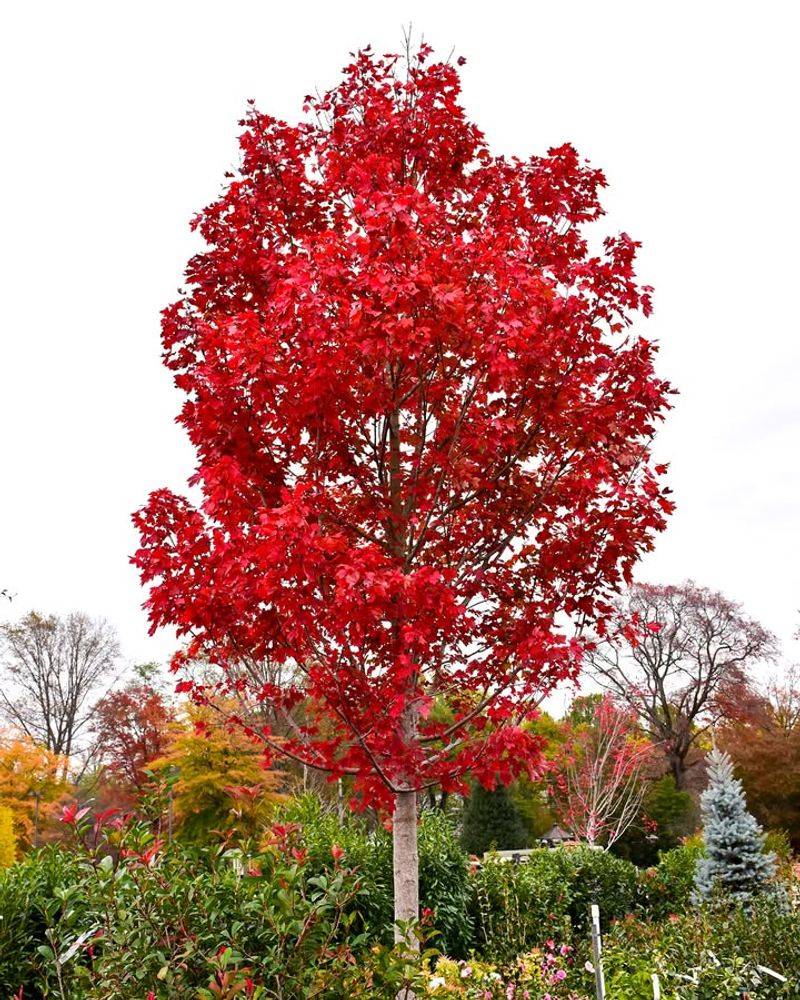
Red maple is one of the most adaptable trees you can plant in Ohio. It grows almost anywhere, from wet bottomlands to dry hillsides, and it doesn’t complain about clay soil or occasional flooding.
This tree is famous for its fall color, which can range from bright yellow to deep crimson depending on the individual tree and the weather conditions that year.
In spring, red maple produces tiny red flowers before the leaves emerge, giving the tree a soft reddish haze when you look at it from a distance. These flowers are an early food source for bees and other pollinators.
The tree grows at a moderate to fast pace, reaching 40 to 60 feet tall with a rounded crown that provides excellent shade in summer.
One reason red maple is so popular is its ability to tolerate urban conditions. It handles compacted soil, pollution, and road salt better than many other native trees.
If you’re planting near a driveway or street, red maple is a solid choice.
Plant it in full sun for the best growth and most vibrant fall color. Water it regularly during the first year to help the roots establish, then it becomes quite self-sufficient.
Red maple is a workhorse tree that delivers beauty and reliability year after year.
2. Sugar Maple For Cool Summer Shade
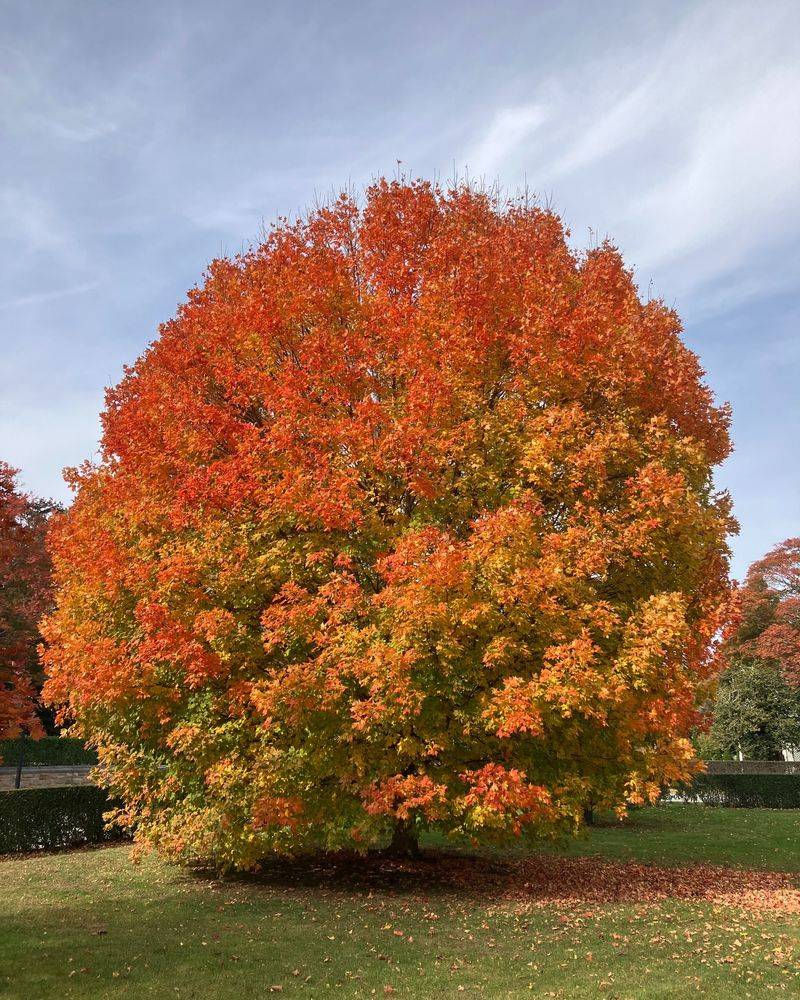
Sugar maple is the tree that gives Ohio its spectacular fall color, turning entire hillsides into waves of gold, orange, and red each October. But even before autumn arrives, this tree earns its place in the landscape by providing some of the densest, coolest shade you can find.
Its thick canopy of dark green leaves blocks the summer sun so effectively that you’ll notice the temperature drop when you walk beneath it.
This is a slow to moderate grower, eventually reaching 60 to 75 feet tall with a broad, oval crown. Sugar maple prefers slightly acidic soil with good drainage, though it adapts to most Ohio conditions as long as the soil isn’t constantly wet.
Your Ohio Garden Changes Every Week. Your Plan Should Too.
Gardening in Ohio changes quickly throughout the season. Every Friday you’ll receive a simple weekly plan showing exactly what to plant, prune, fertilize, harvest, and protect so you never miss the right timing.
It’s also the tree that produces maple syrup, though you’ll need a few mature trees and some patience to tap them yourself.
Wildlife benefits from sugar maple too. Birds nest in its branches, and the seeds provide food for squirrels and other small mammals.
The tree’s dense leaf litter breaks down slowly, enriching the soil beneath it.
Give sugar maple plenty of room to grow. It needs space to develop its full shape and shouldn’t be crowded by buildings or other trees.
Water it during dry spells in the first few years, and avoid planting it in areas with heavy road salt exposure.
3. Eastern Redbud In Full Spring Bloom
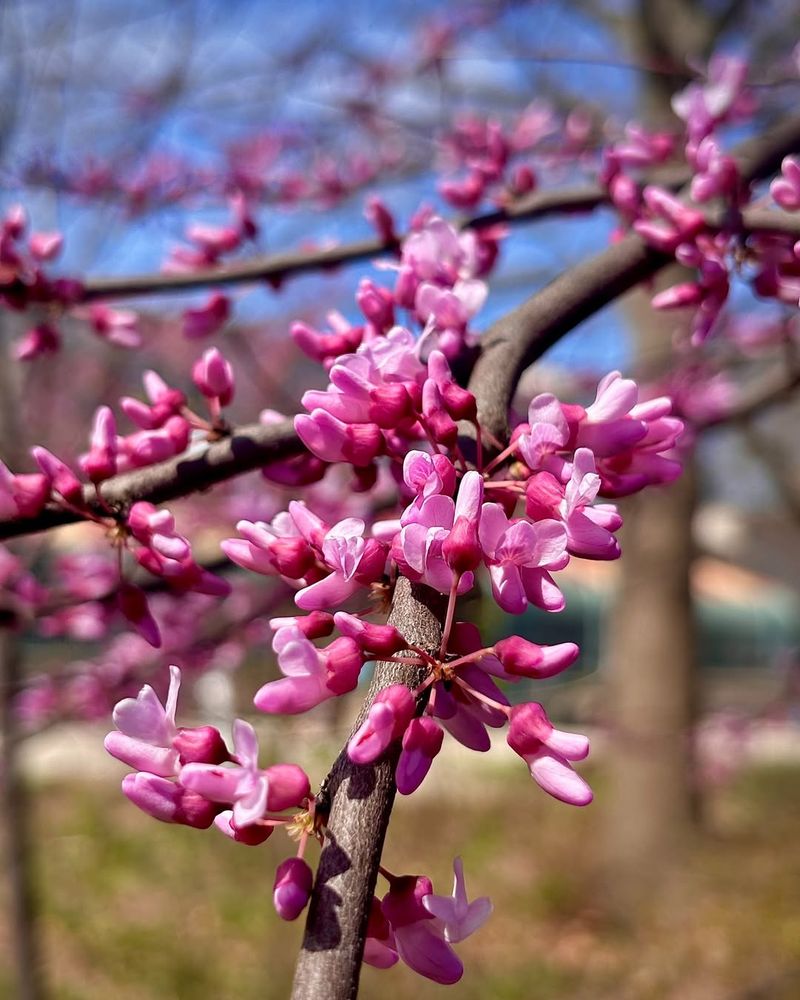
Few trees announce spring as boldly as eastern redbud. Before its leaves appear, the entire tree becomes covered in clusters of small, bright pink-purple flowers that bloom directly on the branches and even on the trunk.
This unusual flowering habit, called cauliflory, makes redbud instantly recognizable and absolutely stunning in April.
Redbud is a smaller tree, typically growing 20 to 30 feet tall with a rounded or vase-shaped form. It works beautifully as an understory tree, meaning it naturally grows beneath larger trees in the wild and can handle partial shade in your yard.
Plant it near a patio, along a driveway, or at the edge of a wooded area where you can enjoy the spring display up close.
After the flowers fade, heart-shaped leaves emerge in a fresh green color that stays attractive all summer. In fall, the leaves turn a soft yellow before dropping.
Redbud also produces flat seed pods that hang on the tree into winter, adding subtle interest to the bare branches.
This tree prefers well-drained soil and doesn’t like to sit in water. It grows well in full sun or partial shade, making it versatile for different parts of your property.
Eastern redbud is also a native host plant for several butterfly species, including the Henry’s elfin.
4. Ohio Buckeye Is A True Native Classic
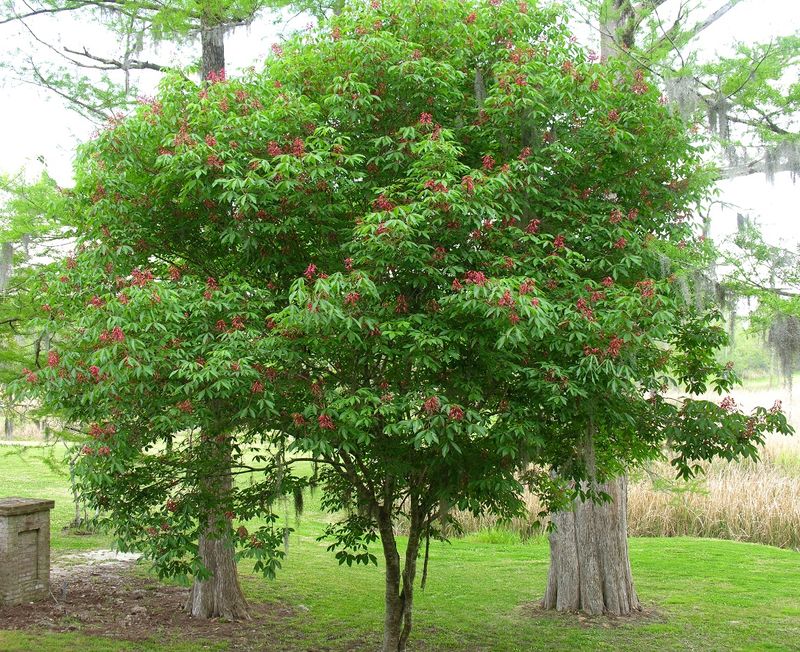
Ohio buckeye holds a special place in the state’s identity as the official state tree. It’s named for the shiny brown nuts it produces, which have a pale spot that early settlers thought resembled the eye of a deer, or buck.
These nuts are a favorite food of squirrels, though they’re toxic to humans and livestock.
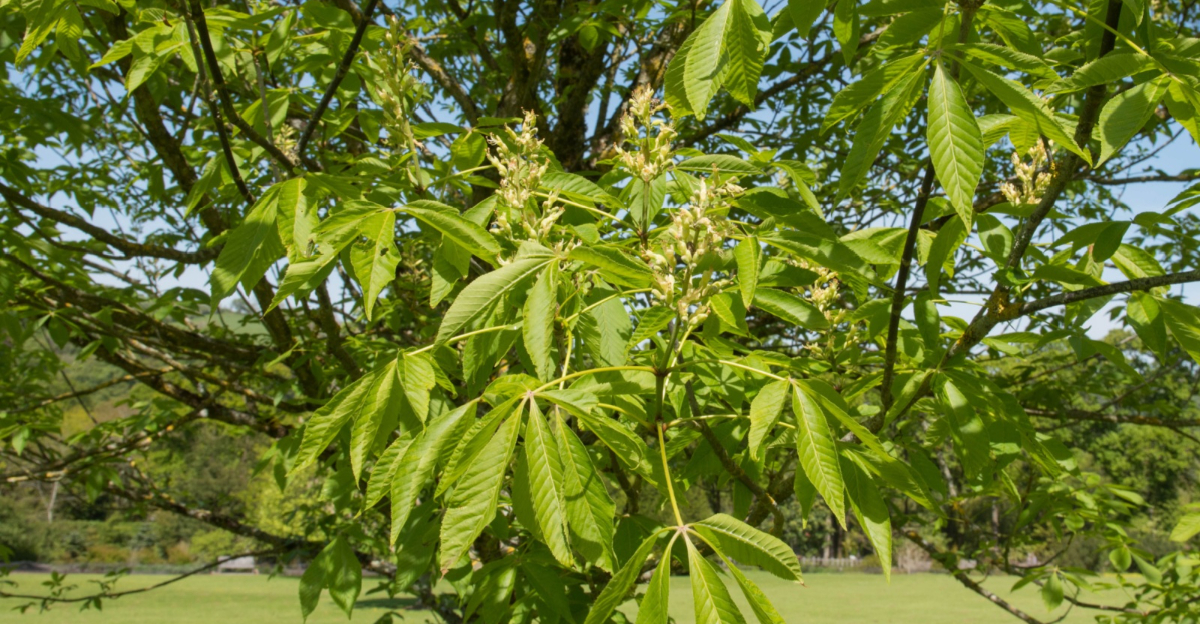
The tree itself grows 20 to 40 feet tall with a rounded crown. In spring, it produces upright clusters of yellow-green flowers that stand out against the fresh green foliage.
The leaves are palmately compound, meaning five to seven leaflets radiate from a central point like fingers on a hand. This distinctive leaf shape makes buckeye easy to identify even from a distance.
One quirk of Ohio buckeye is that its leaves often start to look tired and brown by late summer, especially during dry years. This is natural and doesn’t harm the tree, but it’s something to consider when choosing a planting location.
Place it where the late-season appearance won’t be a focal point.
Buckeye grows best in moist, well-drained soil and prefers partial shade, though it tolerates full sun. It’s an excellent choice for naturalized areas or woodland edges.
The tree is also relatively fast-growing when young, making it a good option if you want quicker results from your planting efforts.
5. Hackberry Is One Of The Toughest Trees
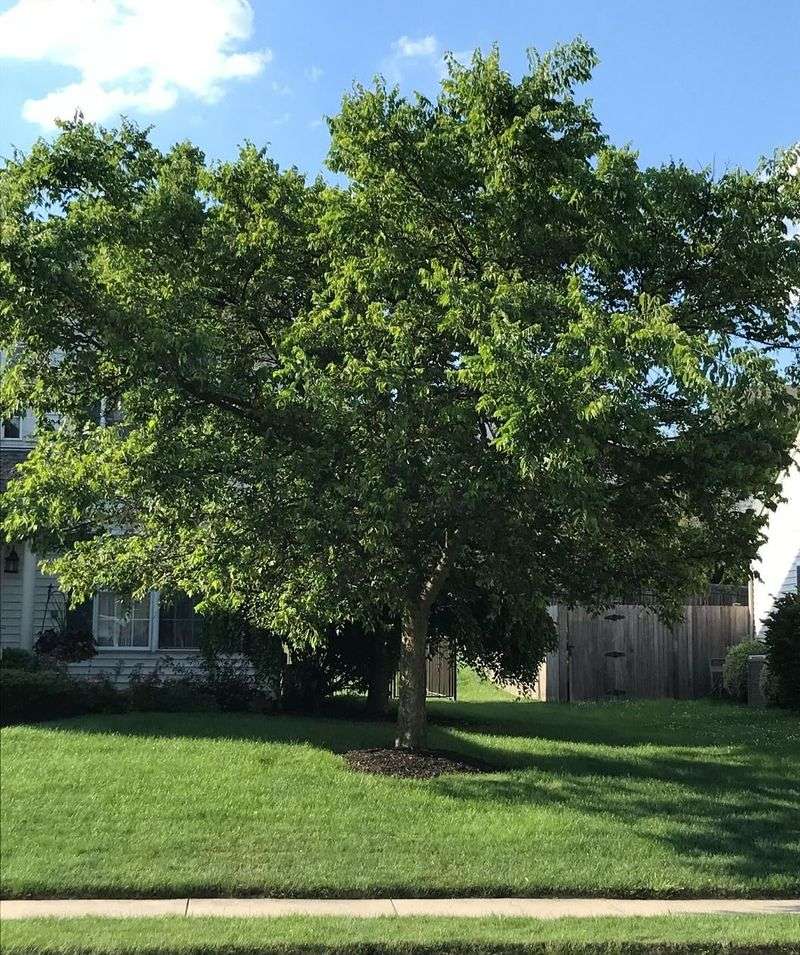
If you need a tree that can survive almost anything, hackberry is your answer. This native grows in conditions that would stress or defeat many other species.
It handles drought, floods, poor soil, wind, ice storms, and urban pollution without missing a beat. Hackberry is the tree you plant when you want something that will still be standing decades from now, no matter what happens.
The tree grows 40 to 60 feet tall with a rounded, somewhat irregular crown. Its bark is distinctive, developing corky ridges and warts as it matures.
The leaves are small and elm-like, turning a modest yellow in fall. Hackberry produces small berry-like fruits that birds absolutely love, making it a valuable wildlife tree.
One of hackberry’s best features is its ability to grow in compacted, alkaline soil where many trees struggle. It’s an excellent choice for new construction sites where the soil has been disturbed, or for urban lots with challenging conditions.
The tree also develops a deep root system that helps it survive dry periods.
Plant hackberry in full sun for best growth. It’s not a flashy tree, but it’s incredibly reliable and low-maintenance.
Once established, it requires almost no care and will provide shade and wildlife habitat for generations. Hackberry proves that sometimes the toughest trees are the most valuable.
6. River Birch Perfect For Damp Soil
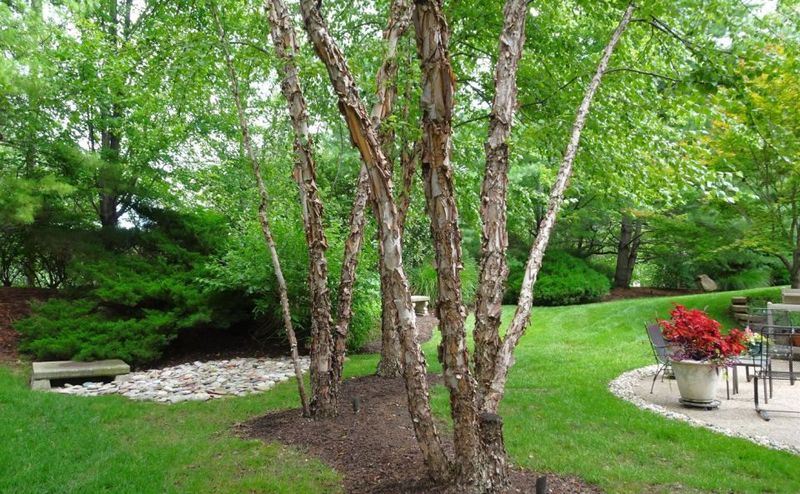
River birch stands out immediately because of its remarkable bark. The outer bark peels away in papery sheets to reveal layers of cinnamon, salmon, and cream colors underneath.
This exfoliating bark provides year-round visual interest and is especially striking in winter when the tree’s structure is fully visible against snow or bare ground.
As its name suggests, river birch naturally grows along streams and in floodplains, making it the perfect choice for wet or poorly drained areas in your yard. It’s one of the few trees that actually prefers moist soil and can tolerate periodic flooding.
If you have a low spot that stays soggy, river birch will thrive there while other trees would struggle.
The tree grows quickly, reaching 40 to 70 feet tall with a pyramidal to rounded shape. It often develops multiple trunks, which enhances its ornamental appeal.
The leaves are medium green in summer and turn a pleasant yellow in fall. River birch also resists the bronze birch borer, an insect pest that plagues many other birch species.
Plant river birch in full sun to partial shade. While it loves moisture, it’s also more drought-tolerant than you might expect once established.
This tree works well near water features, in rain gardens, or anywhere you need an attractive tree that can handle wet conditions.
7. White Oak A Tree That Lasts Generations
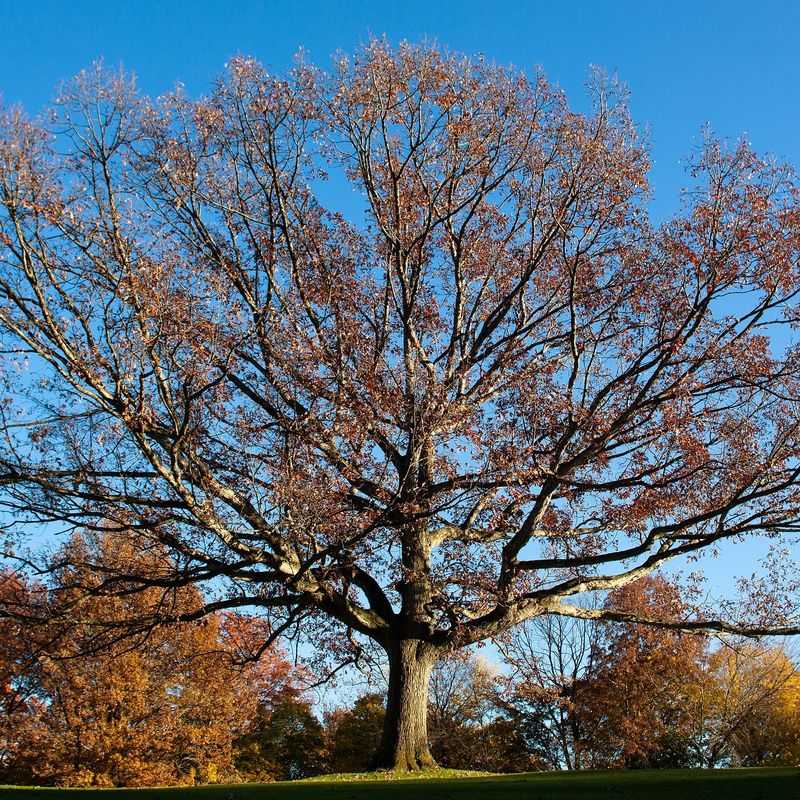
White oak is a tree for the ages. It grows slowly but steadily, eventually becoming one of the largest and longest-lived trees in Ohio.
Specimens can reach 80 feet tall with equally wide crowns, and trees over 300 years old are not uncommon. When you plant a white oak, you’re creating a legacy that will outlive you and benefit future generations.
The tree’s wood is incredibly strong and durable, which is why it’s been prized for centuries for building everything from ships to barrels to furniture. The acorns are an important food source for wildlife, including deer, turkeys, squirrels, and jays.
White oak acorns are sweeter than those of red oak species, making them particularly valuable to animals preparing for winter.
White oak’s leaves have rounded lobes and turn a rich burgundy or purplish-red in fall. The bark is light gray and develops deep furrows as the tree ages.
The overall form is broad and spreading, with massive horizontal branches that create a sense of permanence and stability in the landscape.
This tree needs space and patience. It prefers deep, moist, well-drained soil but adapts to various conditions once established.
Plant it in full sun where it has room to develop its full size. White oak is not a tree for small yards, but if you have the space, few trees offer more long-term value.
8. Northern Red Oak Is Strong And Dependable
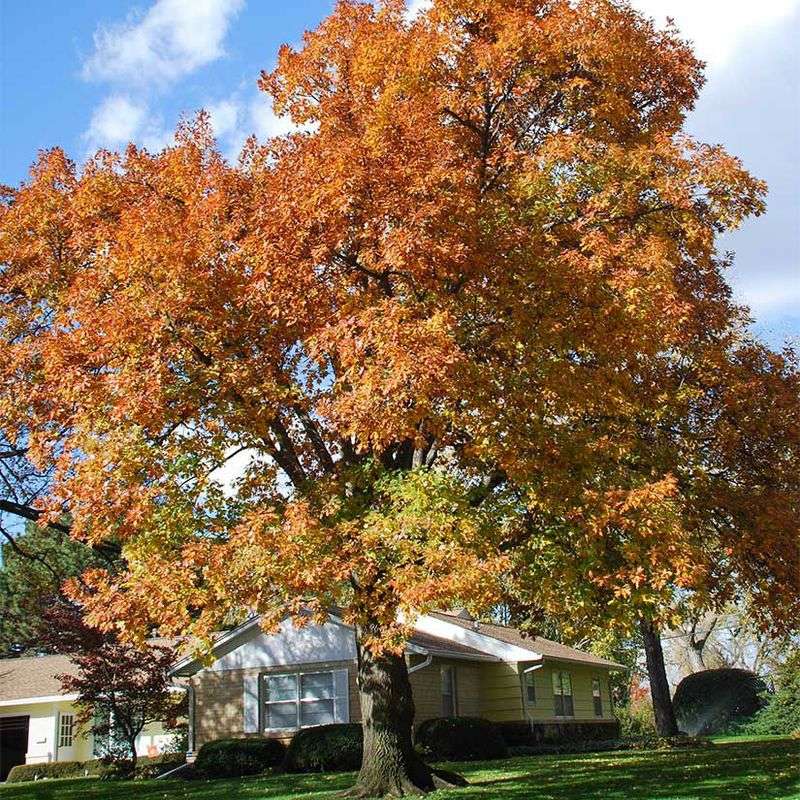
Northern red oak combines fast growth with long-term durability, making it one of the most practical large shade trees you can plant. It grows faster than white oak, reaching mature size in fewer decades, yet still lives for well over a century.
The tree develops a straight trunk and a rounded crown that provides excellent shade for homes, parks, and large properties.
The leaves are large with pointed lobes, and they turn a deep red to russet-brown in fall. Northern red oak holds its leaves longer into autumn than many other deciduous trees, extending the season of color.
The acorns mature in their second year and are an important food source for wildlife, though they’re more bitter than white oak acorns due to higher tannin content.
This oak is more tolerant of urban conditions and slightly acidic soil than white oak, making it easier to establish in a wider range of sites. It handles drought reasonably well once mature and resists most serious pests and diseases.
The wood is strong and the tree rarely suffers major branch loss in storms.
Plant northern red oak in full sun with plenty of room to grow. It will eventually reach 60 to 75 feet tall with a similar spread.
This is an excellent tree for larger properties where you want substantial shade and a strong presence in the landscape without waiting decades to see results.
9. Flowering Dogwood A Springtime Favorite
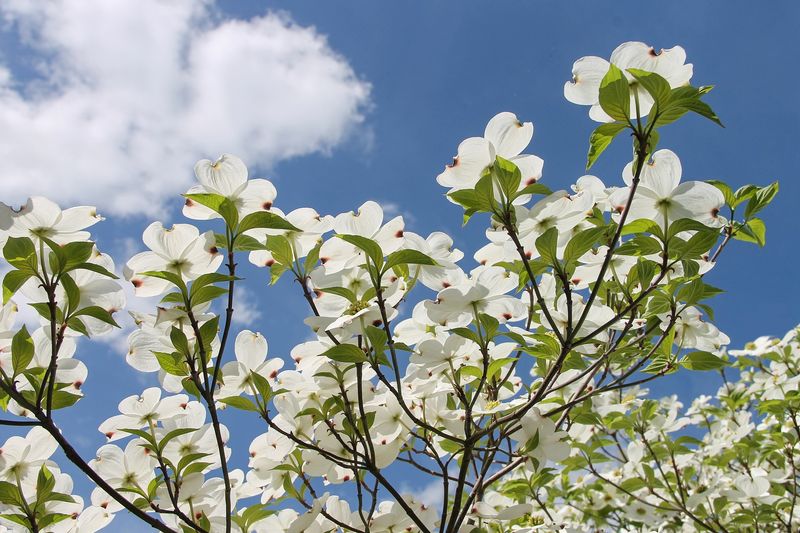
Flowering dogwood creates one of spring’s most memorable displays. What appear to be large white or pink flowers are actually modified leaves called bracts that surround the tree’s tiny true flowers.
These bracts can be four inches across and cover the tree in April and May, creating a cloud of color that seems to float in the landscape.
Dogwood is a small understory tree, typically growing 15 to 30 feet tall with distinctive horizontal branching that gives it an elegant, layered appearance. It naturally grows beneath larger trees in the forest, so it’s perfect for shaded areas in your yard where many other flowering trees won’t perform well.
The tree looks particularly beautiful when planted where you can view it from below, allowing the flowers to show against the sky.
After the spring bloom, dogwood produces bright red berries in fall that birds quickly devour. The leaves turn a deep red or purple before dropping, adding to the tree’s seasonal interest.
Even in winter, the horizontal branching structure and interesting bark texture keep dogwood attractive.
Plant flowering dogwood in partial shade with moist, well-drained, slightly acidic soil. It doesn’t tolerate drought well, so mulch around the base and water during dry periods.
Avoid planting in hot, exposed locations or in heavy clay that stays wet. With proper placement and care, dogwood becomes a focal point that marks the seasons beautifully.
10. American Sycamore Is Made For Open Spaces
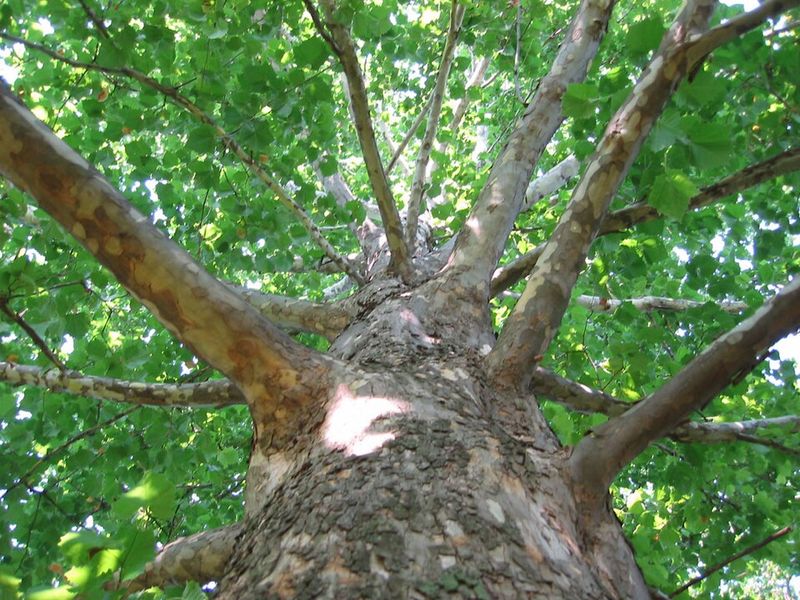
American sycamore is not a tree for small spaces. This native giant can reach 75 to 100 feet tall with an equally massive spread, and it needs room to show off its impressive size and character.
The trunk can grow several feet in diameter, and the tree’s bark is its most striking feature. The outer bark flakes off in irregular patches to reveal bright white, tan, and greenish inner bark that creates a camouflage pattern visible from far away.
Sycamore naturally grows along rivers and streams, so it thrives in moist soil and can handle periodic flooding. It’s also surprisingly adaptable to urban conditions, tolerating pollution and compacted soil better than many other large trees.
The leaves are large and maple-like, turning a modest yellow-brown in fall before dropping.
This tree grows fast, often adding several feet per year when young. It provides heavy shade and creates a commanding presence in parks, large yards, and open landscapes.
The seed balls hang on the tree through winter, eventually breaking apart to release fluffy seeds that drift on the wind.
Plant American sycamore in full sun with plenty of space on all sides. It’s an excellent choice for properties with acreage, especially near water features or in low areas that stay moist.
The tree requires minimal care once established and becomes a landmark that defines the landscape for generations.