Spray These 9 Fruit Trees Before Bud Break In Michigan This Year
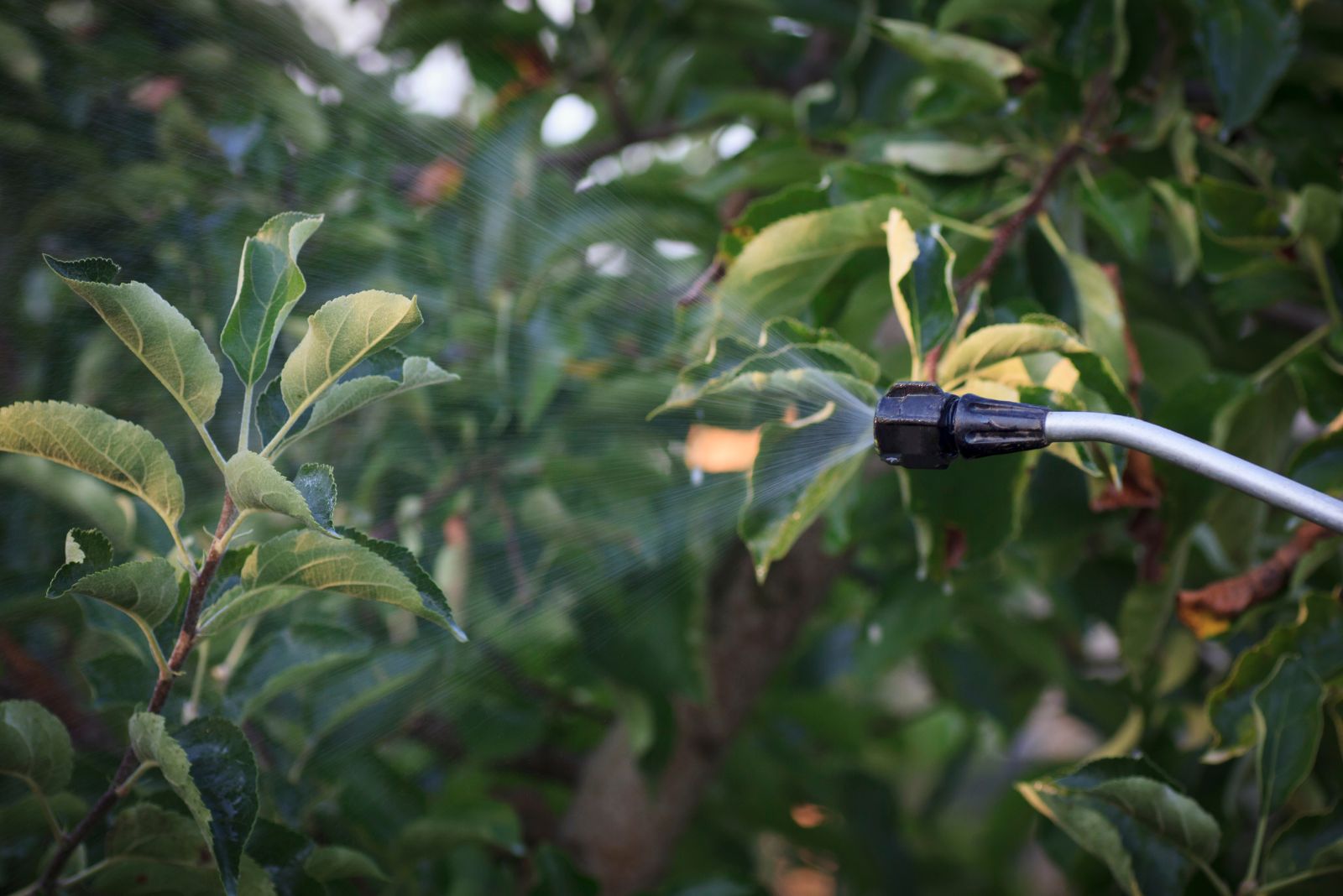
Late winter in Michigan is a key moment for fruit tree care, and smart gardeners know that what you do before bud break can shape the whole growing season.
While trees still look dormant, hidden pests, fungal spores, and overwintering insects are quietly waiting for warmer weather.
A well-timed spray helps stop many problems before they ever get started, protecting tender new leaves, blossoms, and future fruit. The timing matters.
You want mild temperatures and closed buds so treatments work effectively without harming new growth. With the right approach, you can reduce disease pressure, limit insect damage, and give your trees a strong, healthy start.
Whether you grow apples, cherries, peaches, or plums, this simple late winter step can make a noticeable difference in tree health and harvest quality. Let’s take a look at the fruit trees Michigan gardeners spray before bud break and why this early care pays off.
1. Apple Trees Need Early Protection
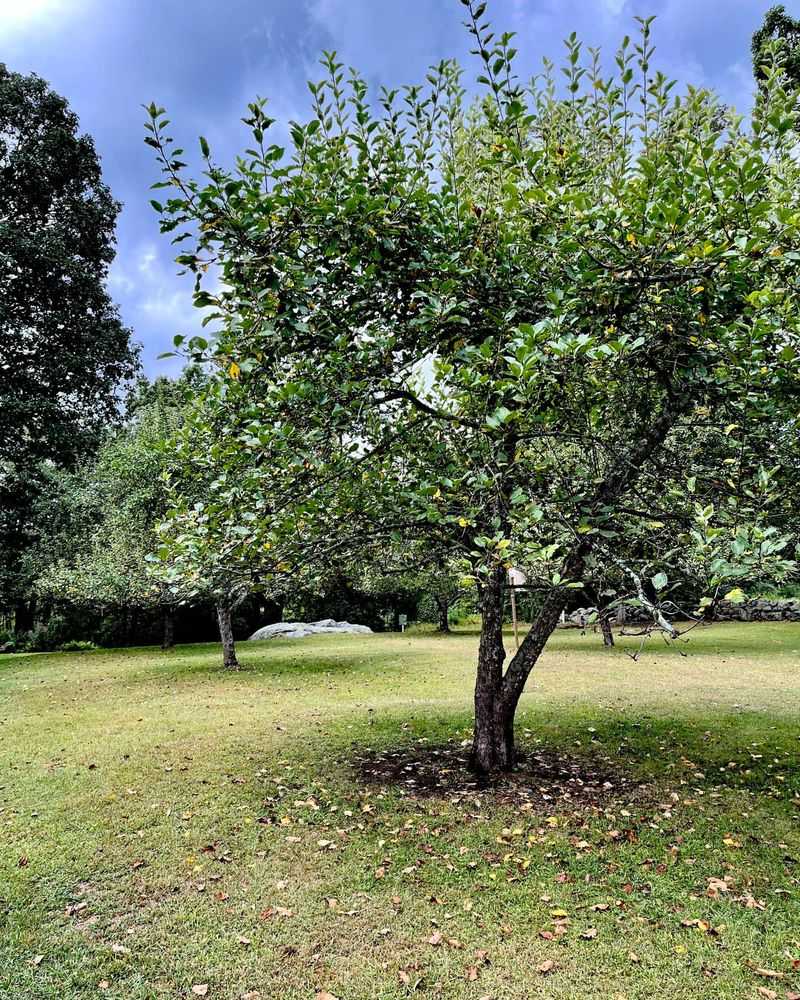
Apple trees face numerous challenges each season in Michigan’s climate. Scale insects and spider mites hide in bark cracks through winter, waiting to emerge when temperatures rise.
Fungal spores also survive cold months, ready to infect new growth the moment conditions turn favorable.
Dormant oil sprays smother overwintering pests before they become active. These oils coat insects and eggs, preventing them from breathing and reproducing.
Copper-based fungicides work differently by creating a protective barrier on bark surfaces. They prevent fungal spores from germinating and establishing infections.
Timing matters tremendously with apple tree spraying. Apply treatments when temperatures stay above freezing for at least 24 hours.
The trees should still be completely dormant with no green tissue visible. Early March through early April typically offers the best window in Michigan, though this varies by location and weather patterns.
Mix products according to label directions and spray thoroughly. Cover all branches, trunk surfaces, and the ground beneath the canopy.
This comprehensive approach ensures maximum protection. Your apple trees will reward careful early-season care with vigorous spring growth and reduced pest pressure throughout summer months ahead.
2. Peach Trees Battle Leaf Curl Disease
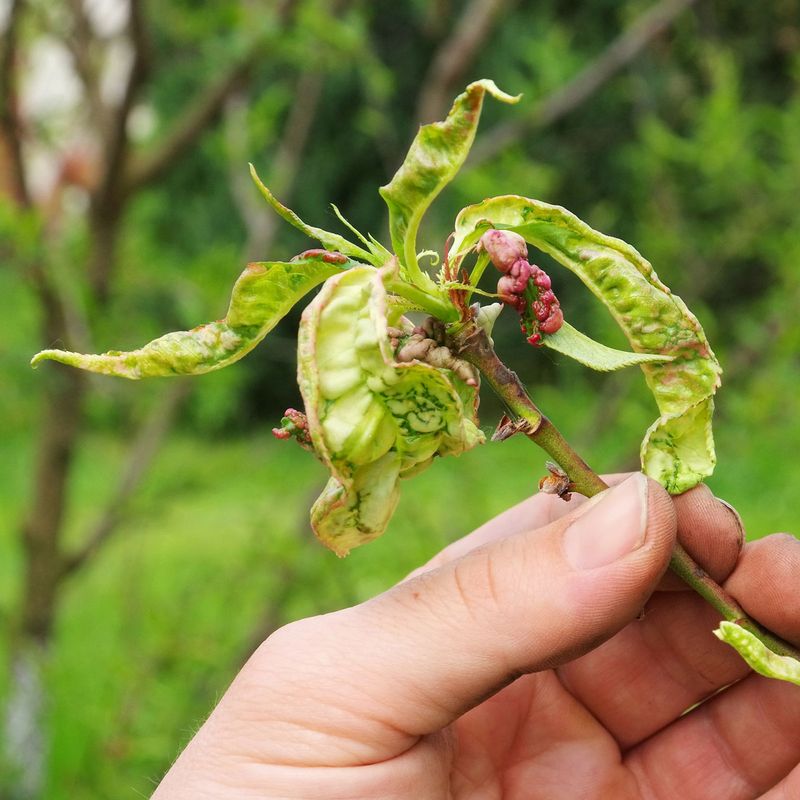
Peach leaf curl stands as the most destructive disease affecting peach trees in Michigan gardens. This fungal infection causes leaves to pucker, redden, and eventually drop from branches.
Trees weakened by repeated infections produce fewer fruits and struggle to survive harsh winters. Prevention starts before buds swell in spring.
Fungicide applications during dormancy provide excellent control of peach leaf curl. Copper sprays and synthetic fungicides both work effectively when applied at the right time.
The fungus overwinters on bark and in bud scales, becoming active during cool, wet spring weather. Treating trees before buds break interrupts this cycle completely.
Scale insects also plague peach trees, feeding on sap and weakening branches. Dormant oil sprays suffocate these pests while they remain inactive.
Combined treatments address both fungal and insect problems in one application. This saves time and ensures comprehensive protection.
Watch weather forecasts carefully when planning peach tree spraying. Choose a calm day with temperatures between 40 and 70 degrees Fahrenheit.
Your Michigan Garden Changes Every Week. Your Plan Should Too.
Gardening in Michigan changes quickly throughout the season. Every Friday you’ll receive a simple weekly plan showing exactly what to plant, prune, fertilize, harvest, and protect so you never miss the right timing.
Avoid spraying if rain is expected within 24 hours. The treatment needs time to dry and adhere to bark surfaces for maximum effectiveness and lasting protection.
3. Plum Trees Benefit From Preventive Care
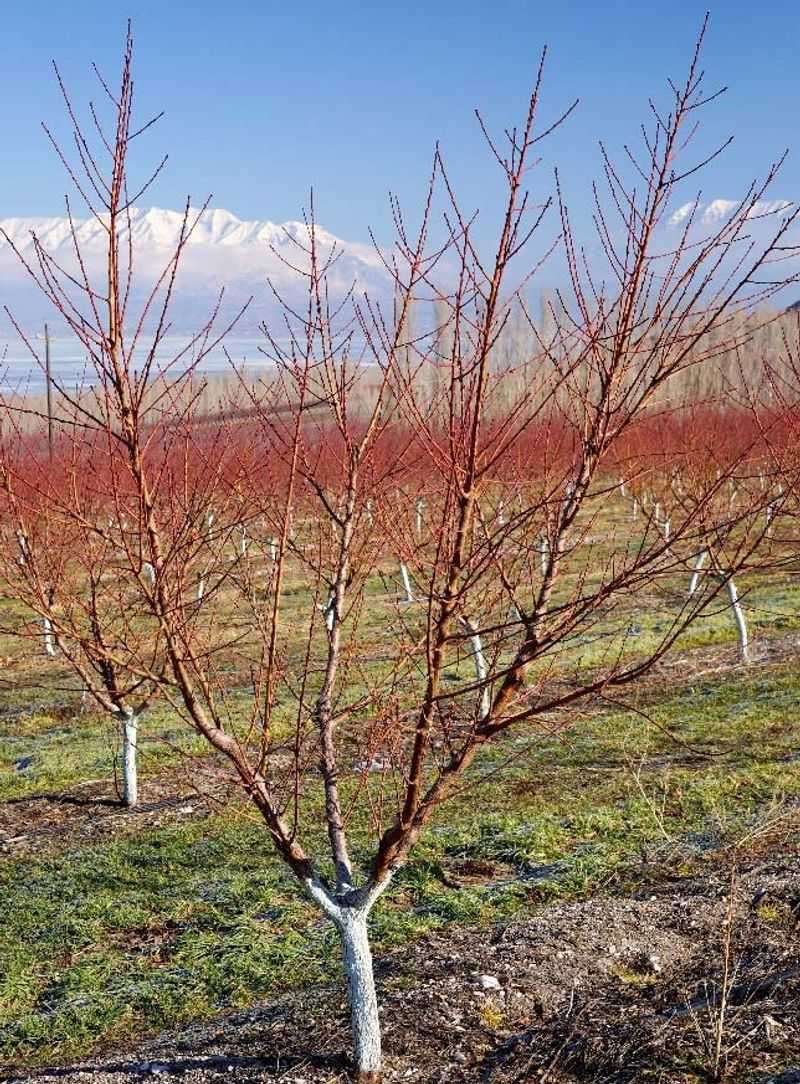
Plum trees often get overlooked in spray schedules, yet they face significant pest and disease pressure. Scale insects colonize branches, creating unsightly bumps and draining tree vigor.
Bacterial spot disease causes fruit blemishes and premature leaf drop. Both problems diminish harvest quality and tree health over time.
Dormant sprays interrupt pest life cycles before damage occurs. Scale insects spend winter attached to bark, protected by waxy coverings.
Oil-based sprays penetrate these shields, eliminating insects before they reproduce. Spring populations remain low when winter treatments are thorough and timely.
Copper fungicides prevent bacterial spot by coating bark surfaces with protective compounds. Bacteria cannot penetrate this barrier to establish infections.
The treatment remains effective for several weeks, covering the critical period when buds begin opening. This protection extends through early leaf development when trees are most vulnerable.
Japanese plums and European plums both respond well to dormant spraying programs. Apply treatments in late winter when trees remain fully dormant.
Spray until bark appears wet, ensuring complete coverage of all branch surfaces. Pay special attention to branch crotches where pests and pathogens concentrate. Consistent annual treatments keep plum trees productive and beautiful for many seasons.
4. Pear Trees Require Specialized Attention
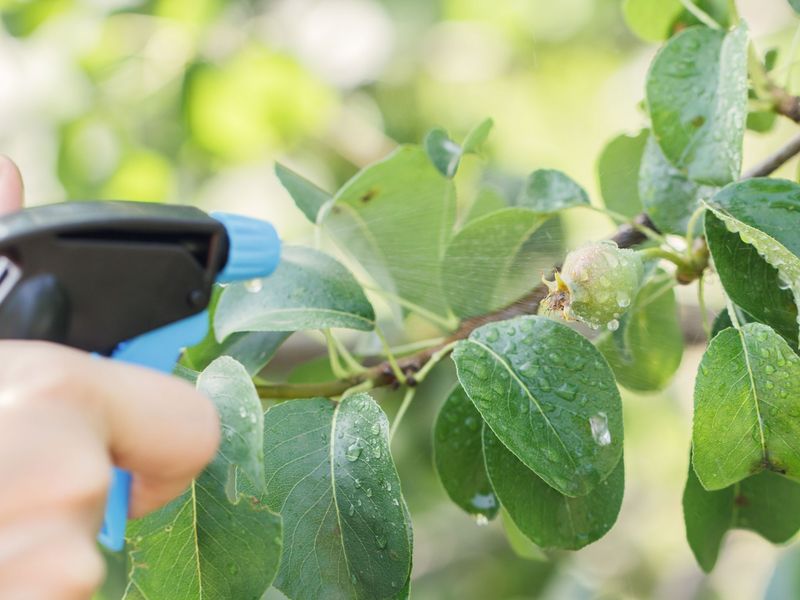
Pear psylla causes more problems for pear trees than any other pest in Michigan. These tiny insects feed on leaves and shoots, injecting toxins that stunt growth.
Their honeydew secretions coat foliage, promoting sooty mold growth. Heavy infestations reduce fruit quality and weaken trees significantly over multiple seasons.
Dormant oil applications target overwintering psylla adults hiding in bark crevices. Spraying before eggs hatch prevents the first generation from establishing.
This early intervention reduces pest numbers dramatically throughout the growing season. Trees treated during dormancy need fewer sprays later, reducing chemical use and expense.
Scale insects also attack pear trees, creating bumpy bark and yellowing foliage. Copper fungicides prevent fire blight and other bacterial diseases that devastate pear orchards.
Combining oil and copper treatments provides comprehensive protection against multiple threats simultaneously.
Temperature considerations are crucial for successful pear tree spraying. Apply dormant oils when temperatures will remain above 40 degrees for several hours.
This allows proper spreading and penetration. Copper fungicides work best when applied just before bud break, providing protection as new growth emerges. Monitor trees closely for swelling buds and time applications accordingly for best results.
5. Cherry Trees Deserve Proactive Treatment
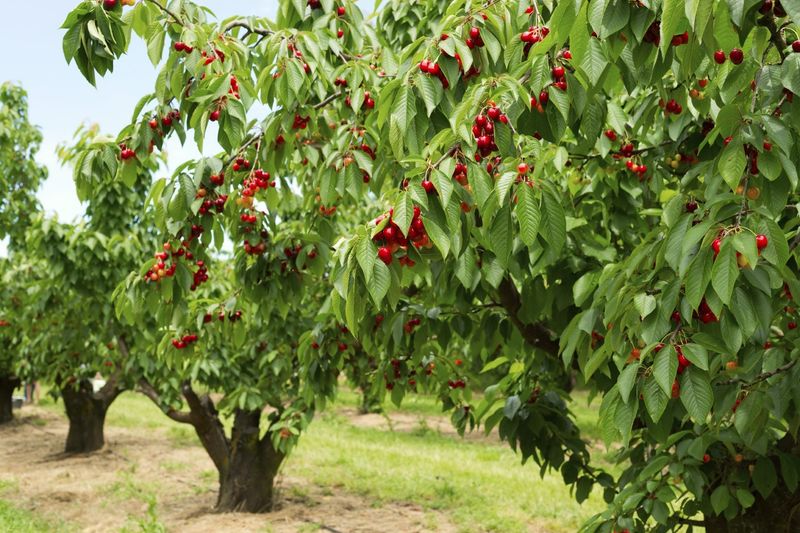
Cherry trees produce spectacular spring blossoms that attract pollinators and delight gardeners. Behind this beauty lies vulnerability to numerous pests and diseases.
Scale insects weaken branches by feeding on sap. Fungal pathogens cause cankers and leaf spots that reduce tree vigor. Early intervention prevents these problems from developing.
Sweet cherries and tart cherries both benefit from dormant spraying programs. Oil-based products smother overwintering insects and their eggs.
These treatments work mechanically rather than chemically, so pests cannot develop resistance. Repeated annual applications maintain low pest populations indefinitely.
Fungal diseases overwinter in infected bark and fallen leaves. Copper sprays applied during dormancy reduce fungal spore loads dramatically.
This preventive approach stops infections before symptoms appear. Trees remain healthier and produce better fruit crops when protected early in the season.
Cherry trees bloom earlier than many other fruit trees in Michigan. This means dormant sprays must be applied earlier as well.
Watch for swelling buds in late March through early April. Spray before any green tissue becomes visible.
Once buds start opening, the dormant spray window closes. Plan ahead and monitor weather conditions to catch the optimal treatment timing for your cherry trees.
6. Nectarine Trees Share Peach Problems
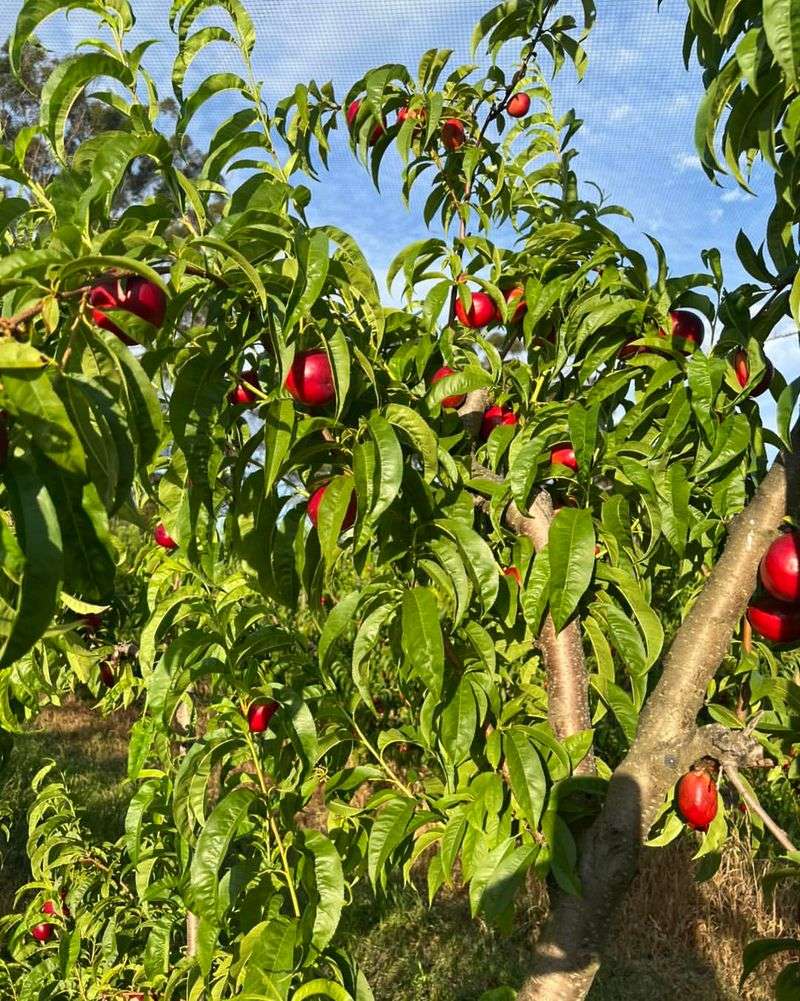
Nectarines are essentially smooth-skinned peaches, and they face identical pest and disease challenges. Leaf curl fungus attacks nectarines with the same ferocity it shows toward peaches.
Infected leaves become distorted and discolored, falling prematurely from branches. Trees lose vigor and fruit production suffers dramatically without preventive treatment.
Fungicide applications during dormancy provide outstanding leaf curl control. The fungus requires cool, wet conditions to infect expanding buds.
Treating trees before bud break prevents infection completely. Copper-based products and synthetic fungicides both work effectively when applied at proper timing and rates.
Scale insects and aphids overwinter on nectarine bark, emerging in spring to feed on tender new growth. Dormant oil sprays eliminate these pests before they become active.
The treatment coats insects with a thin film that blocks their breathing pores. This mechanical action works reliably year after year without creating resistant pest populations.
Nectarine trees bloom slightly earlier than some other fruit trees in Michigan. This means dormant sprays must be applied promptly in early spring.
Check trees frequently as temperatures warm. Apply treatments before any bud swelling becomes visible.
Thorough coverage of all branch surfaces ensures maximum protection and sets the stage for healthy growth throughout the coming season.
7. Apricot Trees Need Early Season Care
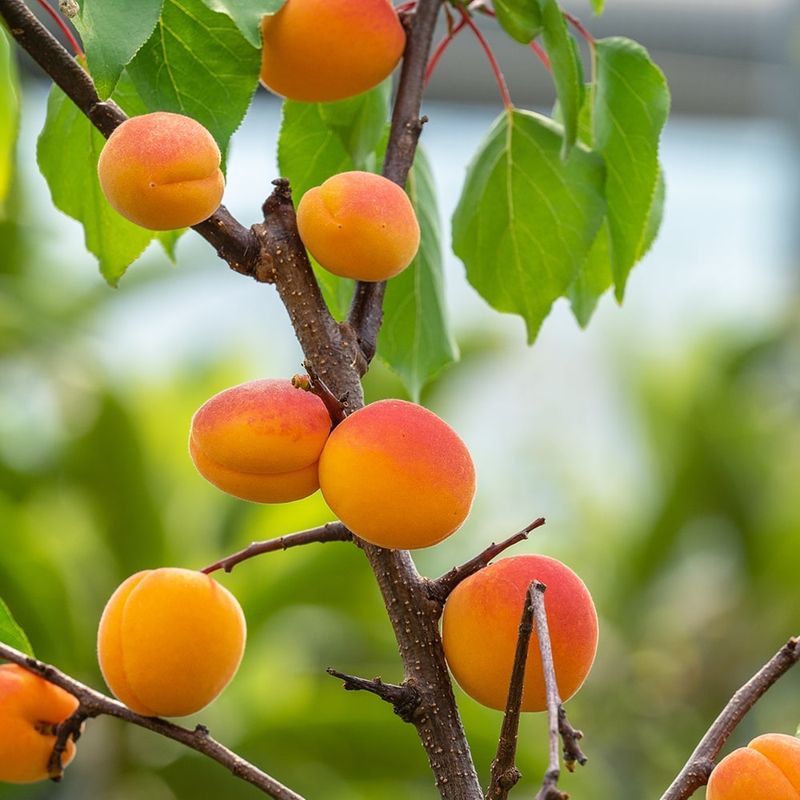
Apricot trees bring Mediterranean charm to Michigan gardens despite cold winters. These hardy trees produce delicious fruit but face challenges from local pests and diseases.
Scale insects colonize branches, creating bumpy bark and reducing tree vigor. Aphids emerge in spring to feed on tender shoots. Fungal pathogens cause cankers and fruit rots that diminish harvests.
Dormant spraying addresses all these problems before they develop. Oil-based products suffocate overwintering scale insects and aphid eggs.
These pests cannot survive the treatment, so spring populations remain minimal. Trees treated annually maintain excellent health and productivity without heavy pest pressure.
Fungal diseases overwinter in bark cracks and infected twigs. Copper fungicides applied during dormancy reduce pathogen populations significantly.
The protective barrier prevents spores from germinating when wet spring weather arrives. This proactive approach keeps trees healthy without repeated fungicide applications during the growing season.
Apricots bloom extremely early in Michigan, often in late March or early April. This early flowering means dormant sprays must be applied promptly.
Monitor trees closely as winter transitions to spring. Apply treatments while trees remain completely dormant with no visible bud swelling.
Once pink tissue appears, the dormant spray window has closed and treatment effectiveness drops dramatically.
8. Fig Trees Benefit From Gentle Treatment
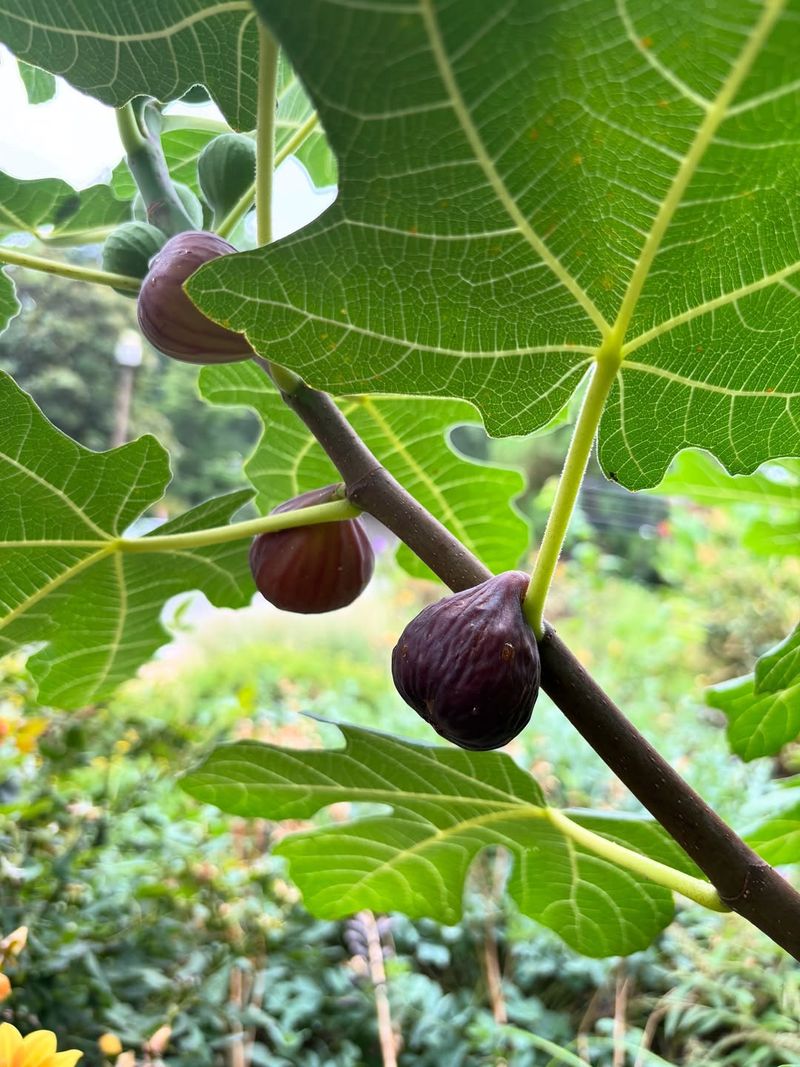
Fig trees push the boundaries of Michigan gardening, thriving in containers or protected locations. These Mediterranean natives survive cold winters when properly managed.
Scale insects sometimes colonize fig branches, feeding on sap and weakening growth. Light dormant oil applications control these pests without harming sensitive fig tissues.
Container-grown figs spend winter in garages, basements, or unheated buildings. These protected environments allow scale insects to survive cold temperatures that would eliminate them outdoors.
Spraying before moving trees back outside prevents pest problems from developing during the growing season ahead.
Use horticultural oil at reduced concentrations for fig trees. These plants have thinner bark than hardy fruit trees and can be damaged by heavy applications.
Light coverage suffices to control scale insects while protecting tree health. Apply treatments when trees remain fully dormant with no visible growth.
In-ground figs in southern Michigan also benefit from dormant spraying. These trees require winter protection such as wrapping or burying.
Apply dormant oil before providing winter protection in fall, or after removing protection in spring. Either timing works effectively.
The goal is treating trees while dormant to eliminate overwintering pests. Healthy figs reward careful management with abundant fruit production throughout summer months in Michigan gardens.
9. Persimmon Trees Appreciate Preventive Spraying
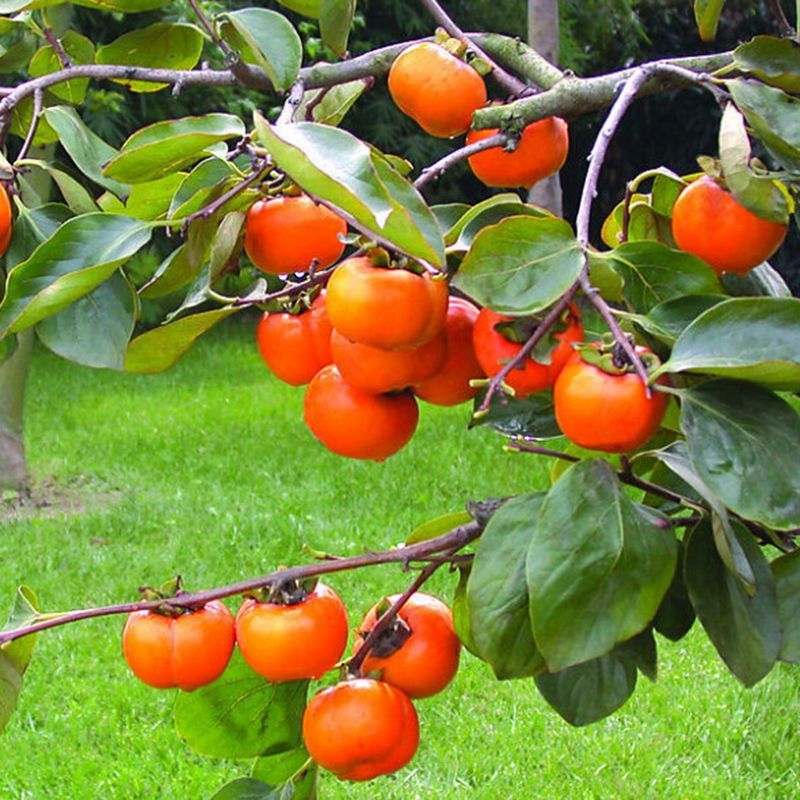
American persimmons grow wild across southern Michigan, while Asian persimmons succeed in protected garden locations. Both types tolerate cold winters better than many gardeners realize.
These trees generally resist pests and diseases well, but scale insects and spider mites occasionally cause problems. Dormant oil applications provide insurance against these occasional pests.
Scale insects hide in bark crevices through winter, emerging in spring to feed and reproduce. Light dormant oil sprays eliminate these pests before they become active.
The treatment also controls spider mite eggs that overwinter on bark surfaces. This preventive approach maintains tree health without requiring multiple sprays during the growing season.
Persimmons need less intensive spray programs than most other fruit trees. Their natural pest resistance means dormant treatments provide adequate protection in most years.
Apply horticultural oil in early spring while trees remain fully dormant. Thorough coverage of all branch surfaces ensures complete pest control.
American persimmons bloom later than many fruit trees, giving gardeners extra time for dormant spraying. Asian varieties bloom slightly earlier but still later than apples or cherries.
Monitor trees as temperatures warm in spring. Apply treatments before any bud swelling becomes visible.
This timing maximizes treatment effectiveness while protecting emerging growth from pest damage throughout the coming season.