Michigan Gardeners Are Growing Snow Oyster Mushrooms Indoors This February
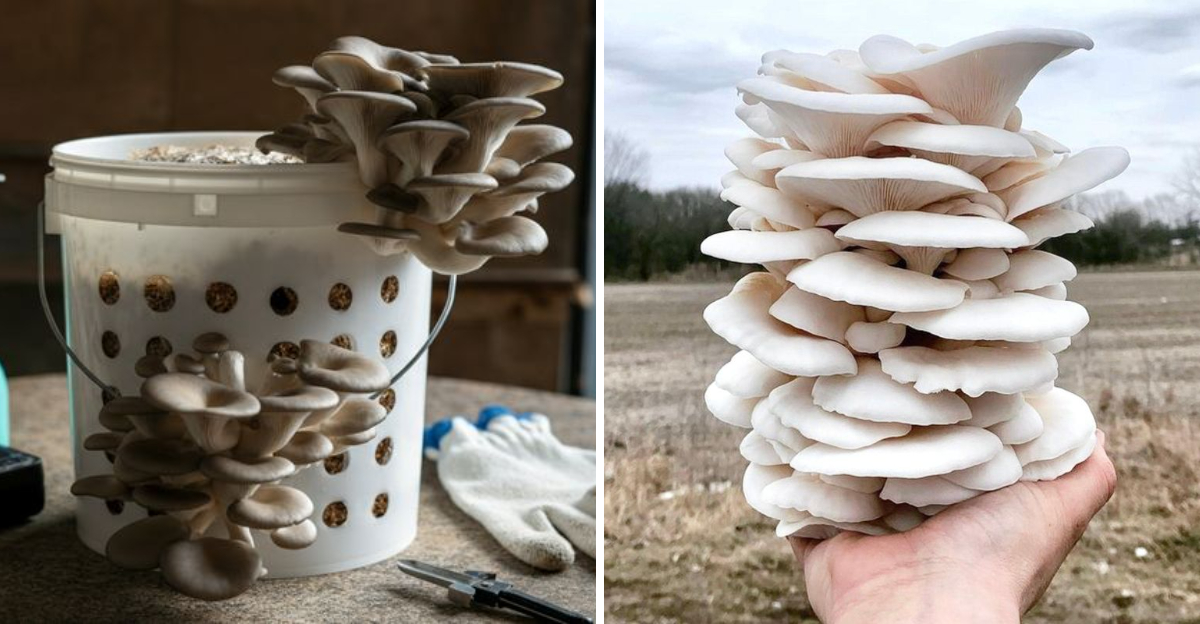
February in Michigan is peak indoor growing season, and many gardeners are turning to snow oyster mushrooms for a fresh, homegrown harvest right in the middle of winter.
These beautiful white mushrooms are fast-growing, beginner-friendly, and surprisingly easy to cultivate indoors with minimal space and equipment.
While the world outside stays frozen, a small shelf, cool room, or basement can produce clusters of delicate, flavorful mushrooms in just a few weeks.
Snow oyster mushrooms thrive in cooler temperatures, which makes them perfect for Michigan homes during late winter.
Even better, they require little maintenance once set up properly and can provide multiple harvests from one growing kit.
If you love trying new indoor growing projects or want fresh mushrooms without a trip to the store, you are about to discover why so many Michigan gardeners are growing snow oyster mushrooms indoors this February.
Snow Oyster Mushrooms Love Cold Weather
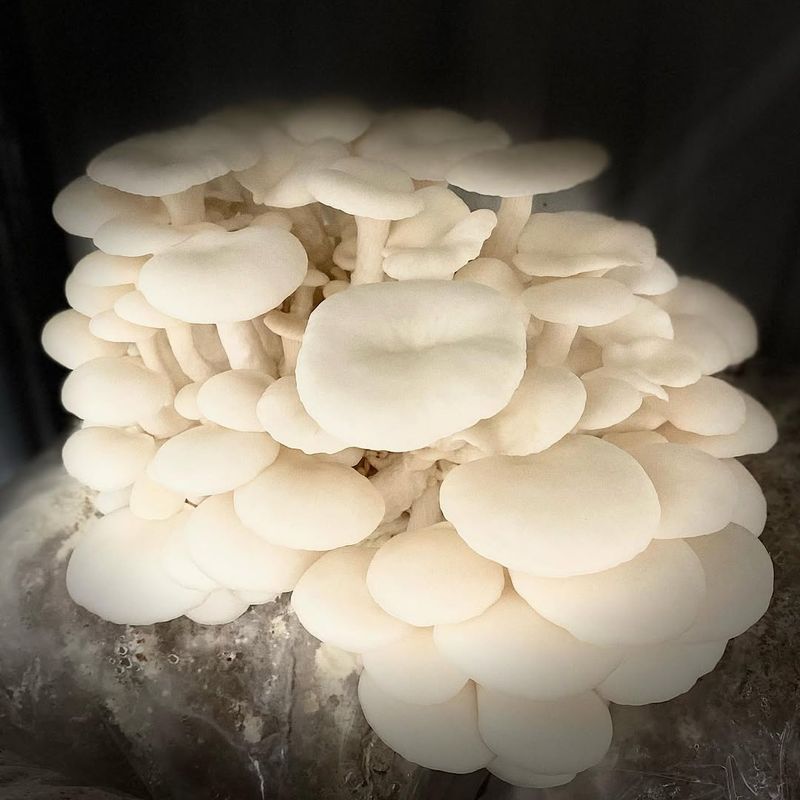
Michigan gardeners have found the perfect match for February growing conditions. Snow oyster mushrooms are actually cold-tolerant strains of Pleurotus that naturally prefer cooler temperatures.
Unlike regular oyster varieties that need warmth, these special strains fruit beautifully when temperatures hover between 50 and 65 degrees Fahrenheit.
Most Michigan homes maintain these temperatures naturally in unheated spaces during winter months. Basements stay cool but not freezing.
Garages attached to homes offer similar conditions. Even spare bedrooms with lower thermostat settings work wonderfully for these winter-loving fungi.
The science behind snow oyster strains is fascinating. Growers have selected and cultivated oyster mushroom varieties that evolved in colder climates.
These strains developed the ability to fruit during cooler months when competition from other fungi decreases significantly.
Starting your snow oyster adventure requires minimal equipment. You need spawn, substrate, and a cool spot in your home.
The mushrooms handle Michigan’s February chill like champions. They actually produce better flavors and firmer textures in cooler conditions compared to their warm-weather cousins.
Many Michigan growers report their best harvests happening during the coldest months. The mushrooms seem almost designed for our winter climate.
Their resilience makes them ideal for beginners who want guaranteed success with their first indoor growing project.
Basements And Garages Make Perfect Growing Spaces
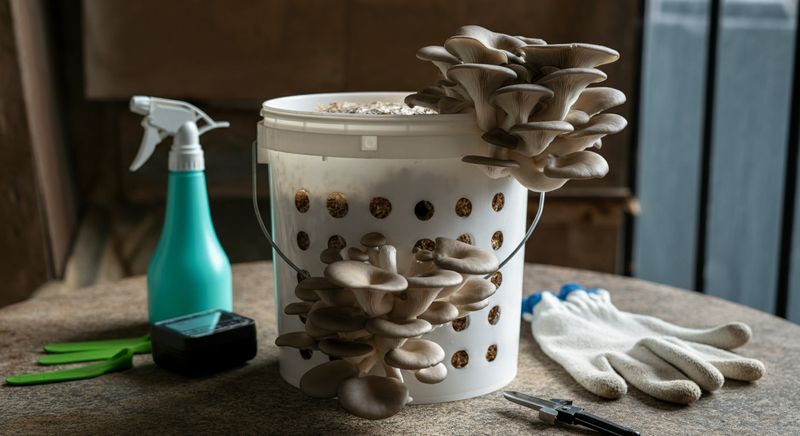
Transform your unused spaces into productive mushroom farms this February. Michigan homes typically have basements or attached garages that sit empty during winter months.
These spaces naturally maintain the stable temperatures snow oyster mushrooms crave without any heating costs or special equipment.
Temperature stability matters more than specific numbers. Mushrooms hate sudden changes. A basement that stays consistently around 55 degrees beats a room that swings between 50 and 70 throughout the day.
Garages work especially well if they share a wall with your heated home. The ambient warmth prevents freezing while keeping temperatures low enough for snow oysters.
Just make sure the space stays above 45 degrees to prevent damage to your growing blocks. Spare rooms offer another excellent option for dedicated growers. You can lower the thermostat in one bedroom and create a perfect mushroom haven.
The controlled environment gives you more precision than unheated spaces. Plus, checking on your mushrooms becomes part of your daily routine.
Your Michigan Garden Changes Every Week. Your Plan Should Too.
Gardening in Michigan changes quickly throughout the season. Every Friday you’ll receive a simple weekly plan showing exactly what to plant, prune, fertilize, harvest, and protect so you never miss the right timing.
Light requirements stay minimal for oyster mushrooms. They need some light to know which direction to grow, but a small window or simple LED bulb provides plenty.
Many Michigan growers use their darkest basement corners successfully. The mushrooms actually prefer indirect light over bright sunshine.
Spawn And Substrate Are Easy To Find
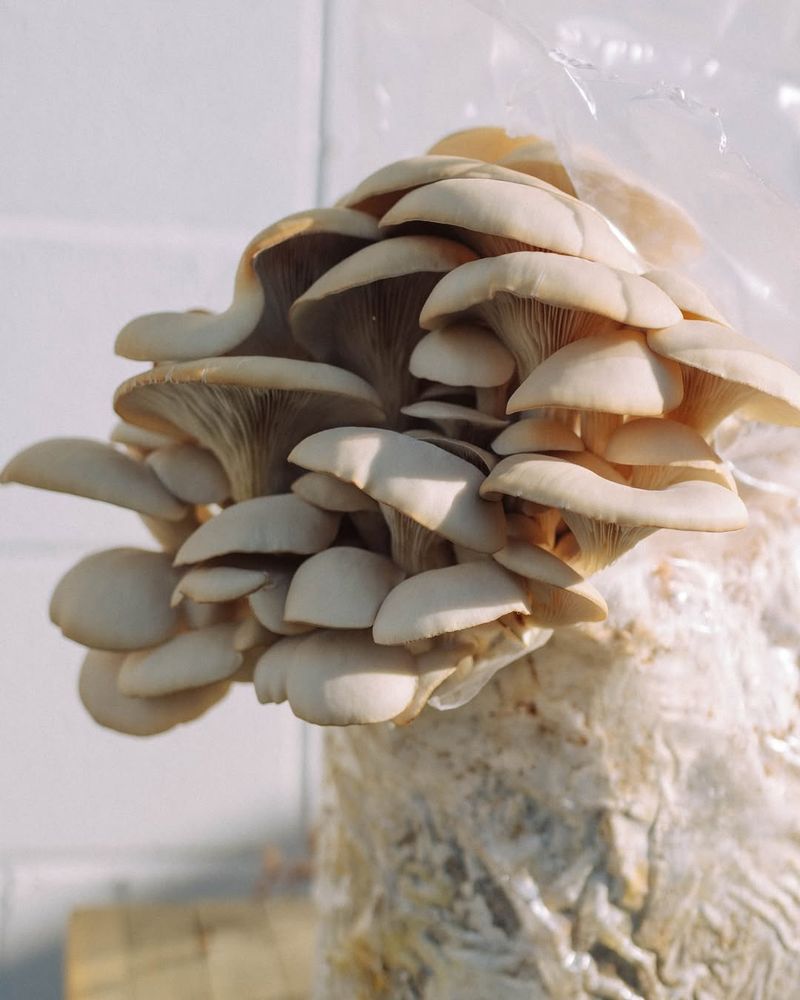
Getting started with snow oyster mushrooms requires just two main ingredients. Spawn acts like seeds for mushrooms, containing the living fungus ready to colonize your growing medium.
Substrate provides the food and structure mushrooms need to grow and fruit abundantly. Michigan gardeners can order quality spawn online from specialty suppliers. Many companies ship throughout the Midwest with excellent results.
Local farm supply stores sometimes carry mushroom spawn during winter months. Some adventurous growers even make their own spawn once they gain experience.
Straw remains the most popular substrate choice for beginners. You can find it at any farm store or garden center.
Pasteurized straw works best because it reduces contamination risks. Some growers pasteurize their own straw using large pots of hot water.
Sawdust substrates offer another excellent option for oyster mushrooms. Hardwood sawdust from oak, maple, or beech trees provides ideal nutrition.
Many Michigan woodworkers gladly give away their sawdust for free. Just avoid treated lumber or softwoods like pine.
Supplemented substrates boost mushroom yields significantly. Adding wheat bran, coffee grounds, or soybean hulls increases nutrition.
These supplements help produce larger, more abundant flushes. Most Michigan growers experiment with different recipes to find their favorite combination for maximum harvests.
Quick Harvests Arrive In Just Weeks
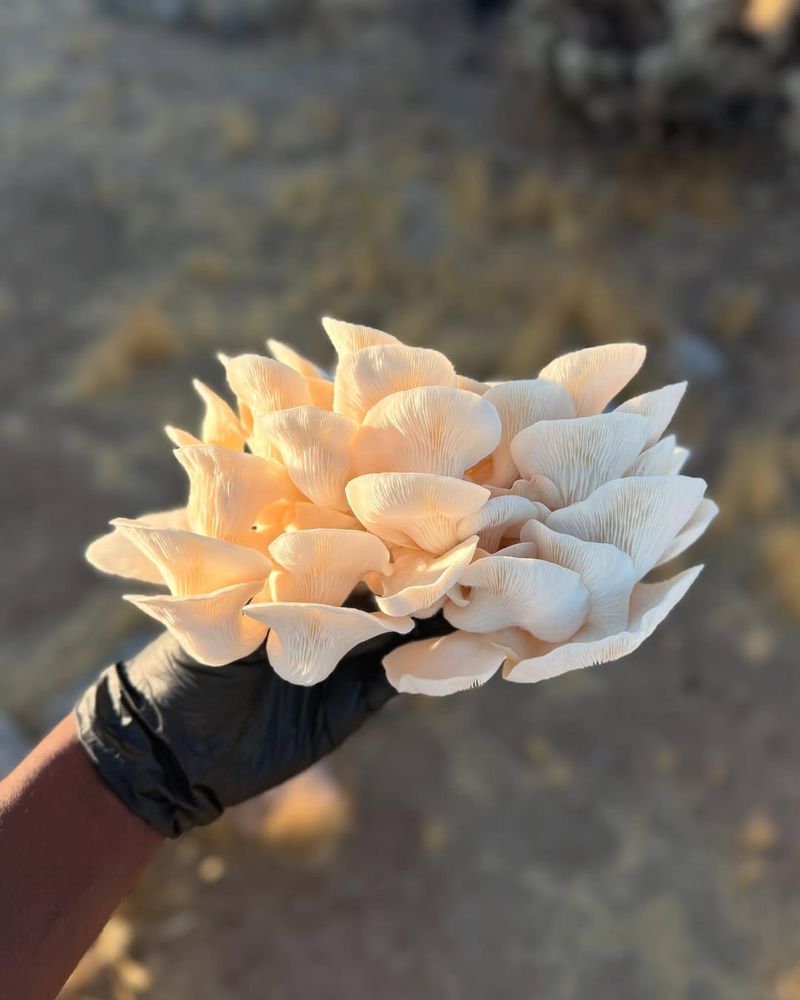
Patience pays off quickly when growing snow oyster mushrooms indoors. Unlike vegetable gardens that require months of waiting, oyster mushrooms deliver harvestable crops in just two to four weeks.
This rapid turnaround makes them perfect for Michigan gardeners craving fresh produce during long February days.
The timeline starts when you inoculate your substrate with spawn. During the first week, white mycelium begins spreading through the growing medium.
You might not see much happening on the surface, but underground the fungus works busily. Week two brings visible colonization across your entire substrate. The growing block turns white and feels firm to touch.
A pleasant mushroom smell develops. This stage means your cultivation is succeeding beautifully. Pinning happens during week three when tiny mushroom primordia appear. These baby mushrooms look like small bumps at first.
Within days they transform into recognizable mushroom shapes. The growth speed becomes almost magical to watch.
Harvest time arrives by week four for most growers. Your mushrooms double in size daily once they start growing.
Pick them when caps flatten out but before they curl upward. Fresh oyster mushrooms taste incredible compared to store-bought varieties.
Many Michigan growers get multiple flushes from the same block, with new mushrooms appearing every few weeks.
Humidity Control Makes Or Breaks Success
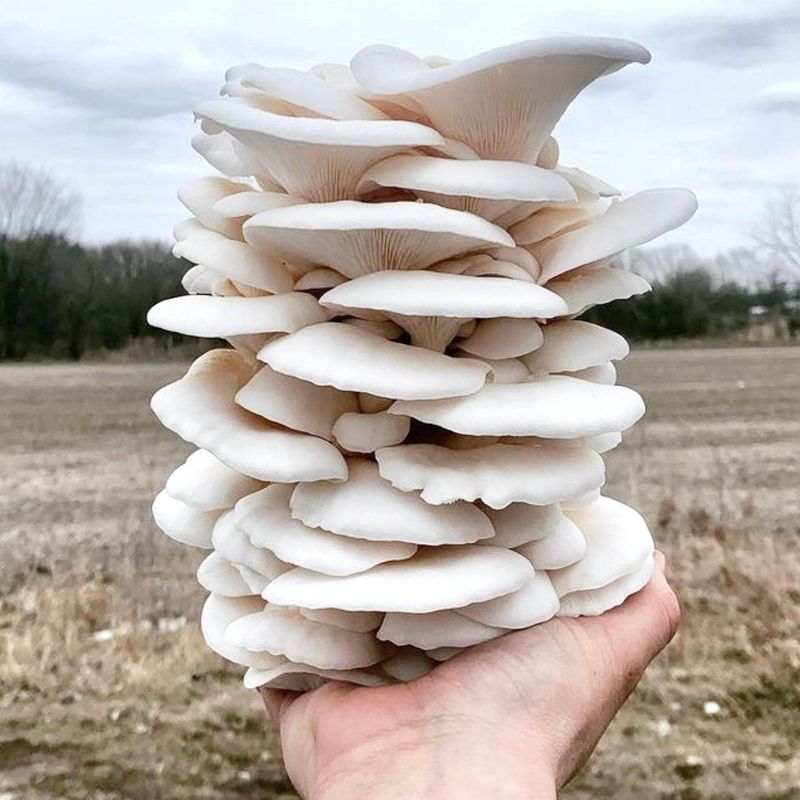
Water vapor in the air determines whether your mushrooms thrive or struggle. Snow oyster mushrooms need relative humidity between 70 and 95 percent during fruiting.
Michigan winter air inside heated homes often drops below 30 percent humidity, creating a major challenge for indoor growers.
Simple solutions work remarkably well for maintaining proper moisture levels. Many growers use clear plastic storage totes as humidity chambers.
Drill small holes for air exchange, place your growing blocks inside, and mist the walls twice daily with a spray bottle.
Ultrasonic humidifiers offer a more automated approach. These devices create fine mist that raises humidity throughout your growing space.
Position them near your mushroom blocks but not directly on them. Too much direct moisture causes problems just like too little.
Humidity tents made from clear plastic sheeting work great for larger operations. Build a simple frame from PVC pipe and drape plastic over it.
Include vents at top and bottom for air circulation. This setup maintains high humidity while allowing necessary fresh air exchange. Monitor humidity levels with an inexpensive hygrometer. These small devices show exact moisture percentages.
Check readings several times daily until you establish a consistent routine. Michigan growers find that humidity management becomes second nature after the first few weeks of practice and adjustment.
Fresh Air Exchange Prevents Problems
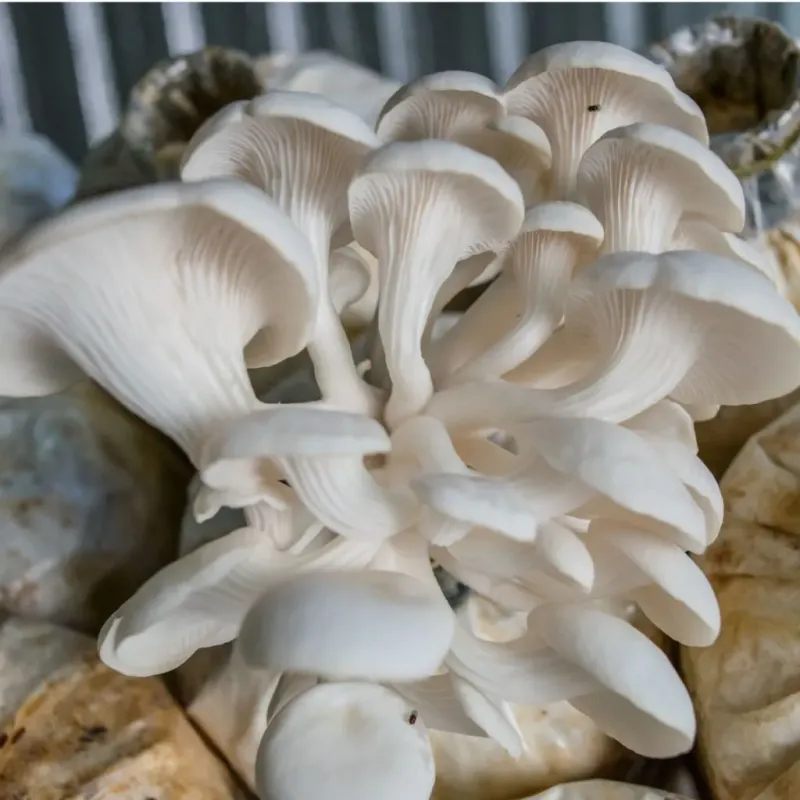
Mushrooms breathe just like plants and animals do. They consume oxygen and release carbon dioxide during growth.
Without proper ventilation, CO2 builds up around your mushrooms and causes deformed growth patterns. Long stems and tiny caps signal inadequate fresh air exchange.
Opening your growing space twice daily provides minimum ventilation for small setups. Simply remove the lid from your humidity chamber for five minutes.
Wave your hand to circulate fresh air throughout the space. This simple action makes a significant difference in mushroom quality.
Small computer fans offer an excellent automated solution. USB-powered models cost less than ten dollars online.
Position one to blow gently across your growing area. The constant gentle breeze prevents CO2 accumulation while maintaining humidity levels.
Michigan basements sometimes have limited air circulation naturally. Crack a window slightly if outdoor temperatures stay above freezing.
The fresh air influx benefits your mushrooms tremendously. Just avoid creating drafts that dry out your growing blocks too quickly.
Balance becomes key with air exchange management. Too much airflow drops humidity and dries your mushrooms. Too little causes the deformities mentioned earlier. Most growers find their sweet spot through observation and adjustment.
Watch how your mushrooms respond and modify your ventilation accordingly for perfect results every time.
Vertical Growing Maximizes Small Spaces
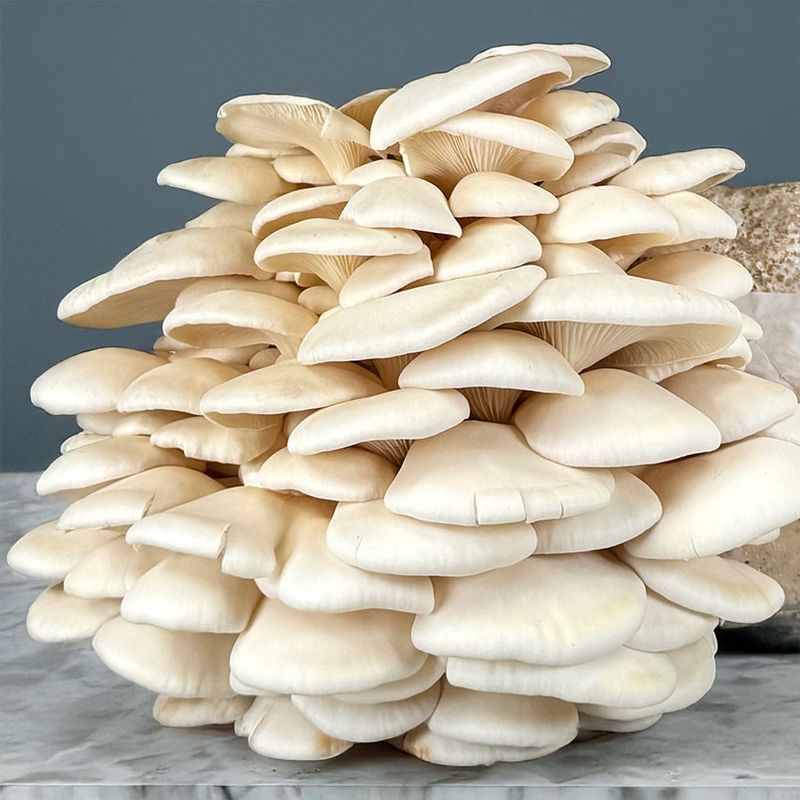
Michigan apartments and small homes rarely offer abundant floor space for hobbies. Oyster mushroom growing solves this problem through vertical cultivation methods.
Stack your growing blocks on shelves and suddenly a tiny closet becomes a productive mushroom farm producing pounds of fresh food.
Wire shelving units from big box stores work perfectly for mushroom cultivation. Choose rust-resistant models that handle moisture well.
Space shelves about 18 inches apart to accommodate growing blocks and allow room for mushroom caps to develop fully.
Each shelf can hold multiple growing blocks side by side. A standard four-foot shelf easily accommodates six to eight blocks.
With four or five shelves per unit, your vertical farm produces impressive quantities from just a few square feet of floor space.
Plastic shelving offers another affordable option for budget-conscious growers. These units resist moisture damage better than wood.
They clean easily between growing cycles. Look for models with adjustable shelf heights to customize spacing for your specific needs.
Lighting vertical setups requires minimal effort. One LED shop light hung above the entire unit provides enough illumination for all shelves.
The mushrooms on lower shelves receive indirect light that works perfectly. Many Michigan growers report their best yields come from vertical systems that maximize every inch of available space efficiently.
Oyster Mushrooms Resist Common Contaminants
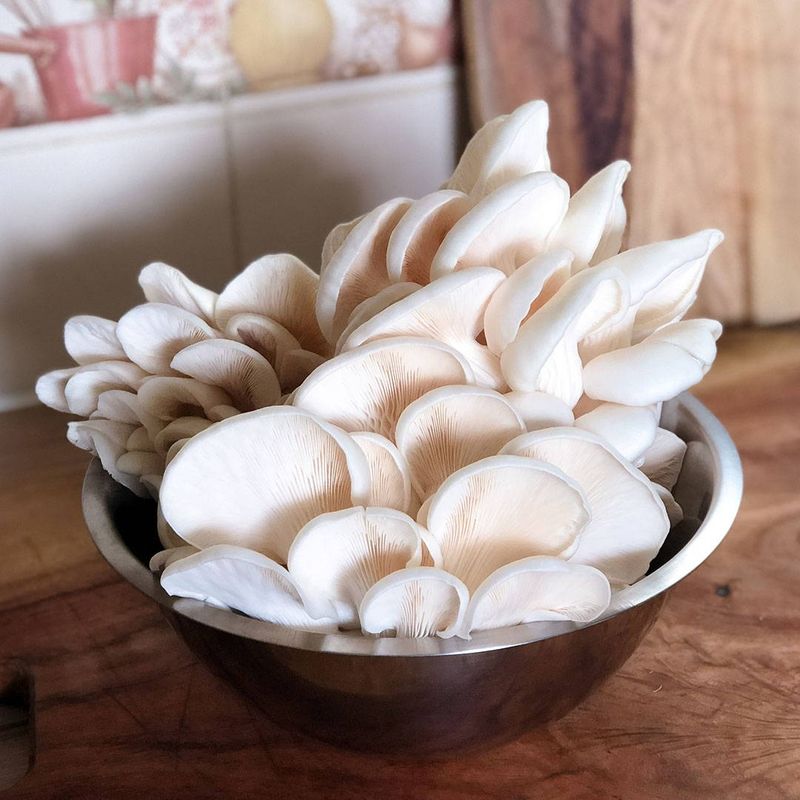
Beginning mushroom growers often worry about contamination ruining their crops. Green mold, bacteria, and competing fungi can destroy cultivation attempts.
Fortunately, oyster mushrooms grow aggressively and outcompete most contaminants when given proper conditions. This forgiving nature makes them ideal for Michigan gardeners trying indoor cultivation for the first time.
The secret lies in oyster mushroom biology. These fungi evolved as decomposers that colonize dead wood rapidly.
Their fast growth rate means they establish dominance before slower contaminants gain footholds. Strong, healthy mycelium produces natural antibiotics that suppress competing organisms.
Proper pasteurization of substrate reduces contamination risks dramatically. Heating straw or sawdust to 160 degrees for 90 minutes eliminates most problem organisms.
The remaining beneficial microbes actually help oyster mushrooms thrive. Many Michigan growers pasteurize substrate in large coolers filled with hot water.
Clean handling practices matter but perfection is not required. Wash your hands before touching spawn or substrate.
Work in relatively clean spaces away from obvious dirt or dust. These simple precautions combined with oyster mushroom vigor result in successful grows most of the time.
When contamination does appear, act quickly. Remove affected blocks immediately to prevent spread. Most growers experience occasional contamination even with experience. The key is maintaining multiple blocks so one loss does not end your entire harvest season.
Flavor And Nutrition Drive Growing Popularity
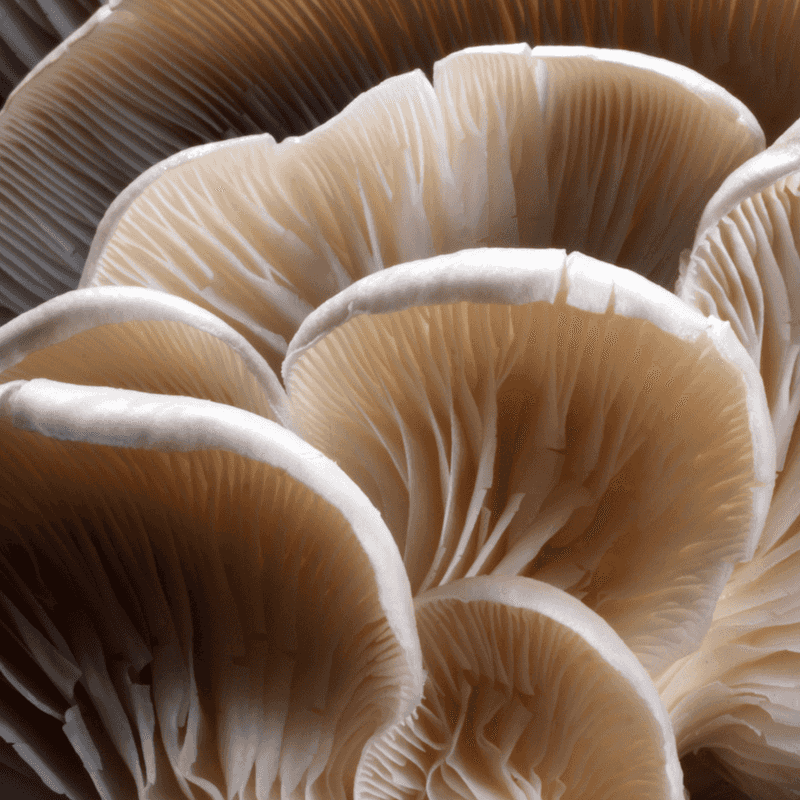
Fresh oyster mushrooms taste completely different from store-bought varieties. The rich umami flavor intensifies when mushrooms are harvested at peak freshness.
Michigan cooks who grow their own mushrooms discover incredible depth and complexity missing from commercial products that travel long distances and sit in warehouses.
Nutritional benefits add another compelling reason to grow oyster mushrooms at home. These fungi provide high-quality protein with all essential amino acids.
They contain B vitamins, including riboflavin and niacin. Minerals like selenium, copper, and potassium appear in significant amounts.
Oyster mushrooms also offer unique compounds with potential health benefits. Beta-glucans support immune system function.
Statins naturally present in oyster mushrooms may help maintain healthy cholesterol levels. Antioxidants protect cells from damage. All these benefits come packaged in a low-calorie food.
Cooking versatility makes home-grown oyster mushrooms kitchen favorites. Sauté them with butter and garlic for a simple side dish. Add them to soups and stews for rich flavor. Grill large caps as vegetarian steaks.
Their meaty texture holds up well in stir-fries and pasta dishes. The satisfaction of eating food you grew yourself during Michigan’s coldest month cannot be overstated.
February harvests from your indoor mushroom farm provide fresh, nutritious ingredients when gardens lie dormant under snow.
This combination of flavor, nutrition, and winter productivity explains why more Michigan gardeners embrace indoor mushroom cultivation every year.