How North Carolina Gardeners Care For Begonia Maculata Indoors
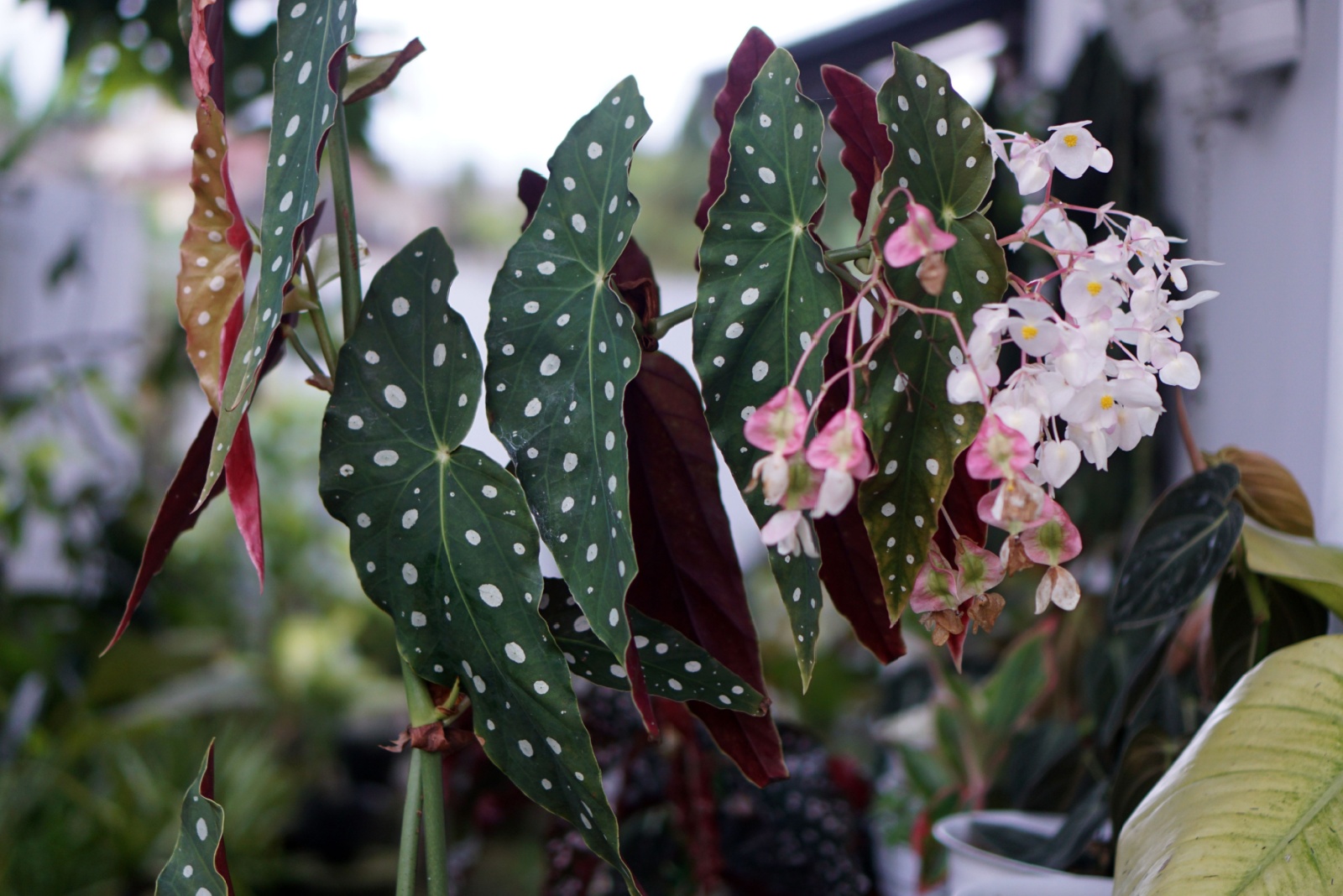
If you love eye-catching houseplants, Begonia maculata is hard to ignore. With its dramatic spotted leaves, deep green tops, and rich red undersides, this plant instantly becomes the star of any room.
Many North Carolina plant lovers grow it indoors, where it can thrive with the right balance of light, humidity, and care. While it looks exotic, keeping it happy is easier than you might think once you understand what it needs.
From managing indoor humidity during dry winters to preventing leggy growth and encouraging fuller leaves, small adjustments can make a big difference.
Whether your plant is new or you are trying to improve its health and appearance, the right care routine will help it stay vibrant and beautiful year-round.
Let’s explore how North Carolina gardeners successfully grow and care for Begonia maculata indoors for lush growth and stunning foliage.
Provide Bright, Indirect Light
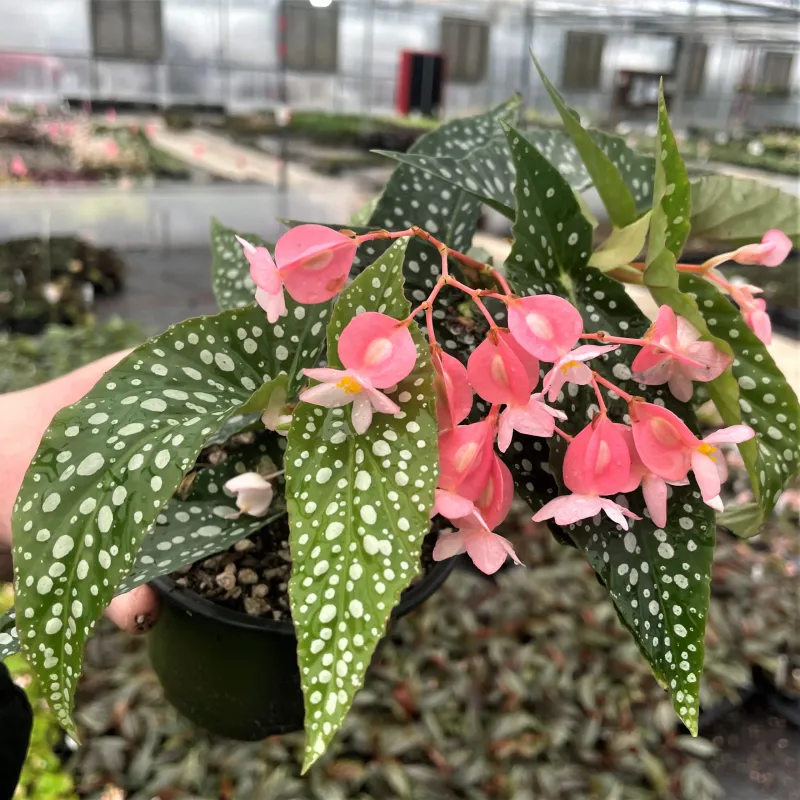
Your polka dot begonia craves plenty of light but needs protection from harsh direct rays. Think of it like enjoying a sunny day under a patio umbrella.
The leaves can scorch quickly when exposed to intense afternoon sun, especially through south-facing windows during summer months.
East-facing windows work beautifully for these plants in North Carolina homes. Morning light is gentle and provides the perfect amount of brightness without overwhelming the foliage.
South-facing windows can also work well if you use sheer curtains or position the plant a few feet back from the glass.
During winter months when natural light becomes scarce, consider supplementing with grow lights. LED grow lights placed about twelve inches above the plant can make a tremendous difference.
You will notice stronger stems and more vibrant leaf coloration when light levels stay consistent.
Watch your plant for signs it needs adjustment. Leaves stretching toward the window or becoming pale indicate insufficient light.
Brown crispy patches suggest too much direct sun. Rotate your begonia every week or two so all sides receive equal exposure and the plant grows evenly rather than leaning dramatically in one direction.
Maintain Moderate Indoor Temperatures
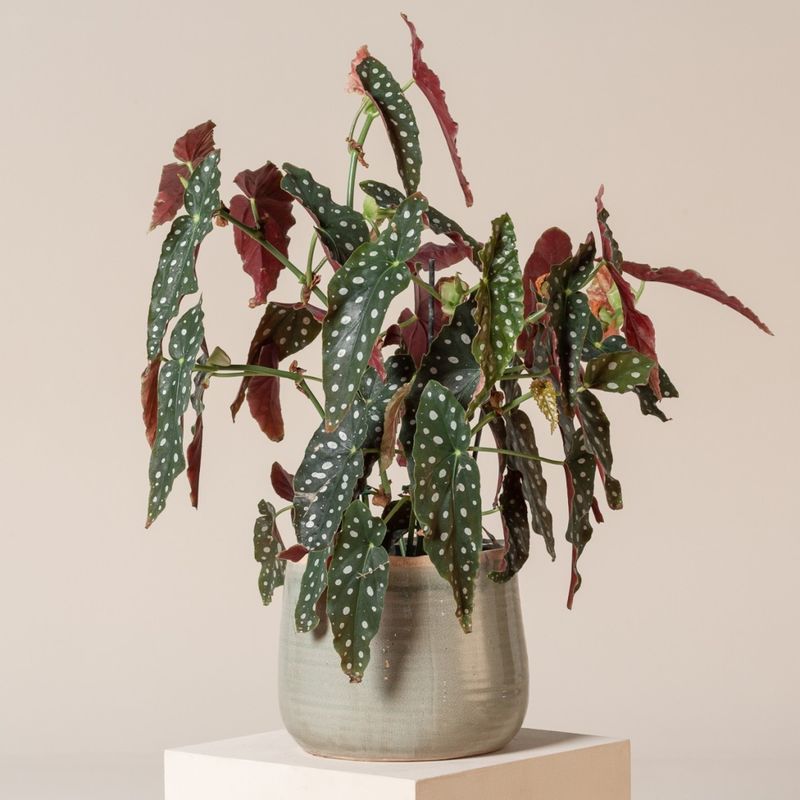
Temperature stability makes all the difference when growing begonias indoors. These tropical natives prefer conditions that mirror their natural habitat, which means avoiding extreme temperature swings.
Most North Carolina homes naturally provide suitable conditions, but certain spots require extra attention.
Keep your begonia away from heating vents during winter and air conditioning drafts in summer. These sudden blasts of hot or cold air stress the plant and can cause leaf drop.
Corner spots near exterior walls also tend to get colder during winter nights, which your begonia will not appreciate.
The ideal daytime temperature range falls between sixty-five and seventy-five degrees Fahrenheit. Nighttime temperatures can dip slightly lower but should never drop below fifty-five degrees.
This temperature drop actually mimics natural conditions and can encourage blooming.
North Carolina winters rarely pose problems indoors, but watch for cold drafts near doors and windows. Even brief exposure to temperatures below fifty degrees can damage leaves and slow growth significantly.
Your North Carolina Garden Changes Every Week. Your Plan Should Too.
Gardening in North Carolina changes quickly throughout the season. Every Friday you’ll receive a simple weekly plan showing exactly what to plant, prune, fertilize, harvest, and protect so you never miss the right timing.
If you notice leaves curling or developing brown edges, temperature stress might be the culprit. Moving your plant to a more stable location usually resolves these issues within a few weeks.
Use Well-Draining Soil
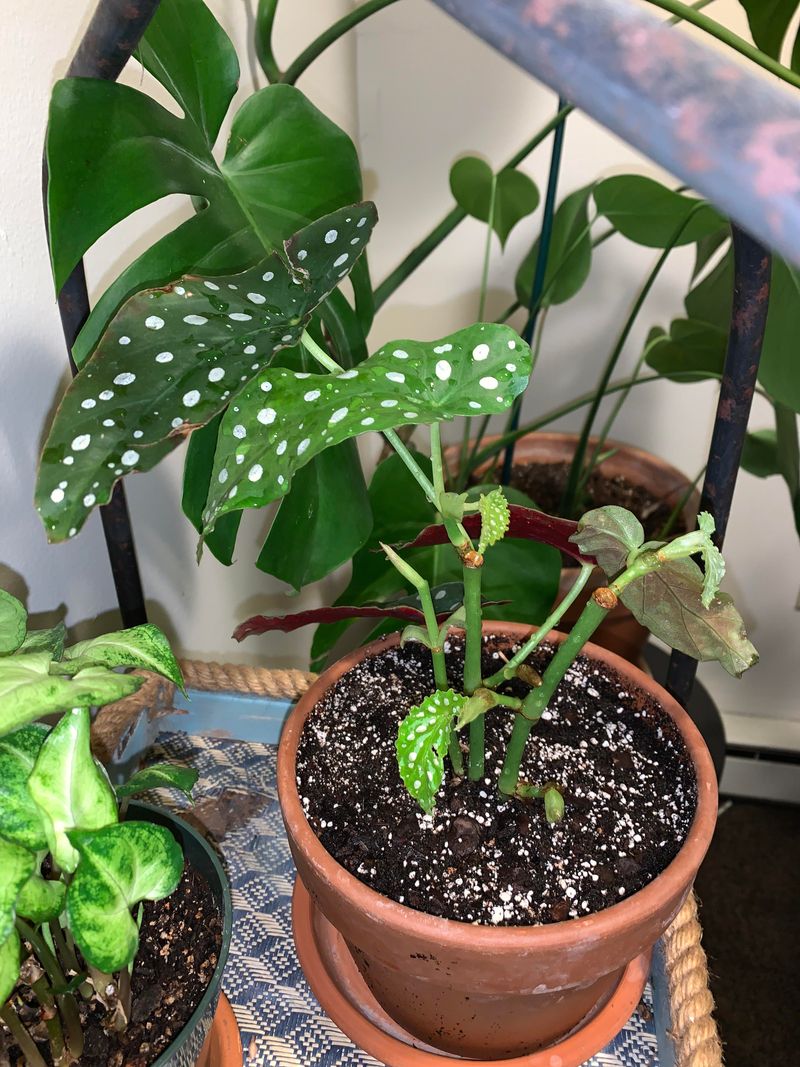
Soil selection might seem basic, but it determines whether your begonia thrives or struggles. These plants despise sitting in waterlogged conditions, which makes drainage absolutely critical.
Think of their roots as needing to breathe between waterings rather than staying constantly saturated.
A peat-based potting mix provides an excellent foundation. Add perlite or coarse sand to improve drainage and create air pockets throughout the soil.
A good ratio is about seventy percent potting mix to thirty percent perlite. This combination retains enough moisture without becoming heavy or compacted.
Some North Carolina gardeners also mix in orchid bark or coconut coir for additional texture. These amendments prevent the soil from breaking down too quickly and maintain good structure over time.
Your begonia will develop stronger roots when the growing medium stays loose and airy.
Avoid using garden soil or heavy potting mixes designed for outdoor containers. These materials compact easily indoors and restrict oxygen flow to the roots.
When repotting, choose containers with drainage holes at the bottom. Terra cotta pots work wonderfully because they allow excess moisture to evaporate through the sides, giving you an extra margin of error with watering.
Water Consistently But Avoid Overwatering
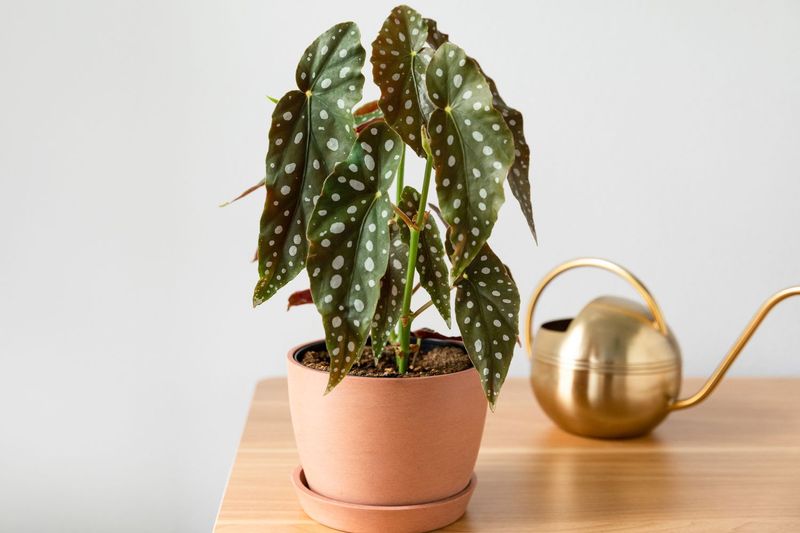
Watering begonias requires finding that sweet spot between too much and too little. Many plant owners struggle with this balance initially, but developing a simple routine makes it second nature.
The key is understanding what the plant actually needs rather than following a rigid schedule.
Check the top inch of soil before reaching for your watering can. Stick your finger into the soil near the edge of the pot.
If it feels dry at that depth, your begonia is ready for water. If moisture remains, wait another day or two before checking again.
When you do water, do it thoroughly until liquid runs from the drainage holes. This ensures the entire root system gets hydrated rather than just the surface layer.
Empty any water that collects in the saucer after fifteen minutes to prevent roots from sitting in standing moisture.
North Carolina humidity levels fluctuate seasonally, which affects watering frequency. During summer, you might water every four to five days.
Winter often requires less frequent watering, perhaps once weekly. Yellow lower leaves often signal overwatering, while crispy brown edges suggest underwatering.
Adjust your routine based on these visual cues and seasonal changes in your home environment.
Fertilize During Active Growth
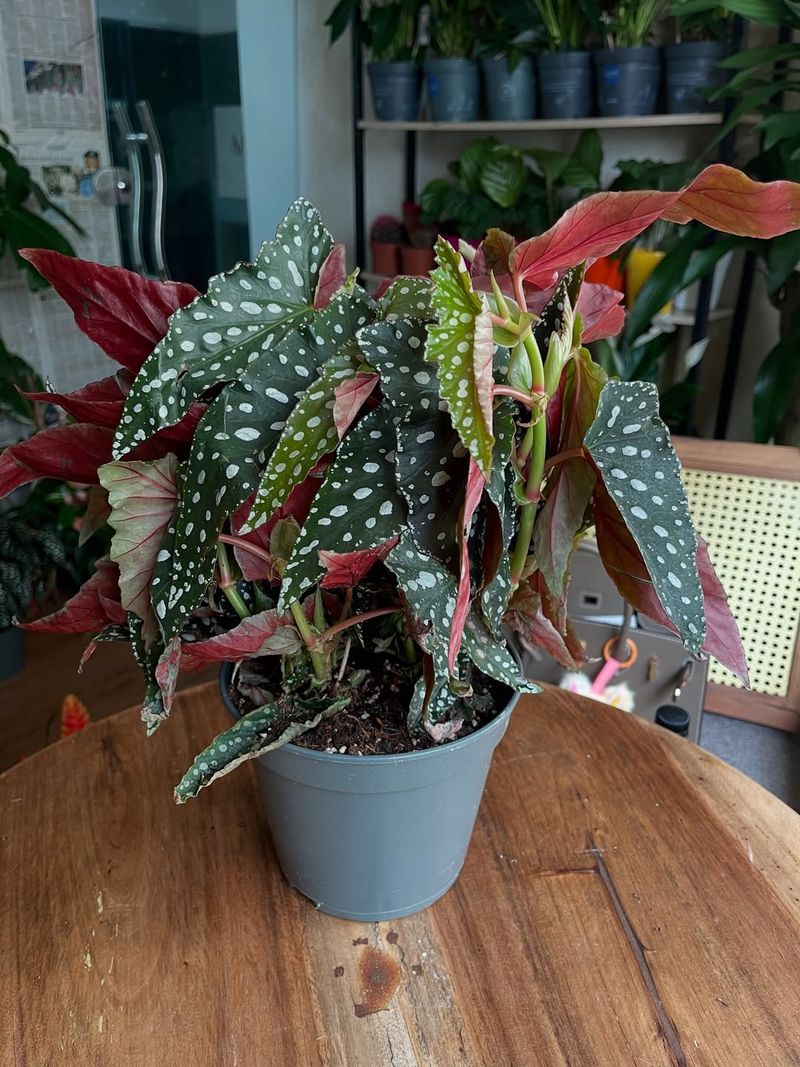
Feeding your begonia provides the nutrients it needs for lush growth and beautiful foliage. During spring and summer, these plants actively produce new leaves and stems, which requires extra energy.
A balanced fertilizer supports this growth without overwhelming the plant with excessive nutrients.
Choose a water-soluble fertilizer with equal amounts of nitrogen, phosphorus, and potassium. A formula labeled twenty-twenty-twenty works perfectly.
Dilute it to half the recommended strength to avoid burning tender roots. Begonias prefer gentle, consistent feeding over strong applications.
Apply fertilizer every two to four weeks during the growing season. Mix it with water according to package directions, then use it in place of a regular watering.
This method ensures even distribution throughout the root zone. Some gardeners fertilize every other watering during peak growth periods.
Stop fertilizing completely during fall and winter when growth naturally slows. North Carolina homes often stay warm enough that begonias continue growing year-round, but at a much slower pace.
Resume feeding when you notice new growth emerging in early spring. Watch for signs of over-fertilization like white crusty buildup on the soil surface or leaf tips turning brown, which indicates you should reduce feeding frequency.
Maintain Humidity
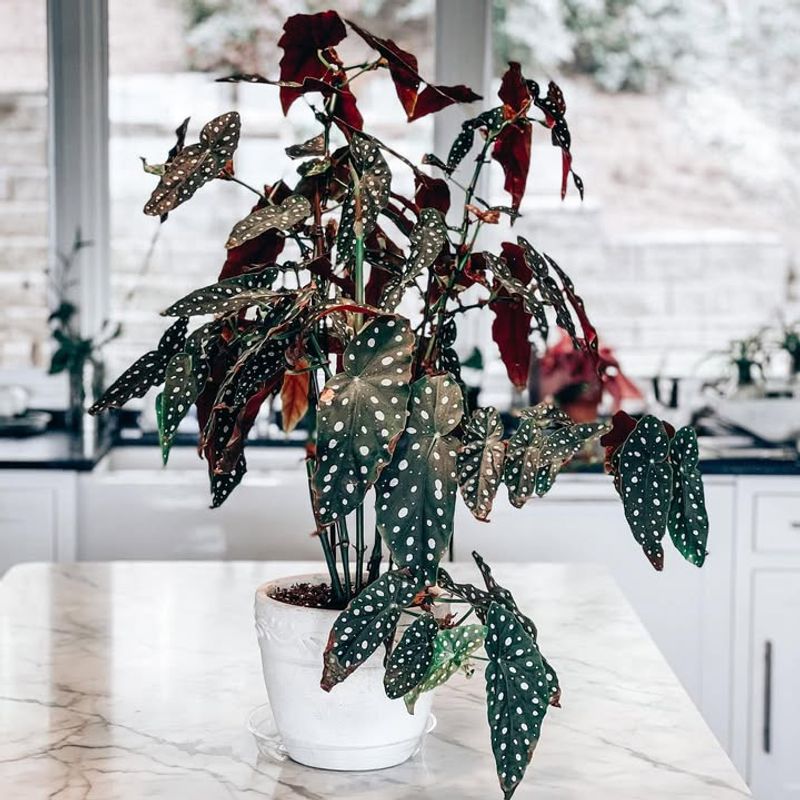
Humidity makes a remarkable difference in how your begonia looks and grows. These tropical plants naturally thrive in moist air, which can be challenging to provide in North Carolina homes with central heating and air conditioning.
Creating a humid microclimate around your plant solves this problem beautifully.
A humidity tray offers the simplest solution. Fill a shallow tray with pebbles, add water until it reaches just below the top of the stones, then set your potted begonia on top.
As water evaporates, it creates a humid zone around the leaves. Refill the tray as needed to maintain consistent moisture.
Grouping several houseplants together also increases humidity naturally. Plants release moisture through their leaves in a process called transpiration.
When multiple plants sit close together, they create their own humid environment that benefits everyone in the group.
Room humidifiers provide another excellent option, especially during winter when indoor air becomes particularly dry. Aim for humidity levels between fifty and seventy percent.
You can monitor conditions with an inexpensive hygrometer. Avoid misting the leaves directly, as water droplets sitting on foliage can encourage fungal problems.
Brown leaf edges often indicate humidity is too low, prompting you to try these moisture-boosting strategies.
Rotate The Plant Regularly
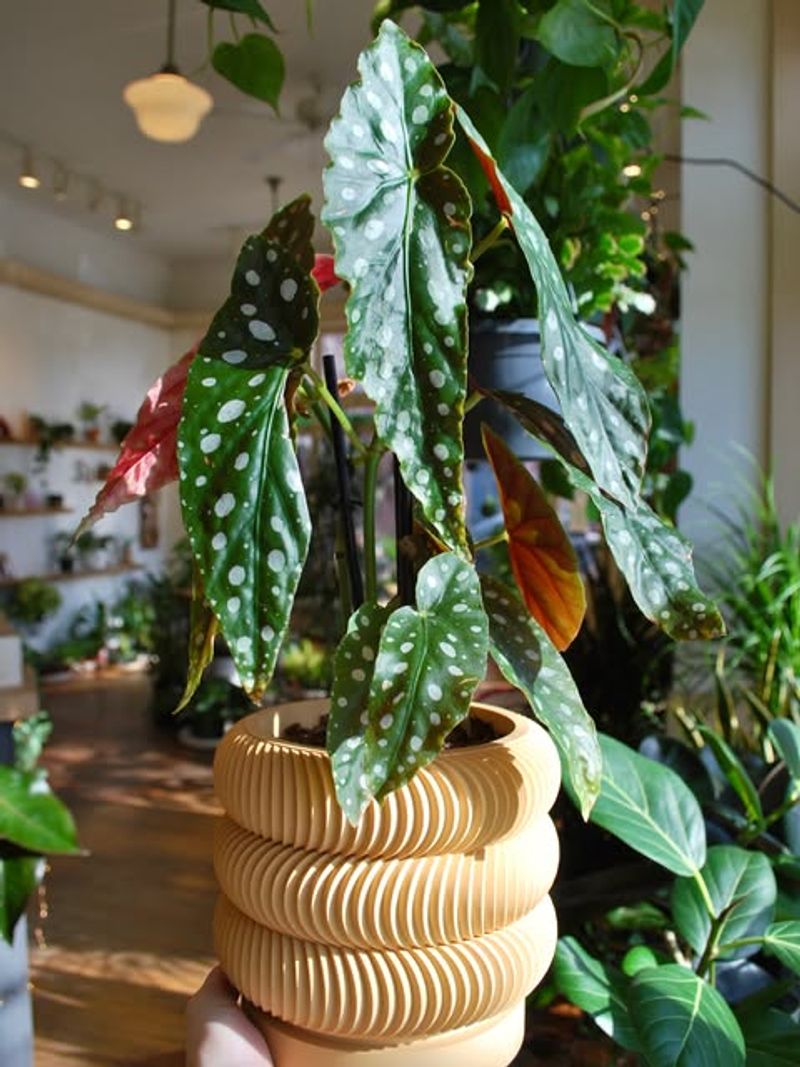
Plants naturally grow toward their light source, which can create lopsided growth over time. Your begonia will lean dramatically toward the window if left in one position too long.
Regular rotation ensures balanced development and prevents the plant from becoming awkwardly shaped.
Turn your begonia about a quarter turn every week or two. This simple habit takes only a few seconds but makes a significant difference in plant appearance.
Mark the pot with a small piece of tape if you have trouble remembering which direction you last rotated.
Consistent rotation also helps all sides of the plant receive adequate light exposure. The leaves facing away from the window often become smaller and less vibrant without regular turning.
By rotating frequently, you encourage uniform growth and maintain the plant’s naturally symmetrical shape.
North Carolina gardeners with multiple windows might move their begonias seasonally to take advantage of changing light conditions. Winter light comes from a lower angle, so south-facing windows become more valuable.
Summer sun sits higher in the sky, making east or west exposures more suitable. Combining seasonal moves with regular rotation gives your begonia the best possible growing conditions throughout the year.
You will notice stronger stems and more evenly distributed foliage when you make rotation part of your regular care routine.
Prune Leggy Growth
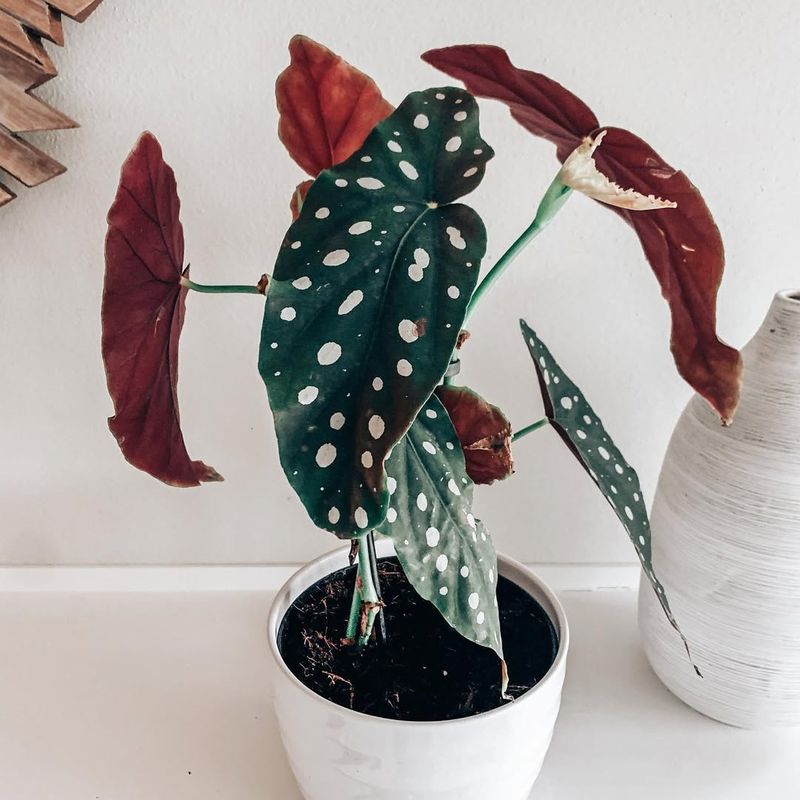
Pruning might feel intimidating at first, but it actually helps your begonia look fuller and healthier. These plants can become tall and sparse without occasional trimming, especially when light conditions are less than ideal.
Strategic cuts encourage branching and create a more compact, attractive shape.
Use clean, sharp scissors or pruning shears to make cuts just above a leaf node. A node is the slightly swollen area on the stem where leaves emerge.
New growth will sprout from this point, creating branches that fill out the plant. Always sterilize your cutting tools with rubbing alcohol before and after pruning.
Remove any yellow, brown, or damaged leaves as soon as you notice them. These leaves drain energy from the plant without contributing to growth or appearance.
Pinch them off at the base where they connect to the main stem. This cleanup also improves air circulation around the remaining foliage.
Spring offers the best time for major pruning in North Carolina homes. The plant can quickly recover and fill out during the active growing season.
You can also propagate the cuttings you remove by placing them in water until roots develop. This gives you new plants to share with friends or expand your own collection while keeping your original begonia looking neat and bushy.
Inspect For Pests
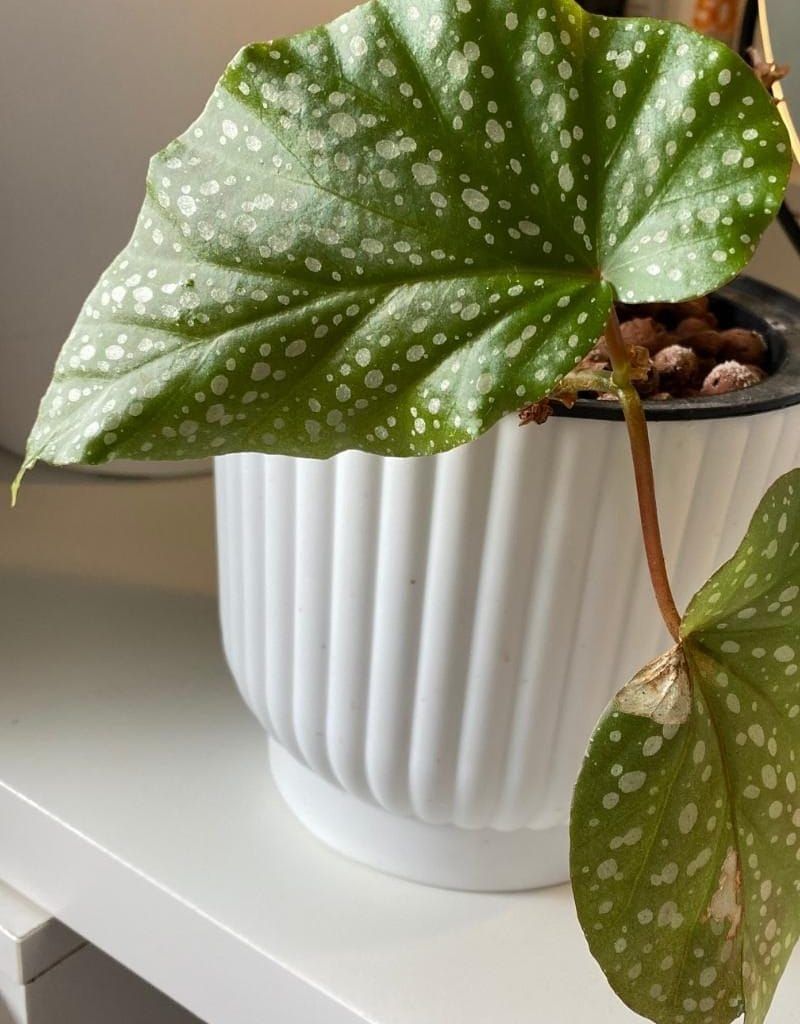
Regular pest checks protect your begonia from serious infestations before they take hold. Indoor plants face fewer pest pressures than outdoor gardens, but problems can still develop.
Early detection makes treatment much easier and more effective than waiting until damage becomes severe.
Examine the undersides of leaves at least once weekly. Spider mites, aphids, and mealybugs all prefer hiding in these protected spots.
Look for tiny moving specks, sticky residue, or small cotton-like masses. A magnifying glass helps spot problems in their earliest stages.
Spider mites create fine webbing between leaves and stems. These tiny pests suck plant juices and cause stippling or yellowing on foliage.
Aphids cluster on new growth and leave behind sticky honeydew. Mealybugs appear as white fuzzy masses in leaf joints and along stems.
Treat infestations promptly with insecticidal soap or neem oil spray. These organic options work effectively without harsh chemicals.
Spray thoroughly, covering all leaf surfaces including undersides. Repeat applications every five to seven days until pests disappear completely.
North Carolina’s humid conditions can encourage pest problems, so maintaining good air circulation around your begonia helps prevent issues. Isolate any infested plants immediately to protect your other houseplants from spreading problems throughout your indoor garden collection.