Container Plants That Make North Carolina Homes Look More Beautiful In Spring
Spring in North Carolina is the perfect time to refresh your porch, patio, or entryway with containers full of fresh color. As the weather warms and everything begins to bloom, the right potted plants can instantly brighten your home and boost curb appeal.
Many gardeners love using containers because they are flexible, easy to rearrange, and perfect for adding beauty even in small spaces.
From cheerful flowers to graceful greenery, spring container plants can create a welcoming, lively look without requiring complicated care.
The key is choosing varieties that handle cool spring mornings, mild afternoons, and occasional rain while still putting on a vibrant show. Whether you want soft pastels, bold color, or a mix of both, there are plenty of beautiful options to explore.
Let’s take a look at container plants that make North Carolina homes look stunning all through the spring season.
1. Tulips (Tulipa Spp.)
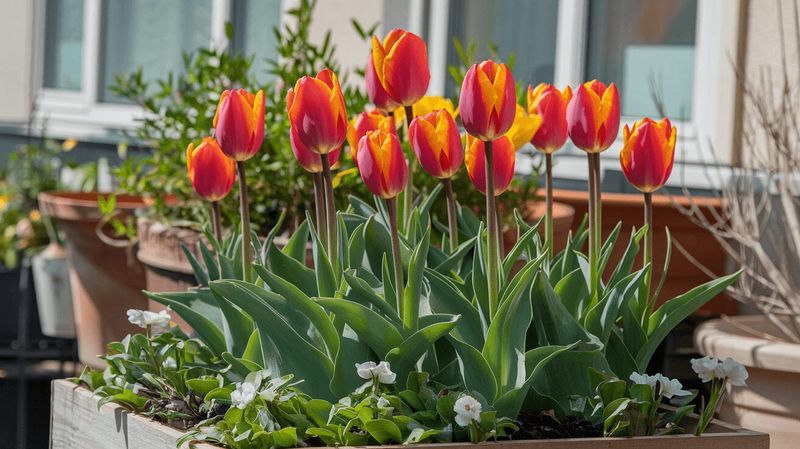
Bold and cheerful, tulips announce spring with confidence. Their cup-shaped blooms come in nearly every color imaginable, from soft pastels to vivid reds and purples.
Planting them in containers gives you control over soil quality and placement, letting you move them to catch the best light.
North Carolina’s climate suits tulips beautifully during spring. They prefer full sun and well-draining soil, which containers naturally provide.
Choose a pot at least 12 inches deep to accommodate the bulbs comfortably. Layer them closely together for a fuller, more dramatic display.
Water them regularly but avoid soaking the soil. Overwatering can cause bulbs to rot before they even bloom.
Once flowers appear, they typically last two to three weeks, offering a stunning visual reward. After blooming, let the foliage fade naturally. This process feeds the bulb for next year’s growth.
You can store the bulbs in a cool, dry place or replant them in the ground. Tulips pair wonderfully with pansies or creeping plants that spill over container edges.
Their vertical growth adds height and structure to arrangements. Whether you choose single colors or mix varieties, tulips bring instant elegance and a touch of European garden charm to any North Carolina home.
2. Daffodils (Narcissus Spp.)
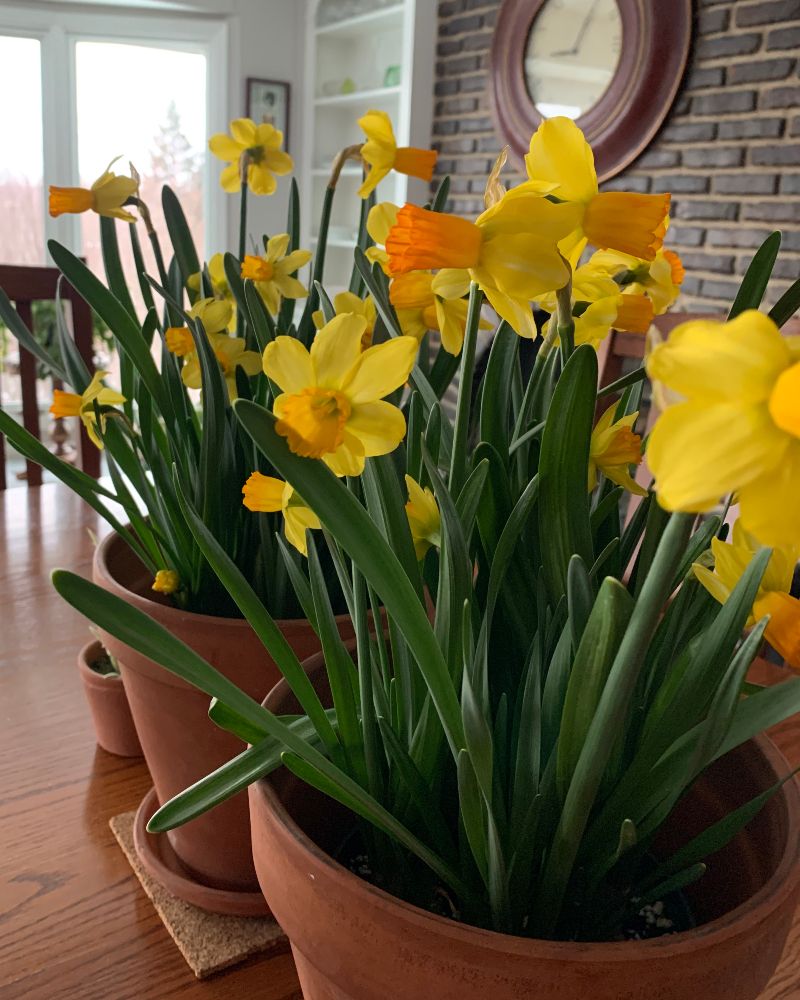
Few sights signal spring quite like a cluster of daffodils nodding in the breeze. These hardy bulbs are incredibly forgiving, making them perfect for gardeners of all skill levels.
Their cheerful yellow or white blooms brighten even the dreariest early spring days. Daffodils thrive in containers and require minimal fussing. Plant bulbs in fall for spring blooms, spacing them about two inches apart.
They prefer full to partial sun and soil that drains well. A simple potting mix works perfectly.
One major advantage is their natural resistance to deer and other critters. Unlike tulips, which often get nibbled, daffodils remain untouched thanks to their toxic compounds. This makes them ideal for homes near wooded areas or wildlife corridors.
Water them when the soil feels dry to the touch. During blooming season, keep the soil slightly moist but never waterlogged.
Daffodils don’t need much fertilizer, though a light feeding in early spring can boost blooms.
Your North Carolina Garden Changes Every Week. Your Plan Should Too.
Gardening in North Carolina changes quickly throughout the season. Every Friday you’ll receive a simple weekly plan showing exactly what to plant, prune, fertilize, harvest, and protect so you never miss the right timing.
After flowering, allow the leaves to yellow and wither naturally. This feeds the bulb for next year’s display.
Daffodils multiply over time, giving you more flowers each season. Their cheerful presence and low maintenance make them a staple for North Carolina container gardens.
3. Hyacinths (Hyacinthus Orientalis)
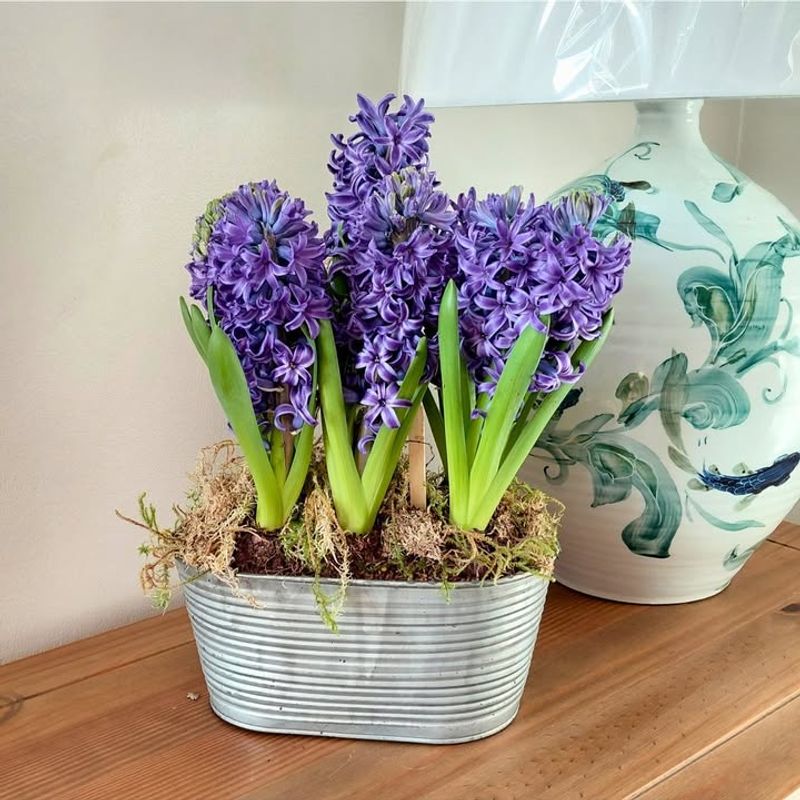
Imagine stepping onto your porch and being greeted by a sweet, intoxicating fragrance. Hyacinths deliver exactly that experience.
Their densely packed flower spikes come in vibrant shades of purple, pink, white, and blue, creating visual and aromatic delight.
These bulbs are particularly well-suited for container growing. Plant them in fall, about four inches deep, in pots with excellent drainage.
Hyacinths prefer cooler temperatures during their growing phase, which North Carolina’s spring provides naturally. They need full to partial sun for best results.
Forcing hyacinths indoors is also popular. You can start them in water or soil several weeks before outdoor planting season. This gives you blooms even earlier, bringing spring indoors when it’s still chilly outside.
Water regularly but avoid soggy conditions. Hyacinths are prone to rot if their roots sit in moisture too long. A light layer of mulch on top of the soil helps retain moisture while keeping the bulbs protected.
Their compact growth habit makes them ideal for small spaces. Group several bulbs together in one large container for maximum impact.
After blooming, treat them like other spring bulbs by letting foliage fade naturally. Hyacinths bring elegance, fragrance, and color to any spring container display in North Carolina.
4. Primroses (Primula Spp.)
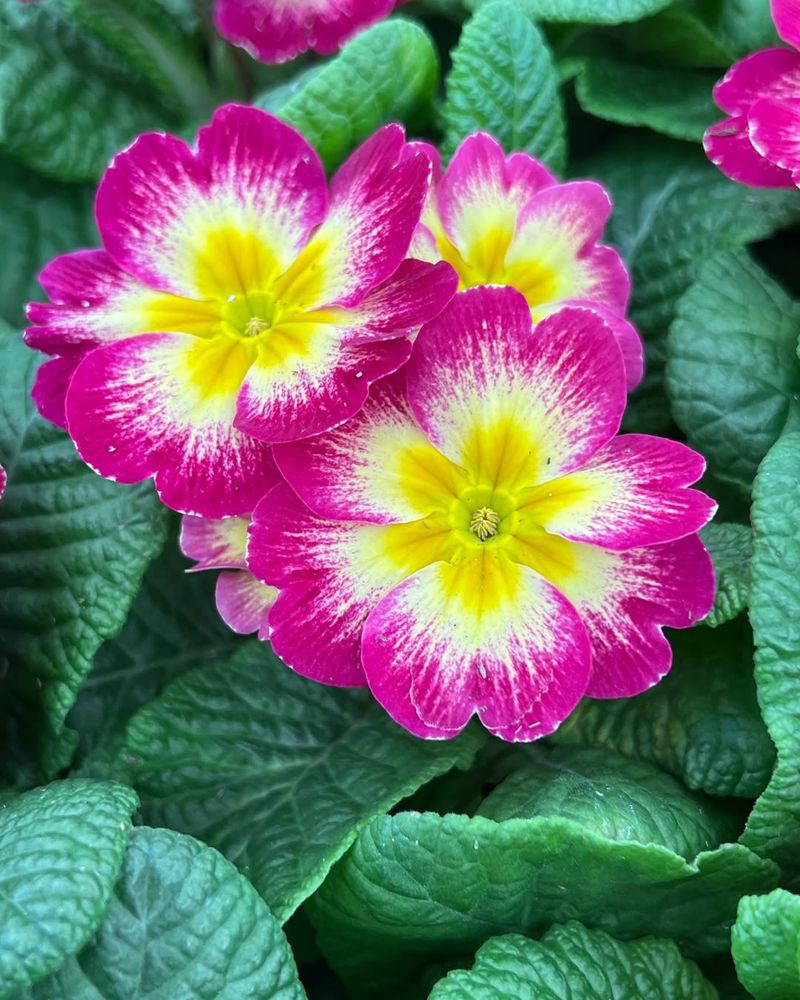
Primroses are among the earliest bloomers, often appearing when frost still lingers. Their cheerful flowers come in a rainbow of colors, from soft yellows to deep purples. Each bloom features a distinctive yellow center, creating a charming, old-fashioned look.
These perennials prefer cooler temperatures and partial shade, making them perfect for North Carolina’s unpredictable spring weather. Place containers on a covered porch or under a tree where they receive morning sun and afternoon shade.
They thrive in rich, moist soil that drains well. Water primroses regularly to keep soil consistently moist. They don’t tolerate drying out well, especially during blooming season.
A light mulch layer helps retain moisture and keeps roots cool. Primroses work beautifully in mixed containers. Pair them with ferns or other shade-loving plants for a lush, layered effect.
Their low-growing habit makes them ideal for the front edge of larger arrangements.
After their initial spring bloom, many primrose varieties will produce additional flowers if conditions remain favorable. Deadhead spent blooms to encourage more flowering.
In North Carolina’s mild climate, some varieties may even survive as perennials if protected from harsh summer heat. Their delicate beauty and early arrival make primroses a beloved choice for spring container gardens throughout the state.
5. Pansies (Viola × Wittrockiana)
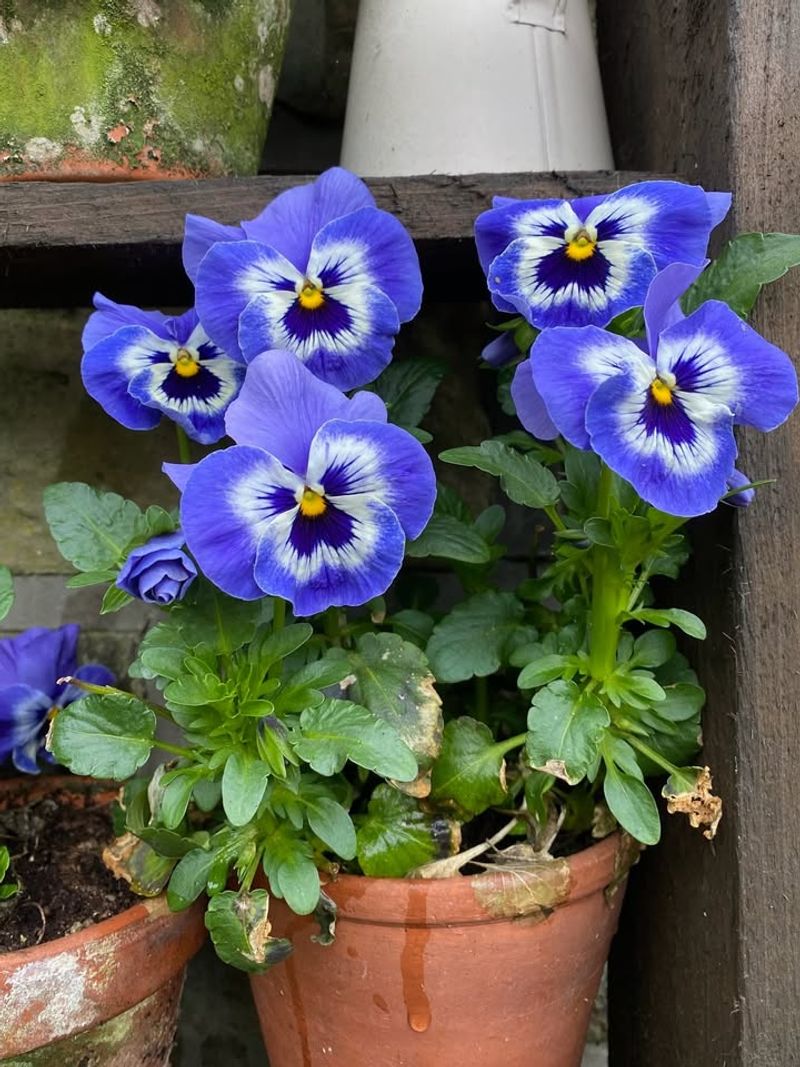
With their distinctive face-like markings, pansies bring personality to every container. These cold-hardy annuals bloom prolifically throughout spring, offering continuous color when many other plants are just waking up.
Their cheerful presence makes any entrance feel welcoming.
Pansies tolerate frost and even light snow, making them reliable performers in North Carolina’s variable spring weather. Plant them in containers with good drainage and place in full sun to partial shade.
They actually prefer cooler temperatures and may slow blooming when heat arrives. Water when the top inch of soil feels dry. Pansies appreciate consistent moisture but can handle brief dry spells better than overwatering.
Feed them every two weeks with a balanced liquid fertilizer to keep blooms coming strong.
Deadheading spent flowers encourages more buds to form. Simply pinch off faded blooms at their base.
This simple maintenance task takes minutes but dramatically extends the flowering season.
Pansies mix beautifully with other spring plants. Combine them with trailing ivy, ornamental kale, or spring bulbs for dimension and texture.
Their compact size makes them versatile for containers of any size. Available in solid colors or patterned varieties, pansies let you customize your display to match your home’s style and your personal preferences perfectly.
6. Snapdragons (Antirrhinum Majus)
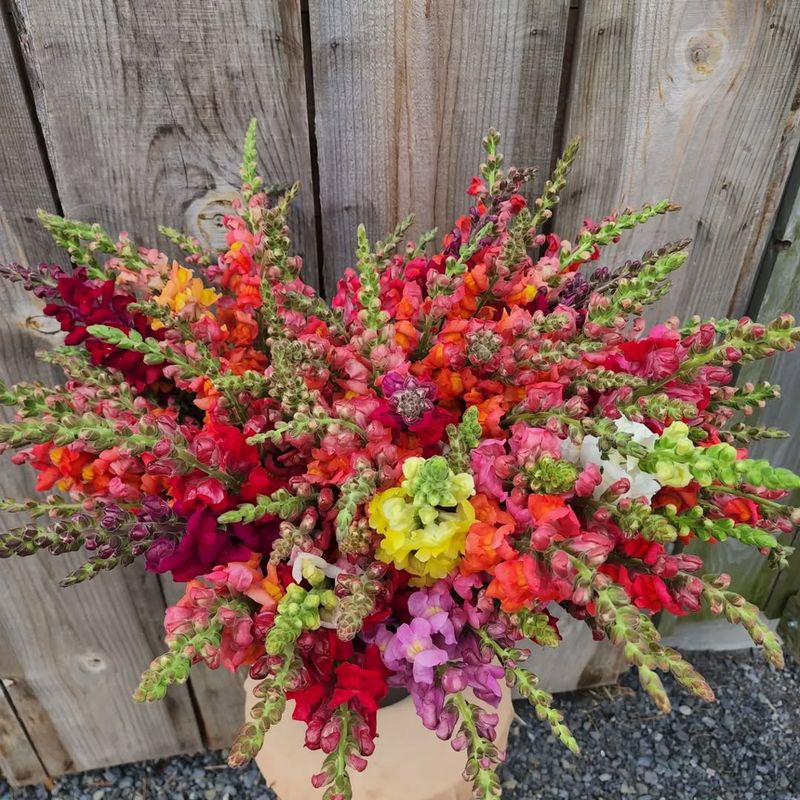
Snapdragons bring vertical drama to container arrangements. Their tall flower spikes create architectural interest that shorter plants simply can’t match.
Children especially love squeezing the individual blooms to make them snap open like tiny dragon mouths.
These cool-season annuals thrive in North Carolina’s spring temperatures. Plant them in containers at least 12 inches deep to accommodate their root systems.
They prefer full sun but tolerate partial shade, especially during warmer afternoons. Well-draining soil is essential for healthy growth.
Water snapdragons regularly, keeping soil evenly moist. They’re more drought-tolerant than many spring bloomers but perform best with consistent moisture.
Apply a balanced fertilizer monthly to support their vigorous growth and abundant flowering.
Pinch back young plants when they reach about six inches tall. This encourages bushier growth and more flower spikes.
Deadhead spent blooms regularly to promote continuous flowering throughout the season.
Snapdragons come in dwarf, medium, and tall varieties. Choose tall types for dramatic single-variety containers or medium sizes for mixed arrangements.
Their spiky form contrasts beautifully with rounded flowers like pansies or trailing plants like creeping Jenny. Available in nearly every color except true blue, snapdragons offer endless design possibilities for North Carolina container gardens seeking height, texture, and long-lasting spring color.
7. Ornamental Kale & Cabbage (Brassica Oleracea)
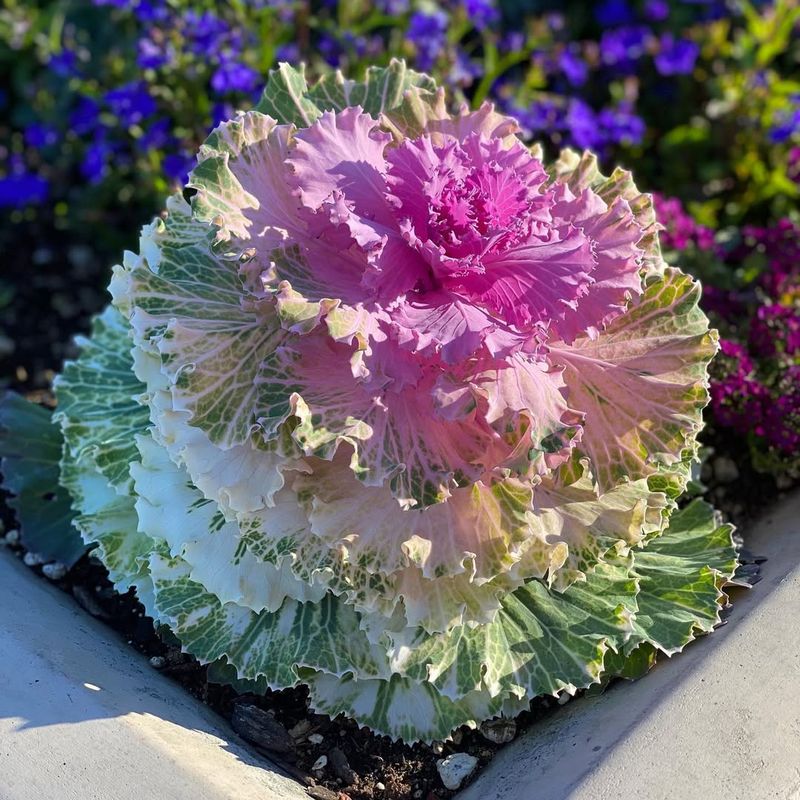
Ornamental kale and cabbage prove that foliage can be just as stunning as flowers. Their ruffled leaves display gorgeous color combinations of purple, pink, cream, and green.
As temperatures cool, these colors intensify, creating living works of art.
These plants bridge the gap between winter and spring beautifully. They tolerate frost and actually look better after cold snaps.
In North Carolina, plant them in fall for winter interest, and they’ll continue looking spectacular through spring.
Choose containers with good drainage and use quality potting soil. Ornamental kale and cabbage prefer full sun but tolerate partial shade.
Water when soil feels dry an inch below the surface. They’re relatively drought-tolerant once established.
Feed lightly with a balanced fertilizer every few weeks. Too much nitrogen can reduce the vibrant leaf colors, so moderation is key.
These plants need minimal maintenance beyond occasional watering and feeding.
Use them as focal points in large containers or mix with pansies and spring bulbs for contrasting textures. Their bold, structured appearance adds sophistication to any arrangement.
Unlike flowering plants that come and go, ornamental kale and cabbage provide months of consistent beauty. They work especially well in formal settings or contemporary designs where their architectural form shines.
Perfect for North Carolina homes seeking year-round container interest.
8. Forget-Me-Nots (Myosotis Spp.)
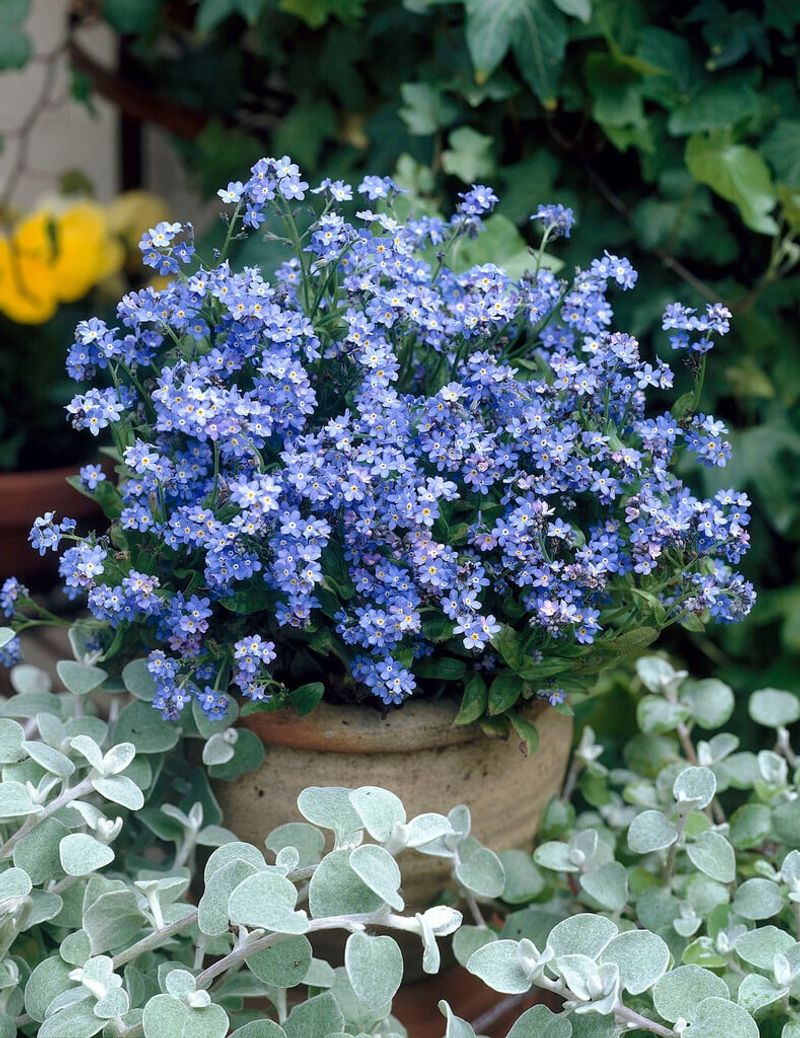
Delicate and charming, forget-me-nots create clouds of tiny blue flowers. Each bloom measures barely half an inch across, but together they form a stunning display.
Their romantic name and appearance make them sentimental favorites for many gardeners.
These low-growing perennials work wonderfully as fillers in mixed containers. They weave between other plants, softening edges and filling gaps naturally.
Their spreading habit creates a lush, cottage-garden feel without overwhelming companion plants.
Forget-me-nots prefer partial shade and consistently moist soil. Place containers where they receive morning sun and afternoon protection.
Water regularly, especially during dry spells, as they don’t tolerate drought well. Mulch helps retain moisture and keeps roots cool.
These plants self-sow readily, which can be a blessing or challenge depending on your gardening style. In containers, this trait is easily managed.
Simply remove unwanted seedlings or let them naturalize for a fuller display.
Combine forget-me-nots with spring bulbs, primroses, or ferns for beautiful layered arrangements. Their soft blue color complements nearly every other shade in the garden.
They bloom prolifically from mid-spring through early summer, providing weeks of color. Though individual plants are short-lived perennials, their self-seeding nature ensures continuous presence.
For North Carolina homes seeking romantic, low-maintenance spring beauty, forget-me-nots deliver effortlessly.
9. Hellebores (Helleborus Spp.)
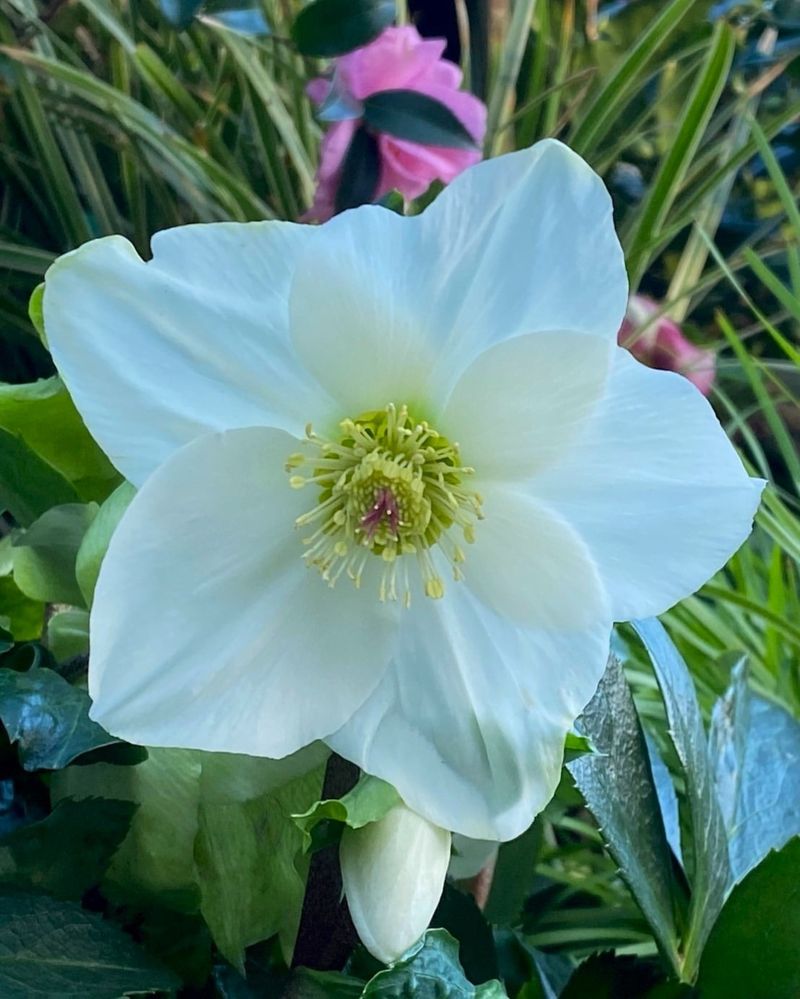
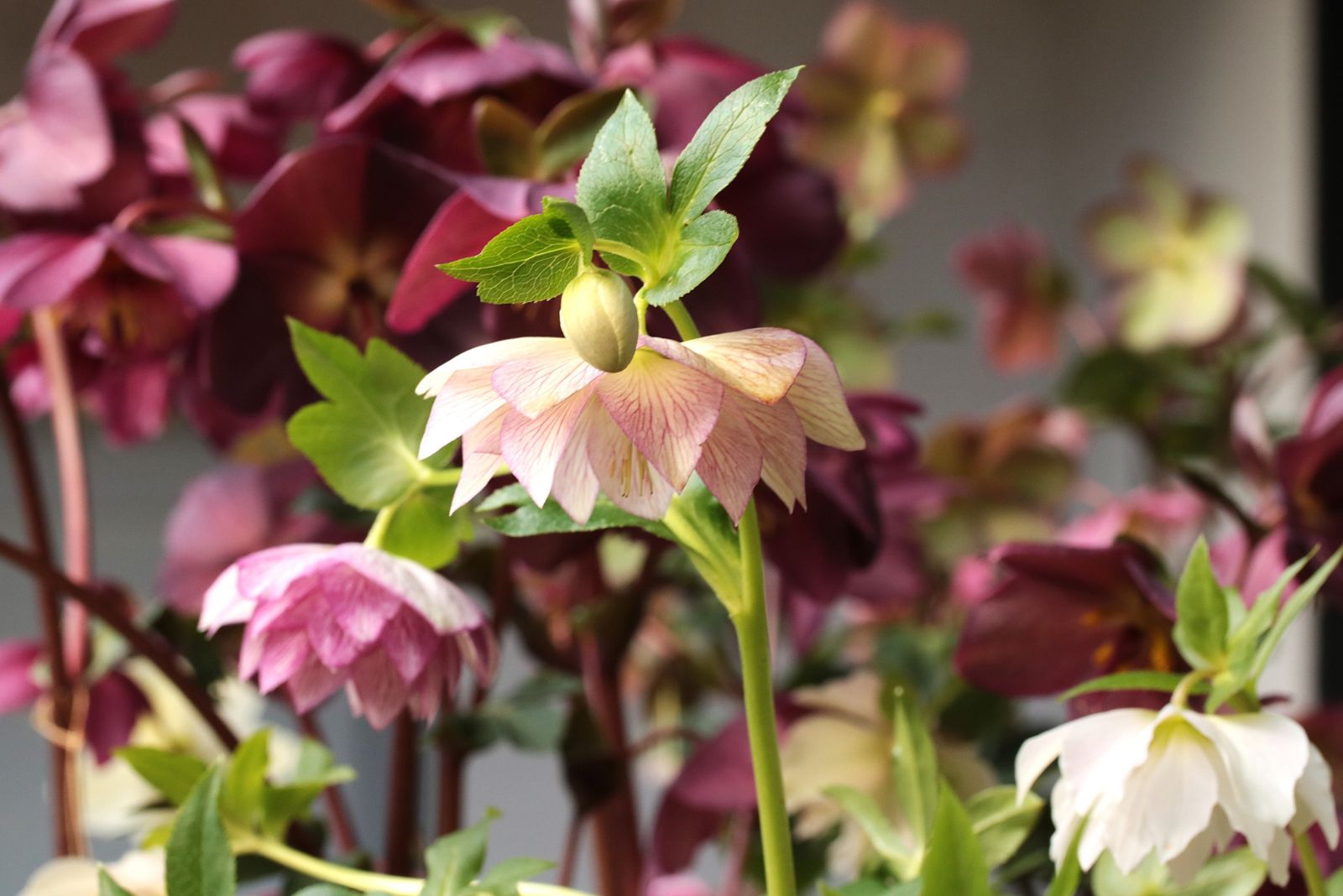
Often called Christmas or Lenten roses, hellebores bloom when few other plants dare. Their nodding flowers appear in late winter through spring, offering subtle elegance in shades of white, pink, purple, and green.
These sophisticated perennials deserve more attention in North Carolina gardens.
Hellebores excel in shaded containers where other plants struggle. Place them on covered porches or under trees where they receive filtered light.
They prefer rich, well-draining soil with plenty of organic matter. Add compost to your potting mix for best results.
Water regularly during their growing season, keeping soil evenly moist but never soggy. Hellebores are surprisingly drought-tolerant once established but perform better with consistent moisture.
They need minimal fertilization, though a light spring feeding supports healthy growth.
These plants are evergreen in mild climates like much of North Carolina. Their leathery foliage provides year-round interest even when not blooming.
Remove any damaged leaves in early spring before new growth emerges.
Hellebores are long-lived perennials that improve with age. In containers, they can thrive for years with proper care.
Their early blooming habit fills the gap between winter and spring beautifully. Pair them with ferns, hostas, or other shade lovers for elegant combinations.
For North Carolina homes with shaded areas needing spring interest, hellebores offer unmatched sophistication and reliability.
10. Creeping Jenny (Lysimachia Nummularia)
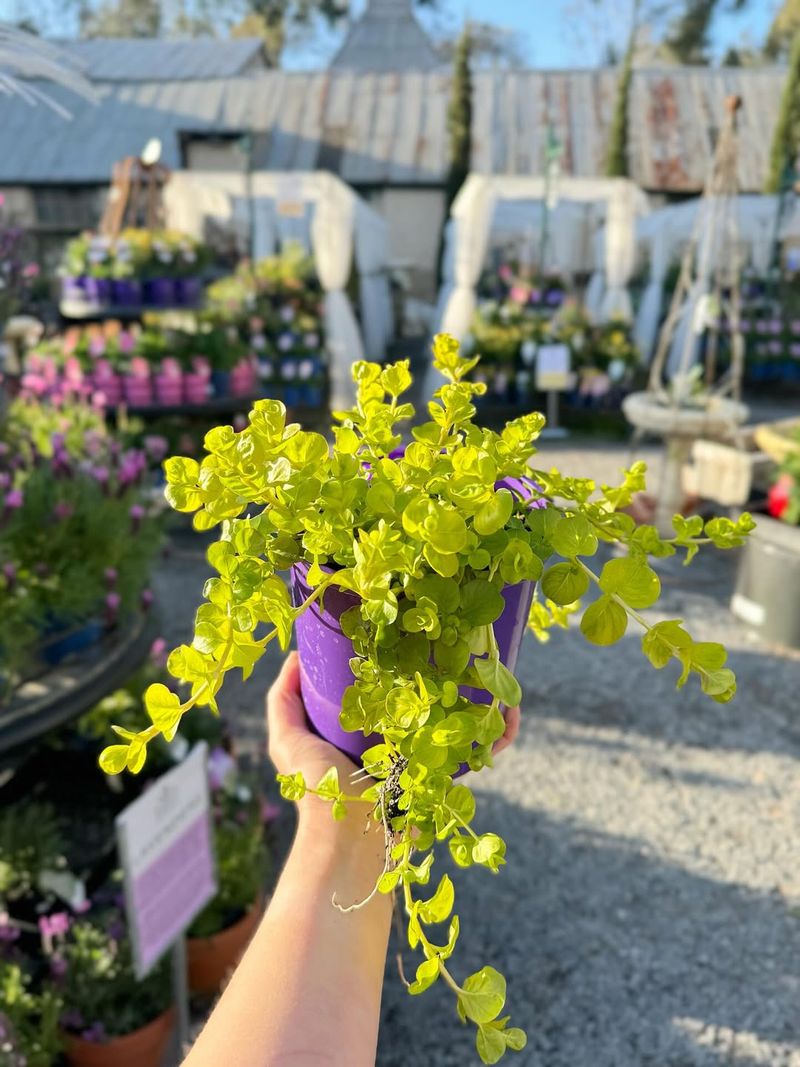
Creeping Jenny earns its name honestly, spreading its cheerful chartreuse foliage wherever it goes. This trailing groundcover transforms ordinary containers into lush, overflowing displays.
Its bright color adds energy and life to any arrangement, creating visual interest even without flowers.
This versatile plant thrives in both sun and shade, though its color is brightest in full sun. Plant it along container edges where it can cascade freely.
It grows quickly, filling in gaps and softening hard container edges beautifully.
Water creeping Jenny regularly, as it prefers consistently moist soil. It can tolerate brief dry periods but looks best with adequate moisture.
In containers, this usually means watering every few days during warm weather.
Creeping Jenny pairs beautifully with nearly any spring plant. Use it with upright flowers like snapdragons or tulips for contrast.
Combine it with purple or burgundy foliage plants for stunning color combinations. Its trailing habit creates movement and dimension in arrangements.
This plant spreads enthusiastically, which is perfect in containers where it’s naturally contained. Trim it back if it becomes too vigorous or starts overwhelming companions.
In North Carolina’s climate, it remains attractive from spring through fall. Some gardeners even overwinter it successfully.
For homes seeking easy, reliable foliage that adds instant polish to spring containers, creeping Jenny delivers every time.