Spray These 9 Fruit Trees Before Bud Break In North Carolina
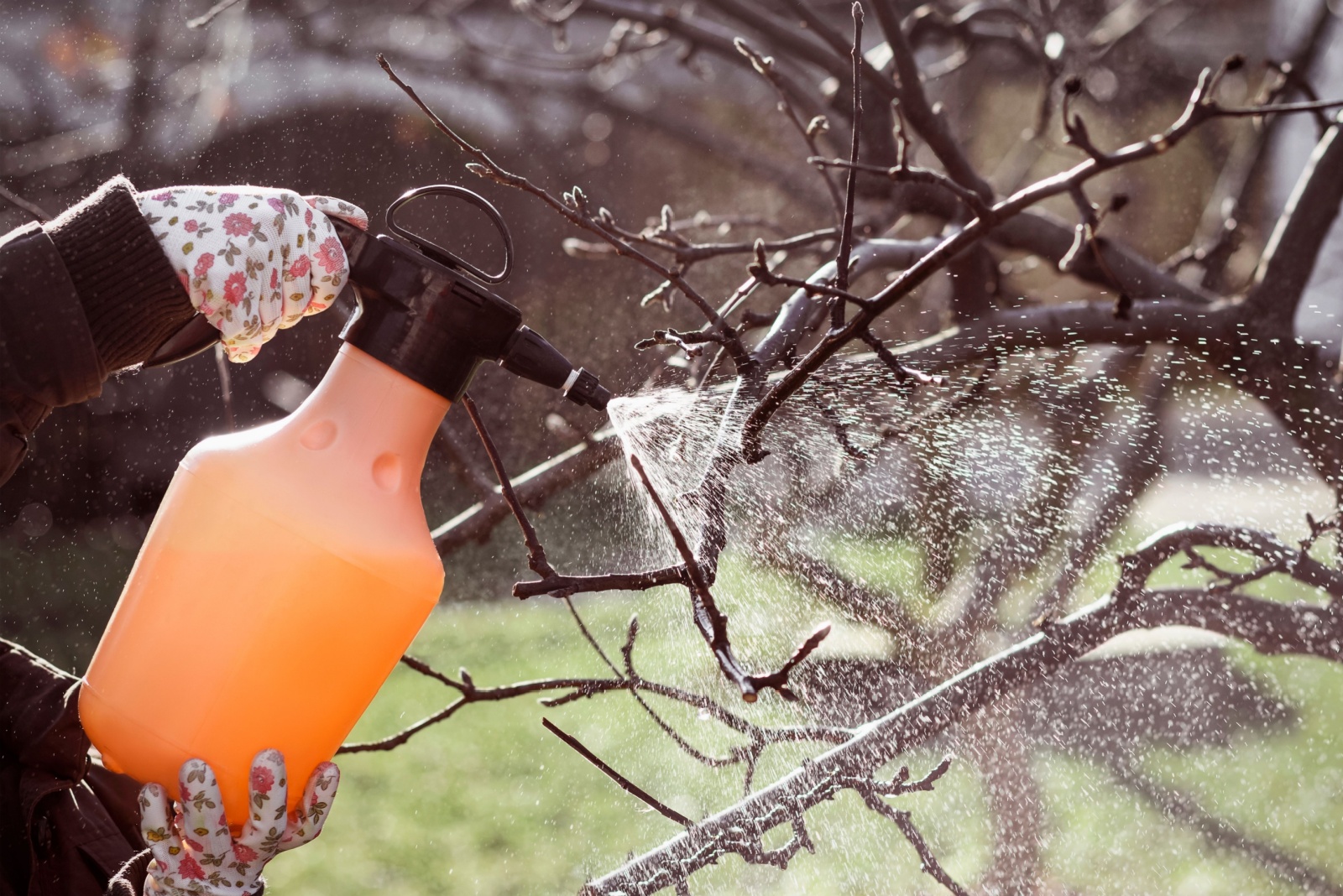
Late winter in North Carolina is a crucial time for fruit tree care, and smart gardeners know that what you do before bud break can shape the entire growing season.
While trees still look dormant, hidden pests, fungal spores, and overwintering insects are waiting for warmer days to wake up.
A timely spray helps stop problems before they start, protecting tender new growth, blossoms, and future fruit. The key is acting at the right moment, when temperatures are mild and buds have not yet opened.
With proper timing and the right treatments, you can reduce disease, limit insect damage, and give your trees a healthier start. Whether you grow apples, peaches, plums, or other backyard favorites, this simple late-winter step can make a big difference in harvest quality.
Let’s look at the fruit trees North Carolina gardeners spray before bud break and why this early care pays off.
1. Apple Trees Need Early Protection
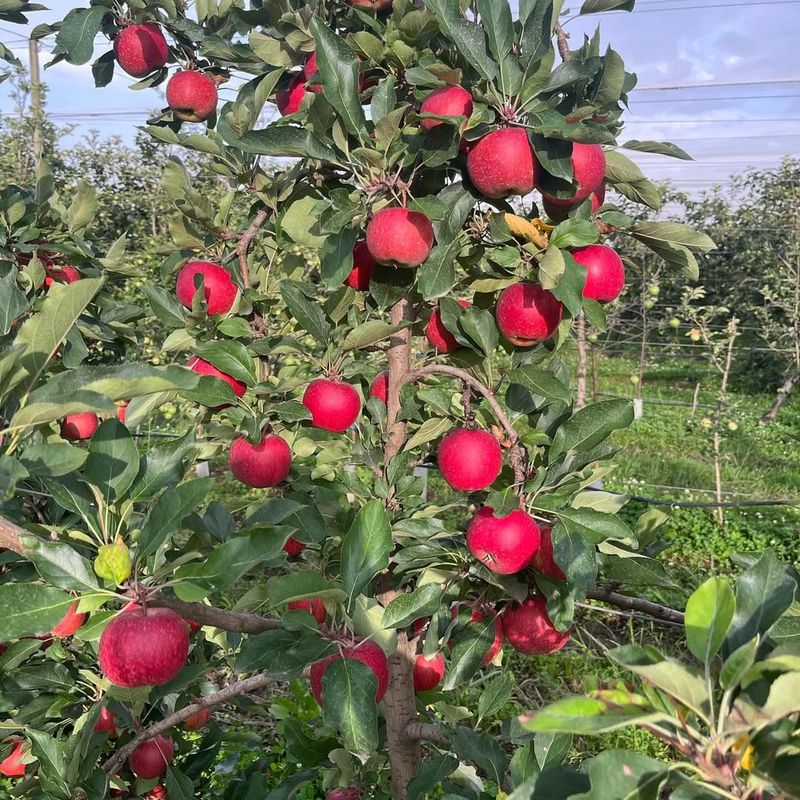
Apple trees face numerous challenges in North Carolina’s climate. Scale insects and spider mites often overwinter on bark, waiting for warm weather to multiply rapidly.
Fungal diseases also lurk, ready to infect new growth as soon as conditions become favorable.
Dormant oil sprays work wonders when applied correctly. These petroleum-based products smother overwintering pests without harming the tree itself.
Copper-based fungicides offer excellent protection against early fungal infections that can weaken your apple trees.
Timing matters more than most gardeners realize. Apply these sprays when temperatures stay above freezing for at least 24 hours but before any green tissue appears.
Late February through early March typically provides the ideal window in most North Carolina regions.
Mix products according to label directions for best results. Thorough coverage ensures every crevice and branch receives protection.
Pay special attention to branch crotches where pests love to hide. Your apple trees will reward proper care with vigorous spring growth. Healthy foliage and abundant blossoms follow good dormant season management.
This simple step prevents problems that could otherwise plague your orchard all season long.
2. Peach Trees Require Fungicide Applications
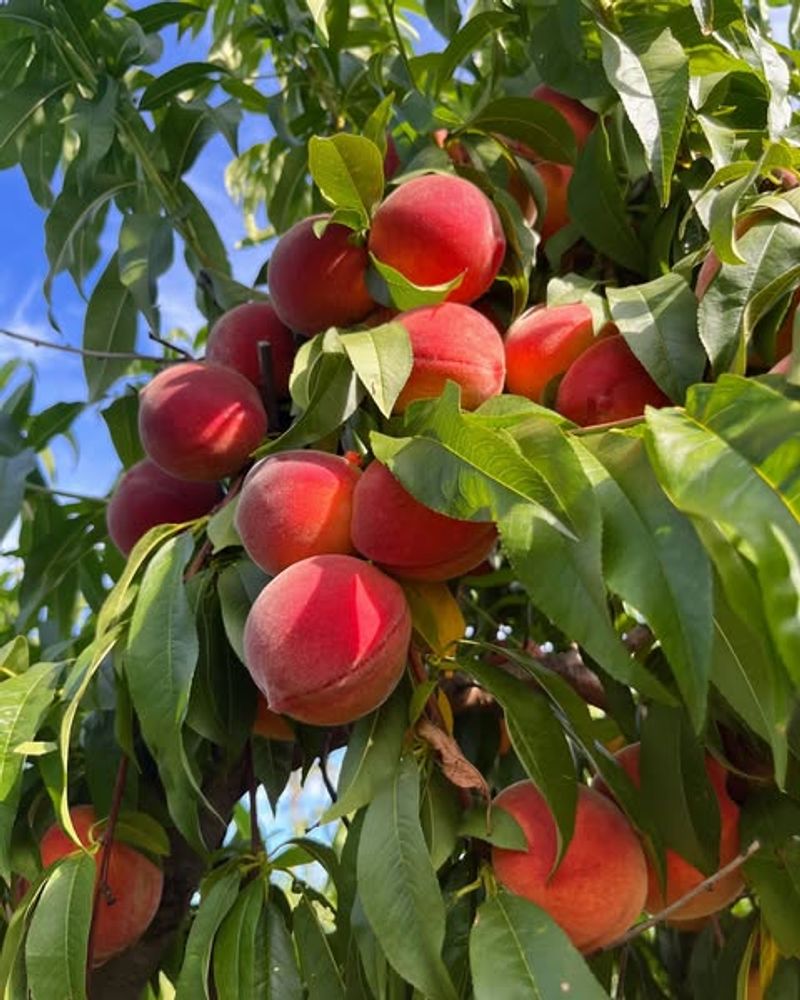
Peach leaf curl ranks among the most frustrating diseases for North Carolina peach growers. This fungal infection causes leaves to pucker, redden, and eventually drop, weakening trees significantly.
Prevention through dormant spraying beats trying to control active infections every single time.
Copper fungicides provide reliable protection when applied before buds swell. These products create a barrier that prevents fungal spores from establishing infections.
Dormant oil also helps by smothering scale insects that weaken peach trees. Application timing proves absolutely critical for success. Spray once in late winter, then again two weeks later for complete coverage.
Both applications must happen before any pink tissue shows on developing buds. North Carolina’s variable winter weather sometimes complicates scheduling. Watch weather forecasts carefully and choose days with mild temperatures and no rain predicted.
Wet conditions wash away protective sprays before they can work properly. Healthy peach trees produce sweeter, more abundant fruit. Strong foliage supports fruit development throughout the growing season.
Your early efforts pay dividends when harvest time arrives with baskets full of perfect peaches.
Your North Carolina Garden Changes Every Week. Your Plan Should Too.
Gardening in North Carolina changes quickly throughout the season. Every Friday you’ll receive a simple weekly plan showing exactly what to plant, prune, fertilize, harvest, and protect so you never miss the right timing.
3. Plum Trees Benefit From Copper Treatments
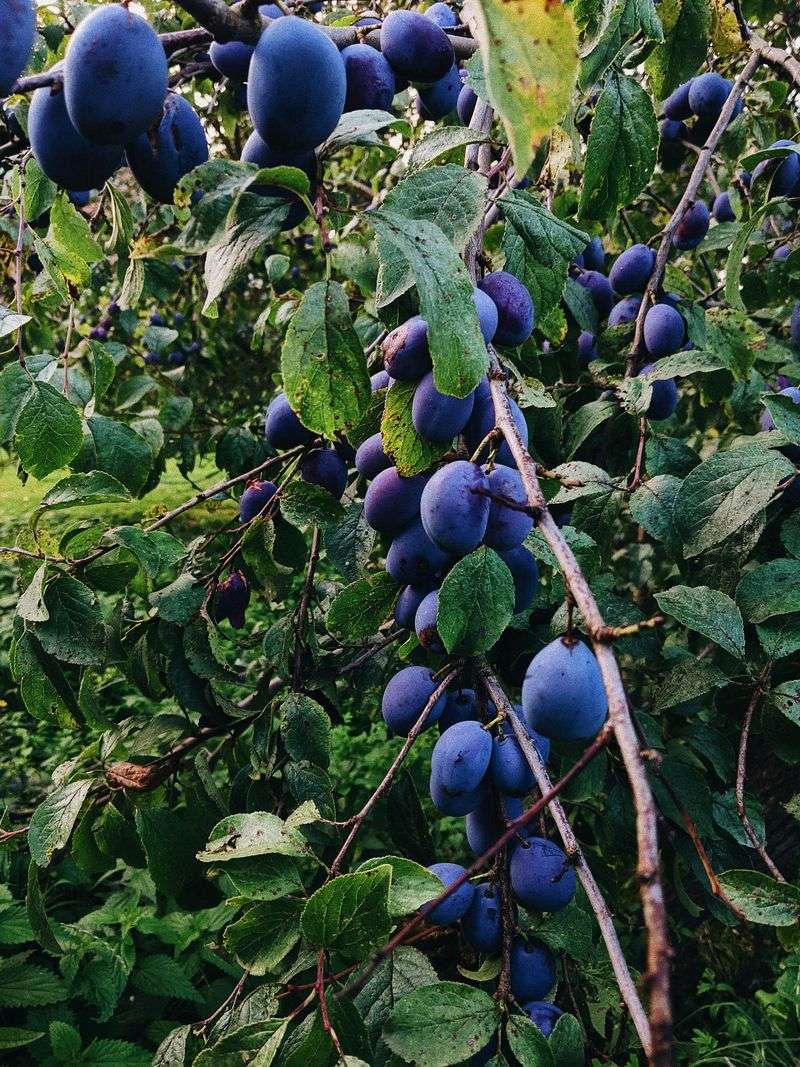
Bacterial spot disease causes serious problems for plum growers across North Carolina. Dark lesions appear on leaves and fruit, reducing both tree vigor and harvest quality.
Scale insects add another layer of trouble, sucking sap and weakening branches throughout the growing season.
Copper-based fungicides offer excellent bacterial spot control. These products work best when applied during dormancy, creating a protective shield before bacteria become active.
Dormant oil tackles overwintering mites and scale simultaneously. European and Japanese plum varieties both need this protection. Different cultivars show varying susceptibility, but all benefit from preventive spraying.
Even resistant varieties perform better with proper dormant care. Mix copper products carefully to avoid phytotoxicity issues. Follow label rates exactly and never apply when temperatures exceed 70 degrees.
Cooler conditions ensure safe, effective applications that protect without harming tender bark.
Spring arrives with confident anticipation when plums receive proper care. Clean foliage emerges without disease symptoms or pest damage.
Your plum trees grow vigorously, setting fruit abundantly for a rewarding harvest season ahead.
4. Pear Trees Combat Psylla And Scale
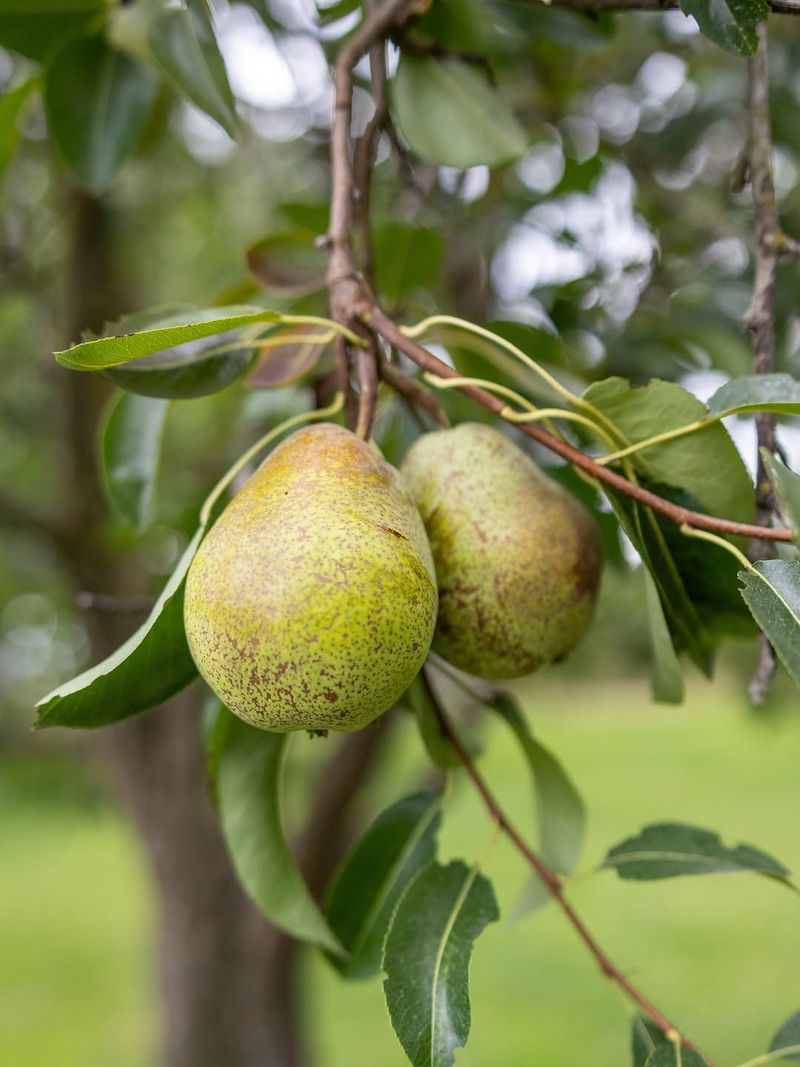
Pear psylla ranks as one of the most persistent pests affecting North Carolina pear growers. These tiny insects overwinter as adults, ready to lay eggs as soon as warm weather arrives.
Their feeding causes honeydew production, which leads to sooty mold and reduced fruit quality.
Dormant oil applications significantly reduce psylla populations before they can reproduce. The oil suffocates overwintering adults hiding in bark crevices and branch unions. Scale insects also succumb to thorough dormant oil coverage.
Fungal diseases threaten pears just like other fruit trees. Fire blight and pear scab both cause significant damage when conditions favor infection.
Copper fungicides applied during dormancy provide an important first line of defense. Spray coverage determines treatment success more than any other factor. Use adequate pressure to reach all bark surfaces and branch angles.
Upper canopy areas need just as much attention as lower, easier-to-reach branches. Well-maintained pear trees produce beautiful spring blossoms without pest interference. Clean foliage supports optimal photosynthesis and fruit development.
Your harvest will feature unblemished pears with excellent flavor and texture.
5. Cherry Trees Need Scale Management
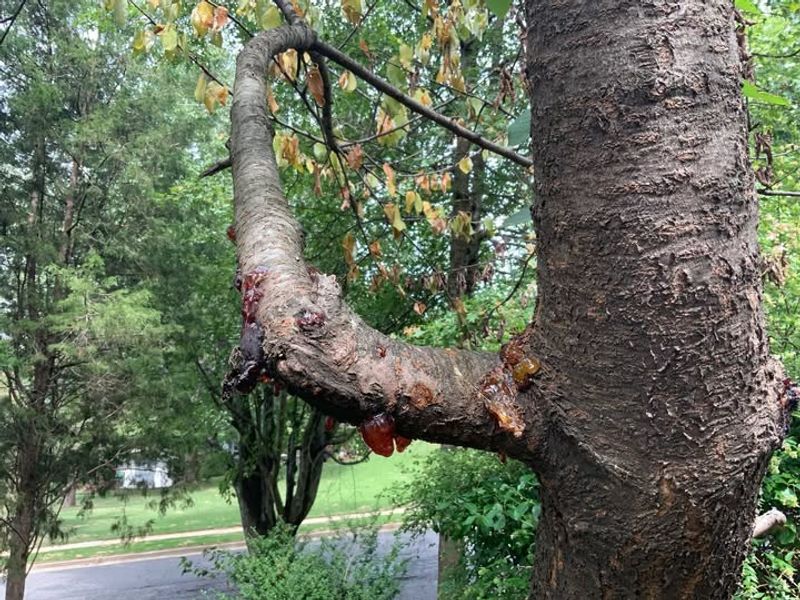
Sweet and sour cherries both struggle with scale insect infestations in North Carolina. These armored pests attach to bark and branches, draining vital nutrients from the tree.
Heavy infestations can stunt growth and reduce fruit production dramatically over time.
Dormant oil provides highly effective scale control when applied correctly. The oil penetrates under scale covers, suffocating insects before they can reproduce in spring.
This simple treatment prevents populations from exploding during the growing season.
Cherry leaf spot poses another significant threat to North Carolina cherry growers. This fungal disease causes premature leaf drop, weakening trees and reducing next year’s fruit production.
Copper fungicide applications during dormancy help prevent early infections. Both sweet and tart cherry varieties respond well to dormant care. Japanese flowering cherries grown for ornamental purposes also benefit from these treatments.
Protect all cherry species with the same thorough approach. Spring brings gorgeous cherry blossoms when trees receive proper winter care. Healthy foliage follows beautiful flowers, supporting excellent fruit development.
Your cherry harvest will reward diligent dormant season management with abundant, flavorful fruit.
6. Fig Trees Prepare For Spring Growth
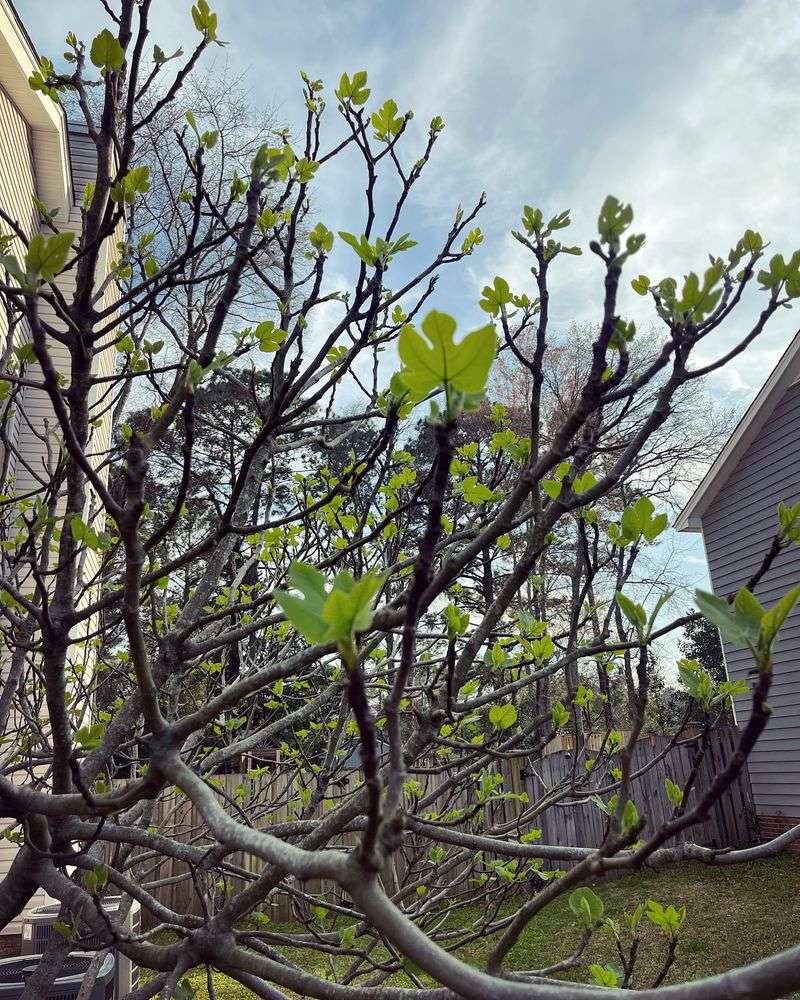
Figs thrive in North Carolina’s climate but still face pest challenges. Scale insects particularly favor fig trees, establishing colonies that weaken branches and reduce vigor.
These pests multiply quickly once warm weather arrives, making prevention crucial. Dormant oil applications work wonderfully on fig trees. The treatment smothers overwintering scale without harming the tree or affecting fruit quality later.
Light applications prove sufficient since figs show relatively good pest resistance compared to other fruit trees.
North Carolina’s mild winters allow figs to survive reliably in most regions. Late winter freezes occasionally damage branches, but healthy trees recover quickly.
Proper dormant care ensures trees enter spring in peak condition. Apply sprays when temperatures remain above freezing but before any leaf buds swell. Fig trees often break dormancy earlier than other fruit trees in warm years.
Watch your trees closely and spray at the first opportunity. Healthy fig trees produce two crops in favorable years. The main crop develops on current season’s growth, while the breba crop forms on last year’s wood.
Strong, pest-free trees maximize both harvests for extended fresh fig enjoyment.
7. Nectarine Trees Mirror Peach Care Needs
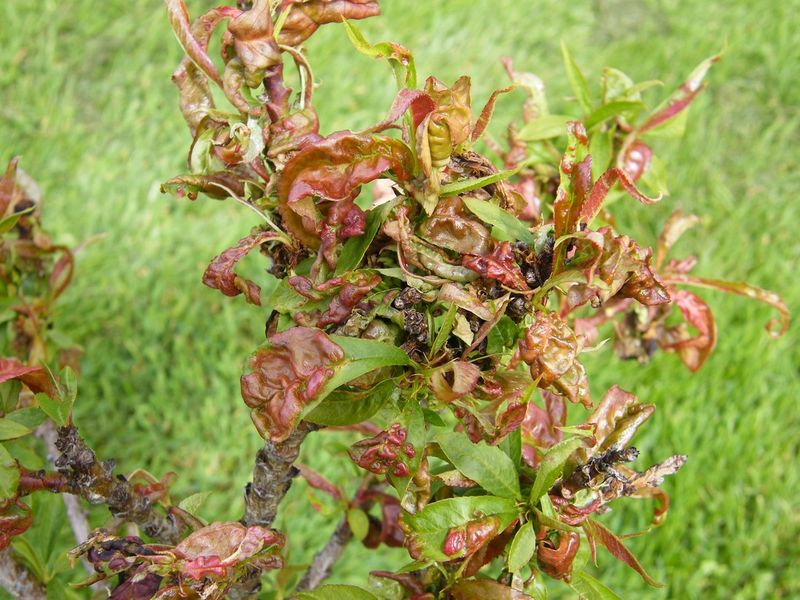
Nectarines are essentially fuzzless peaches, sharing the same pest and disease vulnerabilities. Peach leaf curl affects nectarines just as severely, causing distorted foliage and reduced tree vigor.
This fungal disease requires preventive treatment since control becomes impossible once symptoms appear.
Copper fungicide applications provide reliable peach leaf curl prevention. Apply twice during dormancy, spacing applications two weeks apart for complete protection.
Dormant oil added to fungicide sprays enhances pest control without reducing disease prevention.
Scale insects and overwintering mites also threaten nectarine trees. These pests weaken branches and reduce fruit production when populations build unchecked.
Early dormant spraying prevents pest problems before they can establish serious infestations.
North Carolina’s climate suits nectarine growing beautifully. Mild winters rarely damage trees, while warm summers produce sweet, flavorful fruit.
Proper dormant care ensures trees capitalize on these favorable conditions. Summer brings delicious nectarine harvests when trees receive proper winter protection. Smooth-skinned fruit develops perfectly on healthy, disease-free trees.
Your family will enjoy fresh nectarines throughout the season thanks to diligent dormant spraying efforts.
8. Apricot Trees Fight Multiple Threats
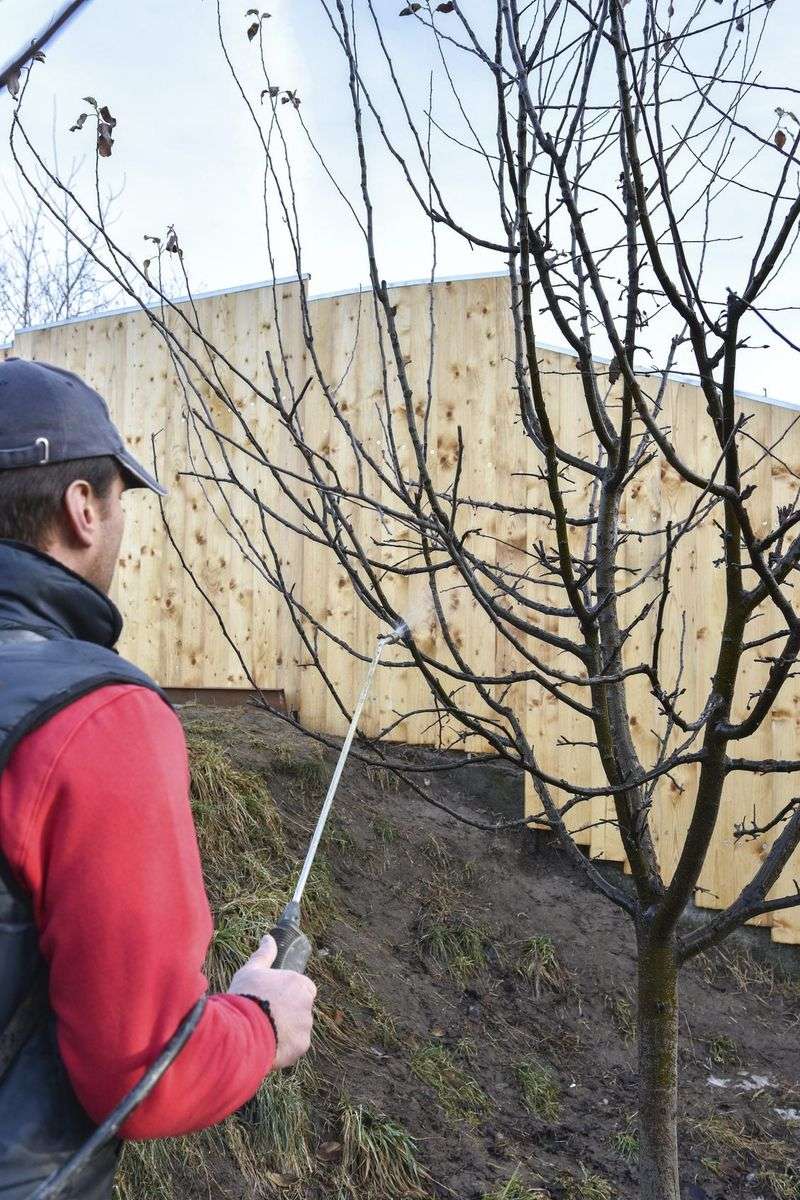
Apricots face numerous challenges in North Carolina’s humid climate. Fungal diseases thrive in moisture-rich conditions, threatening both foliage and fruit quality.
Scale insects and aphids also target apricot trees, weakening growth and reducing productivity.
Dormant sprays address multiple problems with single applications. Copper fungicides prevent fungal infections while dormant oil controls overwintering pests effectively.
This dual-action approach provides comprehensive protection as trees emerge from winter dormancy.
Brown rot poses particular danger to apricot flowers and fruit. This fungal disease can devastate entire crops when conditions favor infection.
Dormant copper applications provide the foundation for season-long brown rot management.
Aphids overwinter as eggs on apricot branches. These eggs hatch as soon as warm weather arrives, producing colonies that damage new growth rapidly. Dormant oil suffocates eggs before they can hatch and cause problems.
Well-protected apricot trees bloom beautifully each spring. Healthy foliage supports excellent fruit development throughout the growing season.
Your harvest will feature golden apricots with outstanding flavor, texture, and appearance thanks to thorough dormant care.
9. Persimmon Trees Enjoy Natural Resistance
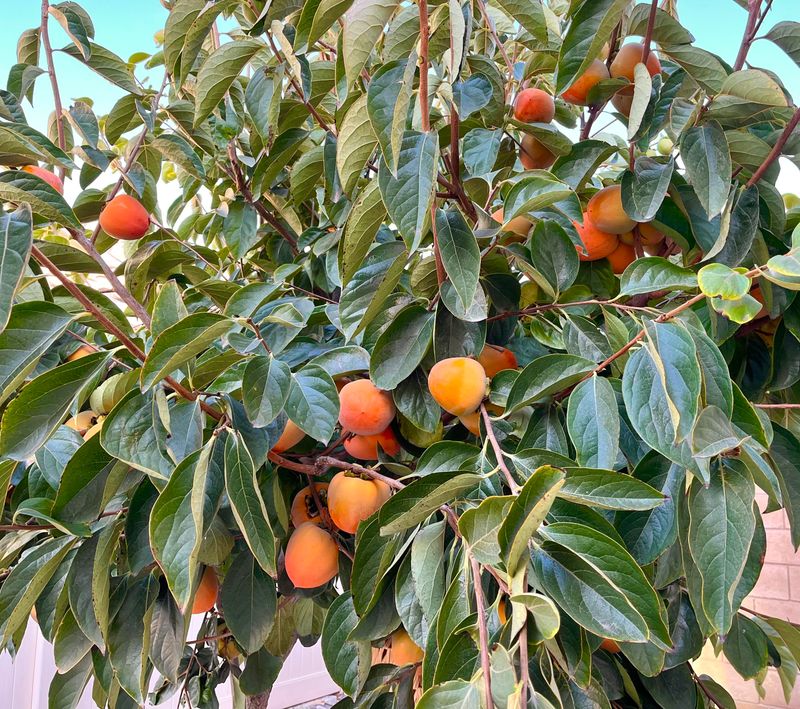
American and Asian persimmons show remarkable pest resistance compared to other fruit trees. These tough trees rarely suffer serious insect or disease problems in North Carolina.
However, scale insects and spider mites occasionally establish populations that benefit from control measures.
Light dormant oil applications provide insurance against potential pest issues. The treatment costs little and causes no harm, making it worthwhile even on resistant trees.
Scale populations sometimes build over several years, so preventive spraying maintains tree health.
Persimmons require less intensive care than most other fruit trees. This low-maintenance characteristic makes them excellent choices for gardeners wanting fresh fruit without extensive spraying programs.
Dormant oil represents the only treatment many persimmon trees ever need. Both native and Oriental persimmon varieties grow well across North Carolina. American persimmons tolerate cold better, while Asian types often produce larger fruit.
All varieties benefit from basic dormant season care. Autumn brings spectacular persimmon harvests when trees remain healthy. Orange fruit hangs on branches after leaves drop, creating beautiful fall displays.
Your patience through winter and simple dormant care ensure trees produce abundantly year after year.