Plant These 6 Trees In February To Shape Your North Carolina Garden For Years
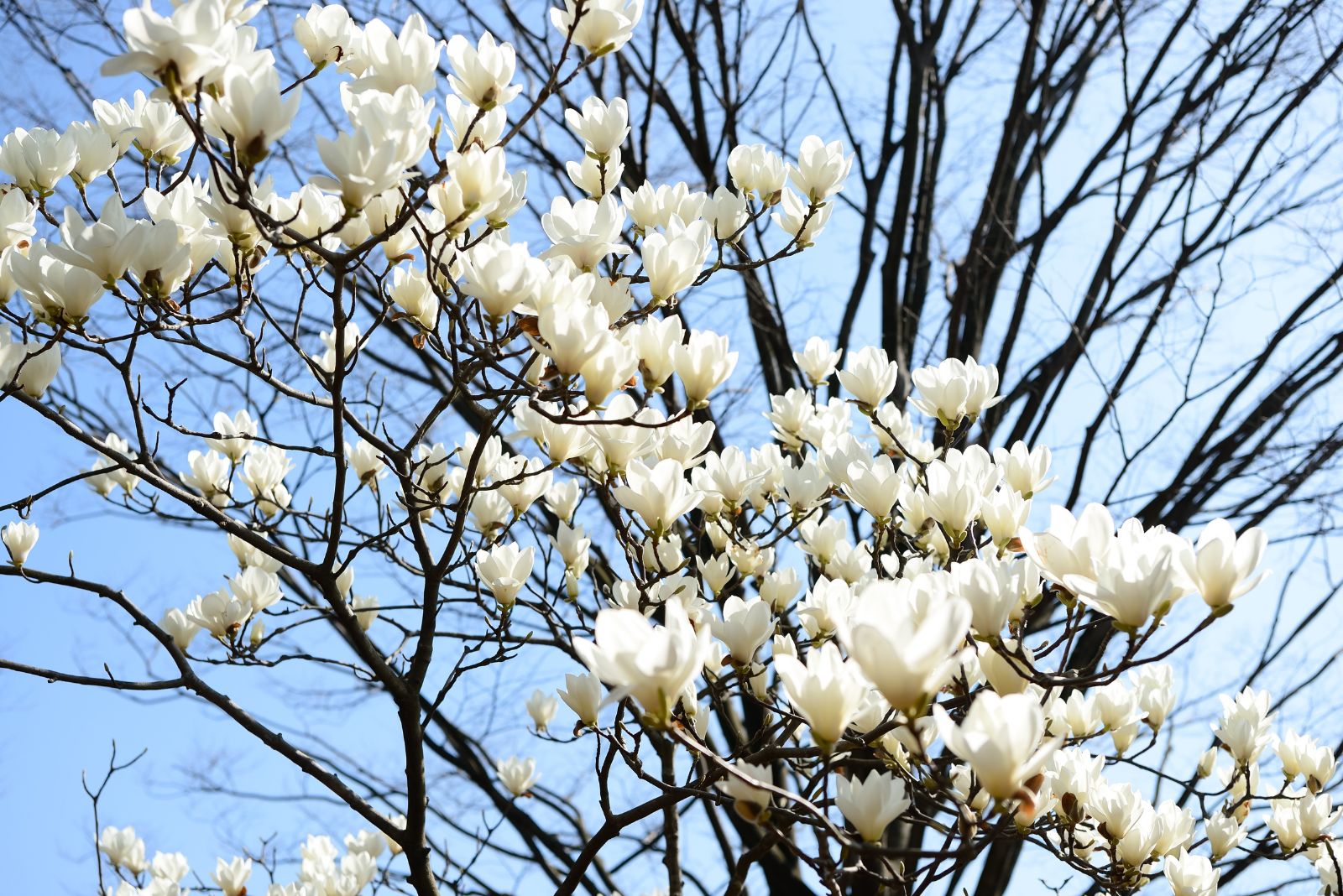
February might still feel like winter, but smart gardeners know it is one of the best times to plant trees that will shape the future of the garden. While many plants stay dormant, young trees quietly settle in, building strong roots before spring growth begins.
Planting now gives them a head start, helping them grow sturdier, healthier, and better prepared for the seasons ahead. The right trees do more than fill space.
They create shade, add structure, attract wildlife, and bring beauty that lasts for decades. Whether you want colorful blooms, graceful form, or a natural focal point, choosing wisely now pays off for years to come.
With cooler temperatures, moist soil, and less stress on new roots, February planting sets the stage for long-term success. Let’s explore six excellent trees to plant now and start shaping a garden that only gets better with time.
1. Eastern Redbud (Cercis canadensis)
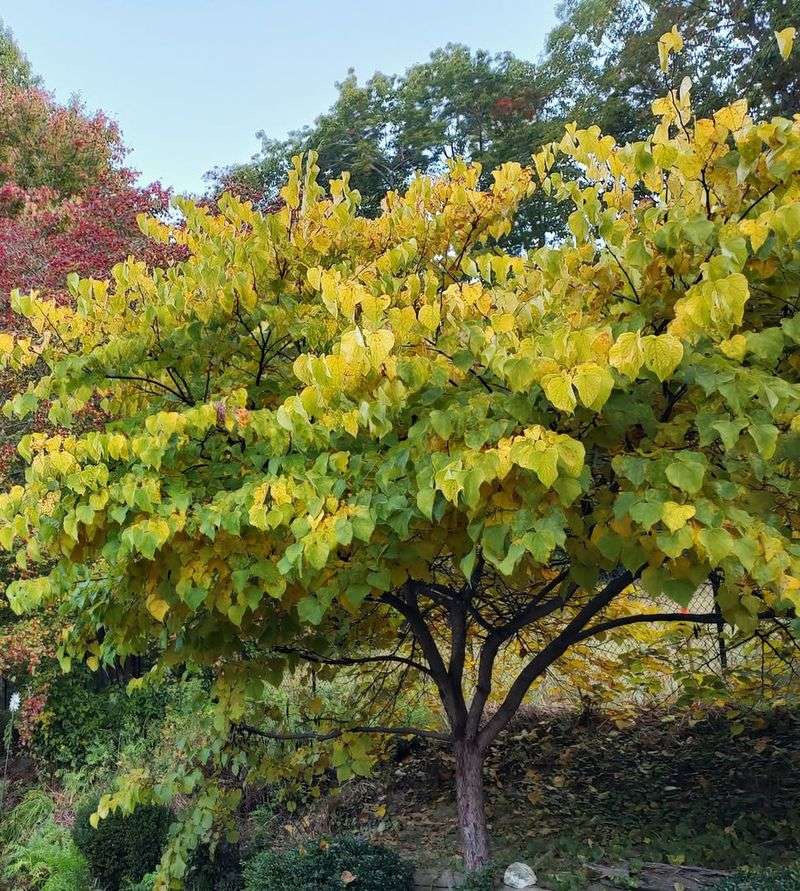
Picture a tree that announces spring’s arrival with clouds of pink blossoms before its leaves even appear. Eastern Redbud does exactly that, turning bare branches into stunning displays that make neighbors stop and stare.
This native beauty fits perfectly in smaller yards, growing just 20 to 30 feet tall. February planting gives these trees a critical advantage. The cool soil allows roots to spread and establish without the stress of supporting new leaves and flowers.
By the time warm weather arrives, your redbud will have a strong foundation ready to support that spectacular spring show.
These trees aren’t just pretty faces either. They attract butterflies and hummingbirds, adding life and movement to your garden.
The heart-shaped leaves provide lovely summer shade, turning golden yellow in fall for another season of beauty.
Plant your redbud in well-drained soil with morning sun and afternoon shade for best results. Water regularly during the first growing season to help those developing roots.
Within a few years, you’ll have a stunning focal point that blooms reliably every spring. Native to North Carolina, eastern redbuds naturally thrive in local conditions. They handle heat, humidity, and occasional drought once established.
This adaptability makes them perfect for gardeners wanting low-maintenance beauty that lasts for generations.
2. Flowering Dogwood (Cornus florida)
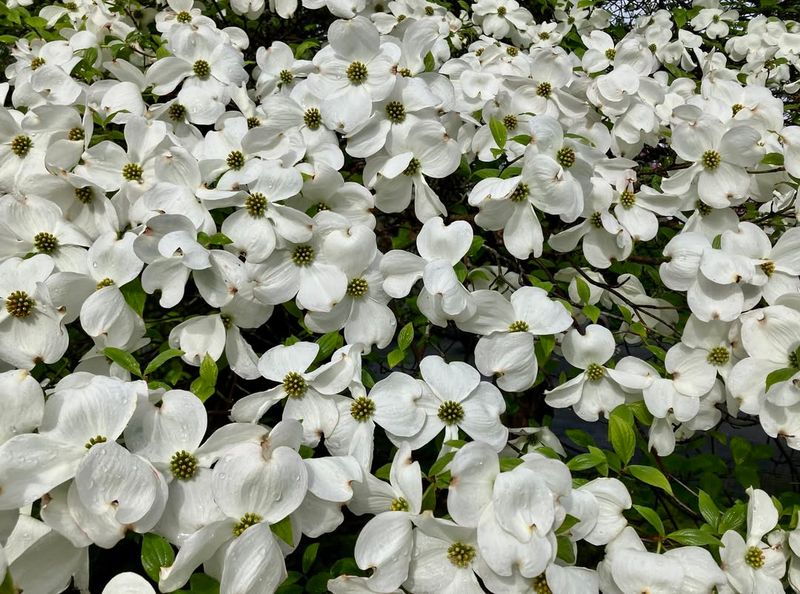
Few trees capture the essence of Southern gardens quite like flowering dogwood. Its white or pink bracts create floating layers of color each spring, transforming ordinary yards into something magical.
This classic beauty grows 15 to 30 feet tall, making it ideal for underneath larger shade trees or as a standalone specimen.
Getting dogwoods in the ground during February sets them up for long-term success. The dormant season allows these sensitive trees to adjust to their new home without the added pressure of flowering.
Strong root systems develop first, creating stability that helps the tree weather summer heat and winter cold.
Beyond spring blooms, dogwoods offer year-round interest. Glossy green leaves turn rich red and purple in autumn.
Bright red berries feed birds through winter months. The attractive branching pattern creates visual appeal even when branches are bare.
Your North Carolina Garden Changes Every Week. Your Plan Should Too.
Gardening in North Carolina changes quickly throughout the season. Every Friday you’ll receive a simple weekly plan showing exactly what to plant, prune, fertilize, harvest, and protect so you never miss the right timing.
Choose a location with partial shade and acidic, well-drained soil. Morning sun with afternoon protection works wonderfully.
Mulch around the base to keep roots cool and moist, but keep mulch away from the trunk itself to prevent rot.
Native to eastern forests, dogwoods naturally complement other woodland plants. They pair beautifully with azaleas, ferns, and hostas.
This tree becomes a cherished part of your landscape, marking seasons and creating memories for years to come.
3. Southern Magnolia (Magnolia grandiflora)
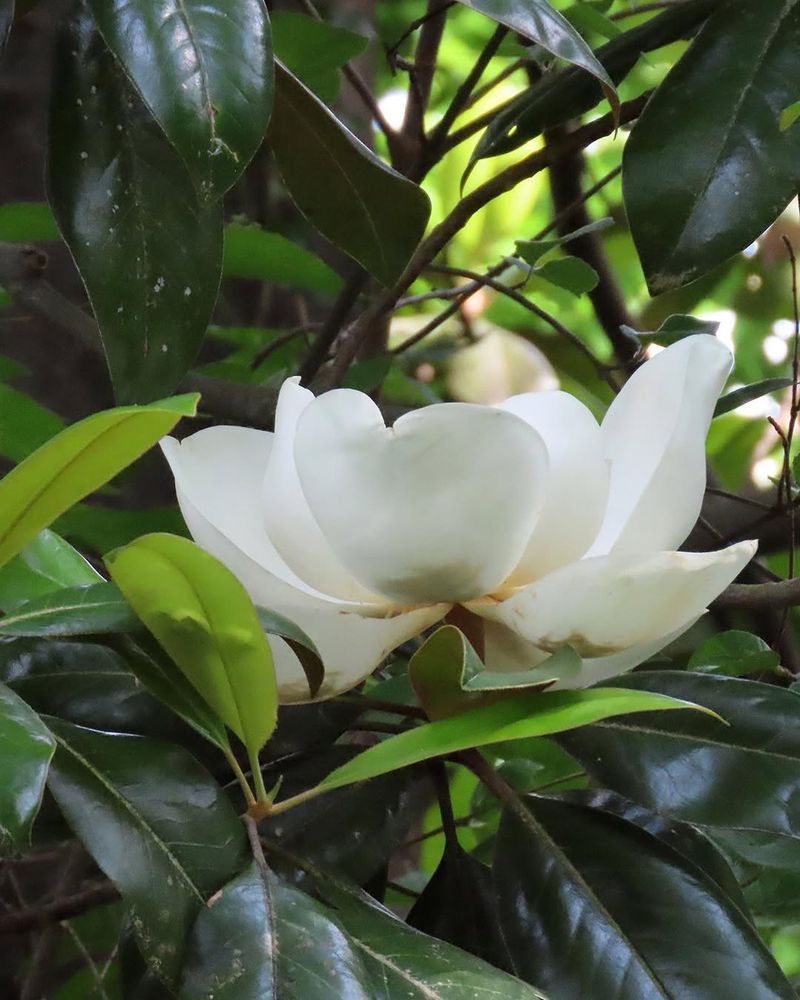
Southern magnolia stands as the grand dame of Southern landscapes. Massive white flowers up to 12 inches across perfume the air with lemony sweetness from late spring through summer.
Glossy evergreen leaves with rusty undersides create year-round elegance that never goes out of style.
February planting gives these substantial trees time to establish before facing summer’s demands. Magnolias grow slowly but surely, eventually reaching 60 to 80 feet tall.
That February head start means stronger roots supporting steady upward growth when warm weather returns.
The evergreen nature of southern magnolia provides privacy and wind protection throughout all seasons. Dense foliage blocks unwanted views while creating a lush backdrop for other garden plants.
Fallen leaves and seed cones do create cleanup work, but most gardeners find the trade-off worthwhile.
Select a spacious planting site away from structures and power lines. These trees need room to spread their branches 30 to 40 feet wide at maturity. Full sun to partial shade works well, though more sun means more flowers.
Prepare the soil with organic matter and ensure good drainage. Magnolias dislike wet feet but need consistent moisture during establishment.
Once settled, they become remarkably tough, handling heat and humidity with grace. This investment tree grows in value and beauty with every passing year, becoming a landmark in your landscape.
4. River Birch (Betula nigra)
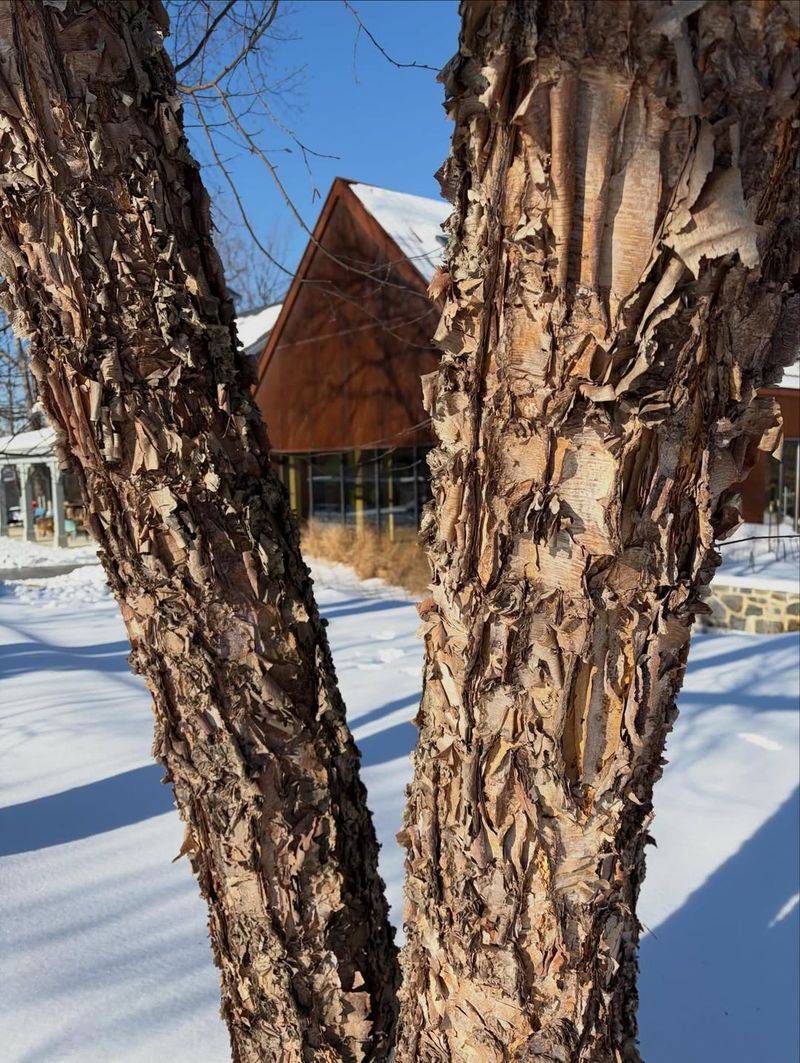
River birch brings something completely different to the landscape conversation. Bark that peels in papery curls reveals shades of salmon, cream, and cinnamon underneath.
This ever-changing texture creates visual interest that intensifies as the tree matures, making it a year-round showstopper.
Fast growth makes river birch especially rewarding for impatient gardeners. February planting minimizes transplant shock during this rapid development phase.
Cool temperatures and dormancy allow roots to spread quickly without stress. Come spring, your birch will shoot upward, adding several feet of growth each year.
Unlike many birches that struggle in Southern heat, river birch thrives in North Carolina conditions. It naturally grows along stream banks and tolerates both wet and moderately dry soils once established.
The triangular leaves flutter in breezes, creating movement and sound that adds another sensory dimension to your garden.
Plant in full sun to partial shade for best growth and bark color. River birch adapts to various soil types but performs best with consistent moisture.
The tree typically grows with multiple trunks, creating an informal, naturalistic appearance that suits contemporary and traditional landscapes alike.
This native tree reaches 40 to 70 feet tall, providing substantial shade within just a few years. Yellow fall color adds seasonal interest before leaves drop.
Birds appreciate the seeds, and the exfoliating bark provides winter homes for beneficial insects.
5. American Holly (Ilex opaca)
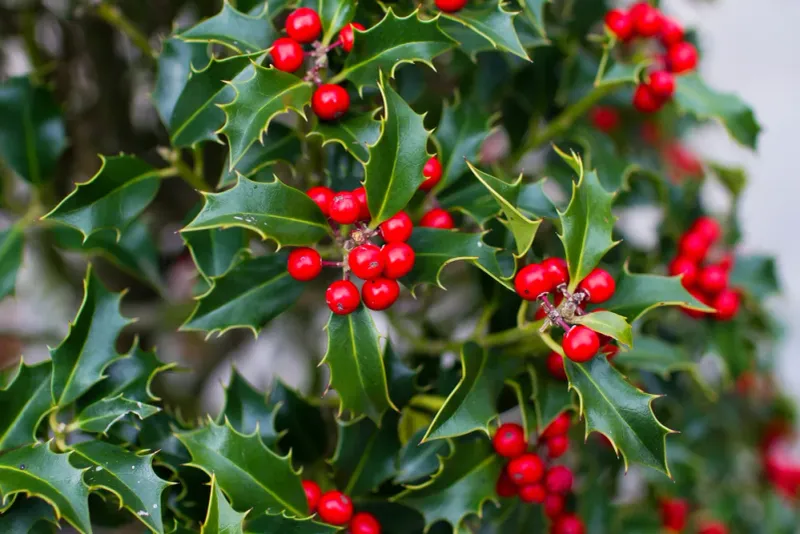
American holly brings classic evergreen beauty and bright winter berries to your landscape. Spiny dark green leaves stay attractive all year, while red berries light up gray winter days.
This native tree grows 15 to 30 feet tall, creating privacy screens or serving as a stunning specimen plant.
Planting in February allows holly roots to establish before spring growth begins. These trees grow slowly but steadily, building strong root systems that support healthy top growth.
The dormant season gives them time to adjust without the challenge of supporting new leaves and berries simultaneously.
Only female hollies produce berries, and they need a male holly nearby for pollination. Plant one male for every three to five females to ensure a good berry crop.
Those bright red fruits persist through winter, feeding birds when other food sources become scarce.
Choose a location with full sun to partial shade and well-drained, slightly acidic soil. Holly tolerates various conditions but grows best with consistent moisture during establishment.
The pyramidal shape develops naturally without pruning, though you can trim for formal hedges if desired.
American holly handles North Carolina’s climate beautifully. Summer heat and winter cold don’t faze this tough native.
The evergreen foliage provides year-round structure in your landscape, serving as a backdrop for flowering plants and deciduous trees. Birds shelter in the dense branches, making your yard a wildlife haven throughout all seasons.
6. Sweetbay Magnolia (Magnolia virginiana)
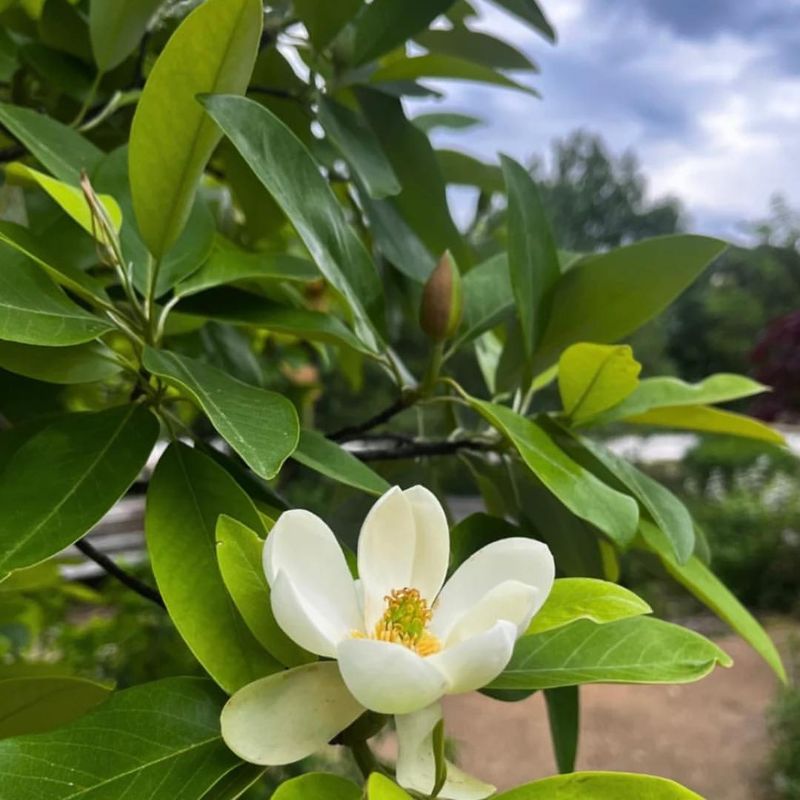
Sweetbay magnolia offers all the charm of its larger cousin in a more manageable package. Creamy white flowers bloom from late spring through summer, releasing a sweet lemony fragrance that perfumes your entire garden.
This semi-evergreen beauty grows 10 to 35 feet tall, fitting comfortably in smaller spaces.
February planting helps sweetbay magnolia acclimate before active growth begins. This tree naturally thrives in moist to wet locations, making it perfect for those challenging boggy spots where other trees struggle.
The cool dormant season allows roots to spread into damp soil without rotting, establishing a strong foundation for future growth.
Leaves with silvery undersides shimmer in breezes, adding movement and light to shaded areas. In warmer parts of North Carolina, sweetbay stays evergreen through winter.
Further north, it may lose some leaves but quickly regrows them in spring.
Plant in full sun to partial shade with consistently moist, acidic soil. This magnolia tolerates wet conditions better than almost any other tree, making it ideal near ponds, streams, or low-lying areas.
It also adapts to average garden soil with regular watering. Birds and butterflies visit the flowers for nectar and pollen. The tree’s moderate size makes it perfect for smaller yards or as an understory tree beneath taller specimens.
Sweetbay magnolia brings elegance and fragrance to your landscape while solving drainage challenges that stump other gardeners. Its glossy green leaves and delicate flowers make it a standout focal point in any garden design.